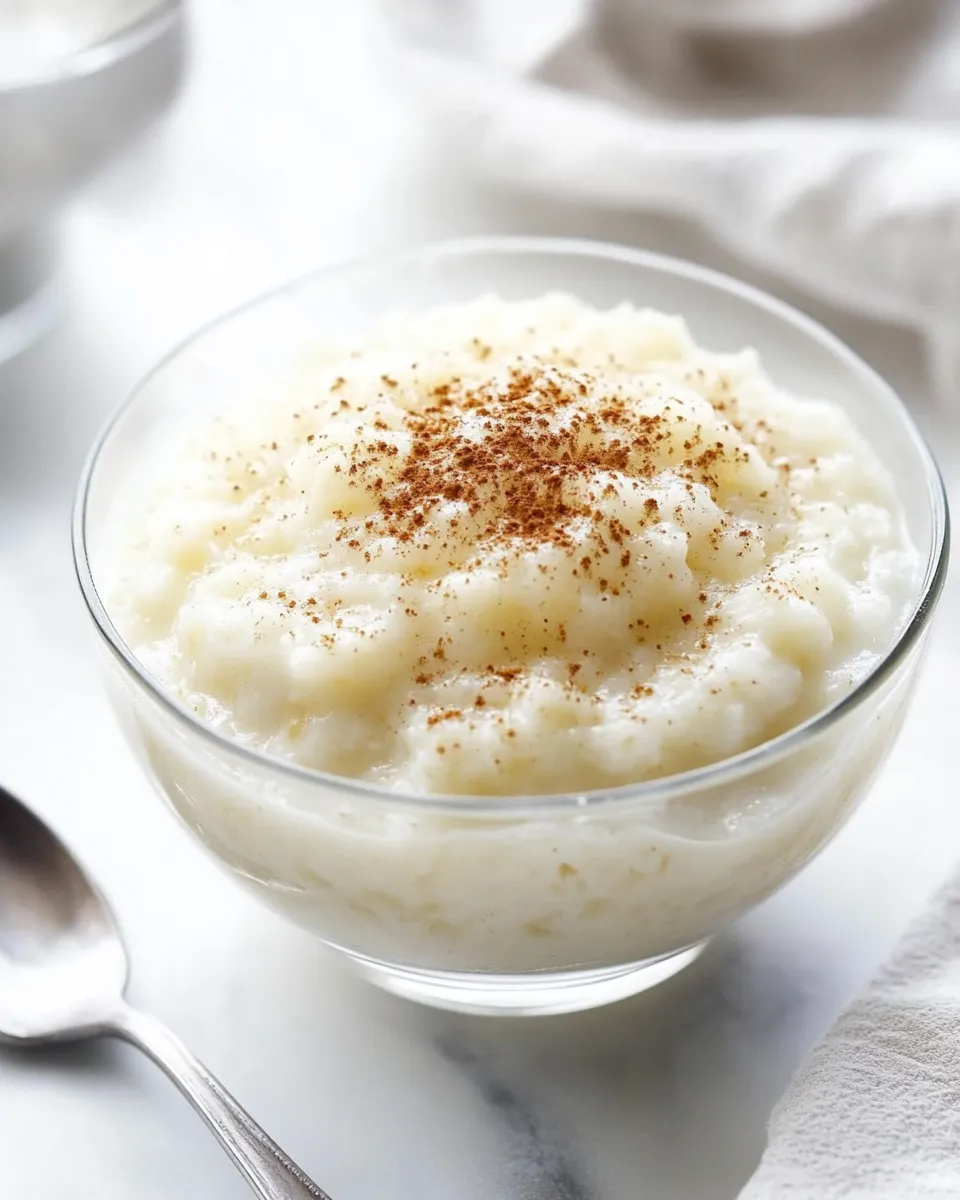
There are recipes that feel like a warm hand when you need one. This tapioca pudding is one of those: simple, forgiving, and quietly indulgent. It doesn’t demand special ingredients or fuss; it asks only for attention while it cooks and patience while it cools.
I make this when I want something comforting without turning my kitchen into a production. The texture is the point here — small translucent pearls suspended in a creamy base — and it rewards gentle stirring and low heat. It works equally well as a warm spoonful on a cool evening or chilled for a light, custardy dessert.
Below you’ll find exactly what I use, the step-by-step method I follow, and the practical tips that keep this pudding smooth and bright. No tricks, no fluff—just reliable technique so you get the texture you want every time.
What We’re Using
- 2 1/2 cups milk (I like using whole milk, but it worked great with rice milk too) — the creamy base; whole milk gives a richer mouthfeel, plant milks work but may change texture slightly.
- 1/3 cup tapioca (not quick cooking) — the star; small pearls that swell and turn translucent as they cook.
- 2 tablespoons honey or agave — sweetener; adds flavor and sheen without overpowering the delicate pudding.
- pinch of kosher salt — balances sweetness and lifts the dairy notes.
Mastering Tapioca Pudding: How-To
- Combine 2 1/2 cups milk and 1/3 cup tapioca in a medium saucepan and stir to wet all the tapioca.
- Place the saucepan over medium heat and bring the mixture to a gentle boil, stirring frequently to prevent the tapioca from sticking or scorching.
- Reduce the heat to low so the mixture is at a gentle simmer. Cook uncovered for 30 minutes, stirring every 3–5 minutes, until the tapioca pearls are mostly translucent and the mixture has thickened.
- Stir in 2 tablespoons honey or agave and a pinch of kosher salt until fully incorporated.
- Continue cooking over low heat for another 5 minutes, stirring occasionally, until the pudding reaches your desired thickness. Remove from the heat.
- Serve warm, or let cool to room temperature and then refrigerate until chilled. Note: the pudding will continue to thicken as it cools.
Why This Recipe Belongs in Your Rotation
This recipe is short on ingredients and big on payoff. It gives you a dessert that feels thoughtful without asking for lots of time or equipment. The technique — low and slow with regular stirring — is forgiving. Miss a stir here or there and you can usually coax the texture back with a little gentle heat and motion.
It also adapts. Use whole milk when you want luxury, or swap in a neutral plant milk when you need something dairy-free. The sweetness level is modest; two tablespoons of honey or agave keeps it balanced and lets you taste the creamy base and the tapioca pearls. Finally, it’s quick to assemble, stores well for a few days, and reheats nicely if you prefer it warm.
For busy weeknights or quieter weekends, this pudding covers both bases — dessert and comfort food — with minimal fuss.
No-Store Runs Needed
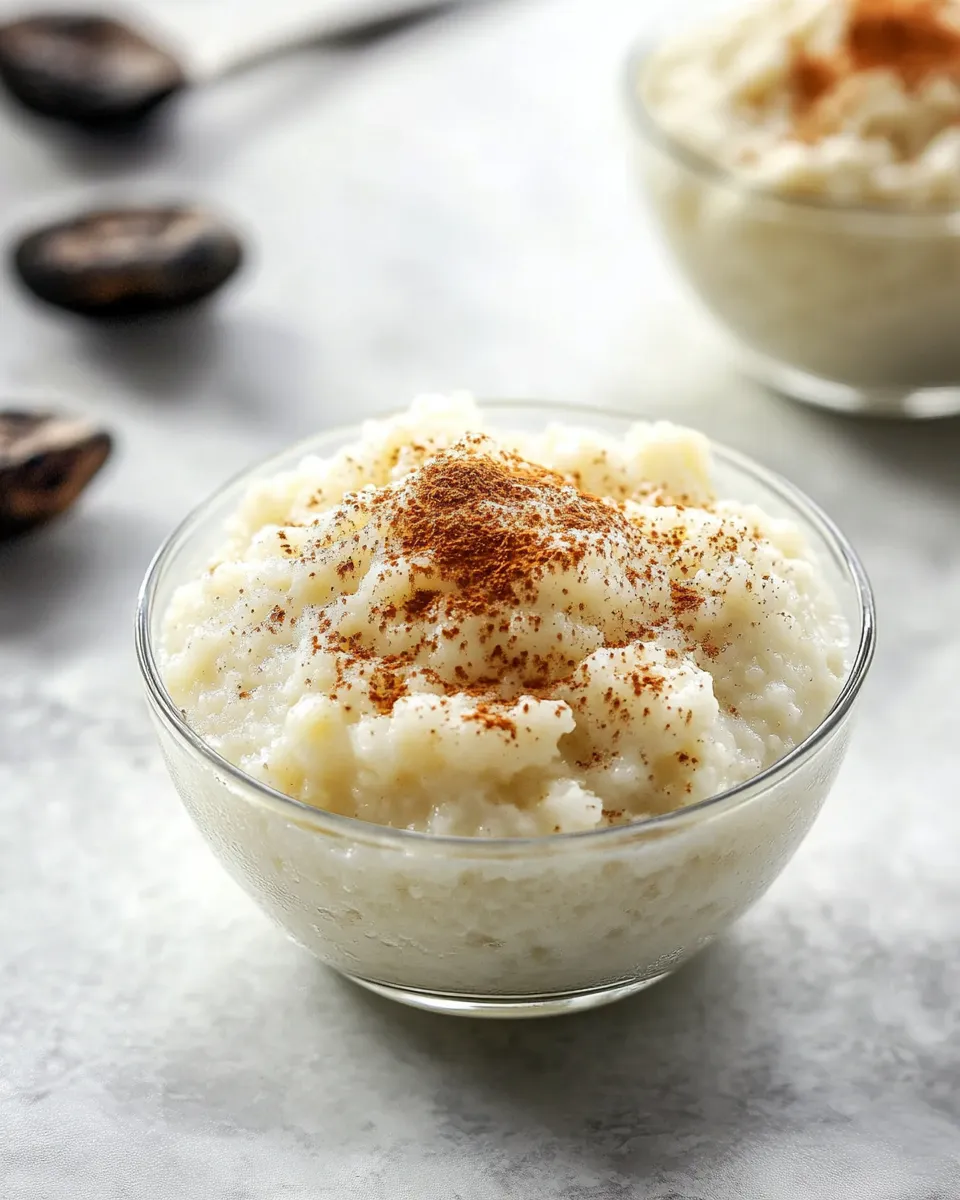
This pudding was designed to work with what you already have on hand. The ingredients are pantry staples: milk, tapioca pearls, a sweetener, and a pinch of salt. If you have whole milk, great. If not, a plain rice milk or another neutral plant milk will still give you the right structure and a pleasant flavor.
If you’re out of honey, agave, or a liquid sweetener, check for any mild syrup or sugar you keep around — the recipe’s sweetness is flexible. The pinch of kosher salt is simply to round the flavors; a small amount of another coarse salt will do in a pinch. The point is, you shouldn’t need to dash to the store to enjoy this.
Essential Tools for Success
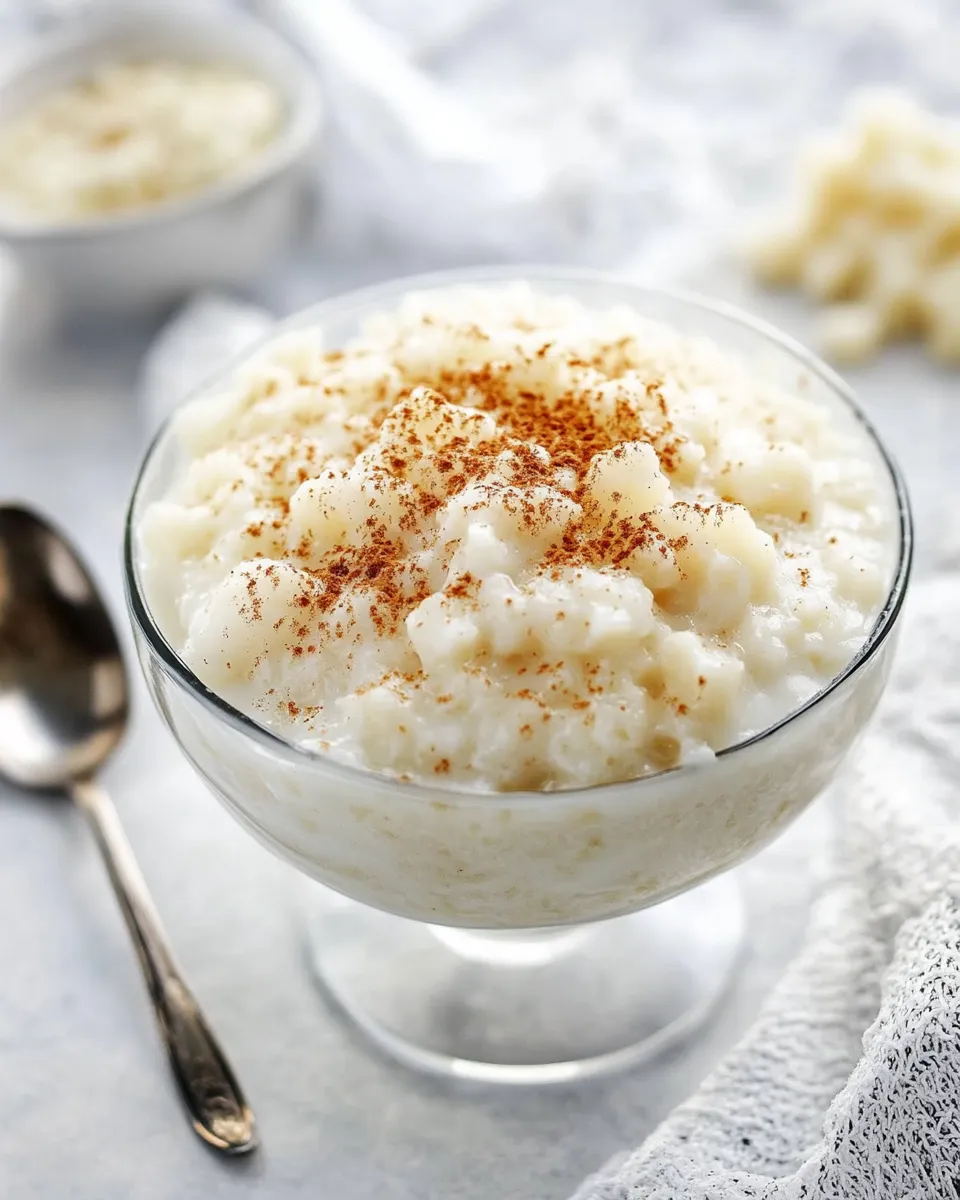
You need very little. Pull out a medium saucepan with a heavy-ish bottom, a wooden spoon or heatproof spatula for stirring, and a set of measuring cups and spoons. A small bowl for chilling is handy if you plan to serve cold. If you have a whisk and fine-mesh strainer, keep them nearby — they help finish the pudding if you want an extra-smooth texture.
Why a heavier saucepan? It distributes heat more evenly and reduces the chance of scorching. Why frequent stirring? Tapioca can cling to the bottom and form gritty bits; moving the mixture keeps everything cooking uniformly.
Things That Go Wrong
Scorching on the bottom. If you see browned bits, stop the heat immediately and transfer the pudding to a clean pot or bowl. You can salvage much of it, but burned flavor will carry if you leave it in the hot pan.
Lumpy or chalky texture. That usually happens when pearls stick and cook unevenly, or when heat is too high and the outside cooks too fast. Keep the heat at a gentle simmer and stir every few minutes as directed. If lumps form, a brief pass through a fine-mesh sieve while warm can help, or whisk vigorously over low heat to break them up.
Too thin after chilling. Tapioca continues to thicken as it cools. If it still seems loose after refrigeration, warm it gently and simmer for a couple more minutes. If it’s over-thick, stir in a tablespoon or two of milk until you reach your ideal consistency.
In-Season Flavor Ideas
Tapioca pudding pairs beautifully with bright, fresh elements without overwhelming the delicate pearls. In spring and summer, a spoonful of macerated berries or a scattering of sliced stone fruit adds freshness and contrast. In fall, a sprinkle of toasted nuts and a dash of warm spice (like cinnamon or nutmeg) complements the creaminess. In winter, a drizzle of citrus-infused honey or a few segments of orange cut the richness and make the pudding feel festive.
Keep additions minimal so the tapioca remains the star. Think of toppings as accents — texture and acid to balance the sweet, creamy base.
Notes from the Test Kitchen
Timing vs. Texture
We tested this recipe at several stovetop temperatures and found steady low heat wins every time. Medium heat will get you to a boil faster, but you risk pearls that never fully hydrate on the inside. The 30-minute simmer with stirring every 3–5 minutes is where the pearls go from opaque to translucent and the mix thickens properly.
We also noted that the pudding tastes subtly different the next day. Flavors settle and the sweetness feels tamer; texture firms up. If you prefer a looser pudding, serve it warm right after the second five-minute cook. If you like a spoonable, spoon-stable pudding, give it time to chill.
One more practical note: use a metal or heatproof spoon when stirring. Wooden spoons are fine, but a silicone spatula is best for scraping the pan and keeping everything moving gently.
Freezer-Friendly Notes
Tapioca pudding is not a perfect candidate for freezing. The gelatinized starches and the liquid separate when frozen and thawed, often producing a grainy or watery texture. If you must freeze it, do so in small, airtight portions and accept that the texture will change.
Thaw overnight in the refrigerator, then stir and gently rewarm on low heat, adding a splash of milk as needed to rehydrate the pudding. Rewhisking can help restore creaminess, but it won’t be exactly the same as freshly made or refrigerated pudding.
Ask the Chef
Q: Can I use quick-cooking tapioca? A: This recipe is written for regular tapioca pearls (not quick-cooking). Quick-cooking pearls have different hydration times and may overcook or break down during the 30-minute simmer.
Q: How sweet should it be? A: The recipe calls for 2 tablespoons of honey or agave. That’s a moderate level of sweetness that lets the milk and tapioca flavors come through. Taste after step 4 and adjust if you prefer it sweeter.
Q: Can I make this dairy-free? A: Yes. The method is the same with plant milks. Note that texture and mouthfeel will shift slightly depending on the milk’s fat and protein content.
Make It Tonight
If you want a quick plan: measure your milk and tapioca, combine them in the saucepan, and get them to a gentle boil over medium. Drop the heat and set a timer for 30 minutes, stirring every few minutes. Add the honey and salt, cook 5 more minutes, and taste. Serve warm if you’re impatient, or cool and chill if you prefer a cleaner, firmer spoonful.
It takes about 40 minutes active-plus-simmer time from start to chilled (less if you skip cooling). Minimal hands-on time. Maximum comfort. Give it a try tonight — the rewards are worth the small bit of patience the technique asks for.
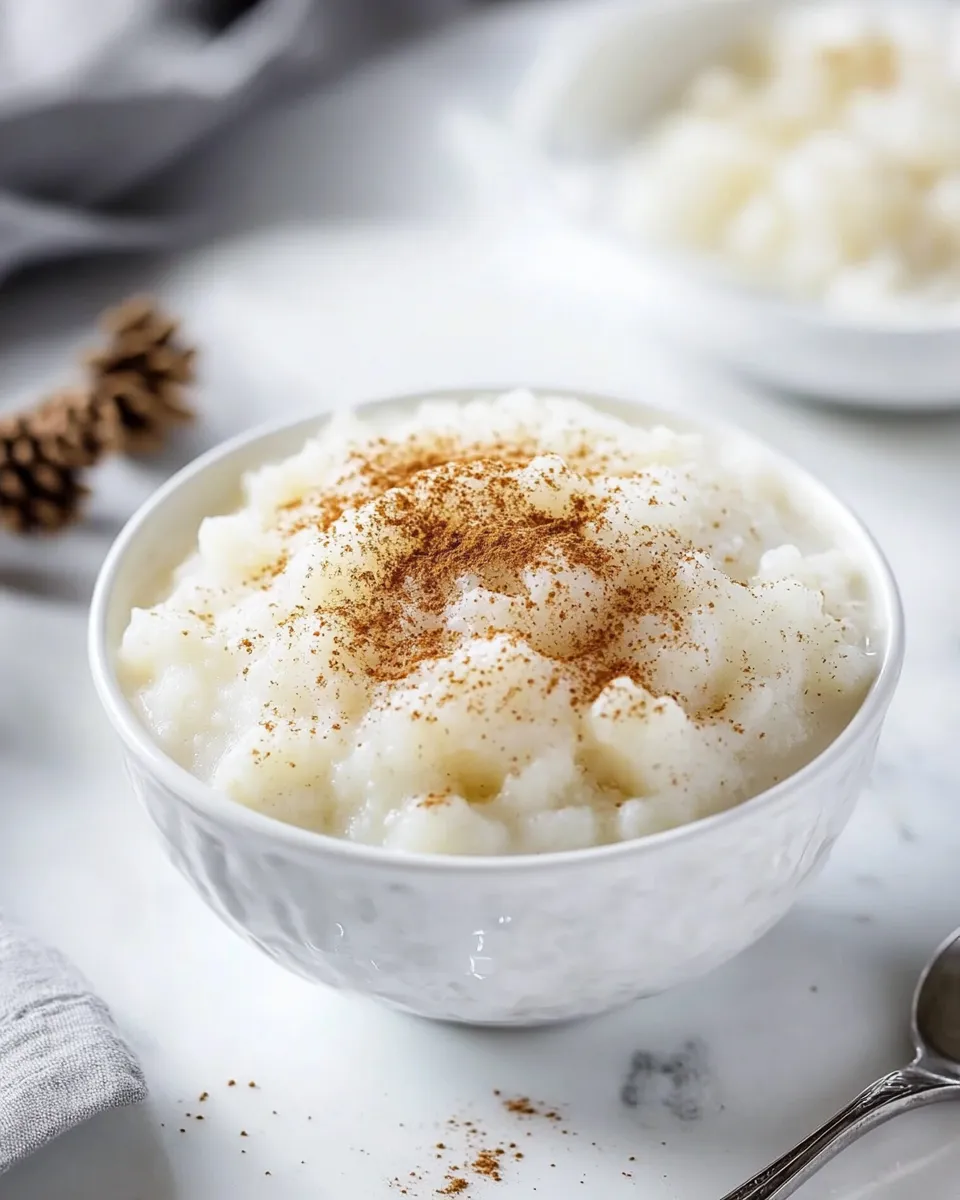
Tapioca Pudding
Equipment
- Medium Saucepan
- Stirring spoon
Ingredients
Ingredients
- ?2 1/2 Cupsmilk I like using whole milk, but it worked great with rice milk too
- ?1/3 CupTapioca not quick cooking
- ?2 tablespoonshoney or agave
- ?pinch of kosher salt
Instructions
Instructions
- Combine 2 1/2 cups milk and 1/3 cup tapioca in a medium saucepan and stir to wet all the tapioca.
- Place the saucepan over medium heat and bring the mixture to a gentle boil, stirring frequently to prevent the tapioca from sticking or scorching.
- Reduce the heat to low so the mixture is at a gentle simmer. Cook uncovered for 30 minutes, stirring every 3–5 minutes, until the tapioca pearls are mostly translucent and the mixture has thickened.
- Stir in 2 tablespoons honey or agave and a pinch of kosher salt until fully incorporated.
- Continue cooking over low heat for another 5 minutes, stirring occasionally, until the pudding reaches your desired thickness. Remove from the heat.
- Serve warm, or let cool to room temperature and then refrigerate until chilled. Note: the pudding will continue to thicken as it cools.