I fell for coconut rice the first time I made it: the pan filled with a faintly sweet, toasty aroma, and the rice turned out glossy and comforting. It’s one of those simple side dishes that feels special without demanding much fuss. Once you learn the rhythm — toast, simmer, rest — it becomes a reliable weeknight companion and a lovely partner for bold mains.
This recipe keeps things straightforward. There are only a few ingredients, and the technique is intentionally forgiving. You’ll get tender grains infused with coconut, not a mushy pudding. Follow the steps and the rice will come out each time with a delicate coconut aroma and a clean mouthfeel that complements spicy, savory, or bright dishes.
I’ll walk you through the essentials, point out the traps to avoid, and give practical tips for variations, storage, and reheating. No fluff. Just tried-and-true guidance so you can cook with confidence and enjoy every bite.
Ingredients at a Glance
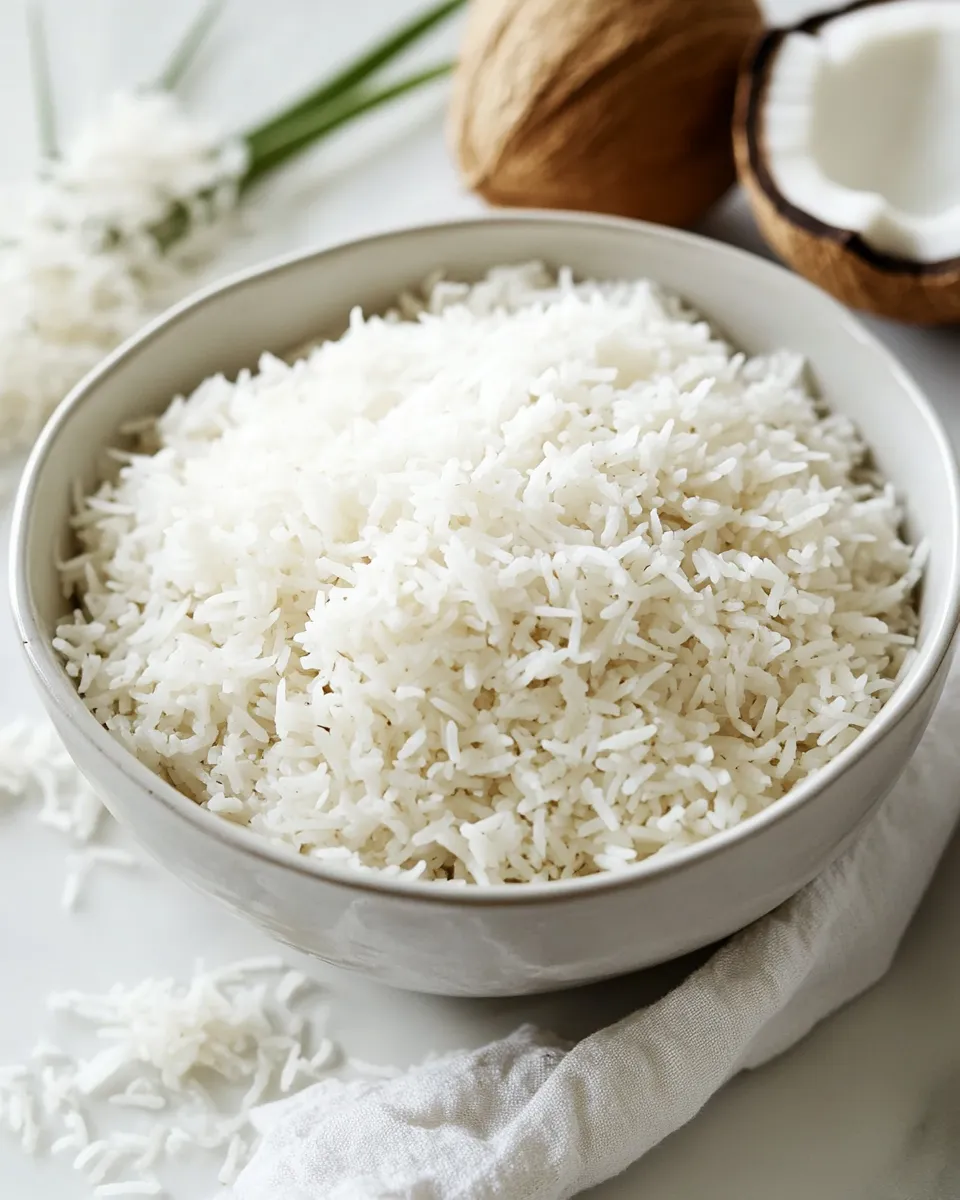
- 13.5-ounce can full-fat coconut milk (about 1 ¾ cups) — adds richness, creaminess, and coconut flavor; full-fat gives the best texture.
- 2 cups water — balances the coconut milk and provides the main cooking liquid.
- 2 cups long-grain rice — the structure of the dish; long-grain keeps the final texture light and separate when toasted first.
- toasted coconut (optional) — a finishing touch for crunch and intensified coconut aroma.
Coconut Rice: From Prep to Plate
- Place a medium saucepan over medium heat. Add the 2 cups long-grain rice and toast, stirring constantly for 4 to 5 minutes, until the rice is aromatic and slightly glossy but not browned.
- Add the 13.5-ounce can full-fat coconut milk (about 1 ¾ cups) and 2 cups water to the toasted rice. Increase heat to medium-high and bring the mixture to a boil, stirring to combine.
- Once boiling, stir the rice, reduce the heat to low, cover with a tight-fitting lid, and simmer for 12 to 14 minutes, until the liquid is absorbed and the rice is tender.
- Turn off the heat and let the rice sit, covered, for 3 to 4 minutes.
- Remove the lid, fluff the rice with a fork, and serve with toasted coconut if desired.
The Upside of Coconut Rice
Coconut rice does a lot with very little. It’s aromatic and slightly rich without being heavy, and it pairs beautifully with spicy or acidic mains because the coconut mellows heat and bright flavors. The toasting step lifts the dish beyond a simple one-pot rice by giving it a nutty backbone and helping the grains separate.
It’s also fast. From start to finish you’re looking at under 30 minutes active time, and much of that is hands-off while the rice simmers. That makes it ideal for busy weeknights or when you want an impressive side without extra work. The optional toasted coconut garnish adds texture and a bright finish, which is especially welcome if you’re serving the rice alongside saucy or sauced dishes.
Quick Replacement Ideas
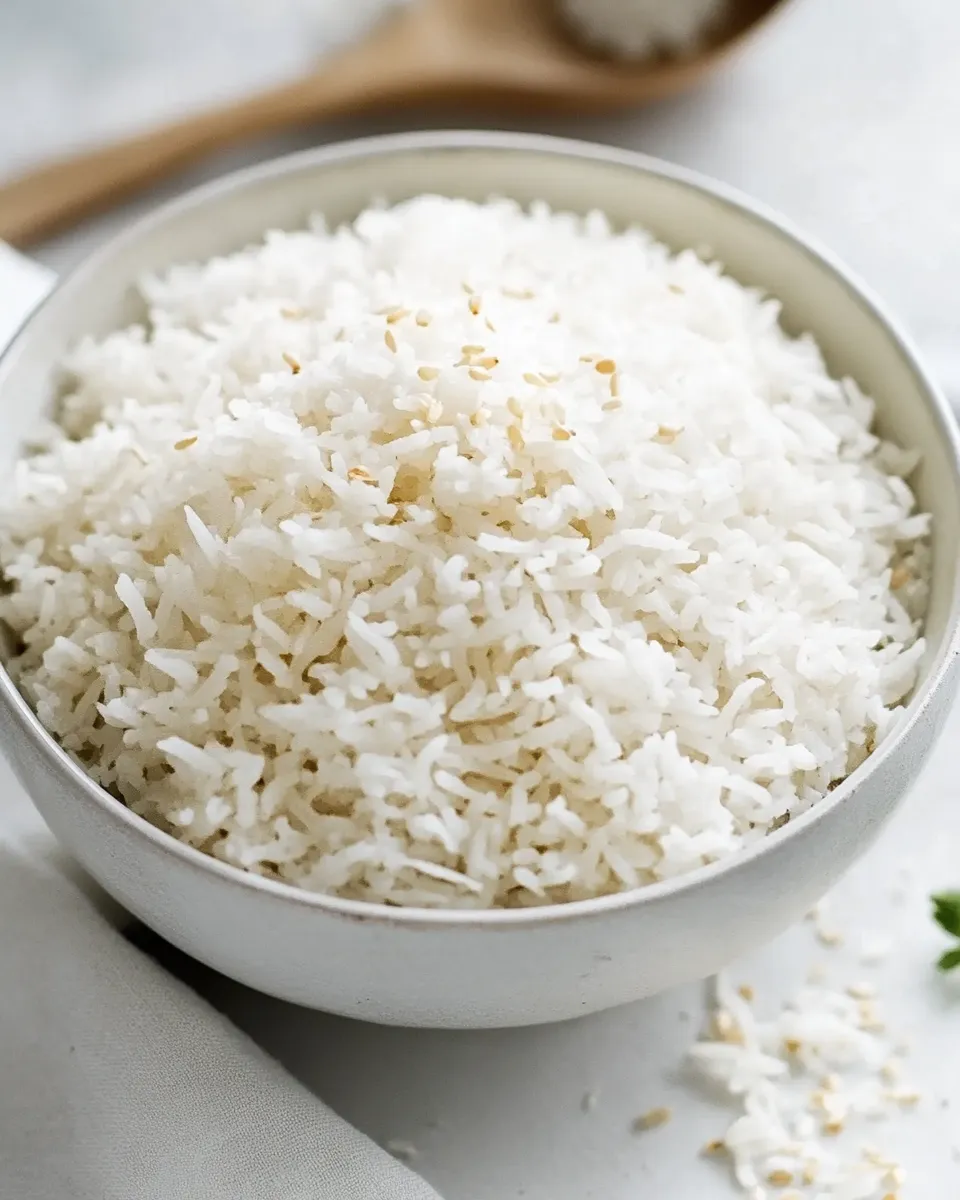
If you need to swap something out, keep these rules in mind: match liquids and grain sizes, and adjust timing. For a different aroma or texture, choose a different long-grain variety. If you prefer a lighter result, consider a lighter coconut milk and be mindful that the mouthfeel will be less creamy. For a stronger coconut note without changing the liquid balance, use toasted coconut as a garnish rather than altering the cooking liquid.
Cook’s Kit
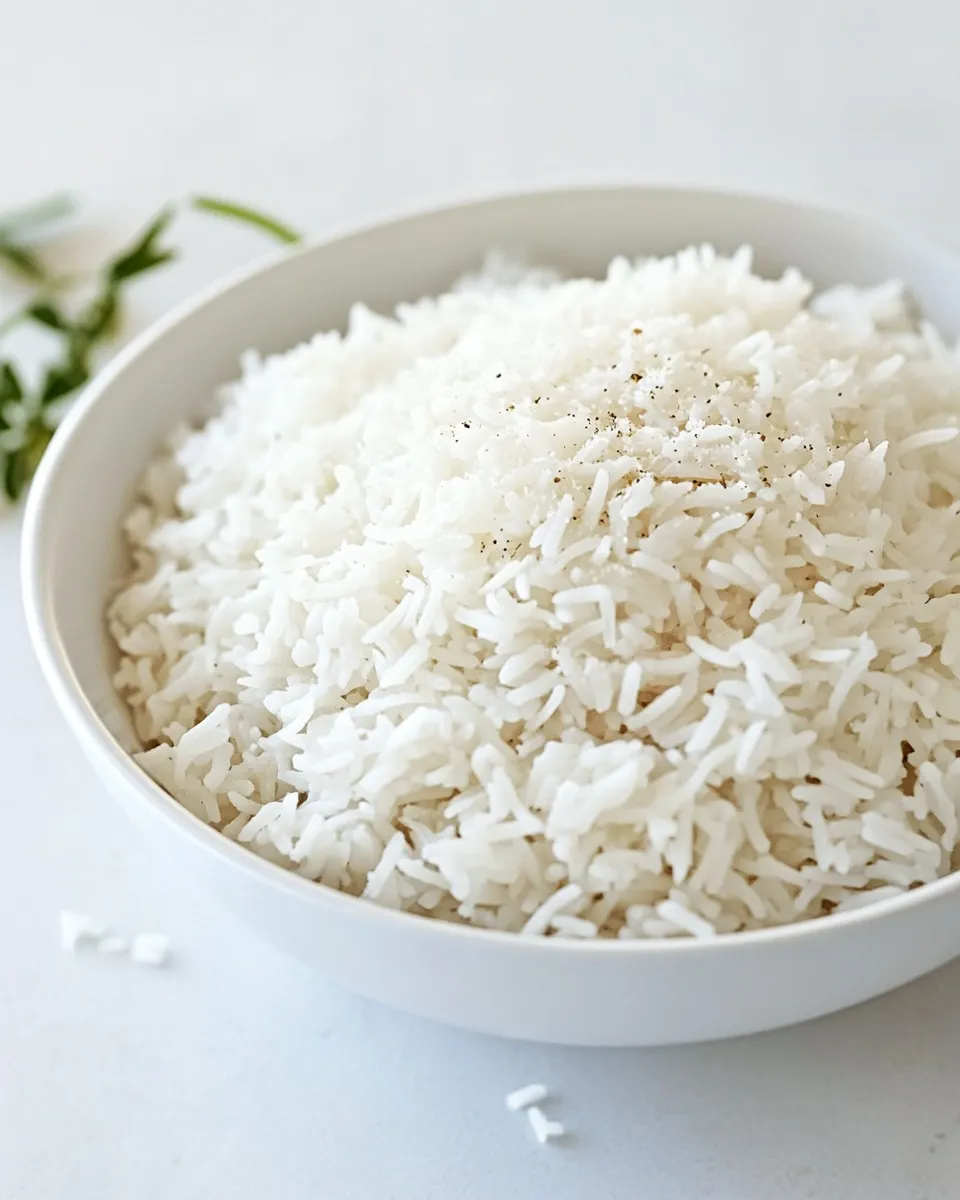
- Medium saucepan — a heavy-bottomed pan helps distribute heat evenly during toasting and simmering.
- Tight-fitting lid — crucial to trap steam so the rice cooks through without drying out.
- Wooden spoon or spatula — for stirring while toasting and bringing the pot to a boil.
- Fork — for fluffing the rice gently at the end.
- Measuring cups — accurate liquid-to-rice ratio matters for texture.
Pitfalls & How to Prevent Them
There are a few common missteps, but they’re easy to avoid.
Burning while toasting: keep the rice moving. Stir constantly and watch for a light sheen; if rice darkens, lower the heat. The goal is aroma and gloss, not color.
Watery or undercooked rice: make sure the heat is truly at low once you cover the pot. A vigorous simmer under the lid can create uneven cooking. If you find the rice underdone after the initial simmer, return the lid and let it steam off heat for another 2–3 minutes, or if necessary, add a tablespoon of hot water and continue gently until tender.
Clumpy, sticky rice: long-grain rice toasted first will separate better. Resist stirring after the lid goes on; overhandling releases starch and encourages clumping. Fluff only once, with a fork.
Fit It to Your Goals
Want lighter calories? Use a reduced-fat coconut milk and add a bit more water to maintain volume—expect a slightly thinner mouthfeel. Looking for more coconut flavor without extra fat? Toasted shredded coconut as a garnish concentrates aroma and yields pleasing texture contrast.
Feeding a crowd? This scales well. Keep the same rice-to-liquid ratio and choose a wide, heavy pot so the rice cooks evenly. For a dinner where dishes come and go, you can hold the rice on the warm setting of a low oven (covered) for a short time, but avoid prolonged warming to prevent drying out and texture loss.
Method to the Madness
1. Toasting the rice
Use medium heat and a dry pan. Add the rice and stir continuously for 4–5 minutes until the grains take on a subtle sheen and release a nutty scent. This step builds flavor and reduces surface starch so the grains stay separate after cooking.
2. Combining liquids
Pour the coconut milk and water into the pan with the toasted rice and raise the heat to medium-high. Stir once or twice to combine, then bring to a steady boil. This brief agitation helps incorporate the fat from the coconut milk into the liquid so the rice cooks evenly.
3. Simmering
Once boiling, give the rice a final stir, lower the heat to low, cover tightly, and let it simmer undisturbed for 12 to 14 minutes. The tight lid traps steam and creates the gentle environment rice needs to cook through uniformly.
4. Resting and finishing
Turn off the heat and leave the pot covered for 3–4 minutes. This rest allows residual steam to finish cooking the rice and settle the texture. Remove the lid, fluff gently with a fork, and serve immediately. If you’re using toasted coconut, sprinkle it on at the last moment so it stays crisp.
Make-Ahead & Storage
Leftover coconut rice keeps well. Cool the rice quickly by spreading it in a shallow container, then refrigerate in an airtight container for up to 4 days. To reheat, sprinkle a tablespoon or two of water over the portion, cover, and microwave in short bursts, stirring between intervals. You can also re-steam it on the stovetop with a covered pan over low heat.
Freezing is possible but alters texture slightly. Portion the rice into freezer-safe bags, remove excess air, and freeze for up to 2 months. Thaw overnight in the refrigerator and reheat using the stovetop or microwave method above.
Your Questions, Answered
Can I use a rice cooker? Yes. If you prefer the rice cooker route, toast the rice first in a pan for the nutty note, then transfer to the cooker with the coconut milk and water and cook according to the rice cooker’s white rice setting. Results will vary by machine, so expect slight differences in texture.
What if my coconut milk separates or looks grainy? Full-fat coconut milk can separate in the can. Shake or stir well before measuring. If you see a slightly grainy texture after cooking, it’s usually just the natural fat separating—fluffing the rice helps reincorporate it.
Can I add salt or aromatics? Yes. A pinch of salt balances the sweetness of the coconut milk. If you add aromatics like bay leaf or a cinnamon stick, remove them before serving. Those are optional flavor touches; they won’t require changes to liquid ratios but may alter the final flavor profile.
Final Bite
Coconut rice is deceptively simple and reliably rewarding. A little toasting, a thoughtful simmer, and a brief rest produce a side that elevates whatever’s on your plate. Keep the technique in your back pocket and you’ll find reasons to cook it again and again — for weeknight dinners, for company, and for those moments when a comforting, fragrant grain feels just right.
Make it once exactly as written. You’ll see how the balance of coconut milk and water gives a tender, aromatic rice that’s neither heavy nor flat. Then tailor from there: garnish, pair, or scale up. Enjoy the process — and the bowl on your table.
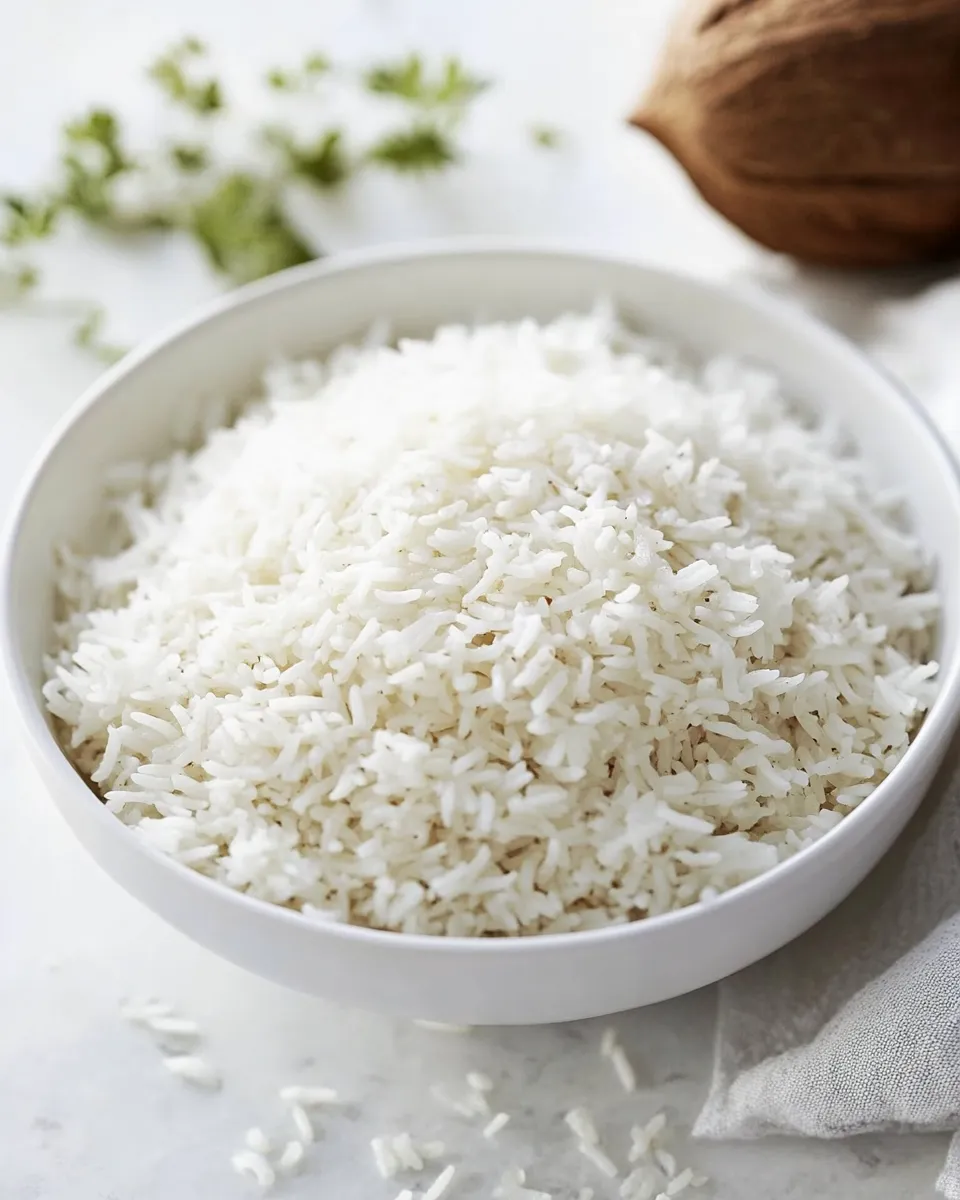
Coconut Rice Recipe
Equipment
- Medium Saucepan
- tight-fitting lid
- Fork
Ingredients
Ingredients
- 13.5 ouncecan full-fat coconut milk about 1 3/4 cup
- 2 cupswater
- 2 cupslong-grain rice
- toasted coconut optional
Instructions
Instructions
- Place a medium saucepan over medium heat. Add the 2 cups long-grain rice and toast, stirring constantly for 4 to 5 minutes, until the rice is aromatic and slightly glossy but not browned.
- Add the 13.5-ounce can full-fat coconut milk (about 1 ¾ cups) and 2 cups water to the toasted rice. Increase heat to medium-high and bring the mixture to a boil, stirring to combine.
- Once boiling, stir the rice, reduce the heat to low, cover with a tight-fitting lid, and simmer for 12 to 14 minutes, until the liquid is absorbed and the rice is tender.
- Turn off the heat and let the rice sit, covered, for 3 to 4 minutes.
- Remove the lid, fluff the rice with a fork, and serve with toasted coconut if desired.
Notes
Make-Ahead:
You can make this recipe up to 30 minutes ahead. Keep it warm by keeping a lid on it until ready to serve.
How to Store:
Once cooled, cover and keep in the refrigerator for up to 4 days. Cover and freeze it for up to 3 months. Thaw it in the refrigerator for 1 day before reheating.
How to Reheat:
I find that the best way to reheat rice is in the microwave. It keeps it light and fluffy, and you do not need to add anything.
When you
add the hot liquid to the pot of rice, it will bubble up the pot quite a bit
You toast
the rice to make it cook quicker and to help prevent it from clumping and overcooking.
For a
twist, turn any leftover coconut rice into
rice pudding
.