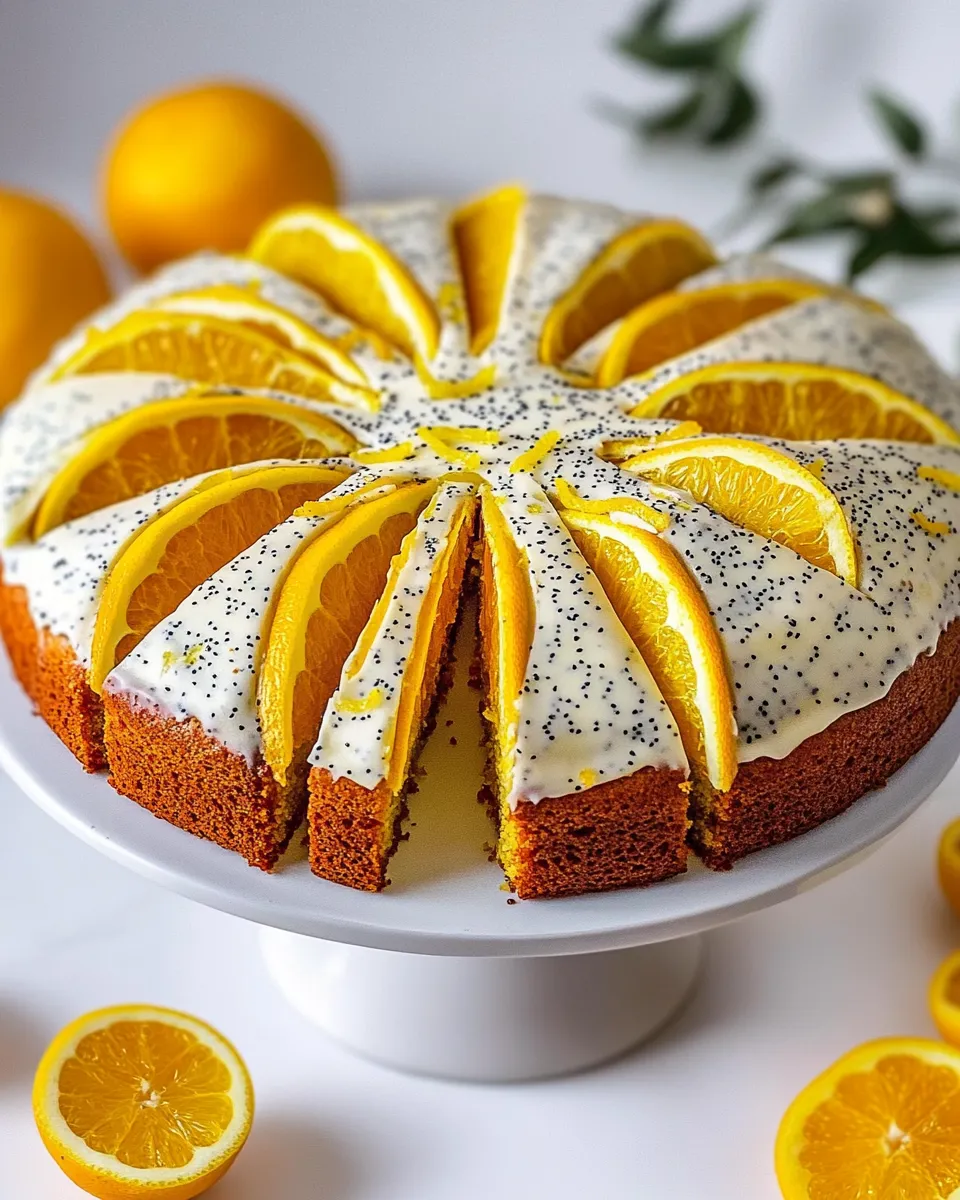
I fell in love with this cake the first time I tasted it at a summer potluck. Bright citrus notes cut through the tender, almost pillowy crumb, while tiny pops of texture from the poppy seeds keep every bite interesting. It’s a cake that looks special but comes together with pantry-friendly steps and an uncomplicated glaze.
I test recipes for a living, and I like ones that respect time without sacrificing flavor. This Citrus Poppy Seed Cake does exactly that: simple mixing, a single bundt pan, and a glossy citrus icing that ties everything together. The result is an elegant dessert you can confidently bring to a brunch or enjoy after dinner with tea.
Below is a practical, step-by-step guide. I’ll walk you through ingredients, the exact method, common mistakes to avoid, sensible gear, and storage tips so the cake stays fresh. Let’s bake.
Gather These Ingredients
- 1 cup orange juice — provides liquid, citrus flavor and acidity to activate the cake mix.
- ⅓ cup vegetable oil — keeps the crumb tender and moist.
- 3 eggs — structure and richness; room temperature eggs blend more evenly.
- 115.25 oz lemon cake mix — the base for the cake; this unusually large size is in the source and should be used as listed.
- 1 ½ tablespoons poppy seeds — adds subtle crunch and visual interest.
- Zest from 1 orange and 1 lemon — concentrated citrus oils for aroma and bright flavor in the batter.
- 2 cups powdered sugar, sifted — for the glaze; sifting removes lumps and yields a smooth icing.
- 2-3 tablespoons orange juice — thins the powdered sugar into a pourable glaze; start with less and add as needed.
- Orange and lemon zest — extra garnish to finish the cake and reinforce the citrus notes.
Citrus Poppy Seed Cake Cooking Guide
- Preheat oven to 350°F. Spray a bundt pan with cooking spray and set aside.
- In a large bowl, beat together 1 cup orange juice, 1/3 cup vegetable oil, and 3 eggs until combined.
- Add the 115.25 oz lemon cake mix to the wet ingredients. Mix until just moistened, then beat on medium speed for 2 minutes, scraping the bowl as needed.
- Fold in 1 1/2 tablespoons poppy seeds and the zest from 1 orange and 1 lemon until evenly distributed.
- Pour the batter into the prepared bundt pan and smooth the top. Bake for 30–35 minutes, or until a toothpick inserted into the center comes out clean.
- Remove the cake from the oven and let it cool in the pan for 5 minutes. Then invert the cake onto a cooling rack and cool completely.
- While the cake cools, whisk together 2 cups sifted powdered sugar and 2–3 tablespoons orange juice (start with 2 tablespoons and add up to 3 tablespoons to reach a pourable icing consistency).
- Spoon or pour the icing over the completely cooled cake. Top with the additional orange and lemon zest.
Why You’ll Love This Recipe
This cake balances three things I always look for: bright flavor, easy technique, and consistent results. The lemon cake mix gives a reliable structure and crumb, while the fresh orange juice and zests layer in brightness so it never tastes flat or overly sweet. Poppy seeds are low-effort but add a pleasant textural contrast.
It’s forgiving. The method uses straightforward mixing and a single pan, so it’s approachable for a weeknight baker or someone putting together a dessert for guests. The glaze is adjustable: thicker if you prefer a more substantial coating, thinner if you want a delicate sheen.
Finally, the cake looks beautiful sliced on a platter. That makes it a favorite for morning gatherings, showers, or casual dinner parties where you want something that feels special without a fuss.
No-Store Runs Needed

This recipe is thoughtful about pantry staples. If you already have a citrus fruit or two, eggs, oil, powdered sugar, and a boxed cake mix, you’re set. The only possible surprise item is the specific 115.25 oz lemon cake mix called for in the source; if you have a different size, you’ll need to plan accordingly. The rest—orange juice, poppy seeds, and zest—are items many home bakers keep on hand or can improvise with small substitutions of citrus.
Gear Up: What to Grab
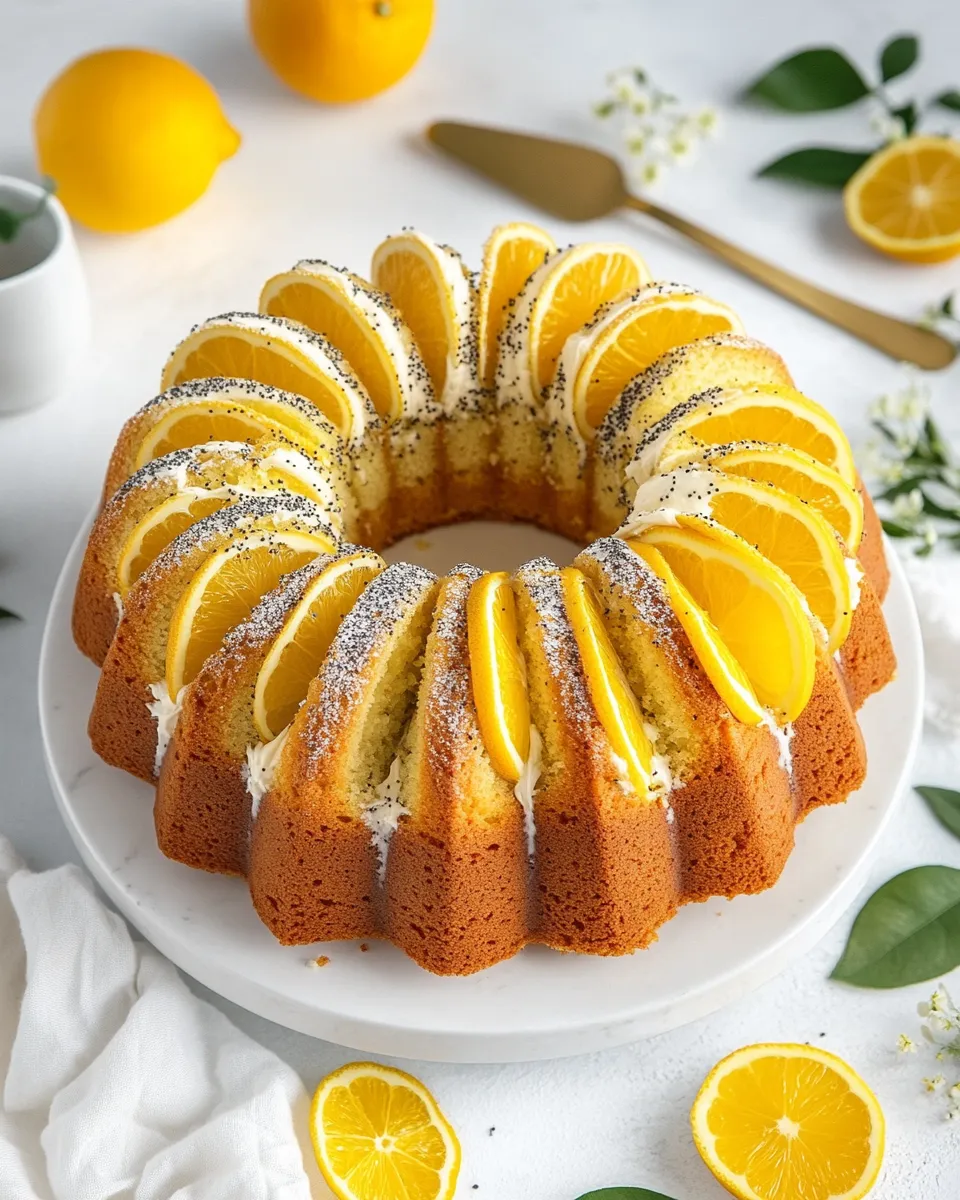
- Bundt pan (9–10 cup) — required by the recipe; gives the cake its attractive shape.
- Mixing bowl — a large one for combining wet and dry ingredients comfortably.
- Electric mixer or whisk — the recipe calls for beating on medium for 2 minutes; a handheld or stand mixer does this quickly.
- Spatula — for scraping the bowl and folding in poppy seeds and zest.
- Cooling rack — to cool the cake completely before glazing so the icing doesn’t slide off.
- Sifter or fine-mesh sieve — to sift powdered sugar for an extra-smooth glaze.
Mistakes That Ruin Citrus Poppy Seed Cake
There are a few common missteps that can turn this easy cake into a disappointment. Avoid these and you’ll get reliable results every time.
Overbeating or Underbeating
If you under-mix after adding the cake mix, the batter will have dry streaks and won’t bake evenly. If you overmix—especially after adding the flour components—you risk a tough crumb. Follow the directions: mix until just moistened, then beat on medium speed for the specified 2 minutes. That timing is part of the source method, and it strikes a good balance here.
Skipping the Cooling Step
Glazing a warm cake will make the icing slide off or melt into the crumb. The recipe specifies cooling completely before pouring the glaze. Patience matters: the cake needs to be cool so the glaze sets properly and you retain that pretty finish.
Wrong Pan Prep
Not greasing the bundt pan well will cause sticking and a broken cake when you invert it. Use a reliable nonstick spray or grease and lightly flour the pan if your pan is older or prone to sticking. The recipe only says “spray a bundt pan,” but if you’ve had sticking issues before, take the extra minute to grease and flour.
Season-by-Season Upgrades
Small tweaks make this cake feel seasonal without changing the method. Here are practical ideas that keep the same structure:
- Spring — stir in a tablespoon of finely chopped mint with the zest for a garden-fresh hint.
- Summer — top the glazed cake with thinly sliced citrus segments (blood orange or cara cara) for color and juiciness.
- Fall — add a teaspoon of ground cardamom to the batter for warm spice that complements citrus.
- Winter — finish with toasted sliced almonds or candied citrus peel for texture and festive flair.
Author’s Commentary
I test a lot of cakes, and this one stands out because it proves that a boxed mix can be elevated with a few fresh ingredients and a confident hand. The citrus elements—orange juice and both zests—transform the standard cake mix into something that tastes homemade. Poppy seeds are a small addition that make the cake feel thoughtfully composed rather than thrown together.
My favorite moment in this recipe is the aromatics hitting the oven: the butter-substitute oil keeps the cake very moist, and the citrus perfume fills the kitchen in minutes. I like to let the glaze set until slightly tacky, then sprinkle a little extra zest right before serving so the color pops and the scent is vivid.
Store, Freeze & Reheat
Storage is simple. Keep the glazed cake at room temperature, covered loosely with a cake dome or foil, for up to 2 days. Longer than that and the glaze will soften and the texture can start to decline.
For longer storage, freeze slices individually wrapped in plastic and then foil, up to 2 months. Thaw at room temperature for an hour or two before serving. If you want to freeze the unglazed cake, do so before step 7; wrap tightly and freeze. Thaw completely, then make the glaze and finish just before serving.
To refresh slightly stale slices, warm a slice in a 300°F oven for 8–10 minutes. Avoid microwaving, which can make the crumb gummy. A quick oven warm brings back tenderness without melting the glaze if you reheat unglazed or lightly protected slices.
Frequently Asked Questions
- Can I use a different citrus juice? — Yes. The recipe calls for 1 cup orange juice; you can use grapefruit or a mix of orange and lemon, but expect a shift in sweetness and acidity.
- What if I don’t have poppy seeds? — The cake will still work without them. You can omit them, but you’ll lose that tiny crunchy contrast.
- Can I use a different pan? — You can, but baking times will vary. A loaf pan or tube pan may need longer baking—start checking at 30 minutes and expect additional time.
- My cake stuck to the pan—what went wrong? — Either the pan wasn’t properly greased, or the cake needed a bit more time to cool in the pan before inverting. Allowing a 5–10 minute rest helps release the cake cleanly.
- How do I make the glaze thicker or thinner? — Add more sifted powdered sugar to thicken. Add a splash more orange juice to thin. The recipe gives a 2–3 tablespoon range; start with 2 and adjust for your desired consistency.
See You at the Table
This Citrus Poppy Seed Cake has become a go-to when I want a dessert that feels both effortless and a bit special. It’s bright, texturally interesting, and very forgiving—qualities I value in any recipe I return to. If you bake it, slice it thin and savor it with coffee or a light dessert wine.
Let me know how your cake turns out, any tweaks you make, or the occasion you serve it for. I love hearing when a simple recipe becomes a favorite in someone else’s kitchen.
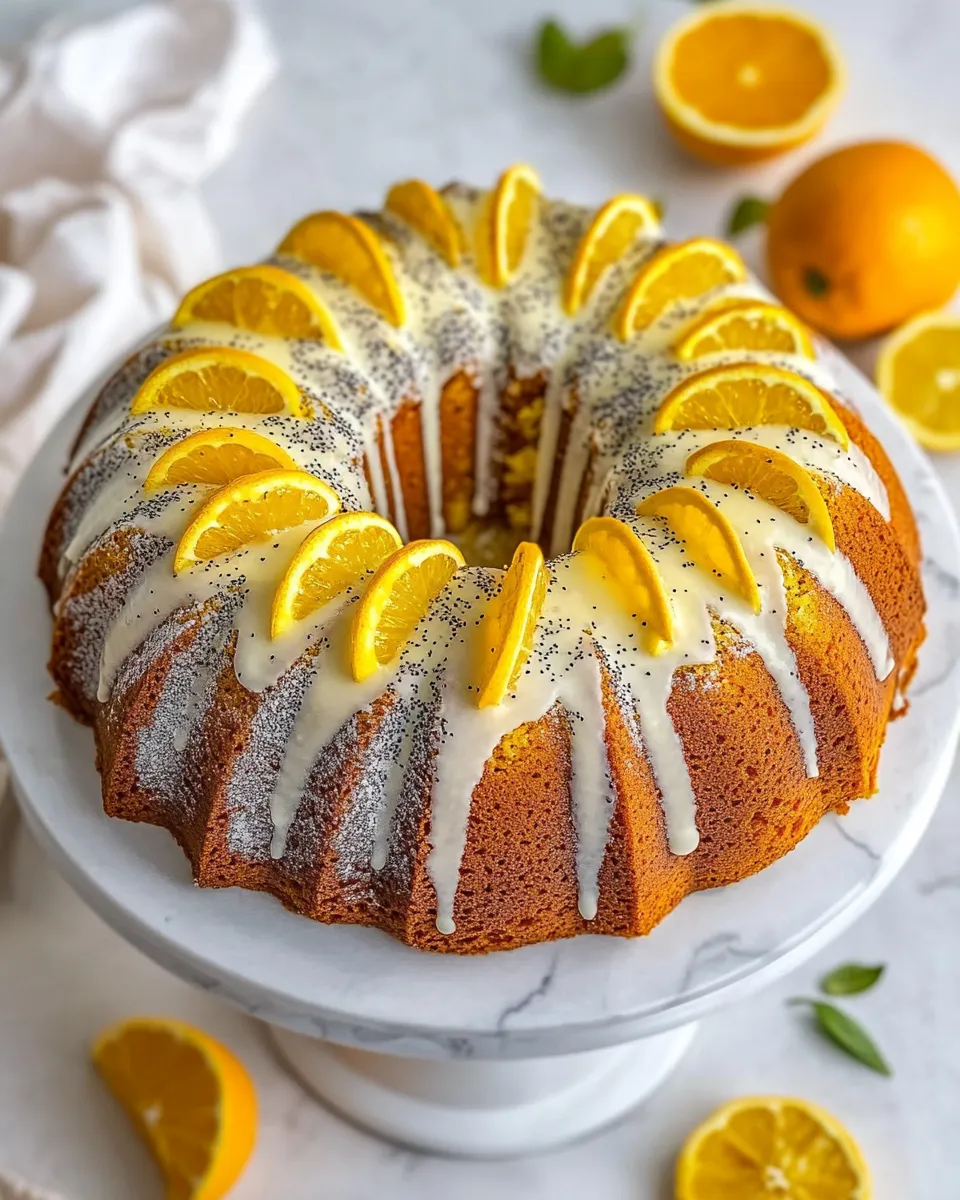
Citrus Poppy Seed Cake
Equipment
- Silicone Spatula Set
- Mixing bowl set
- KitchenAid 9-Speed Digital Hand Mixer
Ingredients
Ingredients
- 1 cuporange juice
- 1/3 cupvegetable oil
- 3 eggs
- 115.25 oz lemon cake mix
- 1 1/2 tablespoonspoppy seeds
- Zest from 1 orange and 1 lemon
- 2 cupspowdered sugarsifted
- 2-3 tablespoonsorange juice
- Orange and lemon zest
Instructions
Instructions
- Preheat oven to 350°F. Spray a bundt pan with cooking spray and set aside.
- In a large bowl, beat together 1 cup orange juice, 1/3 cup vegetable oil, and 3 eggs until combined.
- Add the 115.25 oz lemon cake mix to the wet ingredients. Mix until just moistened, then beat on medium speed for 2 minutes, scraping the bowl as needed.
- Fold in 1 1/2 tablespoons poppy seeds and the zest from 1 orange and 1 lemon until evenly distributed.
- Pour the batter into the prepared bundt pan and smooth the top. Bake for 30–35 minutes, or until a toothpick inserted into the center comes out clean.
- Remove the cake from the oven and let it cool in the pan for 5 minutes. Then invert the cake onto a cooling rack and cool completely.
- While the cake cools, whisk together 2 cups sifted powdered sugar and 2–3 tablespoons orange juice (start with 2 tablespoons and add up to 3 tablespoons to reach a pourable icing consistency).
- Spoon or pour the icing over the completely cooled cake. Top with the additional orange and lemon zest.