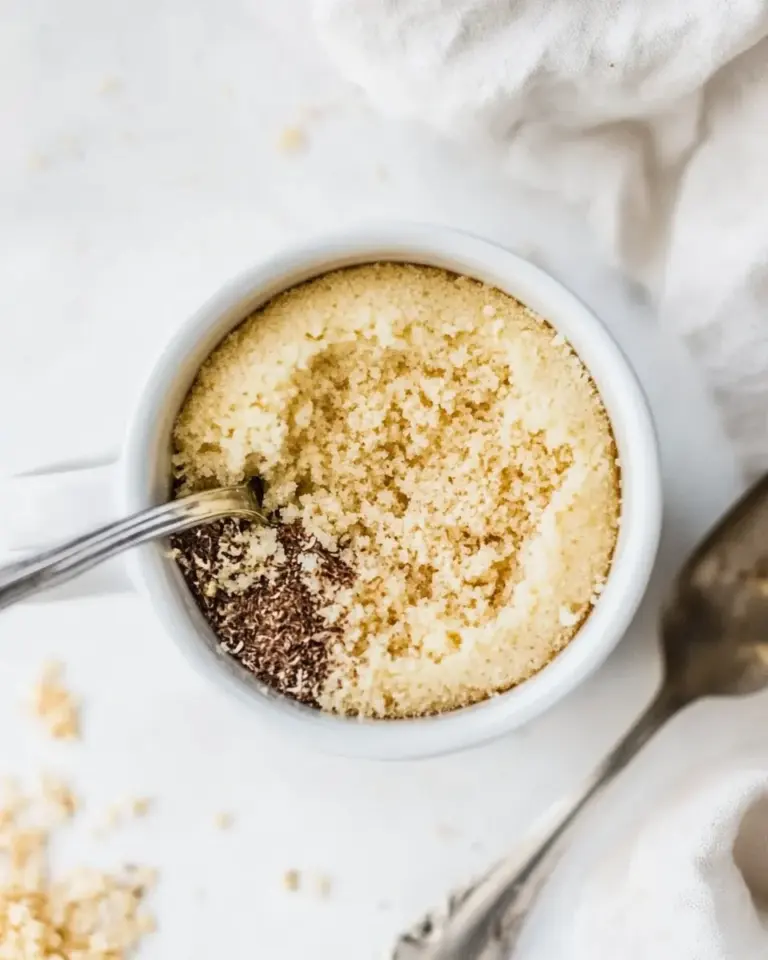
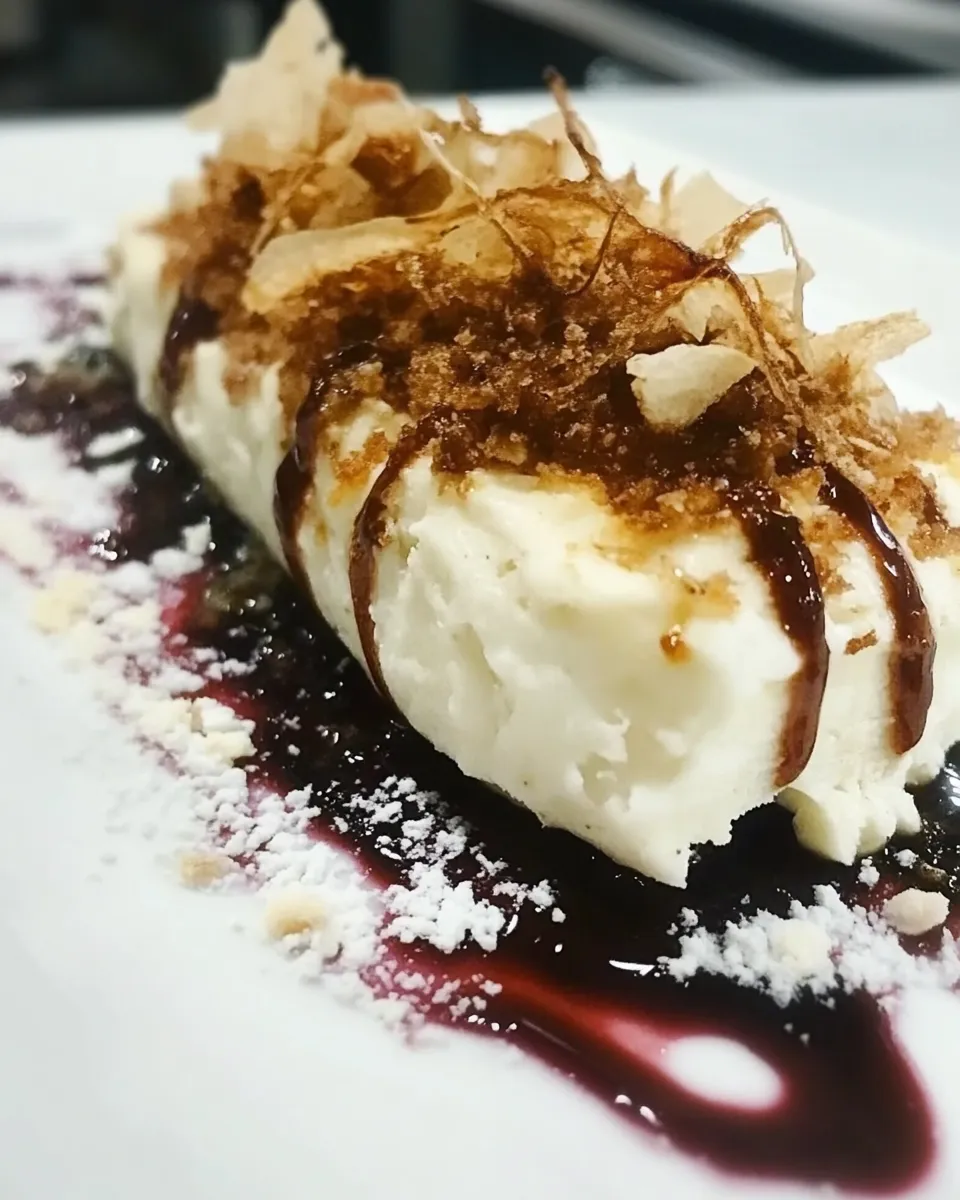
Kazandibi is one of those simple, stubbornly delicious Turkish desserts that feels indulgent without being fussy. It’s a caramelized, slightly chewy milk pudding with a thin scorched bottom that becomes the star of the plate. Chef Arman Uz’s version uses buffalo milk and fresh cream for richness, plus mastic for a whisper of resinous perfume. The contrast between the soft custard and the deeply browned underside is what makes this dish memorable.
I like to make kazandibi when I want something that’s elegant but quick to execute. There’s no pastry, no long wait for layers to bake — mostly it’s about patience at the stove and careful browning at the end. The technique is forgiving if you watch for texture and temperature, and the finished portions keep well in the fridge, making them ideal for preparing a day ahead.
Below I walk through the exact ingredient list and Chef Arman Uz’s method step by step, plus practical equipment notes, common mistakes and sensible swaps if you can’t find buffalo milk or arrowroot locally. Follow the directions as written for best results, and use the tips to avoid burning past the desired deep brown that defines kazandibi.
Gather These Ingredients
- 400 ml buffalo milk — gives a naturally richer, creamier base and enhances caramelization.
- 400 ml fresh cream — increases silkiness and body of the pudding.
- 90 g sugar — sweetens and aids in caramelization when browning the bottom layer.
- 10 g corn flour — primary thickener; prevents a rubbery texture if measured and mixed correctly.
- 3 g mastic — ground to a fine powder; adds a subtle, pine-like aroma typical in some Turkish milk desserts.
- 5 g ground cinnamon — for dusting the finished squares; it complements the scorched flavor.
- 50 g arrowroot — works together with corn flour to give a glossy, tender set without gumminess.
Kazandibi: How It’s Done
- Place 400 ml buffalo milk, 400 ml fresh cream and 90 g sugar in a large saucepan over medium heat. Stir occasionally until the sugar is fully dissolved and the mixture is hot but not yet boiling.
- While the milk heats, grind the 3 g mastic to a fine powder (use a mortar and pestle or crush between two spoons). In a small bowl, combine the 10 g corn flour, 50 g arrowroot and the ground mastic.
- When the milk mixture is hot, remove two or three ladlesful into the bowl with the dry thickeners and whisk until you have a smooth, lump-free slurry.
- Return the slurry to the saucepan and cook over medium heat, stirring constantly, until the mixture thickens and reaches a gentle boil — about 15 minutes. Continue stirring so it does not stick.
- Once the mixture comes to a boil, keep it boiling for 30 seconds, then remove the pan from the heat.
- Place a shallow metal baking pan directly over a medium–high burner. Ladle in about 1 cup (250 ml) of the hot pudding mixture — just enough to cover the bottom in a thin layer.
- Allow that layer to cook until it browns and chars on the bottom to form a dark, deeply colored layer. Occasionally shift the pan back and forth over the burner to promote even browning. Watch closely to avoid burning beyond the desired deep brown color.
- Meanwhile, if the remaining pudding in the saucepan has cooled, reheat it briefly until it is hot and pourable and comes back to a gentle boil.
- Pour the reheated pudding evenly over the burned layer in the metal pan and smooth the top with a spatula or spoon.
- Let the pan cool to room temperature, then cover and refrigerate for at least 6 hours (or until fully set and chilled).
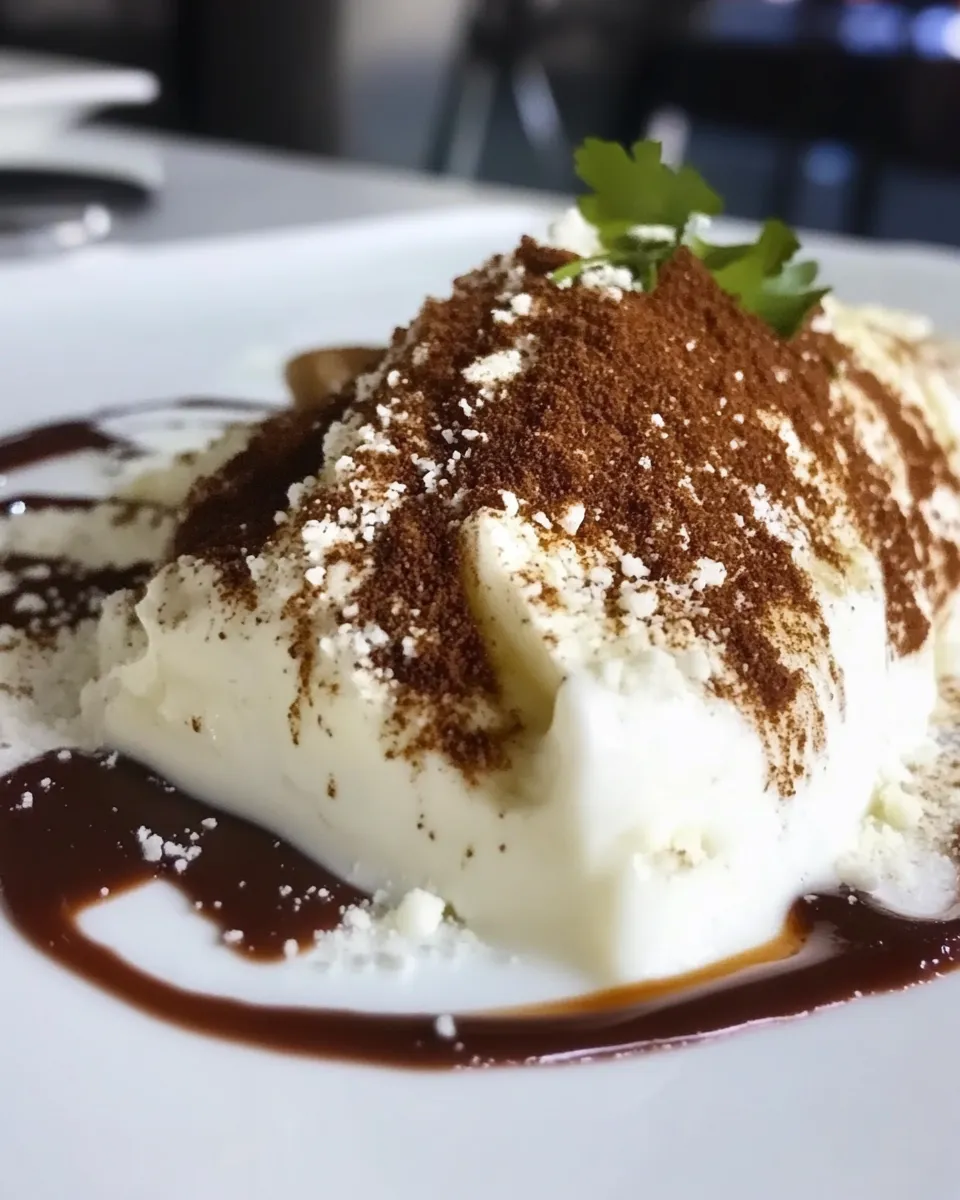
- To serve, cut the set kazandibi into small squares and transfer them to plates with the burned side facing up. Dust each portion evenly with the 5 g ground cinnamon.
Reasons to Love Kazandibi
There are good reasons this dish has endured in Turkish home cooking and restaurants alike:
- Texture contrast: a silky, tender pudding with a smoky, chewy browned bottom — that contrast is irresistible.
- Minimal steps: the method is straightforward. Most of the work is stirring and watching the caramelize step.
- Make-ahead friendly: it improves after resting; chilling firms the texture and concentrates flavor.
- Elegant presentation: small squares with the browned face up look refined, whether served alongside coffee or as a finale to a multi-course meal.
Budget & Availability Swaps
If you can’t source something exactly as listed or need to stretch the recipe economically, here are pragmatic swaps that keep the spirit of the dessert:
- Buffalo milk — substitute whole cow’s milk if buffalo milk is unavailable. You’ll lose some richness but the pudding will still set well; increase cream slightly if you want more silkiness.
- Fresh cream — use high-fat double cream or heavy cream of equivalent volume to maintain texture.
- Mastic — if impossible to find, omit it rather than replacing with another resin. The dessert will still be excellent; the fragrant note will be missing.
- Arrowroot — replace with an equal weight of additional corn flour as a last resort, but arrowroot helps with clarity and a softer finish.
Before You Start: Equipment
Having the right tools improves consistency and reduces stress. You don’t need specialized gear, but a few items make the process safer and the result more reliable.
Must-have
- Large heavy-bottomed saucepan — for even heat and to minimize scorching while thickening the pudding.
- Mortar and pestle or small grinder — to reduce the mastic to a fine powder.
- Shallow metal baking pan — thin metal responds quickly to direct flame for the browned layer; avoid glass for this step.
- Spatula and ladle — for transferring pudding and smoothing the top evenly.
Nice-to-have
- Candy or instant-read thermometer — not required, but helpful to know when the milk approaches boiling.
- Silicone scraper — gentle on pans and good for smoothing the surface before chilling.
Frequent Missteps to Avoid
These are the common errors I see when friends try kazandibi at home. Steer clear of them and you’ll have far fewer surprises.
- Not dissolving the dry thickeners properly: always mix hot milk into the starches to form a slurry before returning it to the pan. Lumps are the easiest problem to prevent here.
- Stirring too weakly while thickening: this pudding needs constant attention during the 15-minute cook to avoid sticking and to achieve a consistent texture.
- Browning at too high heat: you want a deep, almost burnt color, not charred black. Shift the pan often and keep the flame medium–high but controlled.
- Using a thick pan for the scorching step: a shallow, responsive metal pan browns evenly; a heavy, thick pan will not char the surface the same way.
- Skipping the chill: the pudding firms considerably in the refrigerator. Cutting too early will result in messy slices.
Seasonal Ingredient Swaps
Kazandibi is fundamentally a milk dessert, so seasonal twists are subtle but effective:
- Summer: serve chilled with a spoonful of lightly macerated berries on the side for brightness.
- Autumn/Winter: add a pinch of ground cardamom to the dusting mix with the cinnamon for warm, aromatic notes.
- Holiday: top each square with crushed pistachio and a small drizzle of honey before serving for texture and festive color.
Chef’s Notes
Chef Arman Uz keeps this recipe straightforward. Two small practical points from my own kitchen tests:
- Grind the mastic very fine and mix it with the starches; this prevents gritty pockets and disperses its aroma evenly.
- When cooking that thin layer to brown, stand ready with a timer or your full attention. The window between perfect brown and unpleasantly bitter is narrow.
If you prefer a less pronounced scorched flavor, reduce the time the thin layer stays over the flame, but note that the classic kazandibi identity relies on that darkened face.
Store, Freeze & Reheat
Store kazandibi covered in the refrigerator for up to 4 days. Keep it sealed to avoid absorbing other aromas.
- Freezing: not recommended. Milk puddings change texture with freezing and thawing; they often become grainy.
- Reheat: serve chilled; if you prefer it slightly warmer, allow portions to sit at room temperature for 15–20 minutes rather than microwaving, which can break the texture.
FAQ
Quick answers to the questions I get most often.
- Can I skip the mastic? Yes. It’s traditional in some regions and adds a subtle resinous note, but the dessert remains excellent without it.
- Why did my pudding split or become grainy? Overheating or boiling too vigorously after thickening can affect texture. Maintain a gentle boil and steady stirring.
- Is cow’s milk acceptable? Absolutely. Use whole milk and consider a touch more cream if you want the extra richness buffalo milk provides.
- How thin should the browned layer be? Very thin — just enough to cover the bottom. It should be a deeply colored, nearly blackened sheet but still only a layer; this gives the signature chew.
- Can I make this in individual dishes? Yes, but the charring step is easiest in a single shallow metal pan. If you use individual dishes, you’ll need a torch or broiler to achieve the scorched underside.
See You at the Table
Kazandibi is one of those desserts that rewards close attention at two moments: while you’re thickening the milk, and during the browning step. Follow Chef Arman Uz’s measurements and the order of steps, and you’ll have an elegant dessert that looks and tastes like it belongs at a restaurant table.
Make it for guests or for a quiet evening at home. Cut neat squares, dust with cinnamon, and serve with strong coffee or a light mint tea. If you try it, I’d love to hear how your scorched layer turned out and what swaps you used. Enjoy — and take your time at the flame.
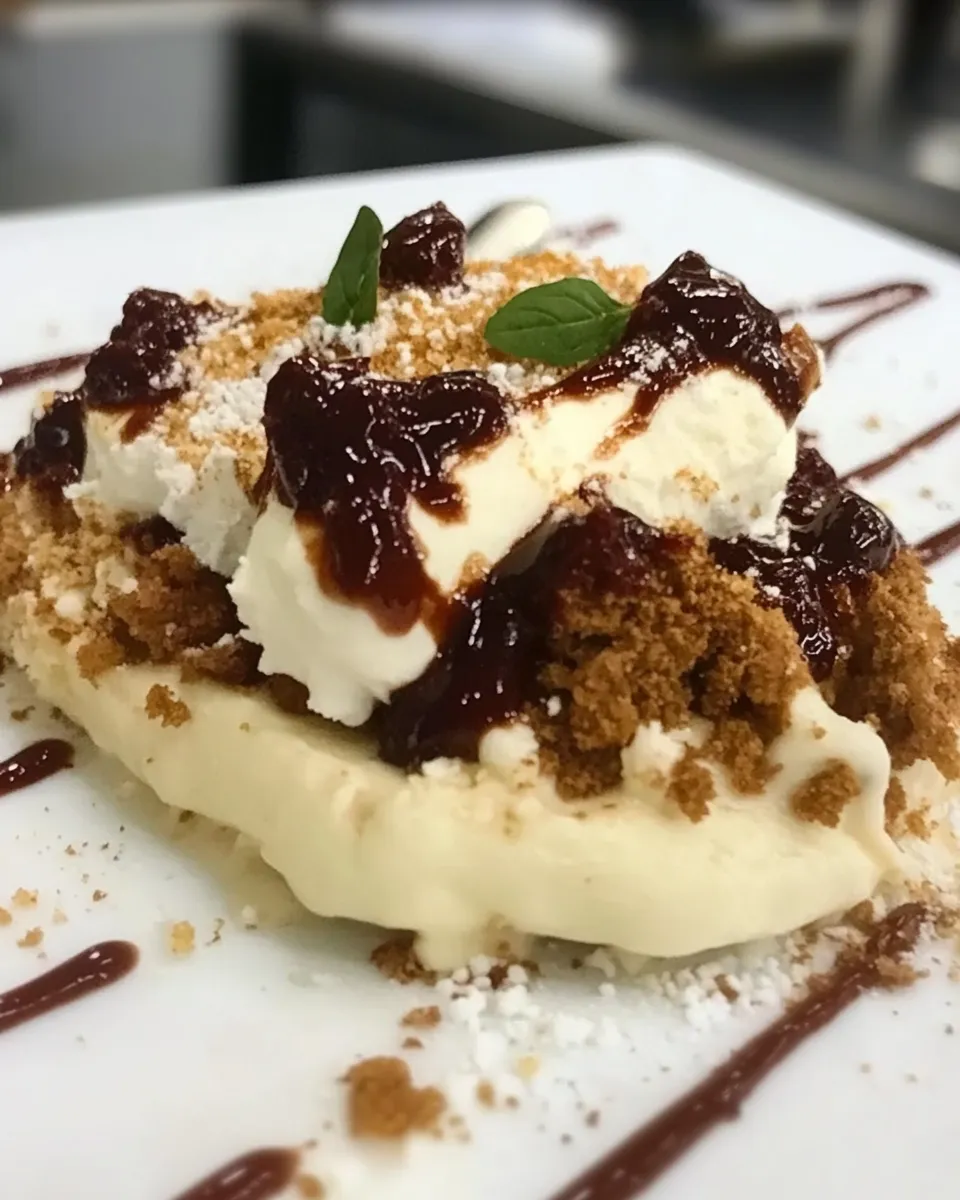
Turkish Kazandibi Recipe by Chef Arman Uz
Equipment
- Large saucepan
- mortar and pestle (or two spoons)
- Small Bowl
- shallow metal baking pan
- Spatula
- stovetop burner
Ingredients
Ingredients
- 400 mlbuffalo milk
- 400 mlfresh cream
- 90 gramssugar
- 10 gramscorn flour
- 3 gramsmastic
- 5 gramsground cinnamon
- 50 gramsarrowroot
Instructions
Instructions
- Place 400 ml buffalo milk, 400 ml fresh cream and 90 g sugar in a large saucepan over medium heat. Stir occasionally until the sugar is fully dissolved and the mixture is hot but not yet boiling.
- While the milk heats, grind the 3 g mastic to a fine powder (use a mortar and pestle or crush between two spoons). In a small bowl, combine the 10 g corn flour, 50 g arrowroot and the ground mastic.
- When the milk mixture is hot, remove two or three ladlesful into the bowl with the dry thickeners and whisk until you have a smooth, lump-free slurry.
- Return the slurry to the saucepan and cook over medium heat, stirring constantly, until the mixture thickens and reaches a gentle boil — about 15 minutes. Continue stirring so it does not stick.
- Once the mixture comes to a boil, keep it boiling for 30 seconds, then remove the pan from the heat.
- Place a shallow metal baking pan directly over a medium–high burner. Ladle in about 1 cup (250 ml) of the hot pudding mixture — just enough to cover the bottom in a thin layer.
- Allow that layer to cook until it browns and chars on the bottom to form a dark, deeply colored layer. Occasionally shift the pan back and forth over the burner to promote even browning. Watch closely to avoid burning beyond the desired deep brown color.
- Meanwhile, if the remaining pudding in the saucepan has cooled, reheat it briefly until it is hot and pourable and comes back to a gentle boil.
- Pour the reheated pudding evenly over the burned layer in the metal pan and smooth the top with a spatula or spoon.
- Let the pan cool to room temperature, then cover and refrigerate for at least 6 hours (or until fully set and chilled).
- To serve, cut the set kazandibi into small squares and transfer them to plates with the burned side facing up. Dust each portion evenly with the 5 g ground cinnamon.