I make these Power Muffins when I want breakfast that holds up through a busy morning. They’re hearty, slightly sweet, and built on whole ingredients that actually keep you full: whole wheat flour, cooked quinoa, and fresh kale. No complicated techniques. Just sensible swaps and a straightforward method.
They come together in one bowl for the wet ingredients and one for the dry, then fold in the quinoa and kale. The texture is tender but substantial — not a cake, not a dense brick. They’re great for grabbing on the go, packing in lunches, or keeping in the freezer for a week of dependable breakfasts.
I’ll walk you through the ingredients, the step-by-step directions, gear you’ll want, common mistakes and fixes, and a few sensible substitutions if you need them. Read through the tips before you start; a little prep makes a big difference.
Gather These Ingredients
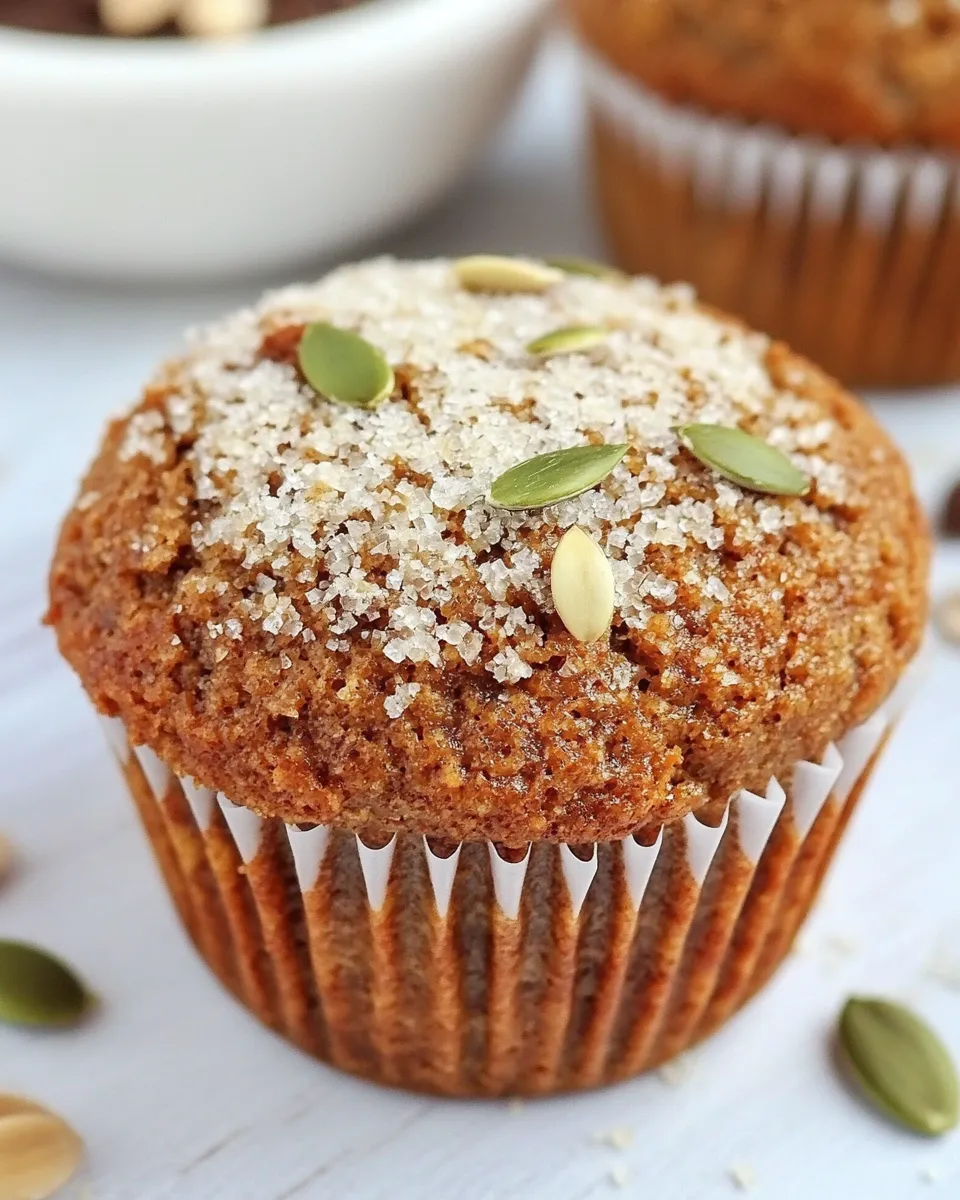
Ingredients
- 1/2 cup coconut oil (barely melted) — keeps the muffins moist and adds a subtle richness; recipe notes that olive oil can be used as a substitute.
- 1/2 cup no-sugar added applesauce — contributes moisture and natural sweetness without extra refined sugar.
- 1/2 cup honey — primary liquid sweetener for flavor and tenderness.
- 1/2 cup molasses — deepens flavor and adds a sticky, rich note; pairs well with cinnamon.
- 4 large eggs — provide structure and lift; use large for reliable texture.
- 1 teaspoon vanilla extract — rounds the flavors and softens the sweetness.
- 2 cups whole wheat flour — hearty base that gives structure and fiber.
- 1 1/2 teaspoons baking soda — helps the muffins rise and lighten the crumb.
- 1 teaspoon baking powder — works with the baking soda for consistent lift.
- 1/2 teaspoon salt — balances sweetness and enhances overall flavor.
- 1 Tablespoon ground cinnamon — warm spice that complements the molasses and honey.
- 1 1/2 cups cooked quinoa, cooled — adds protein, texture, and a pleasant chew; about 2/3 cup dry quinoa cooked to yield this amount.
- 1 1/2 cups fresh kale, finely shredded with ribs and stems removed — leafy boost that blends into the batter when shredded finely; remove ribs for a tender bite.
Power Muffins Cooking Guide
- Preheat the oven to 350°F (175°C). Lightly grease two 12-cup muffin tins and set aside.
- In a large bowl, whisk together the 1/2 cup coconut oil (barely melted), 1/2 cup applesauce, 1/2 cup honey, 1/2 cup molasses, 4 large eggs, and 1 teaspoon vanilla extract until combined.
- In another bowl, whisk together 2 cups whole wheat flour, 1 1/2 teaspoons baking soda, 1 teaspoon baking powder, 1/2 teaspoon salt, and 1 tablespoon ground cinnamon.
- Add the dry ingredients to the wet ingredients and stir gently with a spatula or spoon until just combined; do not overmix.
- Fold in 1 1/2 cups cooked quinoa (cooled) and 1 1/2 cups fresh kale that has been finely shredded with ribs and stems removed, mixing only until evenly distributed.
- Spoon the batter into the prepared muffin cups, filling each about 3/4 full.
- Bake at 350°F for 18–22 minutes, or until a toothpick inserted into the center of a muffin comes out clean.
- Remove the muffins from the tins and transfer to a wire rack to cool completely.
- To freeze: once muffins are completely cool, place them in a zip-top freezer bag, remove excess air, and freeze for up to 3 months. To reheat: microwave briefly or allow muffins to come to room temperature before serving.
Why This Recipe Is Reliable
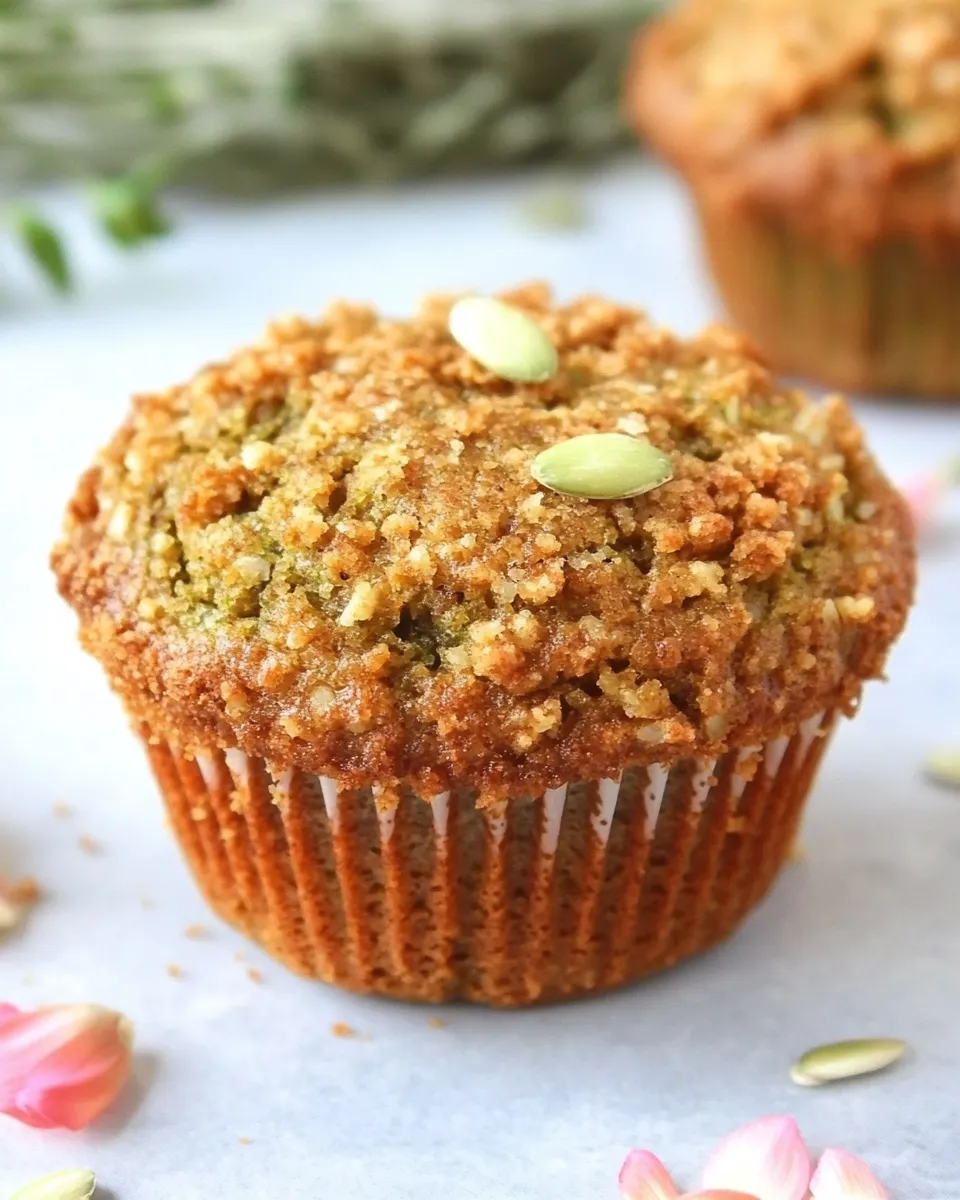
This recipe is built on dependable techniques and measured trade-offs. The wet and dry ingredients are handled separately to avoid overworking the gluten in the whole wheat flour — that keeps the crumb tender. The combination of baking soda and baking powder ensures consistent lift even with heavier add-ins like quinoa and kale.
The choice of sweeteners — honey plus molasses — does two things: it gives enough sweetness without relying on white sugar, and it contributes moisture. Applesauce acts as a partial fat substitute and adds moisture, too. Coconut oil adds fat for tenderness; if you swap oils, choose one with neutral flavor so the molasses and cinnamon can shine.
Finally, folding in cooled, cooked quinoa prevents it steaming the batter and turning soggy. Fresh kale must be finely shredded and stripped of ribs so it melds into the batter rather than creating tough strands. Together, these details create muffins that bake up reliably across ovens and keep well for grab-and-go breakfasts.
Low-Carb/Keto Alternatives
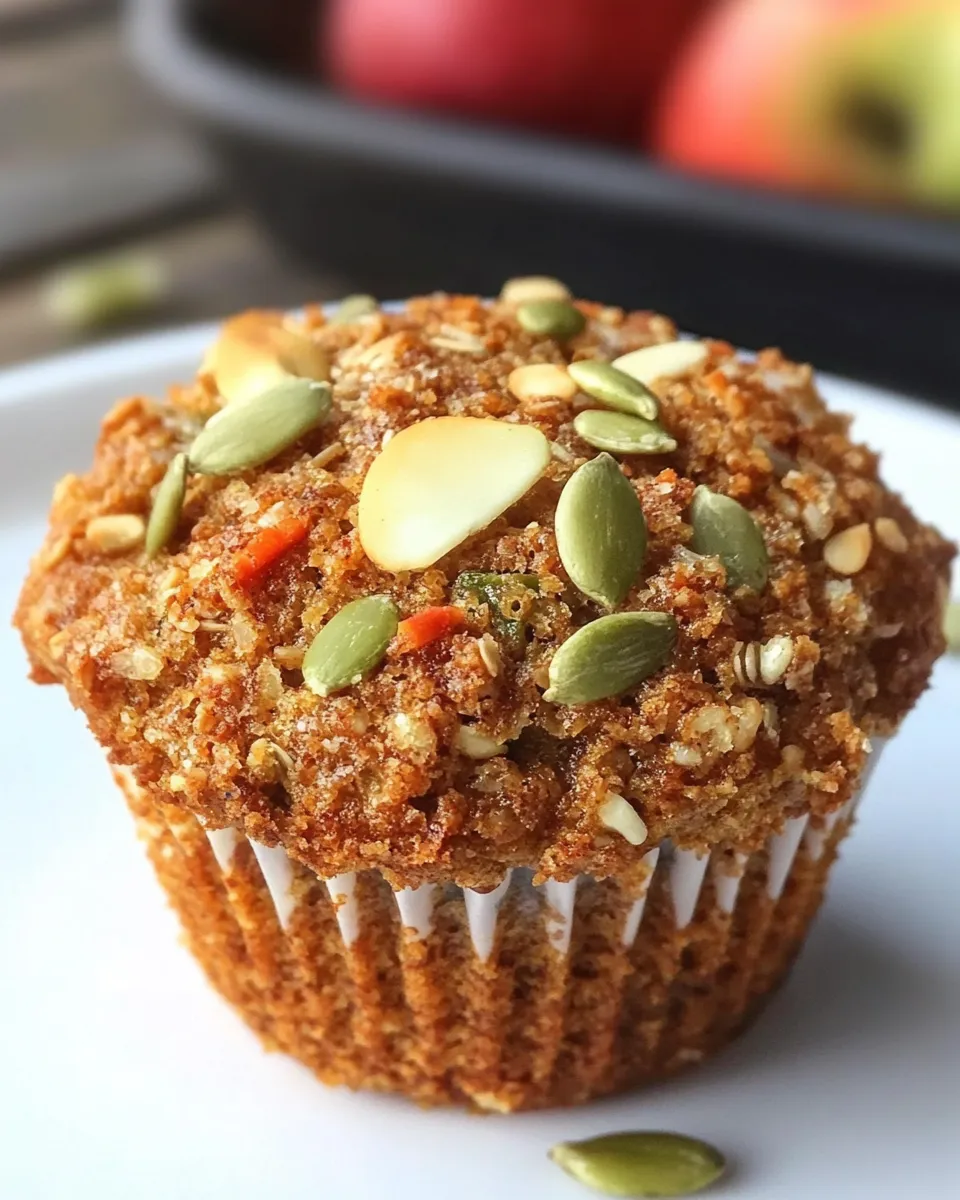
If you need a lower-carb or keto-friendly version, focus on swapping the flour and sweeteners and adjusting the binding elements:
- Flour swaps: Use finely ground nut flours like almond flour or a blend that includes coconut flour. Note that nut flours absorb more liquid, so the texture and volume will change.
- Sweetener swaps: Replace honey and molasses with low-carb sweeteners such as erythritol, monk fruit blend, or liquid allulose. Molasses provides flavor depth; consider a tiny drop of blackstrap flavoring or a pinch of unsweetened cocoa to mimic that depth if you remove molasses entirely.
- Binding: Whole eggs are already in the recipe, which helps. If you reduce sweet liquids, you may want to add an extra egg or a tablespoon of a neutral oil to maintain a moist crumb.
These swaps change texture and baking time. Lower-carb batters often bake faster on the surface but remain denser inside; test with a toothpick and expect texture differences compared to the original.
Gear Up: What to Grab
- Two 12-cup muffin tins — recipe makes 24 muffins; using two tins at once keeps baking even.
- Muffin liners (optional) — for easy removal and cleanup.
- Large mixing bowl and medium mixing bowl — separate wet and dry mixes to avoid overmixing.
- Whisk and spatula — a whisk for the wet ingredients and a spatula to fold the batter gently.
- Measuring cups and spoons — accurate measuring keeps the balance between wet and dry consistent.
- Wire cooling rack — essential to cool muffins quickly so they don’t steam and get soggy.
Common Errors (and Fixes)
Here are common problems I see and how to fix them quickly.
- Muffins sink in the middle: Often caused by underbaking or opening the oven too early. Check with a toothpick at the lower end of the bake time and avoid opening the oven for the first 12–15 minutes.
- Dry, crumbly muffins: Likely from overbaking or too much flour. Measure flour by spooning it into the cup and leveling with a knife, not by packing. Also don’t overbake — start checking at 18 minutes.
- Gummy or wet center: If you folded in warm quinoa, the excess steam can make the center underbaked. Use cooled quinoa and test with a toothpick before removing from the oven.
- Large holes or tunnels: Caused by overmixing after adding dry ingredients. Mix only until combined; a few streaks are fine before you fold in quinoa and kale.
- Bitter or off flavors: Rancid oil will ruin the muffins. Use fresh coconut oil and check your spices and baking powder for freshness if flavors seem off.
Seasonal Ingredient Swaps
This recipe adapts well across seasons. Swap what’s fresh and in your pantry without changing technique.
- Spring: Replace kale with finely chopped spinach or tender spring greens if you prefer a milder taste.
- Summer: Fold in fresh grated zucchini (squeeze excess moisture) or add grated apple for sweetness and texture.
- Fall: Add a touch of pumpkin puree (reduce applesauce slightly) and swap cinnamon for pumpkin pie spice for cozy flavor.
- Winter: Stir in chopped dried fruit or toasted nuts for added richness; watch total add-ins so batter remains scoopable.
If You’re Curious
Why quinoa? It’s a tiny grain that brings protein and texture without making the muffins heavy. When cooked and cooled, quinoa keeps muffins chewy and adds nutrients — think of it as a whole-grain boost. Whole wheat flour contributes fiber and a nutty flavor that pairs well with the molasses, which amplifies warm, autumnal notes.
Nutrition-wise, these muffins are more substantial than a typical bakery muffin because of the whole wheat and quinoa. They carry a mix of carbohydrates, protein, and fat that will sustain energy longer than refined-sugar-based treats.
Save for Later: Storage Tips
These muffins are extremely freezer-friendly, which makes them great for batch baking. Follow these steps so texture and flavor survive storage.
Room temperature and short-term
Store cooled muffins in an airtight container at room temperature for up to 2 days. If your kitchen is warm, move them to the fridge to prolong freshness.
Freezing & reheating
To freeze: cool completely, then place in a zip-top freezer bag with excess air removed, or individually wrap in plastic wrap and bag together. Freeze for up to 3 months as the recipe directs. To reheat: microwave briefly (about 20–30 seconds from frozen, depending on your microwave), or thaw overnight in the fridge and warm for a few seconds to take the chill off. A quick toast or oven reheat at 325°F for 6–8 minutes restores a lightly crisp exterior.
Popular Questions
Can I make these gluten-free?
You can try a gluten-free blend that substitutes for 2 cups of whole wheat flour, but results vary. Gluten-free flours absorb liquid differently, so you may need to tweak wet ingredients or baking time.
Can I use frozen kale?
It’s not ideal. Frozen kale releases water when thawed, which could make the batter too wet. If you must use frozen, thaw thoroughly and squeeze out as much water as possible before folding in.
Do I have to cook the quinoa first?
Yes — the recipe calls for 1 1/2 cups cooked quinoa (cooled). Using raw quinoa will not yield the intended texture; cook according to package instructions before measuring.
How many muffins does this make?
The recipe fills two 12-cup muffin tins, so about 24 standard muffins when each cup is filled roughly 3/4 full.
Make It Tonight
If you’ve got 40–50 minutes, you can have a tray of Power Muffins ready for the week. Preheat, mix wet, mix dry, fold in quinoa and kale, bake, and cool. The hands-on time is short. Make a double batch if you’re feeding a group or want to freeze half for later. These muffins are simple to pull together, forgiving in texture, and they stay satisfying long after the oven has cooled.
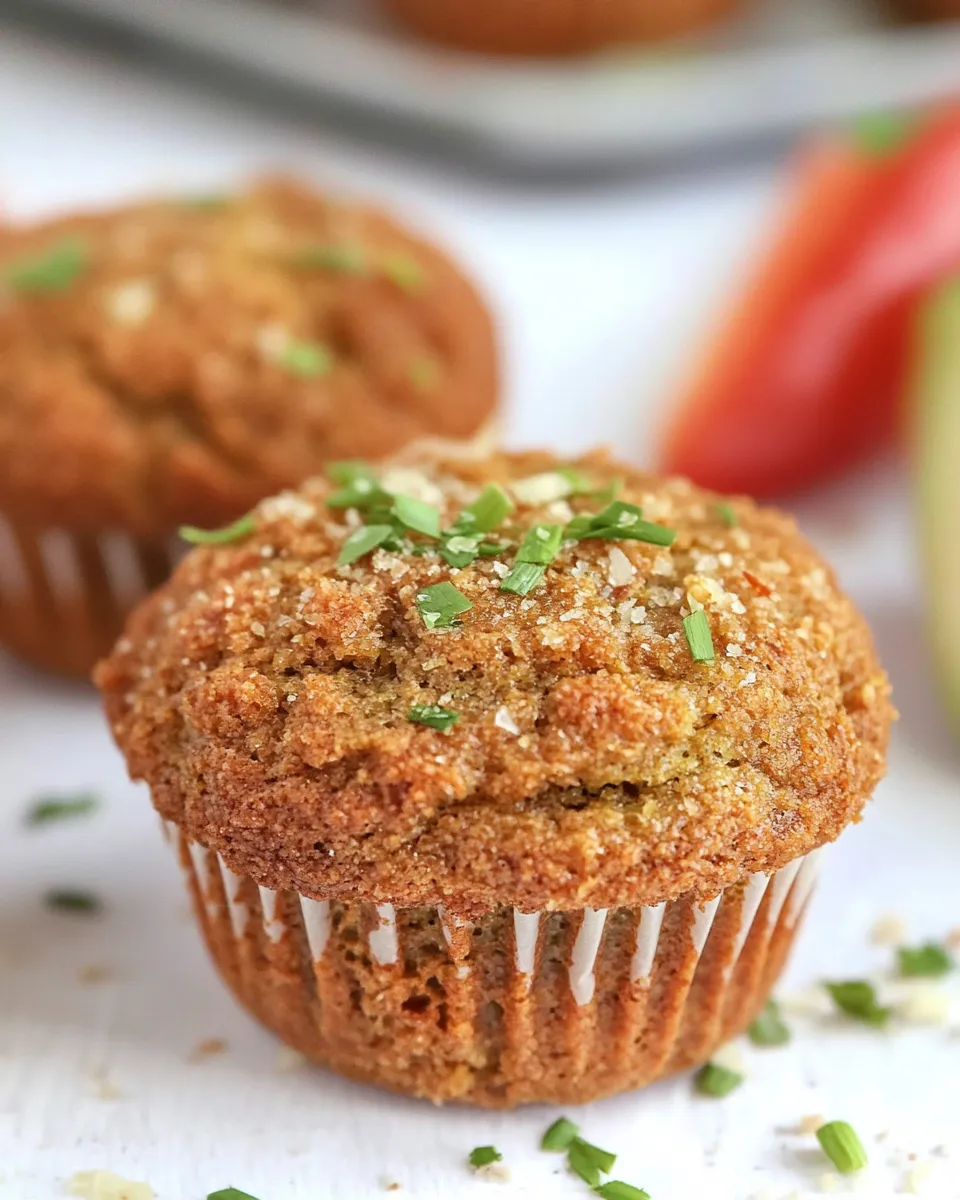
Power Muffins
Equipment
- Muffin Tin
Ingredients
Ingredients
- 1/2 cupcoconut oilbarely melted or substitute olive oil
- 1/2 cupno-sugar added applesauce
- 1/2 cuphoney
- 1/2 cupmolasses
- 4 largeeggs
- 1 teaspoonvanilla extract
- 2 cupswhole wheat flour
- 1 1/2 teaspoonsbaking soda
- 1 teaspoonbaking powder
- 1/2 teaspoonsalt
- 1 Tablespoonground cinnamon
- 1 1/2 cupscooked quinoa cooled (about 2/3 cup dry quinoa, cooked according to package instructions)
- 1 1/2 cupsfresh kale finely shredded with ribs and stems removed
Instructions
Instructions
- Preheat the oven to 350°F (175°C). Lightly grease two 12-cup muffin tins and set aside.
- In a large bowl, whisk together the 1/2 cup coconut oil (barely melted), 1/2 cup applesauce, 1/2 cup honey, 1/2 cup molasses, 4 large eggs, and 1 teaspoon vanilla extract until combined.
- In another bowl, whisk together 2 cups whole wheat flour, 1 1/2 teaspoons baking soda, 1 teaspoon baking powder, 1/2 teaspoon salt, and 1 tablespoon ground cinnamon.
- Add the dry ingredients to the wet ingredients and stir gently with a spatula or spoon until just combined; do not overmix.
- Fold in 1 1/2 cups cooked quinoa (cooled) and 1 1/2 cups fresh kale that has been finely shredded with ribs and stems removed, mixing only until evenly distributed.
- Spoon the batter into the prepared muffin cups, filling each about 3/4 full.
- Bake at 350°F for 18–22 minutes, or until a toothpick inserted into the center of a muffin comes out clean.
- Remove the muffins from the tins and transfer to a wire rack to cool completely.
- To freeze: once muffins are completely cool, place them in a zip-top freezer bag, remove excess air, and freeze for up to 3 months. To reheat: microwave briefly or allow muffins to come to room temperature before serving.
Notes
Adapted from
here
(added honey and kale)