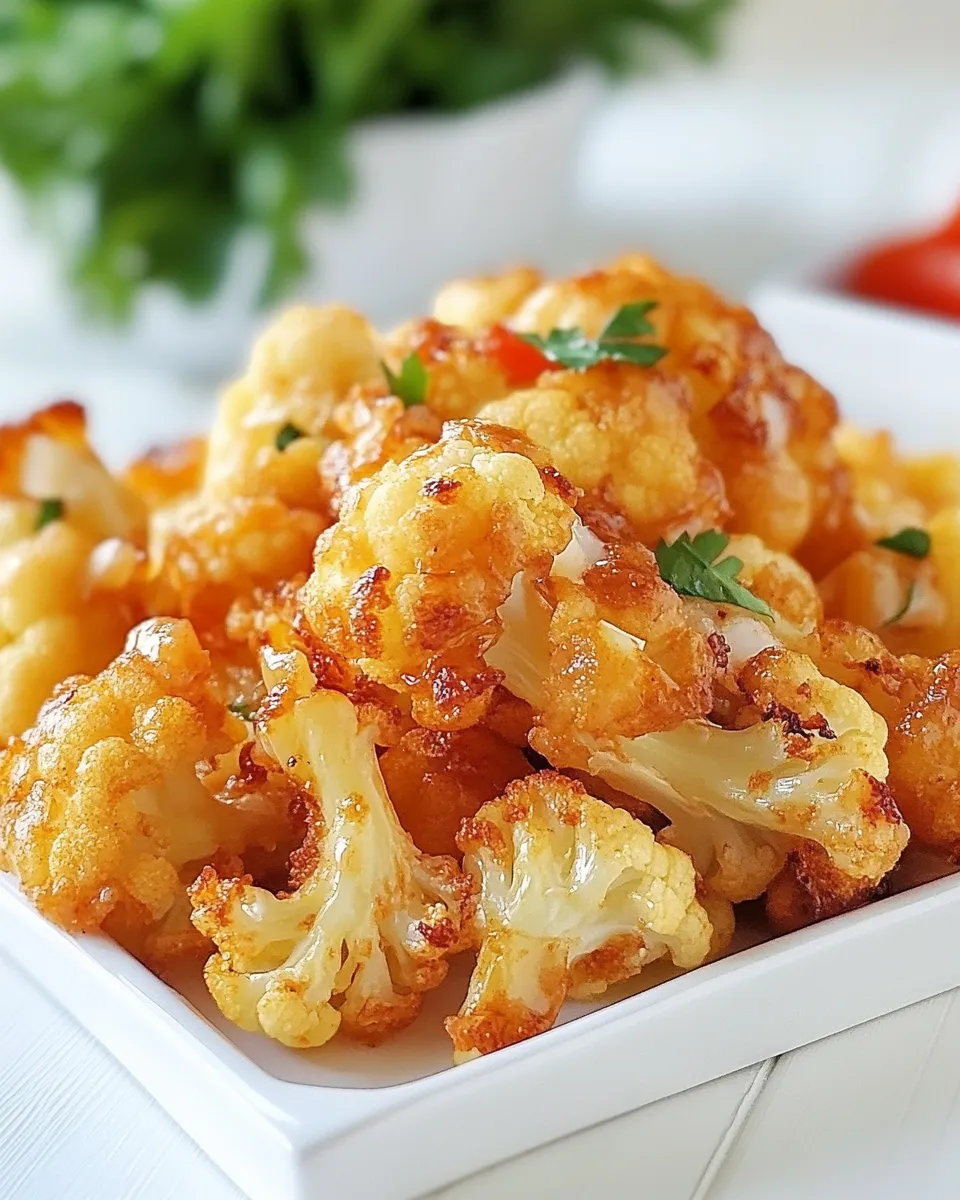
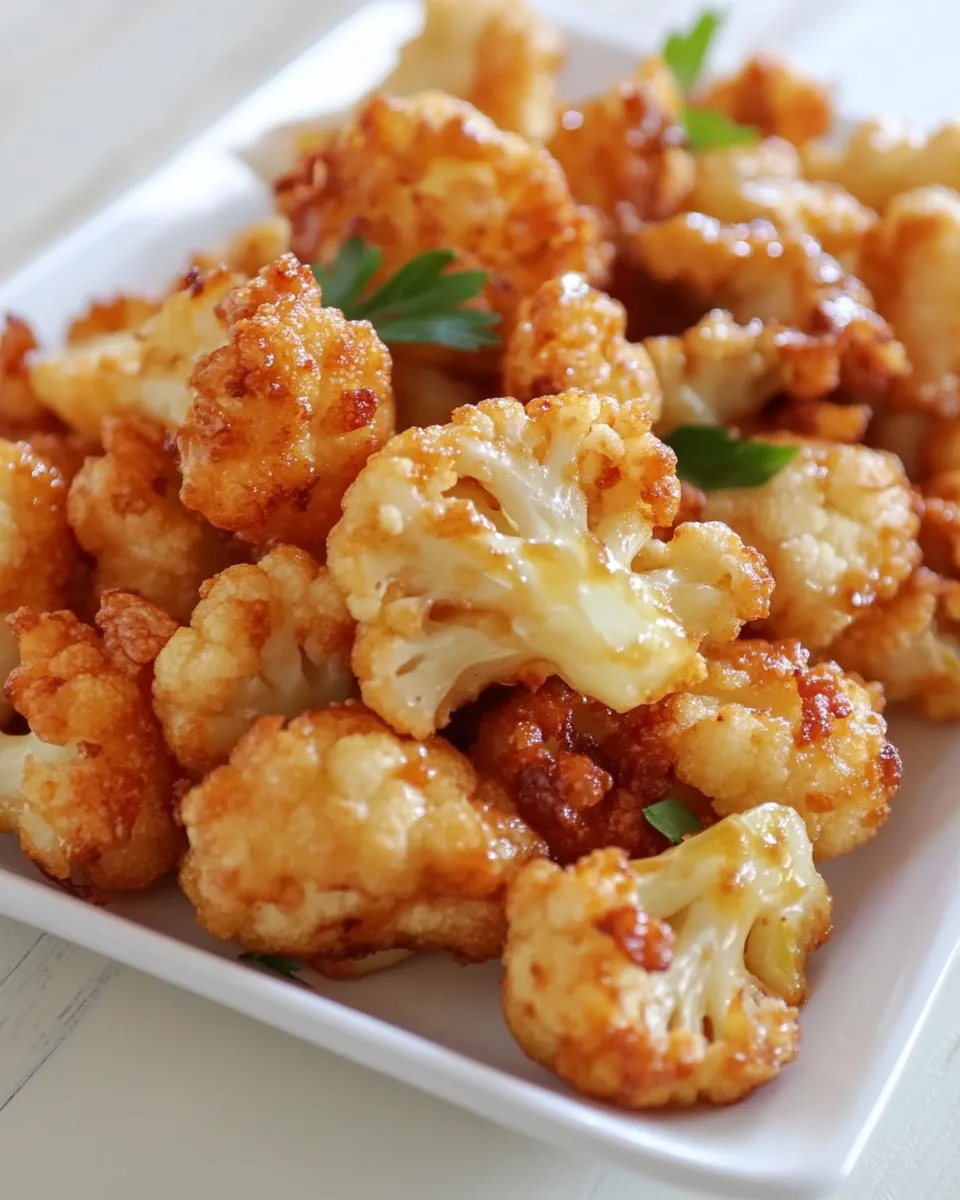
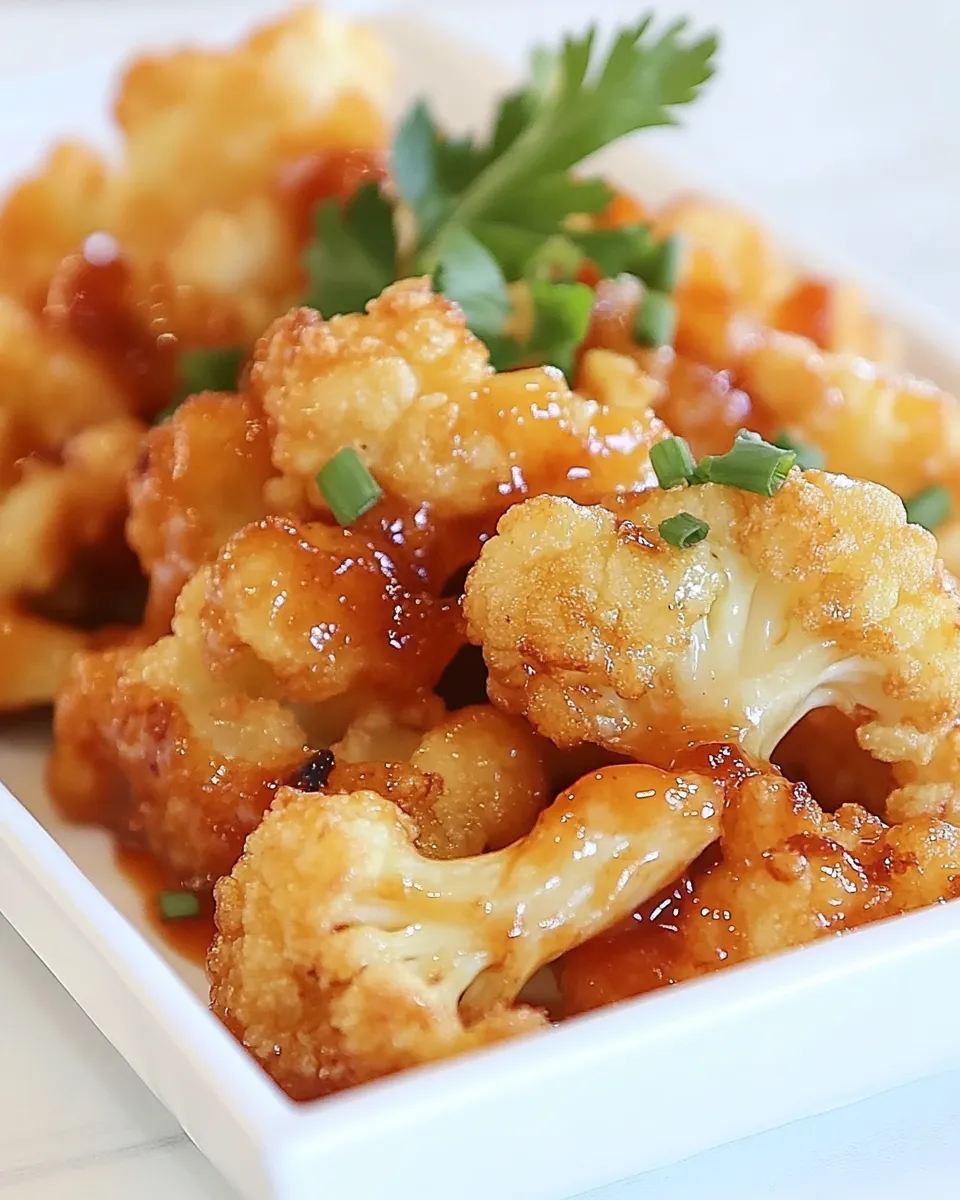
There’s something deeply satisfying about a bite of cauliflower that’s been taken to the wild side: crisp, golden batter giving way to a tender, slightly nutty floret, finished in a sticky, sweet-savory glaze. This Fried Cauliflower recipe hits that combination cleanly — simple batter, quick fry, and a glossy sauce that clings to every curve. It’s indulgent without being complicated, and it works as an appetizer, a side, or the centerpiece on a casual weeknight.
I bring this to the blog because it’s the kind of recipe that rewards good timing and attention more than expensive ingredients. The technique is straightforward: dry the cauliflower, coat it in a thin, lump-free batter, fry in batches to keep the oil temperature stable, then toss in a sauce that’s been brought just to the point where the sugar dissolves and everything comes together. Done properly, you get crunchy exteriors and soft interiors, all coated in a sauce that’s glossy and balanced.
Read on for a clear ingredient breakdown, the exact step-by-step method, troubleshooting tips, and practical storage and reheating advice. I’ll also explain what to do if you’re missing an item, which tools make this easier, and a few seasonal variations to keep this dish interesting year-round.
Ingredient Breakdown
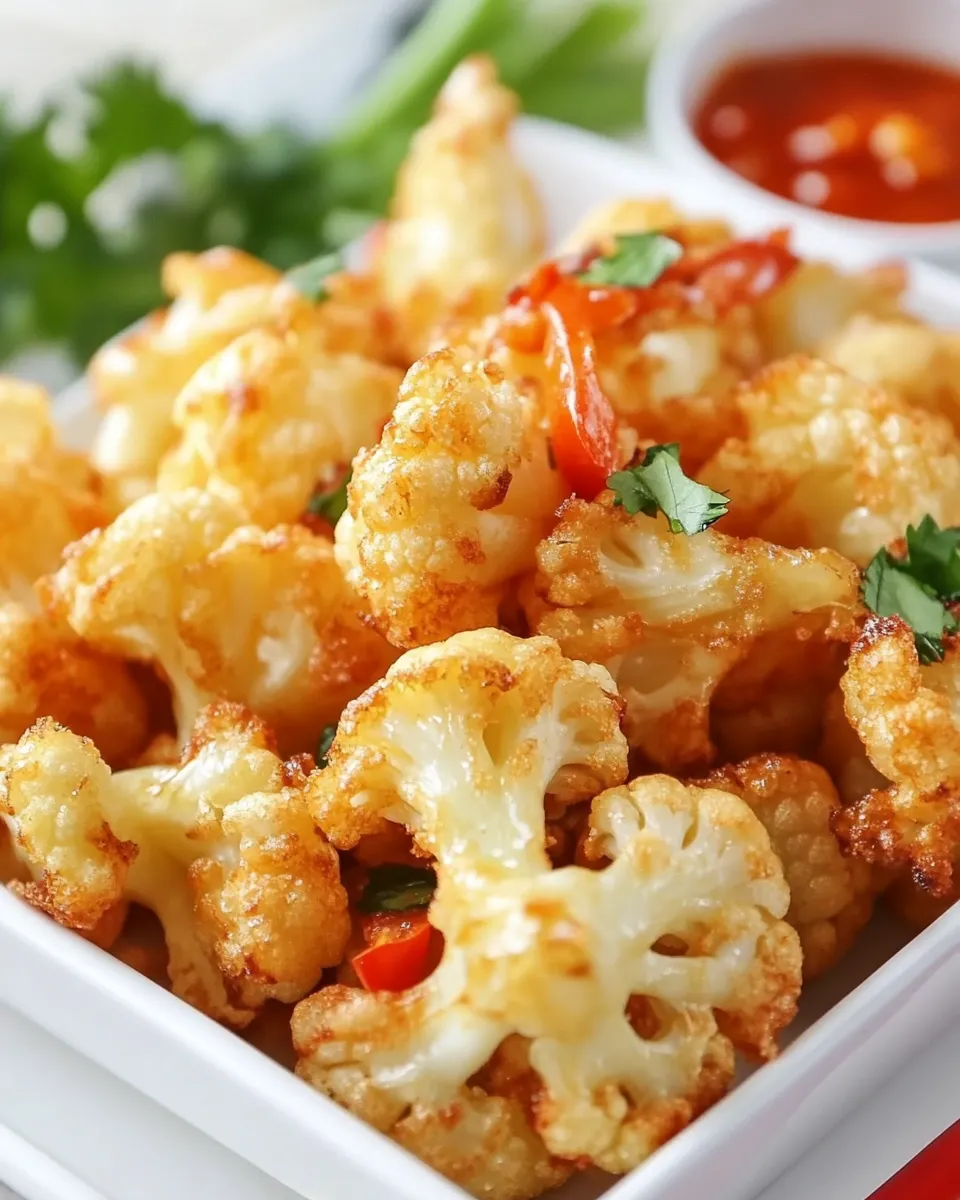
- vegetable oil — for frying; use a neutral, high-smoke-point oil so the batter crisps without burning.
- ½ cup all-purpose flour — the base of the batter; provides structure and crispness when fried.
- 2 teaspoons garlic powder — seasoning for the batter to give background garlic flavor without raw garlic’s sharpness.
- ¼ teaspoon black pepper — light heat and aromatics in the batter; adjust to taste if you prefer more or less.
- ¾ cup water — thinned into the flour to make a lump-free batter that clings to the florets.
- 1 head cauliflower, chopped — the star ingredient; cut into even florets so they cook uniformly.
- ½ cup sweet chili sauce — provides the sweet-spicy backbone of the glaze; warms up when combined with the other sauce ingredients.
- ½ cup sugar — sweetens and caramelizes slightly in the sauce; dissolves as the sauce heats.
- 3 tablespoons soy sauce — brings saltiness, umami, and depth to the sauce.
- 1 tablespoon rice vinegar — adds acidity to balance the sugar and round out the sauce.
From Start to Finish: Fried Cauliflower
- Heat vegetable oil in a frying pan over medium-high heat until hot and shimmering.
- In a shallow bowl, whisk together ½ cup all-purpose flour, 2 teaspoons garlic powder, and ¼ teaspoon black pepper. Gradually whisk in ¾ cup water until the batter is smooth and lump-free.
- Pat the chopped cauliflower florets dry with paper towels.
- Working in batches to avoid overcrowding, add some florets to the batter and toss to coat each piece evenly.
- Carefully add the coated florets to the hot oil and fry, turning as needed, until golden brown on all sides. Transfer fried florets to a paper towel–lined plate to drain. Repeat coating and frying with the remaining florets.
- In a large skillet, combine ½ cup sweet chili sauce, ½ cup sugar, 3 tablespoons soy sauce, and 1 tablespoon rice vinegar. Heat over medium, stirring, until the sauce is warmed through and the sugar is fully dissolved.
- Add the fried cauliflower to the skillet and toss in the sauce until all pieces are evenly coated and heated through.
- Serve immediately.
The Upside of Fried Cauliflower
This recipe gives you maximum texture with minimal fuss. The batter is thin and clutchy rather than heavy, so every floret gets a crisp shell that doesn’t overwhelm the vegetable. The frying step is short and forgiving: because of the batter and the small size of florets, they brown quickly and stay tender inside.
Another upside is flexibility. This finished dish works as an appetizer at a party, a snack with cold drinks, or as part of a main course if you serve it atop rice or alongside steamed greens. The sauce is bright and glossy; it brings sweet, salty, sour, and a touch of heat together, which makes the dish addictive and approachable for most palates.
If You’re Out Of…
- vegetable oil: any neutral oil with a high smoke point (like canola or sunflower) will behave similarly.
- garlic powder: you can leave it out if necessary; the sauce provides most of the flavor punch. If you have fresh garlic, a tiny amount minced and added to the sauce while it heats will work, but watch for burning.
- sweet chili sauce: if unavailable, look for a sweet-spicy condiment or blend a bit of chili paste with a sweetener and a splash of water to replicate the texture and heat.
- sugar: a granulated sweetener is ideal; if you use a liquid sweetener, reduce other liquids slightly and monitor sauce thickness as it heats.
- rice vinegar: any mild vinegar or a small squeeze of lemon juice will add the necessary acidity; add sparingly and taste as you go.
Essential Tools for Success
- Sturdy frying pan deep enough for a shallow fry and to leave room for oil to bubble safely.
- Shallow bowl for whisking the batter so you can quickly coat florets.
- Tongs or a slotted spoon for turning battered florets and removing them from hot oil.
- Paper towels and a plate for draining excess oil after frying.
- Large skillet for finishing the fried cauliflower in the sauce so everything gets evenly coated.
- Whisk and measuring tools to keep amounts accurate — particularly with the sauce where balance matters.
Missteps & Fixes
Soggy coating: That usually happens when the oil is too cool or you overcrowd the pan. Fix it by frying in smaller batches and letting the oil return to temperature between batches. Use a thermometer if you have one; aiming for a steady shimmering surface helps create immediate crisping.
Gummy batter: If the batter is lumpy or too thick, it won’t coat evenly. Whisk gradually when adding water and make sure the batter is smooth and fluid enough to coat the florets thinly. A few thicker spots are okay, but aim for a consistency that clings in a light layer.
Overly sweet or cloying sauce: If the sauce ends up too sweet, balance it with a touch more rice vinegar or a splash of soy sauce. Heat briefly and taste as you adjust. If the sauce is too thin after adjustments, simmer it a bit longer to reduce and thicken; if too thick, add a tablespoon of water at a time until it reaches the texture you want.
Variations by Season
Spring: Keep things bright. Toss the finished cauliflower with a handful of fresh herbs or sliced scallions for a lively finish that complements the sauce’s sweetness.
Summer: Serve the fried cauliflower warm at a barbecue or picnic. Pair it with a chilled cucumber-yogurt dip or a simple salad to cut the richness and add freshness.
Fall/Winter: Go richer with a sprinkle of toasted sesame seeds or chopped roasted nuts for crunch. You can also add a dash of warming spice like five-spice or a pinch of cayenne into the batter for a cozy, spiced profile.
Pro Perspective
Temperature and Timing
Control the oil temperature. Medium-high heat creates a hot, shimmering surface that seals the batter quickly. If you see the batter darkening too fast, reduce the heat slightly. If the florets are pale and greasy, the oil is too cool. Carry on in batches so the oil stays stable.
Batter Behavior
The goal is a thin, even coat. Whisk the flour and dry seasoning first, then slowly incorporate the water to avoid lumps. A smooth batter clamps to the cauliflower without building up into a heavy shell. That thinness is what gives you contrast — crisp outside, tender inside.
Sauce Finish
Warm the sauce until the sugar fully dissolves before adding the cauliflower. A well-warmed sauce coats more evenly and clings to the hot batter. Toss quickly and serve right away; prolonged sitting will soften the crisp exterior.
Storage & Reheat Guide
Storage: Place leftover finished cauliflower in an airtight container and refrigerate for up to 2–3 days. The coating will soften in the fridge; that’s normal.
Reheating: For the best texture, reheat in a hot oven (about 375°F / 190°C) or an air fryer for 5–8 minutes until warmed through and the exterior revives a bit. Avoid microwaving if you care about re-crisping — the microwave will make the batter soggy. If you have a separate batch of sauce, warm it and toss the reheated florets briefly to refresh their glaze.
Freezing: You can freeze the fried cauliflower on a sheet tray until firm, then transfer to a sealed bag for up to a month. Reheat from frozen in an oven or air fryer, adding sauce after reheating to preserve crispness.
Your Top Questions
- Can I bake instead of fry? Baking will work for a lighter version, but you’ll need to accept a different texture — less deep-fried crunch. Use a well-oiled baking sheet, space florets apart, and bake at a high temperature until golden, then toss in the sauce.
- How do I keep the batter from falling off? Dry the florets thoroughly before dipping. A thin batter applied to dry surfaces adheres better. Also, let excess batter drip off before the florets hit the oil.
- Is the sauce safe to make ahead? Yes. Make it ahead and reheat gently before tossing with freshly fried cauliflower. If it’s thickened in the fridge, loosen with a tablespoon or two of water while warming.
- Can I make this gluten-free? You can experiment with a gluten-free flour blend, but results will vary. The batter’s binding and crisping behavior may change, so test a small batch first.
Save & Share
If this Fried Cauliflower becomes a regular in your rotation, save the recipe and share it with friends who appreciate crunchy, saucy bites. It’s a dependable crowd-pleaser and a quick way to turn a humble vegetable into something celebratory. When you make it, note what you adjusted — temperature, sauce balance, or batch size — and you’ll dial it in perfectly the next time.
Happy cooking — and if you try any seasonal twists, I’d love to hear which one became your favorite.
Fried Cauliflower
Equipment
- Frying Pan
- Shallow bowl
- Paper Towels
- Large Skillet
Ingredients
Ingredients
- vegetable oil
- 1/2 cupall-purpose flour
- 2 teaspoonsgarlic powder
- 1/4 teaspoonblack pepper
- 3/4 cupwater
- 1 headcauliflower chopped
- 1/2 cupsweet chili sauce
- 1/2 cupsugar
- 3 tablespoonssoy sauce
- 1 tablespoonrice vinegar
Instructions
Instructions
- Heat vegetable oil in a frying pan over medium-high heat until hot and shimmering.
- In a shallow bowl, whisk together ½ cup all-purpose flour, 2 teaspoons garlic powder, and ¼ teaspoon black pepper. Gradually whisk in ¾ cup water until the batter is smooth and lump-free.
- Pat the chopped cauliflower florets dry with paper towels.
- Working in batches to avoid overcrowding, add some florets to the batter and toss to coat each piece evenly.
- Carefully add the coated florets to the hot oil and fry, turning as needed, until golden brown on all sides. Transfer fried florets to a paper towel–lined plate to drain. Repeat coating and frying with the remaining florets.
- In a large skillet, combine ½ cup sweet chili sauce, ½ cup sugar, 3 tablespoons soy sauce, and 1 tablespoon rice vinegar. Heat over medium, stirring, until the sauce is warmed through and the sugar is fully dissolved.
- Add the fried cauliflower to the skillet and toss in the sauce until all pieces are evenly coated and heated through.
- Serve immediately.
Notes
We prefer the crispness of fresh cauliflower, but frozen cauliflower florets can be used.
You only need about ¼ inch of oil in the pan, and adjust the heat setting as needed so they fry up cooked through and golden brown.
We love the sweet chili sauce coating, but other sauces like Buffalo Hot Sauce,BBQ Sauce, orTeriyaki Saucecan be used, or leave them uncoated and dip them inChipotle Ranch,Artichoke Dip, orVelveeta Spinach Dip.