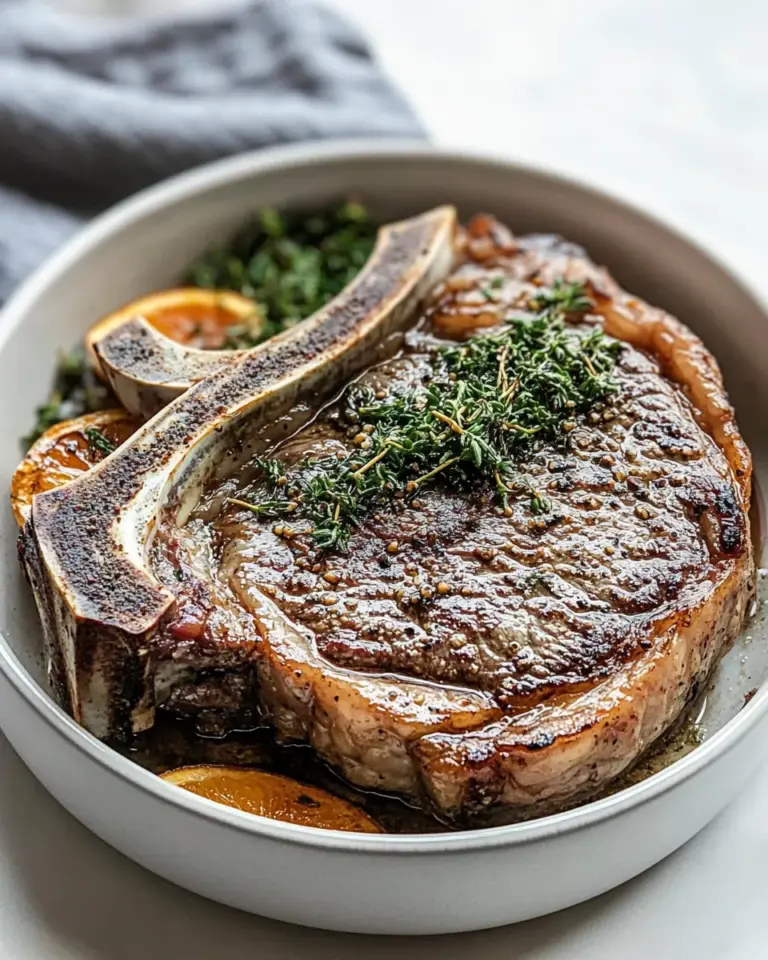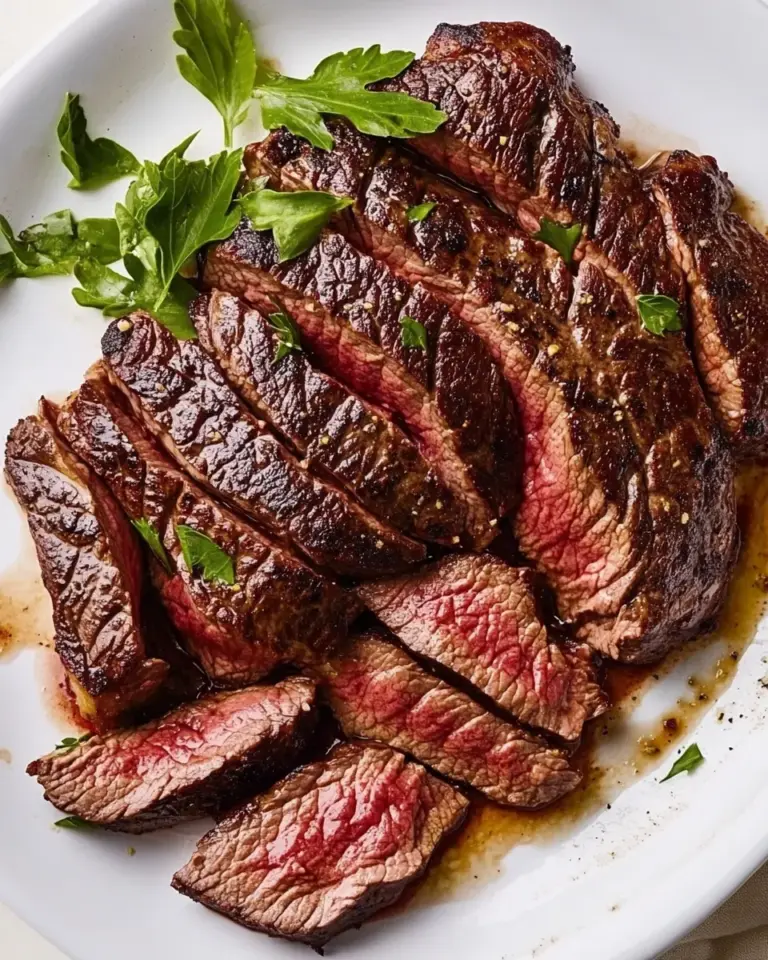
I make this rub all the time. It’s the mix I reach for when I want a reliable, punchy seasoning that crisps on the outside and complements the meat rather than hiding it. There’s salt and pepper for basic seasoning, brown sugar for a thin caramel crust, and unexpected depth from cocoa and beef bouillon. It works on steaks and, yes, on chicken when you want a deeper, slightly smoky-sweet flavor.
Practical notes: this is a make-ahead, pantry-staple style blend. Mix a batch and you’ve got roughly a cup of rub ready for multiple meals; it keeps well when stored properly. The procedure is straightforward—no blender, no fuss—just measuring, mixing, and a jar to keep it in.
I’ll walk you through what to buy, exactly how to mix and use it, why the ingredients are reliable, simple swaps, tools you’ll need, and common problems with fast fixes. If you’re prepping for a week of grilling or want a dependable gift for a cook friend, this is the one I recommend.
Shopping List
- Salt — the primary seasoning; kosher or sea salt works well.
- Black pepper — freshly ground if possible for best aroma.
- Brown sugar — gives color and a touch of caramel; light or dark both work.
- Beef bouillon — granules or powder, provides savory umami.
- Dried onion flakes — for sweet onion notes without moisture.
- Dried oregano and dried thyme — herbal backbone.
- Ground cumin, cocoa powder, cayenne pepper, smoked paprika — aromatics and depth.
- Fresh steaks or chicken — whatever you plan to season and cook.
- Neutral oil for searing — a splash per steak (vegetable, canola, or light olive oil).
- Basic tools: measuring spoons, mixing bowl, fork, airtight jar, paper towels, pan or grill.
Ingredients
- 4 tablespoons salt — anchors the blend and seasons the meat through.
- 2 ½ tablespoon black pepper — adds heat and sharpness; freshly cracked is best.
- 4 tablespoon brown sugar — helps with browning and adds a mild sweetness to balance salt.
- 2 ½ tablespoon beef bouillon (see note 1) — gives savory umami; use granules or powder.
- 2 ½ tablespoon dried onion flakes — provides onion flavor without moisture.
- ½ teaspoon dried oregano — contributes herbal brightness.
- 1 teaspoon dried thyme — earthy-herb note that pairs well with beef.
- 1 teaspoon ground cumin — warm, slightly nutty depth in small amounts.
- 2 ½ tablespoon cocoa powder — unsweetened; adds color and a subtle bitter-chocolate depth.
- 2 teaspoon cayenne pepper — gives controlled heat; adjust by eye for spice tolerance.
- 2 teaspoons smoked paprika — smokiness and mild sweetness without needing a smoker.
Steak Rub (also great on chicken) in Steps
- Measure all ingredients into a large bowl.
- Use a fork to thoroughly combine the ingredients and break apart any lumps until the mixture is uniform.
- Transfer the rub to an airtight jar, secure the lid, and give the jar a good shake to finish mixing (hold the lid on).
- Store the jar in a cool, dry place until ready to use.
- To season steaks, sprinkle 1–2 teaspoons of the rub onto each steak.
- Rub the seasoning into the meat, massaging so the entire surface is lightly and evenly coated.
- Cover the seasoned steaks and refrigerate for at least 2 hours.
- Remove steaks from the fridge 20 minutes before cooking to take the chill off.
- Pat each steak dry with paper towels and wipe off any loose, excess rub (leave the rub that has adhered to the meat).
- Add a splash of oil to each steak and rub it all over to help with searing.
- Cook the steaks to your preferred doneness.
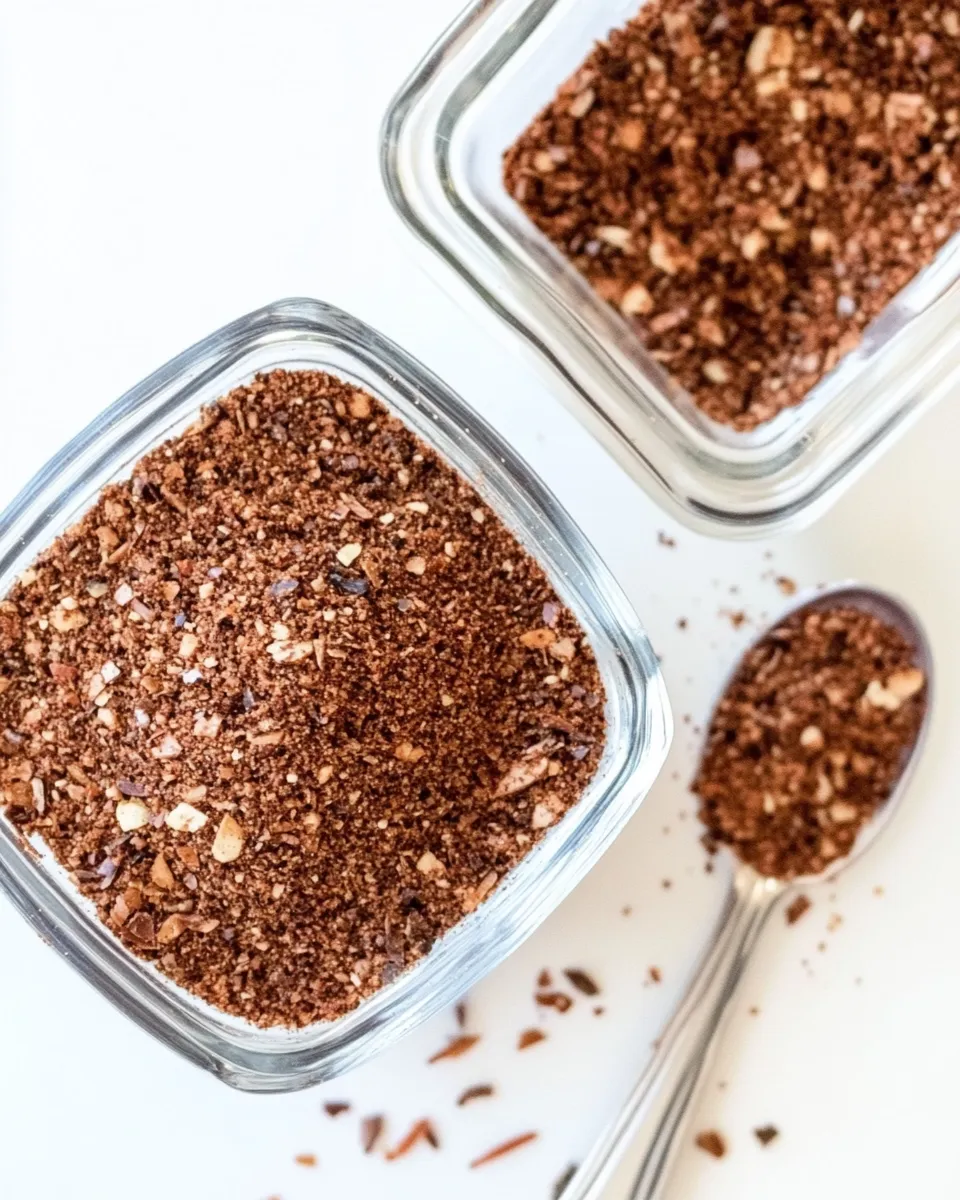
- Keep any remaining rub sealed in the airtight jar; makes about 1 cup (enough for 20+ steaks).
Why This Recipe Is Reliable
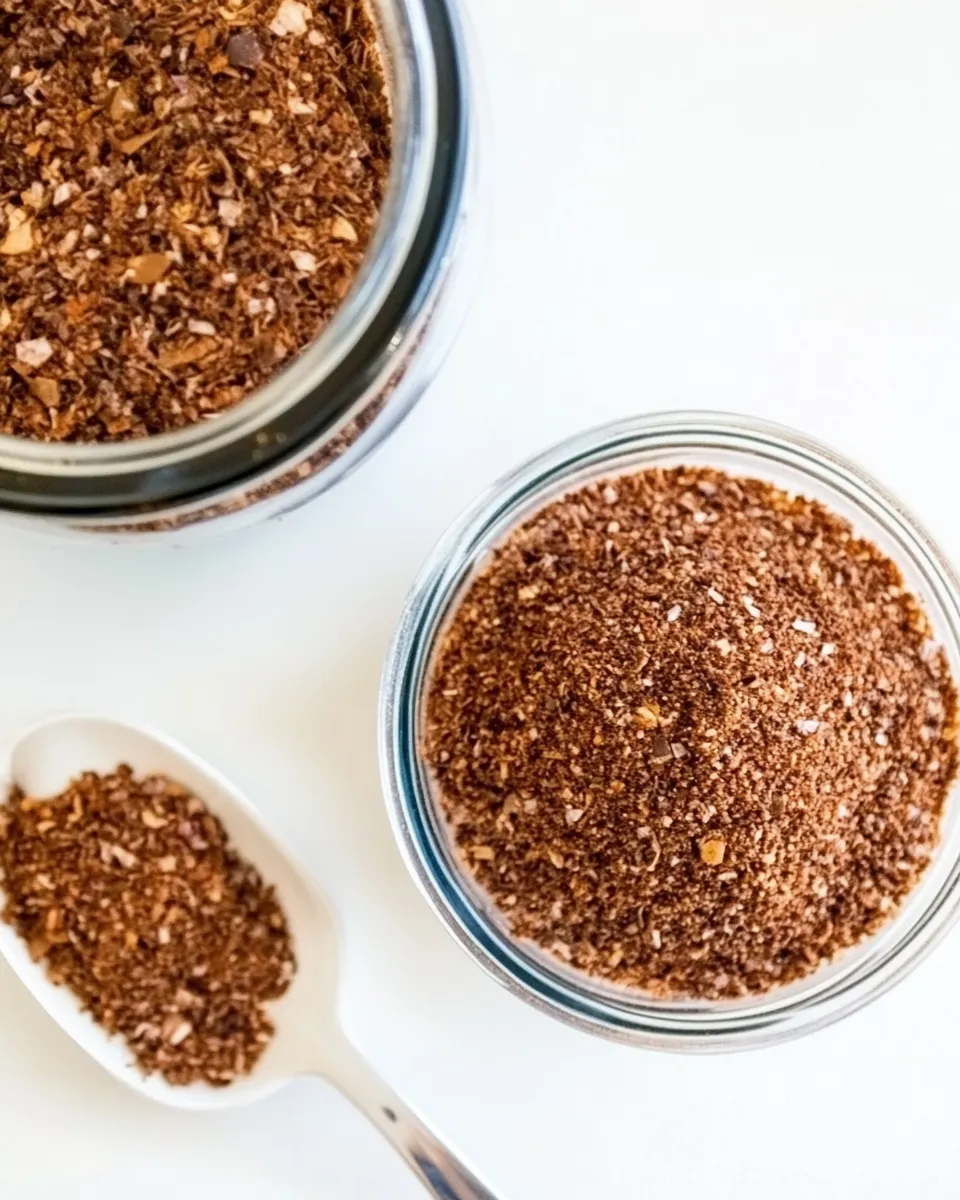
This blend balances salt, fat-friendly aromatics, and a touch of sugar so the exterior caramelizes without burning quickly. The beef bouillon gives an umami boost that reads as “meaty” on the palate, so the rub enhances the steak’s natural flavors instead of covering them. Cocoa powder is a trick used in many savory rubs — it deepens color and flavor without tasting chocolaty.
The ratios are forgiving: salt and pepper are dominant in amount, brown sugar and cocoa moderate the browning, and the cumin, paprika, thyme, and oregano are supporting players. The use-and-rest step (season, refrigerate at least 2 hours) lets the salt begin to penetrate and the aromatics to bloom, giving you consistent results every time.
What to Use Instead
Substitutions and options if you’re missing something:
- If you don’t have beef bouillon, you can use an equivalent amount of another savory bouillon or concentrated beef stock powder. For a non-beef option, chicken bouillon will still work but expect a slightly different savory character.
- If smoked paprika is unavailable, regular sweet paprika plus a tiny pinch of liquid smoke (if you have it) or extra cumin will add depth; keep amounts small so smoke doesn’t overpower.
- No cocoa? Omit it and add a touch more smoked paprika or cumin for color and complexity; the rub will be less brown but still flavorful.
- Want less heat? Reduce cayenne to 1 teaspoon or omit entirely; heat is easy to dial back without upsetting the balance.
Equipment & Tools
- Large mixing bowl — for combining the spices without spills.
- Fork — breaks up lumps; easy and effective.
- Measuring spoons and tablespoons — accurate measuring makes the blend repeatable.
- Airtight jar with lid — keeps the rub fresh and makes shaking it to re-mix simple.
- Paper towels — for drying steaks before searing.
- Grill or heavy skillet (cast iron) — either will deliver a good sear; cast iron is the most forgiving indoors.
- Tongs and meat thermometer — tongs for flipping, thermometer for reliable doneness.
Watch Outs & How to Fix
Here are common missteps and fast remedies.
- Too salty: If you applied the rub too liberally to meat and find it overly salty after cooking, rinse the surface briefly with warm water, pat dry, and cook again; for next time, measure the rub and aim for 1 teaspoon per steak as suggested.
- Clumpy rub: If the mixture has lumps when you open the jar, break them up with a fork or sift the rub through a fine mesh sieve. Store in a dry spot — humidity causes clumping.
- Burning sugar: Brown sugar helps with color but can burn on very high direct flame. If your exterior chars too quickly, lower the heat slightly or finish the steak over indirect heat after searing to reach desired doneness without blackening.
- Weak flavor: If the rub tastes bland once cooked, check that you used enough (1–2 teaspoons per steak) and that the steak was allowed to rest with seasoning in the fridge for at least 2 hours so salt can do its work.
Spring–Summer–Fall–Winter Ideas
Seasonal serving ideas that pair well with this rub:
- Spring: Serve grilled steaks with a bright herb salad or chimichurri to contrast the rub’s depth.
- Summer: Use the rub on steaks for backyard grilling; pair with charred corn, tomatoes, and a crisp green salad.
- Fall: Delightful with roasted root vegetables or a warm mushroom ragout; the cocoa and paprika complement autumn flavors.
- Winter: Rub chicken or a hearty steak and serve with mashed potatoes and braised greens for a warming meal.
What Could Go Wrong
Potential problems and how to avoid them:
- Over-seasoning meat: It’s easy to glob on too much rub. Stick to 1–2 teaspoons per steak and rub in evenly.
- Uneven coating: Take the time to massage the rub so there aren’t thick patches that burn or thin patches that don’t flavor the meat.
- Inconsistent texture: If your rub isn’t well mixed, you’ll get flavor pockets. Use a fork or shake the sealed jar to fully combine.
- Poor sear due to wet meat: Pat meat very dry before searing and wipe off any loose excess rub as instructed — moisture prevents a good crust.
Cooling, Storing & Rewarming
Storage: keep the jar sealed in a cool, dry, low-light pantry. The blend is dry and stable; stored correctly, it will remain flavorful for months. If you detect off aromas or moisture, discard and make a fresh batch.
Leftover seasoned meat: if you’ve pre-seasoned and refrigerated meat, cook it within 24 hours for best texture. Reheat cooked steak gently — medium-low in a covered skillet, or slices in a low oven (275–300°F) wrapped loosely in foil — to avoid overcooking the interior while warming.
Frequently Asked Questions
Can I use this rub on chicken?
Yes. It’s in the title for a reason. The same rub adds great flavor to chicken; for breasts reduce resting time in the fridge slightly (1–2 hours) to avoid drying, and watch cooking times closely.
How long does the rub keep?
Stored sealed in a cool, dry place, the rub stays good for several months. If it smells stale, musty, or has clumped with moisture, make a fresh batch.
Can I make a smaller batch?
Yes. You can scale the measurements down proportionally. Keep the balance—salt and sugar are the main structural components—so reduce everything by the same ratio.
Do I need to refrigerate meat after applying the rub?
Yes, the instructions call for refrigerating covered for at least 2 hours. This helps salt do its work without drying the surface too much. Remove about 20 minutes before cooking to take off the chill.
Will the cocoa make the meat taste like chocolate?
No. In this small quantity cocoa deepens color and adds a subtle bitter-earthiness that enhances savory flavors, not a chocolate taste.
Wrap-Up
This Steak Rub (also great on chicken) is the kind of pantry recipe that becomes a default for weeknight dinners and weekend grilling alike. It’s straightforward to make, stores well, and brings reliably good results—rich color, a flavorful crust, and balanced seasoning. Measure carefully, mix well, and use the rest of the tips above to avoid common pitfalls. Make a jar, keep it handy, and you’ll find yourself reaching for it every time you want a dependable, delicious seasoning.
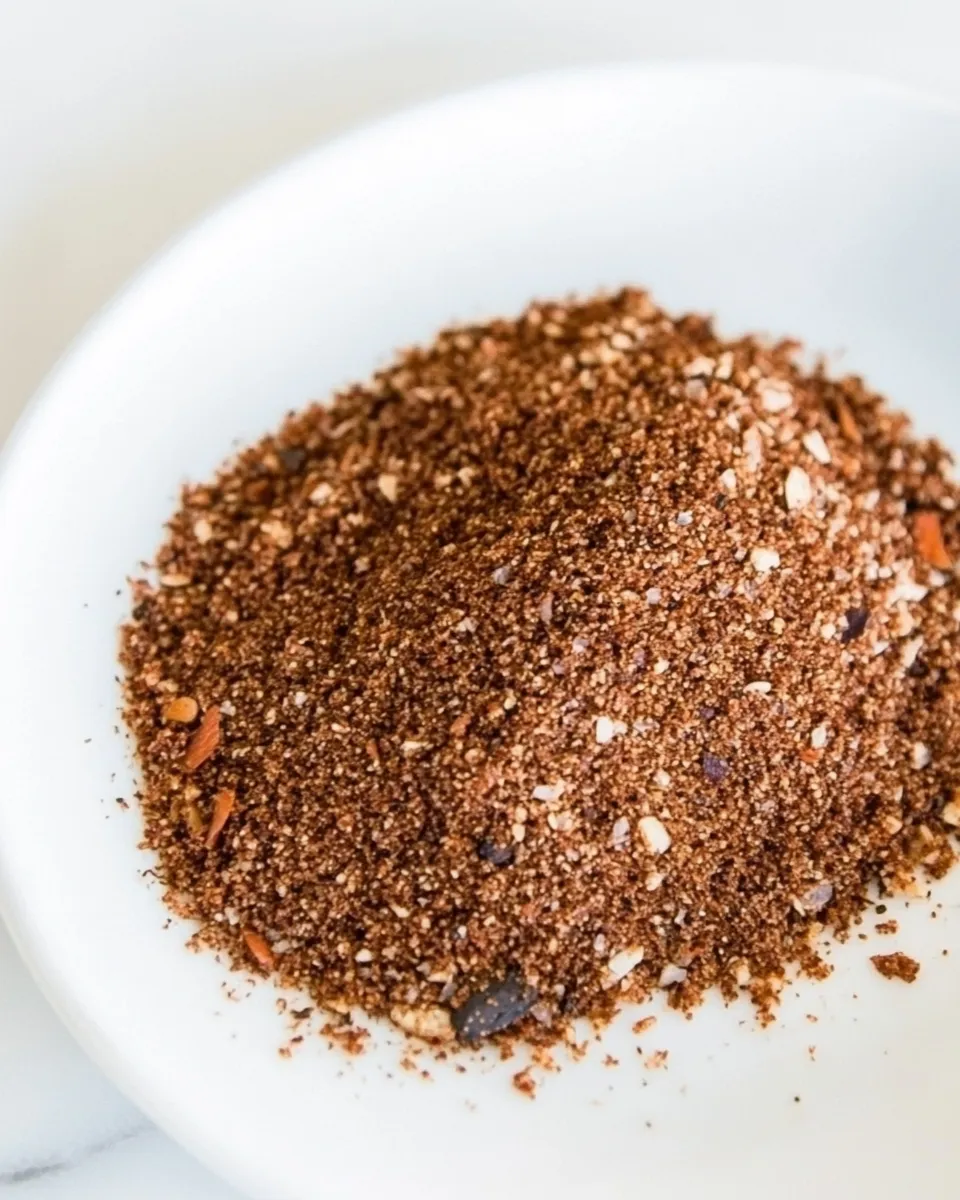
The Best Ever Steak Rub (also great on chicken)
Equipment
- Large Bowl
- Fork
- airtight jar
- Paper Towels
Ingredients
Ingredients
- 4 tablespoonsalt
- 2 1/2 tablespoonblack pepper
- 4 tablespoonbrown sugar
- 2 1/2 tablespoonbeef bouillon see note 1
- 2 1/2 tablespoondried onion flakes
- 1/2 teaspoondried oregano
- 1 teaspoondried thyme
- 1 teaspoonground cumin
- 2 1/2 tablespooncocoa powder
- 2 teaspooncayenne pepper
- 2 teaspoonsmoked paprika
Instructions
Instructions
- Measure all ingredients into a large bowl.
- Use a fork to thoroughly combine the ingredients and break apart any lumps until the mixture is uniform.
- Transfer the rub to an airtight jar, secure the lid, and give the jar a good shake to finish mixing (hold the lid on).
- Store the jar in a cool, dry place until ready to use.
- To season steaks, sprinkle 1–2 teaspoons of the rub onto each steak.
- Rub the seasoning into the meat, massaging so the entire surface is lightly and evenly coated.
- Cover the seasoned steaks and refrigerate for at least 2 hours.
- Remove steaks from the fridge 20 minutes before cooking to take the chill off.
- Pat each steak dry with paper towels and wipe off any loose, excess rub (leave the rub that has adhered to the meat).
- Add a splash of oil to each steak and rub it all over to help with searing.
- Cook the steaks to your preferred doneness.
- Keep any remaining rub sealed in the airtight jar; makes about 1 cup (enough for 20+ steaks).