I love a quick egg that feels like a tiny, perfect moment in the middle of a busy day. Air-fryer fried eggs give you exactly that: crisp edges when you want them, tender whites, and a predictable yolk — all with almost no babysitting. You set a temperature, slide the dish into the basket, and the machine does the rest. It’s especially helpful when you’re making a single portion and don’t feel like dirtying a full pan.
This method is straightforward and forgiving. The timing is short, so it’s easy to learn the few adjustments needed to get the yolk how you like it. Because you cook the egg in a small dish, cleanup is minimal. That makes this a weekend treat or a weekday lifesaver—whichever you need it to be.
Below you’ll find ingredient notes, the exact step-by-step as written for the air fryer, swaps, troubleshooting, storage notes, and practical tips I learned from testing. No complicated techniques, just reliable guidance to help you make one great egg every time.
Ingredient Notes
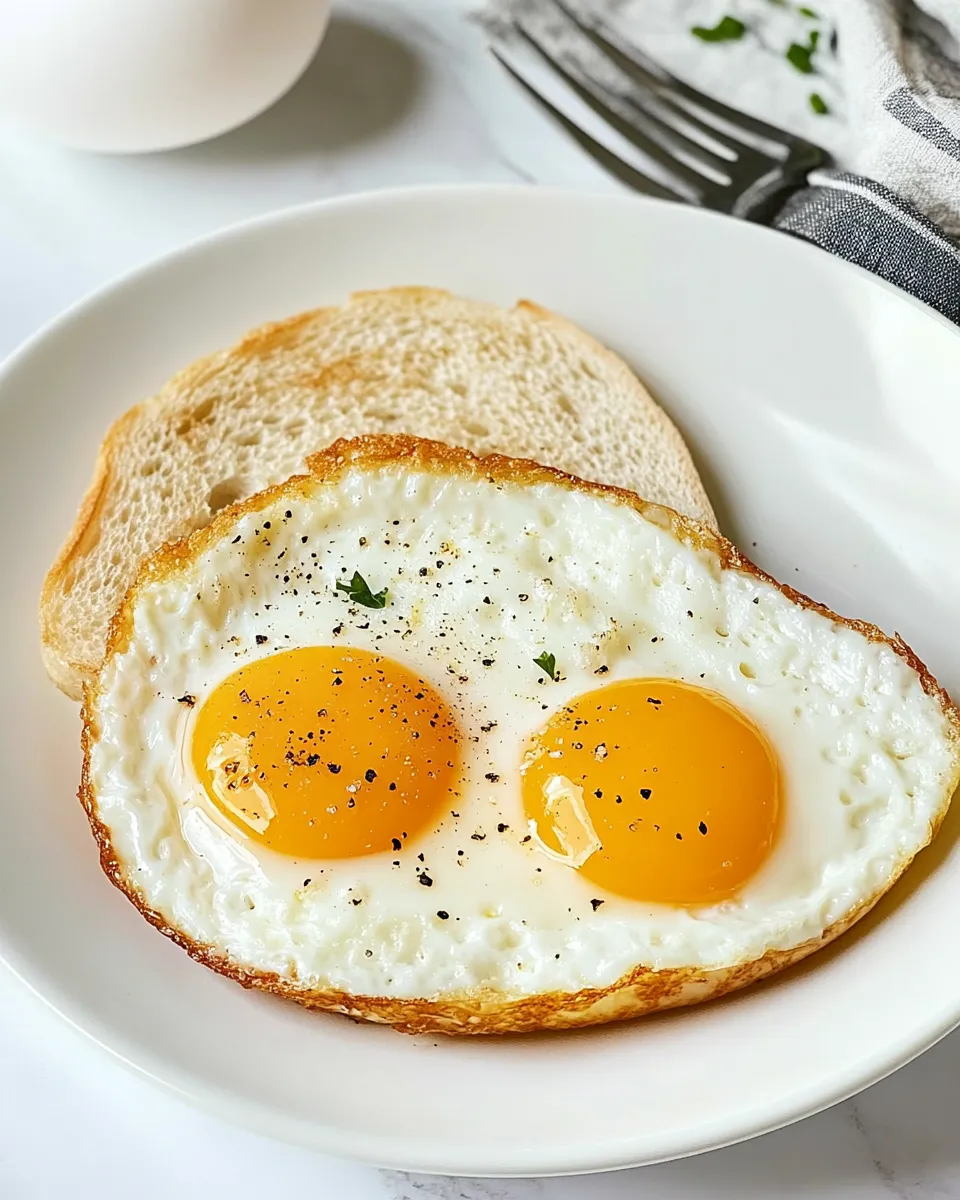
Keep the ingredient list short and the steps simple. The egg is the main event, and the rest exists to prevent sticking and to season. A small, heat-safe dish that fits comfortably in your air-fryer basket matters more than the egg’s brand. The egg will cook faster in a shallow dish with good airflow around it; a tight, deep dish can slow things down.
Nonstick cooking spray is recommended because it’s quick and consistent. If you prefer an alternative, use a tiny pat of butter or a light brush of oil, but remember those change the flavor slightly. Salt and black pepper are there to finish; add them before cooking if you want the seasoning to warm into the white, or after if you prefer fresher flavor on the yolk.
Ingredients
- 1 large egg — the whole point; fresh eggs have firmer whites and hold their shape better.
- Nonstick cooking spray — prevents sticking and makes cleanup easier; a light spray is all you need.
- Salt to taste — seasons the white and brightens the yolk; add before or after cooking depending on preference.
- Black pepper to taste — offers a gentle bite; grind fresh if you have it for more aroma.
From Start to Finish: Air-Fryer Fried Eggs
- Preheat the air fryer to 370°F.
- Lightly spray a small heat-safe dish that fits in your air-fryer basket with nonstick cooking spray.
- Crack the 1 large egg into the prepared dish.
- Season the egg with salt and black pepper to taste.
- Place the dish in the air fryer basket and cook for 3–4 minutes, about 3 minutes for a runny yolk or 4 minutes for a firmer yolk.
- Carefully remove the hot dish from the air fryer using oven mitts or tongs and serve the egg immediately.
Why You’ll Keep Making It
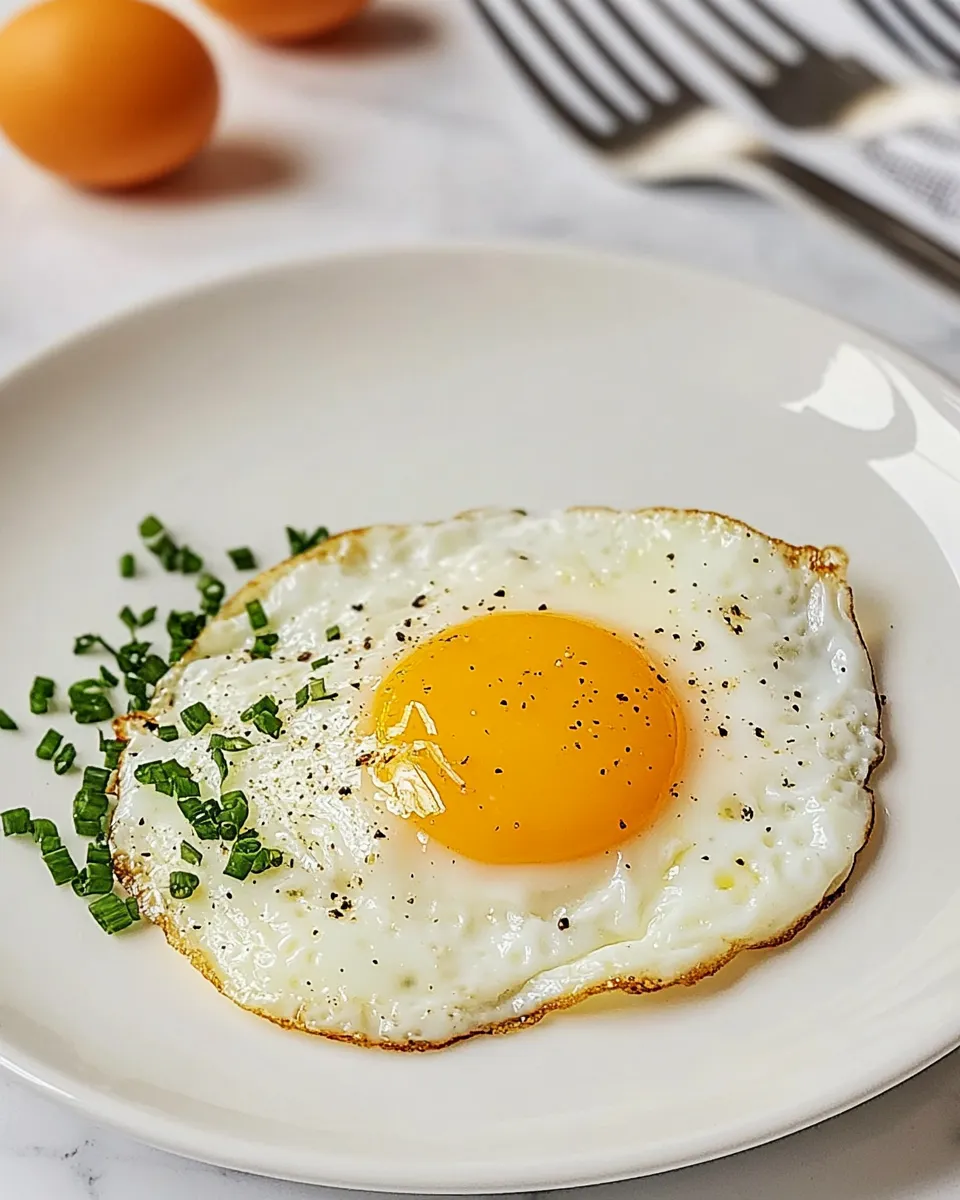
This technique wins on convenience and consistency. You don’t have to babysit a skillet or worry about uneven heat across a pan. The air fryer gives you a predictable environment so you can nail a runny yolk or a firmer yolk with a minute’s difference. Cleanup is simpler because you cook in a small dish; that matters when you just want a fast, satisfying bite without piling up dishes.
You can cook a single portion without heating an entire stove burner or fussing with oil splatters. It’s also easy to scale by using multiple small dishes if you’re feeding a couple of people. Finally, it’s forgiving: if your timing is off, a few extra seconds usually solves the problem without ruining the whole egg.
Swap Guide
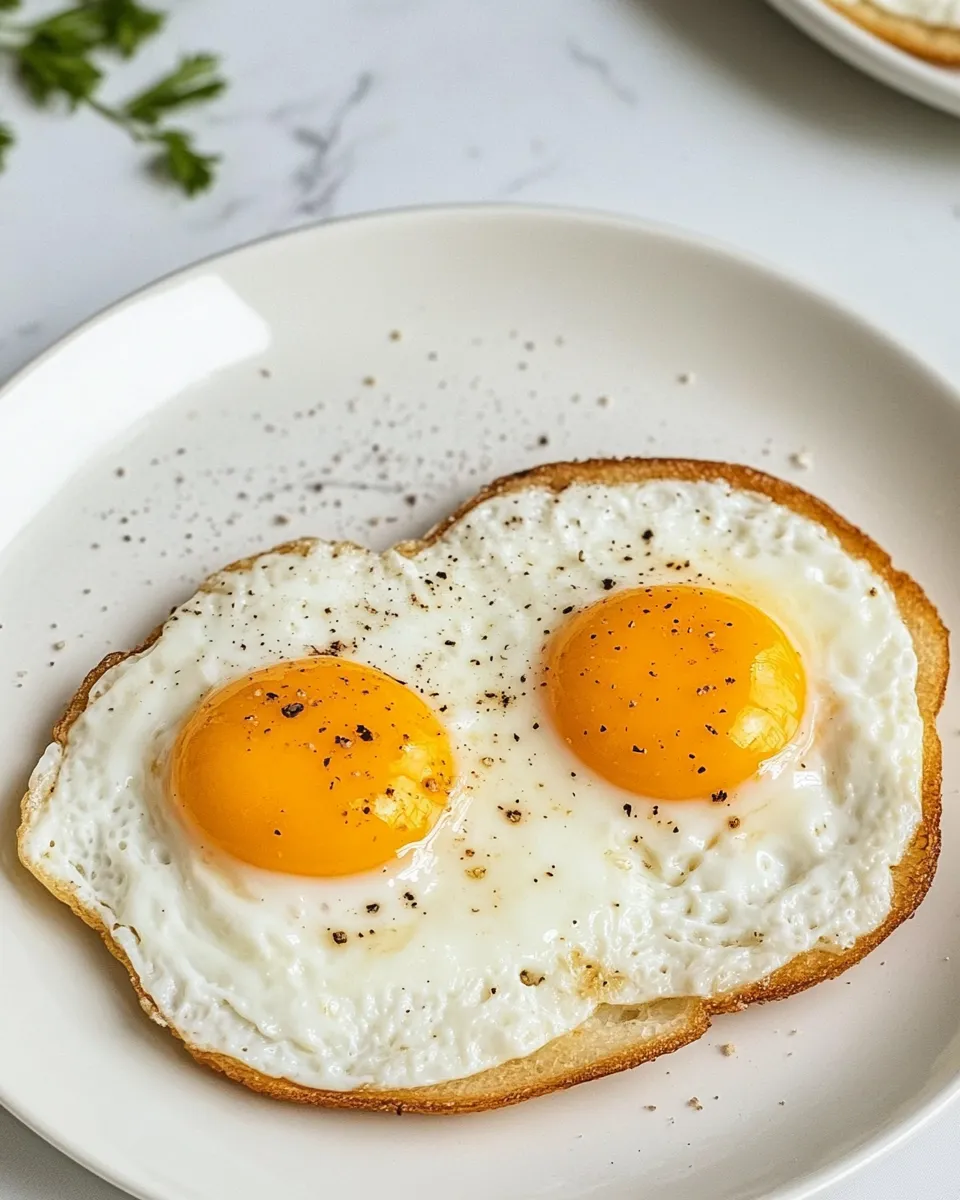
- Small dish options — any heat-safe ramekin, custard cup, or small ovenproof dish that fits in your air fryer works; shallow is better for faster, even cooking.
- Oil instead of spray — if you don’t use nonstick spray, brush the dish lightly with oil or melt a tiny bit of butter in it first. Expect a slightly different edge crisp and flavor.
- Seasoning timing — salt and pepper can go on before or after cooking; before will warm the seasoning into the white, after keeps the seasoning bright on the yolk.
- Multiple eggs — use separate dishes for each egg so they cook evenly and are easy to remove.
Equipment & Tools
- Air fryer — any model that reaches 370°F will work; sizes and power vary, so use the timing as a starting point and adjust if your model runs hot or cool.
- Small heat-safe dish — a ramekin or custard cup that fits in your basket; shallow dishes speed cooking and give more even whites.
- Nonstick cooking spray — for ease of release and fast cleanup.
- Oven mitts or tongs — to safely retrieve the hot dish from the basket.
- Spoon or small spatula — optional, if you plan to lift the egg onto toast.
Things That Go Wrong
Here are common problems and how to fix them quickly.
- White is rubbery — that usually means it cooked too long or at too high a temperature. Shorten the time by 30–60 seconds or confirm your air fryer’s temperature accuracy with a thermometer.
- Yolk isn’t runny enough — reduce the cook time toward the 3-minute mark. Small differences in dish depth and fryer airflow change timing.
- Egg sticks to the dish — make sure the dish is sprayed lightly and evenly. If your ramekin has lost its nonstick surface, substitute a different container or wipe a thin coat of oil inside.
- Edges are too crispy — use a slightly shallower dish or lower the temperature by 10–15°F and add a little time back in if needed.
- Uneven cooking — use a dish that allows air to circulate around it. If the dish is wedged against the basket walls, it can cook unevenly.
Holiday & Seasonal Touches
Air-fryer fried eggs are a great base for seasonal add-ons because the egg cooks quickly and you can top it after. In colder months, serve the egg on warm toast with a smear of something tangy and a sprinkle of something savory. In spring and summer, a handful of fresh herbs or lightly dressed greens make it feel lighter and fresher.
For gatherings, cook the eggs in multiple small dishes and let everyone add their own finishing touches — a bright herb, grated cheese, or a dash of spice — right before serving. That keeps the eggs hot and gives guests control over flavor.
What I Learned Testing
Testing taught me to treat the air fryer like a small oven: airflow and dish height matter. A very shallow dish gives faster, more consistent results than a deep one. Different air-fryer models vary in how aggressively they circulate air; a model with stronger circulation cooks edges faster, so start at the lower end of the time range and add seconds as needed.
I also learned to err on the side of undercooking by a few seconds — you can always put the dish back for another 30 seconds, but you can’t undo an overcooked yolk. Finally, seasoning before cooking gives a slightly more integrated flavor, while seasoning after keeps the salt and pepper tasting brighter.
Storage & Reheat Guide
Fried eggs are best eaten immediately. If you must store one, place it in an airtight container and refrigerate for no more than 24 hours. The white will firm up and the yolk will lose some creaminess, but it’s still good for a quick use on a breakfast sandwich or salad.
To reheat, use a brief, gentle approach so the yolk doesn’t overcook further. A short blast in the air fryer at a lower temperature or a quick pass in a skillet over low heat will warm the egg without drying it out. If you use a microwave, cover the egg and use very short intervals to avoid exploding the yolk.
Helpful Q&A
Q: Can I cook more than one egg at a time?
A: Yes. Use a separate small dish for each egg so they cook evenly and are easy to remove.
Q: What if my yolk is too runny for serving?
A: Slide the dish back into the air fryer for 30–60 seconds and check again. Small increments matter.
Q: Do I need to cover the dish?
A: No. Leaving it uncovered keeps the edges from steaming and allows the whites to set properly.
Q: Can I season after cooking?
A: Absolutely. Seasoning after preserves the brightness of salt and pepper on the yolk, while seasoning before warms the seasoning into the white.
Q: Is this method suitable for soft-cooked eggs for salad?
A: If you want a soft but set yolk like a salad egg, aim for the shorter time and test in 15–30 second increments to dial in the exact texture for your air fryer.
Q: My egg sticks despite spray — what gives?
A: Check the dish surface. Older ramekins or scratched surfaces lose release and benefit from a thin brush of oil or a fresh dish.
Ready to Cook?
Make this when you want a fast, reliable fried egg with minimal effort and fuss. Set the air fryer, lightly grease the dish, crack in the egg, and let the machine do the work. Start at 3 minutes for a runny yolk and 4 minutes for a firmer one, and adjust from there based on your equipment and taste.
Try it tomorrow morning — a small ritual that makes weekday breakfasts feel intentional, not rushed. Then tell me how you like your yolk: runny, jammy, or fully set. I promise, once you get the timing right for your fryer, this will become one of your go-to single-serve morning wins.
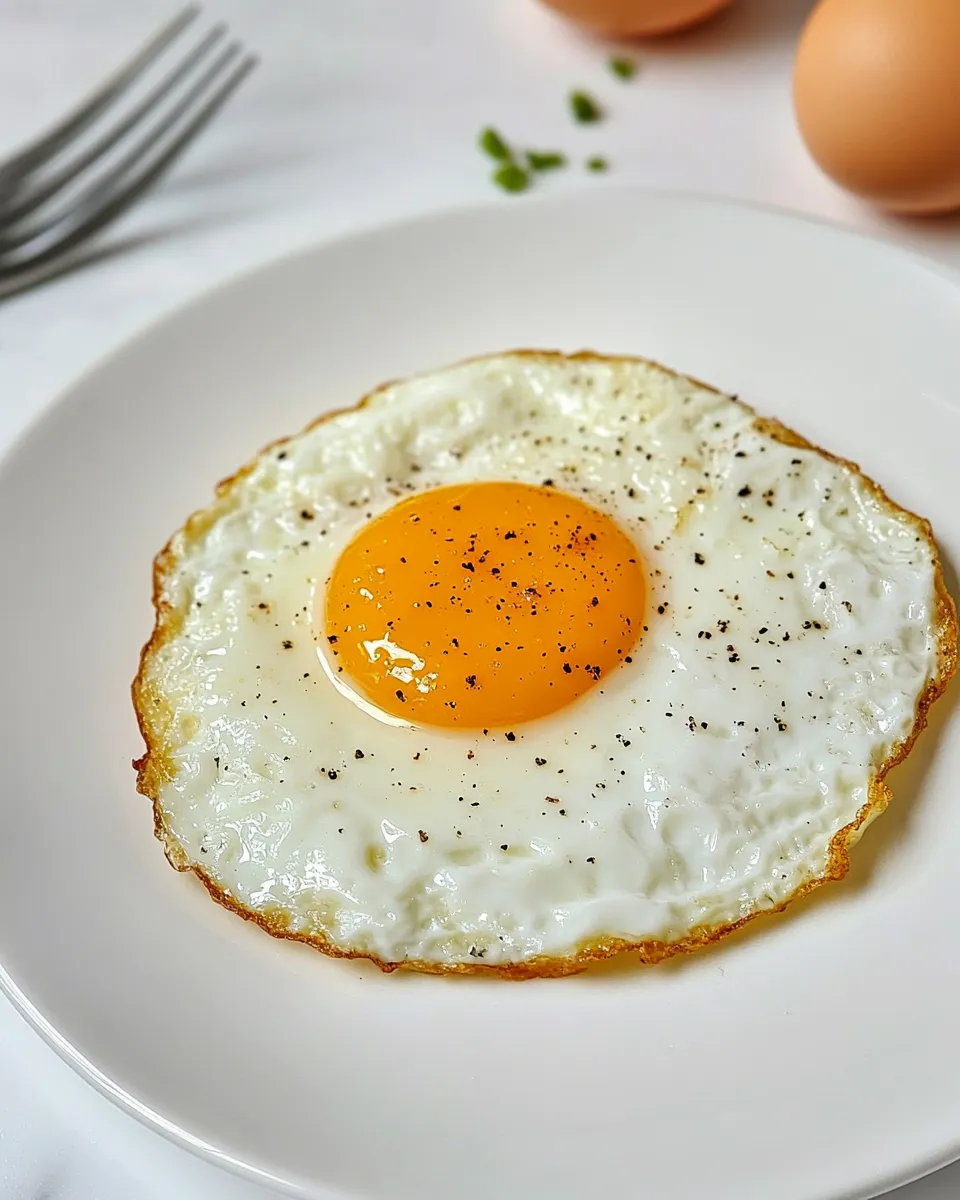
Air-Fryer Fried Eggs
Equipment
- Air Fryer
- small heat-safe dish
- air fryer basket
- oven mitts or tongs
- Nonstick cooking spray
Ingredients
Ingredients
- 1 large egg
- Nonstick cooking spray
- Saltto taste
- Black pepperto taste
Instructions
Instructions
- Preheat the air fryer to 370°F.
- Lightly spray a small heat-safe dish that fits in your air-fryer basket with nonstick cooking spray.
- Crack the 1 large egg into the prepared dish.
- Season the egg with salt and black pepper to taste.
- Place the dish in the air fryer basket and cook for 3–4 minutes, about 3 minutes for a runny yolk or 4 minutes for a firmer yolk.
- Carefully remove the hot dish from the air fryer using oven mitts or tongs and serve the egg immediately.