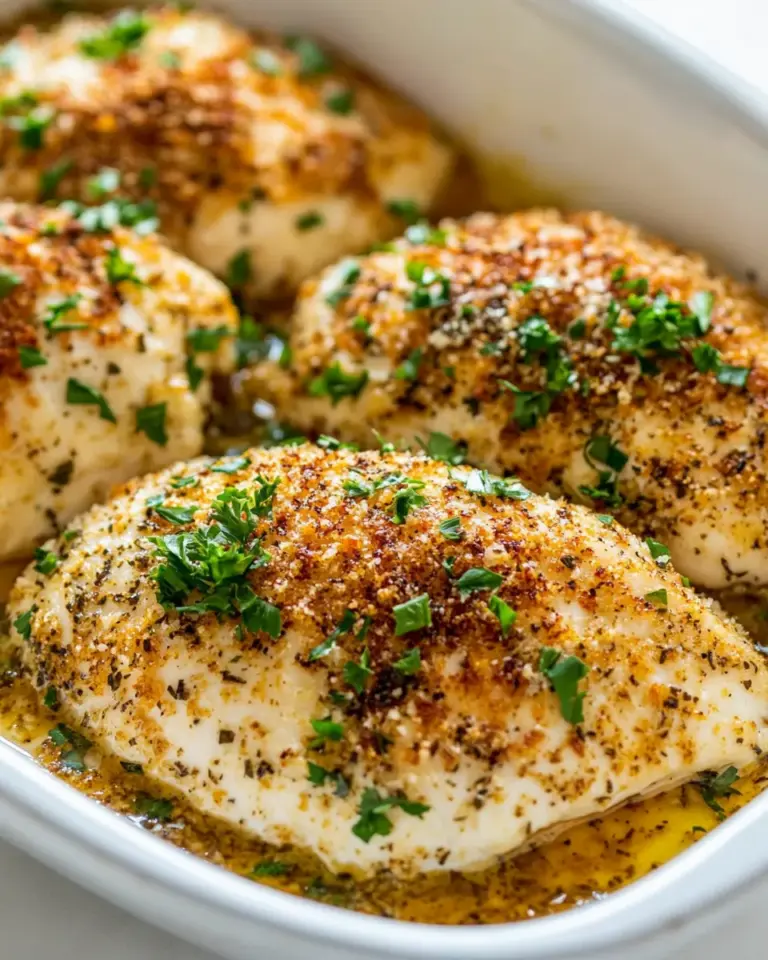
I fell in love with this dish the first time I needed a weeknight dinner that felt special but didn’t demand hours in the kitchen. The almond coating gives a toasty, slightly nutty crunch and the Parmesan layers in savory richness. It’s quick, forgiving, and elegant enough for company.
This recipe is a small set of clear steps that produce a reliable result every time: golden crust, flaky interior, and a buttery base that helps the coating adhere and brown. You don’t need complicated techniques—just a hot oven, a shallow bowl, and a gentle press.
I write this post so you can make it tonight with confidence. I’ll walk you through exact steps, ingredient notes, common missteps and fixes, and thoughtful substitutions so the dish fits your pantry and diet without guessing at measurements or inventing ingredients.
Ingredients
- 4 white fish filets, thawed if frozen (see notes) — Choose firm, mild fillets; pat completely dry before coating for best adhesion.
- 1/4 cup melted butter — Acts as the binding agent and browning fat; brush or dip to coat the fish.
- 1/3 cup almond flour — The main crisping component; finely ground almond flour yields a tender crust.
- 2 T finely grated Parmesan cheese — Adds savory umami and helps the crust brown.
- 1/2 tsp. garlic powder — A background savory lift; use finely ground for even distribution.
- 1/4 tsp. pepper — Simple seasoning; black pepper works well for mild heat.
- 1 tsp. Szeged fish rub (optional, but recommended; see notes) — A seasoned spice addition; optional but gives depth. See notes for context.
The Essentials
Time: This is a fast bake—roughly 20 minutes at 425°F (220°C), though thickness of the filets will change the final time. Equipment is minimal: a baking dish, a shallow bowl for the almond mixture, and a small saucepan or microwave-safe container for melting butter.
Technique: Keep the filets dry, melt the butter fully, and gently press the coated fish into the almond mixture so the coating clings. Working one filet at a time makes the process tidy and steady. Leave space between the filets in the pan to allow even heat circulation and browning.
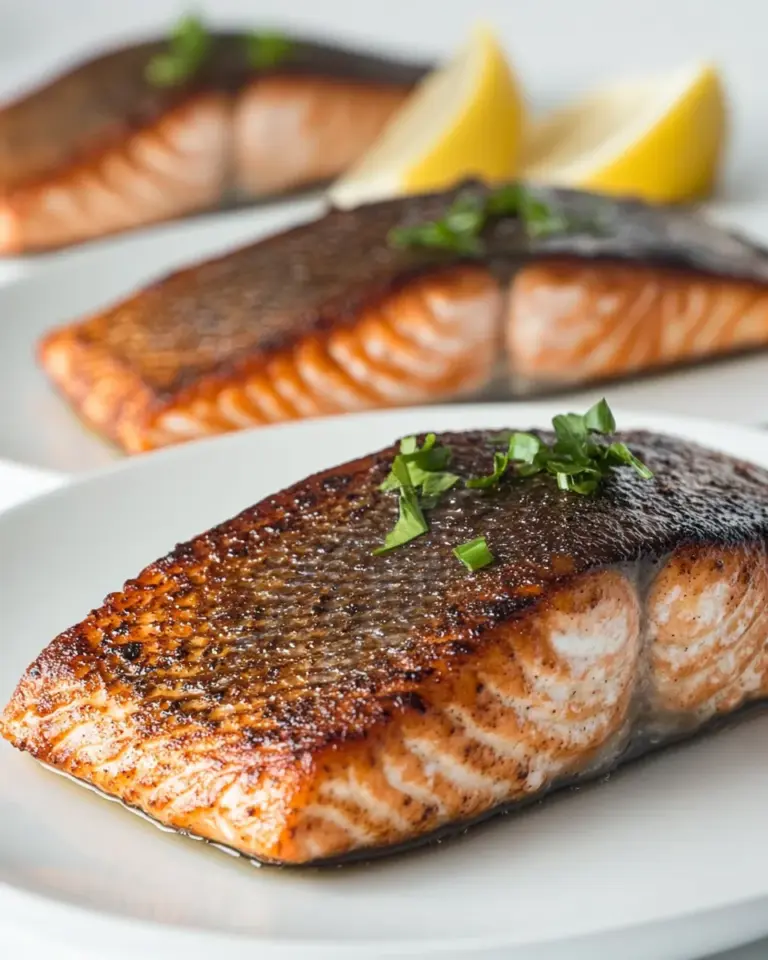
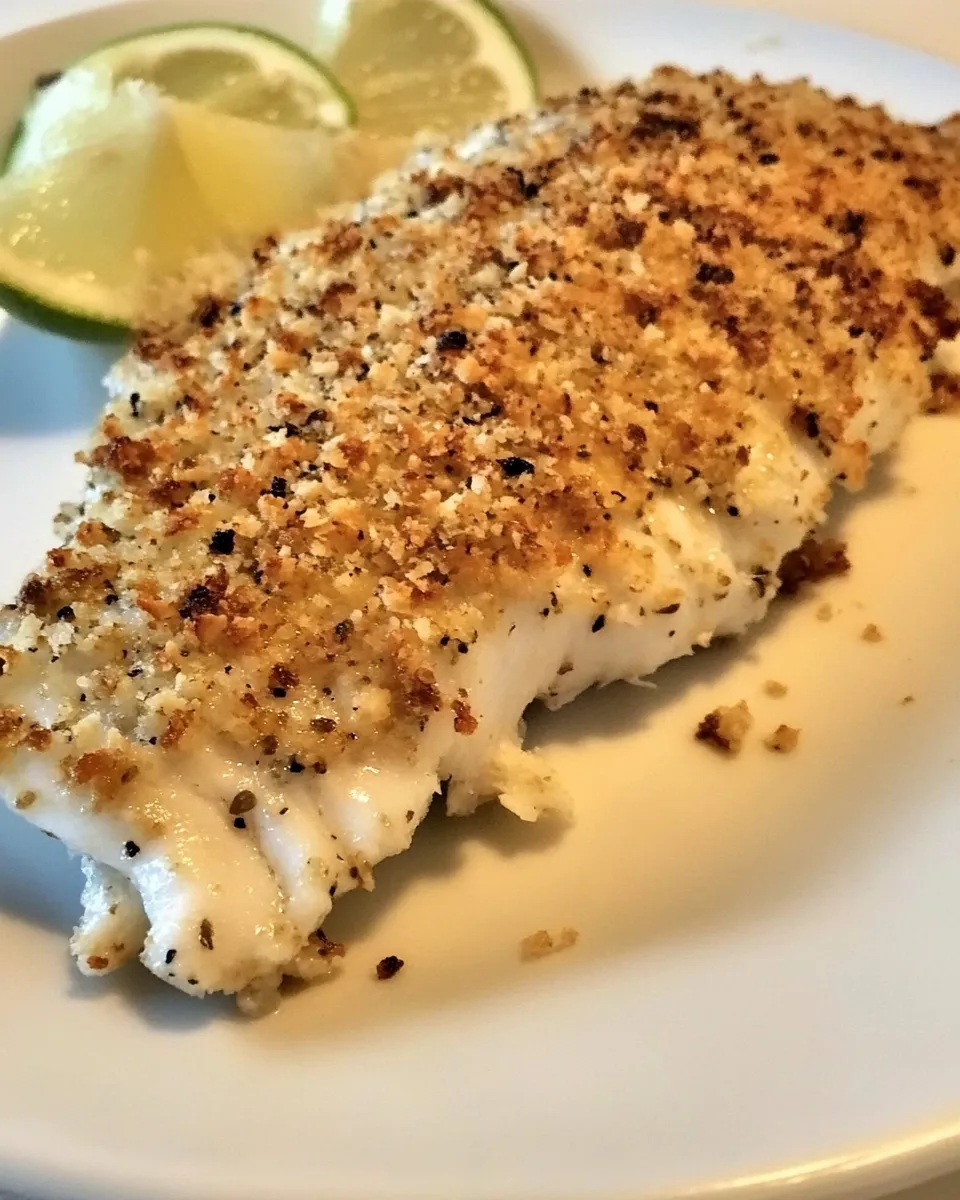
Result: You should get a crisp, golden coating and a flaky interior. The butter helps the almond flour and Parmesan brown without turning greasy. Serve immediately—this crust is at its best hot from the oven.
Almond and Parmesan Baked Fish Made Stepwise
- Preheat the oven to 425°F (220°C). Spray a baking dish with non-stick spray.
- If the fish filets are frozen, make sure they are fully thawed. Pat the filets dry with paper towels.
- Melt 1/4 cup butter in a small saucepan over low heat or in a microwave-safe container until fully liquid.
- In a shallow bowl large enough to hold a filet, combine 1/3 cup almond flour, 2 tablespoons finely grated Parmesan cheese, 1/2 teaspoon garlic powder, 1/4 teaspoon pepper, and 1 teaspoon Szeged fish rub (optional). Stir to mix evenly.
- Working with one filet at a time, dip the filet into the melted butter, turning to coat both sides. Let excess butter drip back into the bowl.
- Press the butter-coated filet into the almond mixture so the coating adheres to both sides; press gently with a fork if needed to help the mixture stick. Place the coated filet in the prepared baking dish. Repeat with remaining filets, leaving space between them.
- Bake in the preheated oven for about 20 minutes, or until the fish is firm to the touch and the coating is turning golden brown. Baking time will vary with filet thickness, so check for doneness and adjust time as needed.
- Remove from oven and serve hot.
Why I Love This Recipe
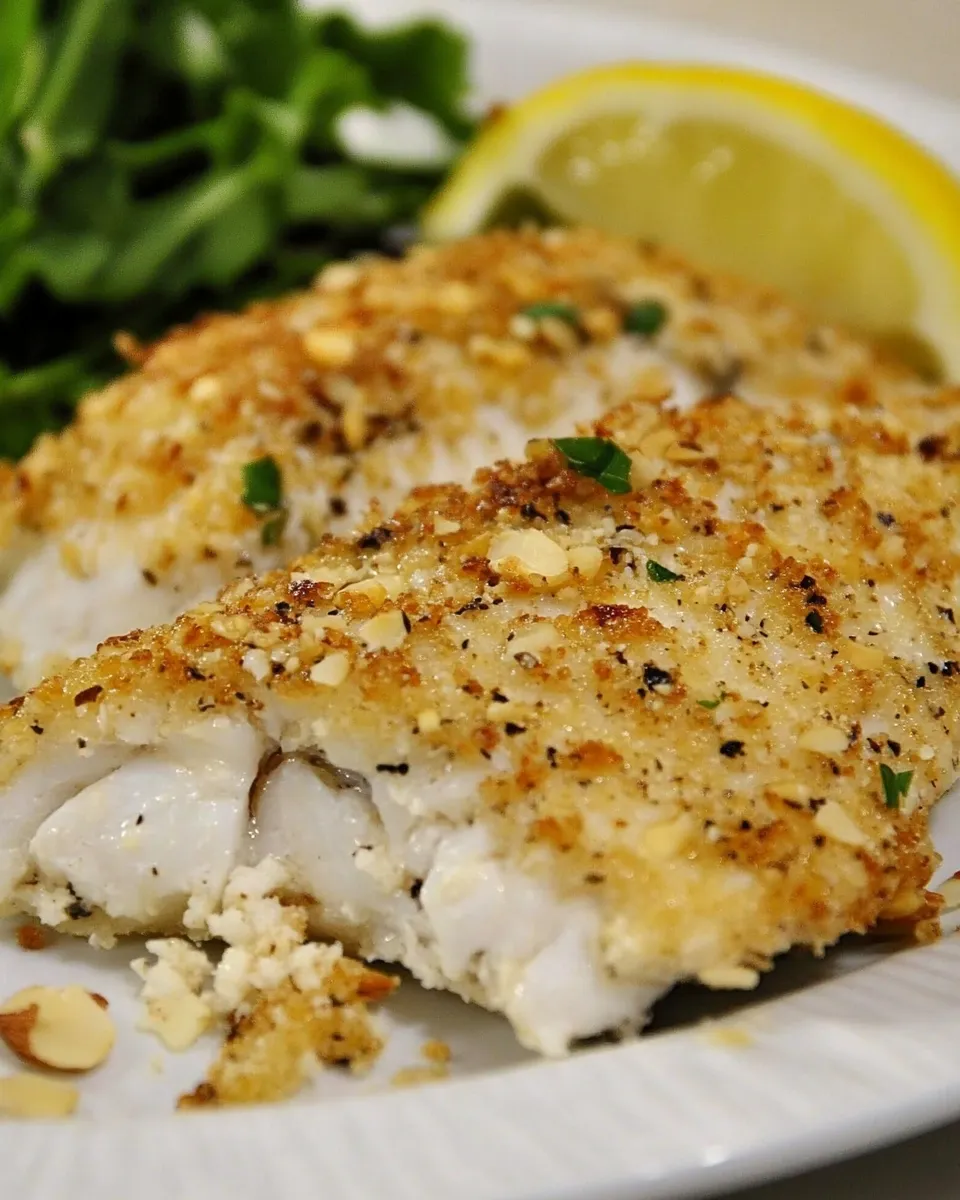
First, it delivers dependable texture: the almond flour crisps up into a delicate crust while the fish remains moist. That combination is hard to beat. Second, it uses pantry staples in straightforward ways—almond flour and Parmesan combine to create a crust that’s flavorful without needing eggs or complex binders.
It’s both weekday-friendly and dinner-party presentable. The hands-on time is short—mostly assembly—and the baking interval is forgiving. If you’re juggling side dishes, this recipe waits for you to finish them; it won’t overcook instantly if you take an extra couple of minutes to plate.
Finally, the flavors are balanced. Butter and Parmesan give richness; garlic and pepper provide familiar savory notes; the optional Szeged fish rub adds a subtle, layered spice. The result is bright and satisfying without being heavy.
Smart Substitutions
I want you to get a great dinner with ingredients you already have. Here are practical swaps and what they change:
- Almond flour — If you need a substitute, finely ground panko or crushed crackers will work for a crunchier, less tender crust (note: this adds gluten). If you avoid nuts, look for a gluten-free breadcrumb alternative rather than inventing a new ratio here.
- Parmesan cheese — Pecorino Romano is sharper and saltier; use it if you want more bite, but omit extra table salt to compensate.
- Butter — Melted ghee behaves similarly and increases browning while contributing a slightly nutty flavor. Margarine will work in a pinch but changes flavor and browning slightly.
- Szeged fish rub — If unavailable, a simple mix of paprika and a pinch of cayenne can add color and warmth. Keep it light so it doesn’t overpower the fish.
Kitchen Gear Checklist
Keep this short list nearby before you start. It streamlines the process and cuts stress:
- Baking dish (shallow, so the coating stays crisp)
- Non-stick spray
- Small saucepan or microwave-safe container (for melting butter)
- Shallow bowl (large enough to hold a filet for coating)
- Fork or spatula (to press coating)
- Paper towels (for drying filets)
- Measuring spoons and cups
Things That Go Wrong
Even this simple recipe can stumble. Here are common problems, why they happen, and how to fix them:
Coating Falls Off
Cause: Fish was wet or butter wasn’t applied evenly. Fix: Pat filets fully dry. Dip and let excess butter drip off before pressing into the almond mixture. Press gently so crumbs adhere without clumping.
Coating Is Soggy
Cause: Overcrowded pan or the fish released too much moisture. Fix: Leave space between filets for hot air to circulate. If filets appear watery, pat again before coating and use slightly less butter on very wet filets.
Coating Burns Before Fish Is Done
Cause: Oven too hot for the filet thickness or coating too thin in places. Fix: Check filet thickness and tent loosely with foil if crust colors too fast. Use a thermometer or check for flakiness to confirm doneness.
Dietary Customizations
This recipe is flexible across several diets with minimal swaps:
- Gluten-free — The recipe as written is naturally gluten-free if you use certified gluten-free almond flour and confirm the Szeged rub contains no gluten.
- Paleo — Keep almond flour and butter (or ghee) and omit Parmesan if strict paleo; consider nutritional yeast for savory notes if you want a cheesy impression.
- Low-carb / Keto — This is already low-carb thanks to almond flour; watch portion sizes if tracking macros closely.
- Dairy-free — Replace butter with a neutral oil high in smoke point (avocado oil) for frying-like behavior; omit Parmesan or use a dairy-free hard-cheese alternative, noting it may alter browning.
Notes on Ingredients
Use the highest-quality components within your budget. Freshly grated Parmesan is more flavorful and melts into the almond flour better than pre-grated versions. Almond flour texture matters—a blanched, finely ground almond flour yields a more uniform crust; coarser almond meal gives a rustic crunch.
For the fish, pick firm, white fillets that hold shape—pollock, cod, haddock, or tilapia are commonly used. If your filets have varying thicknesses, place thicker pieces in the oven first for a couple minutes, or check them earlier so thinner ones don’t overcook.
The Szeged fish rub is optional but recommended if you like a rounded spice profile. If using it, mix it evenly into the almond flour blend so each bite gets consistent seasoning.
Freezer-Friendly Notes
You can freeze the coated filets before baking for a quick meal later. Flash-freeze them on a sheet until firm, then transfer to a sealed container or freezer bag. When ready to cook, do not thaw on the counter: thaw overnight in the refrigerator, then follow the recipe steps from patting dry and baking. Expect a slightly longer bake time from a chilled state—check for doneness carefully.
If you want to freeze cooked leftovers, wrap tightly and use within 1 month. Reheat gently in a 350°F oven to help restore some crispness; a few minutes under the broiler at the end can perk the crust back up, watching closely to avoid burning.
Troubleshooting Q&A
Q: My fish crust isn’t crisp—what happened?
A: Most likely the fish had too much surface moisture or the pan was crowded. Dry filets thoroughly and bake with space between pieces on a preheated oven. If using a glass dish, consider a metal sheet pan for quicker browning.
Q: The coating tastes bland. How can I boost flavor?
A: Add the Szeged fish rub as recommended or increase the Parmesan slightly (without adding table salt immediately—taste first). Finishing with a squeeze of lemon brightens flavors without more seasoning.
Q: How do I know when the fish is done?
A: The fish should flake easily with a fork and be opaque through the thickest part. If you use an instant-read thermometer, aim for about 145°F (63°C) internal temperature per general food-safety guidelines.
Final Bite
This Almond and Parmesan Baked Fish is one of my go-to recipes when I want a simple, reliable meal with a little finesse. It’s fast, adaptable, and forgiving—qualities I value on busy nights. The crunchy almond-Parmesan crust makes the filets feel curated, not thrown together.
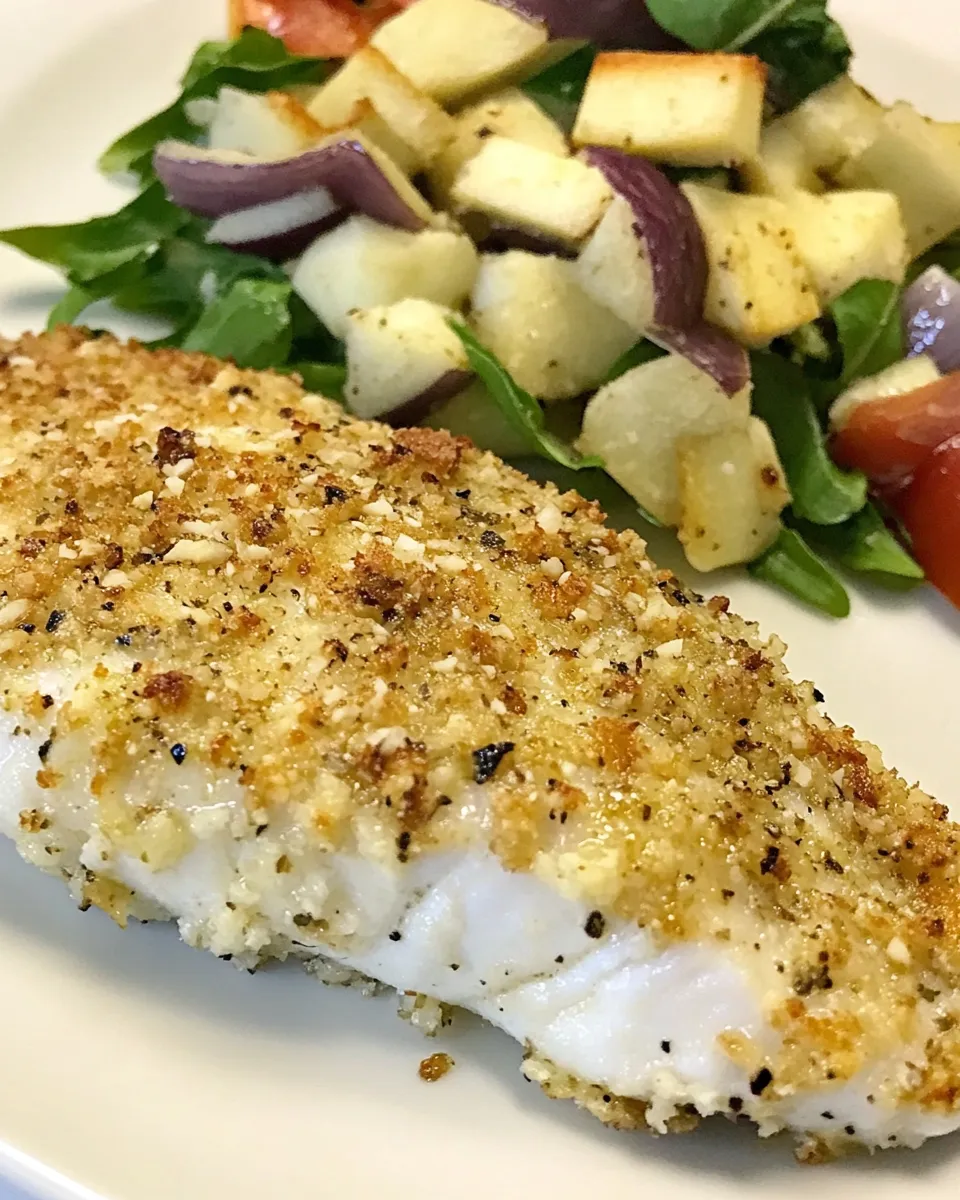
Make it tonight, and take a moment to plate simply: a wedge of lemon, a scattering of fresh herbs if you have them, and a simple green on the side. It elevates without demanding extra time. If you try it, tell me what swap you made and how it turned out—I love hearing practical tweaks from readers.
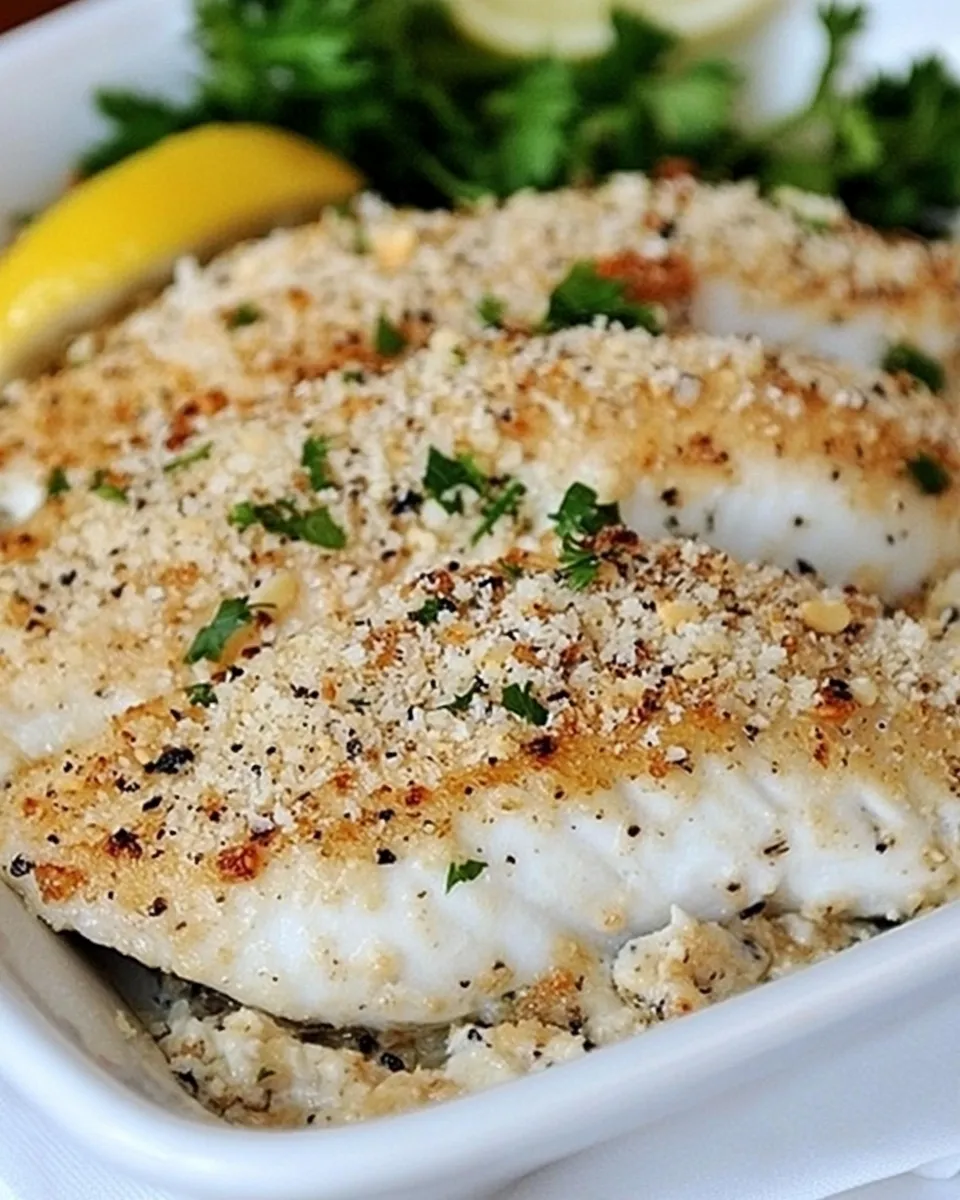
Almond and Parmesan Baked Fish
Equipment
- Oven
- Baking Dish
- non-stick spray
- Small saucepan
- microwave-safe container
- Shallow bowl
- Fork
- Paper Towels
Ingredients
Ingredients
- 4 white fish filets thawed if frozen (see notes)
- 1/4 cup melted butter
- 1/3 cup almond flour
- 2 T finely grated Parmesan cheese
- 1/2 tsp. garlic powder
- 1/4 tsp. pepper
- 1 tsp. Szeged fish rub optional, but recommended; see notes
Instructions
Instructions
- Preheat the oven to 425°F (220°C). Spray a baking dish with non-stick spray.
- If the fish filets are frozen, make sure they are fully thawed. Pat the filets dry with paper towels.
- Melt 1/4 cup butter in a small saucepan over low heat or in a microwave-safe container until fully liquid.
- In a shallow bowl large enough to hold a filet, combine 1/3 cup almond flour, 2 tablespoons finely grated Parmesan cheese, 1/2 teaspoon garlic powder, 1/4 teaspoon pepper, and 1 teaspoon Szeged fish rub (optional). Stir to mix evenly.
- Working with one filet at a time, dip the filet into the melted butter, turning to coat both sides. Let excess butter drip back into the bowl.
- Press the butter-coated filet into the almond mixture so the coating adheres to both sides; press gently with a fork if needed to help the mixture stick. Place the coated filet in the prepared baking dish. Repeat with remaining filets, leaving space between them.
- Bake in the preheated oven for about 20 minutes, or until the fish is firm to the touch and the coating is turning golden brown. Baking time will vary with filet thickness, so check for doneness and adjust time as needed.
- Remove from oven and serve hot.