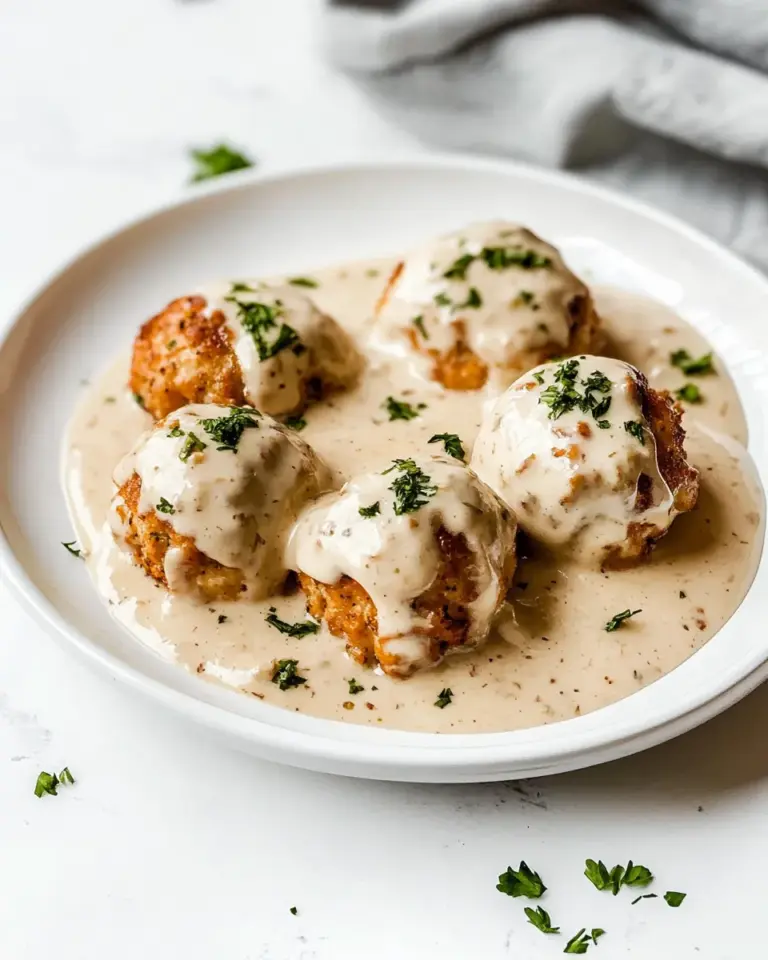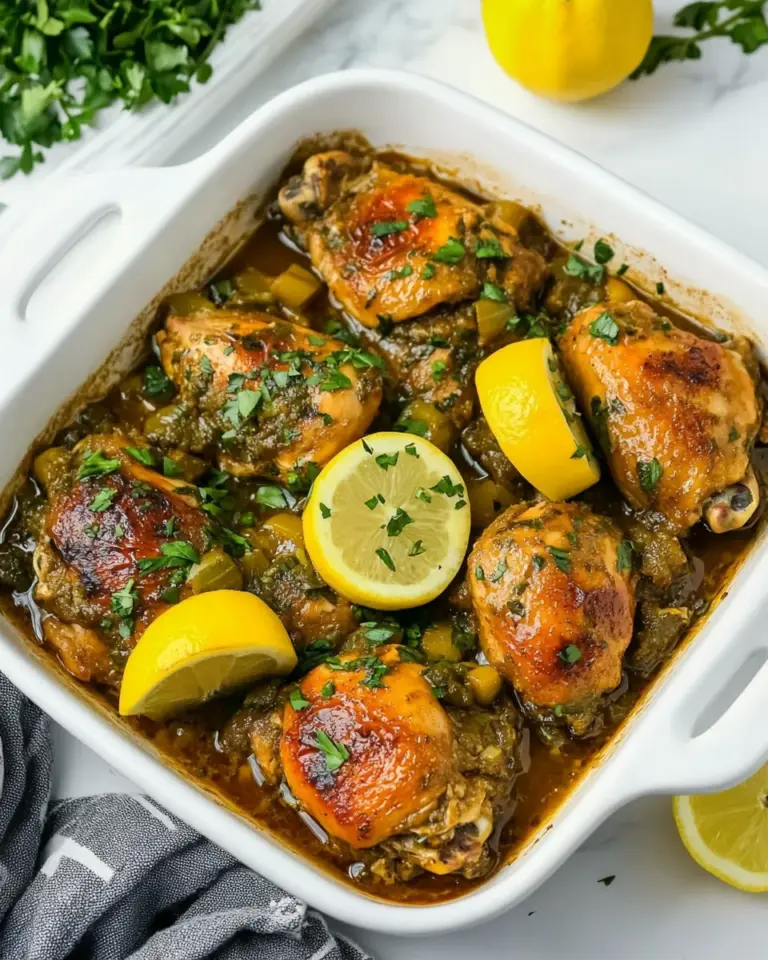
I make tartar sauce at home more than you might expect. It’s quick, forgiving, and lifts fried or grilled seafood in a way that store jars rarely do. This version balances creaminess, bright acid, and a little briny crunch — everything a classic tartar needs.
There’s no heavy technique: chop, mix, chill. But each tiny choice — cornichons over sweet pickles, a touch of caper, a swipe of Dijon — alters the final personality. I’ll walk you through the exact ingredients, the step-by-step method, and the practical tips I use when I’m getting ready for guests.
Make it the night before if you can. The flavors mellow and knit together in the fridge, and you’ll notice the difference. Below you’ll find shopping notes, equipment, troubleshooting, and sensible storage advice so your sauce is reliably excellent every time.
What to Buy
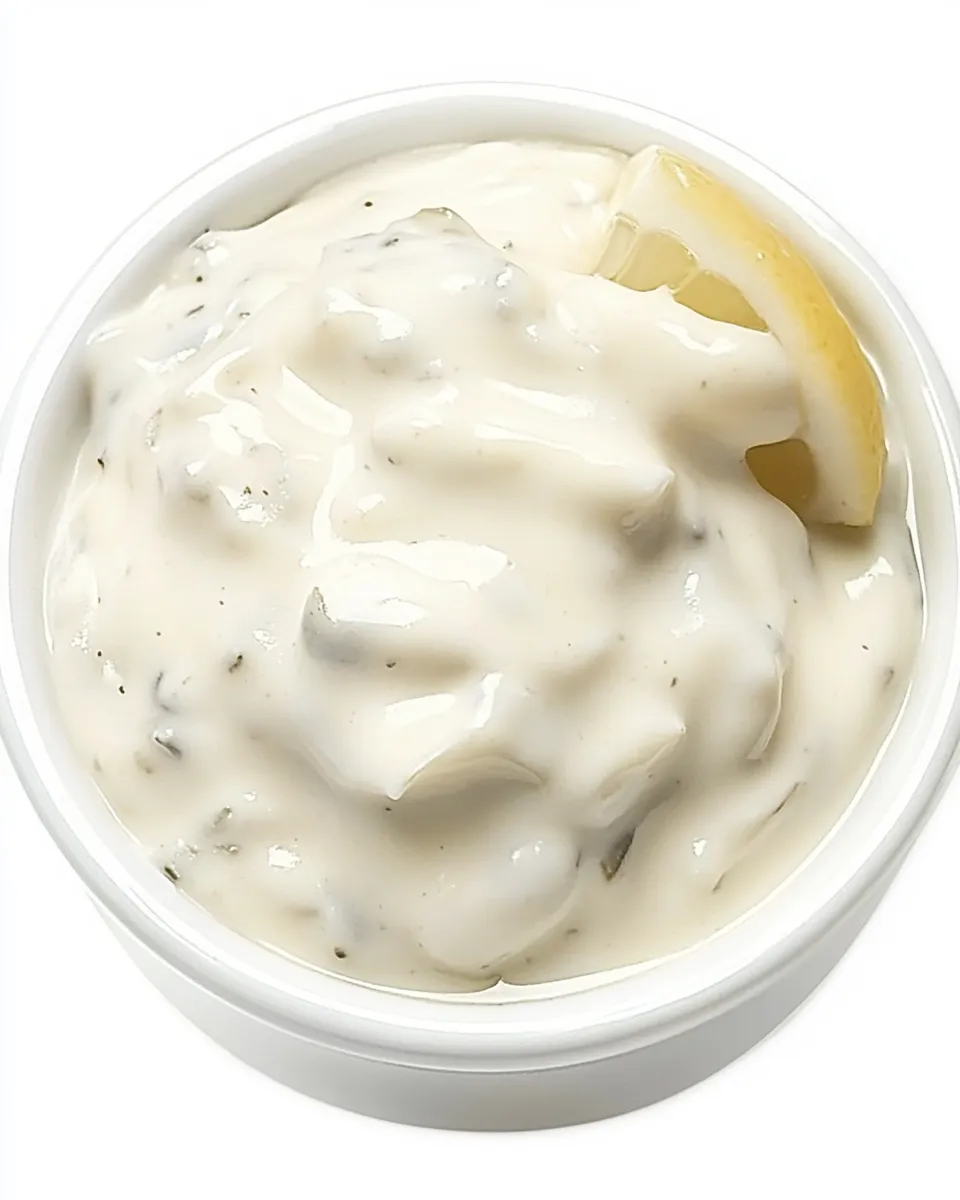
Buy good-quality mayonnaise and fresh lemon. Pickles determine a lot of the flavor, so decide whether you want the sharper crunch of cornichons or the sweeter note of bread-and-butter pickles. Fresh herbs and a small shallot make the sauce feel homemade, so don’t skip them. If you like a little heat, grab a small bottle of hot pepper sauce and a jar of capers.
Ingredients
- 3/4 cup mayonnaise — the creamy base and main body of the sauce.
- 1/4 cup crème fraîche or sour cream — adds tang and lightness; crème fraîche for richness.
- 1/4 cup finely chopped dill pickles — crunch and briny zip (use cornichons for more crunch or bread and butter pickles if you prefer it sweeter).
- 2 tablespoons capers, rinsed/drained and roughly chopped — bright, salty pops to cut the fat.
- 1 small shallot, finely minced — mild oniony sweetness.
- 1 clove garlic, finely minced — savory lift; use less if you want subtler garlic.
- 1 tablespoon chopped fresh parsley — freshness; fresh dill is a great option for seafood.
- 2 teaspoons fresh lemon juice — acidity to brighten the sauce.
- 1 teaspoon Dijon mustard — emulsifier and gentle tang.
- 1/4 teaspoon onion powder — background savory note.
- 1/4 teaspoon freshly ground black pepper — seasoning.
- 1/4 teaspoon hot pepper sauce (optional) — optional heat; add to taste.
- 1 tablespoon finely chopped olives (optional) — optional briny depth (like a tapenade note).
- 1 teaspoon horseradish (optional) — optional sharp bite that pairs well with fried fish.
Tartar Sauce: How It’s Done
- Prep all ingredients: rinse and drain the capers and roughly chop them; finely chop the dill pickles (or cornichons or bread-and-butter pickles if using); finely mince the shallot and garlic; finely chop the parsley (or fresh dill if you prefer); finely chop the olives if using; measure out the mayonnaise, crème fraîche or sour cream, lemon juice, Dijon mustard, onion powder, black pepper, hot pepper sauce (optional) and horseradish (optional).
- In a medium-sized bowl combine the mayonnaise and crème fraîche (or sour cream) first, then add the chopped pickles, chopped capers, minced shallot, minced garlic, chopped parsley, lemon juice, Dijon mustard, onion powder and black pepper. Add the olives, hot pepper sauce and/or horseradish only if you are using them.
- Stir everything thoroughly with a spoon or spatula until the mixture is evenly combined and smooth.
- Cover the bowl (or transfer the sauce to an airtight container) and refrigerate to let the flavors meld.
- Chill for at least 2 hours or overnight before serving; stir again just before serving. The flavor improves the longer it sits.
Why It’s Crowd-Pleasing
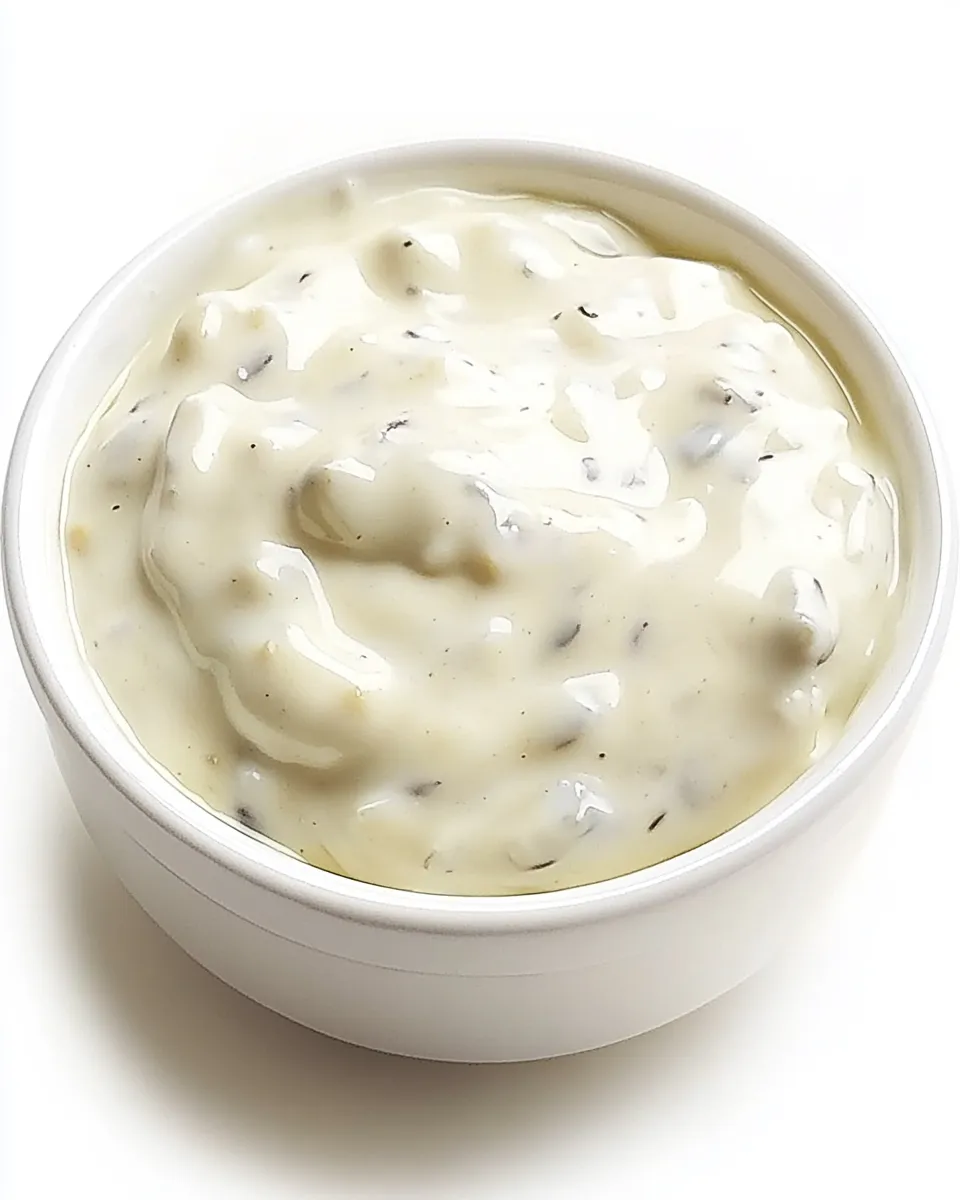
Tartar sauce hits three places that people instinctively want from a condiment: cream, acid, and contrast. The mayonnaise and crème fraîche give a silky, satisfying mouthfeel. Lemon and Dijon cut through that richness so the sauce doesn’t taste heavy. Then the pickles and capers add texture and sharp, salty pops — little surprises with every bite.
It’s versatile. Serve it with fried fish and chips, grilled shrimp, crab cakes, fish tacos, or even as a dip for crisp vegetables and fries. The mild, familiar flavors make it a safe, universally liked choice at gatherings; most people find it comforting and familiar without being bland.
International Equivalents
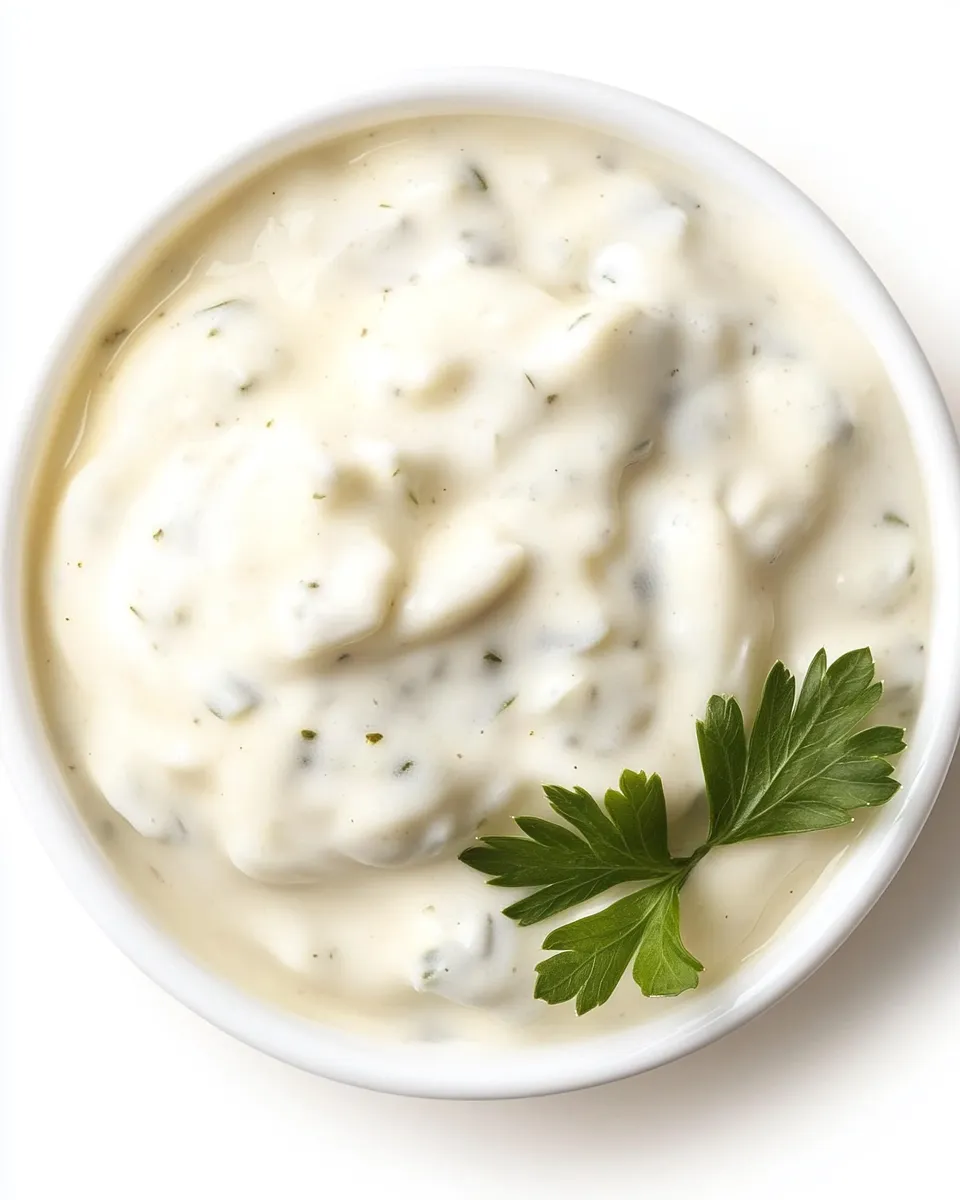
There are a few close cousins around the world worth knowing:
- Remoulade (France/Belgium) — often more complex and spicier, with mustard, herbs, and sometimes chopped capers or anchovies.
- Rémoulade (Scandinavia) — can include pickled cucumbers or be sweeter, commonly served with cold shrimp or smoked fish.
- Aioli-based variants (Mediterranean) — lean more on garlic and olive oil; texture and flavor shift depending on whether it’s mayo-based or emulsified oil-based aioli.
These are not the same as classic tartar but they occupy the same condiment role: a creamy, piquant partner for seafood or fried foods.
Equipment & Tools
- Medium mixing bowl — to combine and chill the sauce.
- Spoon or rubber spatula — for stirring to a smooth, even texture.
- Cutting board and sharp knife — for the pickles, shallot, parsley, and optional olives.
- Measuring spoons and measuring cups — to keep the balance right, especially with lemon and mustard.
- Airtight container or jar — for refrigerating; a sealable container keeps flavors fresh and prevents fridge odors from creeping in.
Avoid These Mistakes
- Over-chopping the pickles — too fine and you lose the pleasant bite. Aim for small pieces, not paste.
- Skipping the chill time — the flavors need at least 2 hours to meld. Serving it immediately will produce a flatter profile.
- Adding too much salt before tasting — the capers and olives are salty. Mix and taste, then adjust.
- Using poor-quality mayonnaise — it’s the base. A neutral, well-balanced mayo makes a big difference.
- Dumping in too many optional add-ins at once — add hot sauce, horseradish, or olives sparingly and test; they can overpower the balance.
Nutrition-Minded Tweaks
If you’re watching calories or fat, you can make reasonable substitutions while keeping the core character of the sauce:
- Use light mayonnaise or a blend of half mayonnaise and half plain Greek yogurt to cut fat but preserve creaminess. Note: texture and tang will change slightly.
- Reduce the amount of mayonnaise and increase the crème fraîche or sour cream proportion slightly for a tangier but lighter feel — but keep the total volume similar so the texture remains saucy.
- Ramp up herbs and lemon to compensate for reduced fat; acidity and fresh herbs make sauce feel more lively without extra calories.
Be mindful that reducing fat changes mouthfeel. Taste as you go and adjust the acid and seasoning to keep the sauce bright.
If You’re Curious
Quick answers to likely questions:
- Can I skip the crème fraîche? Yes — use sour cream or just extra mayo, but crème fraîche adds richness and a subtle tang.
- How long does it last in the fridge? Stored in an airtight container, it’s best within a few days — see Freezer-Friendly Notes below for specifics.
- Can I make it chunkier or smoother? Yes — larger pickle pieces make it chunky; pulse a few times in a food processor if you want it ultra-smooth (but hand-chopped is nicer for texture).
Freezer-Friendly Notes
Tartar sauce is not well suited to freezing. Mayonnaise and crème fraîche separate when frozen and thawed, producing a grainy, watery texture. For best results, refrigerate in an airtight container and use within 4–5 days. If you want to extend prep convenience, you can separately prep and freeze some components such as chopped pickles or capers in small sealed bags, then combine with fresh mayo and crème fraîche when you’re ready.
Ask & Learn
If you try this and something feels off, tell me what you tasted. Too tangy? Add a spoonful more mayo. Too flat? A squeeze more lemon or a pinch more capers will wake it up. Preferences vary — some people like a punchier, almost-remoulade tartar; others want a milder, cream-forward spread. Start with the recipe, taste after it rests, and tweak in small increments.
Ready to Cook?
Gather your ingredients, chop the pickles and shallot, stir everything together, and put it in the fridge. Give it at least two hours and then taste — you’ll likely nudge it one way or another (a touch more lemon, a smidge more mustard, or a few drops of hot sauce). It’s a simple sauce, but it rewards care. Make it the evening before your next fish night and you’ll thank yourself.
If you want serving pairings or a version tuned for fish tacos or crab cakes, ask and I’ll share those tweaks next.
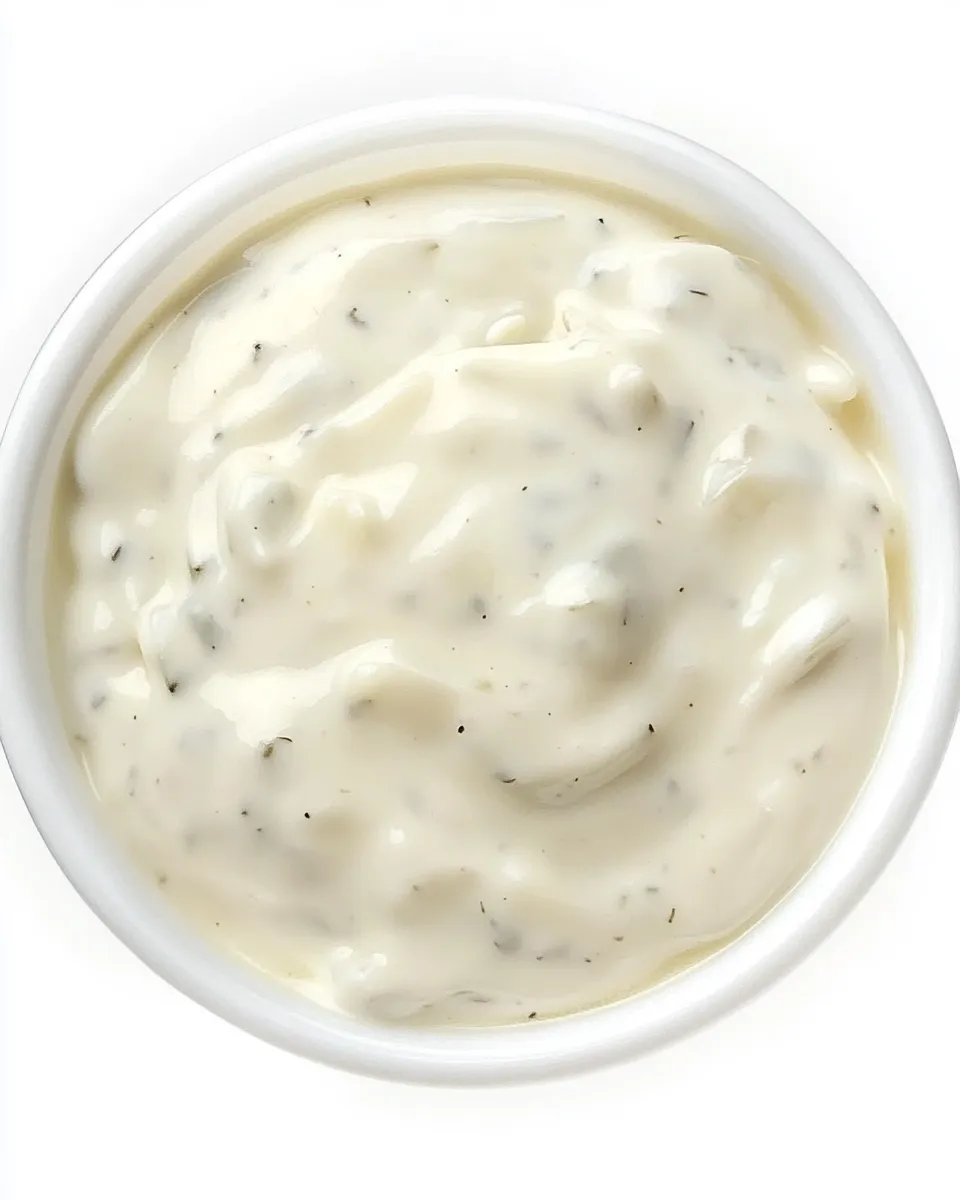
BEST Tartar Sauce
Equipment
- Medium Bowl
- Spoon or spatula
- Knife
- Cutting Board
- Measuring Spoons
- Measuring Cups
- Airtight container
Ingredients
Ingredients
- 3/4 cupmayonnaise
- 1/4 cupcreme fraiche or sour cream
- 1/4 cupfinely chopped dill pickles use cornichons for more crunch or bread and butter pickles if you prefer it sweeter
- 2 tablespoonscapers rinsed/drained and roughly chopped
- 1 small shallot finely minced
- 1 clove garlic finely minced
- 1 tablespoonchopped fresh parsley fresh dill is also a great option for seafood
- 2 teaspoonsfresh lemon juice
- 1 teaspoonDijon mustard
- 1/4 teaspoononion powder
- 1/4 teaspoonfreshly ground black pepper
- 1/4 teaspoonhot pepper sauce optional
- 1 tablespoonfinely chopped olives optional
- 1 teaspoonhorseradish optional
Instructions
Instructions
- Prep all ingredients: rinse and drain the capers and roughly chop them; finely chop the dill pickles (or cornichons or bread-and-butter pickles if using); finely mince the shallot and garlic; finely chop the parsley (or fresh dill if you prefer); finely chop the olives if using; measure out the mayonnaise, crème fraîche or sour cream, lemon juice, Dijon mustard, onion powder, black pepper, hot pepper sauce (optional) and horseradish (optional).
- In a medium-sized bowl combine the mayonnaise and crème fraîche (or sour cream) first, then add the chopped pickles, chopped capers, minced shallot, minced garlic, chopped parsley, lemon juice, Dijon mustard, onion powder and black pepper. Add the olives, hot pepper sauce and/or horseradish only if you are using them.
- Stir everything thoroughly with a spoon or spatula until the mixture is evenly combined and smooth.
- Cover the bowl (or transfer the sauce to an airtight container) and refrigerate to let the flavors meld.
- Chill for at least 2 hours or overnight before serving; stir again just before serving. The flavor improves the longer it sits.