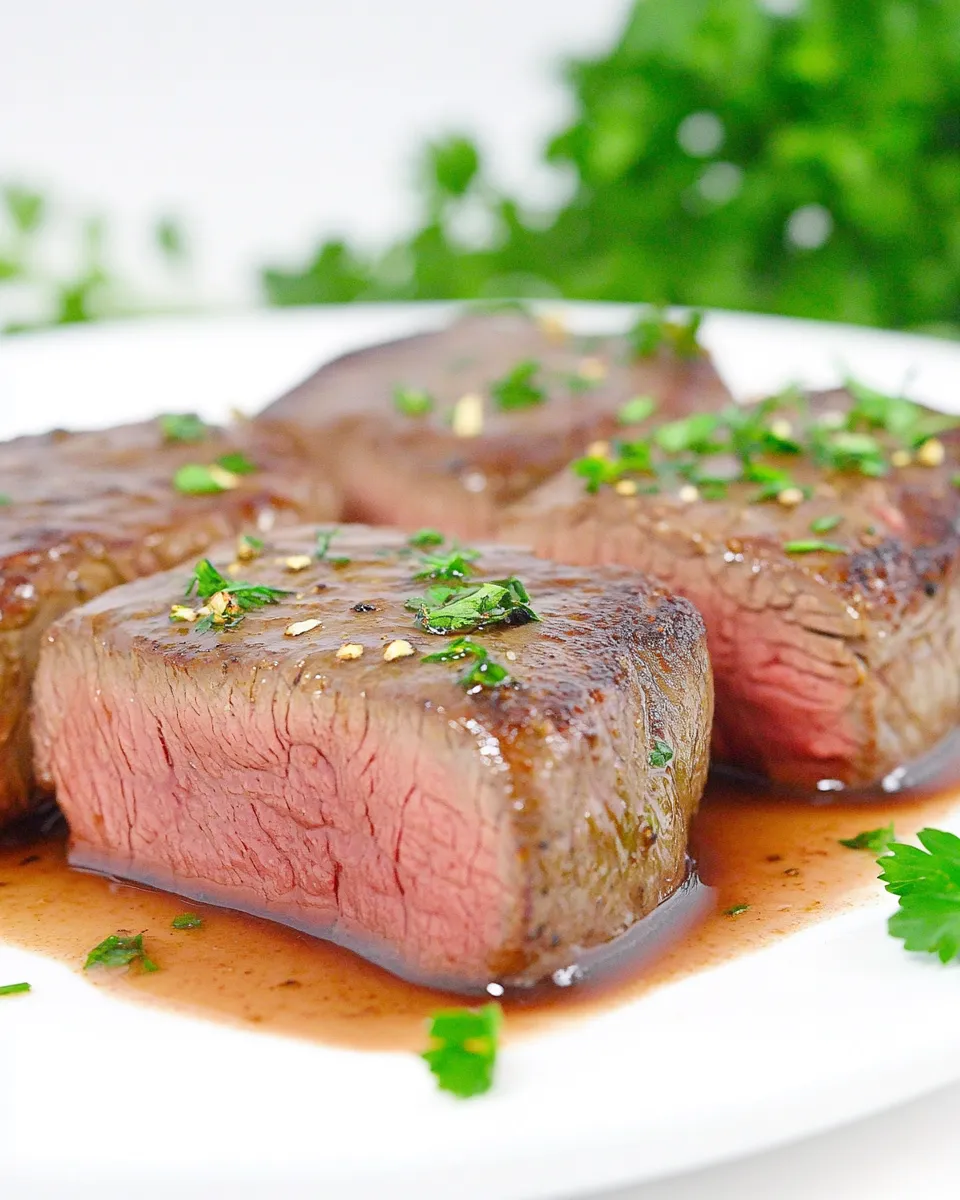
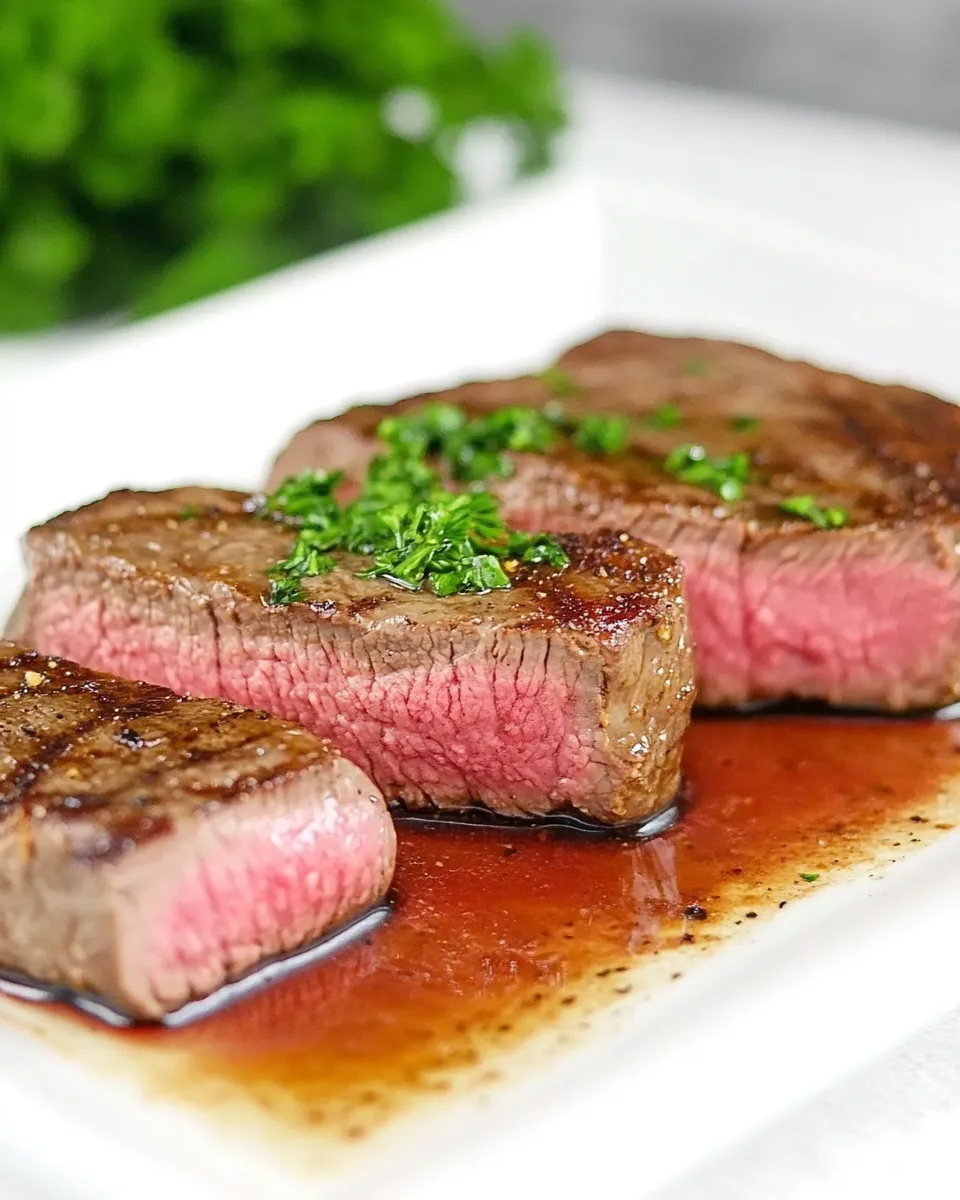
Broiled sirloin is one of those dependable weeknight heroes: fast, straightforward, and honest. It delivers robust beef flavor with minimal fuss, and the broiler gives you that near-grill char without firing up an outdoor grill. I reach for this method when I want a meaty main that comes together in under 30 minutes from start to finish.
I’ll show you exactly what to buy, what to do, and why each small choice matters. No complicated marinades or last-minute panic—just a good steak, a hot broiler, and a short rest before you slice. Read through the steps once, then follow the order while your oven does the heavy lifting.
This recipe scales well for a single steak dinner or two servings. Keep the timing in mind and use the resting step; that final 5–10 minutes makes the difference between a dry steak and one that’s juicy and satisfying.
What Goes Into Broiled Sirloin
Ingredients
- 1½ lb petite sirloin steak — about 1 inch thick; the size and thickness guide the broiling time.
- 2 tablespoons vegetable oil — helps promote even browning and prevents sticking to the skillet.
- McCormick Montreal Steak or Smokehouse Maple seasoning — provides the salt, pepper, and savory punch; use what you have from those two options.
Broiled Sirloin — Do This Next
- Preheat your broiler on high and place an oven rack about 6 inches from the heat source.
- Pat the 1½ lb petite sirloin steak dry with a paper towel.
- Use a pastry brush or your hands to coat both sides of the steak with 2 tablespoons vegetable oil.
- Season both sides of the steak generously with McCormick Montreal Steak or Smokehouse Maple seasoning.
- Place the steak in a cast iron skillet (no need to preheat the pan) and put the skillet on the top rack under the broiler.
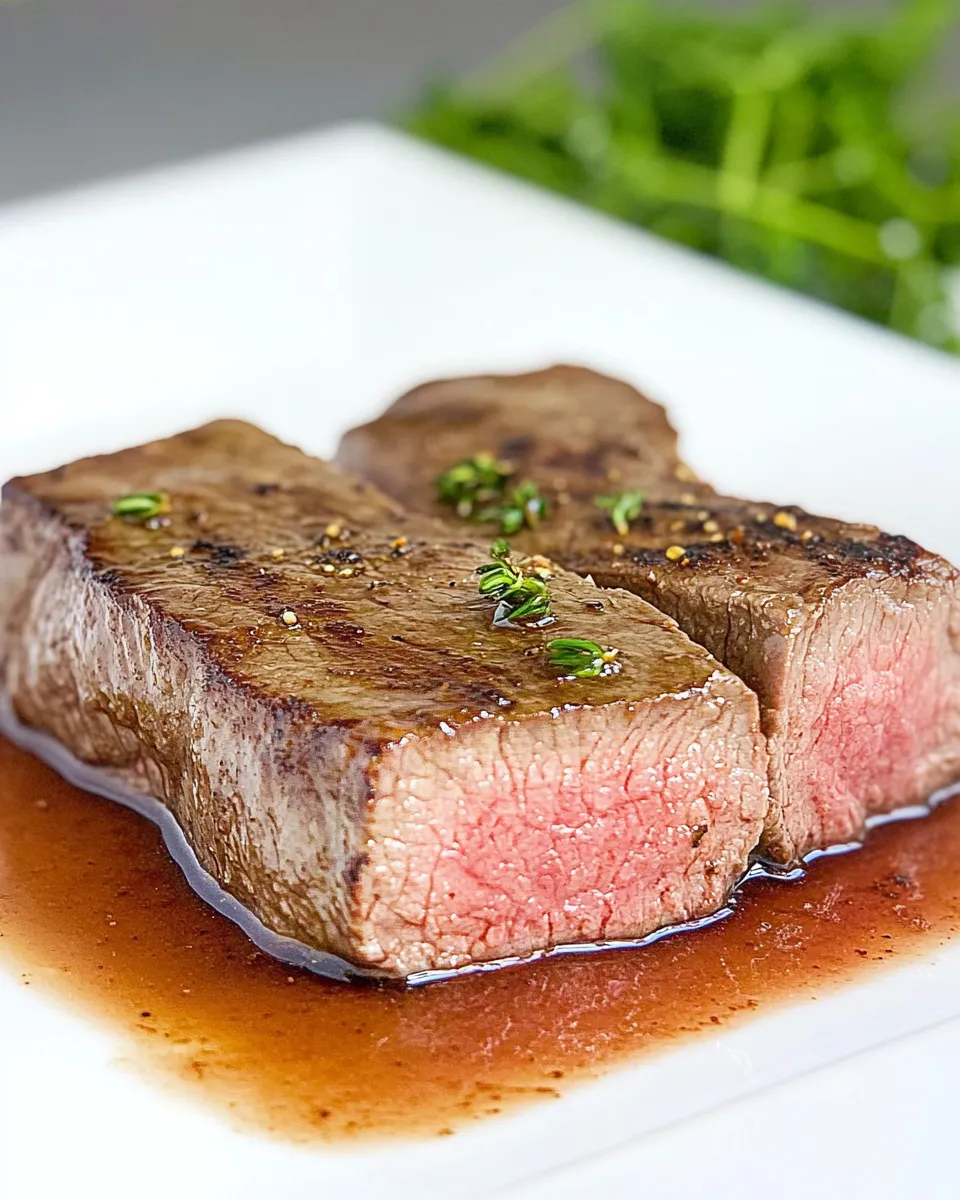
- Broil the steak, flipping once halfway through, until it reaches your desired doneness. For a 1-inch-thick steak as a guide: rare 3–4 minutes per side, medium-rare 4–5 minutes per side, medium 5–6 minutes per side, medium-well 6–7 minutes per side.
- Remove the skillet from the oven, tent the steak loosely with foil, and let it rest 5 to 10 minutes before slicing and serving.
Why This Recipe is a Keeper
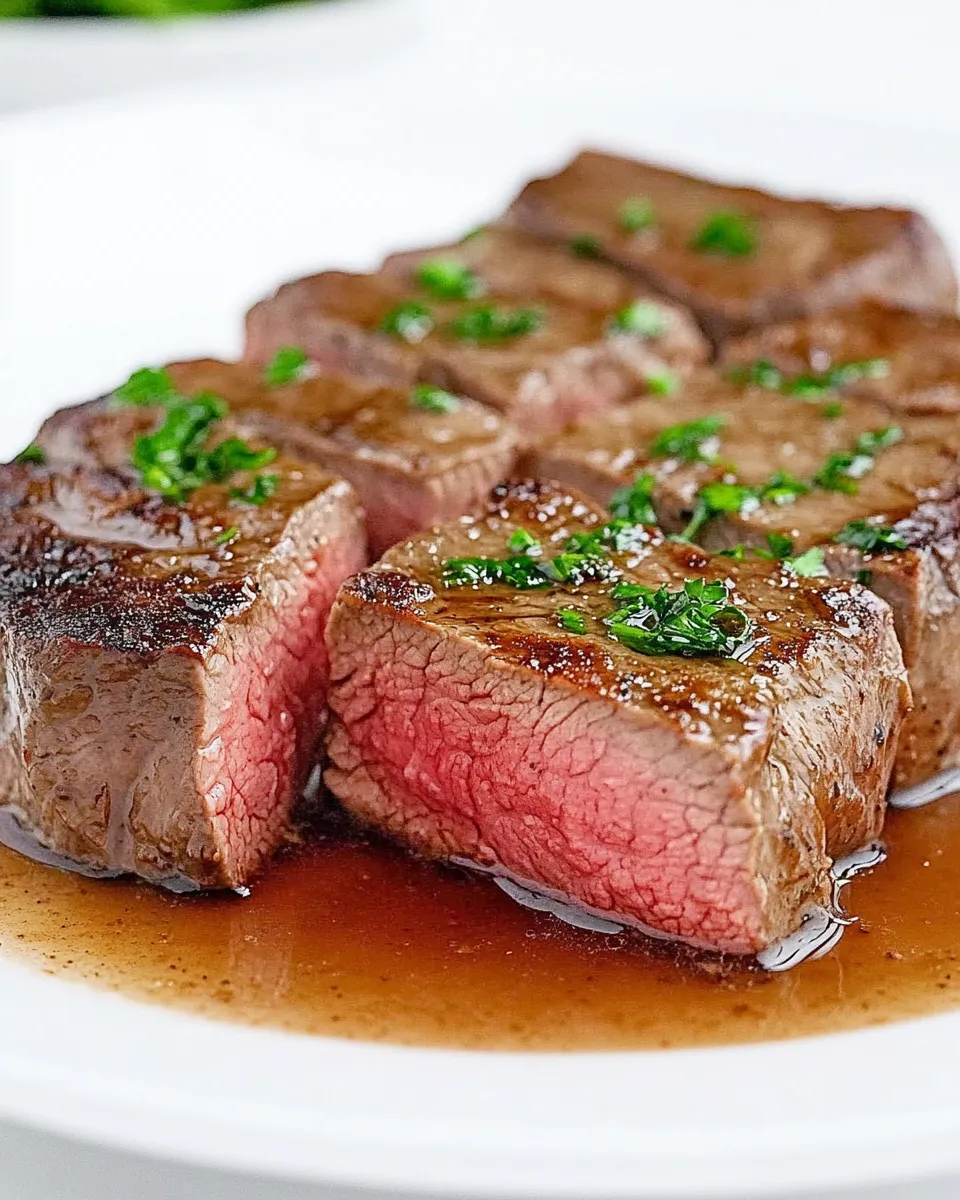
This recipe is straightforward and forgiving. The broiler imparts a direct, intense heat that mimics a hot pan or grill, producing a crust without long cook times. Using a petite sirloin gives you meaty flavor at a reasonable price; it stands up to high heat and still slices tender when allowed to rest.
I keep this method in rotation because it’s reliable. You don’t need a searing pan preheated, which removes one step and reduces the chance of oversmoking the kitchen. The seasoning choice is flexible—both Montreal Steak and Smokehouse Maple bring balanced seasoning so you don’t have to complicate things.
Finally, the timing guide in step 6 gives quick references for standard doneness levels, so you can build confidence and reproduce the same result each time.
Quick Replacement Ideas
- Swap the cut: use top sirloin or strip steak if you prefer a different texture—adjust cook time by thickness.
- Oil alternative: light olive oil or avocado oil can be used instead of vegetable oil if you want different flavor or smoke point.
- Seasoning swap: if you don’t have the suggested blends, use plain kosher salt and freshly cracked black pepper, or a steak seasoning you already love.
- Cast iron substitute: an oven-safe stainless or carbon steel skillet works in a pinch; you’ll lose a little of the sear character but not the overall result.
Tools of the Trade
- Broiler-equipped oven — for the direct, high heat.
- Cast iron skillet — ideal for under-broiler contact and even heat; the recipe calls for it specifically.
- Pastry brush or clean hands — to apply the oil evenly.
- Paper towels — to pat the steak dry (a dry surface browns better).
- Tongs — for flipping the steak safely under the broiler.
- Instant-read thermometer (optional but recommended) — for checking doneness if you prefer precision.
- Aluminum foil — to tent the steak while it rests.
Problems & Prevention
Here are the most common issues you might encounter and how to avoid them.
- Overcooking: Use the timing table in step 6 as a guide and pull toward the lower end of the window for your preferred doneness. An instant-read thermometer helps—aim for 120–125°F for rare, 130–135°F for medium-rare, 140–145°F for medium.
- Uneven sear: Pat the steak dry before oiling and seasoning. If the surface is damp, it steams instead of browns.
- Sticking to the pan: The recipe specifies coating the steak with oil and placing it in the skillet without preheating; this helps minimize sticking. Still, use a well-seasoned cast iron for best release.
- Too smoky: If your kitchen gets smoky, move the rack a notch lower, reduce broiler time slightly, or turn on the range hood and open a window. Use an oil with a higher smoke point if smoke is persistent.
Fresh Takes Through the Year
Change small elements seasonally to keep this simple method feeling new.
- Spring: finish the sliced steak with a squeeze of lemon and a scattering of fresh parsley or chives for brightness.
- Summer: top slices with a quick tomato and basil salad or chimichurri to take advantage of garden herbs.
- Fall: pair with roasted root vegetables and a pat of compound butter flavored with thyme and garlic.
- Winter: serve alongside creamy mashed potatoes or a warm grain salad dressed in mustard vinaigrette for comfort.
Behind the Recipe
I started broiling steaks when I wanted the char of a grill without the fuss of lighting one, and this simple routine stuck. Petite sirloin offers a meaty bite that responds well to quick, intense heat. The decision not to preheat the skillet was a small experiment that simplified the process without compromising results—if anything, it reduces flare-up risk and keeps things predictable.
I rely on a reliable seasoning—either Montreal Steak or a Smokehouse Maple blend—so the steak is seasoned consistently. That consistency, plus the short rest at the end, is what turns a quick-cooked steak into a repeatable weeknight favorite.
Prep Ahead & Store
Prep ahead to shorten hands-on time:
- Seasoning: You can season the steak up to 30 minutes ahead and keep it uncovered in the fridge; this also helps dry the surface for a better crust. If refrigerated, bring it closer to room temperature for 15–20 minutes before broiling for even cooking.
- Oil: Measure the 2 tablespoons of oil into a small bowl ahead of time so it’s ready at the stove.
- Make-ahead meal: After cooking, cool leftovers to room temperature within two hours, then refrigerate in an airtight container for up to 3–4 days.
Reheating leftovers: gently reheat slices in a hot skillet for a minute per side or warm in a 300°F oven for 6–8 minutes. Quick pan-searing preserves texture better than microwaving.
Top Questions & Answers
Q: Do I need to preheat the cast iron pan?
A: No. The recipe explicitly instructs placing the steak in the skillet without preheating. That approach simplifies the process and is what this method uses.
Q: How thick should the steak be?
A: The source specifies about 1 inch thick for the 1½ lb petite sirloin. Thicker or thinner steaks will require adjustment to the broiling times in step 6.
Q: Can I use a different cut?
A: Yes. Top sirloin, strip, or ribeye will work. Expect changes in cook time and texture; fattier cuts like ribeye will render more fat and can char faster.
Q: Is the time guide accurate for all ovens?
A: Oven broilers vary. Use the guide in step 6 as a starting point, but check early the first time you try this method in your oven. An instant-read thermometer is the most reliable check for doneness.
Q: What does “tent the steak” mean?
A: Loosely cover the cooked steak with foil to retain heat while still allowing some steam to escape; this helps the juices redistribute without steaming the crust.
Ready to Cook?
If you’ve read through the steps, you’re ready. Preheat the broiler, pat your steak dry, oil and season, then let the broiler do its work. The whole process is short, predictable, and leaves you with a dependable weeknight main or an easy centerpiece for company.
Try it once as written to learn how your oven behaves, then tweak seasonings and accompaniments to make it yours. When you do, slice against the grain, serve hot, and enjoy the payoff from a method that respects the steak and your time.
Broiled Sirloin
Equipment
- oven broiler
- oven rack
- Cast-Iron Skillet
- Pastry Brush
- Aluminum Foil
Ingredients
Ingredients
- 1 1/2 lbpetite sirloin steakabout 1 inch thick
- 2 tablespoonsvegetable oil
- McCormick Montreal Steak or Smokehouse Maple seasoning
Instructions
Instructions
- Preheat your broiler on high and place an oven rack about 6 inches from the heat source.
- Pat the 1½ lb petite sirloin steak dry with a paper towel.
- Use a pastry brush or your hands to coat both sides of the steak with 2 tablespoons vegetable oil.
- Season both sides of the steak generously with McCormick Montreal Steak or Smokehouse Maple seasoning.
- Place the steak in a cast iron skillet (no need to preheat the pan) and put the skillet on the top rack under the broiler.
- Broil the steak, flipping once halfway through, until it reaches your desired doneness. For a 1-inch-thick steak as a guide: rare 3–4 minutes per side, medium-rare 4–5 minutes per side, medium 5–6 minutes per side, medium-well 6–7 minutes per side.
- Remove the skillet from the oven, tent the steak loosely with foil, and let it rest 5 to 10 minutes before slicing and serving.
Notes
Medium-rare (warm red center):4–5 minutes per side (8–10 minutes total)
Medium (warm pink center):5–6 minutes per side (10–12 minutes total)
Medium-well (slightly pink center):6–7 minutes per side (12–14 minutes total)
Well done (no pink):7–8 minutes per side (14–16 minutes total)