This Brown Sugar Chicken is one of those weeknight wins that looks and tastes like you spent more time on it than you did. The sauce is shiny, sweet with a savory edge, and it clings to the chicken in a way that makes every bite sticky and satisfying. It’s forgiving, quick to assemble, and works with either chicken breasts or boneless thighs.
I like recipes that have a clear, practical method and room for small adjustments without breaking the dish. This one uses a lightly seasoned dredge, a browned pan for flavor, and a short pan sauce that comes together in minutes. No marathon cooking session required—just attention to temperature and timing.
Below I’ll walk you through the ingredients, the exact step-by-step method, common mistakes to avoid, healthier swaps, and storage tips so the leftovers reheats well. Read through once, then jump in. You’ll be serving this again before the week is over.
Ingredient Notes
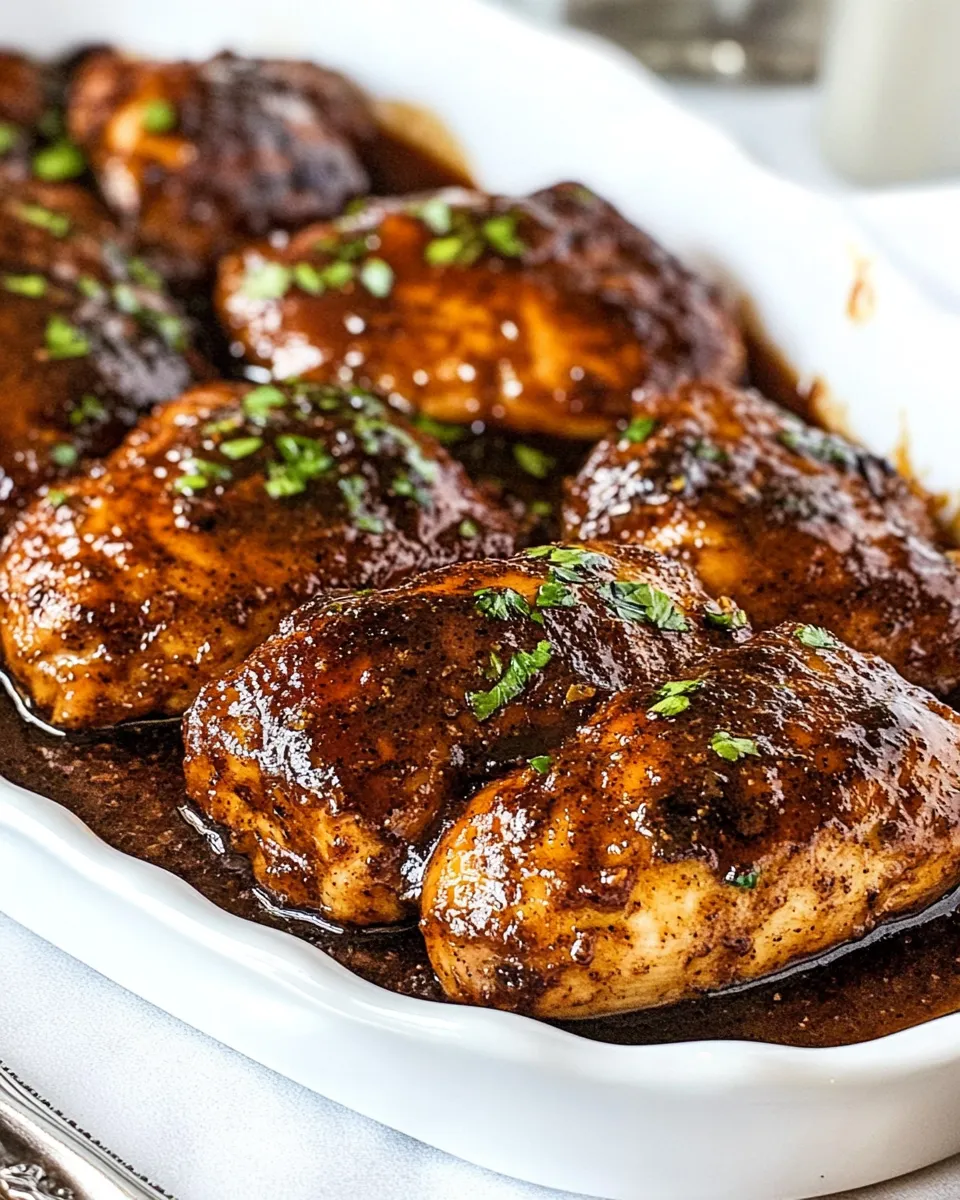
Before you start, a few quick notes about the ingredient choices and why they matter. The flour and spice dredge builds a light crust and picks up those browned bits that become the base of the sauce. Butter and olive oil together give both flavor and a higher smoke point than butter alone. Light brown sugar balances the savory notes from soy sauce and the small acidity from lemon juice prevents the sauce from tasting flat.
If you prefer a slightly smokier profile, the chipotle chile pepper in the dredge is doing that work. If you want less heat, reduce it or omit the dash of red pepper flakes in the sauce. Use reduced-sodium soy sauce and low-sodium chicken broth as called for to keep the final salt level under control—otherwise the sauce can get too salty quickly.
Ingredients
- 2large chicken breasts or 5-6 boneless chicken thighs — choose breasts if you want fillets; thighs stay juicy and can be left whole.
- 2tablespoonsflour — for the dredge and a tablespoon reserved to thicken the sauce.
- 1tsp EACHpaprika, garlic powder, onion powder — the savory backbone of the dry seasoning.
- 1/2tsp EACHground cumin, salt, pepper, chipotle chile pepper — cumin adds warmth; chipotle brings smokiness and mild heat.
- 2tablespoonsunsalted butter — flavor and browning; use unsalted so you control the final seasoning.
- 2tablespoonolive oil — raises the cooking temperature so the butter doesn’t burn.
- 1/2cuppacked light brown sugar — the signature sweet element that caramelizes into the sauce.
- 1/4cupreduced sodium soy sauce — provides umami and salt; reduced-sodium keeps it balanced.
- 1/4cuplow sodium chicken broth — thinned with cornstarch to form the sauce base.
- 1tablespoonlemon juice — brightens the sauce and cuts through the sweetness.
- 1teaspoonDijon mustard — adds depth and a bit of tang so the sauce isn’t one-note sweet.
- 1/2teaspooncornstarch — mixed with broth to thicken the sauce without lumps.
- 1/2tsp EACHdried parsley, dried thyme, dried oregano — herb notes that round out the sauce.
- Dash red pepper flakes — optional kick; adjust to taste.
Mastering Brown Sugar Chicken: How-To
- If using chicken breasts: slice each breast in half horizontally to make 4 fillets, cover with plastic wrap and pound to an even thickness. If using boneless thighs, leave them whole. Pat the chicken dry and set aside.
- In a shallow dish, whisk together 2 tablespoons flour, 1 teaspoon paprika, 1 teaspoon garlic powder, 1 teaspoon onion powder, and 1/2 teaspoon each ground cumin, salt, pepper, and chipotle chile pepper. Reserve 1 tablespoon of this flour-spice mixture for the sauce and leave the remainder for dredging.
- Dredge each piece of chicken in the remaining flour-spice mixture, shaking off any excess. Place the dredged chicken on a dry plate or tray.
- Heat a large skillet over medium-high heat and add 2 tablespoons unsalted butter and 2 tablespoons olive oil. When the butter is melted and the pan is hot, add the chicken in a single layer.
- Cook the chicken 4–5 minutes per side (time will vary with thickness) until golden and cooked through. Transfer the cooked chicken to a plate and leave the skillet (do not wipe it out).
- In a small bowl, whisk 1/4 cup low-sodium chicken broth with 1/2 teaspoon cornstarch until smooth.
- Add the cornstarch-broth mixture to the skillet, then add 1/2 cup packed light brown sugar, 1/4 cup reduced-sodium soy sauce, 1 tablespoon lemon juice, 1 teaspoon Dijon mustard, the reserved 1 tablespoon flour-spice mixture, 1/2 teaspoon each dried parsley, dried thyme, and dried oregano, and a dash of red pepper flakes. Stir to combine and scrape up any browned bits from the bottom of the pan.
- Bring the sauce to a simmer and cook, stirring often, until it thickens to your desired consistency (about 1–3 minutes).
- Return the cooked chicken to the skillet, spoon sauce over the pieces, reduce heat to low, and warm for 1–2 minutes so the chicken soaks up some sauce.
- Serve the chicken with the pan sauce spooned over top. Optionally sprinkle a light pinch of dried parsley before serving.
Why This Brown Sugar Chicken Stands Out
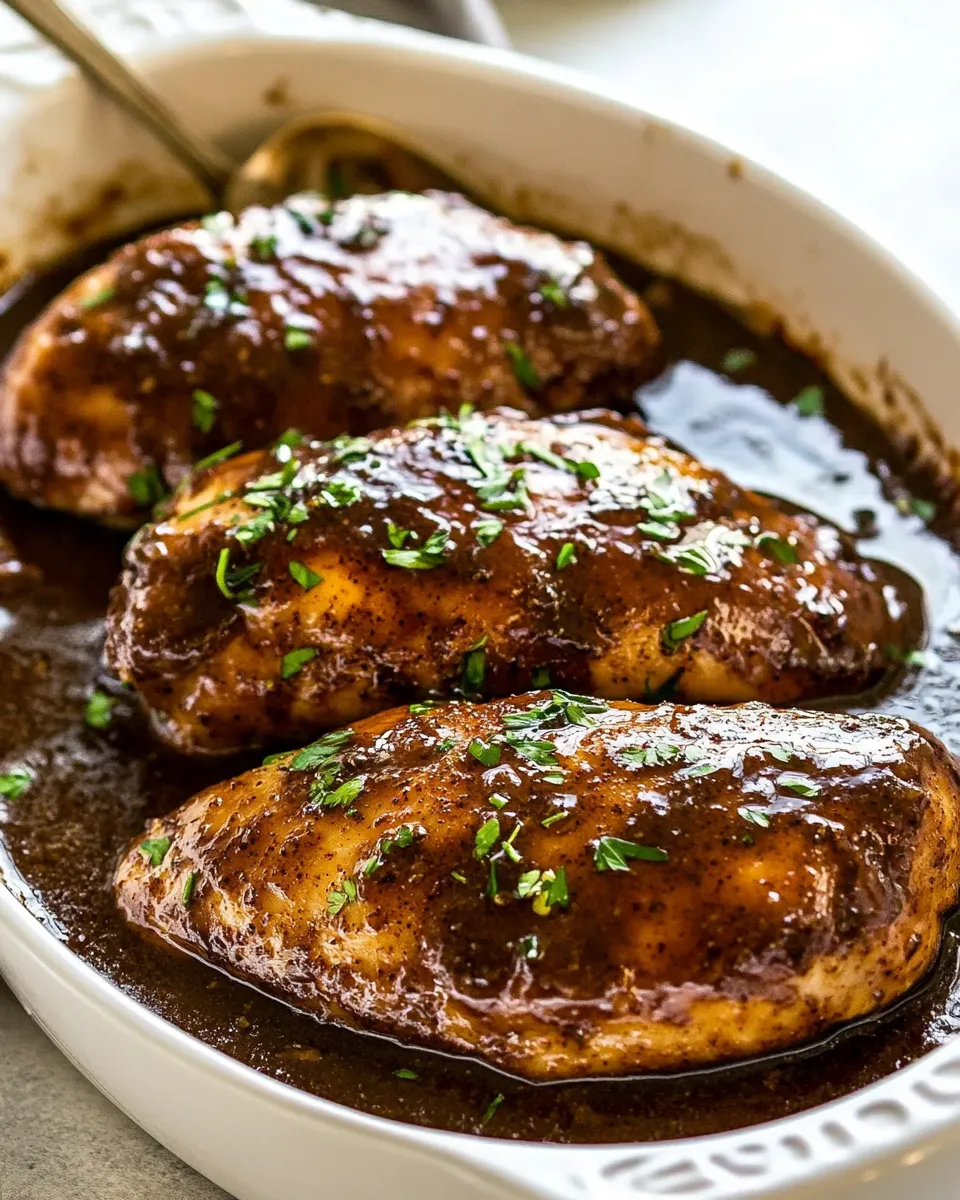
There are three simple reasons this recipe keeps getting requested: flavor balance, speed, and texture. The dredge picks up flavor quickly and creates little pockets for the sauce to cling to. Browning the chicken in butter and oil builds those fond bits that the sauce uses for depth. Finally, the sauce is tightly balanced—sweet from brown sugar, savory from soy sauce, tangy from lemon and mustard—so a small serving feels satisfying, not cloying.
Another reason is flexibility. It works with both breasts and thighs and tolerates modest tweaks. Swap the herbs, adjust the heat, or serve it over rice, mashed potatoes, or a bed of greens and the dish adapts. Little changes don’t break it, and that’s real cooking value.
Healthier Substitutions
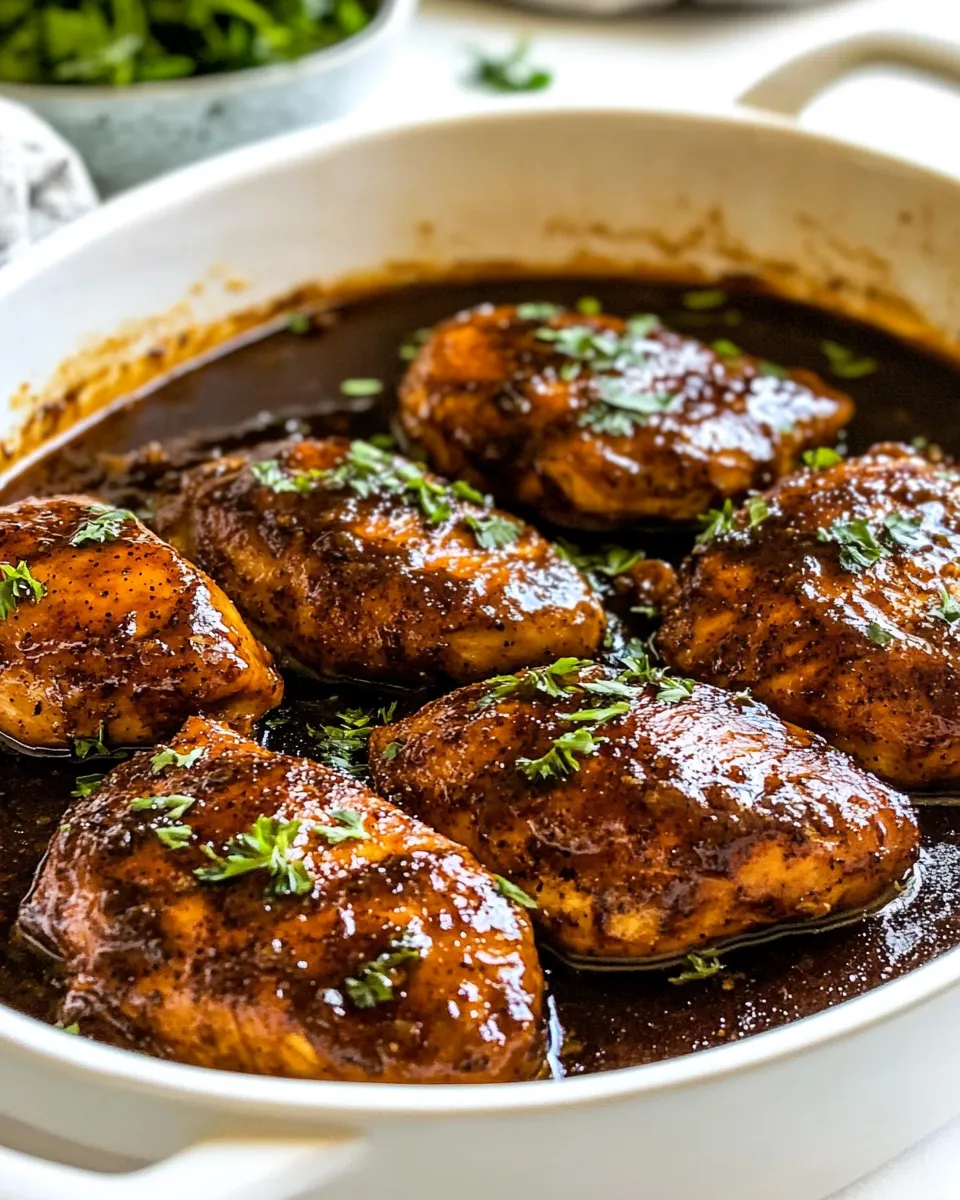
- Use boneless, skinless chicken thighs instead of breasts if you want more forgiving, moister meat with the same calorie profile per serving.
- Replace the 1/2 cup packed light brown sugar with 1/3 cup brown sugar plus 2 tablespoons unsweetened applesauce to lower sugar while keeping moisture (no exact quantity substitutions required beyond these suggestions).
- Swap olive oil for avocado oil for a slightly higher smoke point while keeping monounsaturated fats.
- Keep the reduced-sodium soy sauce, or use a low-sodium tamari if avoiding gluten; taste before serving and adjust salt.
- Serve over cauliflower rice or a large salad instead of white rice to reduce carbs and increase vegetables.
Setup & Equipment
- 1 large skillet (preferably heavy-bottomed or stainless steel) — helps develop fond and prevents hot spots.
- Measuring spoons and cups — for accuracy with the flour, sugar, and liquids.
- Plastic wrap and a meat mallet or rolling pin — if you’re pounding breasts to even thickness.
- Small bowl and whisk — to dissolve the cornstarch into the broth and to mix the dry dredge.
- Tongs or a spatula — for turning the chicken without tearing the crust.
Common Errors (and Fixes)
- Undercooked center — If your breasts are thick, slice them horizontally to make even fillets as instructed, or use a thermometer: aim for 165°F (74°C) internal temp. If using thighs, they tolerate a bit more carryover cooking.
- Sauce too thin — Make sure to whisk the cornstarch into the broth thoroughly before adding; simmer 1–3 minutes until the sauce visibly thickens. If it’s still thin, let it simmer a little longer or remove a teaspoon of sauce, mix with a pinch more cornstarch, then add back while stirring.
- Sauce too salty — Use reduced-sodium soy sauce and low-sodium broth as instructed. If it’s already too salty, add a splash more lemon juice or a tiny bit of water and a touch of sweetness to balance.
- Burned butter — Heat the pan to medium-high but watch carefully; butter browns quickly. The olive oil raises the smoke point, but don’t leave the pan unattended when you add the butter.
Health-Conscious Tweaks
If you’re watching sugar or sodium, the two levers to pull are the brown sugar and the soy sauce. You can reduce the brown sugar slightly and increase the lemon or mustard to maintain brightness. Using low- or reduced-sodium pantry items is the simplest route; small reductions in sugar won’t ruin the dish because the savory and acidic components are strong.
For fewer calories, use chicken breasts trimmed of excess fat and skip any additional oil at the end. Pair the chicken with a large vegetable side or salad so the plate fills with fiber and micronutrients, which keeps portions of the rich sauce in perspective.
Recipe Notes & Chef’s Commentary
Timing
The total hands-on time is about 20–30 minutes, depending on how quickly you pound and dredge the chicken. Brown the chicken in a single batch if your skillet can hold it; overcrowding will steam the meat and prevent browning.
Flavor layering
Reserving 1 tablespoon of the flour-spice mix for the sauce is a small but important detail: it echoes the seasonings from the chicken and helps the sauce carry that same flavor. Scraping up the browned bits (fond) is where the real flavor lives—don’t skip it.
Serving ideas
Serve over steamed rice or buttered noodles. A simple side of sautéed green beans or roasted Brussels sprouts adds color and texture. A wedge of lemon at the table lets people brighten their portion further if needed.
Cooling, Storing & Rewarming
Cool leftovers to room temperature (no more than two hours out), then refrigerate in an airtight container for up to 3–4 days. The sauce will thicken in the fridge as the sugar and fat set; this is normal.
To reheat: gently warm slices or thighs in a skillet over low heat with a splash of water or low-sodium chicken broth to loosen the sauce. Heat until warmed through, spooning the sauce over the chicken as it heats. Avoid microwaving at full power for long periods; high, uneven heat can dry out the chicken.
Reader Q&A
- Q: Can I make the sauce ahead? A: Yes. Make the sauce and refrigerate separately for up to 2 days; rewarm gently and spoon over freshly cooked chicken to preserve texture.
- Q: Can I use dark brown sugar instead? A: Yes. Dark brown sugar will add a slightly deeper molasses note; flavor will be richer but still delicious.
- Q: Is corn starch necessary? A: Cornstarch gives a quick, glossy thickening. If you don’t have it, you can reduce the sauce longer to concentrate it, but watch closely to avoid burning.
- Q: How do I make this gluten-free? A: Use a gluten-free flour for dredging and tamari or a gluten-free soy sauce substitute in place of reduced-sodium soy sauce.
In Closing
This Brown Sugar Chicken is reliable, fast, and deeply satisfying. Keep the steps straightforward: even the smallest attention to the dredge and the fond will reward you with flavor. Once you’ve made it once, you’ll see how adaptable it is—simple spice swaps or serving changes will keep it interesting night after night. Enjoy.
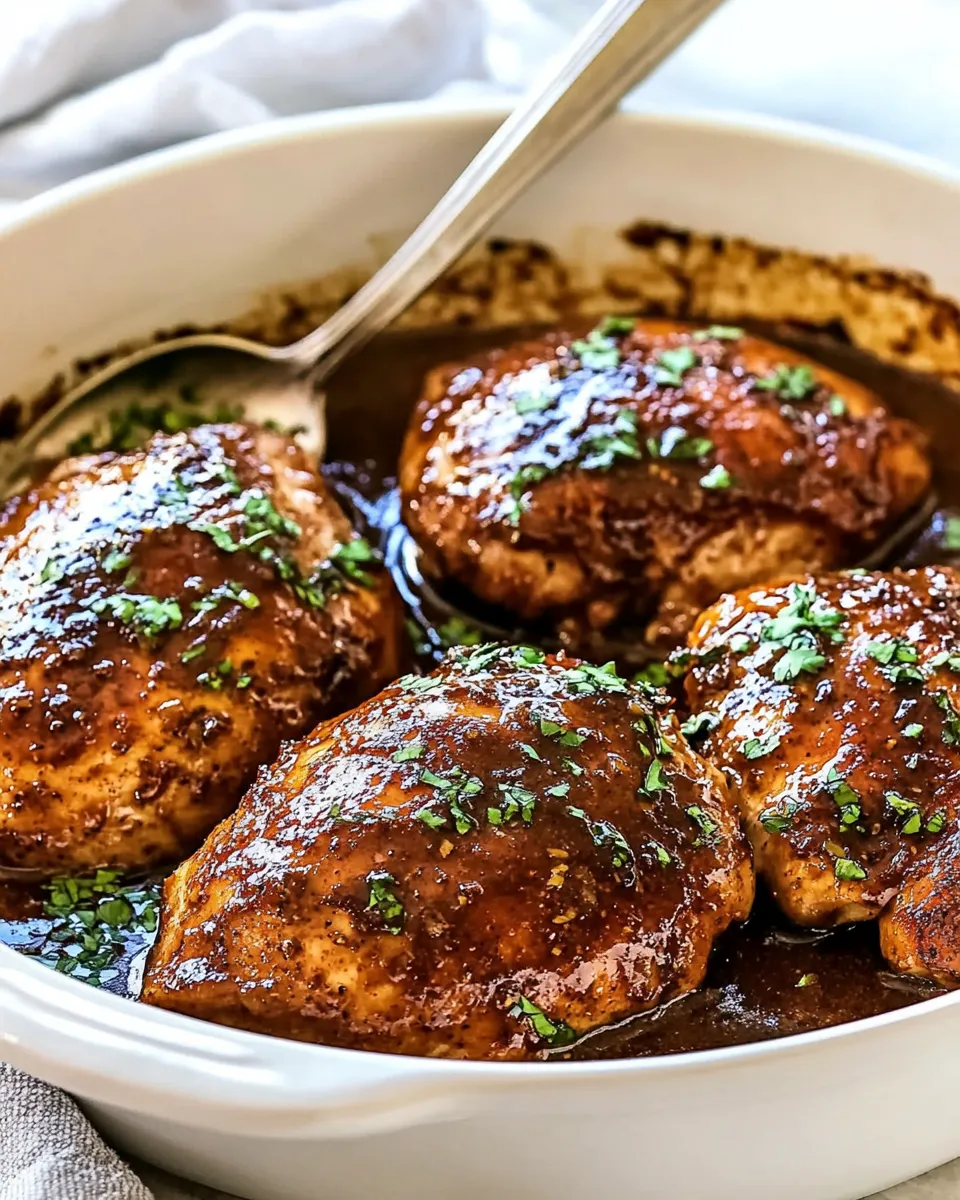
Brown Sugar Chicken Recipe
Equipment
- Large Skillet
- Shallow Dish
- Small Bowl
- Plate
- Plastic Wrap
Ingredients
Ingredients
- 2 large chicken breasts or 5-6 boneless chicken thighs
- 2 tablespoonsflour
- 1 tsp EACHpaprika garlic powder, onion powder
- 1/2 tsp EACHground cumin salt, pepper, chipotle chile pepper
- 2 tablespoonsunsalted butter
- 2 tablespoonolive oil
- 1/2 cuppacked light brown sugar
- 1/4 cupreduced sodium soy sauce
- 1/4 cuplow sodium chicken broth
- 1 tablespoonlemon juice
- 1 teaspoonDijon mustard
- 1/2 teaspooncornstarch
- 1/2 tsp EACHdried parsley dried thyme, dried oregano
- Dash red pepper flakes
Instructions
Instructions
- If using chicken breasts: slice each breast in half horizontally to make 4 fillets, cover with plastic wrap and pound to an even thickness. If using boneless thighs, leave them whole. Pat the chicken dry and set aside.
- In a shallow dish, whisk together 2 tablespoons flour, 1 teaspoon paprika, 1 teaspoon garlic powder, 1 teaspoon onion powder, and 1/2 teaspoon each ground cumin, salt, pepper, and chipotle chile pepper. Reserve 1 tablespoon of this flour-spice mixture for the sauce and leave the remainder for dredging.
- Dredge each piece of chicken in the remaining flour-spice mixture, shaking off any excess. Place the dredged chicken on a dry plate or tray.
- Heat a large skillet over medium-high heat and add 2 tablespoons unsalted butter and 2 tablespoons olive oil. When the butter is melted and the pan is hot, add the chicken in a single layer.
- Cook the chicken 4–5 minutes per side (time will vary with thickness) until golden and cooked through. Transfer the cooked chicken to a plate and leave the skillet (do not wipe it out).
- In a small bowl, whisk 1/4 cup low-sodium chicken broth with 1/2 teaspoon cornstarch until smooth.
- Add the cornstarch-broth mixture to the skillet, then add 1/2 cup packed light brown sugar, 1/4 cup reduced-sodium soy sauce, 1 tablespoon lemon juice, 1 teaspoon Dijon mustard, the reserved 1 tablespoon flour-spice mixture, 1/2 teaspoon each dried parsley, dried thyme, and dried oregano, and a dash of red pepper flakes. Stir to combine and scrape up any browned bits from the bottom of the pan.
- Bring the sauce to a simmer and cook, stirring often, until it thickens to your desired consistency (about 1–3 minutes).
- Return the cooked chicken to the skillet, spoon sauce over the pieces, reduce heat to low, and warm for 1–2 minutes so the chicken soaks up some sauce.
- Serve the chicken with the pan sauce spooned over top. Optionally sprinkle a light pinch of dried parsley before serving.
Notes
To freeze:Cool the chicken to room temperature, then transfer to an airtight container or plastic freezer bag along with sauce. Squeeze out any excess air. Freeze for 2 to 3 months. Thaw overnight in the refrigerator before reheating.
Microwave:Chop or thinly slice the chicken so it cooks evenly. Transfer chicken to a microwave-safe plate and microwave for 30 seconds then at 15 second intervals as needed.
Skillet:Reheat in a nonstick skillet just until warmed through, flipping the chicken occasionally.
Oven:Transfer chicken to a baking sheet, cover with foil and reheat at 350 degrees F for 10 minutes, or just until warmed through.