I grew up with fried rice as the weeknight savior in my kitchen. It’s fast, forgiving and deeply satisfying — the kind of dish that makes you feel competent and cozy at the same time. This version leans on a classic combination: lap cheong (Chinese sausage), garlic, eggs and a trio of savory sauces. It’s straightforward, and it rewards attention to heat and timing.
This recipe is deliberately practical. Use cold, overnight rice. Keep your pan hot. Measure the sauces and add them near the end so that every grain gets a glossy, savory coat. The result is rice that’s not wet or soggy, eggs broken into bite-sized pieces, and meat that lends a sweet-savory lift.
Below I’ll walk you through the exact steps, explain why they work, and offer simple swaps and storage tips so you can make this tonight and feel proud of the result.
What’s in the Bowl
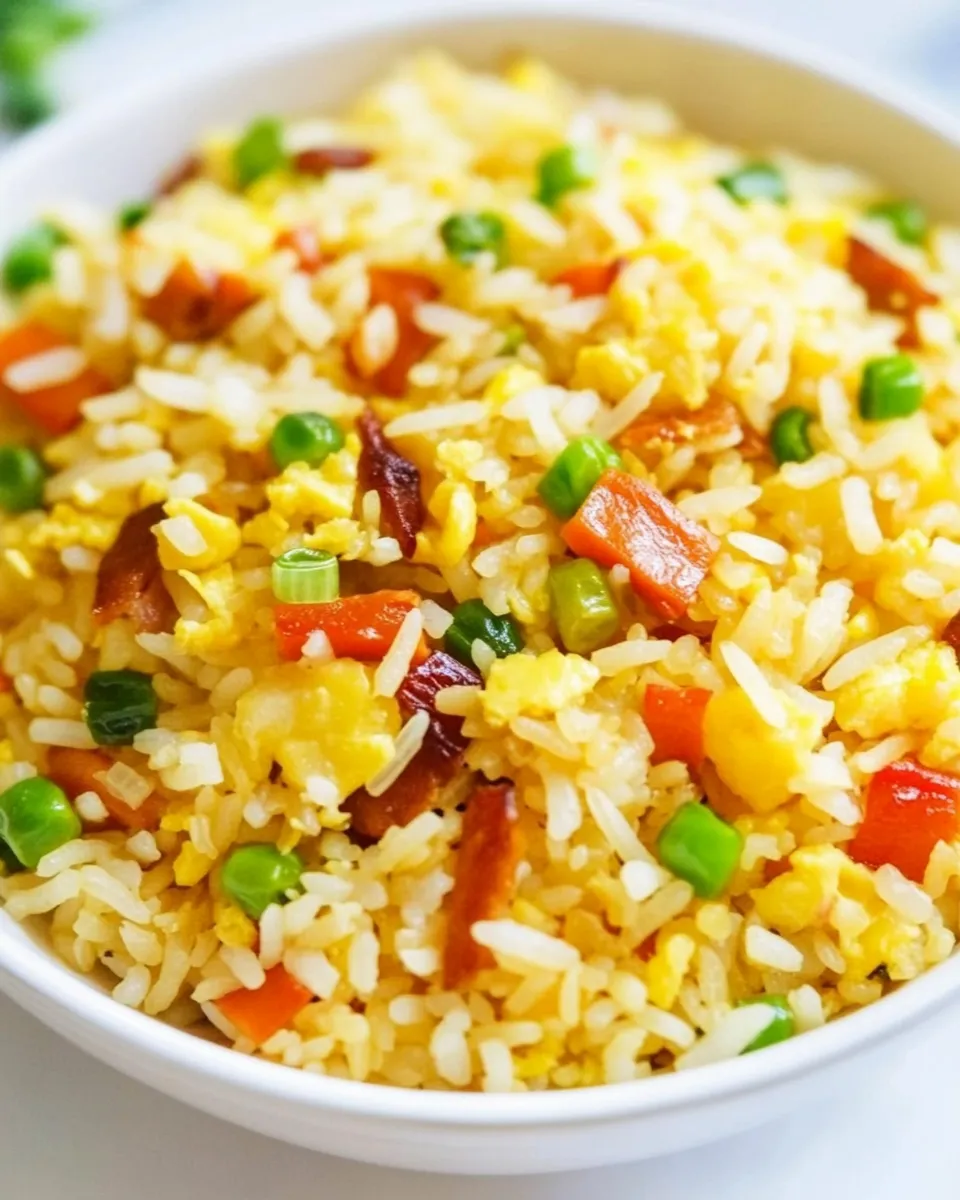
This fried rice centers on a few strong players: lap cheong for richness, garlic for aroma, eggs for silkiness, and a mix of sauces to balance salt, umami and a slight sweetness. Frozen mixed vegetables add color and a fresh snap without extra prep. Cold, steamed rice keeps the texture loose so the wok can toast it lightly.
Ingredients
- 2 tablespoons cooking oil — high heat carrier; use a neutral oil with a high smoke point.
- 4 cloves garlic, minced — aromatic foundation; add just until fragrant to avoid bitterness.
- 2 Chinese lap cheong sausage, cut into small pieces — sweet, cured pork that adds fat and flavor.
- 2 large eggs, lightly beaten — gives silkiness and little pockets of soft texture.
- 1 cup frozen mixed vegetable, thawed — convenient color and crunch; thaw so they don’t cool the pan.
- 4 cups overnight steamed rice — cold, separated grains are essential for non-soggy fried rice.
- 1 tablespoon soy sauce — salty umami base; low-sodium works if you watch salt later.
- 1 tablespoon fish sauce — deepens savory notes; a little goes a long way.
- 1 tablespoon oyster sauce — adds body and a mild sweetness.
- 3 dashes ground white pepper, or black pepper — warms and lifts the flavors.
- salt, to taste — adjust at the end if needed after tasting.
Chinese Fried Rice: From Prep to Plate
- Heat a wok or large skillet over high heat until hot. Add 2 tablespoons cooking oil and swirl to coat the surface.
- Add 4 cloves garlic, minced, and sauté about 15–30 seconds until fragrant and just turning golden (do not burn).
- Add 2 Chinese lap cheong sausages, cut into small pieces, and stir-fry about 1 minute until heated and beginning to brown.
- Push the sausage to one side of the wok. Pour in the 2 large eggs, lightly beaten, let them set briefly, then scramble and break them into bite-sized pieces with your spatula until mostly cooked.
- Add 1 cup frozen mixed vegetable, thawed, and stir 30–45 seconds to warm and combine with the eggs and sausage.
- Add 4 cups overnight steamed rice (cold). Break up any clumps with the spatula and mix thoroughly so the rice grains separate and combine with the other ingredients.
- Pour in 1 tablespoon soy sauce, 1 tablespoon fish sauce, and 1 tablespoon oyster sauce, then add 3 dashes ground white pepper. Stir and stir-fry for 1–2 minutes until the sauces are evenly distributed and the rice is heated through and slightly toasty.
- Taste and add salt to taste if needed. Give one final toss to combine.
- Remove from heat and serve immediately.
Why It Works Every Time
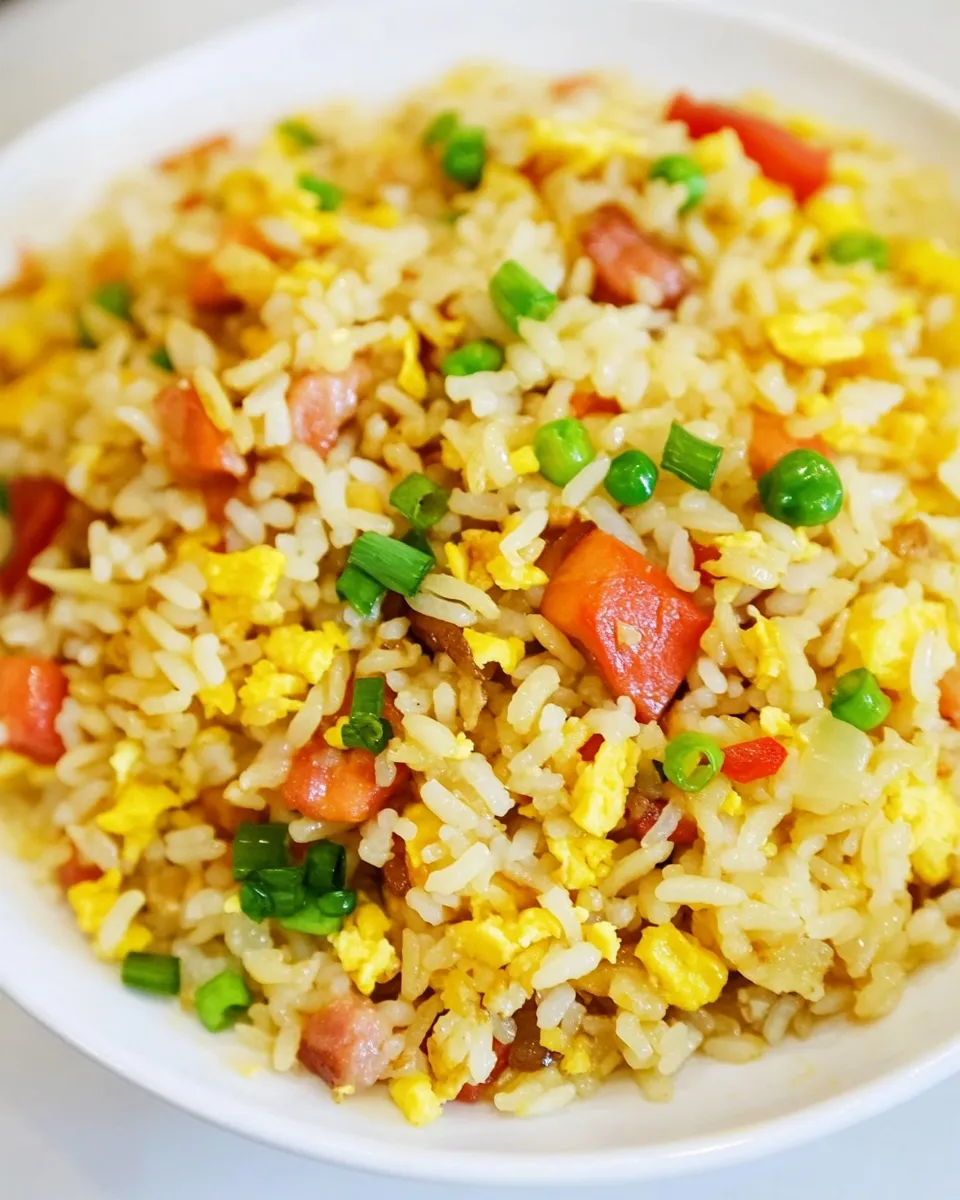
There are three core principles behind a successful fried rice: cold rice, high heat, and timing. Cold rice separates more easily so each grain can get a slight toast without steaming. High heat creates quick browning and prevents the pan from cooling when you add ingredients. Timing dictates texture: garlic for a few seconds, sausage until just browned, eggs set quickly and then combined, then vegetables, then rice and sauces.
The order matters. You want the flavorful fats from the sausage and oil to coat the rice, the eggs to stay tender rather than rubbery, and the sauces to be added near the end so they distribute evenly without making the dish wet. Using three sauces—soy, fish, oyster—builds layered umami without relying on salt alone.
Texture-Safe Substitutions
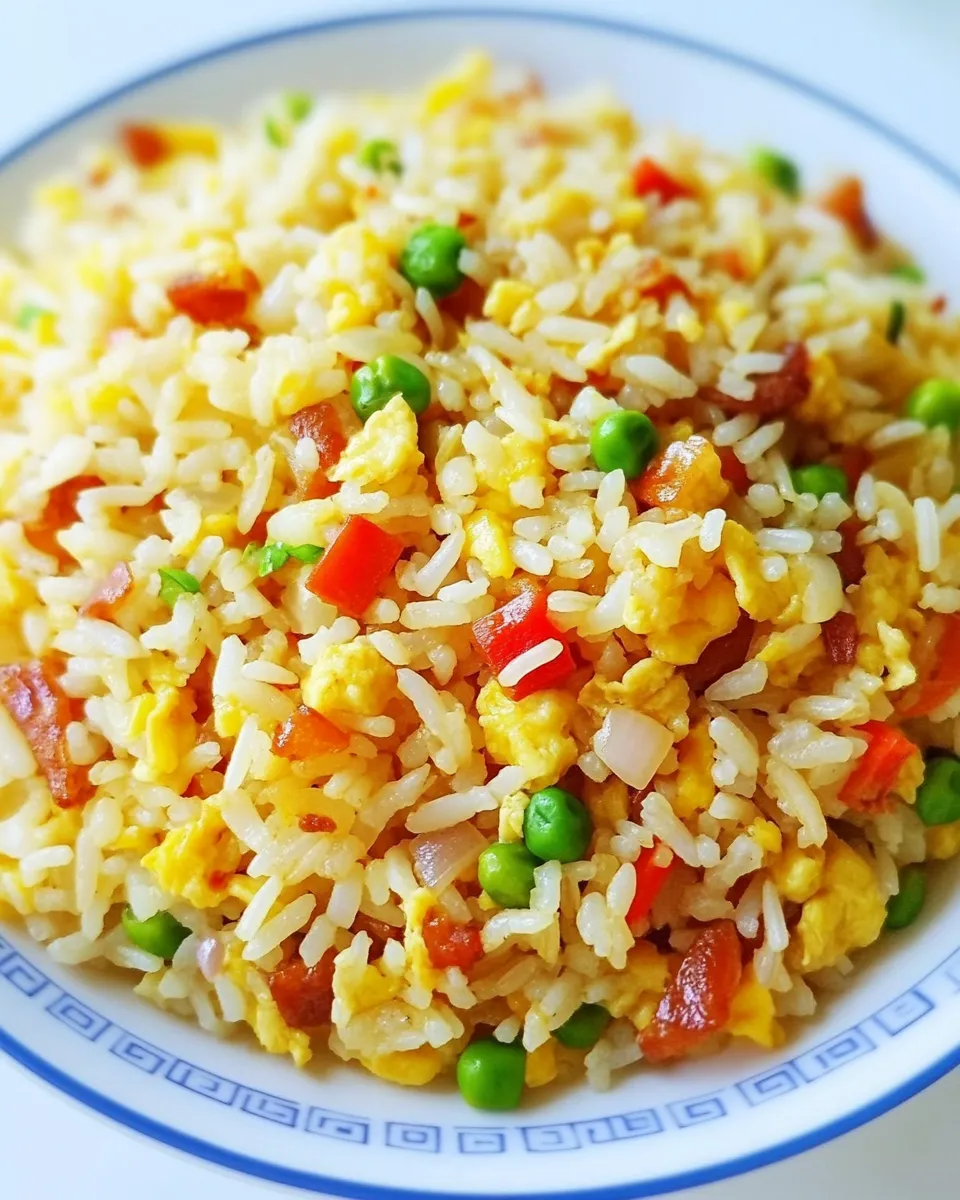
If you need to tweak ingredients for texture or availability, focus on swaps that keep moisture and size similar.
Rice
Use any long-grain or medium-grain rice that was cooked, cooled and refrigerated overnight. Freshly steamed rice is too moist and yields clumps.
Protein
If you don’t have lap cheong, choose a cured, thinly sliced sausage that will brown quickly. Avoid raw, wet proteins unless they’re pre-cooked and diced, because raw meats release moisture and throw off the pan temperature.
Vegetables
Frozen mixed vegetables work because they’re small and thaw quickly. Larger or watery vegetables (like zucchini) should be pre-cooked and drained to avoid sogginess.
Must-Have Equipment
To get this right you don’t need fancy gear. You do need a few essentials:
- Wok or large heavy skillet — a wok gives the best high-heat contact and easy tossing; a heavy skillet will do if it holds heat well.
- Sturdy spatula or wok spatula — for breaking up rice clumps and scraping fond.
- Heat source that can run hot — the stronger the heat, the better the quick sear and texture.
- Bowl and fork or chopsticks — for whisking eggs and prepping ingredients quickly.
Errors to Dodge
Common mistakes are easy to fix if you know them ahead.
Adding wet rice
Using fresh rice is the most frequent culprit for soggy fried rice. Cool and dry rice is non-negotiable.
Pan isn’t hot enough
If your wok cools down when you add ingredients, the rice steams instead of fries. Preheat the pan until it’s very hot and the oil shimmers before adding garlic.
Burning the garlic
Garlic turns bitter quickly. Keep it moving and add other ingredients when it just starts to color.
Overcooking eggs
Cook the eggs briefly so they stay tender. They should finish cooking when mixed with the rice rather than becoming dry bits.
Nutrition-Minded Tweaks
This dish is flexible if you want to nudge it toward leaner or lighter options.
Use less oil or a spray to cut calories, but don’t eliminate it completely—the oil helps carry heat and flavor. Reduce the fish sauce slightly if you watch sodium. Add more vegetables (pre-cooked and drained) to increase fiber without altering technique. If you need to reduce total sodium, use low-sodium soy sauce and taste before adding table salt.
Behind the Recipe
Fried rice began as a clever way to use leftover rice and scraps: a little meat, an egg, some vegetables, and a hot pan to transform yesterday’s grain into something new. Lap cheong is a Cantonese addition that brings a slightly sweet, fatty note that pairs beautifully with the savory sauces used here. The layered umami is intentional—soy for salt, fish sauce for depth, and oyster sauce for body. Together they create complexity without extra steps.
Meal Prep & Storage Notes
Make a larger batch and you’ll have an excellent next-day lunch. Cool it quickly after cooking and refrigerate in an airtight container for up to 3–4 days. Reheat in a hot skillet or wok with a splash of oil to revive the texture and re-separate the grains. Microwave works in a pinch; stir midway and add a few drops of water if it feels dry.
To freeze: cool completely, portion into freezer-safe containers, and store up to one month. Thaw in the fridge overnight before reheating on the stovetop for best texture.
FAQ
Q: Can I use fresh rice? A: Fresh rice tends to be too moist and will clump. If you must use fresh rice, spread it on a tray to cool and let it dry in the fridge for a few hours.
Q: What if I don’t have lap cheong? A: Use a thin, cured sausage that browns quickly. Avoid raw sausages that need long cooking.
Q: Can I add more vegetables? A: Yes — precook any watery vegetables and chop them small so they warm quickly and don’t cool the pan.
Q: Why fish sauce and oyster sauce both? A: They add different layers: fish sauce gives a subtle savory depth; oyster sauce provides a rounded sweetness and body. Together they create a balanced savory profile.
Make It Tonight
Gather the ingredients and have your rice ready in the fridge. Heat the pan until it’s truly hot. Follow the steps above and be decisive with timing. Stir. Taste. Adjust salt at the end. In 15–20 minutes you’ll have a plate that’s quick, satisfying, and better than takeout because you made it exactly how you like it.
If you try this, tell me what you added or swapped — I love hearing how people make simple dishes their own. Happy cooking.
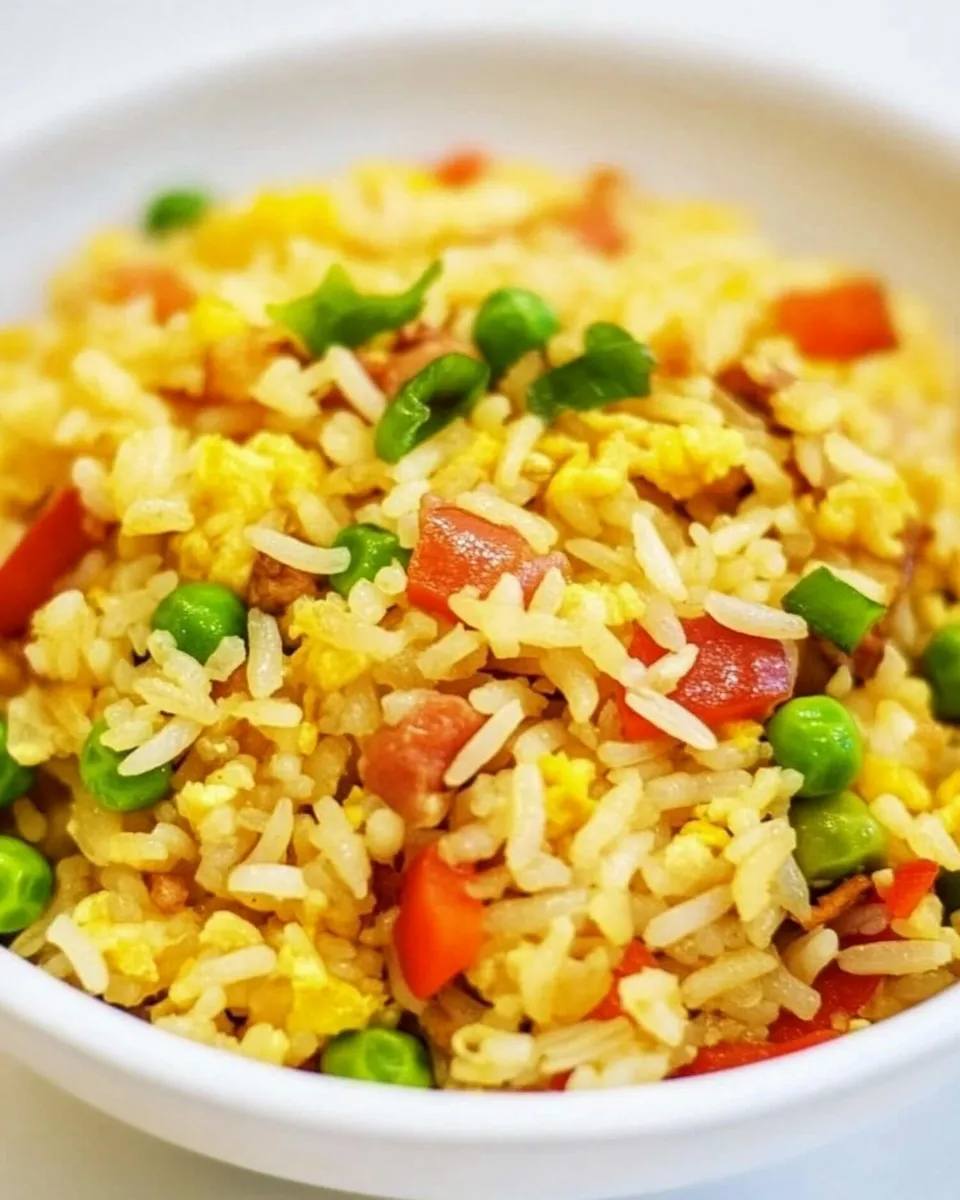
Chinese Fried Rice
Equipment
- Wok
- Large Skillet
- Spatula
Ingredients
Ingredients
- 2 tablespoonscooking oil
- 4 clovesgarlic minced
- 2 Chinese lap cheong sausage cut into small pieces
- 2 largeeggs lightly beaten
- 1 cupfrozen mixed vegetable thawed
- 4 cupsovernight steamed rice
- 1 tablespoonsoy sauce
- 1 tablespoonfish sauce
- 1 tablespoonoyster sauce
- 3 dashesground white pepper or black pepper
- salt to taste
Instructions
Instructions
- Heat a wok or large skillet over high heat until hot. Add 2 tablespoons cooking oil and swirl to coat the surface.
- Add 4 cloves garlic, minced, and sauté about 15–30 seconds until fragrant and just turning golden (do not burn).
- Add 2 Chinese lap cheong sausages, cut into small pieces, and stir-fry about 1 minute until heated and beginning to brown.
- Push the sausage to one side of the wok. Pour in the 2 large eggs, lightly beaten, let them set briefly, then scramble and break them into bite-sized pieces with your spatula until mostly cooked.
- Add 1 cup frozen mixed vegetable, thawed, and stir 30–45 seconds to warm and combine with the eggs and sausage.
- Add 4 cups overnight steamed rice (cold). Break up any clumps with the spatula and mix thoroughly so the rice grains separate and combine with the other ingredients.
- Pour in 1 tablespoon soy sauce, 1 tablespoon fish sauce, and 1 tablespoon oyster sauce, then add 3 dashes ground white pepper. Stir and stir-fry for 1–2 minutes until the sauces are evenly distributed and the rice is heated through and slightly toasty.
- Taste and add salt to taste if needed. Give one final toss to combine.
- Remove from heat and serve immediately.
Notes
Overnight steamed rice is ideal for making Chinese fried rice due to the lower moisture content in the rice. Freshly made rice is too "starchy" and "wet" as the rice would be mushy and stick together. Overnight rice that has been refrigerated is dry and perfect for Chinese fried rice recipe.