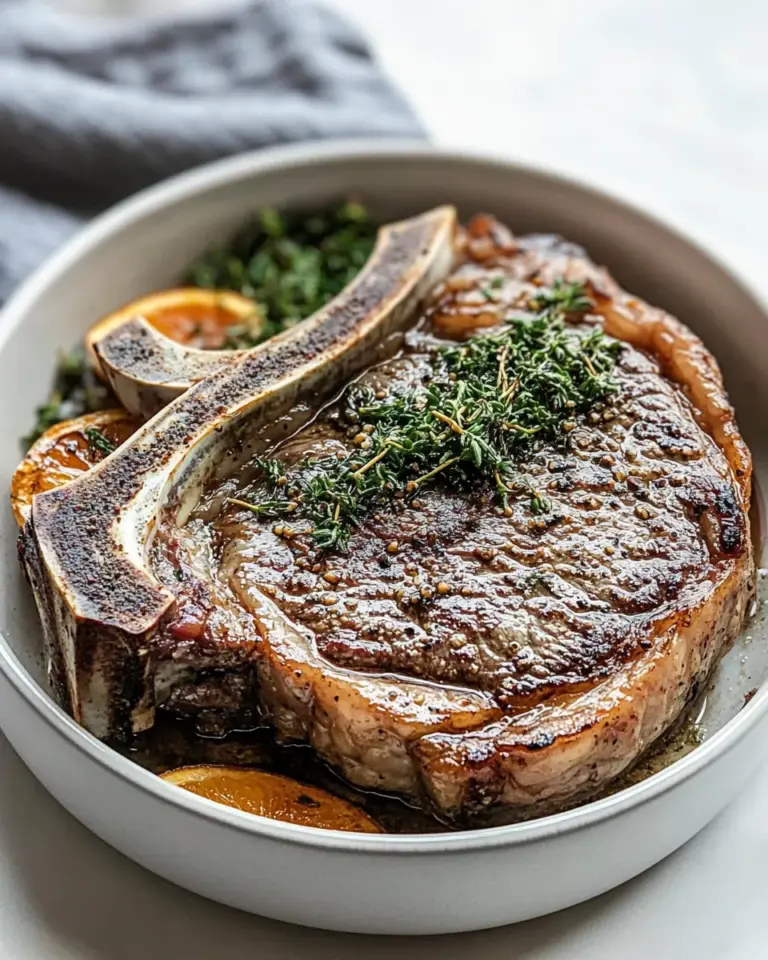
Lasagna is comfort food at its best: bubbling cheese, tender noodles, bright tomato sauce, and a creamy ricotta layer that brings everything together. In this guide, I’ll walk you through How To Layer Lasagna using simple ingredients and straightforward steps. Whether you’re using no-boil noodles or fully cooked ones, this method ensures even layers, perfect moisture balance, and beautiful slices that hold together. I favor extra-virgin olive oil for sautéing and flavor, a bright tomato sauce, seasoned ricotta, roasted vegetables as a filling option, plus shredded mozzarella and Parmesan for that classic golden top.
Why Layering Matters
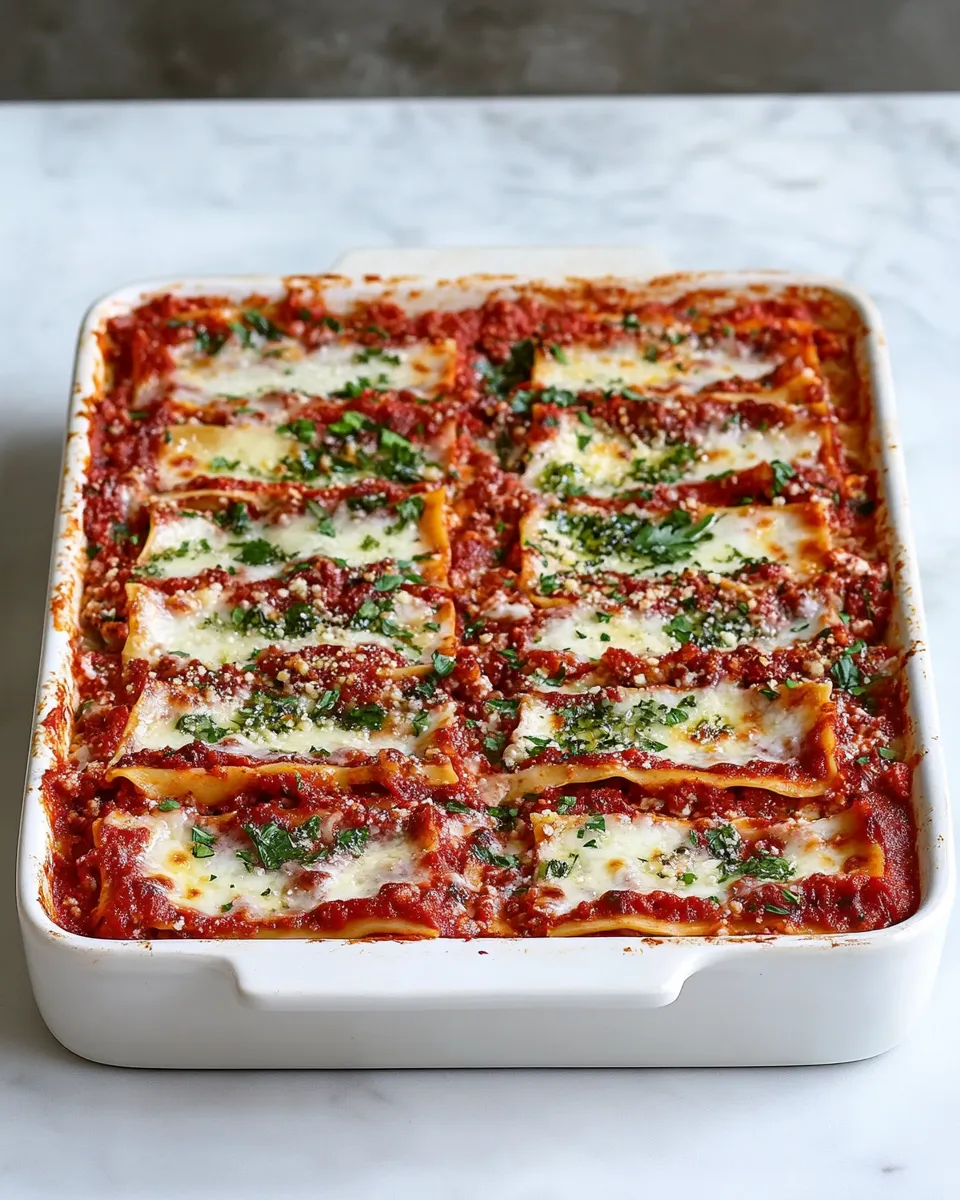
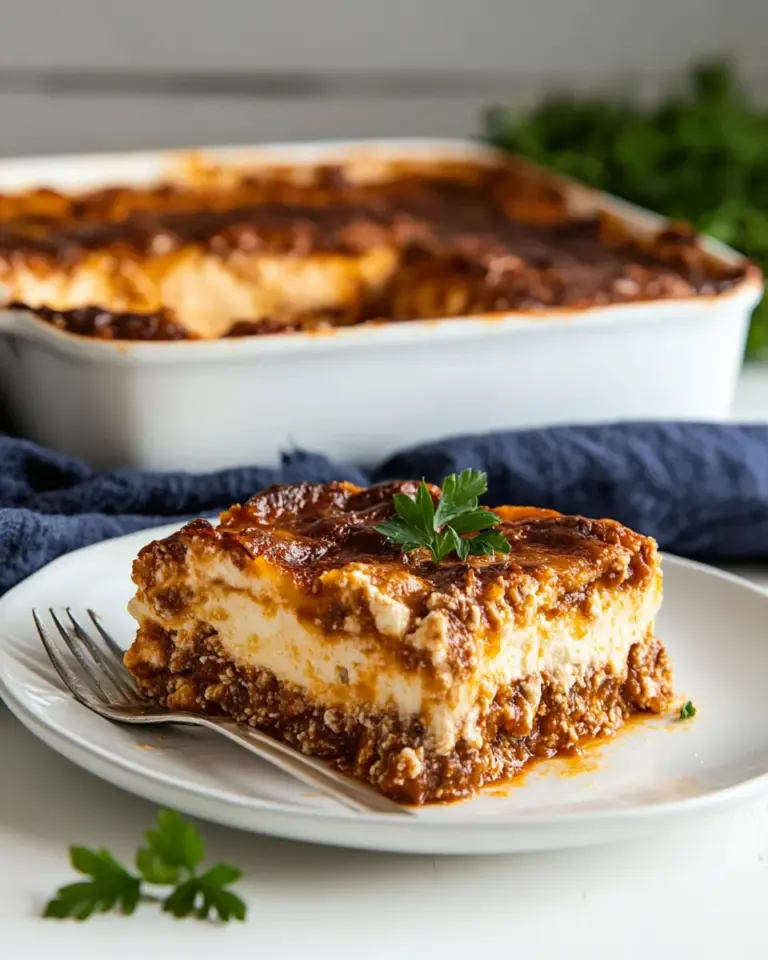
Layering lasagna is part technique and part rhythm. Too little sauce and the noodles will be dry; too much and the slices will be soupy. Even distribution of fillings means every bite has a mix of textures: creamy ricotta, tender roasted vegetables, slurp-able sauce, and stretchy cheese. Following a repeatable layering pattern helps the lasagna cook evenly and slice neatly.
Ingredients
- 2 tablespoons extra-virgin olive oil
- 4 cups tomato sauce
- 12 lasagna noodles, no-boil or fully cooked
- 15 ounces ricotta cheese, seasoned with salt and pepper
- 3 cups desired fillings, such as roasted vegetables
- 2 cups shredded cheese (I like mozzarella and Parmesan)
Tools You’ll Need
- 9×13-inch (23×33 cm) baking dish
- Large skillet or sheet pan for vegetables
- Mixing bowl and spoon
- Aluminum foil
- Large spoon or small spatula for smoothing layers
Prep Work
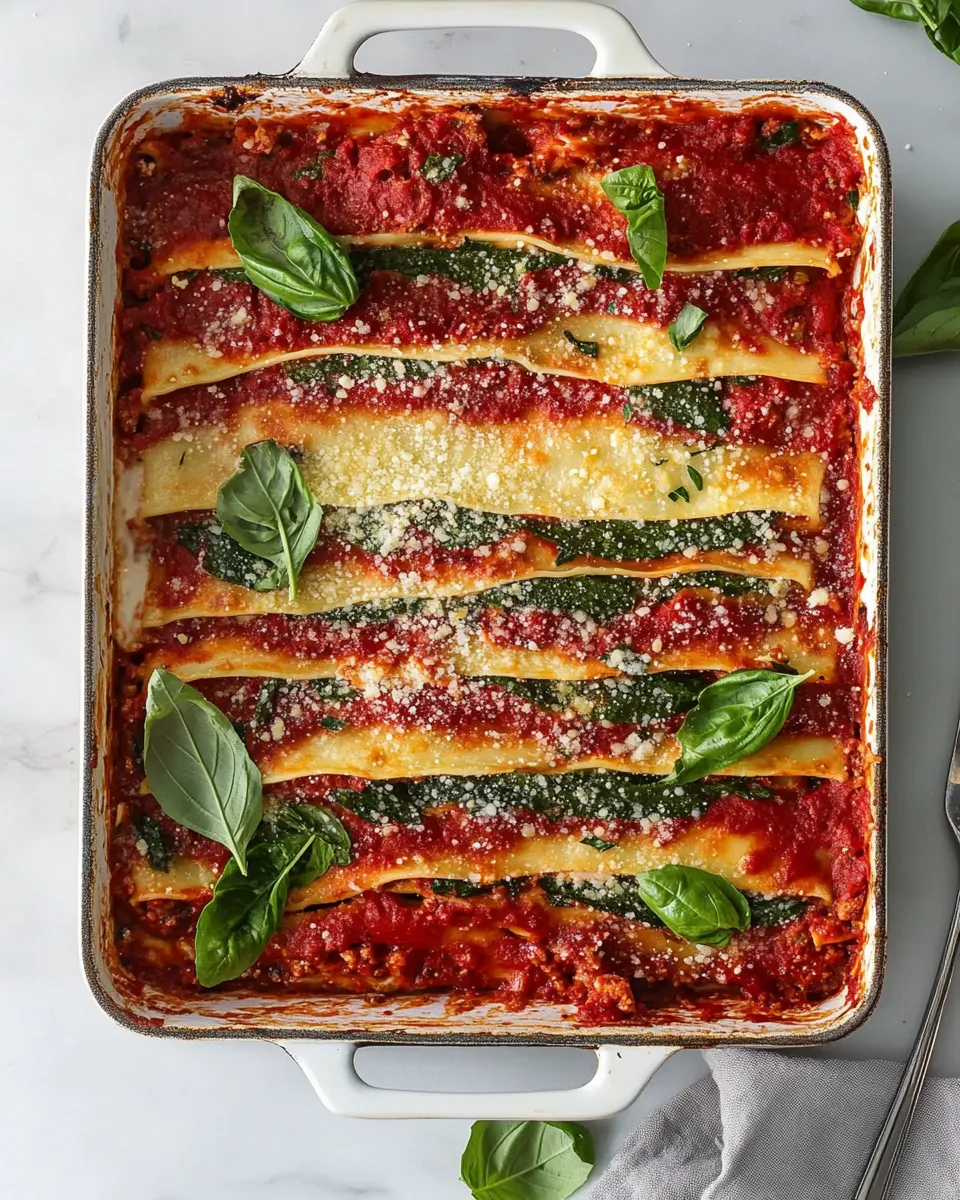
Before you start assembling, get everything ready. Preheat your oven to 375°F (190°C). If you’re using vegetables as a filling, roast them first so they’re tender and slightly caramelized; that concentrates flavor and reduces excess moisture. If your lasagna noodles require boiling, cook them until slightly softened but still firm to the bite, then drain and spread them out to prevent sticking. In a small bowl, season the ricotta with a generous pinch of salt and a few cracks of black pepper so the cheese layer is flavorful from the start.
Layering Strategy
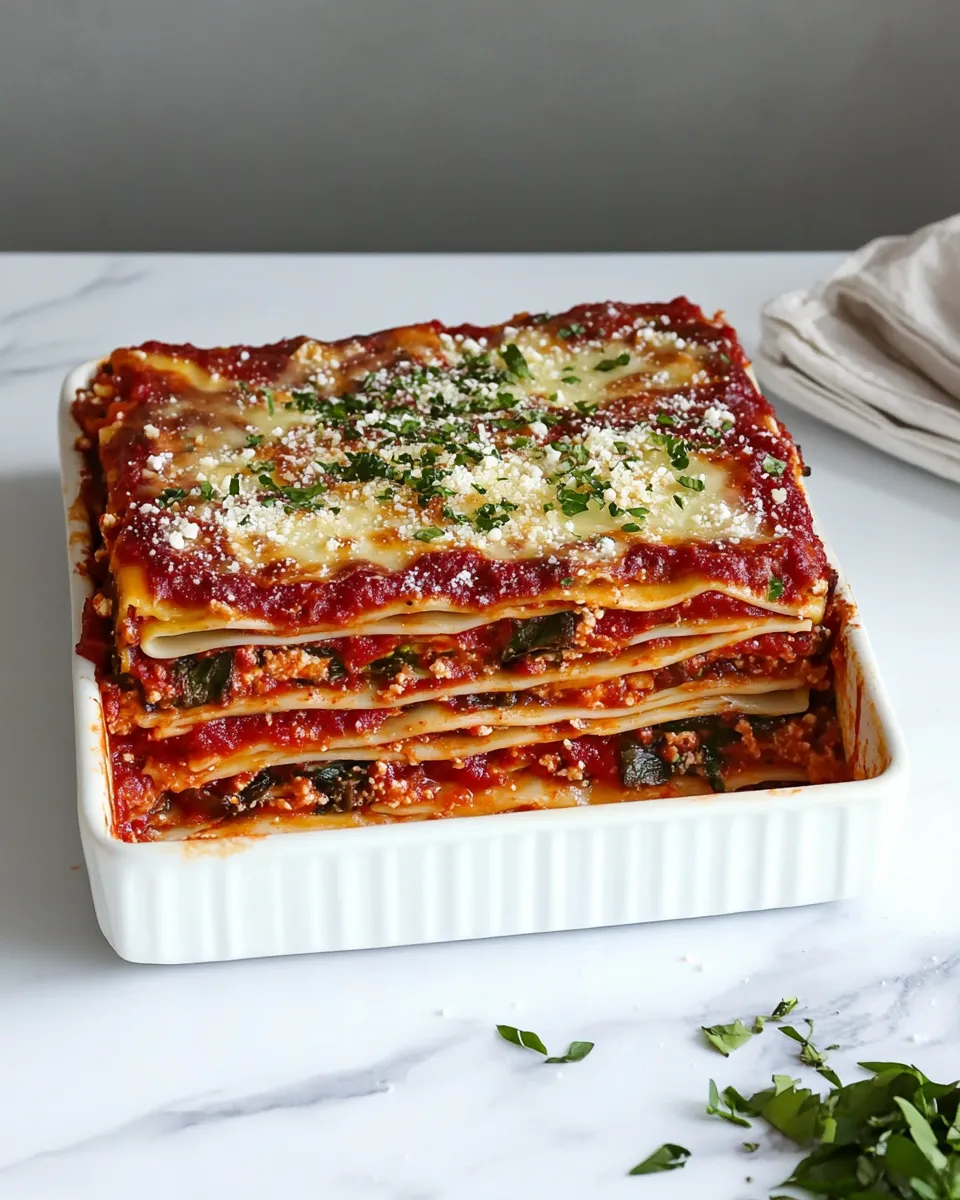
Here’s the repeating pattern I use for a balanced lasagna:
- Thin coating of sauce on the bottom of the pan
- Noodles in a single layer
- Ricotta spread in dollops and lightly smoothed
- Roasted vegetables or chosen filling
- Shredded cheese
- Repeat until the pan is filled, finishing with sauce and shredded cheese
Keeping this order ensures sauce both flavors the noodles and prevents dryness, while the ricotta creates a creamy barrier that helps the lasagna set as it cools.
Step-by-Step Instructions
Below are the rewritten, clear direction steps for assembling and baking the lasagna, following the exact ingredient quantities listed above.
- Preheat the oven to 375°F (190°C). Lightly coat the bottom of a 9×13-inch baking dish with 1 tablespoon of the extra-virgin olive oil, then spread 1 cup of the tomato sauce evenly over the bottom. This initial sauce layer prevents sticking and creates a moist foundation.
- If using no-boil noodles, arrange 4 lasagna noodles in a single layer across the sauce, overlapping slightly so they cover the pan. If using fully cooked noodles, place 4 noodles in the same way. Trim noodles to fit if necessary.
- Spoon about one-third of the 15 ounces of seasoned ricotta cheese into dollops over the noodles. Use the back of a spoon or a small spatula to gently spread the ricotta into an even layer, leaving small gaps for sauce to flow through. Seasoned ricotta should be evenly distributed so each portion gets creaminess and flavor.
- Scatter one cup of the desired fillings—such as roasted vegetables—over the ricotta layer. Make sure the fillings are spread evenly so the next bite contains both cheese and vegetables. If the vegetables are very watery, pat them dry first to avoid excess moisture.
- Sprinkle about two-thirds cup of the shredded cheese (a mix of mozzarella and Parmesan totaling the indicated 2 cups across layers) over the vegetables to create a melty middle layer that binds the filling together.
- Pour another 1 cup of tomato sauce over this first full set of layers, spreading gently so the sauce covers most of the cheese and seeps into the edges of the noodles. This keeps the noodles hydrated as the lasagna bakes.
- Repeat the layering sequence: place 4 more lasagna noodles across the pan, then dollop and gently spread another third of the 15 ounces of seasoned ricotta. Follow with another cup of roasted vegetables and another two-thirds cup of shredded cheese. Pour another 1 cup of tomato sauce to cover this second tier.
- For the top layer, arrange the final 4 lasagna noodles. Spread the remaining ricotta evenly across these noodles, then scatter the remaining cup of desired fillings over the ricotta if you like a lot of vegetables. Finish by pouring the remaining 1 cup of tomato sauce across the top layer. This method uses the full 4 cups of tomato sauce listed and ensures the top is saucy enough to brown without drying.
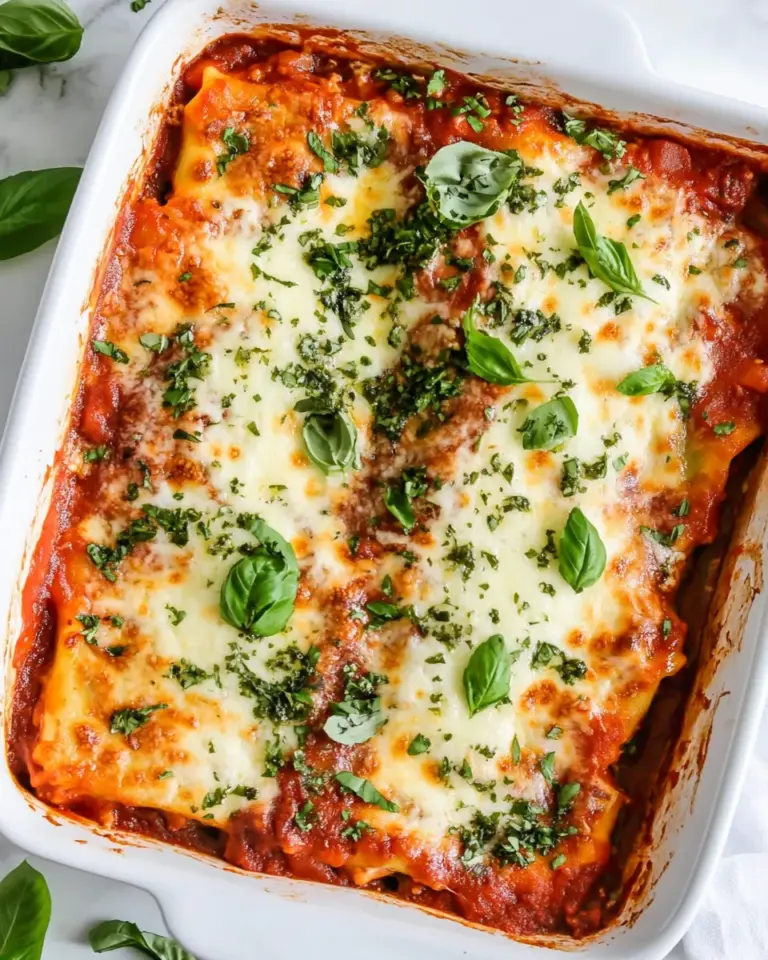
- Evenly distribute the remaining shredded cheese (the rest of the 2 cups total) across the top of the lasagna so you get a golden, bubbly crust when baked.
- Drizzle the remaining 1 tablespoon of extra-virgin olive oil over the top of the cheese. This helps the cheese brown evenly and adds a glossy finish.
- Cover the baking dish tightly with aluminum foil. Bake in the preheated oven for 30 minutes. The foil traps steam so the noodles finish cooking and the layers heat through without the top over-browning.
- After 30 minutes, remove the foil and continue baking for an additional 10 to 15 minutes, or until the top is golden and bubbly. If you like a deeper golden crust, broil for 1 to 2 minutes—watching closely—until the cheese reaches your preferred color.
- Once baked, remove the lasagna from the oven and let it rest, uncovered, for 10 to 15 minutes before slicing. Resting allows the layers to set so the lasagna holds its shape when you serve it.
- To serve, run a sharp knife around the edges to loosen, then cut into squares and transfer with a spatula. Each portion should show clear layers of sauce, ricotta, fillings, and melted cheese. Enjoy warm.
Notes and Helpful Tips
- If your roasted vegetables release a lot of liquid, pat them dry with paper towels after roasting; this prevents a watery lasagna.
- When using no-boil noodles, the initial sauce layer and the sauce between layers are crucial. The noodles absorb moisture while baking, so keep those layers saucy but not soupy.
- Season the ricotta well. Ricotta can taste flat if not seasoned; salt and black pepper are the minimum, but a pinch of dried oregano or minced fresh basil also works nicely.
- To make this dairy-forward dish lighter, consider using part-skim shredded cheese and lower-fat ricotta. The layering technique remains the same.
- If you prefer meat in your lasagna, cooked ground protein can be added to the desired fillings layer. Cook it thoroughly with a bit of extra-virgin olive oil and mix into the tomato sauce or scatter it within the vegetable layers.
- Leftovers store well in the refrigerator for 3 to 4 days. Reheat individual portions in a 350°F (175°C) oven for 10 to 15 minutes, covered, or microwave until warmed through.
Variations and Flavor Boosters
This layering method is flexible. Here are a few ideas to switch things up while keeping the same structure:
- Spinach and mushroom: Sauté mushrooms in 1 tablespoon extra-virgin olive oil until browned, wilt in fresh spinach, and use this as your filling in place of roasted vegetables.
- Eggplant and zucchini: Thinly slice and roast these vegetables until tender, then layer as directed for a hearty vegetarian version.
- Herbed ricotta: Stir chopped fresh basil, parsley, or a little lemon zest into the ricotta for brightness.
- Three-cheese top: Mix shredded mozzarella with grated Parmesan and a touch of Pecorino if desired for a more complex top layer.
Common Mistakes to Avoid
- Skimping on sauce: A dry bottom or middle is usually from not enough sauce between layers. Follow the one-cup portions used in the directions to ensure even moisture.
- Overcrowding fillings: Too many chunky pieces can prevent even heat circulation and make slicing messy. Chop large vegetables into bite-sized pieces.
- Skipping rest time: Cutting into hot lasagna right out of the oven causes the layers to slide apart. A short rest helps everything set.
Final Thoughts
Once you master this reliable sequence—sauce, noodles, ricotta, fillings, cheese—you can customize endlessly and still end up with a lasagna that slices cleanly and tastes magnificent. Remember the balance: sauce for moisture, ricotta for creaminess, fillings for texture, and shredded cheese for that irresistible, golden finish. Follow the step-by-step instructions above to learn How To Layer Lasagna with confidence, and you’ll be serving perfect, crowd-pleasing pans every time.
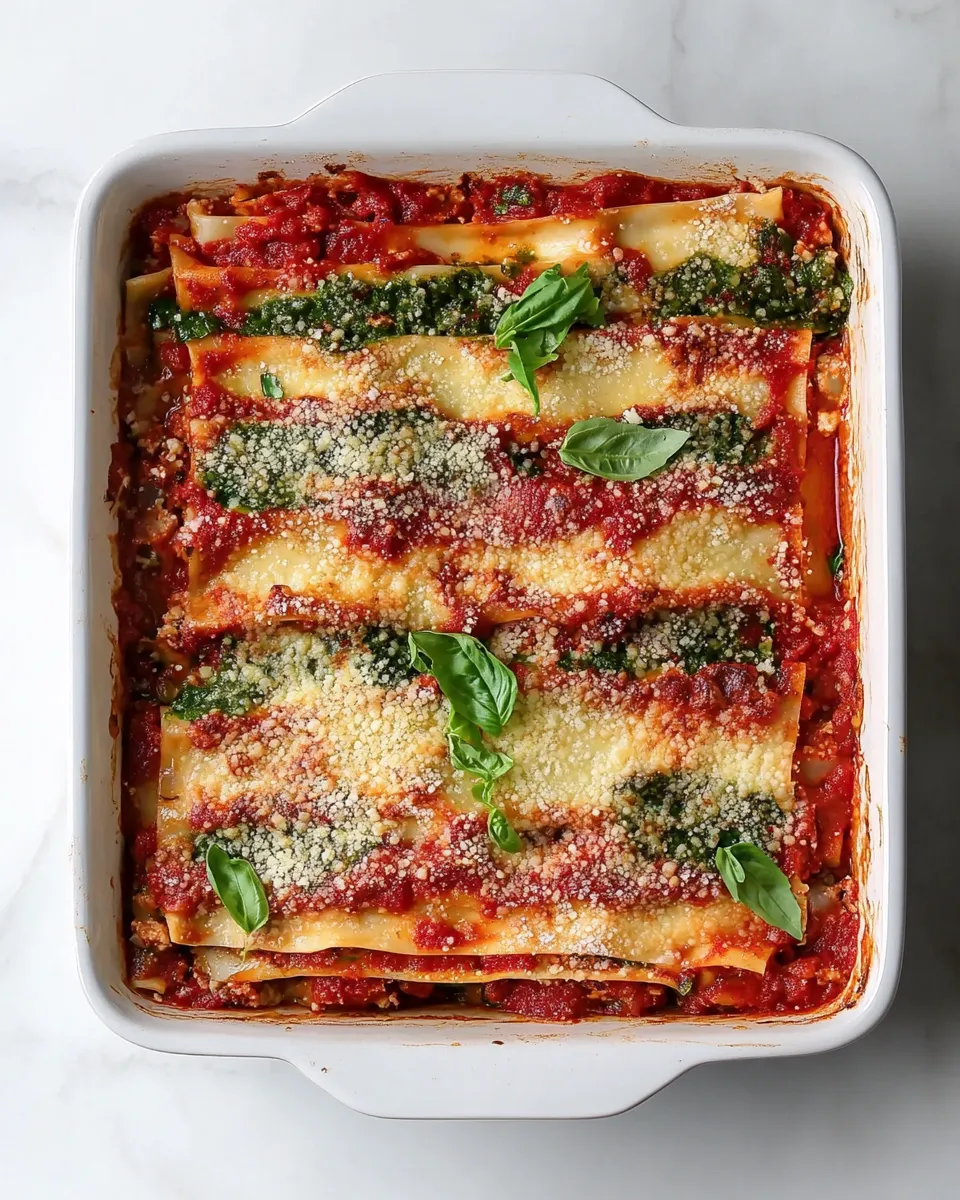
How To Layer Lasagna
Equipment
- 9x13 inch Baking Dish
- Spatula or spoon
- Mixing Bowl
- knife (for prepping fillings)
Ingredients
- extra-virgin olive oil
- tomato sauce
- lasagna noodles (no-boil or fully cooked)
- ricotta cheese (seasoned with salt and pepper)
- desired fillings (such as roasted vegetables)
- shredded cheese (mozzarella and Parmesan recommended)
Instructions
- Preheat oven as called for by your lasagna noodle or full recipe instructions, if baking.
- Lightly oil the bottom of a 9x13-inch baking dish with a little extra-virgin olive oil.
- Spoon a thin, even layer of tomato sauce across the bottom of the prepared dish.
- Place a single layer of lasagna noodles over the sauce.
- Spoon half of the ricotta cheese over the noodles and spread it evenly.
- Distribute half of your desired fillings (for example roasted vegetables) over the ricotta.
- Add more tomato sauce over the fillings to cover the layer.
- Repeat: add another layer of noodles, then the remaining ricotta, the remaining fillings, and more sauce.
- Top with a final layer of noodles, spread the remaining tomato sauce evenly over the top, and sprinkle with the shredded cheeses.
- Bake according to the full lasagna recipe or noodle package directions until heated through and cheese is melted.
Notes
- Use no-boil noodles or pre-cooked noodles as indicated by the ingredient.
- Season ricotta with salt and pepper to taste before layering.
- Distribute fillings evenly to ensure balanced slices.
- Spread sauce under and over noodle layers to prevent sticking.