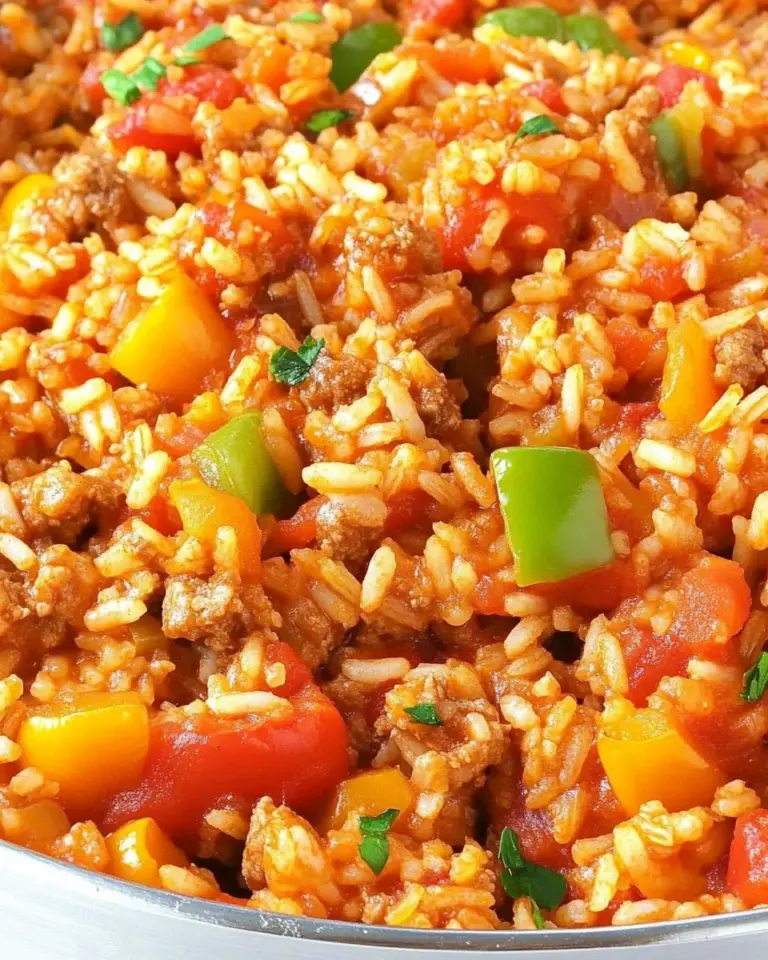
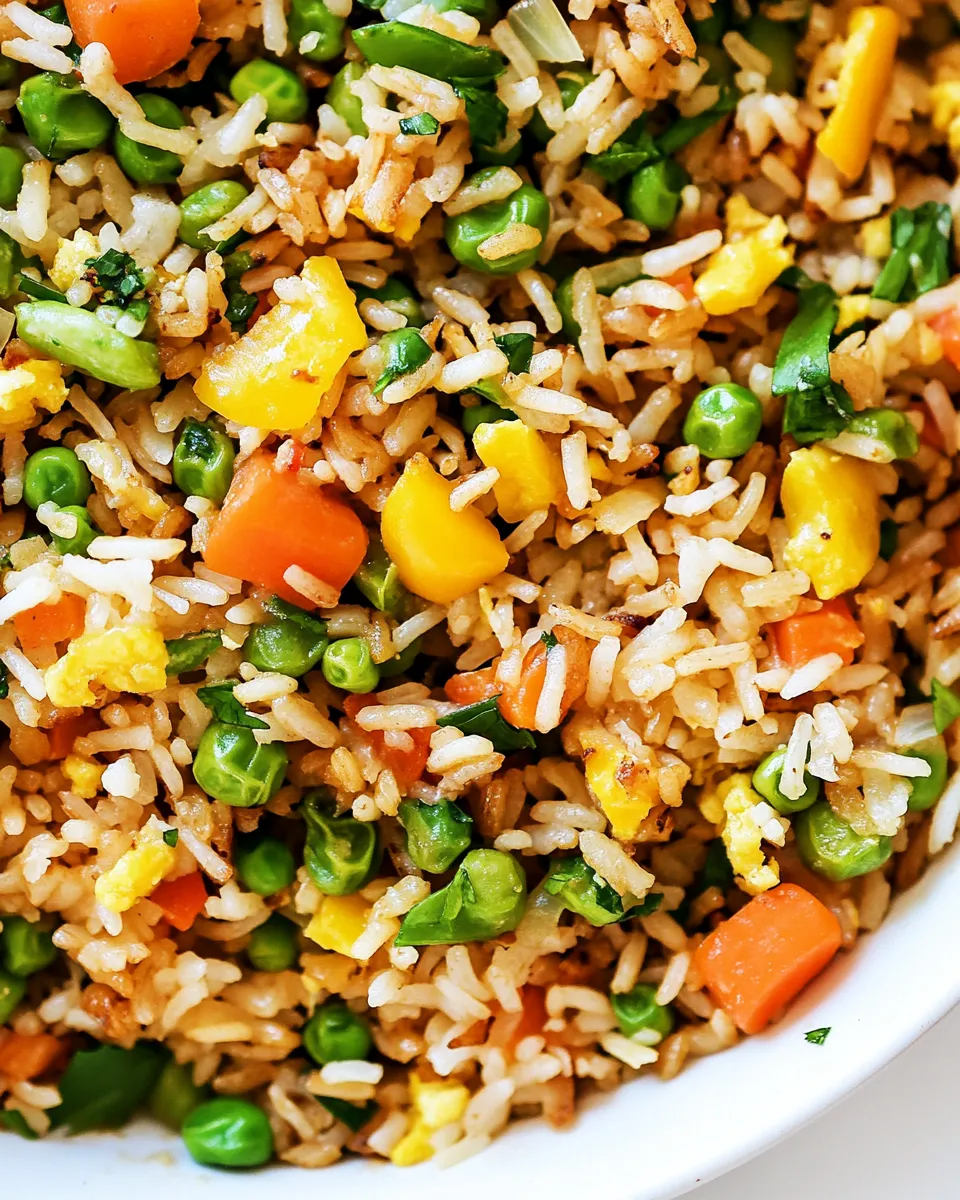
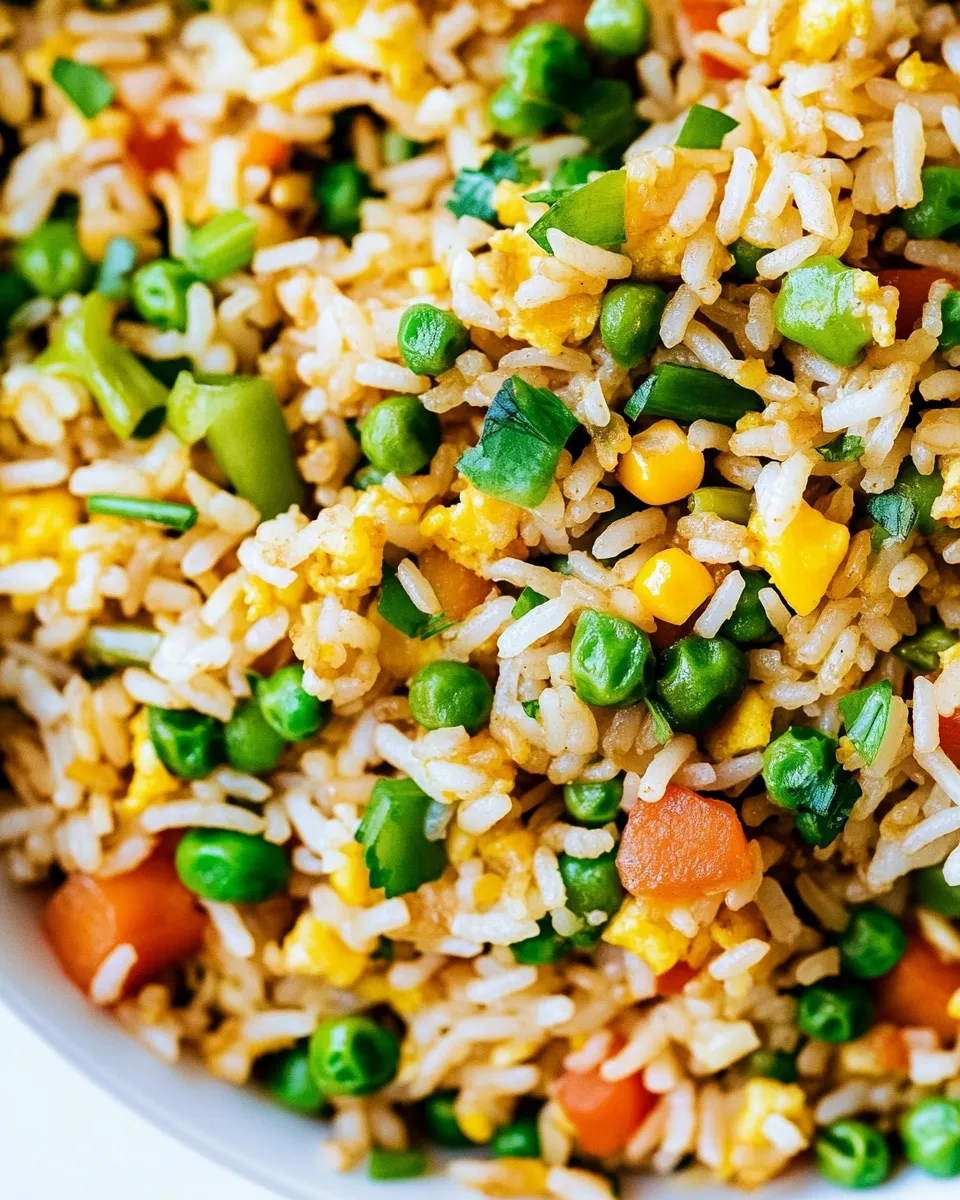
Fried rice is the weeknight workhorse I keep in my back pocket. It’s quick, forgiving, and endlessly adaptable — a single skillet turns cold rice and a few pantry items into a satisfying meal. This version is straightforward: savory sauce, soft scrambled egg, crisped onions and thawed frozen veggies, all tossed with cold rice for the best texture.
I like recipes that teach technique as much as ingredients. The little steps — using cold rice, cooking the egg first, and finishing with sesame oil — make a noticeable difference. No special equipment required, just a good nonstick skillet and a confident hand with the spatula.
Read through once, gather the ingredients, and you’ll be surprised how fast this comes together. It’s the kind of dish you’ll find yourself making on repeat — and tweaking to fit whatever’s in your fridge.
What You’ll Need
Ingredients
- 1 tablespoon unsalted butter — for cooking the eggs and adding richness.
- 3 large eggs — scrambled and folded back into the rice for protein and silkiness.
- 2 tablespoons olive oil — the primary frying fat for vegetables and rice.
- 1/2 cup diced yellow onion — builds the savory base and sweetness.
- 1/2 tablespoon minced garlic — about 2 cloves; adds aromatic depth.
- 1/2 tablespoon minced fresh ginger — about a 1/2 inch piece; brightens the dish.
- 1 cup frozen peas and carrots — convenience veggies that defrost quickly in the pan.
- 1/2 cup frozen corn — extra sweetness and texture.
- 2 cups cooked rice — cold from the fridge; cold rice prevents clumping and gives better texture.
- 3/4 cup green onions — thinly sliced; added near the end for freshness.
- 1 tablespoon oyster sauce — for umami and a touch of sweetness.
- 1/2 teaspoon chicken bouillon powder — concentrated savory boost.
- 1 tablespoon reduced-sodium soy sauce — salt and savory backbone.
- 1/4 teaspoon white pepper — or black pepper; a subtle warm heat.
- 1 teaspoon rice vinegar — brightens and balances the sauce.
- 1 teaspoon sesame oil — or toasted sesame oil; finish for nutty aroma.
Cooking (Fried Rice): The Process
- Whisk together the oyster sauce, chicken bouillon powder, reduced-sodium soy sauce, white pepper, and rice vinegar in a small bowl. Do not add the sesame oil. Set the sauce aside.
- Prep the aromatics and vegetables: dice the yellow onion, mince the garlic, mince the fresh ginger, and thinly slice the green onions. Keep the frozen peas and carrots and frozen corn in the freezer until ready to add. Make sure the cooked rice is cold (from the fridge) and break up any large clumps with a fork.
- Crack the eggs into a small bowl and whisk until combined.
- Heat a large nonstick skillet over medium-high heat and add the unsalted butter. Once the butter is melted and sizzling, pour in the whisked eggs. Swirl the pan so the eggs form a thin layer.
- Cook the eggs for about 30–45 seconds until mostly set, using a silicone spatula to gently push and fold the eggs so they cook evenly but remain soft. Transfer the eggs to a plate and cover loosely to keep warm.
- Add the olive oil to the same skillet and increase the heat to high. Add the diced onion and stir for 3–4 minutes, until the onion is beginning to turn translucent.
- Add the minced garlic and minced ginger and stir for about 20 seconds, until fragrant.
- Add the frozen peas and carrots and the frozen corn (no need to thaw). Stir and cook for 2–3 minutes, until the vegetables are defrosted and most of the excess water has evaporated.
- Add the cold cooked rice to the skillet, breaking up any remaining clumps, then pour in the prepared sauce from step 1. Stir and cook for 1½–2 minutes, until the sauce evenly coats the rice and vegetables.
- Return the cooked eggs to the skillet along with the thinly sliced green onions. Stir everything together until combined and heated through. Taste and adjust seasoning if desired.
- Remove the skillet from the heat, drizzle the sesame oil over the fried rice, toss once to distribute, and serve hot.
Top Reasons to Make Fried Rice
- Speed: From cold rice to plate in under 20 minutes.
- Frugal: Uses small amounts of pantry staples and frozen vegetables.
- Flexible: Add or swap proteins and veggies depending on what you have.
- Great texture: Cold rice and high heat create separated, slightly chewy grains.
- Family-friendly: Mild, savory flavors that appeal to kids and adults.
Ingredient Swaps & Substitutions
- Eggs — If you want a vegetarian version, keep the eggs or replace with firm tofu crumbles; cook similarly for texture.
- Olive oil — Use vegetable oil, canola oil, or another neutral oil if preferred; they tolerate high heat well.
- Oyster sauce — For a vegetarian alternative, use a mushroom-based stir-fry sauce, or extra soy sauce plus a pinch of sugar for sweetness.
- Chicken bouillon powder — Use vegetable bouillon powder for vegetarian needs, or omit and add a little extra soy sauce if you don’t have bouillon.
- Frozen peas and carrots / corn — Swap for any frozen vegetable mix: edamame, diced bell pepper, or chopped green beans work fine.
- White pepper — Black pepper is a fine substitute; it’s more common in home kitchens.
Essential Tools for Success
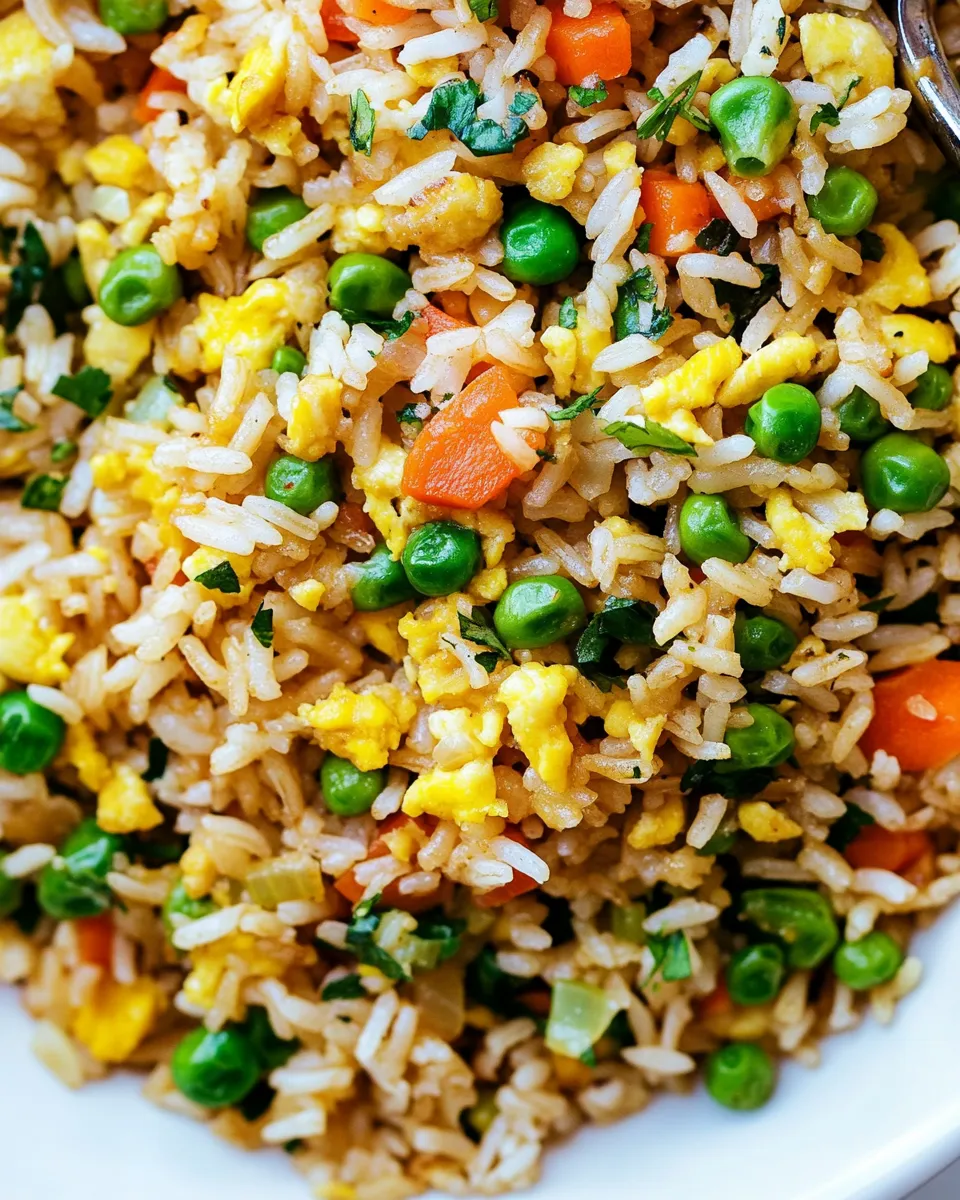
- Large nonstick skillet — ensures rice doesn’t stick and allows easy stirring.
- Spatula (silicone recommended) — gentle on nonstick surfaces and great for folding eggs.
- Fork — to break up cold rice clumps before cooking.
- Small bowl and whisk — for mixing the sauce and eggs.
Avoid These Traps
Common mistakes and how to fix them
- Using warm rice — warm rice clumps and turns mushy. Always use cold, day-old rice straight from the fridge.
- Overcrowding the pan — too much rice and veggies at once drops the pan temperature and steams the ingredients. Use a large skillet and cook in manageable batches if needed.
- Adding sesame oil too early — sesame oil burns easily. Always add it at the end to preserve flavor.
- Not draining defrosted vegetables — if frozen vegetables release too much water in the pan, push everything to the edges and let excess moisture evaporate over high heat before adding rice.
- Under-seasoned sauce — taste before finishing and adjust soy or bouillon if you prefer saltier results.
In-Season Swaps
When fresh produce is at its peak, swap or supplement the frozen veg for fresher options:
- Spring: Peas and thinly sliced asparagus tip in place of frozen peas for a sweet, fresh pop.
- Summer: Dice fresh bell peppers and snap peas; add at the same stage as onions.
- Fall: Roasted diced sweet potato can be stirred in for a mellow sweetness — add earlier to ensure they’re heated through.
- Winter: Use more root vegetables like parsnip or turnip, precooked and added with the rice.
Notes from the Test Kitchen
We tested this recipe with both long-grain and medium-grain rice. Long-grain keeps a slightly firmer bite and separates best after refrigeration. Shorter-grain rice will be softer; handle gently and reduce stirring to keep it from turning gluey.
Cold rice is non-negotiable. Even freshly cooked rice needs to cool and dry a bit before it behaves in the skillet. If you’re in a pinch, spread hot rice on a baking sheet and chill briefly in the freezer to remove surface moisture.
For the eggs, create a thin layer in the pan and remove them when they’re still slightly underdone — they finish cooking when mixed back into the rice. This keeps the egg tender and prevents rubberiness.
Make-Ahead & Storage
Make-Ahead: You can prepare the sauce and chop the aromatics a day ahead. Cook the rice earlier in the day and refrigerate to save time when you’re ready to cook.
Storage: Leftover fried rice keeps well in an airtight container in the refrigerator for up to 4 days. Reheat gently in a skillet over medium heat with a splash of water or oil to loosen the grains. Avoid microwaving for long periods, which can dry the rice out.
Freezing: I don’t recommend freezing this version because the egg and vegetable textures change after freezing and thawing. If freezing is necessary, omit the egg and add freshly cooked egg when reheating.
Reader Questions
What if I don’t have oyster sauce?
Use a mix of soy sauce plus a tiny pinch of sugar and a dash of Worcestershire if you want a similar depth. A mushroom-based sauce works for vegetarian cooks.
Can I add meat?
Yes. Cook diced chicken, shrimp, or thinly sliced beef first until just done, remove, and add back in with the eggs at the end. Make sure the meat is fully cooled before returning to the pan to avoid steaming the rice.
Why use rice vinegar?
Rice vinegar adds a subtle brightness that balances the savory components. It’s only a teaspoon here, so it’s gentle but important.
Save & Share
If you made this Fried Rice and loved it, save the page for rainy nights and share it with friends who need a reliable dinner. It’s one of those dishes that rewards repetition: tweak the vegetables, try a different protein, and make it your own.
Pin it. Cook it. Tell me what you swapped — I read every message and love hearing how you turn a simple recipe into a household staple.
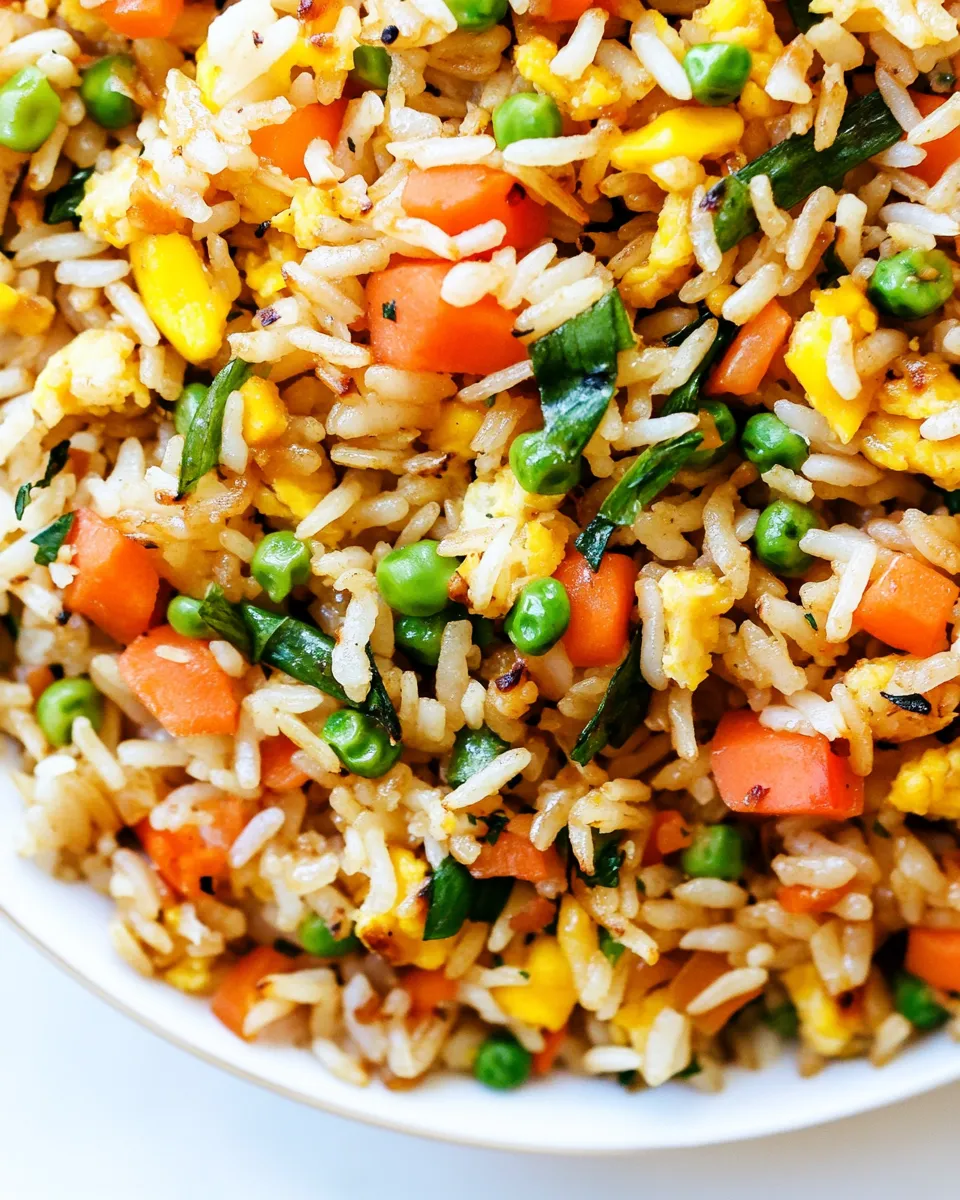
Fried Rice Recipe
Equipment
- Large skilletnonstick
Ingredients
Ingredients
- 1 tablespoonunsalted butter
- 3 largeeggs
- 2 tablespoonsolive oil
- 1/2 cupdiced yellow onion
- 1/2 tablespoonminced garlic2 cloves
- 1/2 tablespoonminced fresh ginger1/2 inch piece
- 1 cupfrozen peas and carrots
- 1/2 cupfrozen corn
- 2 cupscooked ricefrom the fridge see note 1
- 3/4 cupgreen onionsthinly sliced
- 1 tablespoonoyster sauce
- 1/2 teaspoonchicken bouillon powder
- 1 tablespoonreduced-sodium soy sauce
- 1/4 teaspoonwhite pepperor black pepper
- 1 teaspoonrice vinegar
- 1 teaspoonsesame oilor toasted sesame oil
Instructions
Instructions
- Whisk together the oyster sauce, chicken bouillon powder, reduced-sodium soy sauce, white pepper, and rice vinegar in a small bowl. Do not add the sesame oil. Set the sauce aside.
- Prep the aromatics and vegetables: dice the yellow onion, mince the garlic, mince the fresh ginger, and thinly slice the green onions. Keep the frozen peas and carrots and frozen corn in the freezer until ready to add. Make sure the cooked rice is cold (from the fridge) and break up any large clumps with a fork.
- Crack the eggs into a small bowl and whisk until combined.
- Heat a large nonstick skillet over medium-high heat and add the unsalted butter. Once the butter is melted and sizzling, pour in the whisked eggs. Swirl the pan so the eggs form a thin layer.
- Cook the eggs for about 30–45 seconds until mostly set, using a silicone spatula to gently push and fold the eggs so they cook evenly but remain soft. Transfer the eggs to a plate and cover loosely to keep warm.
- Add the olive oil to the same skillet and increase the heat to high. Add the diced onion and stir for 3–4 minutes, until the onion is beginning to turn translucent.
- Add the minced garlic and minced ginger and stir for about 20 seconds, until fragrant.
- Add the frozen peas and carrots and the frozen corn (no need to thaw). Stir and cook for 2–3 minutes, until the vegetables are defrosted and most of the excess water has evaporated.
- Add the cold cooked rice to the skillet, breaking up any remaining clumps, then pour in the prepared sauce from step 1. Stir and cook for 1½–2 minutes, until the sauce evenly coats the rice and vegetables.
- Return the cooked eggs to the skillet along with the thinly sliced green onions. Stir everything together until combined and heated through. Taste and adjust seasoning if desired.
- Remove the skillet from the heat, drizzle the sesame oil over the fried rice, toss once to distribute, and serve hot.
Notes
Note 1
: If you don’t have leftover rice, here’s what to do: spread freshly cooked rice out on a sheet pan (lined for quick cleanup) while it’s still hot and let it stand for a few minutes. Stick the pan in the fridge (or better, the freezer), until chilled through.
Storage
: Store leftover fried rice in an airtight container in the fridge for up to 4 days. Reheat in a skillet with a splash of water or oil to refresh the texture.