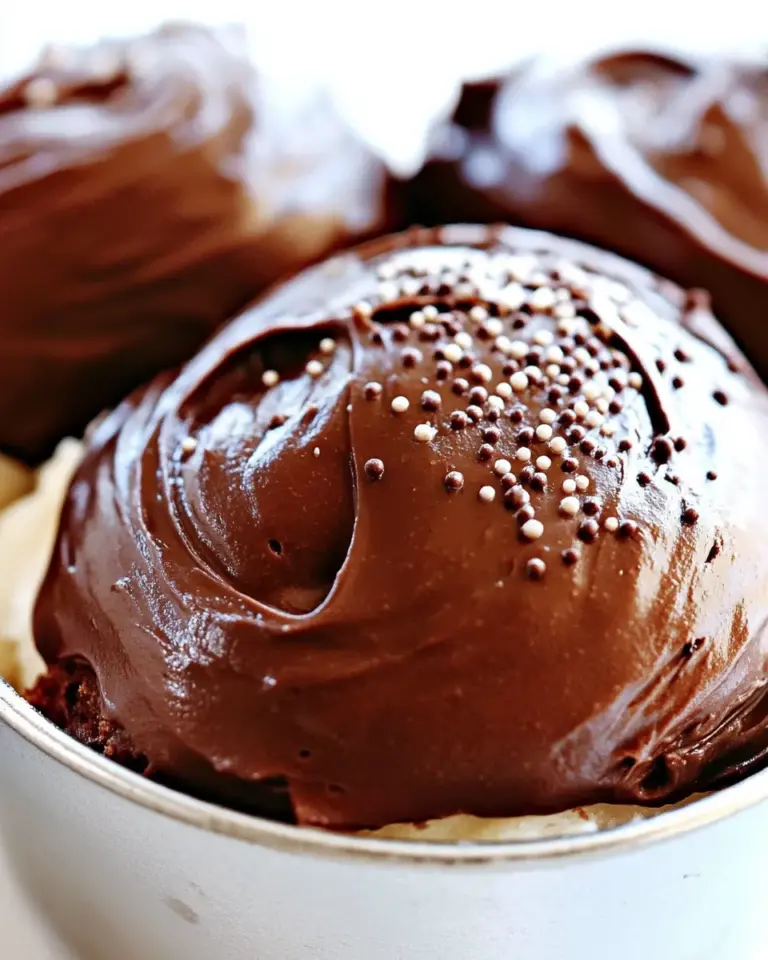
These Butterfinger Balls are the sort of no-fuss, crowd-pleasing candy I reach for when I want something decadent without a full afternoon of fussing in the kitchen. Crunchy, peanut-buttery centers studded with crushed Butterfinger bars get a glossy chocolate coat that snaps when you bite in. They feel homemade and special but actually come together fast.
I developed this version after testing a few batch sizes and chilling times. The combination of powdered sugar and graham cracker crumbs creates a dough that presses and rolls easily. The Butterfinger adds a light, brittle crunch; the crunchy peanut butter keeps the interior robust so the balls don’t collapse when dipped.
You’ll find the recipe forgiving. A 1-inch scoop keeps pieces uniform for even coating. If you need to speed things up, the fridge is your friend. Read on for a clear ingredient list, the exact process to follow, and tips from the test kitchen so your Butterfinger Balls come out consistent every time.
What to Buy

Shop with a short list in mind. Buy a full 24-oz package of chocolate almond bark or candy coating — you need enough for even coverage. Get crunchy peanut butter (this recipe relies on that texture), a 16-oz box of powdered sugar, graham cracker crumbs, and five Butterfinger bars. If you prefer, buy a 1-inch scoop and some parchment paper so cleanup is effortless.
Ingredients
- 1 (16-oz) box powdered sugar — provides sweetness and structure so the mixture firms up into rollable dough.
- 2½ cups graham cracker crumbs — adds bulk and a slightly toasty flavor while absorbing moisture.
- 5 (1.9-oz) Butterfinger bars, crushed — the signature crunchy candy pieces for texture and flavor.
- 1¼ cup butter, melted — binds the dry ingredients and adds richness.
- 1½ cups crunchy peanut butter — gives peanut flavor and a bit of chew; the crunch helps the interior hold together.
- 1 (24-oz) package chocolate almond bark or chocolate candy coating — melts smoothly for dipping and sets with a shiny finish.
Cooking Butterfinger Balls (Butterfinger Buckeye Balls): The Process
- Place the 16-oz box powdered sugar, 2½ cups graham cracker crumbs, crushed Butterfinger bars, melted butter, and 1½ cups crunchy peanut butter in a large mixing bowl.
- Stir the ingredients with a sturdy spoon or rubber spatula until the mixture is evenly combined and holds together when pressed.
- Using a 1-inch scoop or your hands, shape the mixture into 1-inch balls and arrange them on a baking sheet lined with parchment or wax paper.
- Refrigerate the balls for 30 minutes.
- Melt the 24-oz package of chocolate almond bark or candy coating according to the package directions until smooth.
- Remove the chilled balls from the refrigerator. Working one at a time, dip each ball into the melted chocolate using a fork or dipping tool, letting excess chocolate drip back into the bowl, then place the dipped ball back on the lined baking sheet.
- Let the chocolate set at room temperature until firm, or refrigerate the sheet for 15–30 minutes to speed setting.
What Makes This Recipe Special

There are a few things that set these Butterfinger Balls apart. First, the crunch-to-creamy contrast: crushed Butterfinger adds shards of brittle candy against a soft, peanut-butter-forward center. The graham cracker crumbs and powdered sugar create a firm but tender dough that holds its shape when scooped and dipped.
Second, the recipe scales well without changing technique. Use a 1-inch scoop for uniformity and you’ll get a neat batch that sets evenly. Because the chocolate coating is almond bark or candy coating, you get a clean, glossy finish and a firm bite that won’t weep or soften at room temperature.
Finally, the texture is reliable. The 30-minute chill firms the centers enough to prevent them from breaking apart during dipping, and the candy coating sets quickly so you can stack or pack the finished candies within an hour.
Ingredient Flex Options

Small swaps can tailor these balls to your pantry or taste. Keep in mind the ingredients below are suggested options based on the base recipe, not new proportions.
- Peanut butter texture — This recipe uses crunchy peanut butter for interior bite. If you prefer a smoother center, you can use creamy peanut butter; the mixture will be slightly less textural but still hold together.
- Chocolate coating choices — The recipe lists chocolate almond bark or chocolate candy coating. Either works; almond bark tends to melt and set a little sturdier, while some candy coatings come in white or dark options if you want a different finish.
- Butterfinger intensity — The recipe calls for five 1.9-oz bars crushed. Add a little more or less based on how prominent you want that crunchy candy flavor to be.
- Graham cracker crumbs — These add absorbency and flavor. If you’re out, fine cookie crumbs would play a similar structural role, but stick to a neutral-flavored cracker or cookie for best results.
Tools & Equipment Needed
- Large mixing bowl — to combine powdered sugar, crumbs, peanut butter, butter, and crushed candy.
- Sturdy spoon or rubber spatula — for mixing thick dough without breaking your wrist.
- 1-inch scoop or your hands — a scoop gives uniform balls; hands work fine if you don’t have one.
- Baking sheet lined with parchment or wax paper — for easy removal and cleanup.
- Refrigerator — for chilling the formed balls for 30 minutes.
- Microwave-safe bowl or double boiler — to melt the chocolate almond bark or candy coating according to package directions.
- Fork or dipping tool — to dip and transfer the balls cleanly into and out of the melted chocolate.
Avoid These Mistakes
- Skipping the chill — if you don’t refrigerate the balls, they’re more likely to fall apart in the chocolate. The 30-minute chill is the simplest, most reliable fix.
- Overheating the coating — follow package directions when melting almond bark or coating. Overheating can cause graininess or burning, which ruins the finish.
- Uneven ball size — inconsistent sizing leads to uneven coating and setting. Use a 1-inch scoop for consistent results.
- Not letting excess chocolate drip — if you rush and don’t let excess chocolate drip back into the bowl, you’ll end up with huge blobs and longer setting times.
- Using watery peanut butter — if your peanut butter is unusually oily or watery, the mixture may be too loose. Stir the jar well and measure by volume to match the texture assumption of the recipe.
In-Season Flavor Ideas
Tweak the finish to match holidays and seasons without changing the core recipe.
- Holiday crunch — after dipping, immediately sprinkle a few extra crushed Butterfinger pieces on top while the coating is still wet for a festive, crunchy finish.
- White chocolate for winter — swap in a white candy coating (a variant of the listed chocolate coating) and add a quick drizzle of dark coating for contrast.
- Party presentation — for birthdays or celebrations, dip half the batch and roll the wet coating in finely crushed Butterfinger or graham crumbs for variety.
Notes from the Test Kitchen
We tested texture and timing to land on the 30-minute chill and the 1-inch size. Smaller than 1 inch becomes fiddly for dipping. Larger than an inch needs more coating and more chill time to stabilize. When mixing, stir until the mixture holds together when pressed; if it’s crumbly, keep mixing until the wet ingredients have evenly distributed.
We also found that cooling the dipped balls on parchment prevents sticking and keeps the bottom flat and neat. If you’re working with kids, let them roll the centers and place them on the sheet — dipping is easier for an adult or someone steady-handed.
Keep It Fresh: Storage Guide
Store finished Butterfinger Balls in an airtight container. If kept at room temperature in a cool, dry place, they’ll maintain texture for several days; refrigeration speeds setting and prolongs shelf life.
- Room temperature: Keep in a cool, dry place for up to 1 week (best if eaten within a few days).
- Refrigerator: Store in an airtight container for up to 2 weeks; let sit 10 minutes at room temp before serving for best flavor.
- Freezer: Freeze in a single layer on a tray until solid, then transfer to a sealed container for up to 3 months. Thaw in the fridge before serving.
Ask & Learn
Q: My centers are too soft after chilling. What happened?
A: If the mixture didn’t have enough graham crumbs or powdered sugar distributed, it can remain soft. Make sure to measure and mix until the mixture holds together when pressed. Refrigerating a little longer helps firm them up.
Q: Can I double the recipe?
A: Yes. Double everything and mix in a suitably large bowl. Work in batches when scooping and dipping so chilling and coating remain consistent.
Q: The coating looks dull. Why?
A: That’s often due to overheating or moisture in the coating. Follow the candy coating package directions closely and avoid introducing any water to the melted coating.
Before You Go
These Butterfinger Balls are quick, dependable, and endlessly shareable. Keep the ingredients on hand and you can whip up a batch for parties, cookie exchanges, or a simple after-dinner treat. The steps are straightforward: combine, chill, melt, dip, and set. Follow the process, and you’ll have glossy, crunchy-sweet little candies that disappear fast.
If you try the recipe, take a photo and note what you changed. Little adjustments—extra crushed Butterfinger on top, white coating instead of dark—can personalize the candies to your household. Enjoy baking, and come back if you want troubleshooting or flavor ideas tailored to your pantry.

Butterfinger Balls (Butterfinger Buckeye Balls)
Equipment
- Cookie Scoop
Ingredients
Ingredients
- 1 16-ozbox powdered sugar
- 2 1/2 cupsgraham cracker crumbs
- 5 1.9-ozButterfinger bars, ,crushed
- 1 1/4 cupbutter ,melted
- 1 1/2 cupscrunchy peanut butter
- 1 24-ozpackage chocolate almond bark or chocolate candy coating
Instructions
Instructions
- Place the 16-oz box powdered sugar, 2½ cups graham cracker crumbs, crushed Butterfinger bars, melted butter, and 1½ cups crunchy peanut butter in a large mixing bowl.
- Stir the ingredients with a sturdy spoon or rubber spatula until the mixture is evenly combined and holds together when pressed.
- Using a 1-inch scoop or your hands, shape the mixture into 1-inch balls and arrange them on a baking sheet lined with parchment or wax paper.
- Refrigerate the balls for 30 minutes.
- Melt the 24-oz package of chocolate almond bark or candy coating according to the package directions until smooth.
- Remove the chilled balls from the refrigerator. Working one at a time, dip each ball into the melted chocolate using a fork or dipping tool, letting excess chocolate drip back into the bowl, then place the dipped ball back on the lined baking sheet.
- Let the chocolate set at room temperature until firm, or refrigerate the sheet for 15–30 minutes to speed setting.
Notes
You can make these Butterfinger Balls several days in advance and store them in an air-tight container until you are ready to serve them.
Decorate the balls with any color sprinkles – Christmas, valentines, birthday sprinkles, or your favorite team colors.
This recipe makes about 3 or 4 dozen, depending on how big you make the balls.