This pound cake is straightforward, dependable, and the kind of dessert that becomes part of the family routine. There’s no racing to reinvent anything here — just a solid formula that delivers a fine crumb, buttery richness, and enough density to hold a generous slice without collapsing. I love it because it’s honest: it uses simple pantry staples and a gentle technique to get impressive results.
I test recipes until they stand up on their own, and this one did every single time. The low oven temperature and the addition of cream cheese make the cake tender without being fragile. It slices beautifully for coffee, brunch, or a celebration; it also freezes well if you want to portion ahead.
Below I walk you through the essentials, the exact ingredient notes, and the step-by-step method. I’ll also share the small errors I chased during testing, sensible swaps if you need them, and practical tips for make-ahead and serving. No fluff — just the real, useful details you’ll use every time you bake.
The Essentials
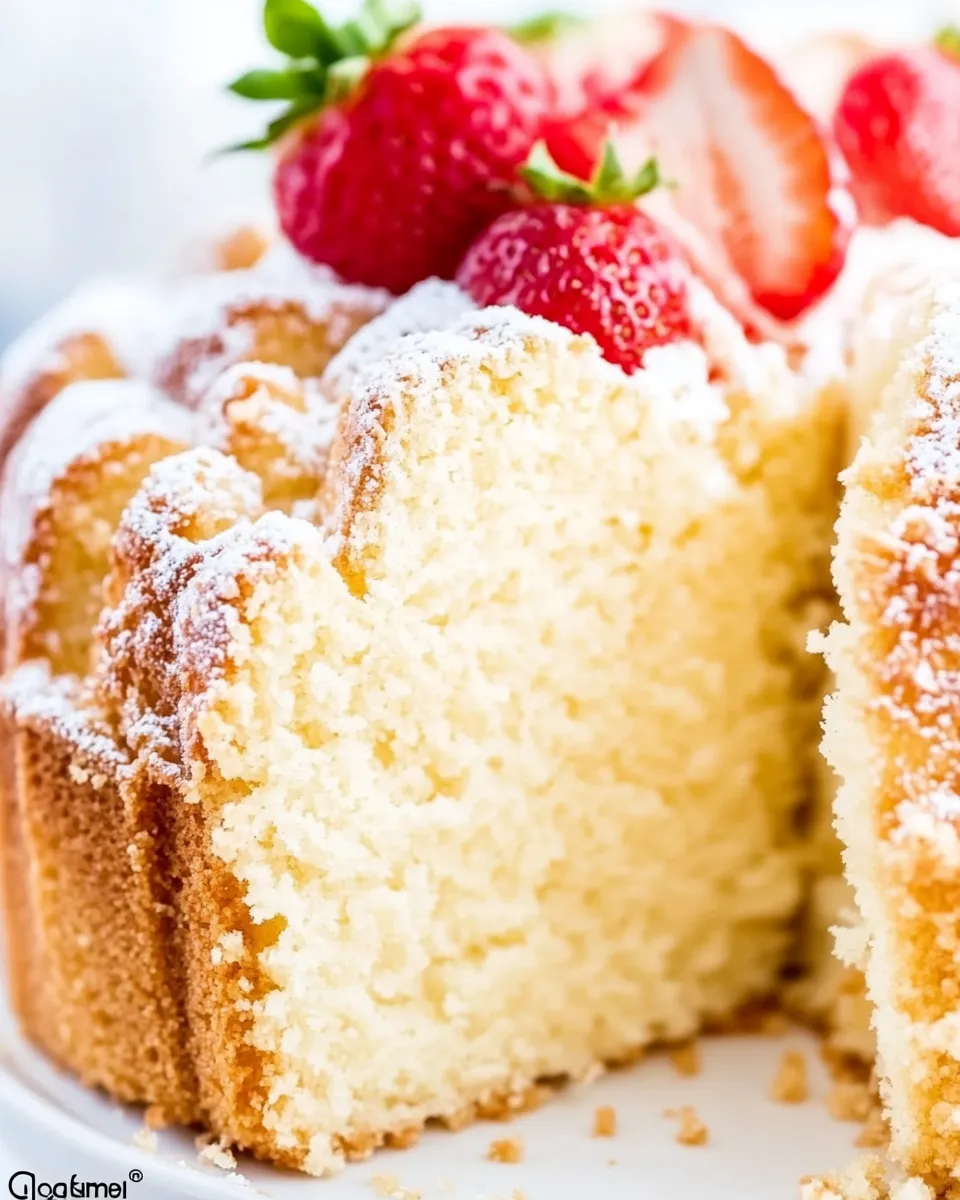
Temperature and timing are the backbone of this recipe: bake at 300°F (150°C) for a long, slow roast that encourages even rise and a fine crumb. Use a 12-cup Bundt pan and prepare it well so the cake releases cleanly after a short rest in the pan.
Key texture drivers here are the superfine sugar for a smooth batter, the room-temperature butter and cream cheese for aeration when beaten, and mixing the flour in thirds to avoid overworking the gluten. Expect about 1 hour 20 minutes to 1 hour 30 minutes in the oven; check with a wooden pick for a clean center or only a few moist crumbs.
Ingredients
- 3 cups superfine sugar — helps dissolve quickly for a silky batter and fine crumb.
- 1 1/2 cups unsalted butter, at room temperature — the primary fat for tenderness and flavor; room temperature ensures smooth creaming.
- 6 ounces cream cheese, at room temperature — adds moisture and tang, keeping the cake tender and not heavy.
- 4 large eggs, at room temperature — structure and lift; room temperature eggs incorporate more evenly.
- 2 large egg yolks, at room temperature — extra richness and silkiness without adding liquid.
- 1/4 cup half-and-half — a small amount of dairy to loosen the batter and add tenderness.
- 2 teaspoons vanilla extract — flavor backbone; use pure vanilla for the best result.
- 3 cups all-purpose flour — the dry structure; measure carefully to avoid a dry cake.
- 1 teaspoon salt — balances sweetness and enhances overall flavor.
Step-by-Step: Classic Southern Pound Cake
- Preheat the oven to 300°F (150°C). Place a rack in the center of the oven. Spray a 12-cup Bundt pan thoroughly with baking spray.
- In the bowl of a stand mixer fitted with the paddle attachment, combine 3 cups superfine sugar, 1 1/2 cups unsalted butter (at room temperature), and 6 ounces cream cheese (at room temperature). Beat on medium-high speed until the mixture is very fluffy and pale, about 5 to 8 minutes.
- With the mixer on low speed, add 4 large eggs one at a time, waiting until each egg is mostly incorporated before adding the next. Stop to scrape down the sides and bottom of the bowl as needed so the mixture is uniform.
- Add 2 large egg yolks, 1/4 cup half-and-half, and 2 teaspoons vanilla extract. Beat on low speed just until these ingredients are evenly combined.
- In a separate medium bowl, whisk together 3 cups all-purpose flour and 1 teaspoon salt until evenly mixed.
- With the mixer on low speed, add the flour mixture to the batter in three roughly equal additions, mixing each addition just until incorporated. Scrape down the sides and bottom of the bowl about halfway through the additions and again after the final addition. Avoid overmixing.
- Transfer the batter to the prepared 12-cup Bundt pan, smoothing the top with a spatula or the back of a spoon.
- Bake on the center rack for 1 hour 20 minutes to 1 hour 30 minutes, or until a wooden pick inserted into the center comes out clean or with a few moist crumbs attached.
- Remove the pan from the oven and place it on a wire rack. Let the cake cool in the pan for 10 minutes.
- After 10 minutes, invert the Bundt pan onto the wire rack to release the cake. Let the cake cool completely before slicing and serving.
Why This Classic Southern Pound Cake Stands Out
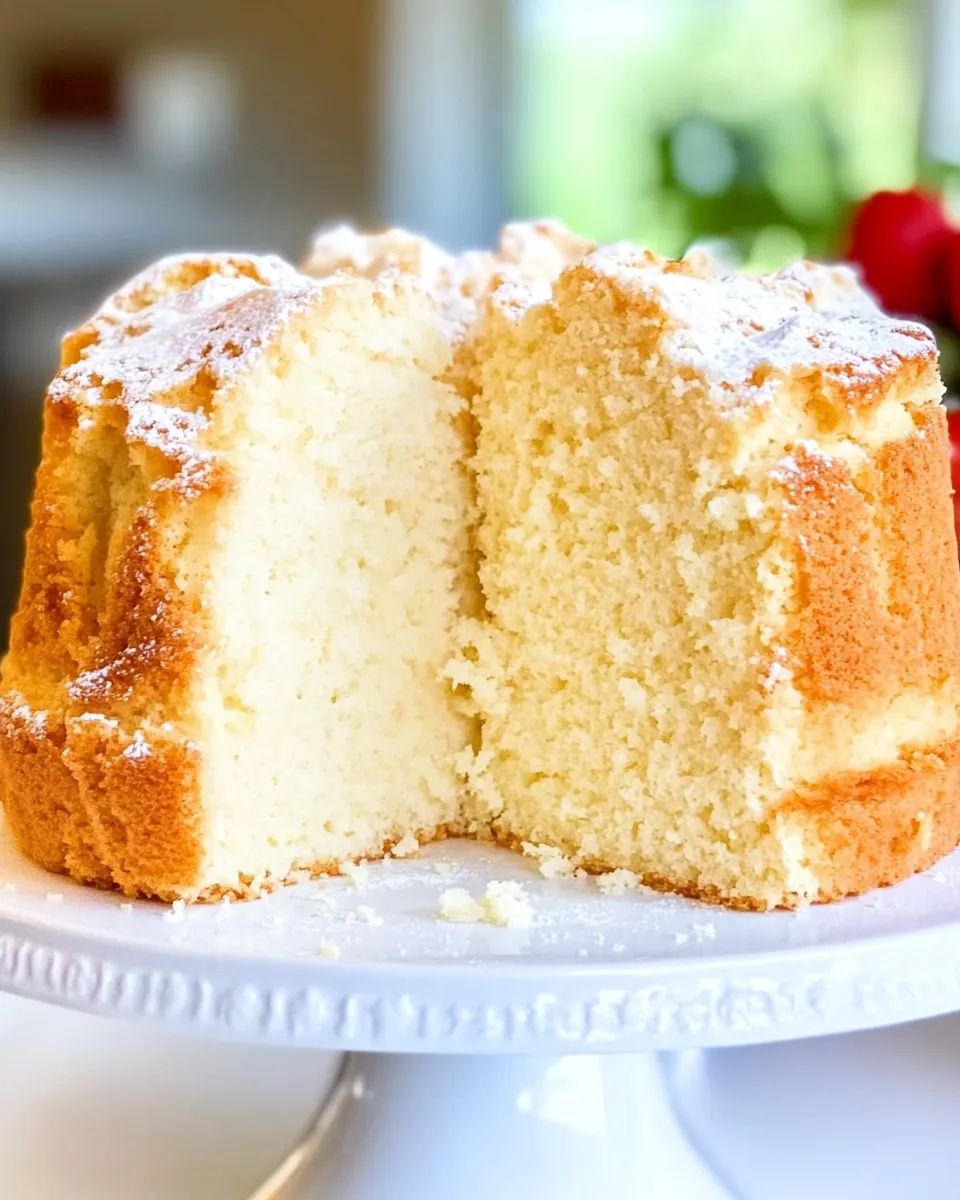
There are two small technical choices that deliver big results here. One is the cream cheese: it fights dryness and lends a subtle tang that lifts the otherwise rich buttery flavor. The second is the low oven temperature. Pound cakes are dense; high heat gives the outside too much browning before the center sets. Baking at 300°F encourages an even bake and a velvety crumb.
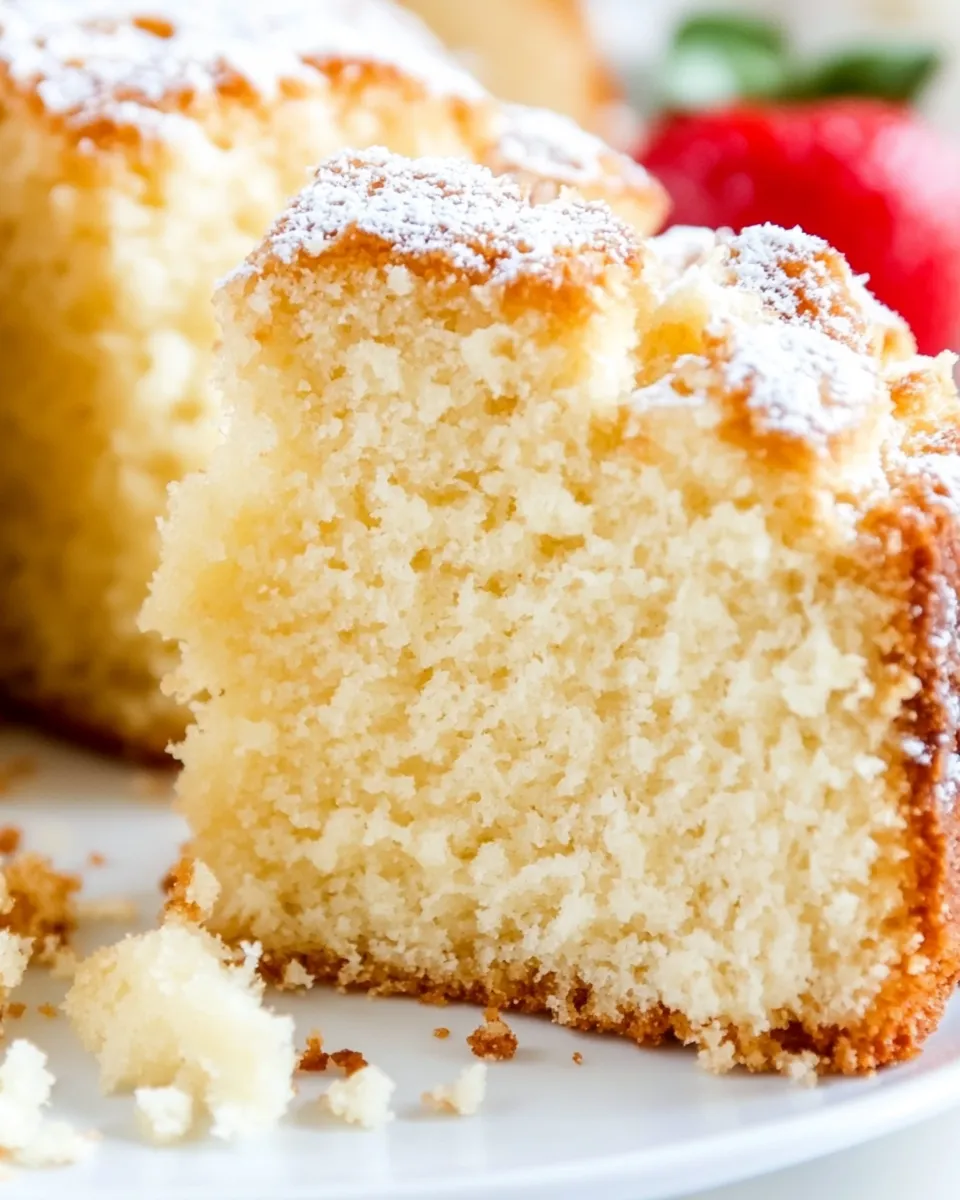
The superfine sugar is another unsung hero. It dissolves faster than regular granulated sugar, producing a smoother batter and a finer texture in the finished cake. When you combine that with careful mixing — especially adding the flour in thirds and stopping as soon as it’s incorporated — you get a tender cake that still slices cleanly.
Vegan & Vegetarian Swaps
Vegetarian: This recipe is already vegetarian-friendly as written (no gelatin or meat-based ingredients).
Vegan swaps (trade ingredients thoughtfully):
- Replace unsalted butter with a solid vegan butter at the same volume; use a brand formulated for baking for best results.
- Swap cream cheese for a high-fat plant-based cream cheese made for baking; texture matters more than label.
- Replace eggs with a reliable egg replacer or the equivalent aquafaba (three tablespoons aquafaba per egg is a commonly used guideline — test for rise and texture). Note: egg swaps will change structure and may require small timing adjustments.
- Replace half-and-half with full-fat plant milk (e.g., oat or soy) to maintain richness.
What’s in the Gear List
- 12-cup Bundt pan — a properly sized pan is essential for the bake time and shape.
- Baking spray — or a pan release of butter and flour; prevents sticking.
- Stand mixer with paddle attachment — makes creaming and aeration easy and consistent.
- Medium mixing bowl — for whisking flour and salt.
- Spatula and wooden pick — spatula to smooth batter, wooden pick to test doneness.
- Wire rack — for cooling the cake evenly after baking.
Easy-to-Miss Gotchas
1) Room temperature ingredients matter. Cold butter or cream cheese won’t cream properly, and cold eggs can cause the batter to seize. Plan ahead and set them out for 30–60 minutes.
2) Measuring flour. Scoop-and-level can pack flour and yield a dry cake. Use a kitchen scale if possible, or spoon flour into the measuring cup and level with a knife.
3) Don’t overmix once the flour goes in. Mix only until combined; overworking develops gluten and makes the crumb tough.
4) Prepare the Bundt pan thoroughly. Even tiny pockets of batter stuck to the pan can tear the cake when unmolding. Use a good spray or grease and flour the crevices.
5) Resist pulling the cake out too early. The center may still look slightly soft even when set; use a wooden pick for a reliable check.
Seasonal Serving Ideas
Spring and summer: Serve slices with macerated berries and a spoonful of lightly whipped cream; the fruit’s acidity balances the richness.
Fall: Warm slices briefly and serve with a scoop of vanilla ice cream and a drizzle of warm caramel or a dusting of toasted pecans.
Winter holidays: Pair with spiced compote (think poached pears or cranberries) and a sprinkling of powdered sugar for a simple, elegant presentation.
What I Learned Testing
My first test bakes came out denser than expected when I shorted beating time for the butter, sugar, and cream cheese. That 5–8 minute window in the instructions is important — you want volume. Also, the oven temperature must be consistent. I tested in two ovens and one ran hotter by about 10–15°F; in that oven the top browned too much and the center lagged. An oven thermometer is a small investment that pays off with consistent results.
Another lesson: timing the unmolding. Ten minutes in the pan is the sweet spot — less and it can stick, more and steam can soften the exterior. Finally, I confirmed that superfine sugar makes a tangible difference in texture; regular granulated sugar gives a slightly more open crumb.
Make Ahead Like a Pro
Fully cooled, this pound cake stores well. Wrap it tightly in plastic wrap and keep at room temperature for up to 3 days. For longer storage, freeze whole or sliced. To freeze, wrap in plastic and then foil, or place slices in an airtight container separated by parchment. Thaw at room temperature; if you like it warm, give individual slices 10–12 seconds in the microwave or 10–15 minutes in a 325°F (160°C) oven.
Handy Q&A
Q: Can I use a different pan?
A: A 12-cup Bundt is recommended for bake time and shape. A tube pan of similar capacity may work but watch the bake time and test with a pick.
Q: My cake browned on top but was underdone in the middle. What went wrong?
A: Likely your oven runs hot or the pan was too close to the top heating element. Move the rack to the center, check oven temperature with a thermometer, and consider tenting very lightly with foil in the final 20 minutes if browning too fast.
Q: Can I add mix-ins like chocolate chips or citrus zest?
A: You can, but add-ins alter texture and may affect bake time. For citrus, remove a tablespoon or two of flour if adding zest to keep balance. For chips, toss them in a tablespoon of flour before folding into the batter to prevent sinking.
Q: Why use both whole eggs and extra yolks?
A: The yolks add richness without additional liquid, contributing to a silky crumb and richer mouthfeel.
Final Thoughts
This Classic Southern Pound Cake is one of those dependable recipes you’ll return to when you want something comforting and unfussy that still looks and tastes like you took time. The technique is approachable: cream long enough, add eggs one at a time, fold in flour in thirds, and bake low and slow. A few small details — room-temperature dairy, superfine sugar, and a well-prepared pan — make a big difference.
Bake it for a weekend brunch, bring it to a neighbor, or freeze some for weekday surprises. It’s forgiving, versatile, and exactly the sort of cake you’ll feel good about serving. If you try it, tell me how you served it — I’m always excited to hear new combinations that work.
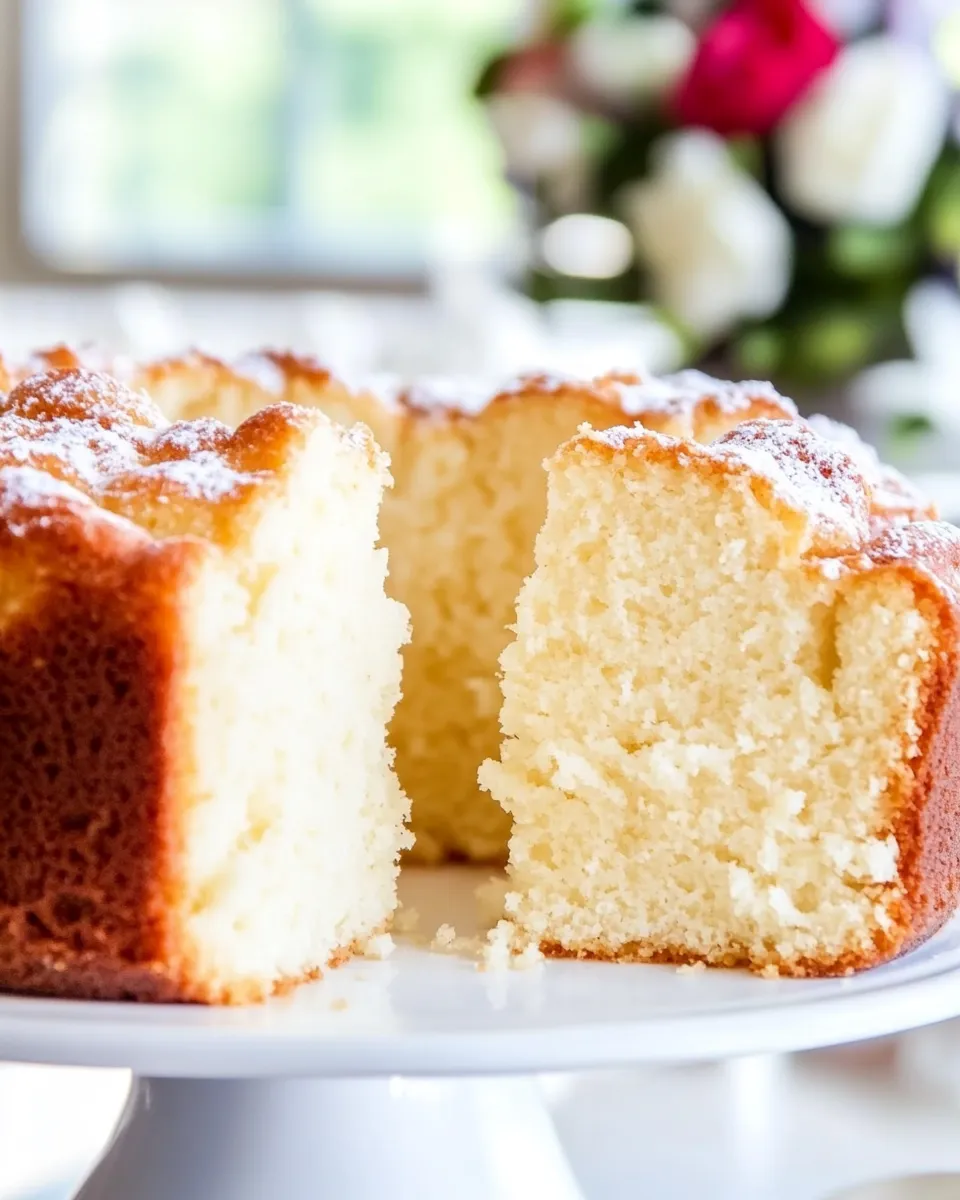
Classic Southern Pound Cake
Equipment
- 12-cup bundt pan
Ingredients
Ingredients
- 3 cupssuperfine sugar
- 1 1/2 cupsunsalted butter ,at room temperature
- 6 ouncescream cheese ,at room temperature
- 4 largeeggs ,at room temperature
- 2 largeegg yolks ,at room temperature
- 1/4 cuphalf-and-half
- 2 teaspoonsvanilla extract
- 3 cupsall-purpose flour
- 1 teaspoonsalt
Instructions
Instructions
- Preheat the oven to 300°F (150°C). Place a rack in the center of the oven. Spray a 12-cup Bundt pan thoroughly with baking spray.
- In the bowl of a stand mixer fitted with the paddle attachment, combine 3 cups superfine sugar, 1 1/2 cups unsalted butter (at room temperature), and 6 ounces cream cheese (at room temperature). Beat on medium-high speed until the mixture is very fluffy and pale, about 5 to 8 minutes.
- With the mixer on low speed, add 4 large eggs one at a time, waiting until each egg is mostly incorporated before adding the next. Stop to scrape down the sides and bottom of the bowl as needed so the mixture is uniform.
- Add 2 large egg yolks, 1/4 cup half-and-half, and 2 teaspoons vanilla extract. Beat on low speed just until these ingredients are evenly combined.
- In a separate medium bowl, whisk together 3 cups all-purpose flour and 1 teaspoon salt until evenly mixed.
- With the mixer on low speed, add the flour mixture to the batter in three roughly equal additions, mixing each addition just until incorporated. Scrape down the sides and bottom of the bowl about halfway through the additions and again after the final addition. Avoid overmixing.
- Transfer the batter to the prepared 12-cup Bundt pan, smoothing the top with a spatula or the back of a spoon.
- Bake on the center rack for 1 hour 20 minutes to 1 hour 30 minutes, or until a wooden pick inserted into the center comes out clean or with a few moist crumbs attached.
- Remove the pan from the oven and place it on a wire rack. Let the cake cool in the pan for 10 minutes.
- After 10 minutes, invert the Bundt pan onto the wire rack to release the cake. Let the cake cool completely before slicing and serving.
Notes
Be sure to use a good quality baking spray. I have good results with Baker’s Joy.