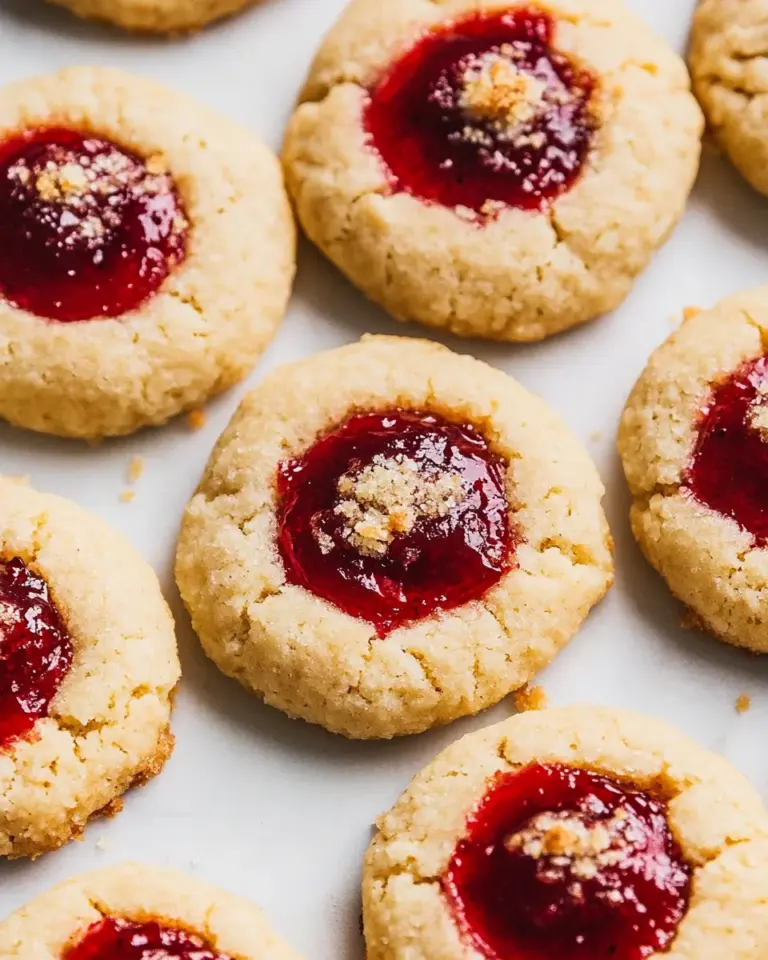
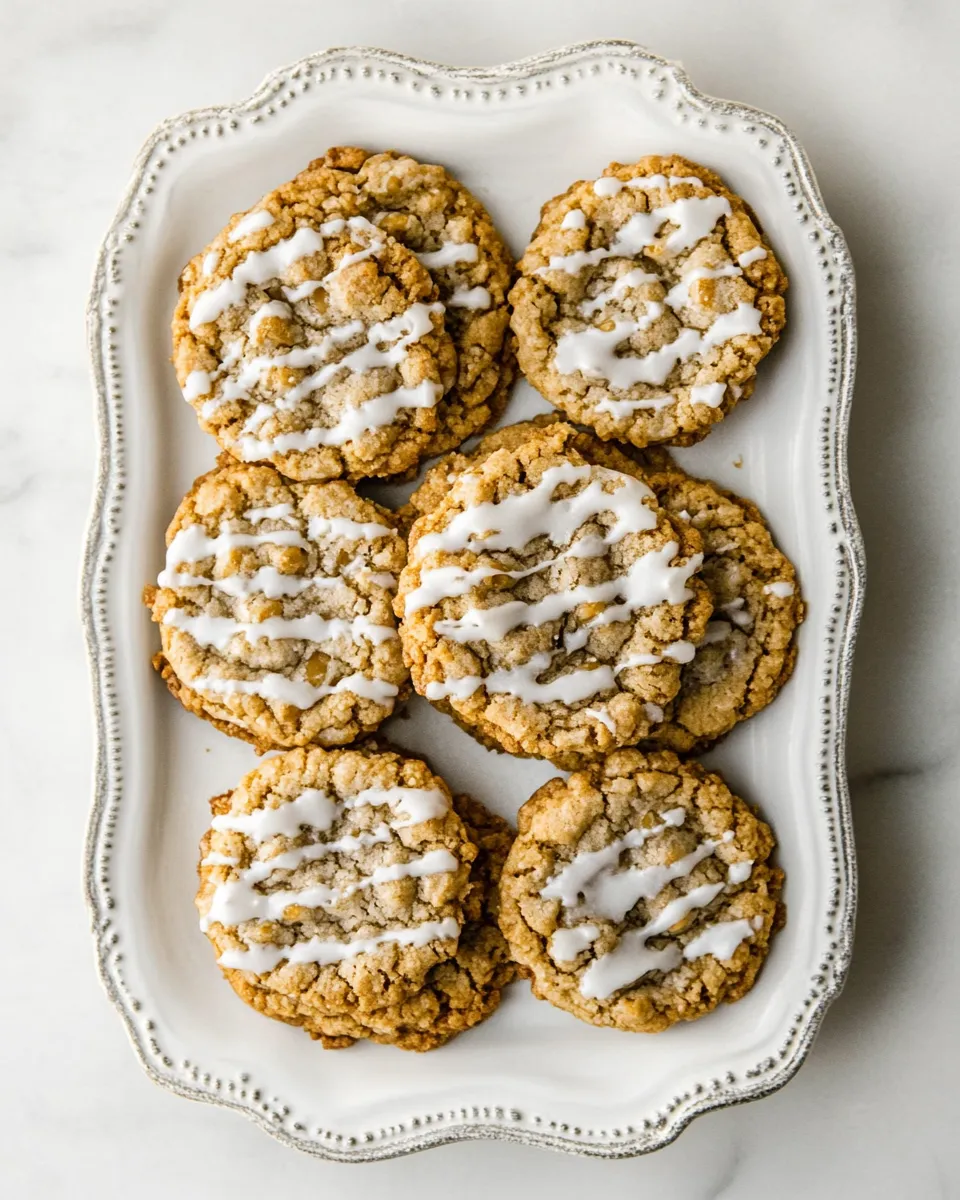
These Coffee Cake Cookies are exactly what you reach for when you want the cinnamon-sugar comfort of coffee cake in a grab-and-go cookie. They pair a tender, slightly crumbly cookie base with a buttery streusel and a simple vanilla glaze. The result is a cookie that tastes like a cozy morning but works equally well for afternoon coffee, lunchbox treats, or a small celebration.
I bake these when I want something that looks special without a lot of fuss. The dough is straightforward to make, the streusel comes together in minutes, and the glaze is flexible so you can control how sweet and shiny you want the final cookie to be. The texture is the key here: soft cookie, crumbly streusel, and a thin glaze that ties everything together.
Below you’ll find everything in one place — what to buy, the exact steps to follow, handy swaps, tools that make the job easier, and troubleshooting notes so you get repeatable results. I keep these in my regular rotation when I want a treat that feels homey but still polished enough for guests.
What You’ll Need
Plan for a single-batch bake that fills two parchment-lined baking sheets. You’ll need basic pantry staples, a few pieces of common bakeware, and a mixer for an effortless, light cookie dough. Read through the steps once before starting so you can chill the streusel and have the glaze ready when the cookies are cool.
Ingredients
- 6 tablespoons all-purpose flour — for the streusel base; adds structure to those buttery crumbs.
- 2 tablespoons granulated sugar — balances the brown sugar in the streusel with a clean sweetness.
- 2 tablespoons packed brown sugar — gives the streusel a touch of molasses flavor and chew.
- ½ teaspoon ground cinnamon — cinnamon in the streusel for warm spice.
- ⅛ teaspoon salt — sharpens the streusel flavors.
- 3 tablespoons unsalted butter, cold — cut into the streusel to make coarse, tender crumbs.
- ½ cup unsalted butter, room temperature — creamed into the cookie dough for richness and lift.
- ½ cup brown sugar, packed — soft, caramel notes in the dough and moisture.
- ⅓ cup granulated sugar — adds sweetness and helps the cookie structure.
- 1 large egg, room temperature — binds the dough and contributes to tenderness.
- ½ teaspoon vanilla extract — flavor enhancer for the cookie dough.
- 2 cups all-purpose flour — main structure for the cookies.
- 2 tablespoons cornstarch — softens the texture so the cookies feel delicate.
- 1 teaspoon baking powder — provides gentle rise.
- ½ teaspoon baking soda — works with the brown sugar for lift and browning control.
- ½ teaspoon ground cinnamon — cinnamon inside the dough for consistent warmth.
- ½ teaspoon salt — balances sweetness and rounds flavors.
- ¾ cup powdered sugar — base for the glaze; fine and smooth.
- 2 tablespoons milk — thins the glaze to a drizzleable consistency; add gradually.
- ¼ teaspoon vanilla extract, optional — adds aroma to the glaze when desired.
Coffee Cake Cookies in Steps
- Preheat the oven to 350 degrees Fahrenheit and line 2 baking sheets with parchment paper.
- Make the streusel: in a small bowl whisk together 6 tablespoons all-purpose flour, 2 tablespoons granulated sugar, 2 tablespoons packed brown sugar, ½ teaspoon ground cinnamon, and ⅛ teaspoon salt.
- Add 3 tablespoons cold unsalted butter to the flour mixture and cut it in with a pastry cutter, fork, or clean hands until the mixture forms coarse crumbs with no large pieces of butter. Cover and refrigerate the streusel until the cookie dough is ready to be topped.
- Make the cookie dough: in a large bowl, beat ½ cup room-temperature unsalted butter, ½ cup packed brown sugar, and ⅓ cup granulated sugar on medium-high speed with a hand mixer or stand mixer fitted with the paddle attachment for 3–4 minutes, until light and fluffy.
- Add 1 large room-temperature egg and ½ teaspoon vanilla extract to the butter mixture and mix until combined, scraping down the sides and bottom of the bowl as needed.
- In a medium bowl sift or whisk together 2 cups all-purpose flour, 2 tablespoons cornstarch, 1 teaspoon baking powder, ½ teaspoon baking soda, ½ teaspoon ground cinnamon, and ½ teaspoon salt.
- Add the dry ingredients to the butter mixture and mix until just combined. The dough will be fairly dry and crumbly.
- Use a medium cookie scoop (about 2½ tablespoons) to portion the dough, pressing the dough into the scoop to compact it if needed. Place the scoops on the prepared baking sheets about 2 inches apart.
- Use the back of the cookie scoop (or your thumb) to gently press an indent into the center of each cookie dough mound.
- Remove the chilled streusel from the refrigerator and fill each cookie indent with a generous amount of streusel, pressing lightly so it adheres.
- Bake the cookies for 11–13 minutes, until the edges are set. (The cookies will not brown much, so do not wait for browning.)
- Let the cookies cool on the baking sheet for 2–3 minutes, then transfer them to a cooling rack to cool completely.
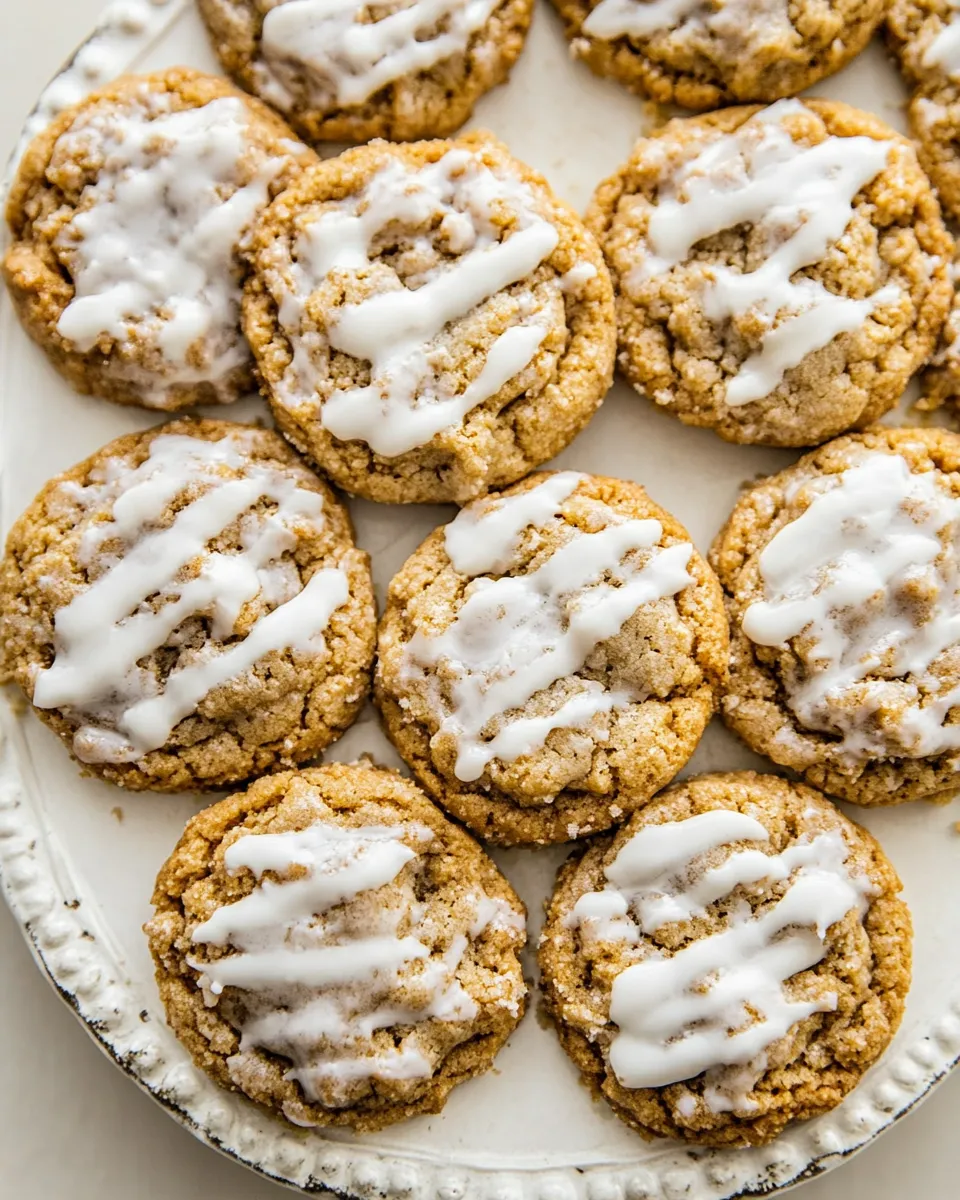
- When the cookies are completely cool, make the glaze: whisk together ¾ cup powdered sugar, 2 tablespoons milk, and ¼ teaspoon vanilla extract (optional) until smooth. If the glaze is too thick, add a little more milk at a time; if it is too thin, add a little more powdered sugar at a time until you reach the desired consistency.
- Drizzle the glaze over the cooled cookies before serving.
Why You’ll Love This Recipe
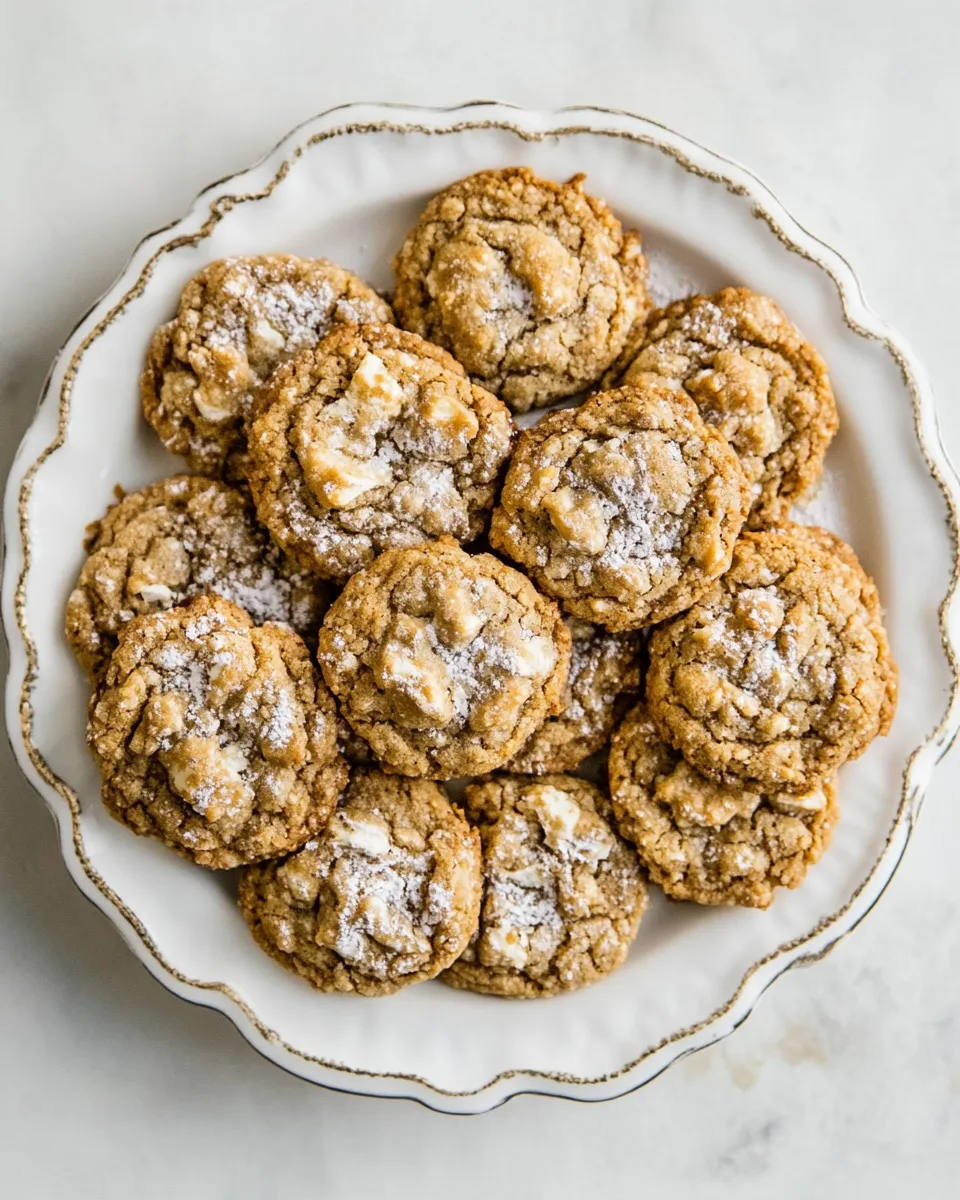
These cookies capture the hallmark textures of coffee cake—crumbly streusel and tender crumb—without the need to slice a loaf. They’re portable, quick to share, and impressive enough to take to a potluck. The streusel baked into the center keeps every bite interesting: you get soft cookie around the edges and that sweet, crunchy center.
The method is forgiving. The dough is intentionally on the drier side, which helps the cookies hold their shape and create a defined pocket for the streusel. The glaze is optional and adjustable, so you can make them sweeter or more understated depending on your mood. If you like cinnamon-forward flavors, these deliver consistently.
Swap Guide
- Unsalted butter — can be swapped 1:1 with salted butter; omit or reduce any added salt to taste.
- Milk (in glaze) — use any dairy or unsweetened non-dairy milk (almond, oat) to thin the glaze.
- Brown sugar — light vs. dark will shift molasses intensity; dark brown sugar gives deeper caramel notes.
- Vanilla extract — replace with a small amount of almond extract for a different but complementary flavor (use sparingly).
- Cornstarch — important for softness; if you must, reduce flour slightly instead of omitting entirely to avoid a denser cookie.
Toolbox for This Recipe
Having the right tools makes these cookies straightforward.
- Stand mixer or hand mixer with paddle attachment — speeds up creaming and gives a light texture.
- Medium bowl and small bowl — one for dry ingredients and one for the streusel.
- Pastry cutter or fork — to cut cold butter into the streusel; your hands work too.
- Medium cookie scoop (about 2½ tablespoons) — ensures even-sized cookies and consistent bake times.
- Parchment-lined baking sheets and a cooling rack — for even baking and proper cooling.
- Small whisk or fork — for mixing the glaze quickly.
Errors to Dodge
- Overbaking — these cookies won’t brown much. Pull them at 11–13 minutes when edges are set; they’ll firm up as they cool.
- Skipping the chill for the streusel — chilled streusel holds its texture and won’t fully melt into the cookie.
- Adding too much milk to the glaze at once — add a little at a time to avoid a glaze that runs off the cookies.
- Using cold eggs — room-temperature eggs mix more evenly and trap air better for a lighter dough.
- Pressing too hard when creating the indent — a shallow well holds the streusel without flattening the cookie mound.
Variations by Season
Small tweaks let these cookies feel seasonal without changing the core recipe.
- Fall — add a pinch of ground nutmeg or swap some brown sugar for dark brown sugar to deepen autumnal spice.
- Winter — fold in a tablespoon of instant espresso powder to the dry ingredients for a subtle coffee accent, or add orange zest to the glaze for brightness.
- Spring — lighten the glaze by adding a teaspoon of lemon juice instead of some milk and sprinkle with finely chopped toasted almonds.
- Summer — top with a dusting of coarse sugar before baking for a little sparkle, and consider a thinner glaze with a touch more milk for a glossy finish.
Little Things that Matter
Measure the flour correctly — spoon it into the cup and level it off rather than scooping to avoid a dry, dense dough. When cutting butter into the streusel, you want visible pea-sized bits so you get pockets of buttery crunch after baking. Use a consistent scoop size so all cookies bake evenly. Finally, wait until cookies are completely cool before glazing; otherwise the glaze will slide off and you’ll lose that pretty finish.
Make-Ahead & Storage
These cookies store well when kept properly. For short-term storage, place cooled cookies in an airtight container at room temperature for up to 3 days. To keep the streusel from softening too much, separate layers with wax or parchment paper.
For longer storage, freeze baked cookies in a single layer on a baking sheet until solid, then transfer to a freezer-safe container or bag for up to 3 months. Thaw at room temperature before glazing or glaze after thawing for the best appearance. You can also freeze unbaked scoops (with streusel on top) on a baking sheet; once frozen solid, transfer to a bag and bake from frozen, adding a couple of minutes to the bake time.
Helpful Q&A
Q: My streusel sank or disappeared during baking—what happened?
A: The most common cause is using streusel that’s too soft or warm. Make sure the 3 tablespoons of unsalted butter are cold and that you chill the streusel until the dough is ready. Press the streusel lightly into the indentation so it adheres but still has texture.
Q: Can I make the dough entirely by hand?
A: Yes. The dough will be a bit more work to beat by hand, but focus on creaming the ½ cup butter with the sugars until light, and then combine the dry ingredients until just mixed. The texture should remain fairly dry and crumbly as described.
Q: My cookies spread too much—how can I prevent that?
A: Make sure your butter was at room temperature but not overly soft or oily. The dough is intentionally drier than many cookie doughs; if your dough feels too soft, briefly chill it before scooping. Also confirm your oven is at 350°F; an oven thermometer helps.
Q: Can I skip the cornstarch?
A: Cornstarch contributes to the tender, soft texture. If you omit it, you may end up with a slightly firmer cookie. If you must skip it, try reducing the flour by a tablespoon or two to compensate.
Q: How thick should the glaze be?
A: Aim for a glaze that easily drizzles but holds a slight line once it lands. Start with 2 tablespoons milk and add a drop at a time if too thick, or a teaspoon powdered sugar if too thin.
The Takeaway
These Coffee Cake Cookies are reliable, comforting, and quick to make. Follow the steps in order, chill that streusel, and keep an eye on bake time rather than color. With a few small, intentional choices—correct measurements, room-temperature ingredients, and the right scoop size—you’ll have cookies that deliver coffee cake flavor in every bite. Enjoy them warm or cooled; they travel well and freeze beautifully for future cravings.
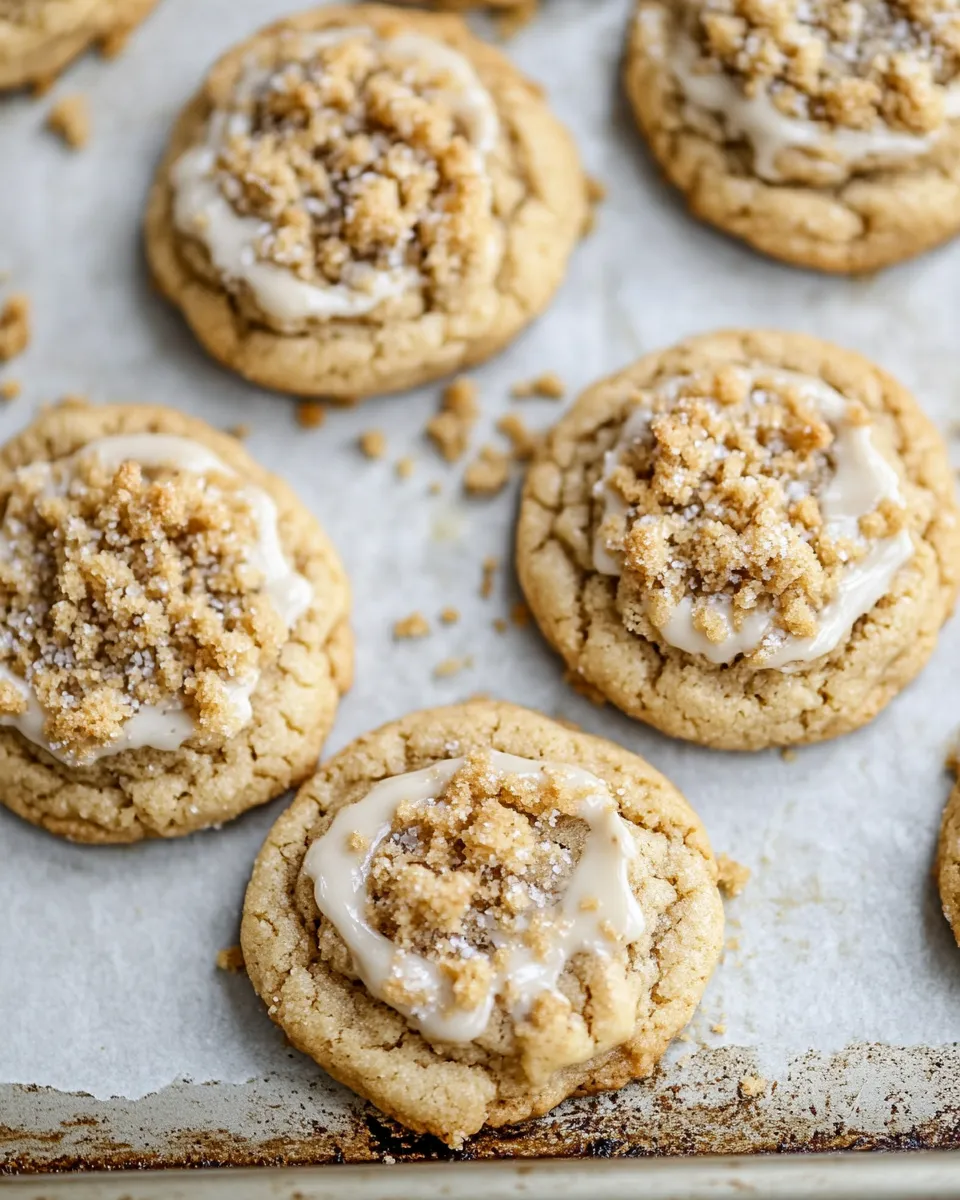
Coffee Cake Cookies
Equipment
- Oven
- Baking Sheets
- Parchment Paper
- Small Bowl
- Medium Bowl
- hand mixer or stand mixer with paddle attachment
- Pastry Cutter or Fork
- Cookie Scoop
- Cooling rack
Ingredients
Ingredients
- 6 tablespoonsall-purpose flour
- 2 tablespoonsgranulated sugar
- 2 tablespoonspacked brown sugar
- 1/2 teaspoonground cinnamon
- 1/8 teaspoonsalt
- 3 tablespoonsunsalted butter cold
- 1/2 cupunsalted butter room temperature
- 1/2 cupbrown sugar packed
- 1/3 cupgranulated sugar
- 1 large egg room temperature
- 1/2 teaspoonvanilla extract
- 2 cupsall-purpose flour
- 2 tablespoonscornstarch
- 1 teaspoonbaking powder
- 1/2 teaspoonbaking soda
- 1/2 teaspoonground cinnamon
- 1/2 teaspoonsalt
- 3/4 cuppowdered sugar
- 2 tablespoonsmilk
- 1/4 teaspoonvanilla extract optional
Instructions
Instructions
- Preheat the oven to 350 degrees Fahrenheit and line 2 baking sheets with parchment paper.
- Make the streusel: in a small bowl whisk together 6 tablespoons all-purpose flour, 2 tablespoons granulated sugar, 2 tablespoons packed brown sugar, ½ teaspoon ground cinnamon, and ⅛ teaspoon salt.
- Add 3 tablespoons cold unsalted butter to the flour mixture and cut it in with a pastry cutter, fork, or clean hands until the mixture forms coarse crumbs with no large pieces of butter. Cover and refrigerate the streusel until the cookie dough is ready to be topped.
- Make the cookie dough: in a large bowl, beat ½ cup room-temperature unsalted butter, ½ cup packed brown sugar, and ⅓ cup granulated sugar on medium-high speed with a hand mixer or stand mixer fitted with the paddle attachment for 3–4 minutes, until light and fluffy.
- Add 1 large room-temperature egg and ½ teaspoon vanilla extract to the butter mixture and mix until combined, scraping down the sides and bottom of the bowl as needed.
- In a medium bowl sift or whisk together 2 cups all-purpose flour, 2 tablespoons cornstarch, 1 teaspoon baking powder, ½ teaspoon baking soda, ½ teaspoon ground cinnamon, and ½ teaspoon salt.
- Add the dry ingredients to the butter mixture and mix until just combined. The dough will be fairly dry and crumbly.
- Use a medium cookie scoop (about 2½ tablespoons) to portion the dough, pressing the dough into the scoop to compact it if needed. Place the scoops on the prepared baking sheets about 2 inches apart.
- Use the back of the cookie scoop (or your thumb) to gently press an indent into the center of each cookie dough mound.
- Remove the chilled streusel from the refrigerator and fill each cookie indent with a generous amount of streusel, pressing lightly so it adheres.
- Bake the cookies for 11–13 minutes, until the edges are set. (The cookies will not brown much, so do not wait for browning.)
- Let the cookies cool on the baking sheet for 2–3 minutes, then transfer them to a cooling rack to cool completely.
- When the cookies are completely cool, make the glaze: whisk together ¾ cup powdered sugar, 2 tablespoons milk, and ¼ teaspoon vanilla extract (optional) until smooth. If the glaze is too thick, add a little more milk at a time; if it is too thin, add a little more powdered sugar at a time until you reach the desired consistency.
- Drizzle the glaze over the cooled cookies before serving.