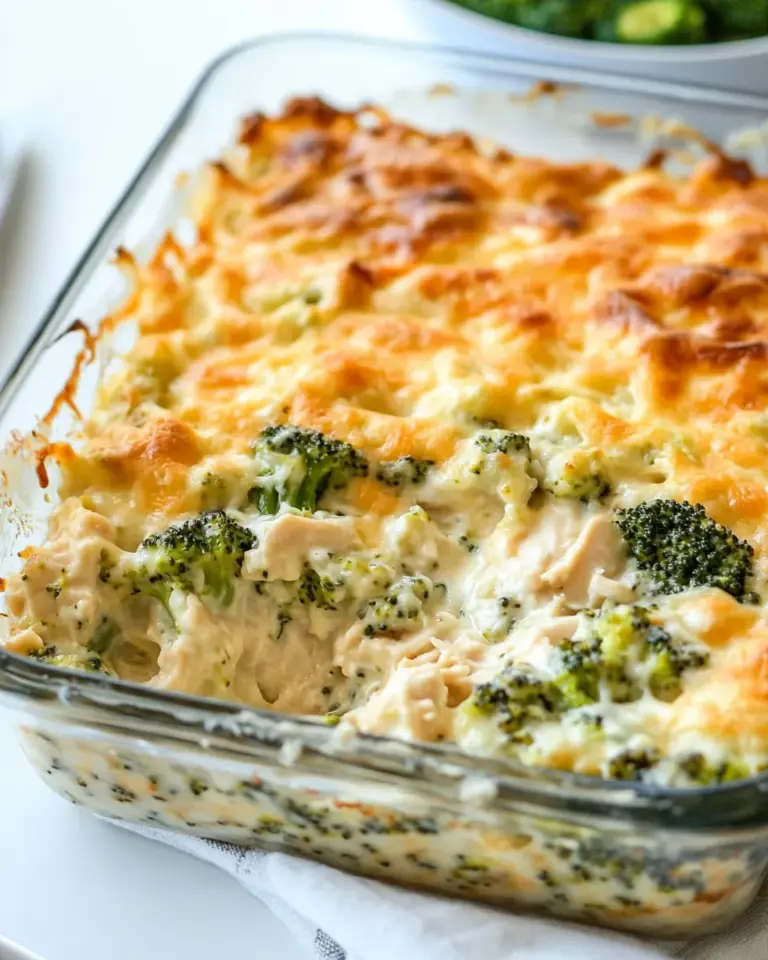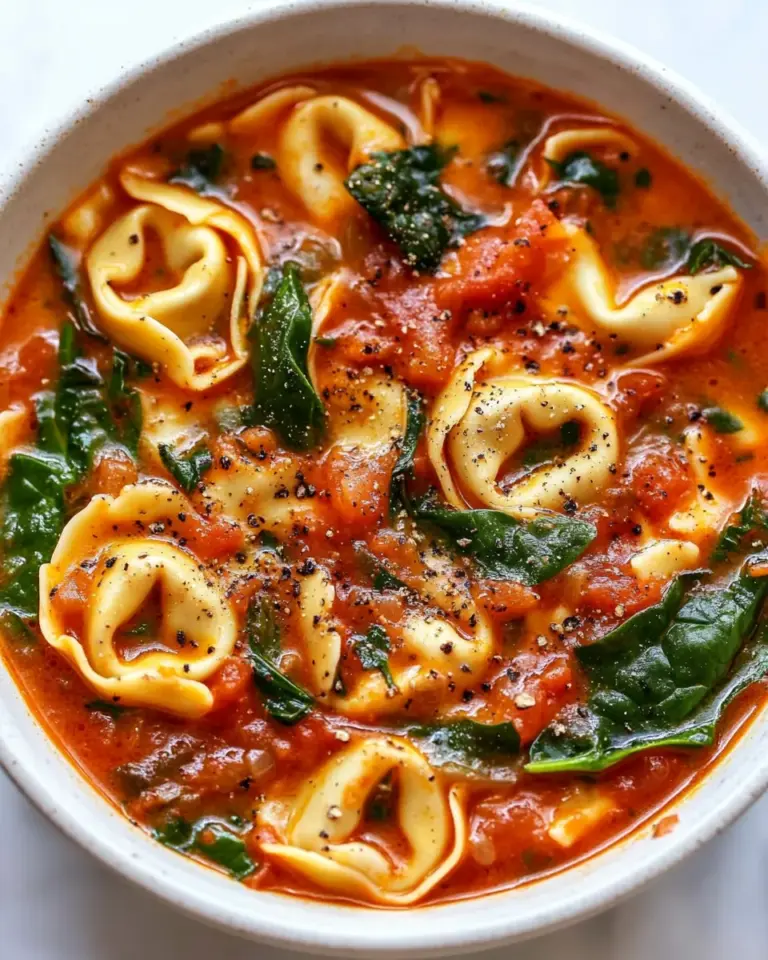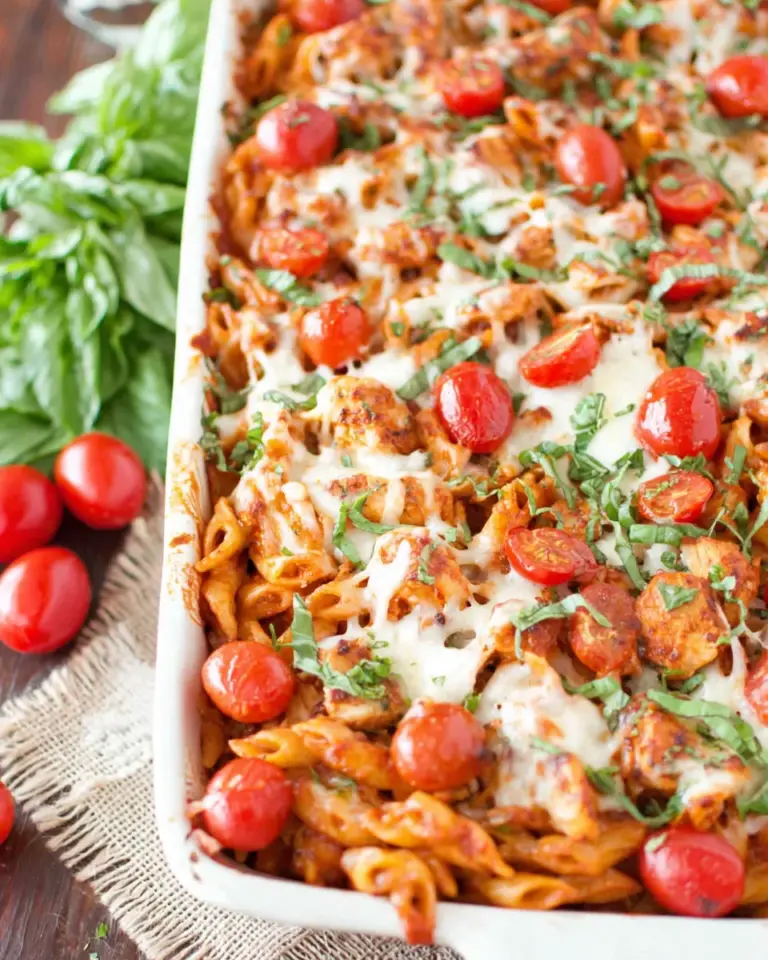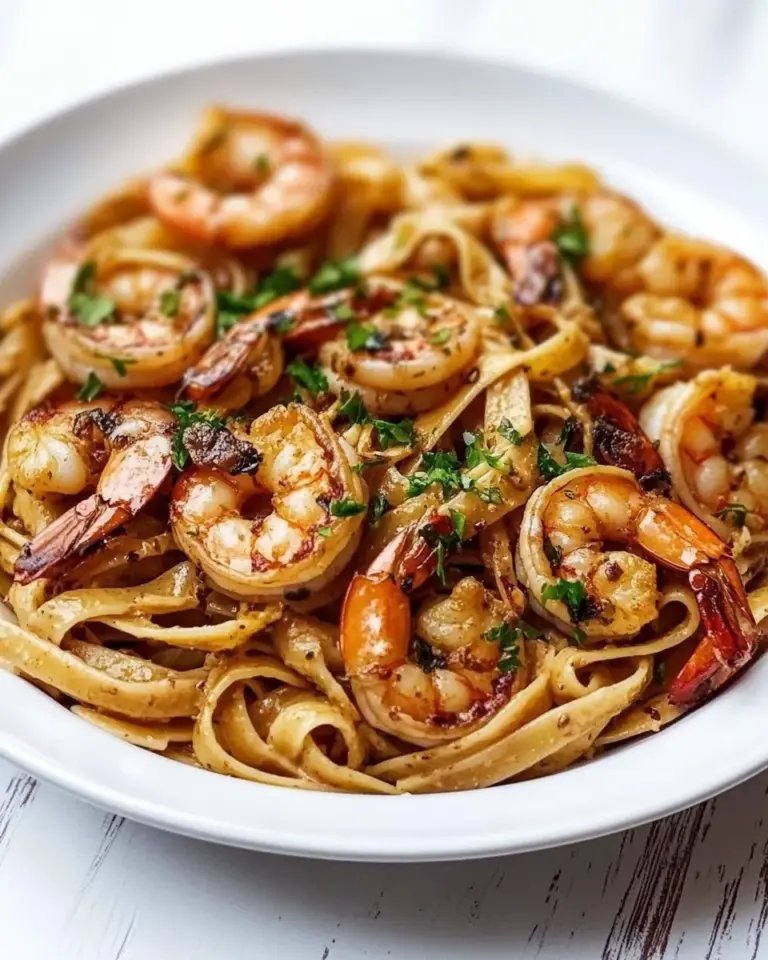
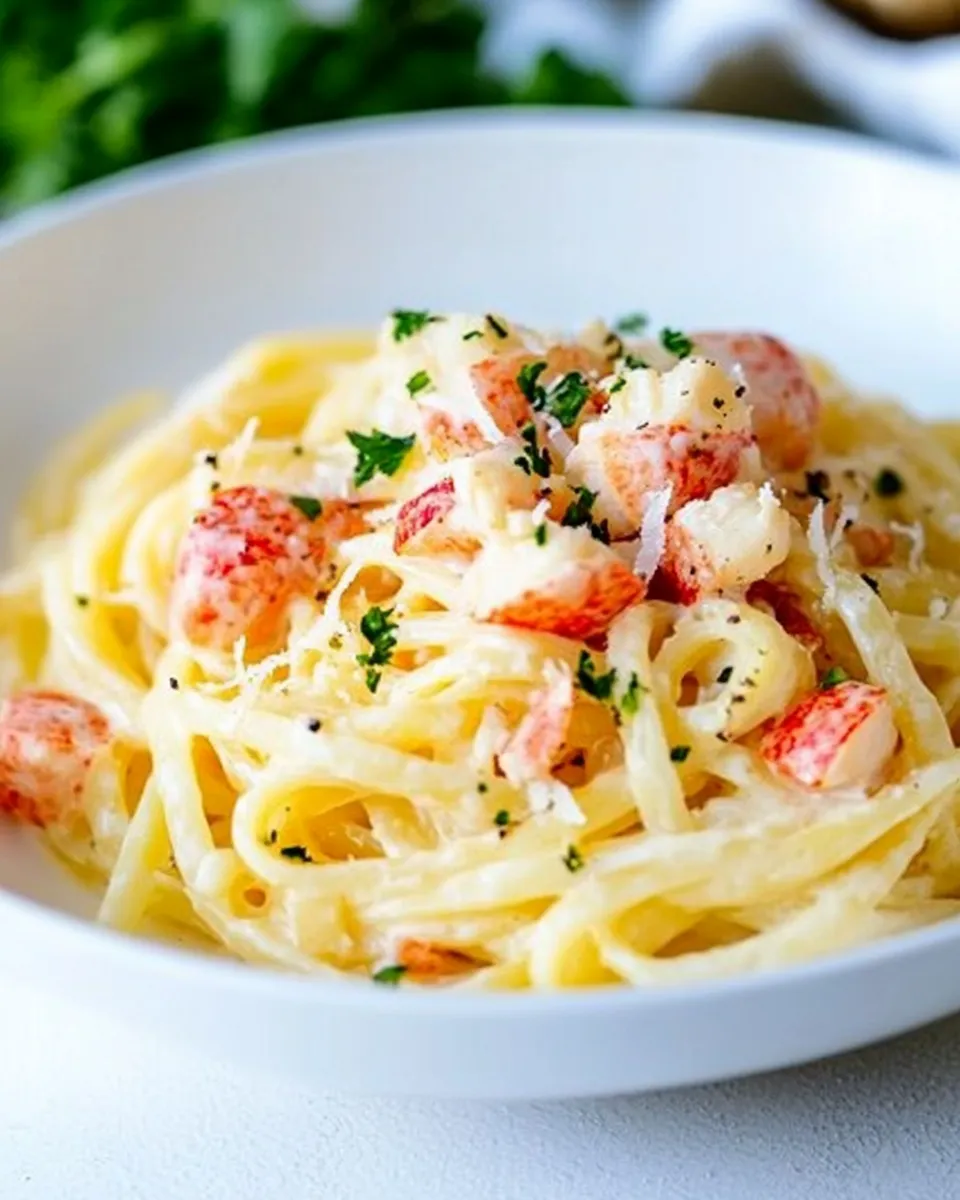
This is the kind of dinner that reads like a celebration but comes together faster than you might think. Bright, briny lobster and a silkily rich cream sauce cling to strands of pasta for a dish that feels luxurious without being fussy. I make this when I want something impressive on the table and still want to enjoy the evening—no extra fuss required.
You’ll notice the method leans on good technique more than complicated steps: cook pasta, make a simple cream-and-cheese sauce, warm the lobster just enough, and toss everything so the sauce hugs every bite. The result is glossy, fragrant, and balanced—Parmesan adds umami, a pinch of paprika offers a hint of warmth, and parsley livens it at the end. It’s comfort food with a coastal twist.
Below I walk you through exactly what to gather, how to execute each stage, what to avoid, and small adjustments you can make to fit dietary needs or what you have on hand. I’ve cooked and tested this so you get consistent success: straightforward steps, minimal timing traps, and a bowl of pasta that really tastes like a treat.
What You’ll Gather
Ingredients
- 8 ounces (225g) uncooked pasta — use spaghetti, bucatini, or tagliatelle depending on what you like; the sauce clings better to slightly thicker strands.
- 2 tablespoons butter — provides the base fat and flavor for the sauce; unsalted gives you control over seasoning.
- 2 cloves garlic, minced — aromatic backbone; mince finely so it disperses through the sauce.
- ½ teaspoon paprika (optional) — a mild smoky note; optional but pleasant for depth.
- ½ cup heavy whipping cream — creates the silky body of the sauce; double cream if you’re in the UK.
- ½ cup grated Parmesan — use Parmigiano-Reggiano, freshly grated from a block for the best texture and flavor.
- ¼ teaspoon ground black pepper — fresh cracked is ideal; adds gentle heat.
- ¼ teaspoon salt — reserved mostly for the pasta water; you can adjust to taste at the end.
- 44-ounce lobster tails, cooked, peeled, and chopped — the star protein; prepared ahead or bought cooked, chopped into bite-size pieces.
- 2 tablespoons chopped fresh parsley — bright finish; adds color and a fresh herbal note.
Creamy Lobster Pasta: How It’s Done
- Bring a large pot of water to a boil. Add the 1/4 teaspoon salt to the boiling water, add 8 ounces pasta, and cook according to package directions until al dente. When the pasta is cooked, reserve 1 cup of the pasta cooking water, then drain the pasta.
- While the pasta is cooking, heat a skillet over medium heat and add 2 tablespoons butter. When the butter has melted, add 2 cloves minced garlic and cook, stirring, about 30 seconds until fragrant.
- Add 1/2 teaspoon paprika (optional) to the skillet and cook, stirring, about 10 seconds.
- Pour in 1/2 cup heavy whipping cream and stir to combine with the butter and garlic. Add 1/2 cup grated Parmesan and stir until the cheese has melted and the sauce is smooth.
- Stir in 1/4 teaspoon ground black pepper.
- Add the 44-ounce cooked, peeled, chopped lobster tails to the sauce and gently toss to combine. Cook about 1 minute just to warm the lobster; do not overcook.
- Add the drained pasta to the skillet. Pour in 1/2 cup of the reserved pasta water and toss to coat the pasta in the sauce. Cook, tossing, about 1 minute until the pasta is warmed and the sauce clings to the pasta. If the sauce is too thick, add more reserved pasta water a few tablespoons at a time until you reach the desired consistency.
- Remove from the heat, sprinkle with 2 tablespoons chopped fresh parsley and additional grated Parmesan if desired, and serve immediately.
The Upside of Creamy Lobster Pasta
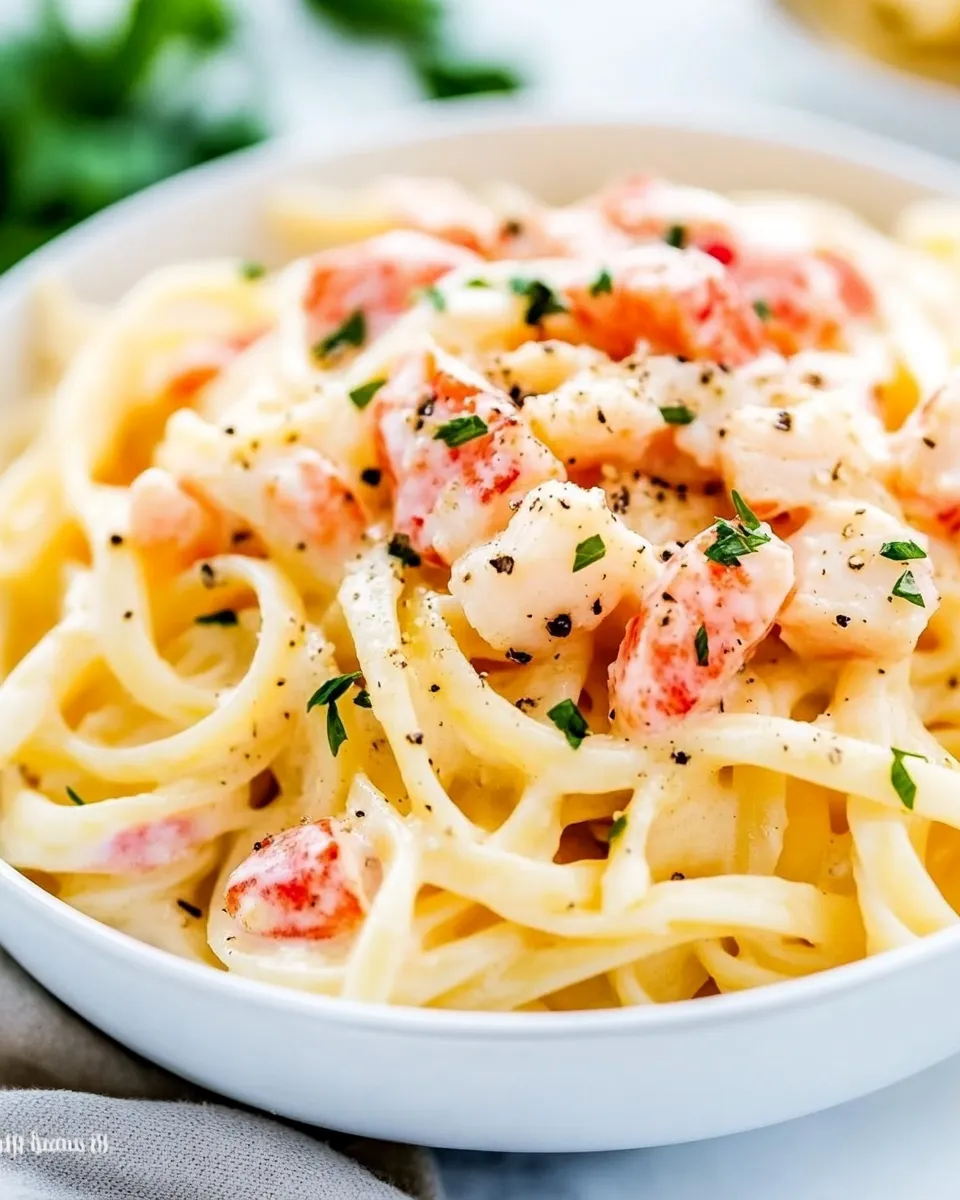
- Restaurant-quality at home: The technique is simple and yields a dish that tastes elevated without plating theatrics.
- Fast weeknight glamour: If the lobster is already cooked, the active time is short—perfect for a special weeknight dinner.
- Flexible for guests: The flavor profile appeals to people who enjoy seafood and those who appreciate creamy, savory sauces.
- Strong make-ahead potential: With a few smart steps you can prep elements ahead and finish quickly when you’re ready to eat.
Easy Ingredient Swaps
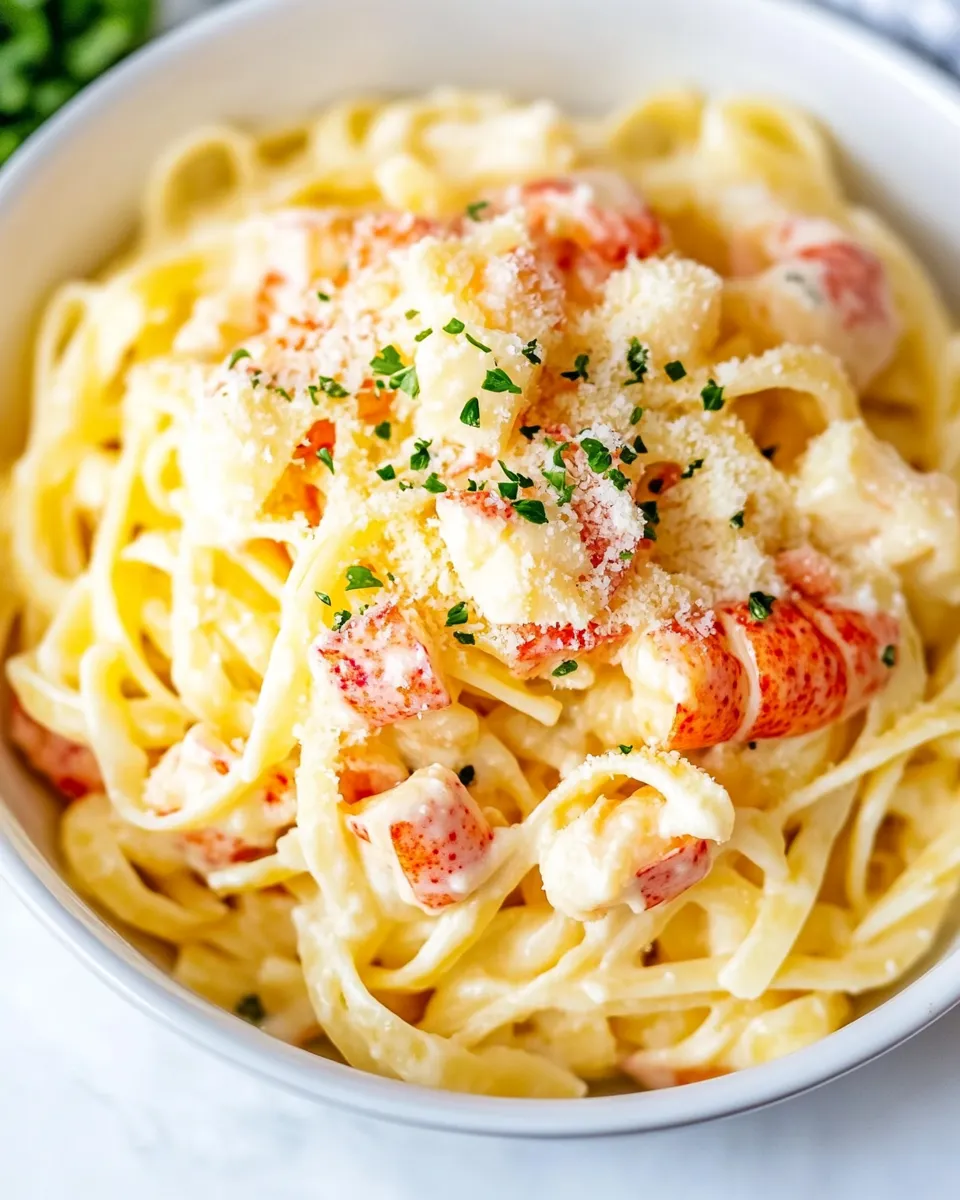
- Swap the pasta shape: If you don’t have the suggested types, use any long noodle—linguine, fettuccine, or even pappardelle will work.
- Protein alternatives: If lobster isn’t available, cooked shrimp or lump crabmeat can step in and still produce a lovely result.
- Lower-fat option: Replace heavy cream with half-and-half mixed with a teaspoon of cornstarch (whisked smooth) if you want less richness, but expect a lighter mouthfeel.
- Cheese variation: Pecorino Romano can replace some or all of the Parmesan for a saltier, sharper edge; omit if you need lower sodium and adjust pepper upward.
Kitchen Gear Checklist
- Large pot for boiling pasta — big enough for the pasta to move freely.
- Large skillet or sauté pan — wide surface helps toss pasta and sauce without spilling.
- Colander — to drain pasta while reserving cooking water.
- Measuring spoons and cups — follow the listed amounts for balanced sauce texture.
- Grater — for fresh Parmesan; it melts more smoothly than pre-grated cheese.
- Tongs or pasta fork — helps toss pasta with the sauce cleanly.
Avoid These Mistakes
- Don’t overcook the lobster: it’s already cooked; warming quickly preserves texture. Overcooking will make it rubbery.
- Don’t dump all the pasta water at once: add it gradually so you can judge sauce consistency. The starchy water is the key binder here.
- Don’t skip fresh-grated Parmesan: powdered or pre-grated cheese won’t emulsify into a smooth sauce.
- Don’t let the cream boil hard: keep it at a gentle simmer when you add cheese so the sauce stays silky.
- Don’t undersalt the pasta water: it’s your primary chance to season the whole dish; a small pinch matters.
Make It Fit Your Plan
- For a dinner party: Prepare the lobster and grate the cheese beforehand. Boil the pasta and keep it slightly undercooked; finish in the sauce just before serving so everything is hot and glossy.
- For a lighter meal: Use a smaller portion of pasta and bulk up with lightly sautéed greens (spinach or arugula) added in step 7 while tossing.
- To speed it up: Use pre-cooked pasta from the fridge—warm it briefly in the sauce using less reserved water to loosen the texture.
- For a make-ahead approach: Cook components separately, cool, and refrigerate. Reheat gently with a splash of water or cream and toss to re-emulsify before serving.
Pro Tips & Notes
- Texture control: The reserved pasta water contains starch that helps bind the sauce. Add it slowly so the sauce becomes glossy rather than watery.
- Garlic timing: Briefly cook garlic in melted butter until fragrant—don’t let it brown. That preserves clean, aromatic garlic flavor without bitterness.
- Cheese melting: Remove the pan from high heat when you add the Parmesan to reduce oil separation and to get a smooth sauce.
- Timing the toss: Combine the pasta and sauce off the heat and toss with reserved water; the residual heat finishes the pasta and prevents overcooking the lobster.
- Serving suggestion: Serve immediately on warm plates. A quick grind of black pepper and a final parsley sprinkle makes the dish pop.
Shelf Life & Storage
- Refrigerator: Store leftover creamy lobster pasta in an airtight container for up to 2 days. Seafood-based dishes lose quality faster; eat within this window.
- Reheating: Reheat gently on the stovetop over low heat with a splash of cream or reserved pasta water to revive the sauce. Microwave on low power in short bursts, stirring between intervals.
- Freezing: I do not recommend freezing this dish. Cream sauces and lobster both degrade in texture after freezing and reheating.
Ask & Learn
- Q: Can I use raw lobster tails? A: If you start with raw lobster, cook them separately and cool before chopping. The recipe’s timing assumes cooked lobster; adding raw would require longer cooking and risks losing sauce texture.
- Q: Is there a dairy-free version? A: You can try a coconut cream or a neutral dairy-free cream, but the flavor profile will shift. Use a touch less and test consistency carefully.
- Q: How much does the 44-ounce amount feed? A: That’s a generous amount of lobster; it will comfortably serve several people depending on portion sizes—adjust pasta quantities if you want more pasta per portion.
- Q: Can I add vegetables? A: Yes—quickly wilted spinach or peas stirred in at the end are classic, unobtrusive choices.
That’s a Wrap
Creamy Lobster Pasta rewards a few careful moves: season the water, build the sauce gently, warm the lobster just enough, and use pasta water to get that silky finish. No elaborate techniques. No mystery. Just thoughtful timing and good ingredients. Serve it with a simple salad and a crisp white wine, and you’ve got a weeknight that feels like a celebration.
If you try this, tell me how it went—what pasta you used, whether you added greens, or if you tweaked the cheese. Small changes make big differences in personal kitchens, and I love hearing the variations that become new favorites.
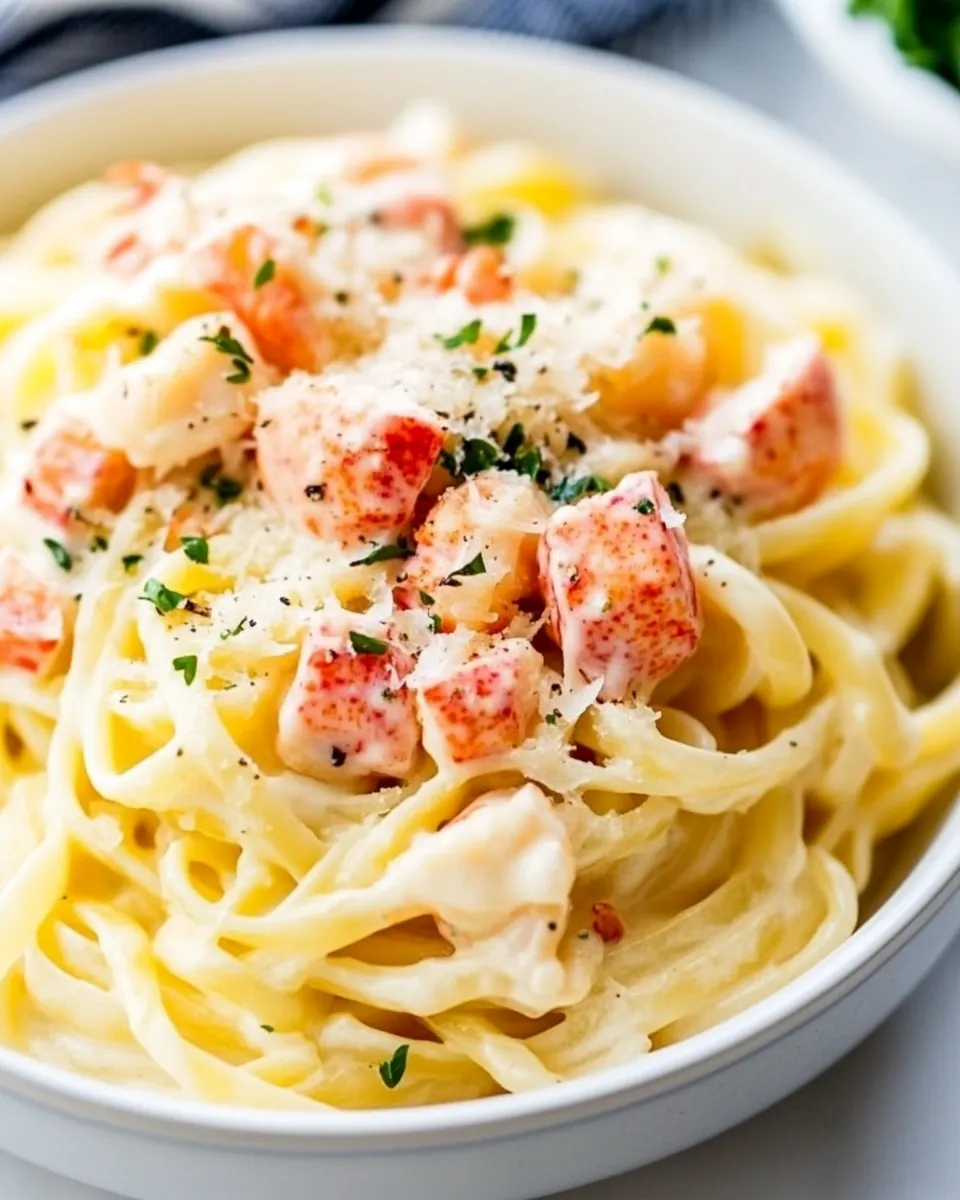
Creamy Lobster Pasta
Equipment
- Saucepan
- Skillet
Ingredients
Ingredients
- ?8 ounces 225 guncooked pastause spaghetti or bucatini or tagliatelle
- ?2 tablespoonsbutter
- ?2 clovesgarlicminced
- ?1/2 teaspoonpaprikaoptional
- ?1/2 cupheavy whipping creamdouble cream in the UK
- ?1/2 cupgrated parmesanuse the real stuff parmigiano reggiano, grate from a block – avoid powdered stuff it tastes terrible
- ?1/4 teaspoonground black pepper
- ?1/4 teaspoonsalt
- ?44-ouncelobster tailscooked peeled and chopped (see my how to cook lobster tails post)
- ?2 tablespoonschopped fresh parsley
Instructions
Instructions
- Bring a large pot of water to a boil. Add the 1/4 teaspoon salt to the boiling water, add 8 ounces pasta, and cook according to package directions until al dente. When the pasta is cooked, reserve 1 cup of the pasta cooking water, then drain the pasta.
- While the pasta is cooking, heat a skillet over medium heat and add 2 tablespoons butter. When the butter has melted, add 2 cloves minced garlic and cook, stirring, about 30 seconds until fragrant.
- Add 1/2 teaspoon paprika (optional) to the skillet and cook, stirring, about 10 seconds.
- Pour in 1/2 cup heavy whipping cream and stir to combine with the butter and garlic. Add 1/2 cup grated Parmesan and stir until the cheese has melted and the sauce is smooth.
- Stir in 1/4 teaspoon ground black pepper.
- Add the 44-ounce cooked, peeled, chopped lobster tails to the sauce and gently toss to combine. Cook about 1 minute just to warm the lobster; do not overcook.
- Add the drained pasta to the skillet. Pour in 1/2 cup of the reserved pasta water and toss to coat the pasta in the sauce. Cook, tossing, about 1 minute until the pasta is warmed and the sauce clings to the pasta. If the sauce is too thick, add more reserved pasta water a few tablespoons at a time until you reach the desired consistency.
- Remove from the heat, sprinkle with 2 tablespoons chopped fresh parsley and additional grated Parmesan if desired, and serve immediately.
Notes
Cook the pasta to al dente.I recommend cooking the pasta until al dente, do not overcook it. Remember that you will toss the pasta with the lobster and sauce over a gentle heat, so cooking it until it’s soft will make it mushy.
Add more garlic.I’m using 2 cloves of garlic here that are minced and added to the sauce. If you love garlic, you can use 3 or 4 medium cloves.
Don’t forget to reserve pasta water.When cooking pasta, always reserve pasta water as it’s starchy and perfect for thinning out pasta sauces. This recipe is designed in a way that you’ll need pasta water to thin the sauce out.