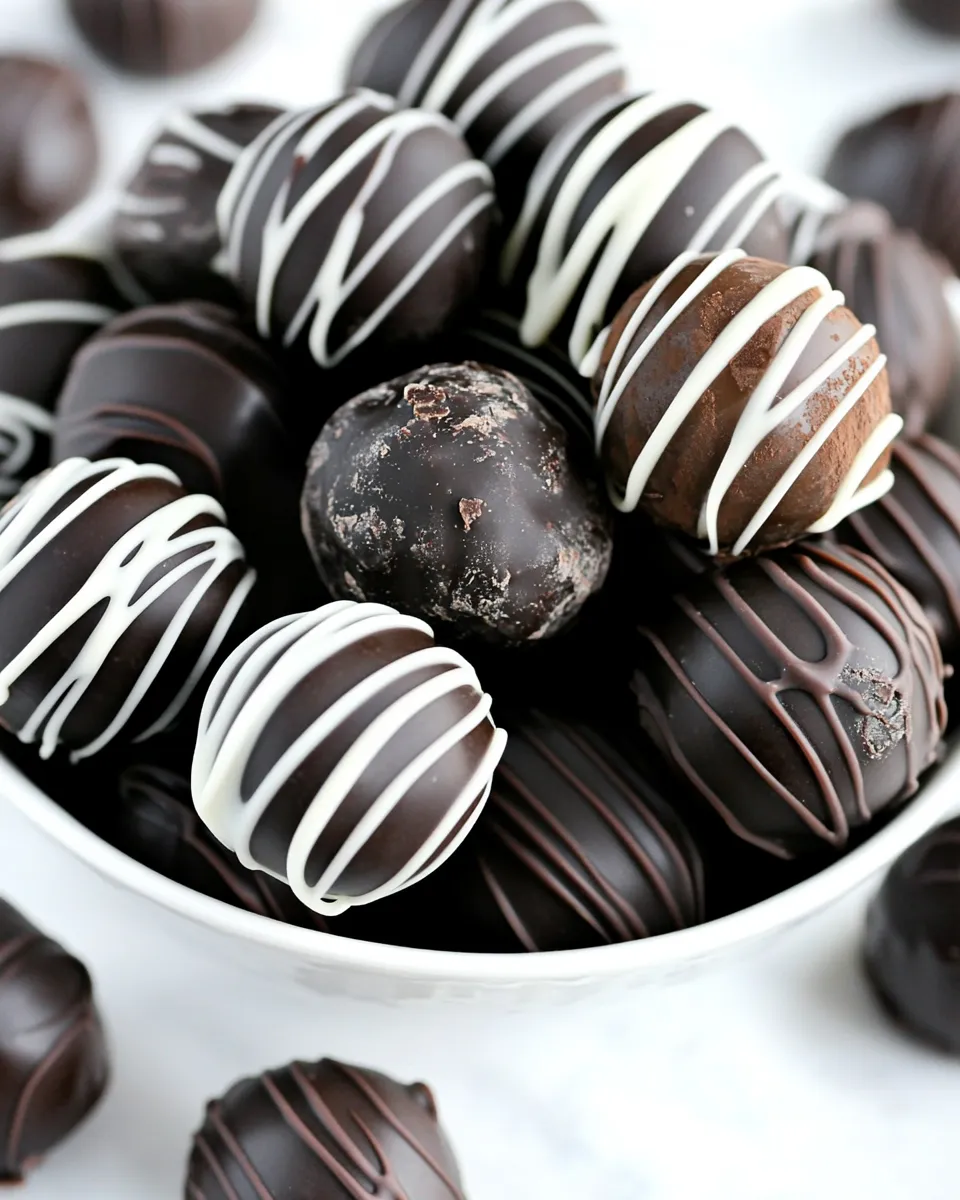
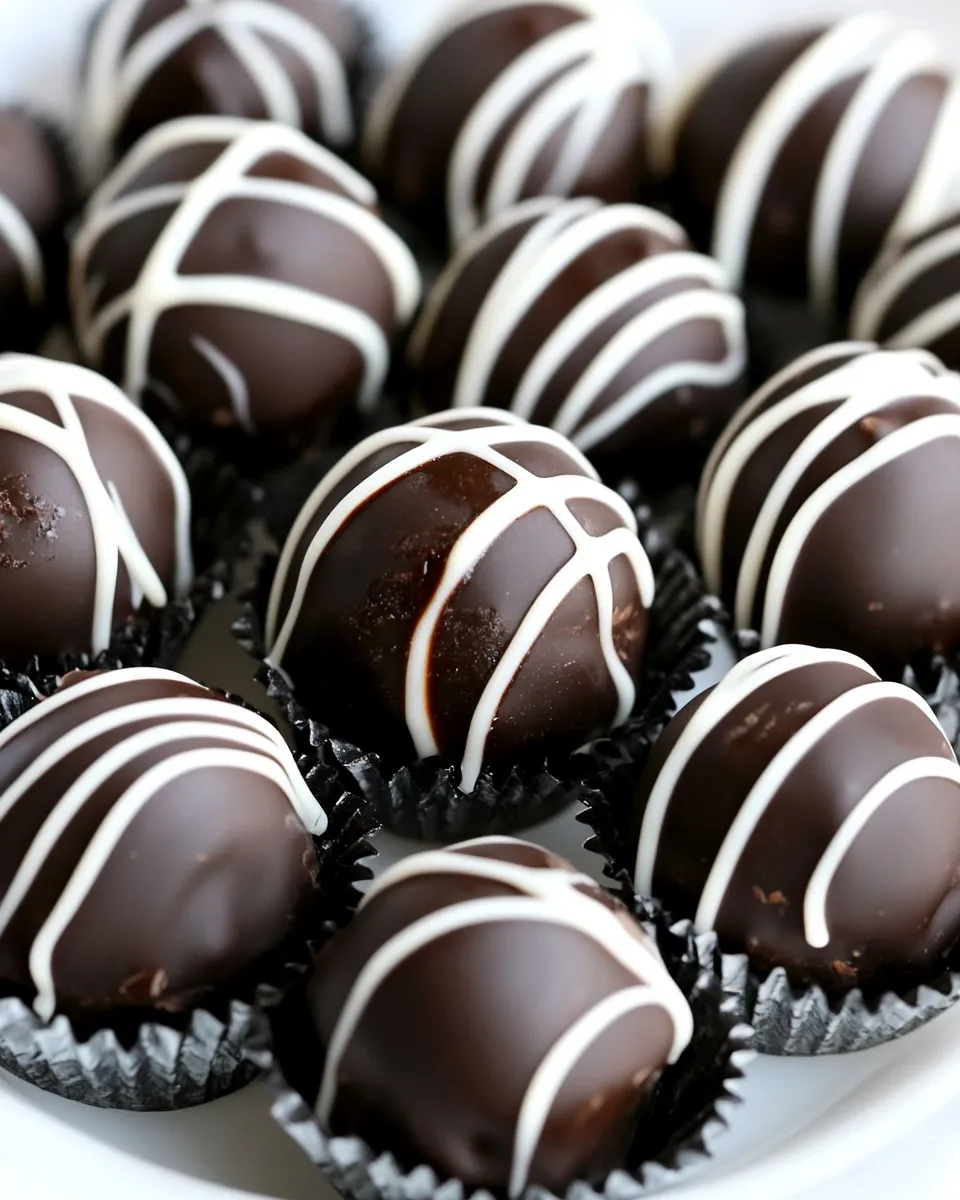
These dark chocolate truffles are my go-to when I want a small, impressive treat with minimal fuss. They feel indulgent — glossy ganache, rich chocolate, a silky center — yet they come together from just three pantry staples and a little patience. I make them when a friend drops by, when I need a homemade gift, or when I want to feel like I accomplished something elegant in fifteen minutes of active work.
I’ll walk you through each step so you don’t overheat the chocolate, end up with grainy ganache, or fight with sticky truffles. The technique is forgiving, and knowing a few key troubleshooting points saves time and keeps you sane.
No need for special training or hard-to-find ingredients. Read the ingredient notes, follow the steps in order, and you’ll have smooth truffles that hold their shape and taste like a small piece of luxury.
The Ingredient Lineup
- ¼ cup (59.5 ml) heavy cream — provides the liquid and fat to melt and bind the chocolate into a silky ganache; heat gently to avoid scalding.
- 5 ounces (141.75 g) bittersweet chocolate, finely chopped — the main flavor and structure; chopping finely helps it melt evenly and quickly when added to hot cream.
- 1 tablespoon butter, softened — adds gloss and a softer mouthfeel; stir in at the end so it emulsifies into the ganache.
Step-by-Step: Dark Chocolate Truffles
- Place 1/4 cup (59.5 ml) heavy cream in a small saucepan and heat over medium until it just comes to a boil (small bubbles appear around the edge). Remove from the heat immediately.
- Add 5 ounces (141.75 g) finely chopped bittersweet chocolate to the hot cream. Let sit about 30–60 seconds to soften the chocolate.
- Stir gently with a rubber spatula until the chocolate is completely melted and the mixture is smooth and uniform.
- Stir in 1 tablespoon softened butter until fully incorporated and the ganache is glossy and smooth.
- Transfer the ganache to a bowl, press a piece of plastic wrap directly onto the surface to prevent a skin from forming, and cover the bowl. Refrigerate at least 1 hour (or overnight) until the ganache is firm enough to scoop.
- Line a baking sheet with wax paper. Use a melon baller or two spoons to scoop portions of ganache and place them on the prepared sheet. If desired, quickly roll each scoop between your palms to form smooth balls; if the ganache becomes too soft to handle, chill briefly until firm.
- If you plan to dip or coat the truffles, chill the formed truffle centers until thoroughly cold—about 1 hour in the refrigerator or 15–30 minutes in the freezer—before dipping.
What You’ll Love About This Recipe
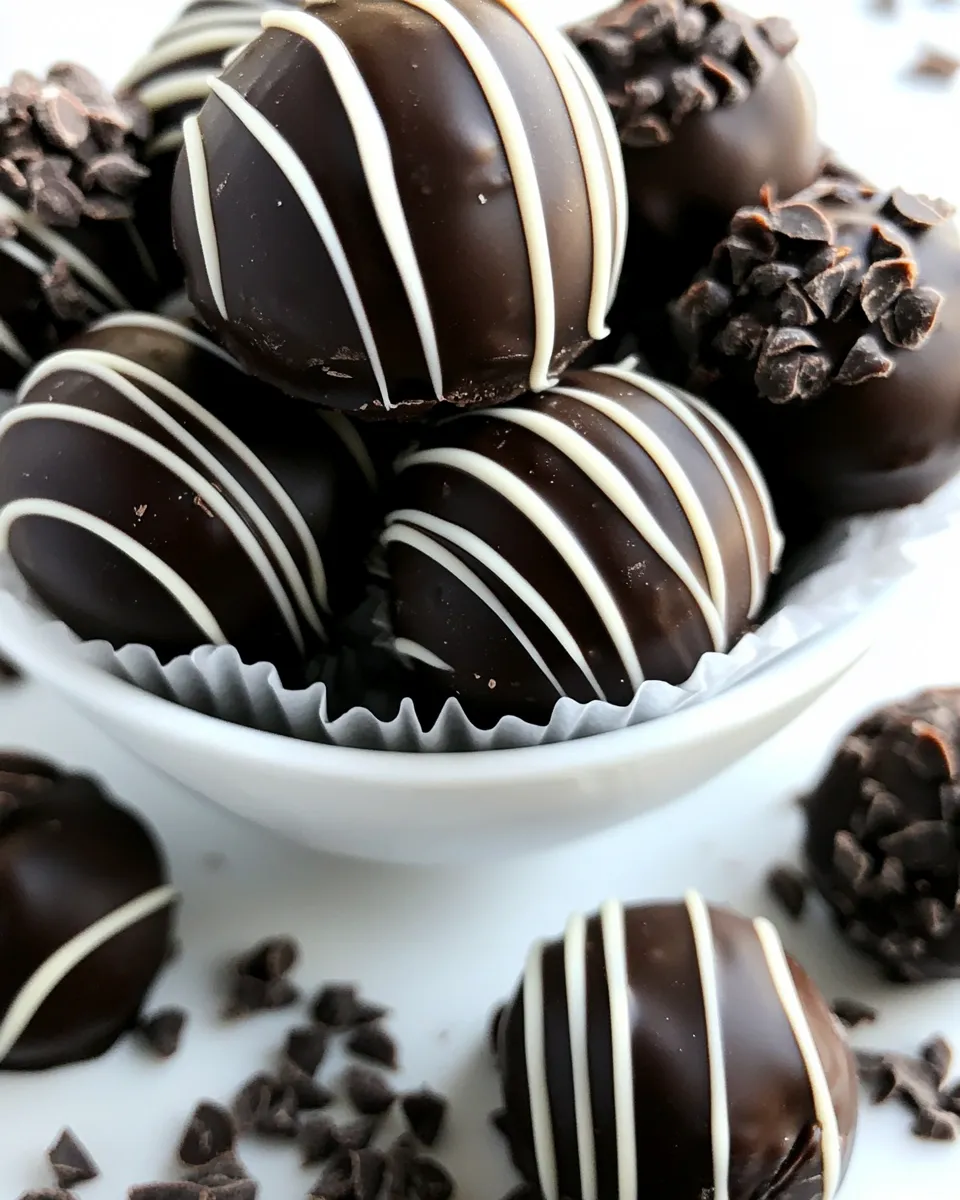
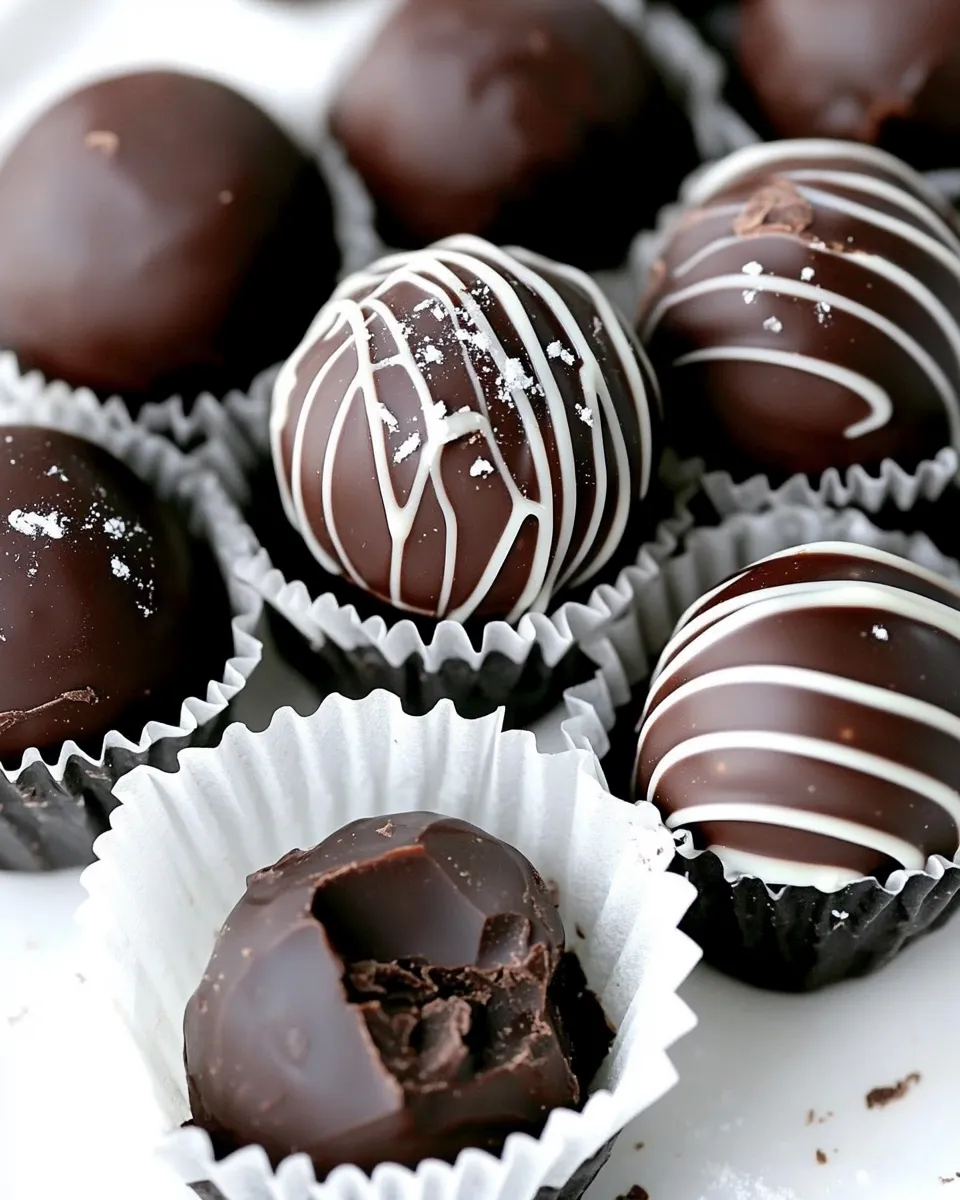
The simplicity. Three main ingredients, one saucepan, and the whole process teaches you how ganache behaves — that alone is worth the time. The texture is luxurious: a thin, slightly firm shell gives way to a creamy center that melts on the tongue. That contrast makes each bite feel intentional.
It’s flexible. You can stop at the chilled ganache stage for rustic, spoon-scooped bites, or take it further and dip or roll the truffles for a finished look. The recipe scales easily; double or triple it when you need a batch for gifts.
Finally, it stores well. Properly chilled and wrapped, truffles hold their flavor and texture, so you can make them days ahead without losing quality.
Budget & Availability Swaps
If you’re watching your wallet, buy the same items in slightly larger sizes when they’re on sale — heavy cream and chocolate keep well in the fridge and pantry. Store-brand cream or chocolate blocks often work fine; just make sure the chocolate is labeled for baking or is a real bittersweet bar so the cocoa solids are substantial.
When a specific size of chocolate bar isn’t available, measure by weight where possible. The quantities listed here are modest, so rounding up to the nearest commonly sold bar (and trimming the extra) is a practical approach. The technique is forgiving: correct temperature and gentle handling matter more than brand names.
Must-Have Equipment
- Small saucepan — to heat the cream gently and evenly.
- Heatproof bowl — to mix and cool the ganache in.
- Rubber spatula — for smooth, controlled stirring without scraping metal.
- Measuring tools — a scale for chocolate is ideal; measuring spoons/cups for cream and butter.
- Plastic wrap — pressed onto the ganache surface to prevent a skin.
- Baking sheet and wax paper — for resting scooped truffles while they firm up.
- Melon baller or two spoons — for portioning the ganache into even rounds.
What Not to Do
Do not let the cream boil vigorously. Once small bubbles appear at the edge, remove the pan from the heat. Overheated cream can separate or scorch, which harms the flavor and the emulsion with the chocolate.
Do not stir aggressively. Stirring too hard while the chocolate is melting can trap air or cause the mixture to seize if the temperatures are mismatched. Gentle, steady strokes are enough.
Don’t skip the chill. Trying to shape or dip warm ganache leads to messy, misshapen truffles. Chill until firm enough to scoop and handle.
Avoid introducing water. Even a drop of water can cause melted chocolate to seize. Make sure utensils and bowls are dry and that steam does not drip into the chocolate during the melting process.
Variations by Season
Use the basic ganache as your canvas. In colder months, keep the centers chilled and serve them at room temperature so they are slightly firmer. In warmer months, chill the formed centers thoroughly before handling; a short stay in the freezer makes dipping easier.
For a seasonal feel without changing ingredient amounts, vary the finishing treatment and presentation: simple rolled truffles for casual gatherings, neatly scooped spheres for a holiday platter, or slightly flattened discs for a homemade candy look. Temperature control is the real seasonal adjustment — colder kitchens make handling easier; warmer kitchens require faster chilling between steps.
Cook’s Notes
Chop the chocolate finely and evenly so it melts quickly and uniformly when you pour the hot cream over it. If pieces vary widely in size, some will overheat while others lag behind.
Let the chocolate and cream rest together for the 30–60 seconds specified. This short pause lets the heat transfer and softens the chocolate before you stir, reducing the chance of streaks or lumps.
If the ganache looks slightly grainy after stirring, let it sit a minute off the heat, then stir gently until smooth. A few seconds of patient stirring often brings it together.
Press plastic wrap directly on the ganache surface to prevent a leathery skin. That skin changes the texture and makes scooping unpleasant.
Meal Prep & Storage Notes
Refrigerator: Keep truffles in an airtight container, separated in a single layer or with parchment between layers. They stay best for up to two weeks refrigerated. Bring them to room temperature for 10–20 minutes before serving for the best flavor and texture.
Freezer: You can freeze the ganache centers or finished truffles for up to three months. Flash-freeze the scooped centers on a baking sheet until solid, then transfer to a sealed container or bag. Thaw overnight in the refrigerator, then bring to room temperature before serving.
Transport: Keep truffles chilled during transport. Pack them in a small cooler or insulated bag with an ice pack if you expect more than an hour outside refrigeration.
Common Questions
Q: Can I use a different cream? A: Heavy cream is preferred for its fat content, which gives the ganache body and sheen. Lighter creams change texture and may yield a softer, looser center. If you must swap, expect a different mouthfeel and shorter shelf life.
Q: My ganache is grainy — what happened? A: Graininess can come from overheating the chocolate, using cold chocolate straight from the refrigerator that drops the temperature too far, or from tiny water droplets. Warm gently and stir patiently; if grainy persists, try warming the bowl over a gentle double boiler while stirring.
Q: Can I make the ganache ahead? A: Yes. You can refrigerate the ganache for several days before scooping, or shape and refrigerate finished truffles. Chilling overnight often improves flavor as the components meld.
Q: Why is the butter added at the end? A: Adding softened butter at the end gives the ganache a glossy finish and softer set without requiring additional heat. It also helps with the mouthfeel, making the truffles silkier.
Save & Share
If you liked this recipe, save it to a favorites board or bookmark this page so you can find it quickly when you need a last-minute gift or a dessert that feels elegant with little effort. Share a picture when you make a batch — I love seeing how other home cooks shape and present their truffles. Tag the person you’re making them for; truffles are a tiny, personal way to say “I care.”
Make a double batch the first time. The technique is faster once you’ve done it, and you’ll be grateful for extras in the fridge for guests or a quiet, delicious midnight snack.
Dark Chocolate Truffles
Equipment
- Small saucepan
- Rubber spatula
- Bowl
- Plastic Wrap
- Baking Sheet
- Wax paper
- melon baller or spoons
- Refrigerator
- Freezer
Ingredients
Ingredients
- 1/4 cup 59.5 mlheavy cream
- 5 ounces 141.75 gbittersweet chocolate, finely chopped
- 1 tablespoonbutter softened
Instructions
Instructions
- Place 1/4 cup (59.5 ml) heavy cream in a small saucepan and heat over medium until it just comes to a boil (small bubbles appear around the edge). Remove from the heat immediately.
- Add 5 ounces (141.75 g) finely chopped bittersweet chocolate to the hot cream. Let sit about 30–60 seconds to soften the chocolate.
- Stir gently with a rubber spatula until the chocolate is completely melted and the mixture is smooth and uniform.
- Stir in 1 tablespoon softened butter until fully incorporated and the ganache is glossy and smooth.
- Transfer the ganache to a bowl, press a piece of plastic wrap directly onto the surface to prevent a skin from forming, and cover the bowl. Refrigerate at least 1 hour (or overnight) until the ganache is firm enough to scoop.
- Line a baking sheet with wax paper. Use a melon baller or two spoons to scoop portions of ganache and place them on the prepared sheet. If desired, quickly roll each scoop between your palms to form smooth balls; if the ganache becomes too soft to handle, chill briefly until firm.
- If you plan to dip or coat the truffles, chill the formed truffle centers until thoroughly cold—about 1 hour in the refrigerator or 15–30 minutes in the freezer—before dipping.
Notes
Chill formed truffle centers until thoroughly cold (about 1 hour in refrigerator or 15-30 minutes in freezer) before dipping or coating.