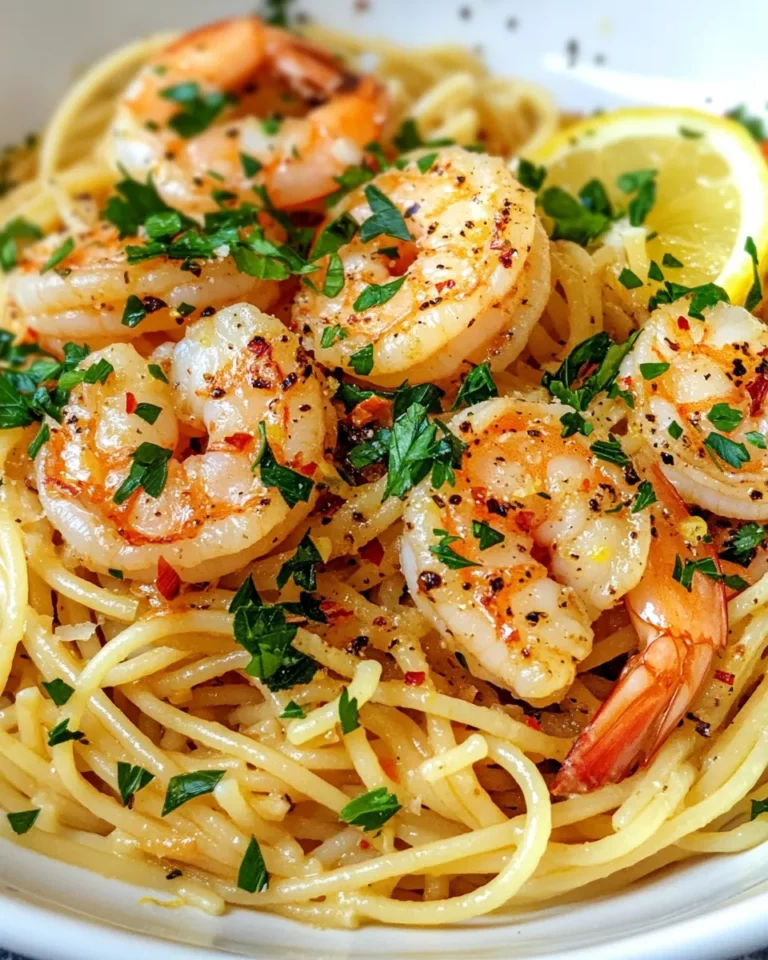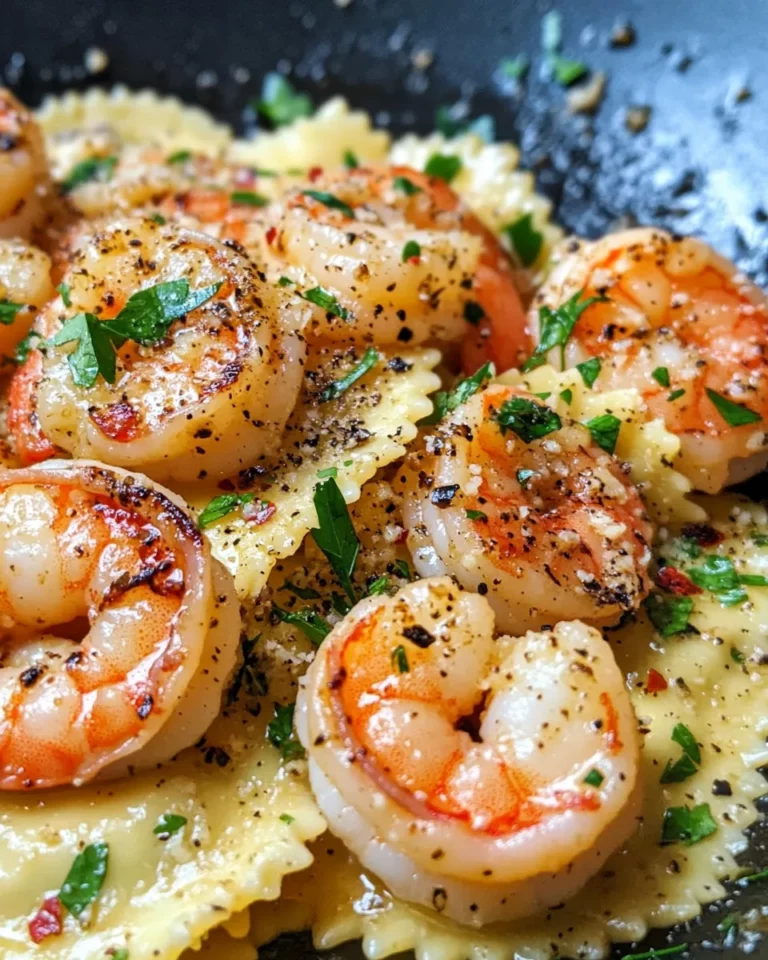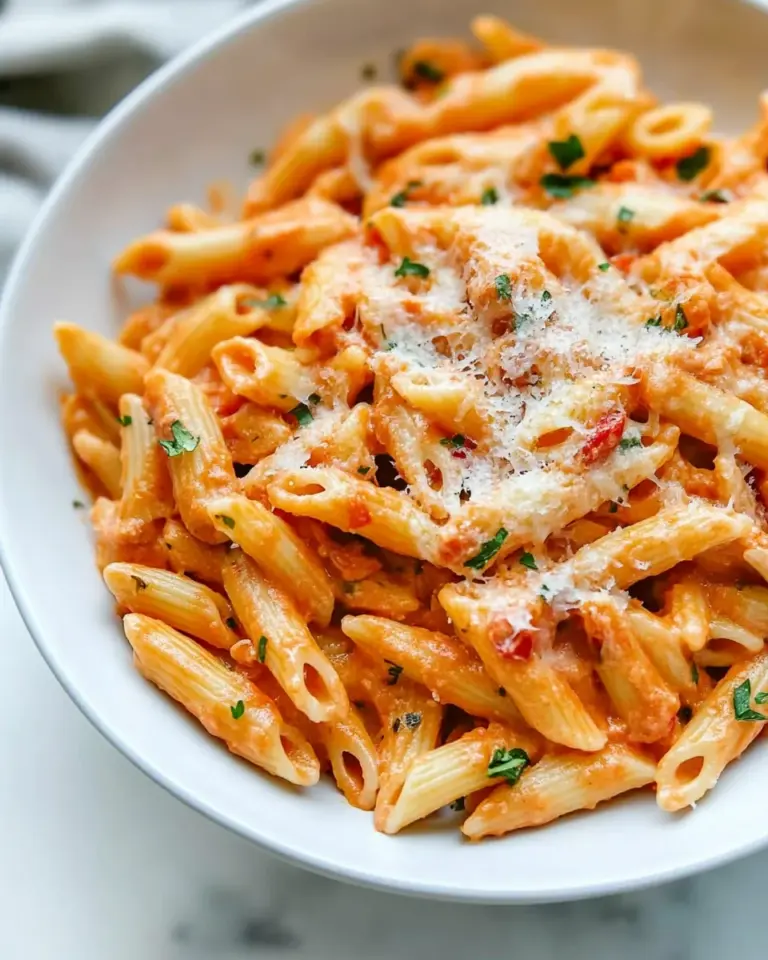
I love recipes that are unfussy, fast, and reliably delicious — and this spaghetti is exactly that. It comes together with a handful of pantry staples, gives you control over heat and seasoning, and rewards you with bright garlic flavor and silky pasta coated in oil and butter. No long simmering, no heavy sauces — just good technique and a few small choices that make a big difference.
This version is ideal for weeknights when you want dinner done without sacrificing taste. It’s also a great starting point for customizing: add vegetables, a squeeze of lemon, or a handful of grated cheese to shift the mood. I’ll walk you through the exact steps I use every time, plus tips for avoiding common problems and making it fit your diet.
The Essentials
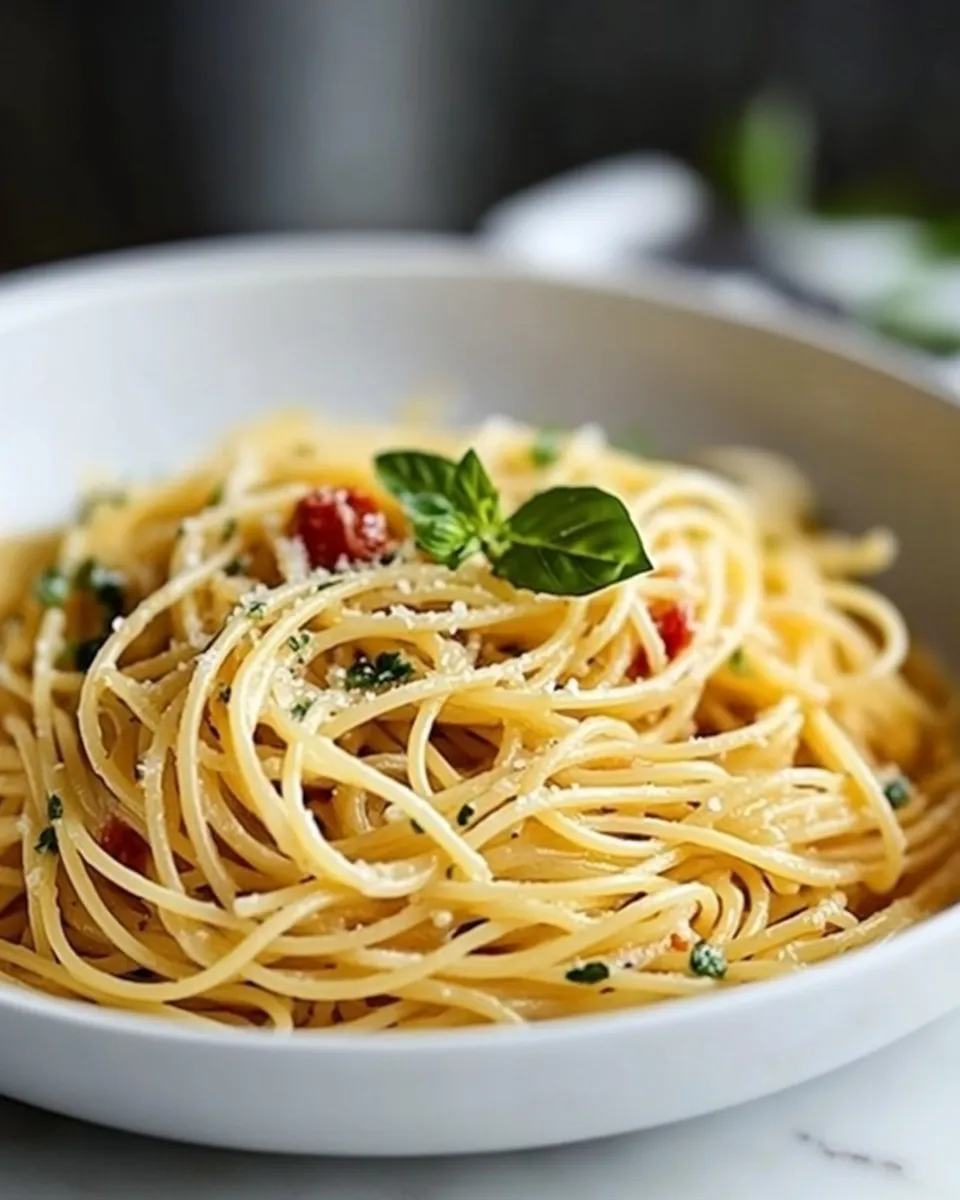
Good spaghetti starts with two things: properly salted boiling water and a hot pan ready to dress the pasta. Salt the pasta water like the sea — it’s your only chance to season the noodles themselves. Then make a simple flavor base of olive oil, butter, and garlic. The butter brings silkiness; the oil raises the smoke point so the garlic doesn’t burn as quickly. Toss the drained pasta into the warm skillet so every strand gets coated.
Timing matters but doesn’t have to stress you. Put the water on first, prep the garlic while it heats, and have your skillet nearby so you can move quickly once the pasta is done. Watch the garlic closely when it sautés — 30–60 seconds is all it needs to turn golden and fragrant. Once it’s off the heat, toss, season, and finish with fresh parsley.
Ingredients
- 8oz. (230g) spaghetti — the base of the dish; cook to package timing for al dente.
- 2 tablespoons extra virgin olive oil, preferred or olive oil — adds flavor and helps prevent garlic from burning.
- 1 tablespoon butter, melted — gives a silky finish and mild richness.
- 3 cloves garlic, minced — the main aromatic; don’t overcook it or it will taste bitter.
- salt, to taste — for the pasta water and final seasoning; add progressively.
- 3 dashes ground black pepper — warms the dish; add more if you like peppery notes.
- red chili flakes, to taste — optional heat; adjust to your comfort level.
- parsley leaves, finely chopped, for garnishing — freshens the finished plate.
Spaghetti: Step-by-Step Guide
- Bring a large pot of water to a boil; add salt to taste. Add 8 oz. (230g) spaghetti and cook according to the package instructions until al dente. Drain and set aside.
- While the pasta cooks or immediately after draining, heat a large skillet over medium heat.
- Add 2 tablespoons extra virgin olive oil and 1 tablespoon butter (melted) to the skillet; if the butter is not already melted, add it and allow it to melt in the skillet.
- Add 3 cloves garlic, minced, and sauté, stirring constantly, until fragrant and just beginning to turn golden (about 30–60 seconds). Be careful not to let the garlic burn.
- Add the drained spaghetti to the skillet and toss or stir to coat evenly with the oil, butter, and garlic. Season with salt to taste, 3 dashes ground black pepper, and red chili flakes to taste. Stir or toss until everything is well combined and heated through (about 1–2 minutes).
- Divide onto plates, garnish with finely chopped parsley leaves, and serve immediately.
Why Spaghetti is Worth Your Time
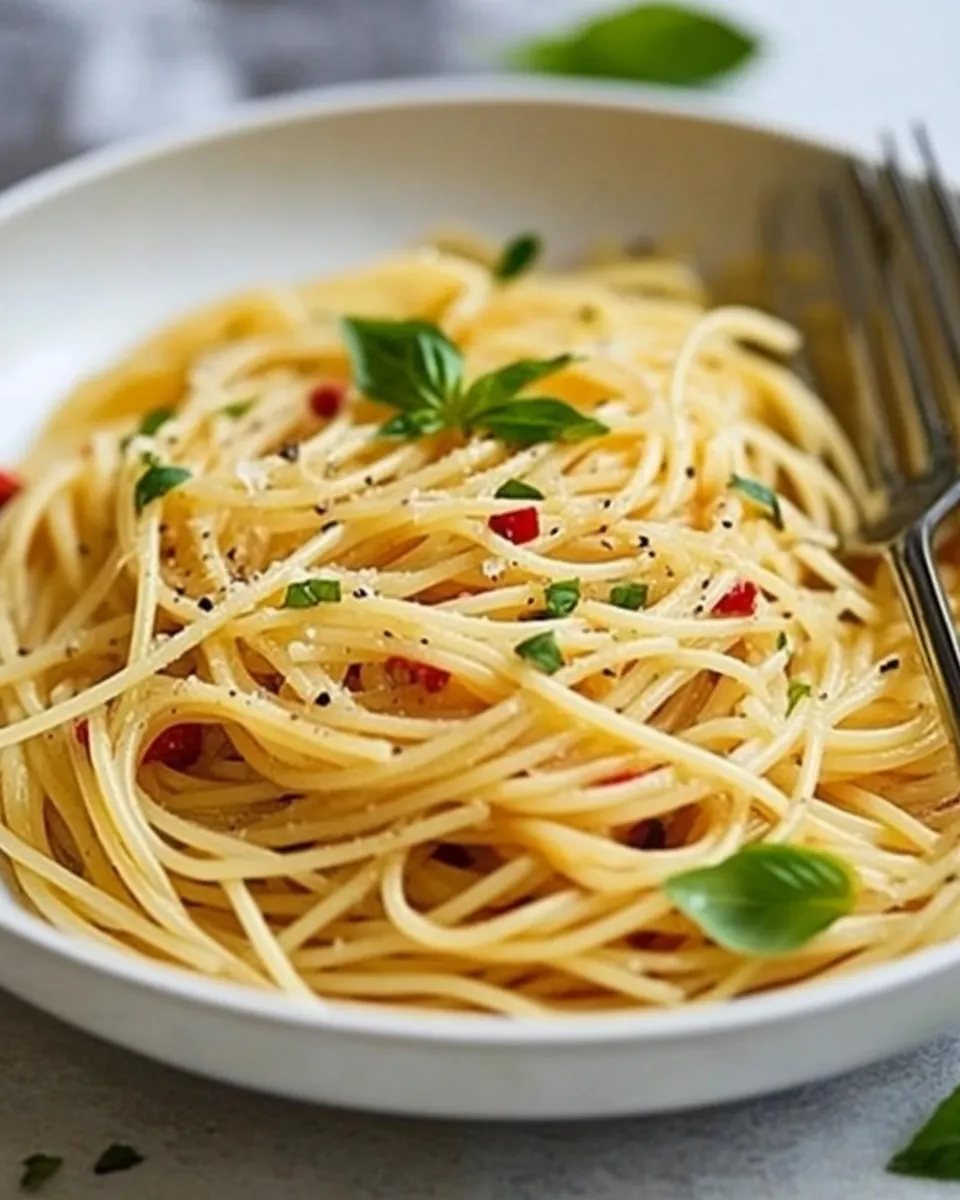
This dish is quick, forgiving, and versatile. In under 20 minutes you get a meal with texture — al dente pasta — and bright flavor from garlic and parsley. It’s also inexpensive: a box of spaghetti, an onion of olive oil, and a bulb of garlic will keep you fed for weeks. More importantly, the technique here is transferable. Once you know how to salt water correctly and finish pasta in a warm pan, you can adapt to many other simple sauces.
There’s comfort in the straightforwardness. No complicated mise en place, no long shopping list. Yet taken seriously — properly seasoned water, attention to the garlic, a hot skillet — the result feels intentional and restaurant-grade. For busy evenings or when you want a satisfying bowl with minimal fuss, this is my go-to.
Ingredient Swaps & Substitutions
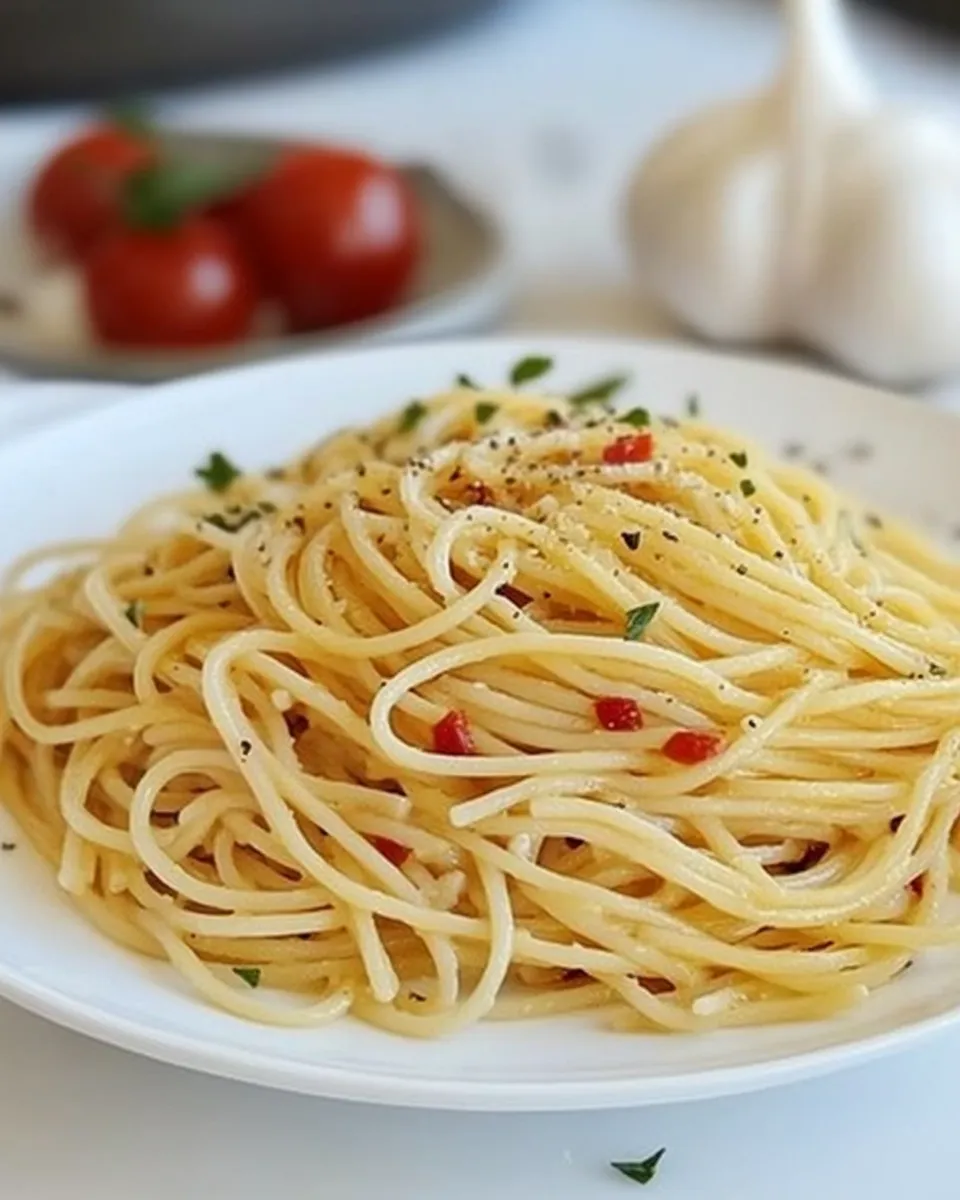
Swap with confidence if you need to adapt. A few straightforward swaps will keep the spirit of the recipe while accommodating preferences or pantry limits.
- Spaghetti: Use linguine or bucatini if you want a slightly different mouthfeel. If you need gluten-free, use a reliable gluten-free spaghetti and watch the package cooking time closely.
- Olive oil / Butter: If you avoid dairy, increase the olive oil to 3 tablespoons and skip the butter. Use a mild neutral oil if you prefer a subtler flavor.
- Garlic: If you’re short on fresh garlic, 1/2 teaspoon garlic powder can stand in during cooking, but add it early so it rehydrates and melds with the oil.
- Parsley: Swap with chopped basil, chives, or a small handful of arugula for a peppery finish.
- Heat: If you don’t like red chili flakes, leave them out. For more complex heat, add a pinch of smoked paprika or a dash of hot sauce at the end.
Recommended Tools
- Large pot — for rolling water and giving the pasta space to cook evenly.
- Large skillet — wide enough to toss the pasta with the oil and garlic.
- Colander — for draining pasta quickly and efficiently.
- Garlic press or sharp knife — finely minced garlic blends best into the oil.
- Tongs or long-handled spoon — to toss the spaghetti cleanly without breaking strands.
- Measuring spoons — for consistent oil and butter amounts.
Missteps & Fixes
Even simple recipes can go sideways. Here are the most common problems and how to rescue them:
- Garlic burned: If the garlic turns dark brown and tastes bitter, discard the garlic oil, wipe the pan, add fresh oil, and start the garlic step over at lower heat. Don’t use the burnt oil; it will taint the whole dish.
- Pasta bland: You probably under-salted the water. Salt the water generously next time — it should taste pleasantly salty. For the current batch, finish with a sprinkle of flaky sea salt at the end.
- Sauce too dry: If the noodles aren’t glossy, add a splash (a tablespoon or two) of the reserved pasta cooking water or a touch more olive oil and toss over low heat until shiny.
- Pasta mushy: You cooked past al dente. Next time, check the package time and test a minute or two earlier. Drain immediately when it’s just tender with a slight bite.
Tailor It to Your Diet
This recipe adapts easily to many diets with small swaps:
- Vegan: Omit the butter and increase olive oil to about 3 tablespoons. Add nutritional yeast for a cheesy note if you like.
- Gluten-free: Use a quality gluten-free spaghetti and follow its cooking time. Shake the pasta gently when draining to prevent clumping.
- Low-sodium: Use less salt in the cooking water and more finishing herbs, lemon zest, or a dash of vinegar to build flavor without adding sodium.
- Lower-fat: Reduce butter to 1/2 teaspoon or skip it; increase olive oil modestly for mouthfeel. Add steamed vegetables for fiber and bulk.
Testing Timeline
Here’s a practical timeline to get dinner on the table efficiently:
- 0:00 — Put a large pot of water on high heat. While it heats, mince garlic and chop parsley.
- 5–10 minutes — Water should start to boil depending on your stove and pot. Salt generously and add the spaghetti.
- Cook time — Follow package instructions. Mine usually take 8–10 minutes to reach al dente. Use this time to heat your skillet and measure oil/butter.
- Final minute of pasta cooking — Start the skillet over medium heat so it’s ready the moment pasta is drained.
- Immediately after draining — Add oil and butter to the skillet, sauté garlic 30–60 seconds, then add pasta. Toss 1–2 minutes to combine and heat through.
- Serve — Divide, garnish with parsley, and eat right away.
Leftovers & Meal Prep
Leftover spaghetti stores well but changes texture. Cool it quickly and store in an airtight container in the fridge for up to 3 days. When reheating, add a splash of water or olive oil and reheat gently in a skillet over low heat so the strands separate and don’t dry out. You can also refresh leftovers by quickly sautéing any vegetables and tossing the pasta with them.
For meal prep, portion into containers with a little extra olive oil and a separate small container of fresh herbs or lemon wedges. Reheat and finish with the fresh components just before eating. Avoid adding soft herbs to stored pasta; they’ll lose vibrancy.
Frequently Asked Questions
- Can I skip the butter? Yes. The butter adds silkiness and a touch of richness. If you skip it, increase olive oil slightly and consider a small handful of grated cheese at the end if dairy is allowed.
- Do I need to reserve pasta water? This specific recipe doesn’t call for it, but keeping a little pasta water (a few tablespoons) is handy if the pasta seems dry — it helps bind the oil to the noodles and creates a silkier coating.
- How do I prevent clumped pasta? Toss the spaghetti with oil after draining or stir it briefly in the pot before moving to the skillet. Serve promptly.
- Can I add protein? Absolutely. Grilled shrimp, sliced chicken, or a fried egg on top are all great additions — add them after the final toss so they remain warm and texturally distinct.
In Closing
This easy spaghetti is about making a satisfying bowl with minimal thinking and maximal flavor. It teaches a few core kitchen habits — salting water, watching garlic, finishing pasta in a warm pan — that improve many dishes. Make it as written the first time so you can learn the rhythm, then experiment: herbs, proteins, or a splash of lemon will take it in new directions.
If you make this, tell me how you finished it. I love hearing what people add or tweak — the best meals are the ones you make your own.
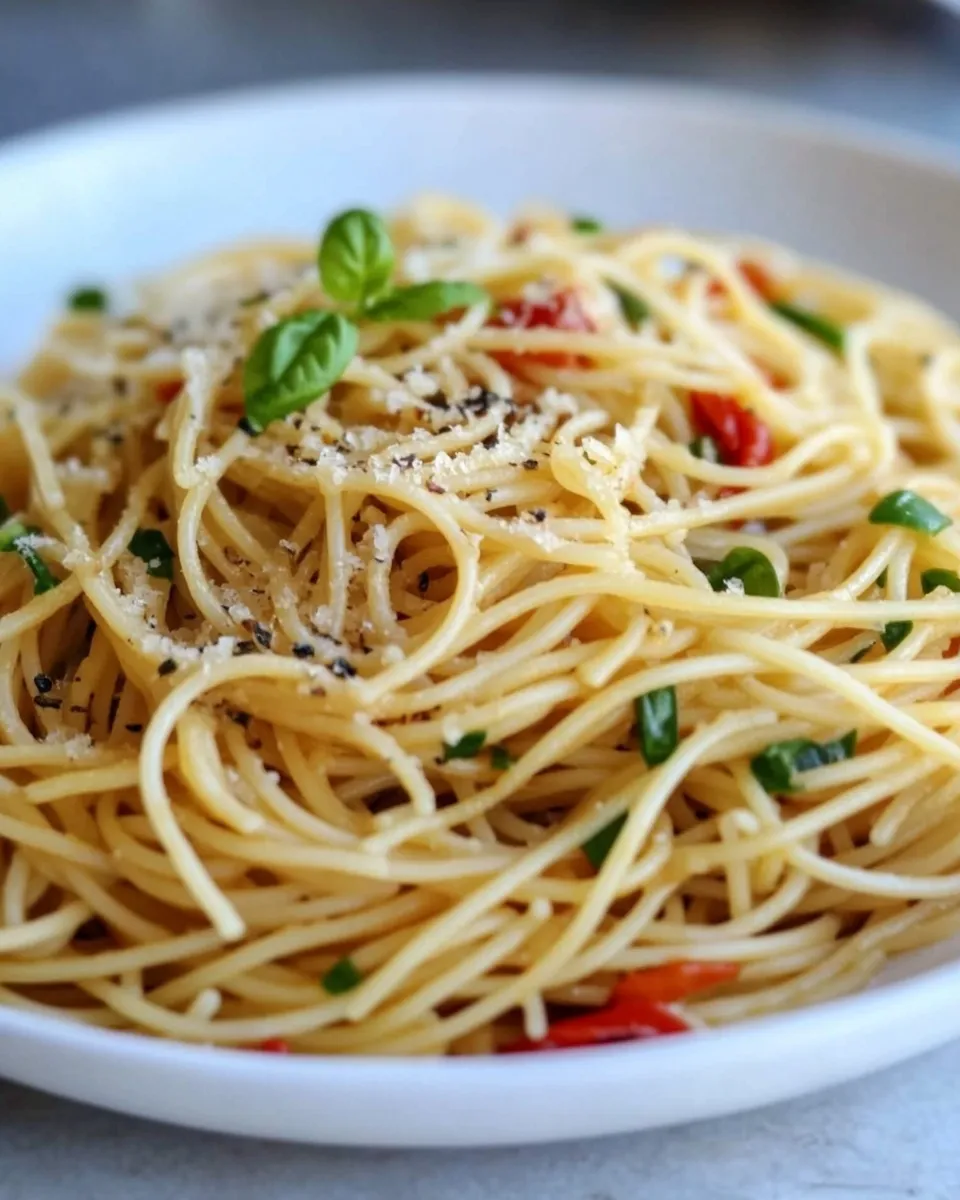
Easy Spaghetti
Equipment
- Large Pot
- Skillet
- Colander
Ingredients
Ingredients
- 8 oz. 230 gspaghetti
- 2 tablespoonsextra virgin olive oil preferred or olive oil
- 1 tablespoonbutter melted
- 3 clovesgarlic minced
- salt to taste
- 3 dashesground black pepper
- red chili flakes to taste
- parsley leaves finely chopped, for garnishing
Instructions
Instructions
- Bring a large pot of water to a boil; add salt to taste. Add 8 oz. (230g) spaghetti and cook according to the package instructions until al dente. Drain and set aside.
- While the pasta cooks or immediately after draining, heat a large skillet over medium heat.
- Add 2 tablespoons extra virgin olive oil and 1 tablespoon butter (melted) to the skillet; if the butter is not already melted, add it and allow it to melt in the skillet.
- Add 3 cloves garlic, minced, and sauté, stirring constantly, until fragrant and just beginning to turn golden (about 30–60 seconds). Be careful not to let the garlic burn.
- Add the drained spaghetti to the skillet and toss or stir to coat evenly with the oil, butter, and garlic. Season with salt to taste, 3 dashes ground black pepper, and red chili flakes to taste. Stir or toss until everything is well combined and heated through (about 1–2 minutes).
- Divide onto plates, garnish with finely chopped parsley leaves, and serve immediately.
Notes
I always go for agood quality extra virgin olive oil. It really boosts the flavor and gives the dish that rich, savory kick. Trust me, it makes all the difference!
Fresh garlic is key!It’s more aromatic and flavorful than pre-minced garlic, so it’s definitely worth the extra step.