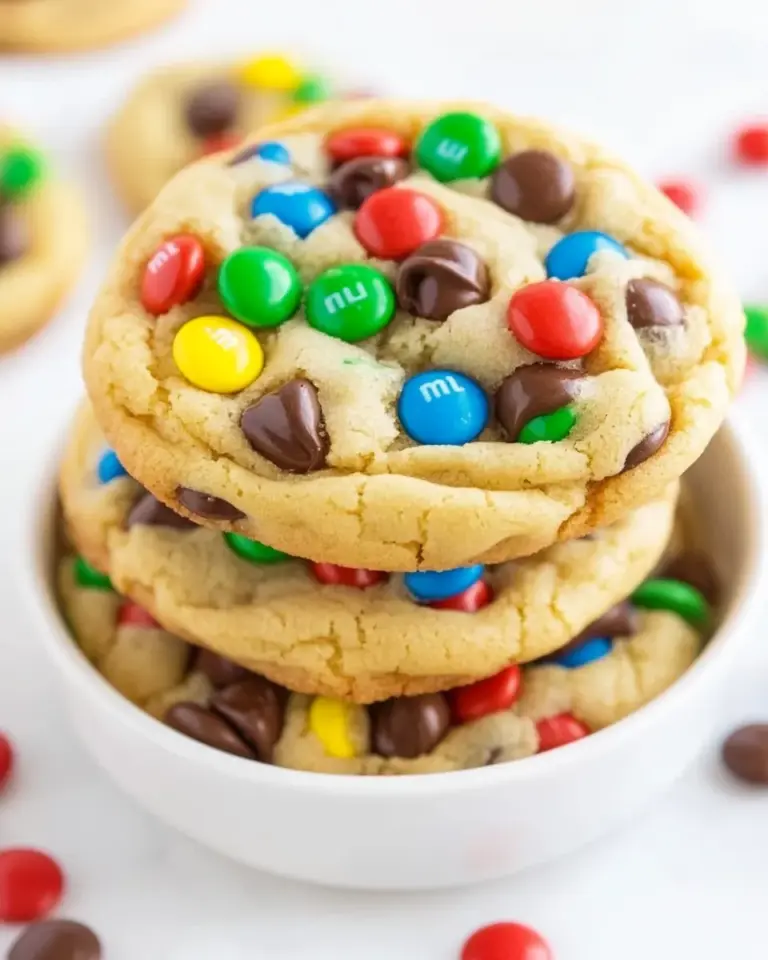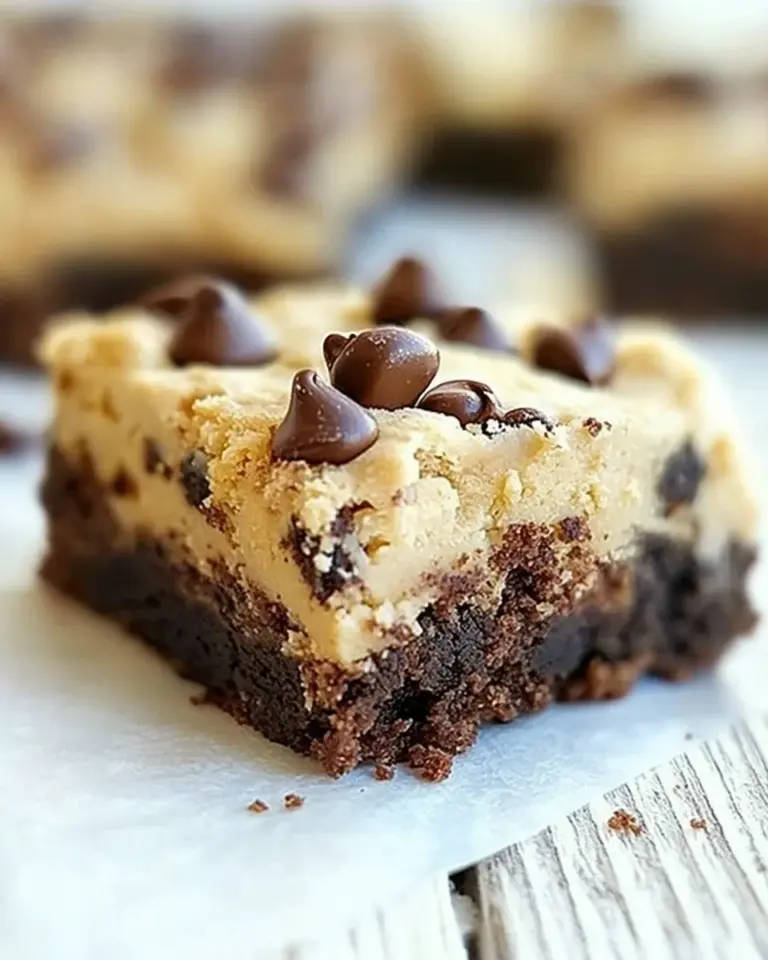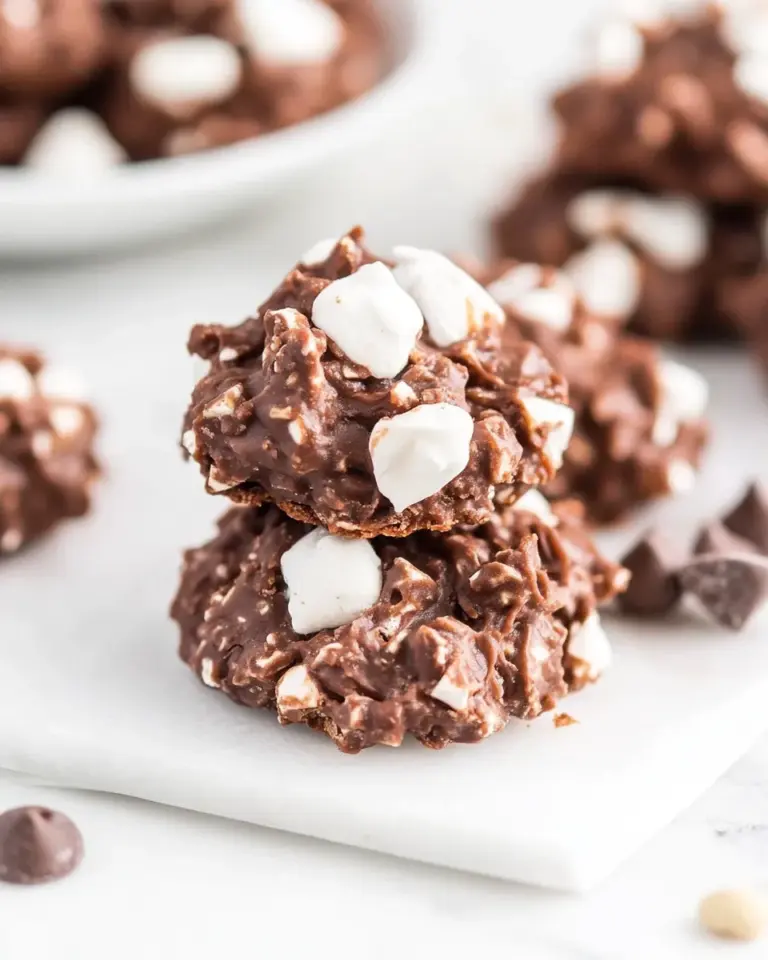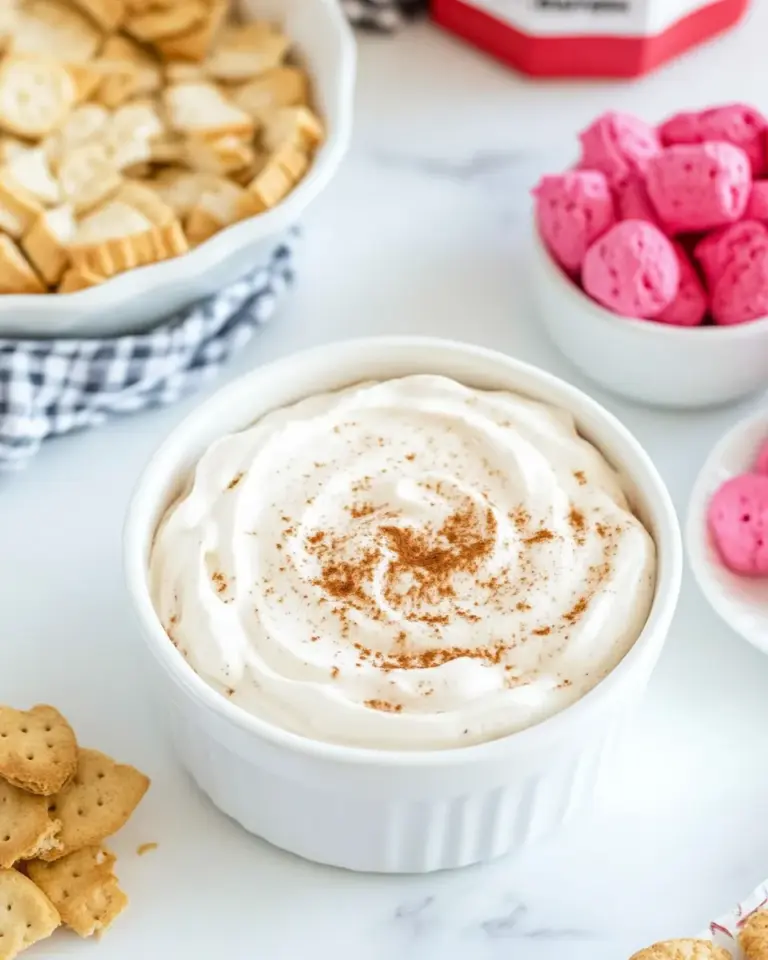
Shortbread is one of those simple pleasures that never goes out of style. It’s buttery, tender, and forgiving — the kind of cookie you can make without a bakery degree and still get applause. I make these when I want something elegant without fuss: afternoon tea, a quick hostess gift, or when the oven’s warmth feels like its own reward.
This recipe leans on technique more than bells and whistles. A few moments of careful mixing, a gentle roll, and a watchful eye in the last minutes of baking are all it takes. The result is a cookie that flakes just right, with a smooth melt-in-your-mouth texture and a clean, buttery flavor.
I’ll walk you through the ingredients, the exact steps, and the common slip-ups I’ve learned to avoid. Expect practical notes, equipment that actually matters, and small tricks that keep these cookies predictable every time.
Ingredient Checklist
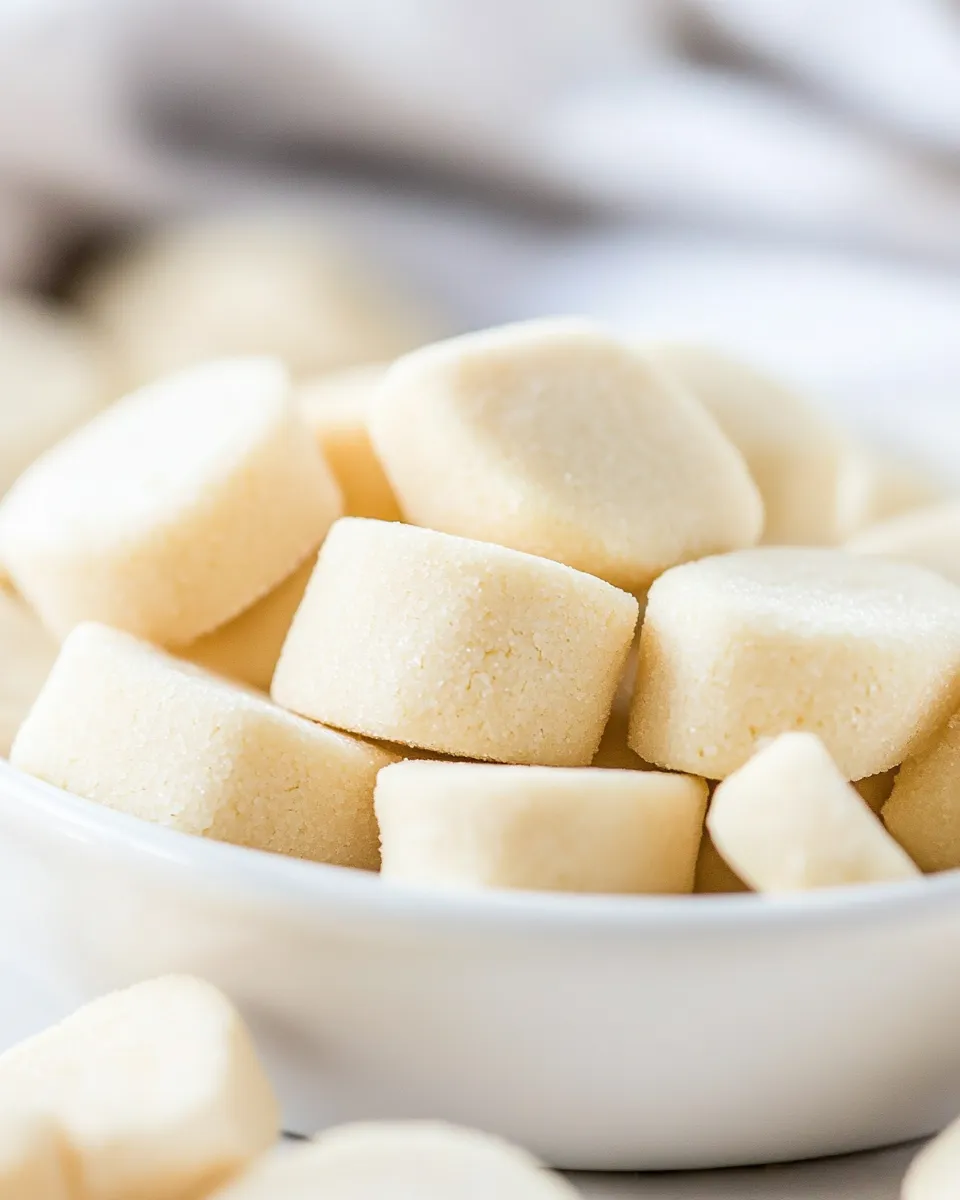
Ingredients
- 1 cup butter, softened — Provides the rich, tender base; room temperature ensures smooth mixing and an even dough.
- 3/4 cup powdered sugar — Sweetens while contributing to a fine crumb; sift if clumpy for the smoothest dough.
- 1/2 teaspoon vanilla extract — Adds a subtle background warmth that lifts the butter and sugar.
- 2 cups all purpose flour — The structure-building ingredient; fluff before measuring to avoid dense cookies.
Perfect Shortbread Cookies — Do This Next
- Preheat the oven to 325°F. Line two lightly colored baking sheets with parchment paper and set aside.
- In the bowl of a stand mixer fitted with the paddle attachment, add 1 cup softened butter, 3/4 cup powdered sugar, and 1/2 teaspoon vanilla extract. Mix on low until smooth and combined, scraping the bowl as needed.
- Fluff 2 cups all-purpose flour before measuring, then add the flour to the mixer. Mix slowly on low until a crumbly dough forms; it will look like crumbs in the mixer but will hold its shape when squeezed together in your hand.
- Turn the dough out onto a sheet of parchment paper and form it into a ball. Place a second sheet of parchment over the dough and roll to an even 1/3–1/2-inch thickness.
- Use a 3-inch cookie cutter (or any desired cutter) to cut shapes from the rolled dough. Transfer the cut cookies to the prepared baking sheets, spacing them so they do not touch. Gather and re-roll scraps as needed to cut remaining cookies.
- Bake for 12–15 minutes, or until the bottoms of the cookies are just barely golden brown.
- Remove the baking sheets from the oven and let the cookies cool on the hot baking sheets for 5 minutes, then transfer the cookies to cooling racks to cool completely.
- Store cooled cookies in airtight containers for up to 5 days.
Why I Love This Recipe
This recipe is unapologetically straightforward. Few ingredients, short ingredient list, and a direct method. That simplicity is its strength: every element pulls its weight. The butter gives the cookie its signature richness; the powdered sugar helps create a tender, delicate crumb; and the flour provides just enough structure to hold shape without becoming cakey.
I’ve made these a thousand ways and come back to these proportions because they produce consistently tender cookies with clear, clean flavor. They also respond well to handling — overwork the dough and they’ll be tough; handle gently and they stay melt-in-your-mouth. That predictability is invaluable on busy days.
Healthier Substitutions
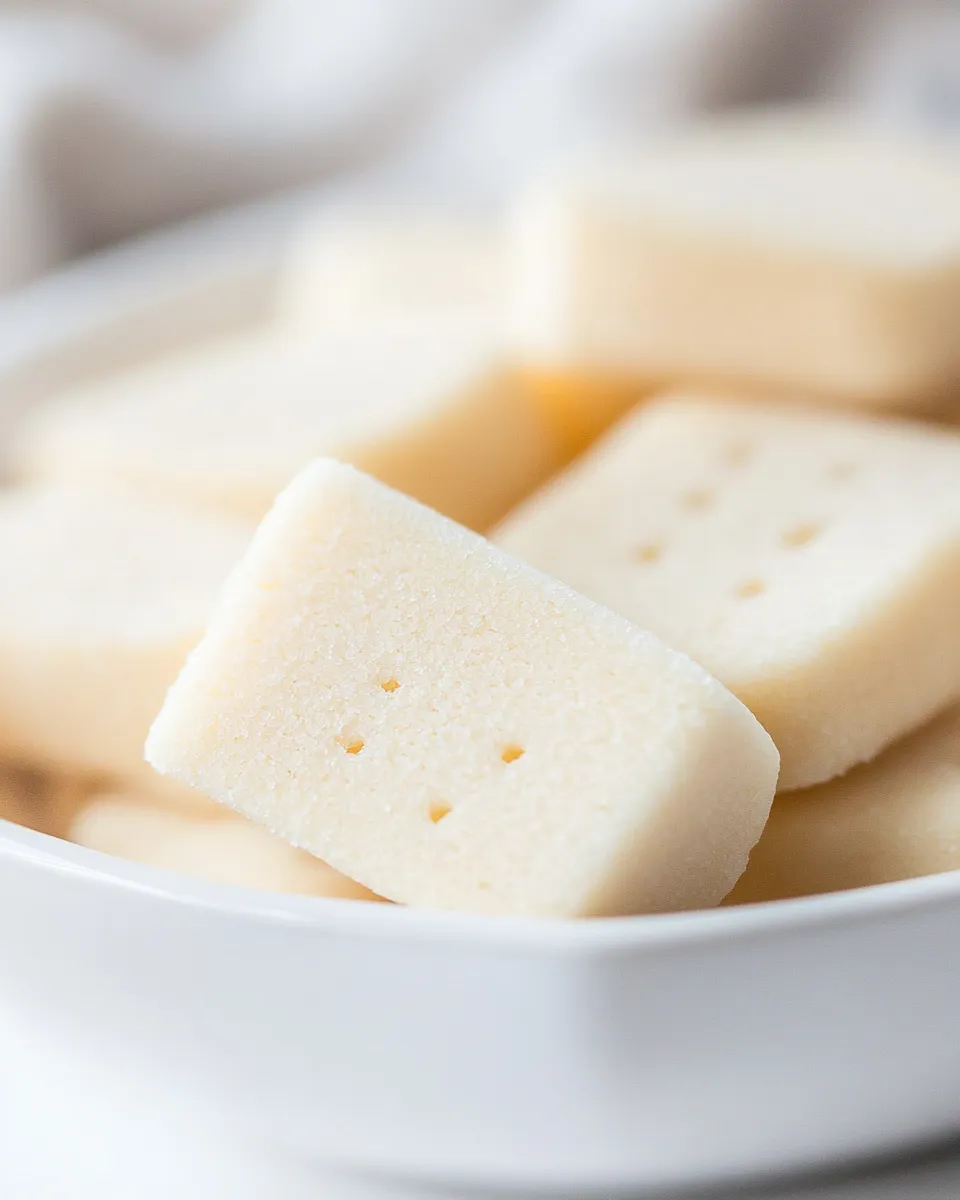
Shortbread is essentially butter and flour, so any “healthier” swap is a compromise. Still, if you’re looking to tweak the profile, here are options that work without derailing texture too badly.
- Use a whole-grain-ish approach: replace up to 1/3 of the all-purpose flour with a finely milled whole grain flour. Expect a slightly denser bite and a nuttier flavor.
- For lower sugar: reduce the powdered sugar modestly (by 1–2 tablespoons). Texture will change subtly, but sweetness drops without destroying structure.
- Choose a reduced-fat butter or a butter substitute if needed. Note that flavor and texture will be less rich; these cookies shine because of real butter.
Tools & Equipment Needed
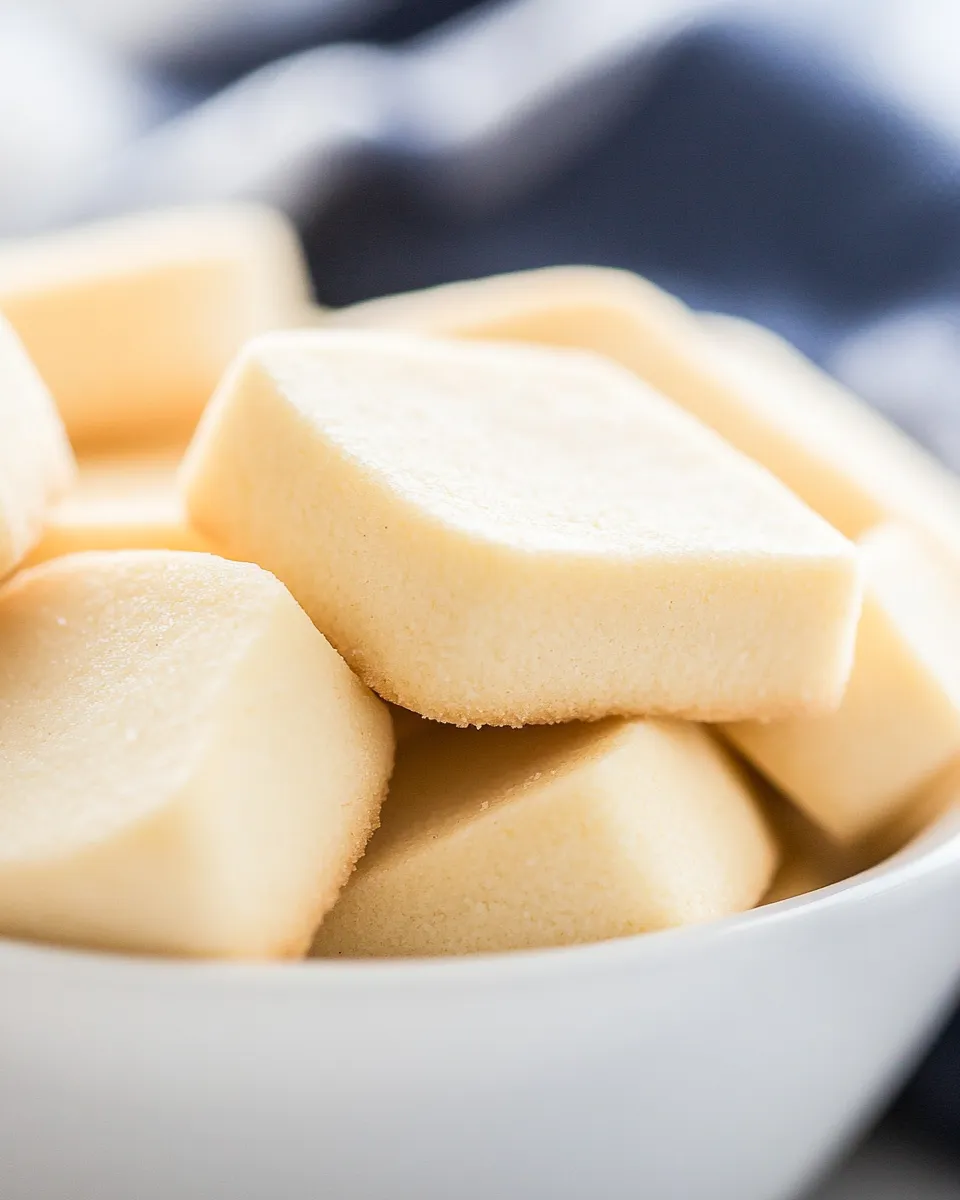
- Stand mixer with paddle attachment — Makes mixing quick and consistent. A hand mixer will work if needed.
- Baking sheets (light-colored) — Light pans prevent over-browning on the bottoms.
- Parchment paper — Prevents sticking and helps cookies bake evenly.
- Rolling pin and 3-inch cookie cutter — For uniform thickness and shape. Any cutter shape works, as long as it’s about 3 inches for bake time consistency.
- Cooling racks — Allow cookies to cool fully without steaming on the pan.
Easy-to-Miss Gotchas
These are the small things that make a big difference in shortbread.
- Butter temperature matters. If the butter is too cold, it won’t cream smoothly and the dough will be lumpy. Too warm and the cookies spread. Aim for softened, not greasy.
- Flour measurement. Fluff the flour and spoon it into your measuring cup, then level. Packing flour will give you dense, dry cookies.
- Don’t overmix once the flour is added. Stop when the dough just comes together. Overworking develops gluten and makes cookies tough.
- Watch the oven in the last few minutes. These cookies go from pale to overdone quickly. Look for just-barely-golden bottoms.
- Let them rest briefly on the hot sheet. Transferring immediately can make them too soft. Five minutes on the sheet, then cool on racks.
Make It Diet-Friendly
Lower Sugar
If you need less sugar, shave off 1–2 tablespoons of the powdered sugar. The texture will be slightly firmer but still enjoyable. Taste the dough before baking — it should still be pleasantly sweet, not flat.
Gluten-Free Option
To make this gluten-free, use a high-quality 1:1 gluten-free flour blend that’s designed for baking. The dough will feel a touch different — a little stickier — but you can follow the same shaping and baking instructions. Expect a slight textural difference compared with the wheat version.
Behind-the-Scenes Notes
I test recipes obsessively, and shortbread taught me to respect small ratios. A tiny change in butter or flour noticeably alters texture. The switch to powdered sugar from granulated was intentional: it yields a finer, more tender crumb. The flip side is that powdered sugar can compress, so fluff it before measuring.
Another point: the cookie thickness range in the recipe (1/3–1/2 inch) is purposeful. Thinner cookies are crisper and bake faster. Thicker ones stay tender and take the full 12–15 minutes. Consistency matters when you’re making batches, so try to roll to the same thickness for every sheet.
Save It for Later
Store cooled cookies in a single layer or with parchment between layers inside an airtight container. They keep for up to five days at room temperature. If you want to freeze dough, shape it into a log, wrap tightly, and freeze; thaw in the fridge before slicing and baking. Alternatively, freeze baked cookies in an airtight container with parchment between layers; thaw on the counter for a few hours before serving.
FAQ
- Can I use salted butter? Yes. If you do, be mindful of the flavor — salted butter will add a slight savory edge. This recipe doesn’t call for added salt, so salted butter is fine if you prefer it.
- Why powdered sugar instead of granulated? Powdered sugar creates a silkier texture and a finer crumb. Granulated sugar can produce a slightly grainier shortbread.
- My dough was crumbly and didn’t come together — now what? If it won’t hold when squeezed, add a teaspoon of cold water at a time until it just holds. Don’t overhydrate; you want a cohesive but not sticky dough.
- Can I make the cookies smaller or larger? Yes. Adjust baking time accordingly. Smaller cookies will need less time; larger ones will need a bit more. Look for just-barely-golden bottoms as your guide.
- Do I need to chill the dough? No. This recipe is designed to be rolled and cut right away. If your kitchen is warm and the dough is too soft, a short chill (15–20 minutes) helps.
Time to Try It
Make a batch this afternoon. Follow the steps, keep an eye on butter temperature, and watch the bottoms in the last few minutes. These cookies are forgiving, and they reward care with dependable results.
If you bake a batch, tell me how they turned out: thicker or thinner, crisp or tender, and whether you re-rolled the scraps or used them for a second shape. Small adjustments are how you make the recipe your own. Happy baking — and enjoy the way a good shortbread makes a quiet moment feel special.
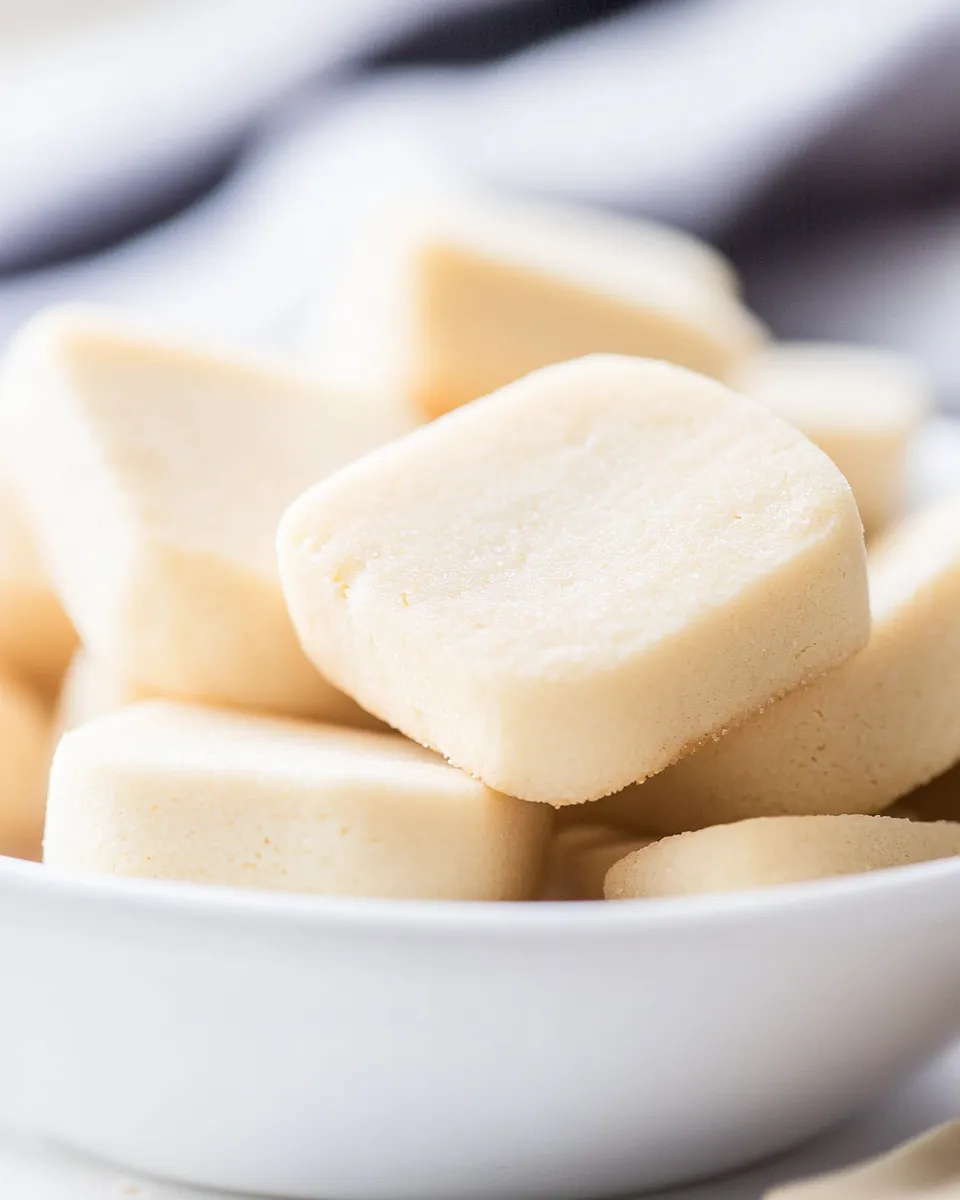
Perfect Shortbread Cookies
Equipment
- Stand mixer
- paddle attachment
- Mixing Bowl
- Rolling Pin
- Cookie Cutter
- Parchment Paper
- Baking Sheet
- Cooling rack
Ingredients
Ingredients
- 1 cupbuttersoftened
- 3/4 cuppowdered sugar
- 1/2 teaspoonvanilla extract
- 2 cupsall purpose flour
Instructions
Instructions
- Preheat the oven to 325°F. Line two lightly colored baking sheets with parchment paper and set aside.
- In the bowl of a stand mixer fitted with the paddle attachment, add 1 cup softened butter, 3/4 cup powdered sugar, and 1/2 teaspoon vanilla extract. Mix on low until smooth and combined, scraping the bowl as needed.
- Fluff 2 cups all-purpose flour before measuring, then add the flour to the mixer. Mix slowly on low until a crumbly dough forms; it will look like crumbs in the mixer but will hold its shape when squeezed together in your hand.
- Turn the dough out onto a sheet of parchment paper and form it into a ball. Place a second sheet of parchment over the dough and roll to an even 1/3–1/2-inch thickness.
- Use a 3-inch cookie cutter (or any desired cutter) to cut shapes from the rolled dough. Transfer the cut cookies to the prepared baking sheets, spacing them so they do not touch. Gather and re-roll scraps as needed to cut remaining cookies.
- Bake for 12–15 minutes, or until the bottoms of the cookies are just barely golden brown.
- Remove the baking sheets from the oven and let the cookies cool on the hot baking sheets for 5 minutes, then transfer the cookies to cooling racks to cool completely.
- Store cooled cookies in airtight containers for up to 5 days.
Notes
*feel free to scoop and roll shortbread cookie dough into smooth balls and indenting with a fork.
Storage Directions for Shortbread Cookies
Stored cookies will stay fresh in an airtight container for
5 days on the counter, or
up to 10 days in the fridge
.
To freeze
after baking
– allow to cool to room temperature. Place in a freezer safe container and freeze for up to 3 months. Allow to come to room temperature and serve.
To freeze before baking
– I would suggest rolling out the dough and cutting into desired shapes before freezing. Flash freeze on a cookie sheet before placing in a freezer-safe, airtight container. When ready to bake, allow to sit out while the oven preheats, then bake as the recipe card indicates.