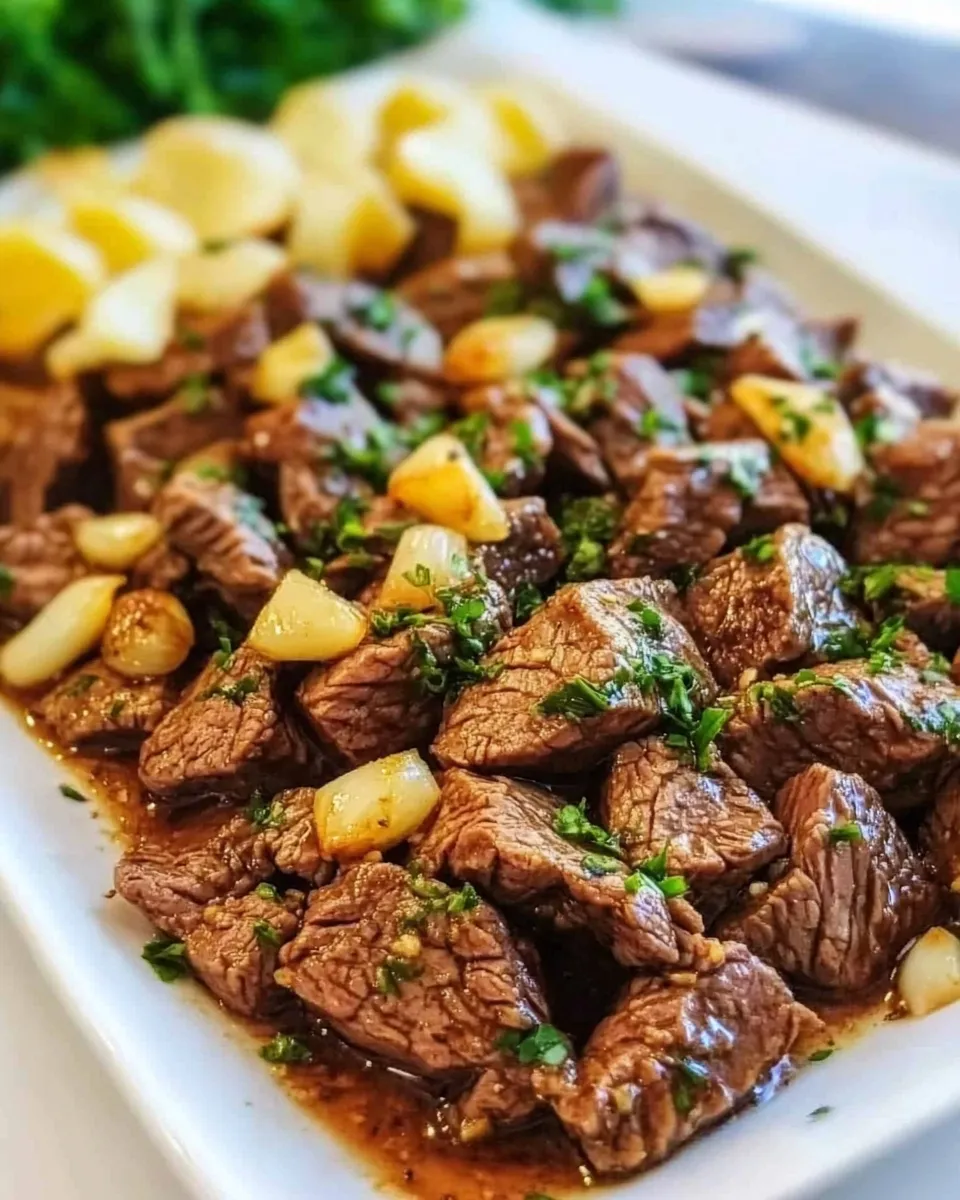
There’s something wildly satisfying about a skillet dinner that comes together quickly, smells irresistible, and leaves everyone asking for seconds. This Garlic Steak Skillet hits that mark: tender ribeye seared in a garlicky olive oil bath, finished with fresh parsley for a bright finish. It’s comfort food without fuss—simple ingredients, straightforward technique, and a result that’s restaurant-worthy from your own stovetop.
This recipe highlights one ingredient above all: rich, well-marbled ribeye. Two large steaks deliver deep beefy flavor and a buttery mouthfeel when cooked properly. Garlic plays a starring role, both smashed into the oil to flavor the pan and reserved in smaller pieces to turn silky and fragrant at the end. A splash of extra virgin olive oil is the cooking medium; salt and pepper are the only seasonings you need to let the meat and garlic shine. A scattering of chopped parsley at the finish brings freshness and color.
Read through the tips and technique before you start: temperature control and timing are the difference between a great sear and overcooked meat. This version keeps things very simple and honest, and it’s flexible—pair with mashed potatoes, crusty bread, a green salad, or roasted vegetables for an easy, satisfying meal.
Ingredients
- 24 oz ribeye steak (about 2 large steaks)
- 1/4 cup extra virgin olive oil
- 20 cloves garlic, divided: 15 cloves and 5 cloves
- 1/2 tsp salt
- 1/2 tsp pepper
- 2 tbsp parsley, chopped
Equipment
- Large cast-iron or heavy skillet
- Tongs
- Sharp knife and cutting board
- Meat thermometer (optional, but helpful)
- Paper towels
Why this works
Seared ribeye benefits from high, even heat so the exterior develops a deep brown crust while the inside stays juicy. Using extra virgin olive oil infuses the pan with flavor and carries the garlic’s aromatics throughout. The method separates most of the garlic into the oil early, where it aromatizes the fat, and then adds a few cloves later to provide tender bites of slightly mellowed garlic. Salt and pepper are applied evenly so every bite is seasoned, and a final sprinkle of parsley brightens the whole dish.
Prep before you start
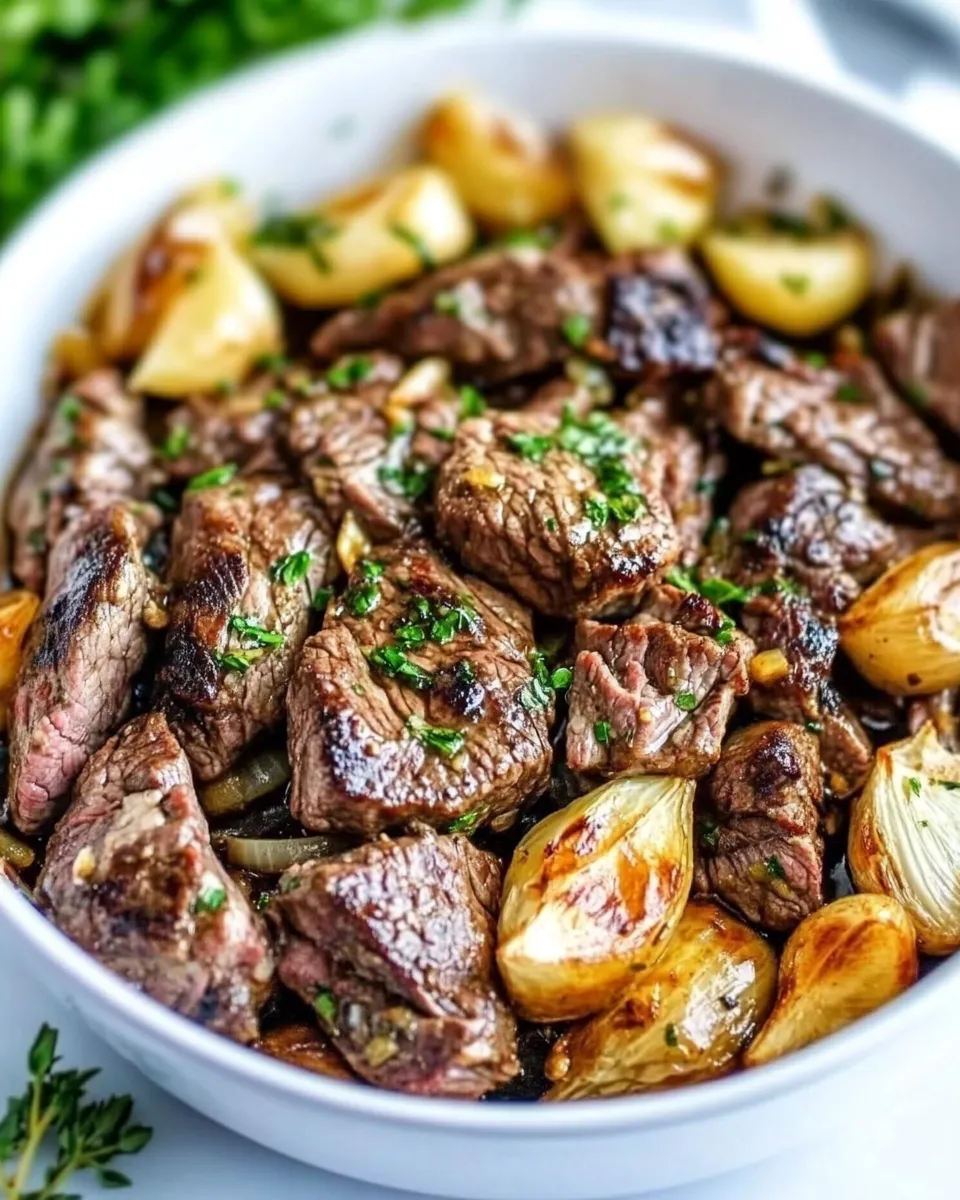
- Remove steaks from the refrigerator at least 20–30 minutes before cooking to take the chill off. This promotes an even cook.
- Peel 20 garlic cloves. Keep 15 whole for the initial cooking step and chop or thinly slice the remaining 5.
- Pat steaks dry on both sides with paper towels. Dry meat sears better and produces a better crust.
- Measure out your oil, salt, pepper, and chopped parsley so they’re ready to use.
Step-by-step Instructions
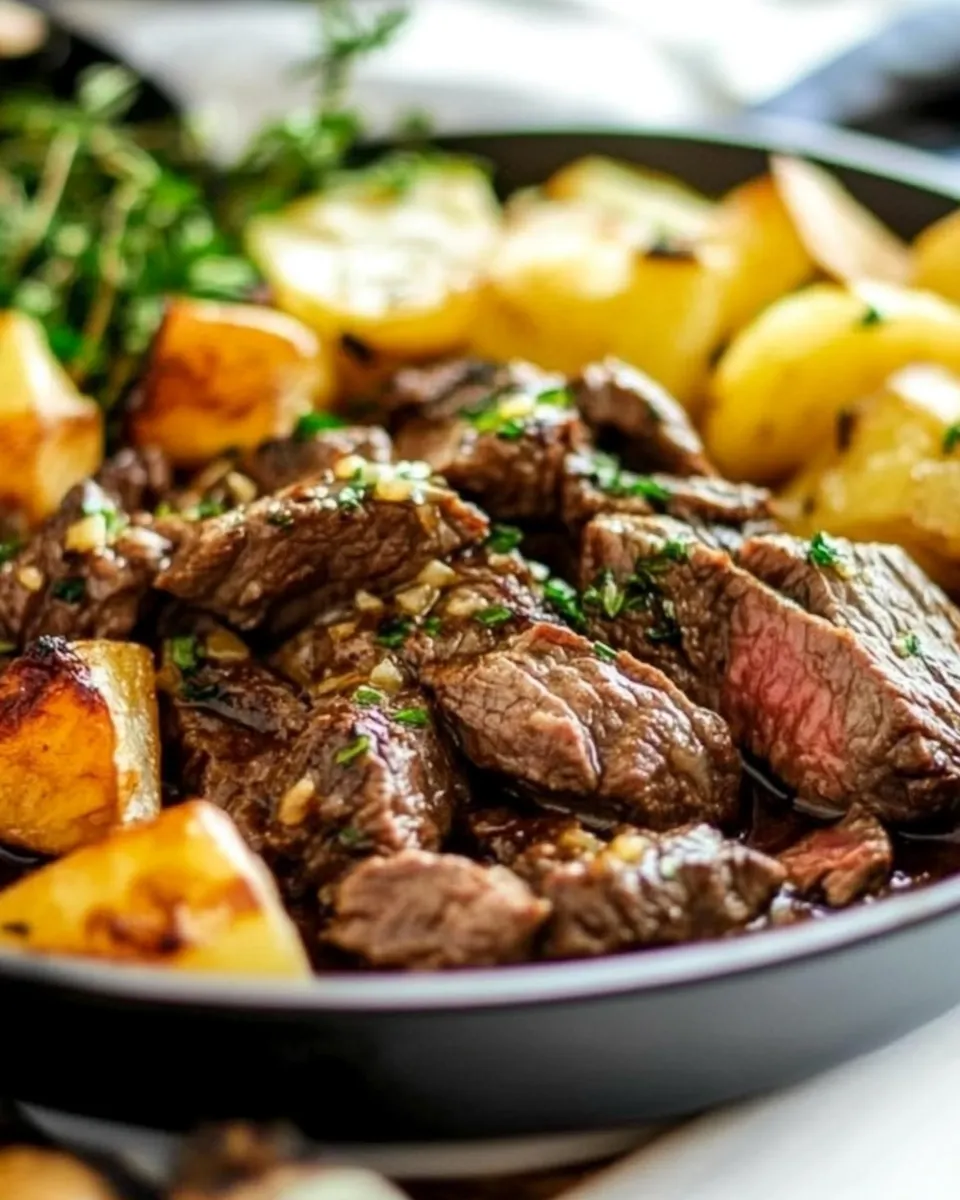
Follow these steps in order for the best results. The directions have been rewritten for clarity while keeping the ingredient amounts and overall sequence intact.
- Heat your skillet over medium-high heat until very hot. A properly heated pan is essential for a good sear.
- Add 1/4 cup extra virgin olive oil to the hot skillet and allow it to warm for 15–30 seconds. You want the oil to shimmer but not smoke aggressively.
- Reduce the heat slightly if the oil begins to smoke, then add the 15 whole garlic cloves to the oil. Stir them gently so they release their aroma and flavor into the oil for about 30–60 seconds. Watch carefully so they do not burn.
- Season both sides of the 24 oz ribeye steaks evenly with 1/2 tsp salt and 1/2 tsp pepper. Pat the seasonings into the meat so they adhere.
- Carefully place the seasoned steaks into the skillet, arranging them so each steak makes good contact with the hot surface. Leave space between steaks if your skillet allows.
- Sear the steaks undisturbed for about 3–4 minutes on the first side, depending on thickness and desired doneness. You’re aiming for a deep golden-brown crust.
- Flip the steaks using tongs and sear the second side for another 3–4 minutes for medium-rare, or longer if you prefer a higher degree of doneness. If you have a meat thermometer, target about 125°F (52°C) for medium-rare; remove the steaks a few degrees below your target temperature since they will carryover cook while resting.
- During the last 1–2 minutes of cooking, add the remaining 5 garlic cloves (chopped or thinly sliced) to the skillet around the steaks. This gives a softer, more pronounced garlic bite that mingles with the pan juices.
- When the steaks reach your desired internal temperature and the garlic is fragrant and slightly softened, transfer the steaks to a cutting board. Let them rest for 5–10 minutes. Resting allows the juices to redistribute so the meat stays juicy when sliced.
- While the steaks rest, use the hot skillet to briefly cook the garlic pieces that were added at the end: toss them around the pan with the olive oil and pan juices for 30–60 seconds to make sure they are tender and flavorful. If the skillet seems dry, add a small splash of oil, but this is usually unnecessary.
- Slice the rested steaks against the grain into desired thickness. Spoon the garlicky oil and softened garlic from the skillet over the sliced steak.
- Finish with 2 tbsp chopped parsley sprinkled over the top for a pop of color and fresh herb flavor. Serve immediately.
Timing and doneness guide
- 3–4 minutes per side: medium-rare for 1–1.5 inch steaks (adjust time for thickness)
- 4–5 minutes per side: medium
- Use a meat thermometer to be precise: 120–125°F for rare, 125–130°F for medium-rare, 135–145°F for medium.
Serving suggestions
This Garlic Steak Skillet is wonderfully versatile. Try one of these simple pairings:
- Mashed potatoes or creamy polenta to soak up the garlic oil and juices.
- Crusty bread to swipe the pan sauce—simple and addictive.
- Roasted or steamed seasonal vegetables for a balanced plate.
- A crisp green salad dressed lightly with lemon and olive oil to cut the richness.
Make-ahead tips and storage
- You can sear the steaks and hold them loosely tented with foil for up to 30 minutes before serving; this is handy if you need to finish sides.
- Leftovers keep in an airtight container in the refrigerator for up to 3 days. Reheat gently in a skillet over low heat and add a splash of oil to revive the garlic pan juices.
Flavor variations
If you want to tweak the profile without complicating the dish, try these small changes:
- Add a squeeze of lemon or a splash of balsamic to the pan right after you remove the steaks for a tangy, slightly sweet finish.
- Stir in a pat of butter to the pan juices for a richer sauce as you rest the meat.
- Sprinkle a pinch of crushed red pepper flakes with the parsley for a subtle heat contrast.
Notes and troubleshooting
- If the garlic starts to brown too quickly and threatens to burn, lower the heat and move the garlic to a cooler part of the pan. Burnt garlic turns bitter and will detract from the dish.
- For an even better crust, make sure steaks are very dry before they hit the pan and don’t overcrowd the skillet. If necessary, sear in batches.
- If the steaks seem to be browning before reaching the temperature you want inside, reduce the heat slightly and finish them more gently so the interior cooks through without charring the exterior.
Why we keep it simple
This Garlic Steak Skillet is built around technique rather than a long list of ingredients. That allows the quality of the ribeye and the pure taste of garlic to shine. With just olive oil, garlic, salt, pepper, and parsley, you get maximum flavor for minimal effort—exactly the kind of meal that becomes a household favorite.
Ready to cook? Gather your ingredients, heat the skillet, and let the aroma of garlic and seared beef fill your kitchen. This straightforward, flavorful dish proves that a few good ingredients treated well will always deliver.
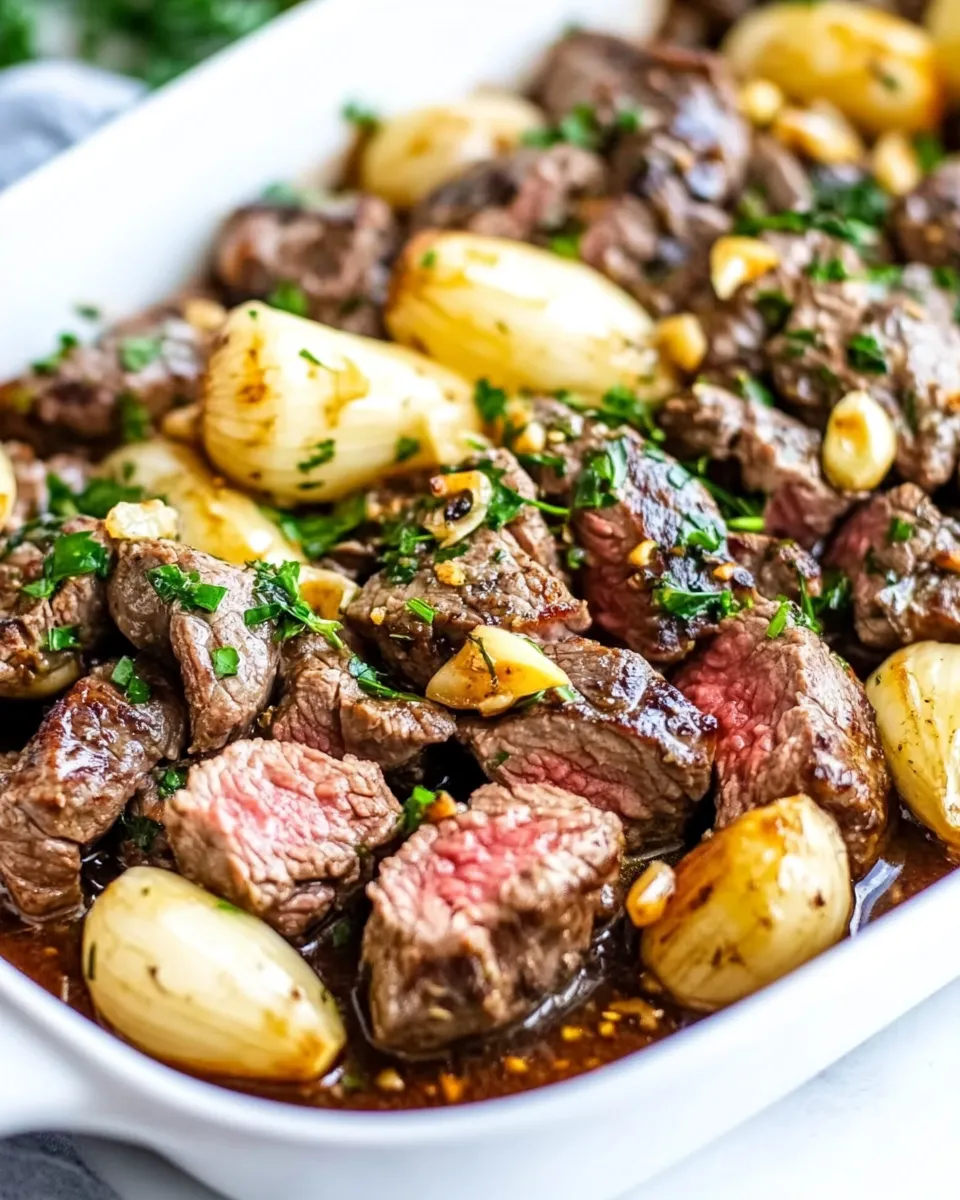
Garlic Steak Skillet
Equipment
- Medium Skillet
- Knife
- Cutting Board
- Spoon
- Measuring Spoons
Ingredients
- 24 oz ribeye steak about 2 large steaks, cut into 1-inch pieces
- 1/4 cup extra virgin olive oil
- 20 cloves garlic divided — 15 whole cloves for slow-cooking, 5 cloves minced or pressed for steak
- 1/2 tsp salt
- 1/2 tsp black pepper
- 2 tbsp parsley chopped
Instructions
- Pour the 1/4 cup olive oil into a medium skillet and add about 15 whole garlic cloves.
- Cook over low heat until the garlic is soft and golden brown, about 20 minutes, stirring every 4–6 minutes to prevent burning.
- While the garlic cooks, trim excess fat from the steaks and cut into 1-inch pieces. Season evenly with 1/2 teaspoon salt and 1/2 teaspoon black pepper.
- Press or mince the remaining 5 garlic cloves and set them aside.
- When the slow-cooked garlic is soft and golden, remove the garlic cloves from the pan and reserve the garlic and the oil; drain off excess oil, leaving about 1 tablespoon in the skillet.
- Heat the skillet over high heat. Once the oil is hot, add the steak pieces in a single layer (work in batches if needed) and sear 2 minutes without stirring.
- Flip the steak pieces and cook 1 more minute, then add the reserved minced/pressed garlic and stir continuously for about 1 minute until fragrant.
- Remove the steak from the skillet, toss with the reserved golden garlic and chopped parsley, and serve immediately.
Notes
- Other steak cuts like sirloin, tenderloin, or strip can be used.
- If short on time, skip slow-cooking the whole garlic cloves.
- This recipe is naturally gluten free and low carb.
- Check product labels to ensure compliance with specific diets.
- Nutrition estimates will vary by brands and portion sizes.