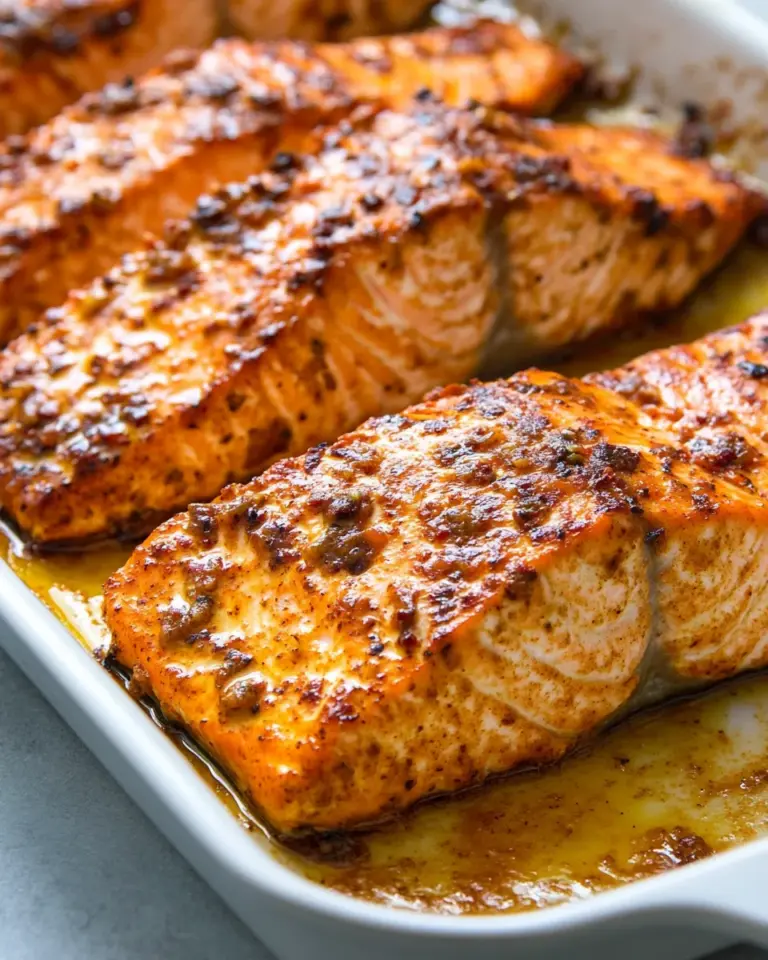
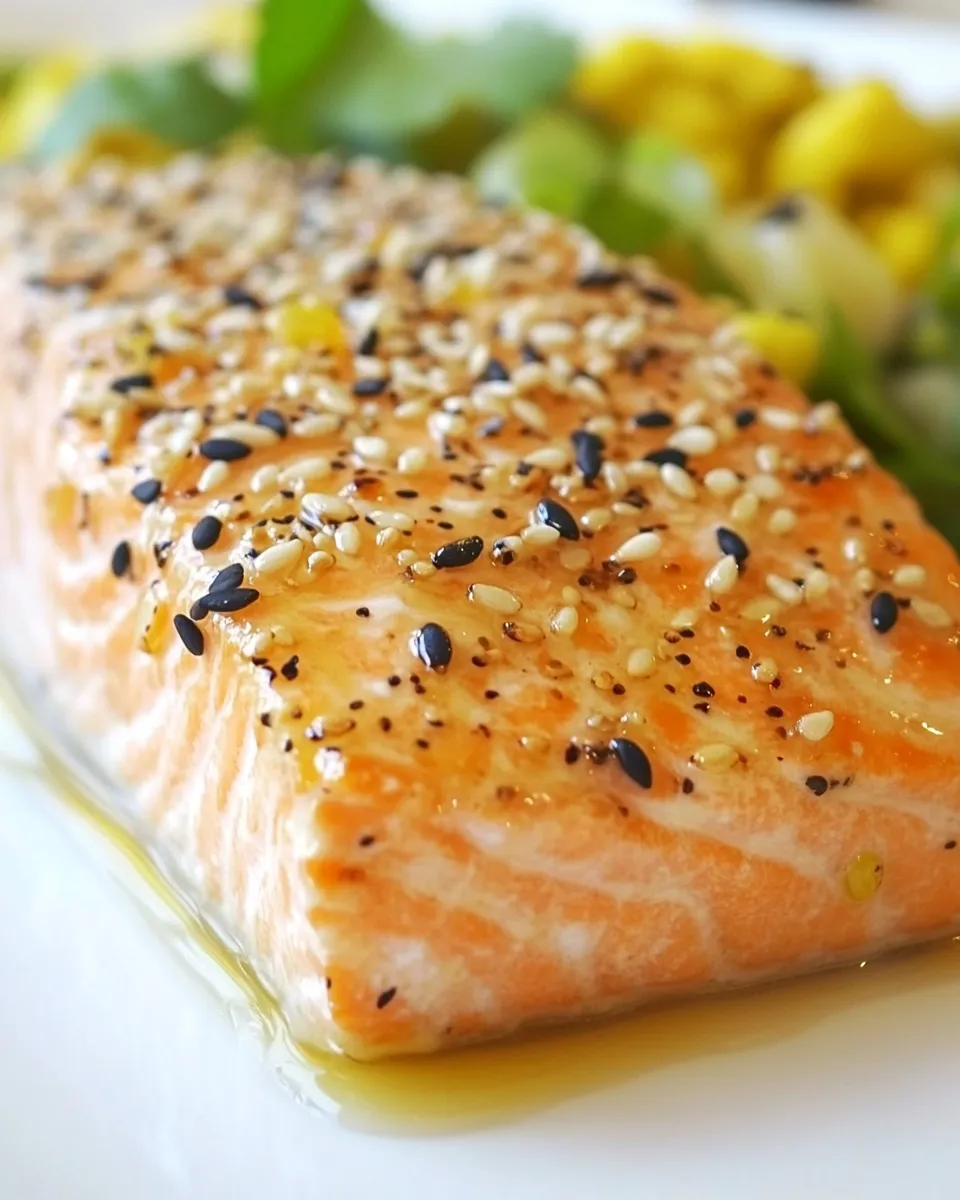
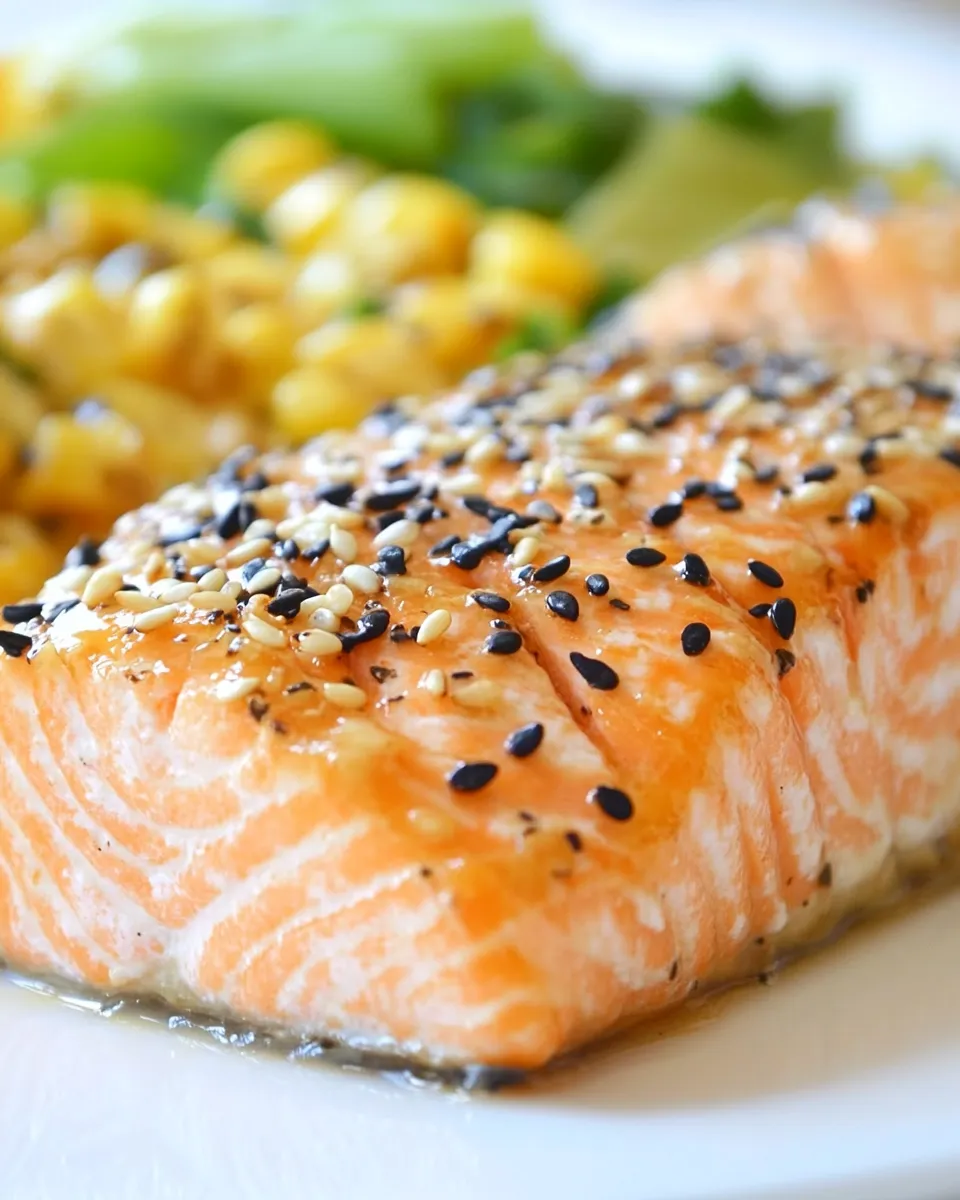
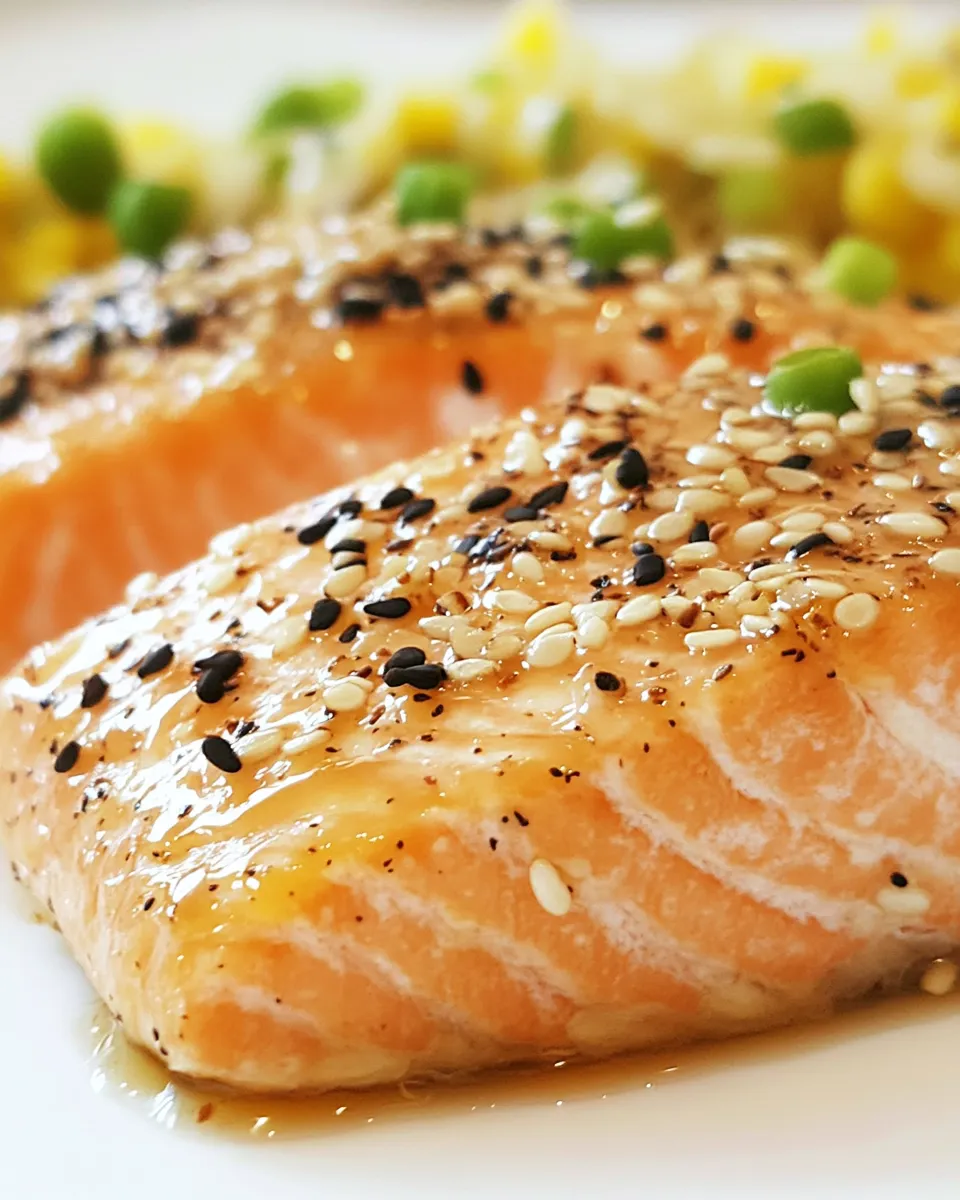
If you’re craving a weeknight main that looks restaurant-ready but comes together in minutes, this Honey Glazed Sesame Salmon is exactly that kind of magic. Think caramelized honey, a whisper of sesame oil, and buttery, flaky salmon that’s perfectly seasoned with salt and pepper. It’s simple, bright, and satisfying — the kind of recipe you’ll reach for again and again.
This recipe uses 24 oz fresh salmon divided into four 6-oz portions, so it’s great for a family dinner or meal prep. I love serving it with steamed greens, fluffy rice, or a quick cucumber salad to cut through the sweetness. The sesame seeds and parsley give it a pop of texture and color, making every plate feel intentional.
Why you’ll love this Honey Glazed Sesame Salmon
- Ready in under 20 minutes from start to finish.
- Minimal ingredients that deliver maximum flavor.
- Flexible sides — pairs well with rice, noodles, roasted vegetables, or a crisp salad.
- Elegantly simple: a glossy honey glaze and toasty sesame notes that complement the rich salmon.
Ingredients
Makes 4 portions (6 oz each)
- 24 oz fresh salmon, 4 portions (6 oz each)
- 1 tablespoon butter, softened
- 1 tablespoon honey
- 1/2 teaspoon sesame oil
- salt & pepper to taste
- sesame seeds for garnish, optional
- parsley for garnish, optional
Equipment you’ll need
- Large nonstick or stainless-steel skillet
- Tongs or a fish spatula
- Small bowl for the glaze
- Measuring spoons
- Plate and paper towels
Prep tips
- Pat the salmon dry with paper towels before seasoning — dry skin and flesh sear better and develop a better glaze.
- Bring the salmon to room temperature for 10–15 minutes before cooking to promote even cooking.
- If your fillets have skin, you can cook skin-side down first for a crisp edge, then flip to finish; if skinless, handle gently to keep fillets intact.
- Measure the glaze ingredients ahead of time so the final sauce comes together the moment the fish is done.
Flavor variations
- Add a splash of lemon juice or rice vinegar to the glaze for a brighter finish.
- Stir in a pinch of crushed red pepper if you like a little heat.
- Swap parsley for thinly sliced scallions for a sharper herbal note.
Step-by-step instructions
Follow these directions for a perfectly glazed, tender salmon every time. The order mirrors the ingredient list and keeps things simple and reliable.
- Prepare the salmon: Pat the 24 oz fresh salmon dry with paper towels. Divide into four portions of 6 oz each if not already portioned. Lightly season both sides of each portion with salt and pepper to taste. Let the salmon sit at room temperature for 10–15 minutes while you prepare the glaze and heat your pan.
- Make the glaze: In a small bowl, combine 1 tablespoon softened butter, 1 tablespoon honey, and 1/2 teaspoon sesame oil. Stir until the butter and honey are blended into a smooth, glossy mixture. Set the glaze nearby so it’s ready to brush on the salmon at the end of cooking.
- Heat the pan: Place a large nonstick or stainless-steel skillet over medium heat. Allow the pan to get hot for a minute or two; a properly warmed pan helps create a good sear on the salmon.
- Cook the salmon, first side: Add the salmon portions to the dry skillet, presentation side (skin-side if present) down first. Cook undisturbed for 3 to 4 minutes, depending on thickness, until the bottom is nicely browned and the fish releases easily from the pan.
- Flip and finish cooking: Carefully flip each salmon portion using tongs or a fish spatula. Reduce the heat to medium-low if the pan is running hot. Cook the second side for another 2 to 4 minutes, or until the salmon is almost cooked through but still slightly translucent in the center. The total cook time will vary with fillet thickness; you’re aiming for an internal temperature near 125–130°F for moist, medium doneness, or cook a little longer if you prefer it fully opaque.
- Glaze the salmon: With the salmon almost done, spoon or brush the prepared butter-honey-sesame mixture over each piece. Tilt the pan slightly so the glaze pools and spoon it over the tops to coat thoroughly. Allow the glaze to heat and bubble gently for about 30 seconds to 1 minute so it becomes glossy and clings to the fish. Avoid high heat here to prevent burning the honey.
- Remove from the pan: Transfer the glazed salmon to a serving plate. If desired, sprinkle sesame seeds over each portion for a toasty crunch and scatter chopped parsley for a fresh, green finish. Serve immediately.
Serving suggestions
This honey-forward glaze is slightly sweet and nutty, so complementary sides work best. Try one of these pairings:
- Steamed jasmine or basmati rice with a drizzle of any remaining glaze from the pan.
- Quick sautéed bok choy or garlic green beans for bright, bitter contrast.
- A simple cucumber and radish salad tossed with rice vinegar to cut the richness.
- Warm soba or udon noodles tossed with a light sesame dressing.
Storing and reheating
- Refrigerate leftovers in an airtight container for up to 2 days.
- To reheat, warm gently in a 275°F oven for 8–10 minutes or in a skillet over low heat, loosely covered, just until warmed through. Brushing a little extra butter or honey on top before reheating helps restore shine and moisture.
- Leftover salmon also works cold, flaked into salads or grain bowls.
What went into developing this recipe
This dish is all about balance: a spoonful of honey for caramelized sweetness, a touch of sesame oil to bring depth and hint of nuttiness, and softened butter that gives the glaze a rounded mouthfeel. The salt and pepper let the salmon’s natural flavor shine. The result is an effortless dinner that feels elegant but takes less time than it does to set the table.
Notes and troubleshooting
- If the glaze begins to burn, lower the heat immediately and remove the pan from direct high heat; honey caramelizes quickly and can turn bitter if overheated.
- If your fillets are thicker than 1 inch, increase cooking time on each side by 1–2 minutes and check for doneness with a fork; the flesh should flake easily but remain moist.
- For extra crisp skin, start with a hot pan and press the fillets gently for the first 30 seconds of cooking to ensure full contact between skin and pan.
Quick nutrition snapshot (per 6 oz portion, approximate)
- Calories: moderate, mainly from protein and healthy fats
- Protein: high — salmon is an excellent source of complete protein
- Fat: primarily heart-healthy omega-3s from the salmon, plus a little butter and sesame oil
- Carbohydrates: low; most carbs come from the honey
Whether you’re cooking for a busy weeknight or a relaxed weekend meal, this Honey Glazed Sesame Salmon delivers flavor, texture, and effortless appeal. It’s the kind of recipe you can memorize after one try and then improvise from for a lifetime of delicious meals. Happy cooking!
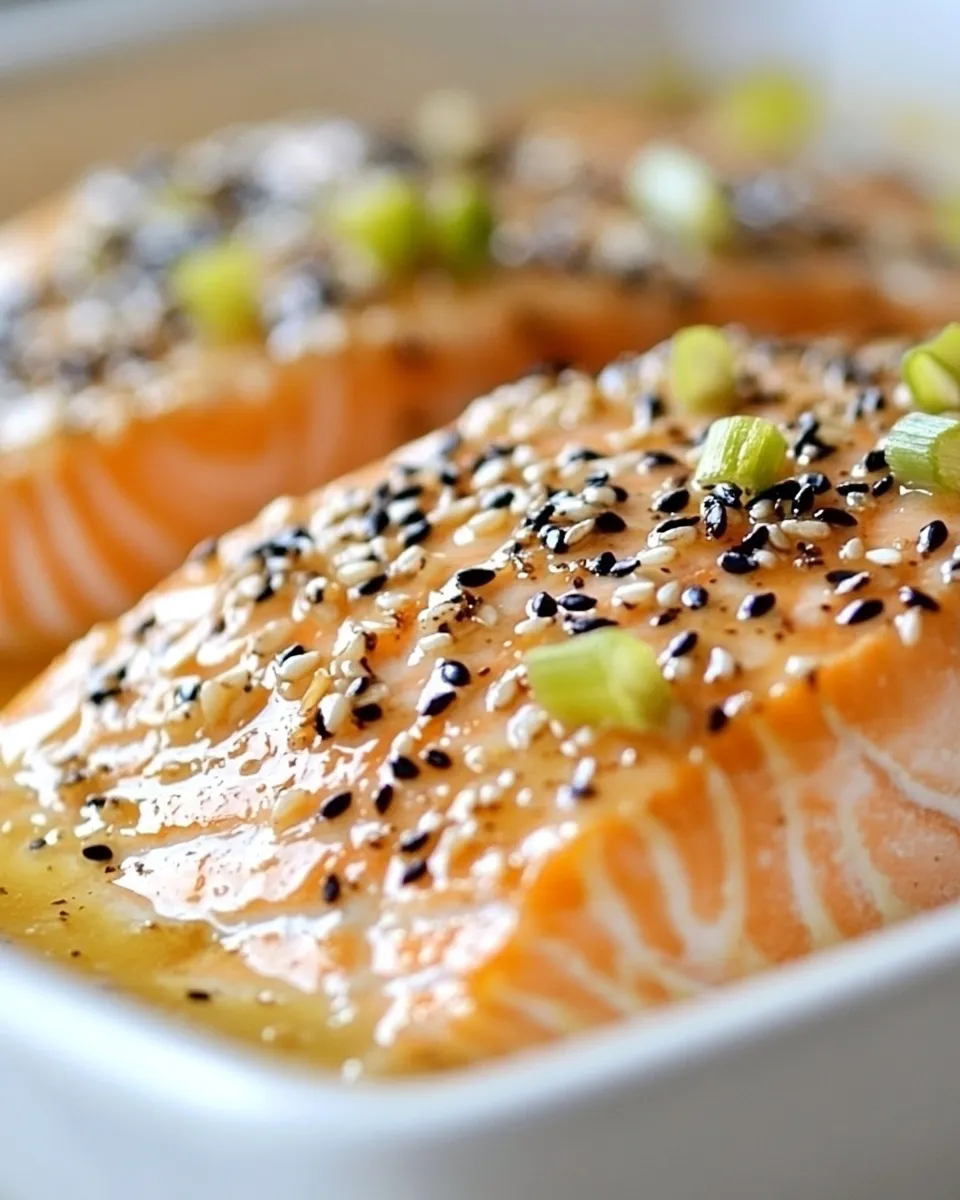
Honey Glazed Sesame Salmon
Equipment
- Baking Sheet
- parchment paper or aluminum foil
- Small Bowl
- Measuring Spoons
- Spoon or small spatula
- Paper Towels
Ingredients
- 24 oz fresh salmon about 4 portions, ~6 oz each
- 1 tablespoon butter softened
- 1 tablespoon honey
- 1/2 teaspoon sesame oil
- salt to taste
- black pepper to taste
- sesame seeds for garnish, optional
- parsley for garnish, optional
Instructions
- Preheat the oven to 400°F (200°C). Line a baking sheet with parchment paper or foil and lightly spray or grease it.
- Pat the salmon fillets dry with paper towels and place them skin-side down on the prepared baking sheet, spaced evenly.
- In a small bowl, whisk together the softened butter, honey, and sesame oil until smooth; season with salt and pepper to taste.
- Spread a thin layer of the honey-butter mixture over the top of each salmon fillet.
- Bake the salmon in the preheated oven for 10–12 minutes, or until the fish is just cooked through and flakes easily with a fork.
- Remove from the oven and, if using, sprinkle sesame seeds and chopped parsley over the fillets before serving immediately.
Notes
- Pat salmon dry to help the glaze adhere.
- Use room-temperature butter for easier mixing.
- Cooking time varies by thickness; check for flake test.
- Sesame seeds and parsley are optional garnishes.