Sirloin is one of those dependable cuts: flavorful, lean enough to keep things feeling light, and forgiving when you follow a simple method. You don’t need a grill, a sous-vide rig, or a stack of specialty gadgets to get a good result. A hot pan, a bit of oil, butter, garlic and rosemary, then a short finish in the oven — that’s all it takes.
This recipe gives you a clear, consistent workflow: sear to develop flavor, finish in the oven for even doneness, then rest so the steak keeps its juices. I’ll walk you through the exact steps, what to buy, what can be swapped, common mistakes to avoid and how to store leftovers without losing texture.
If you like a straightforward, practical approach to cooking — quick prep, visible technique, predictable results — you’ll like this method. It’s ideal for weeknights and still elegant enough for a simple dinner with friends.
What to Buy
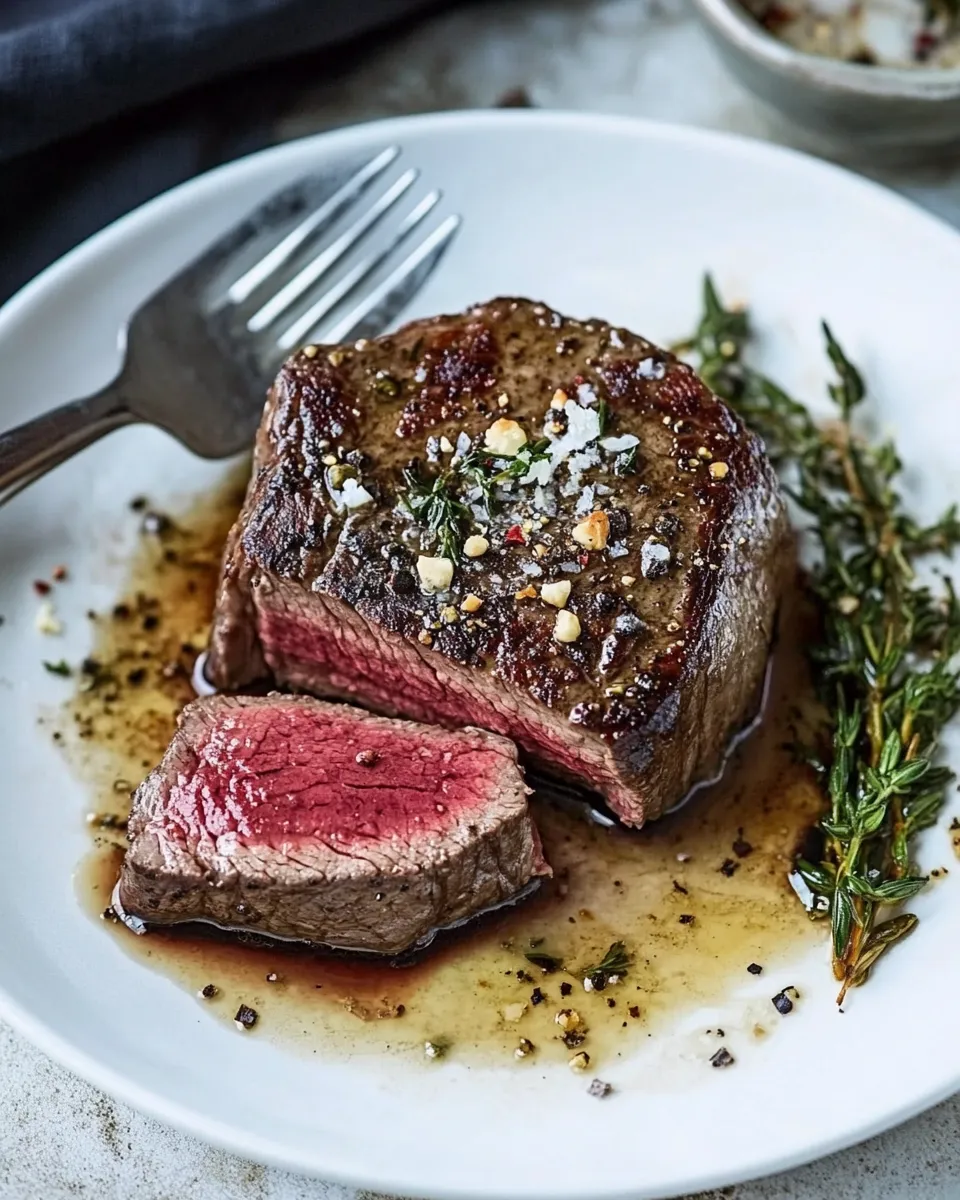
- 1 lb top sirloin steak — the main ingredient; look for a steak about 1-inch thick for even cooking.
- 1 tbsp olive oil — used to create a hot, nonstick surface for searing.
- ¼ tsp salt — seasons the meat; apply evenly to bring out natural flavors.
- ⅛ tsp pepper — a light peppering is all you need before searing.
- 1 tbsp salted butter — added for flavor and to baste the steak during oven transfer.
- 2 tsp garlic, minced — gives aromatic depth; place on the steak before the short oven finish.
- 3 sprigs fresh rosemary — whole sprigs add a gentle herbal note without overpowering the beef.
Step-by-Step: Sirloin Steak in Oven
- Preheat the oven to 375°F (190°C).
- Pat the 1 lb top sirloin steak dry. Season both sides evenly with 1/4 tsp salt and 1/8 tsp pepper.
- Heat a large cast-iron skillet over medium-high heat until very hot. Add 1 tbsp olive oil and heat until the oil is shimmering.
- Place the steak in the skillet and sear, undisturbed, for 3 minutes.
- Flip the steak and sear the second side for 1 minute.
- Turn off the burner. Immediately place 1 tbsp salted butter, 2 tsp minced garlic, and 3 sprigs fresh rosemary on top of the steak.
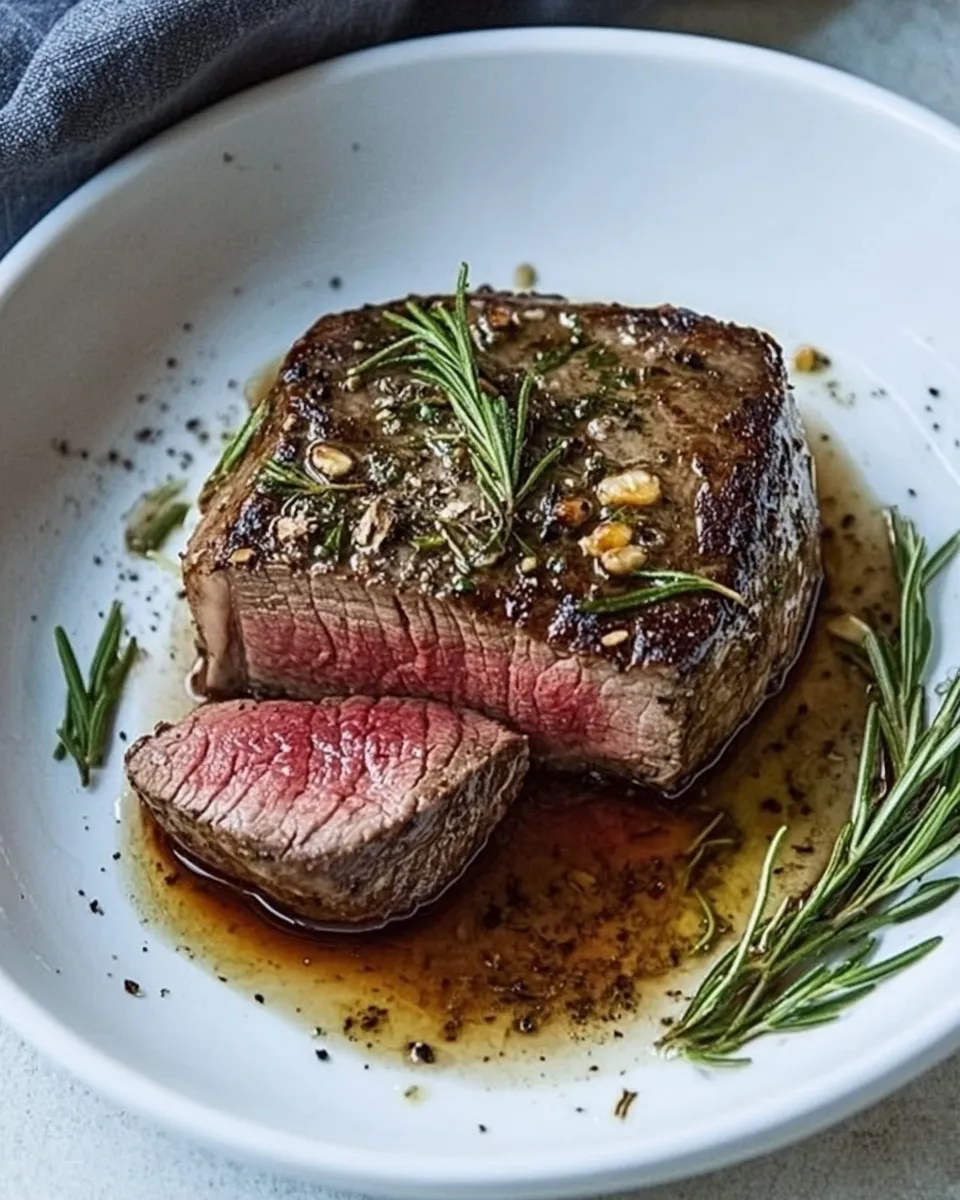
- Transfer the skillet with the steak to the preheated oven. Cook for about 5–7 minutes, or until a meat thermometer inserted into the thickest part reads your desired temperature (about 135°F for rare or 140–145°F for medium).
- Remove the steak from the oven and transfer it to a cutting board. Let it rest for 10 minutes to allow the juices to redistribute.
- Slice and serve the steak as desired.
Why This Recipe Is Reliable
This method combines two proven techniques: a hot pan sear to build a flavorful crust, followed by a short, controlled oven finish for even doneness. Searing creates the Maillard reaction — that deep, savory browning — and the oven brings the internal temperature up without burning the outside. The timings are conservative so you avoid overcooking a lean cut like sirloin.
The recipe specifies precise, small amounts for seasoning because sirloin is lean and can be overwhelmed by heavy salt or fat. The butter, garlic and rosemary placed on the steak just before the oven finish infuse flavor without masking the beef. The final rest is non-negotiable: it gives the muscle fibers time to relax and reabsorb juices so the slices stay moist.
Finally, using a cast-iron skillet matters. It holds high heat and transfers evenly into the oven, so you don’t lose the sear when you move the steak to finish. That consistency is why this approach works night after night.
Healthier Substitutions
If you want to trim calories or fat, you can make small swaps without losing the main benefits of the technique. Use ½ tbsp olive oil instead of 1 tbsp and skip the butter if needed; the sear will still form and the garlic/rosemary will contribute flavor. For very low-sodium needs, reduce the salt to ⅛ tsp and rely on herbs and pepper for taste.
Another option is to choose a leaner cut entirely, though cooking times may differ. If you must reduce saturated fat, omit the butter or replace it with a plant-based spread that tolerates heat. Just be aware that fat adds flavor and sheen; when you reduce it, compensate with brighter finishing touches like a squeeze of lemon or a sprinkle of fresh herbs once the steak rests.
Prep & Cook Tools
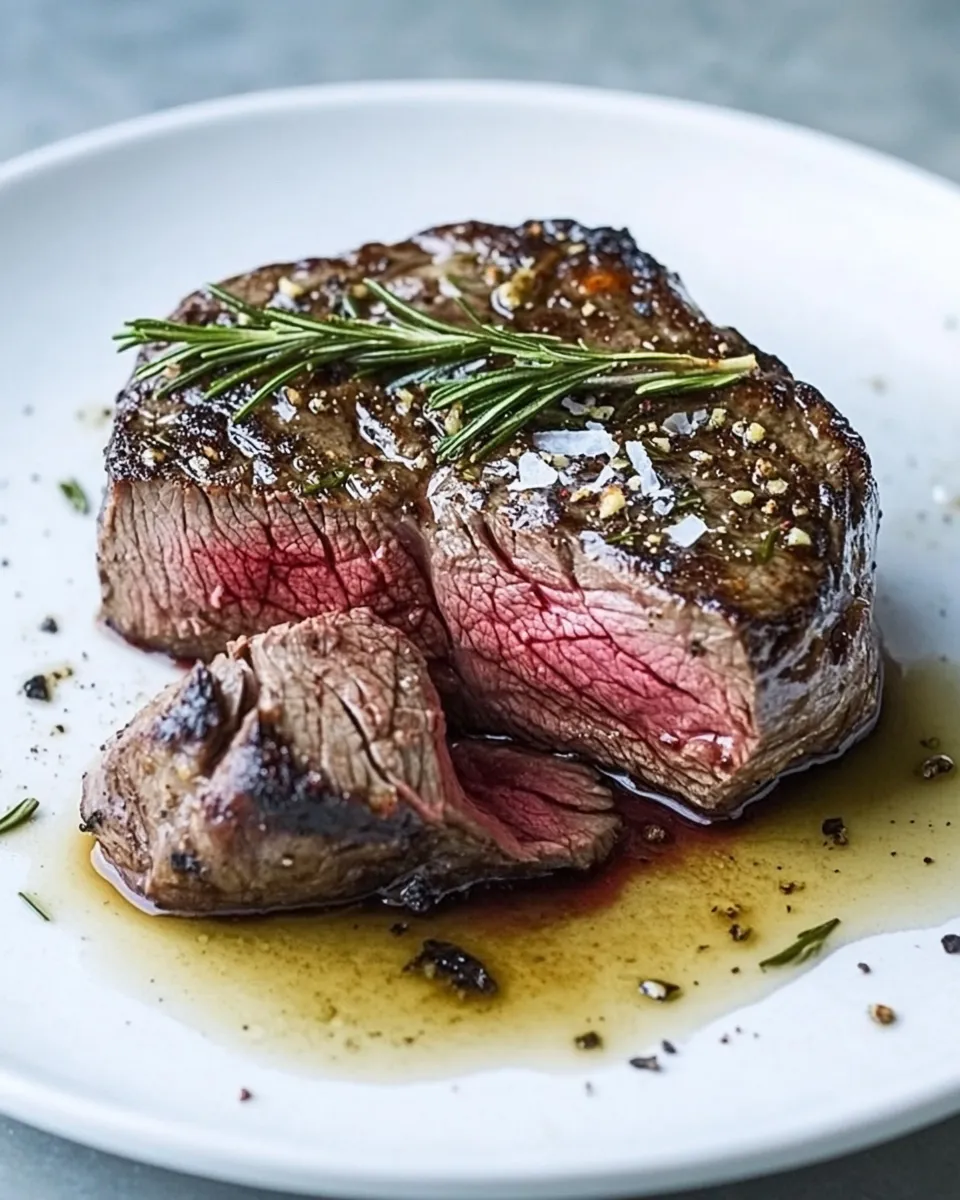
Keep tools simple and reliable. You’ll need a heavy skillet (cast iron is best), an ovenproof thermometer if possible, tongs for flipping, and a cutting board for resting and slicing. A small spoon or offset spatula is handy if you want to baste the steak with butter while it rests in the pan briefly, though the recipe places the butter directly on the steak.
Recommended items:
- Cast-iron skillet — retains and distributes heat for a consistent sear and safe oven transfer.
- Instant-read meat thermometer — the most accurate way to hit your desired doneness without guesswork.
- Tongs — for a secure flip without piercing the meat.
- Sharp chef’s knife — for clean slicing across the grain after resting.
Errors to Dodge
There are a few predictable mistakes that wreck the result. First, don’t skip patting the steak dry. Moisture on the surface causes steaming, which prevents a proper sear. Second, don’t crowd the pan or use a cold skillet. Put the steak into very hot oil so the crust forms quickly.
Another common error is overcooking. Sirloin is lean and will go from perfect to dry quickly. Use the oven time as a guideline and check with a thermometer rather than relying on appearance alone. Finally, don’t skip the rest. Cutting into the steak too soon will spill flavorful juices onto the cutting board.
Dietary Customizations
For low-sodium diets, reduce the salt and finish with a squeeze of lemon or a touch of high-quality balsamic to lift the flavor. For dairy-free needs, substitute the butter with 1 tbsp of a neutral, high-heat oil or a dairy-free butter alternative; add the garlic and rosemary as instructed for aroma.
If you’re serving gluten-free, this method is naturally compliant — just watch any additional sauces or sides. For those following a higher-protein or low-carb plan, pair the steak with a simple salad or roasted vegetables. Vegetarians and vegans can adapt the technique — use a thick seared portobello cap or a marinated tofu slab — but timing and texture will be different.
Author’s Commentary
I use this exact sequence on busy evenings. The short sear then oven finish gives me a reliable outcome without hovering over the stove. I like the rhythm: prep, heat, sear, flip, add aromatics, oven, rest. It’s practiced and predictable.
A personal note: I sometimes throw in a lemon wedge while the steak rests and squeeze it just before serving for a bright contrast to the beef. It’s optional, but it livens the plate, especially if you trimmed back on salt or butter.
Prep Ahead & Store
Prep ahead by mincing the garlic and measuring the rosemary and spices; you can also dry and season the steak up to 30 minutes before cooking and keep it refrigerated — remove it to come closer to room temperature for 15–20 minutes before searing. Don’t season and then immediately cook a cold steak from the fridge; a little time out helps the surface dry and sear properly.
Leftovers: slice cooled steak against the grain and refrigerate in an airtight container for up to 3 days. Reheat gently in a skillet over low heat with a splash of broth or a touch of butter to avoid drying it out. Alternatively, serve chilled in thin slices over a salad.
Questions People Ask
How do I know when the steak is done? Use an instant-read thermometer: about 135°F for rare, 140–145°F for medium. Carryover heat during the 10-minute rest will raise the temperature a few degrees.
Can I use another pan? Yes, but an ovenproof heavy skillet is ideal. Thin pans don’t hold heat as well and can produce uneven sears. If you must use a stainless-steel pan, ensure it’s hot and well-oiled.
What if my steak is thicker or thinner? Thicker steaks need more oven time; thinner steaks less. The thermometer is your best guide. Adjust oven time and rely on temperature rather than fixed minutes alone.
Ready to Cook?
Gather your ingredients and preheat the oven. Pat the steak dry, season, and heat your skillet until it’s almost smoking — that hot surface is what builds flavor. Follow the step-by-step section exactly and use an instant-read thermometer to nail the doneness. Rest the steak, slice across the grain, and serve.
This is a practical, repeatable method that yields a flavorful sirloin without fuss. Keep it simple, follow the steps, and you’ll have steak that’s balanced, juicy and ready to impress.
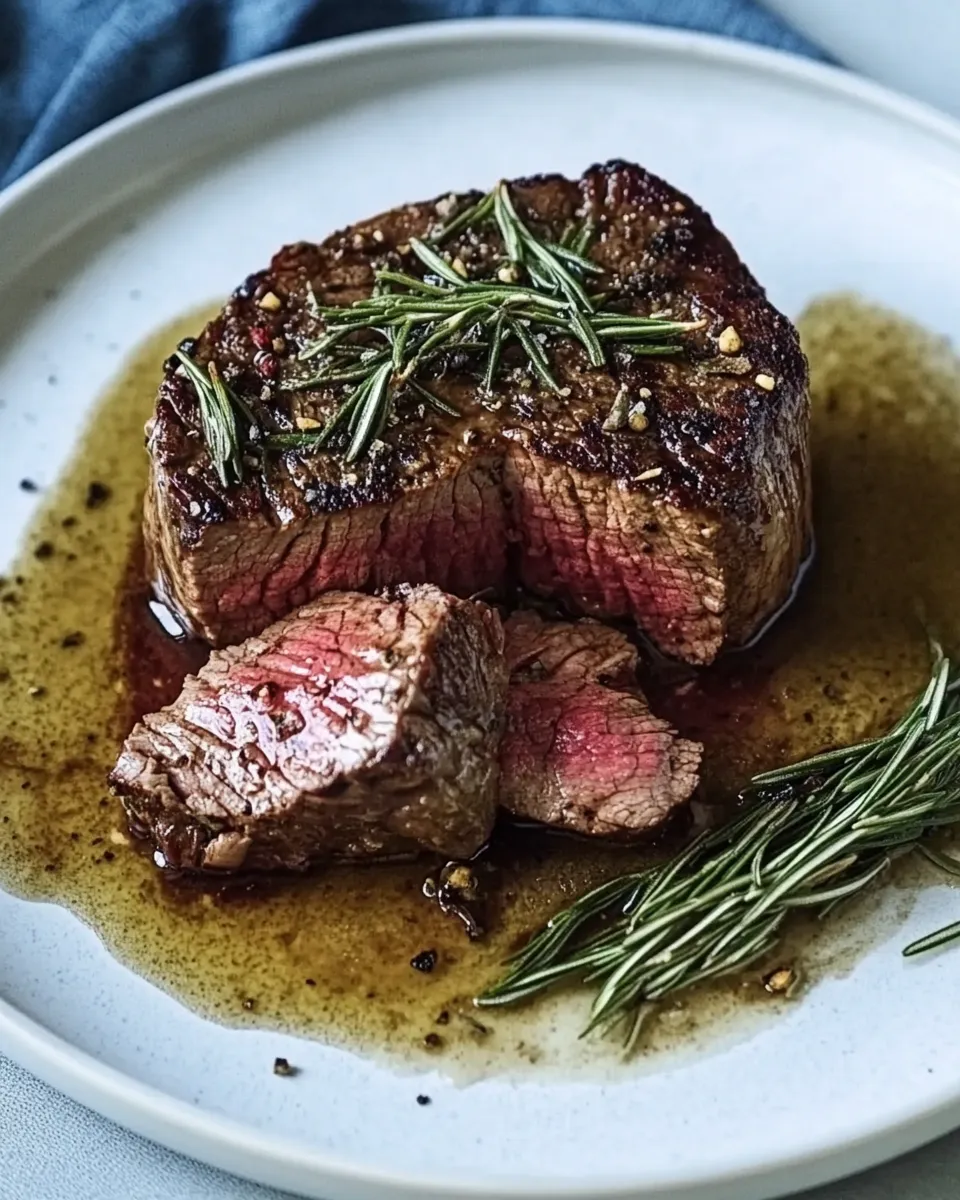
How to Cook Sirloin Steak in Oven
Equipment
- ▢Lodge 12″ Large Cast Iron Skillet
Ingredients
Ingredients
- 1 LBtop sirloin steak
- 1 tbspolive oil
- 1/4 tspsalt
- 1/8 tsppepper
- 1 tbspbuttersalted
- 2 tspgarlicminced
- 3 sprigsrosemaryfresh
Instructions
Instructions
- Preheat the oven to 375°F (190°C).
- Pat the 1 lb top sirloin steak dry. Season both sides evenly with 1/4 tsp salt and 1/8 tsp pepper.
- Heat a large cast-iron skillet over medium-high heat until very hot. Add 1 tbsp olive oil and heat until the oil is shimmering.
- Place the steak in the skillet and sear, undisturbed, for 3 minutes.
- Flip the steak and sear the second side for 1 minute.
- Turn off the burner. Immediately place 1 tbsp salted butter, 2 tsp minced garlic, and 3 sprigs fresh rosemary on top of the steak.
- Transfer the skillet with the steak to the preheated oven. Cook for about 5–7 minutes, or until a meat thermometer inserted into the thickest part reads your desired temperature (about 135°F for rare or 140–145°F for medium).
- Remove the steak from the oven and transfer it to a cutting board. Let it rest for 10 minutes to allow the juices to redistribute.
- Slice and serve the steak as desired.
Notes
See the recipe:
https://sipbitego.com/sirloin-steak-in-oven
Watch the full-length
YouTube recipe video for sirloin steak
in the oven on Sip Bite Go’s YouTube channel.