I still remember the first whole fish I brought home, slick and glinting under the kitchen light, and how confidently I announced I would fillet it like a pro. Two hours later I had a compromised ego, a very small pile of useful flesh, and a neighbor staring in the doorway holding a bowl of borrowed breadcrumbs. Filleting is a skill that looks dramatic and sounds complicated, but it’s mostly about setup, patience, and a reliable knife.
In this post I’ll walk you through a simple, dependable sequence to go from whole fish to two clean fillets, and I’ll share that embarrassing-but-useful kitchen story so you can learn from my mistakes without the bruised pride. Expect clear steps, the exact tools I use, and practical tips to avoid common traps. No fluff—just hands-on, kitchen-tested advice.
Ingredients
- Sharp Filet Knife — a flexible, sharp blade makes clean cuts along the bones; essential for a smooth fillet.
- Large cutting board — provides a stable, sanitary workspace and protects your counters.
- Garbage can — keep it close to drop guts, heads, and unwanted bits as you work.
- Fillet board with tail clip — holds the fish steady so your knife can do the work without the fish sliding away.
- Fillet glove for extra grip — protects your holding hand and gives purchase on slippery skin.
What to Buy
Buy the freshest whole fish you can reasonably source. Look for clear eyes, bright gills, and firm flesh. If you’re at a market, ask the fishmonger for a mid-sized specimen that’s been scaled and chilled—easier to handle and fillet. The tools listed in Ingredients are not optional; they make the process safe and repeatable.
If you don’t have a fillet board with a tail clip, seek a board with a non-slip surface and a separate clamp to secure the tail. A dull knife or a makeshift surface adds frustration and increases the risk of slips. Invest once in a decent fillet knife and a glove; they pay off in time and confidence.
Fillet a Fish and a Funny Story: From Prep to Plate
- Prepare your workspace: place the Large cutting board on a stable surface, set the Fillet board with tail clip on top (if it sits separately), put the Garbage can within reach, put on the Fillet glove for extra grip, and have the Sharp Filet Knife ready.
- Position the fish belly-up on the Fillet board. Identify the small opening near the tail (the vent).
- Gut the fish: with the Sharp Filet Knife, make a shallow cut from the vent toward the head to open the belly cavity. Reach in and remove the entrails; put them in the Garbage can.
- Remove the head or leave it: if you prefer the fish head-off, cut just behind the gill plate and discard the head in the Garbage can. If you want extra grip while filleting, leave the head on.
- Secure the fish for filleting: place the fish on its side on the Fillet board and engage the tail in the tail clip. Keep the Fillet glove on the hand that will hold the fish; hold the fish firmly but not so tight that you damage the flesh.
- First fillet — initial cut: start just behind the gill plate (or where the head was removed). Insert the Sharp Filet Knife with the blade angled slightly toward the backbone and make a long, smooth cut toward the tail, keeping the blade pressed against the bones.
- First fillet — free the fillet: as you approach the ribs and spine, gently lift the forming fillet with your free hand and continue to run the knife along the bones until the fillet separates at the tail. Cut through the connection at the tail to remove the fillet.
- Second fillet: flip the fish onto its other side, re-secure the tail in the tail clip if needed, and repeat steps 6–7 to remove the second fillet.
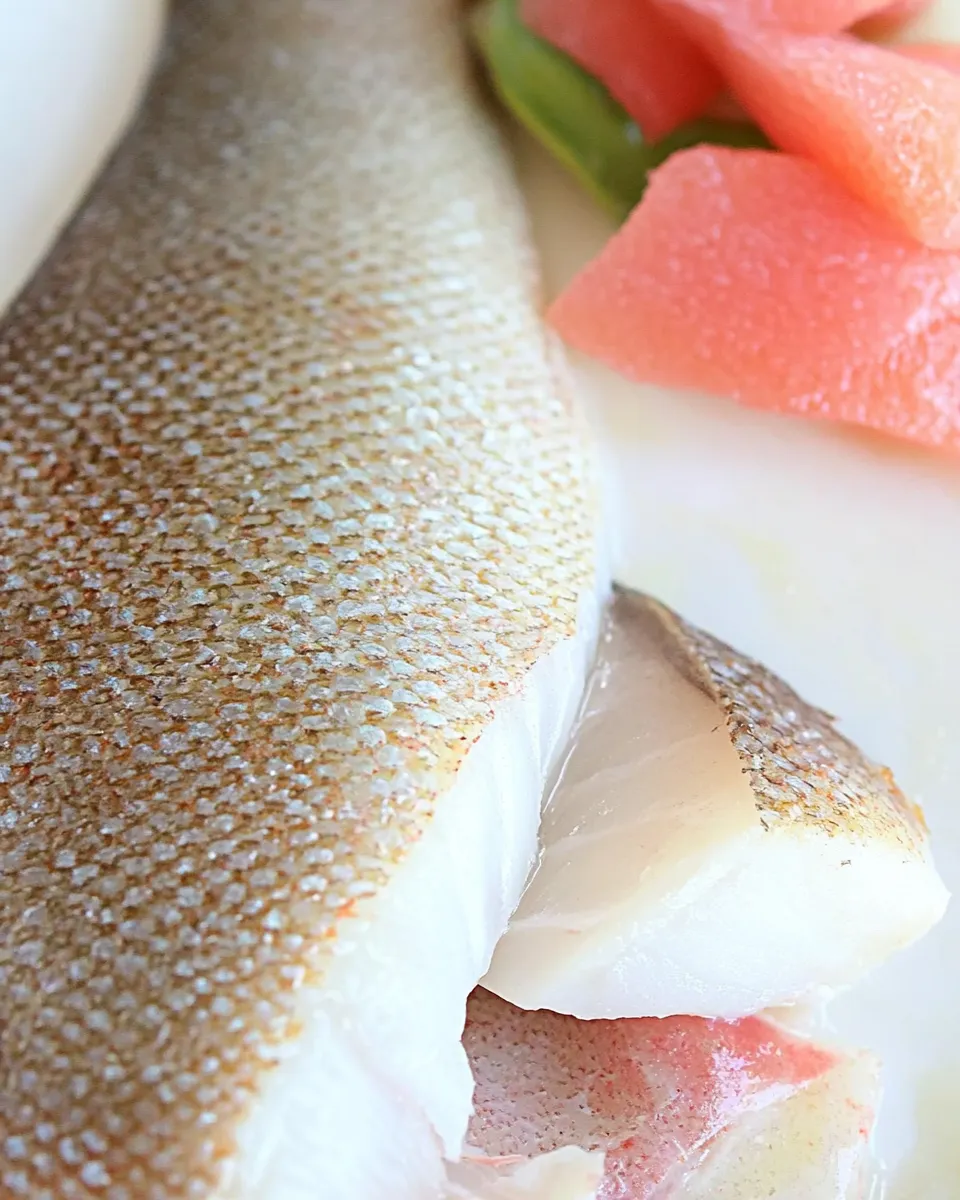
- Remove remaining bones and trim: run your fingers along each fillet toward the tail to locate any pin bones. Use the knife tip and your gloved hand to pinch and pull the bones out. Then cut off any fins and the tail as desired, leaving the skin on.
- Finish and clean up: place all waste (guts, head if removed, fins) in the Garbage can, secure and store the fillets as you prefer, and clean the Sharp Filet Knife, Fillet board, and Large cutting board.
Why This Recipe Is Reliable
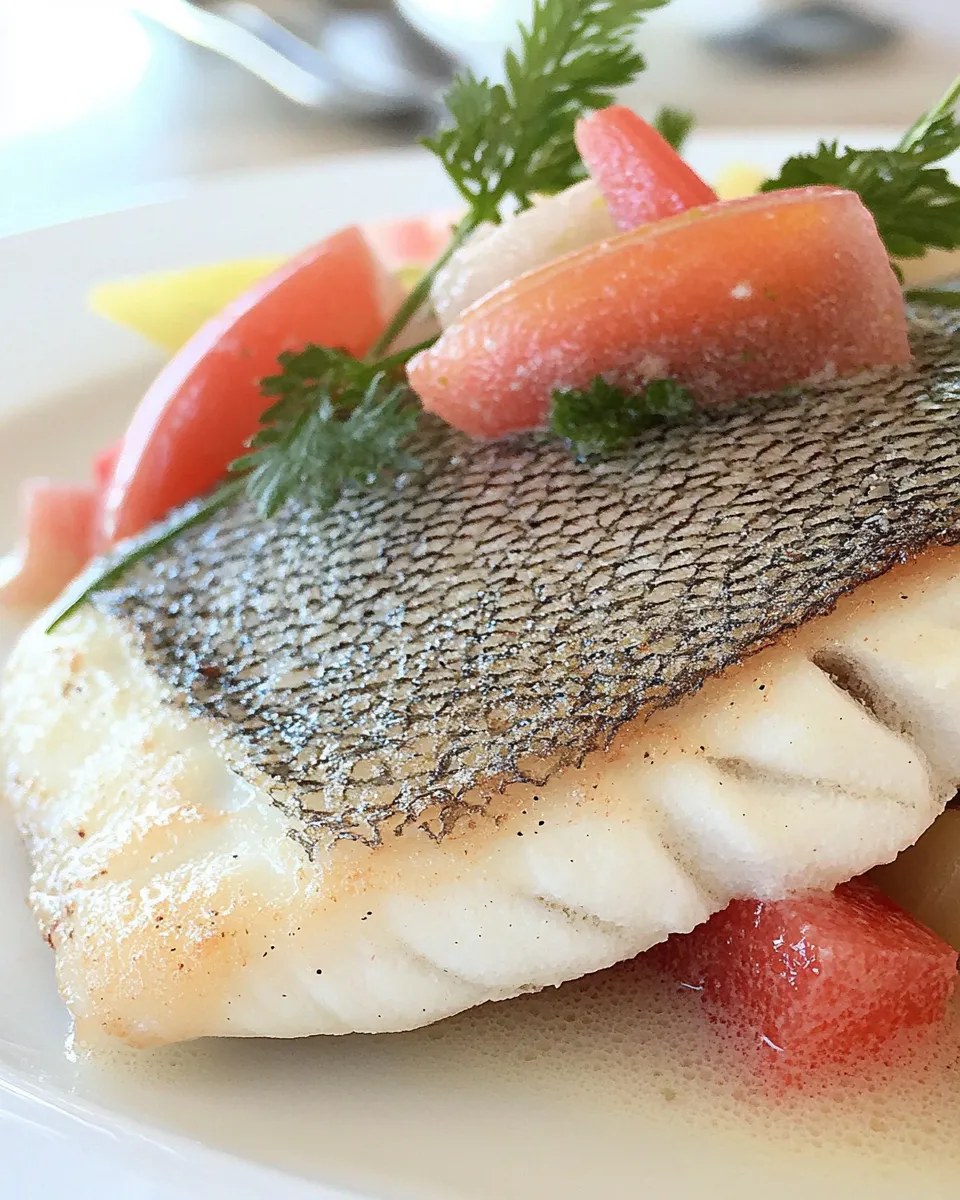
Reliability here comes from repeatable setup and an ordered sequence. Anchoring the board and clipping the tail create a stable cutting plane; that stability is what turns awkward hacks into long, confident strokes. The instruction set follows the natural anatomy of the fish—open the belly, remove the guts, locate the backbone, and separate flesh from bone—so it’s rooted in structure, not guesswork.
Every step minimizes movement except your knife hand. That’s key: controlling the fish prevents accidental pressure on the flesh, which keeps fillets intact and reduces waste. The glove and tail clip aren’t glamorous, but they are dependable problem-solvers. Use them, and this procedure will work the first time and every time after.
Texture-Safe Substitutions
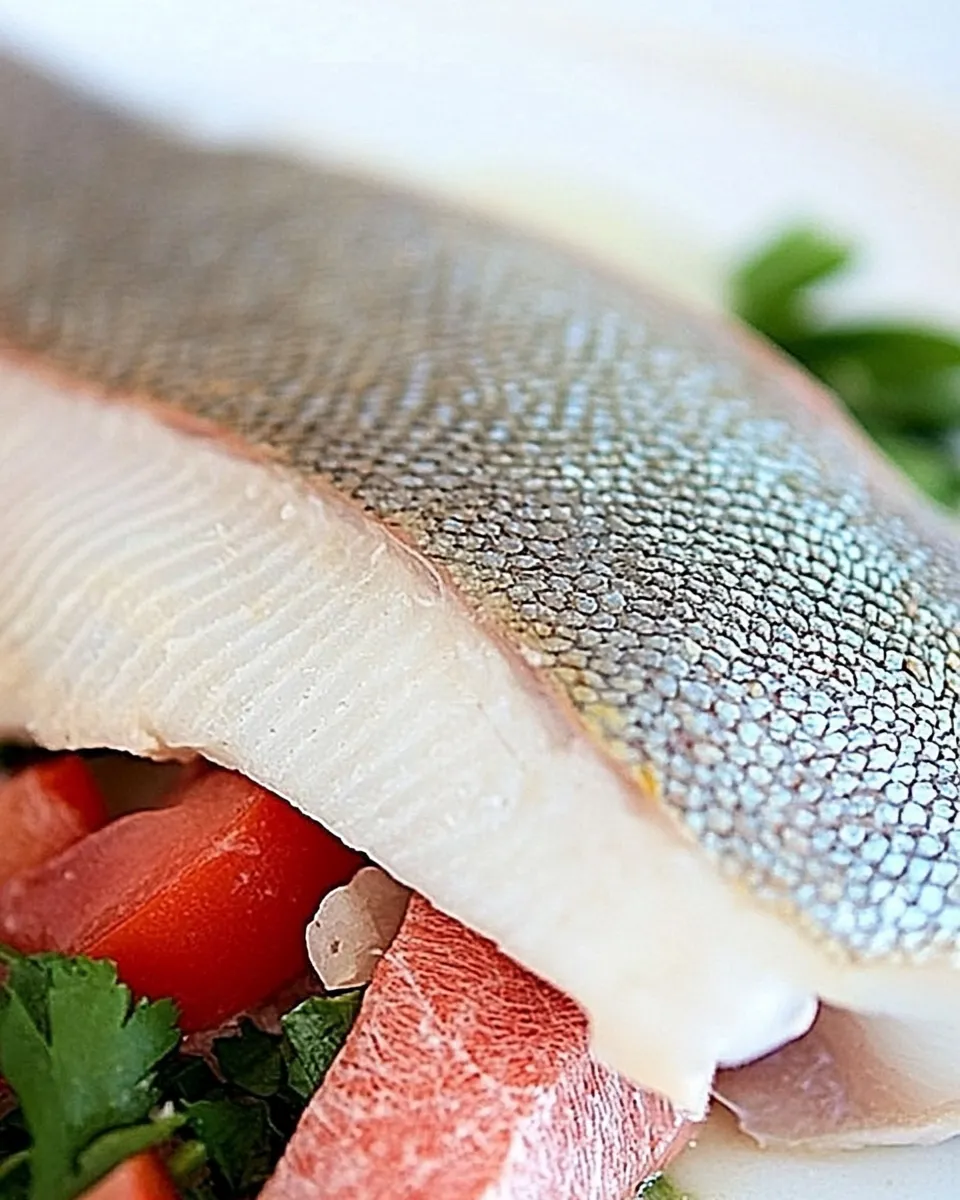
If you don’t have a fillet glove, a clean, damp kitchen towel wrapped around your hand increases grip while protecting your palm. It’s less protective than a glove but better than bare skin. If the tail clip is missing, use a bench clamp or a simple serrated rubber mat under the fish’s tail to prevent slippage.
For the knife: a dedicated filet knife is ideal, but a long, thin-bladed boning knife can substitute if sharp and somewhat flexible. Avoid rigid chef’s knives for filleting—the lack of flex makes following the rib cage and backbone harder and increases scrapage.
Tools & Equipment Needed
The Ingredients list is your tools list. To reiterate plainly and practically:
- Sharp Filet Knife — flexible and sharp for clean separation along bones.
- Large cutting board — stable, sanitary base; choose a size that keeps scraps contained.
- Garbage can — or a bowl if you need to compost; place it within arm’s reach.
- Fillet board with tail clip — secures the fish and allows one-handed slicing.
- Fillet glove for extra grip — safety and control for the hand that holds the fish.
Beyond these: a kitchen towel, a bowl of ice for finished fillets, and a pair of forceps or needle-nose pliers for the pin bones make the job cleaner and more comfortable.
Pitfalls & How to Prevent Them
Common Mistakes
Rushing the initial cut. Starting cuts too far forward or with a dull blade leads to ragged fillets and missed meat. Solution: place the knife just behind the gill plate and use a steady, single long stroke toward the tail.
Letting the fish slide. A slipping fish turns a controlled cut into a jagged sawing motion. Solution: use the tail clip and glove; if unavailable, a damp towel or non-slip mat under the board helps.
Handling Problems Mid-Fillet
Hitting the backbone and pushing instead of sliding the blade. That traps flesh and tears it. Solution: angle the blade slightly toward the backbone and let the knife follow the bone with light pressure. Lift the forming fillet with your free hand to see the angle and find the seam between flesh and rib cage.
Leaving pin bones. They’re small but annoying at the table. Solution: run your fingers along the fillet from head to tail before trimming. Use the knife tip and a pair of pliers or your fingers (with a glove) to pull them out following the instructions above.
Dietary Customizations
Filleting itself isn’t a dietary change, but what you do with the fillets afterward is flexible. For a low-fat option, pan-sear in a neutral oil and finish with lemon and herbs. For keto-friendly meals, keep sauces butter-based and avoid sugary glazes. If you’re feeding calorie-conscious kids, simple oven-roasting with a light olive oil rub keeps fish tender without overpowering flavors.
Skin-on fillets are great for crisp textures and retain moisture, which suits diets that focus on satiety. Skin-off fillets are better for pure protein portions or recipes that require delicate sauces. The filleting steps above keep the skin intact so you can choose later.
Chef’s Rationale
I structure the process around three priorities: safety, yield, and speed. Safety comes from the glove and board; yield comes from following the bones closely rather than hacking; speed comes as you repeat the same set of motions and build muscle memory. That’s why the directions emphasize setup and the single long cut behind the gill plate.
When I teach others, I stress the feel of the knife against the rib cage. The knife should glide with gentle pressure. If you push hard, you’ll tear the flesh. If you back off and let the blade follow the bone, the fillet comes away clean. Training your hand to trust a long stroke is the most valuable part of the technique.
Store, Freeze & Reheat
Fresh fillets: place on a plate covered with plastic wrap or in an airtight container and refrigerate for up to 48 hours. For longer storage, wrap fillets tightly in plastic or vacuum-seal and freeze; they’ll keep well for up to three months without significant quality loss.
Thaw frozen fillets overnight in the refrigerator or under cold running water if you need them sooner. Reheat gently: pan-sear over medium-low heat until just cooked through, or bake at 275°F (135°C) to avoid dryness. For delicate textures, a quick steam or a gentle poach keeps fish moist.
Reader Questions
Q: Do I have to gut the fish before filleting?
A: Yes. Gutting first removes weight and internal organs that get in the way of clean filleting. It’s also more sanitary and reduces odors during the handling process.
Q: Can I fillet a frozen fish?
A: Partially. If the fish is fully frozen, thaw it enough to cut—trying to fillet a rock-hard fish is dangerous. Slightly firm but pliable is the best condition. Fully thawed is ideal.
Q: How do I know when the knife is sharp enough?
A: A sharp filet knife will slice through skin and flesh with little resistance and leave a clean edge. If you have to saw or force the blade, it’s time to sharpen. A quick test: press the tip and slide along the skin; if it drags you’ll need a stone or professional sharpening.
Make It Tonight
Ready for dinner? Set up the board, clip the tail, and take one confident stroke behind the gill plate. Remember the three watchwords: steady the fish, follow the bone, lift the forming fillet. If you want a quick finish: pan-sear the fillets skin-side down in a hot, lightly oiled skillet for 3–4 minutes, flip, and cook another 1–2 minutes—finish with a squeeze of lemon and a scattering of herbs.
One last thing—the funny story: when I tried filleting the first fish, I forgot to put the garbage can within reach and attempted to carry the entrails across the kitchen. The bowl slipped, a parade of slippery bits marched across my floor, and my neighbor walked in with exactly the breadcrumbs I needed. We laughed, cleaned up, and that awkward moment taught me the value of a small, simple setup step that now saves me time every time I fillet. Keep the can close. It’s a small habit that makes everything smoother.
Go slow, practice the long stroke, and enjoy the results: fresher fish, less waste, and the quiet confidence of a skill learned. If you try this tonight, tell me how it goes—I love hearing which tools made the biggest difference for you.
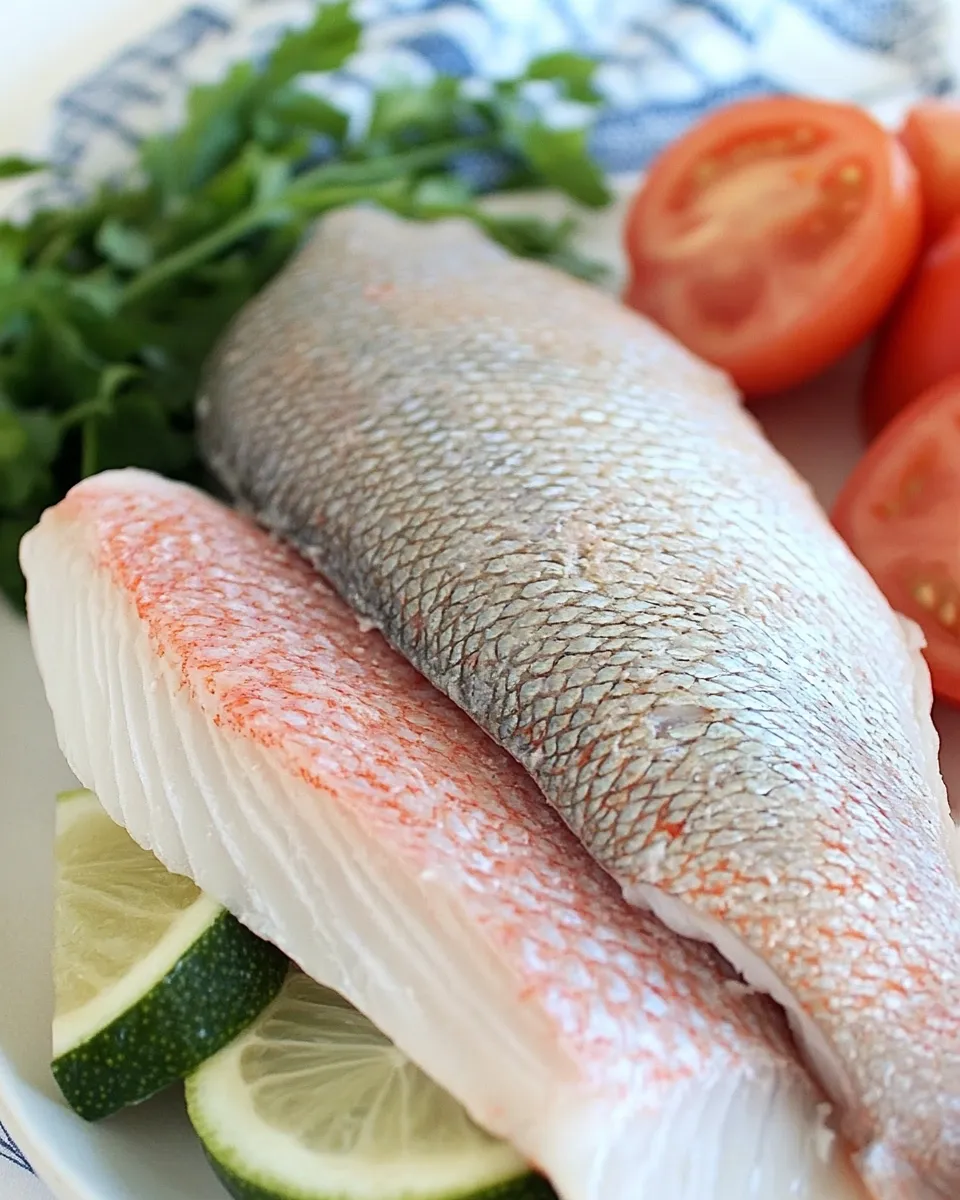
How to Fillet a Fish and a Funny Story
Equipment
- Sharp Filet Knife
- Large cutting board
- Garbage can
- Fillet board with tail clip
- Fillet glove for extra grip
Ingredients
Ingredients
- Sharp Filet Knife
- Large cutting board
- Garbage can
- Fillet board with tail clip
- Fillet glove for extra grip
Instructions
Instructions
- Prepare your workspace: place the Large cutting board on a stable surface, set the Fillet board with tail clip on top (if it sits separately), put the Garbage can within reach, put on the Fillet glove for extra grip, and have the Sharp Filet Knife ready.
- Position the fish belly-up on the Fillet board. Identify the small opening near the tail (the vent).
- Gut the fish: with the Sharp Filet Knife, make a shallow cut from the vent toward the head to open the belly cavity. Reach in and remove the entrails; put them in the Garbage can.
- Remove the head or leave it: if you prefer the fish head-off, cut just behind the gill plate and discard the head in the Garbage can. If you want extra grip while filleting, leave the head on.
- Secure the fish for filleting: place the fish on its side on the Fillet board and engage the tail in the tail clip. Keep the Fillet glove on the hand that will hold the fish; hold the fish firmly but not so tight that you damage the flesh.
- First fillet — initial cut: start just behind the gill plate (or where the head was removed). Insert the Sharp Filet Knife with the blade angled slightly toward the backbone and make a long, smooth cut toward the tail, keeping the blade pressed against the bones.
- First fillet — free the fillet: as you approach the ribs and spine, gently lift the forming fillet with your free hand and continue to run the knife along the bones until the fillet separates at the tail. Cut through the connection at the tail to remove the fillet.
- Second fillet: flip the fish onto its other side, re-secure the tail in the tail clip if needed, and repeat steps 6–7 to remove the second fillet.
- Remove remaining bones and trim: run your fingers along each fillet toward the tail to locate any pin bones. Use the knife tip and your gloved hand to pinch and pull the bones out. Then cut off any fins and the tail as desired, leaving the skin on.
- Finish and clean up: place all waste (guts, head if removed, fins) in the Garbage can, secure and store the fillets as you prefer, and clean the Sharp Filet Knife, Fillet board, and Large cutting board.