Tangzhong is the little trick that turns soft bread into something you want to make on repeat. It’s a cooked mixture of flour and liquid that pre-gels the starches, so your dough holds more moisture and yields a pillowy crumb without extra effort. If you bake even occasionally, adding tangzhong will be one of the simplest upgrades you can make.
The method is straightforward: measure, whisk, cook gently, cool, then fold into your dough. It takes about 10 minutes active time and about 30 minutes to cool. The payoff is immediate — softer loaves, longer shelf life, and better texture with exactly the same dough recipe you already like.
I’ll walk you through the exact ingredients and steps, then share why this belongs in your rotation, smart swaps, tools that make it easier, common mistakes and how to store it. No fluff — just a clear walk-through so your next loaf comes out reliably soft every time.
Ingredient Breakdown
- 2 tablespoons bread flour — the starchy base; using bread flour gives slightly more structure and a silkier gel than all-purpose.
- 1/4 cup water — hydrates the flour to form the slurry; water keeps the flavor neutral so the tangzhong doesn’t alter the dough taste.
- 1/4 cup whole milk — adds fat and richness, helping the tangzhong stay tender and contribute to a softer crumb.
How to Prepare Tangzhong
- Measure 2 tablespoons bread flour, 1/4 cup water, and 1/4 cup whole milk.
- Place a medium-sized pot on the counter. Add the 2 tablespoons bread flour and the 1/4 cup water to the pot and whisk until smooth and fully combined, with no lumps (a slurry).
- Whisk in the 1/4 cup whole milk until the mixture is uniform.
- Put the pot on a cooktop burner set to low heat.
- Whisk continuously while the mixture heats. Keep the heat low and do not stop whisking to prevent lumps and burning.
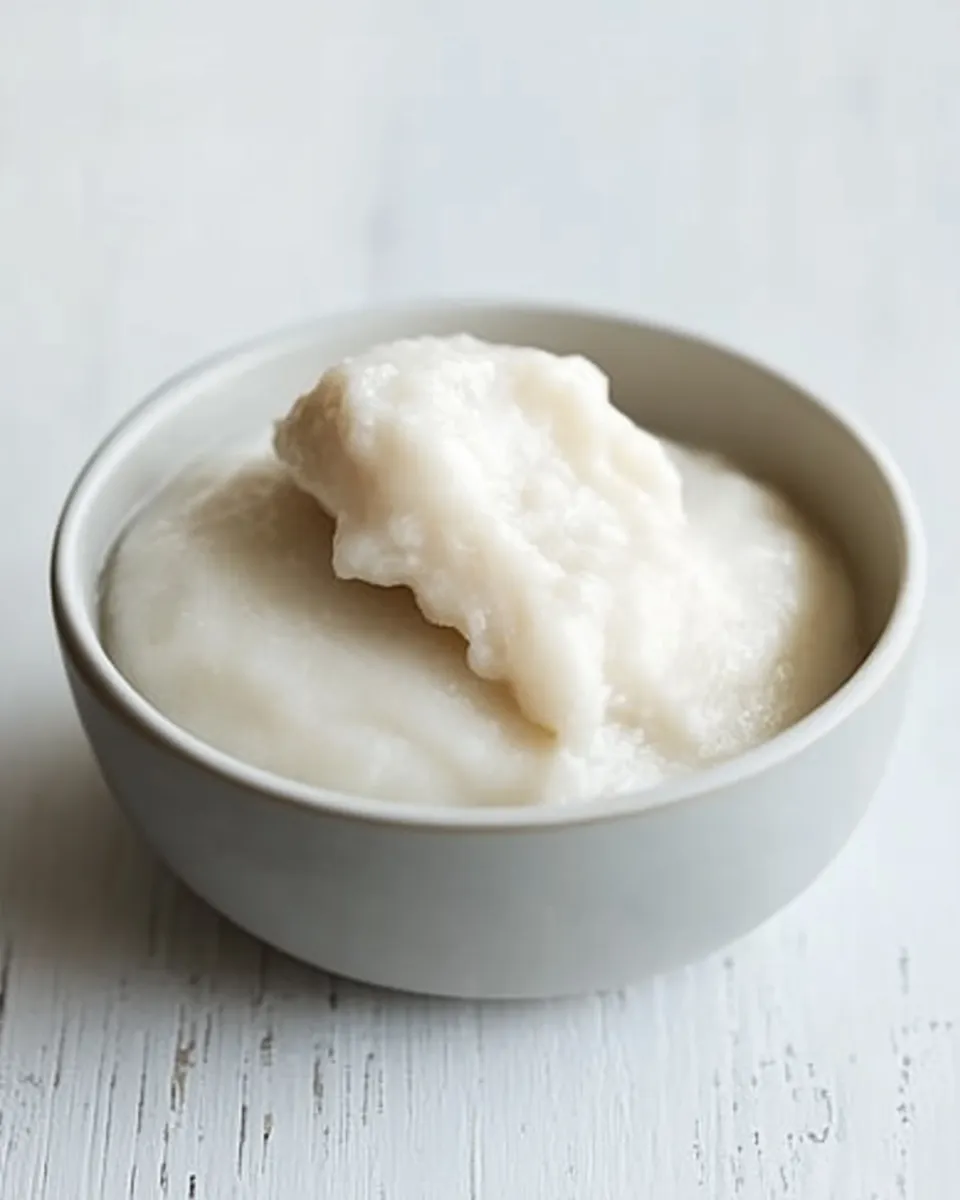
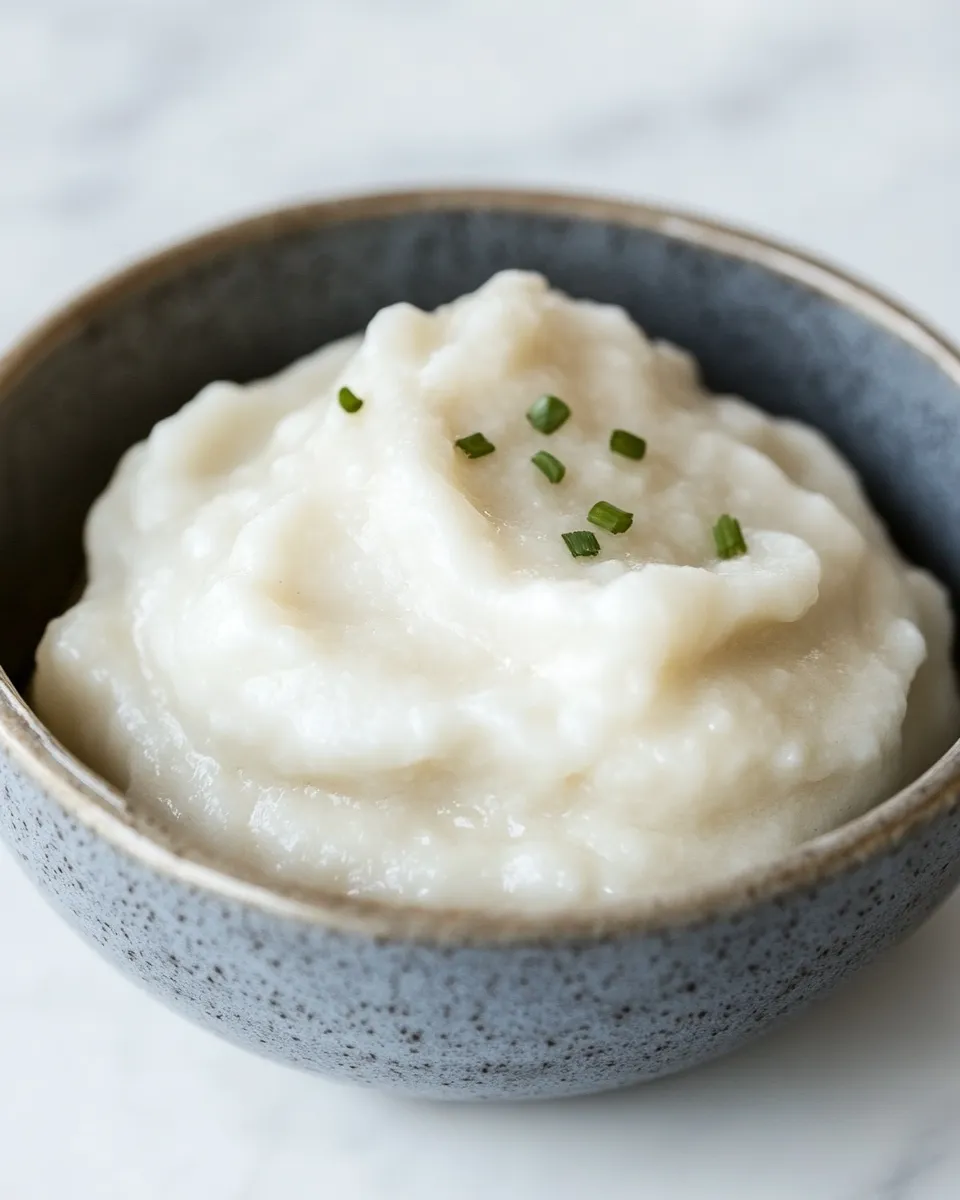
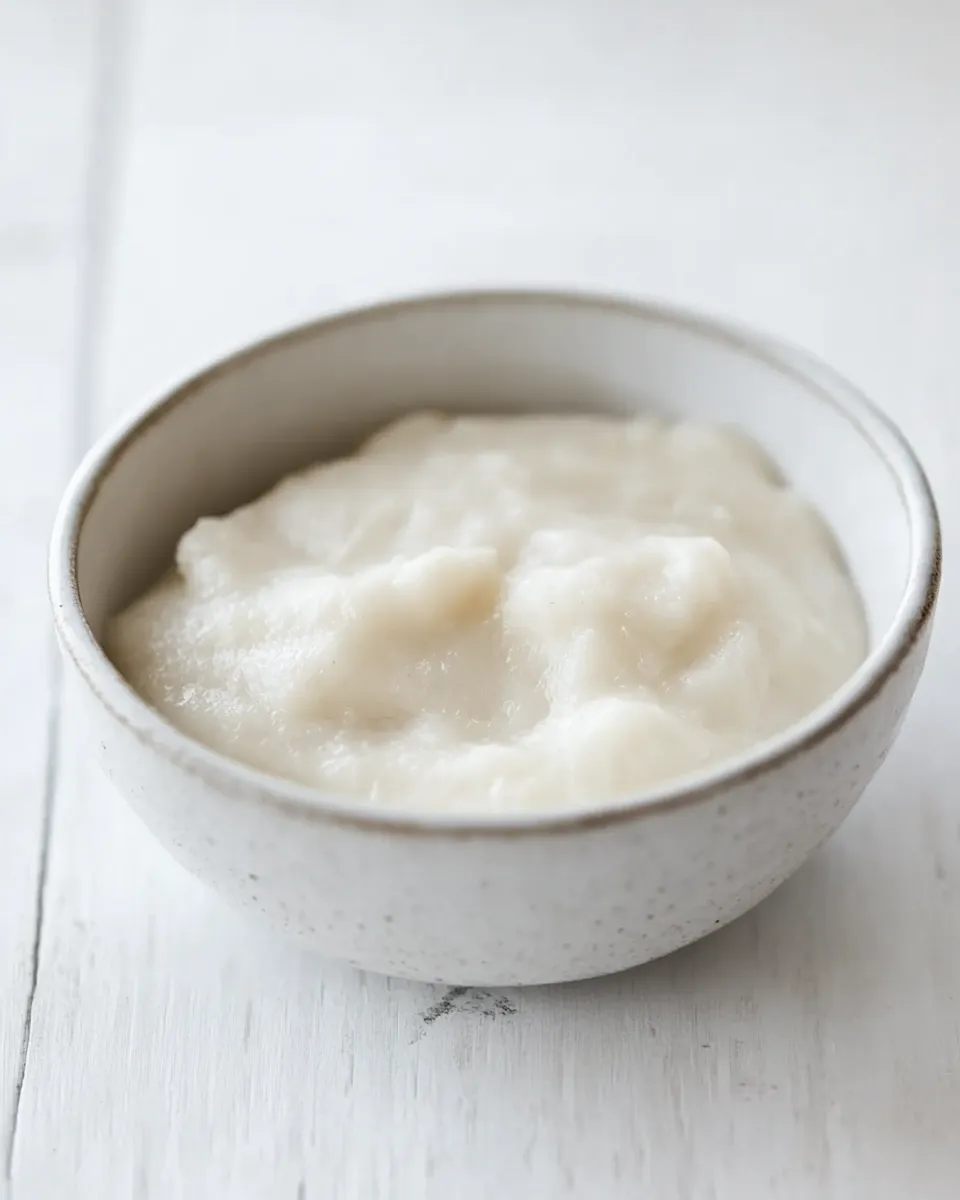
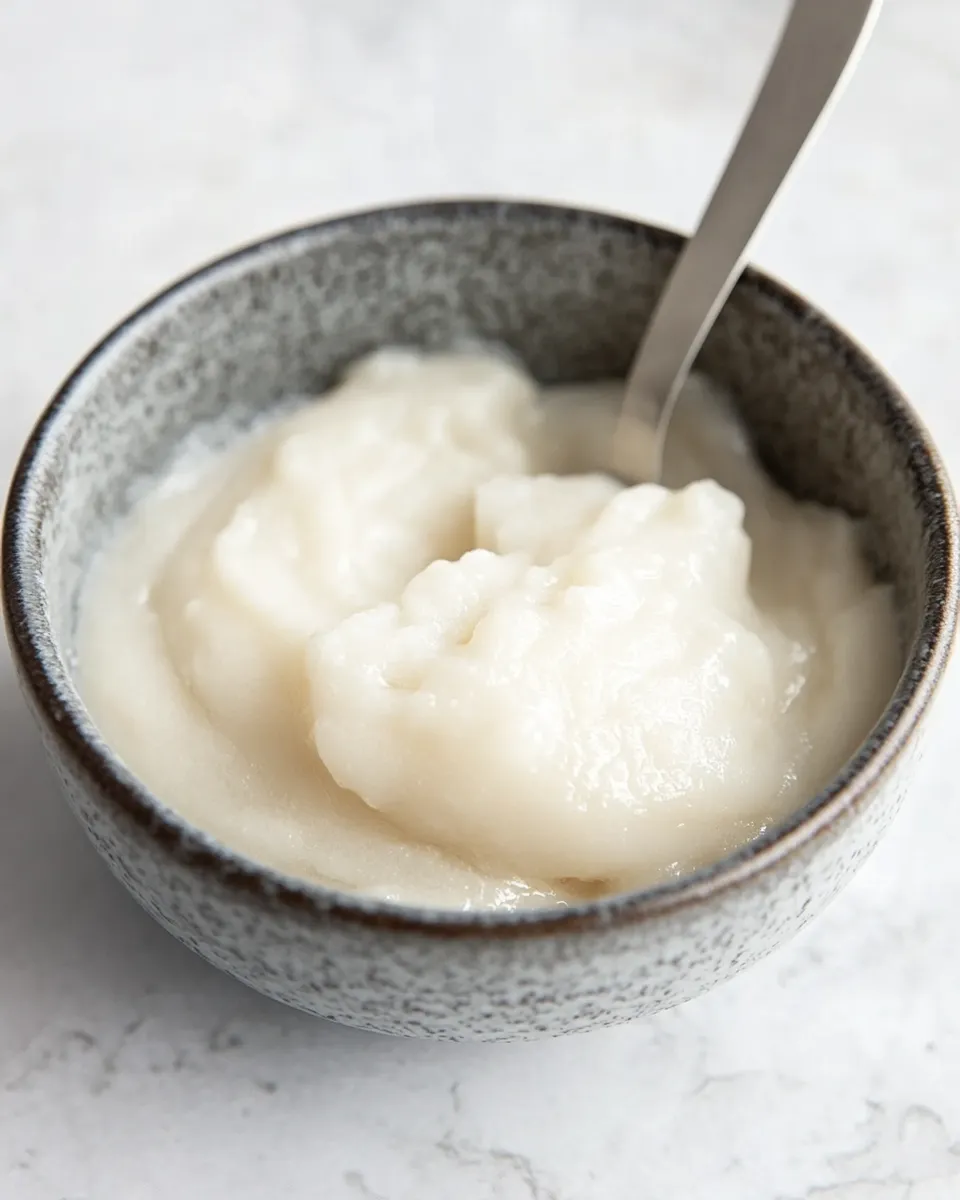
- Cook for about 7 to 10 minutes, until the mixture becomes a thick, smooth paste (think of a thicker cream-of-wheat). It should reach 149°F (65°C).
- Remove the pot from the heat and let the tangzhong cool to room temperature, about 30 minutes.
- Once cooled, use the tangzhong in your bread recipe or store it for later use.
Why This Recipe Belongs in Your Rotation
Tangzhong is a small step that delivers a big difference. It works with pretty much any enriched or lean bread recipe — sandwich loaves, dinner rolls, milk bread, even some enriched sweet breads. Once you master the simple slurry-to-paste technique, it becomes a reliable way to boost moisture retention without adding extra oil or eggs.
For home bakers, consistency matters more than complexity. Tangzhong gives you more predictable results: dough that stays soft longer, slices that don’t dry out overnight, and a crumb that feels lighter and more tender. If you sell baked goods or bake for family, it’s a subtle upgrade your customers and loved ones will notice immediately.
Finally, it’s forgiving. The ingredients are pantry staples and the process is low-risk. As long as you keep the heat low and whisk continuously, the chance of making a bad batch is small. It’s an efficient technique that fits easily into the rhythm of most bread recipes.
Smart Substitutions
- All-purpose flour instead of bread flour — you can substitute 1:1 if bread flour isn’t available; the tangzhong will still work but the paste might be slightly less elastic.
- Milk alternatives — swap whole milk for oat or soy milk if you need a dairy-free option; expect a subtle difference in richness.
- Water-only tangzhong — if you’re out of milk or want a neutral base, using water instead of milk works; the final bread may be a touch less tender but still improved over no tangzhong.
- Scale adjustments — keep the ratio similar if you upscale: tangzhong is typically made at roughly 1 part flour to 5 parts liquid by weight in classic formulas. The source amounts here are small and meant to fold into a standard loaf dough.
Gear Up: What to Grab
Essentials
- Small/medium pot — wide enough for whisking and shallow enough so the mixture heats evenly.
- Whisk — a must. Continuous whisking keeps lumps from forming and stops the bottom from scorching.
- Digital thermometer — handy to confirm you’ve reached 149°F (65°C), especially the first few times.
Nice-to-haves
- Heatproof spatula — for scraping the sides cleanly into a bowl if you plan to transfer the tangzhong to cool faster.
- Small bowl with cover or airtight jar — for cooling and storing the tangzhong if you’re not using it right away.
Avoid These Mistakes
- Using high heat — it seems faster, but high heat causes lumps and scorched flavor. Keep the burner low and be patient.
- Stopping the whisk — even brief pauses can let the mixture settle and cling to the pot, forming lumps or burning on the bottom.
- Not measuring carefully — tangzhong is forgiving, but maintaining the measured amounts ensures a predictable texture when mixed into your dough.
- Adding to cold dough — make sure the tangzhong is cooled to room temperature before combining with yeast or cold dough ingredients; hot tangzhong can affect yeast activity.
Health-Conscious Tweaks
If you’re watching calories or dairy, tangzhong still works with minor adjustments. Use lower-fat milk or a fortified plant milk to reduce saturated fat. For whole-grain bakers, consider swapping a portion of the bread flour in the tangzhong for whole wheat pastry flour — it’ll change the color and flavor slightly but still give you improved moisture retention.
Keep in mind that tangzhong itself is a concentrated starch mixture. Its role is to trap moisture and soften crumb rather than significantly boost calories or fat. So small substitutions will retain most of the benefit while aligning with dietary preferences.
Author’s Commentary
I started using tangzhong after experimenting with milk bread recipes that never quite reached the pillowy softness I wanted. The first time I folded cooled tangzhong into a familiar dough, the difference was immediate: the crumb felt plush and the loaf stayed moist two days later without extra butter. It felt like a secret handshake between me and my oven.
When I teach friends or readers, I emphasize technique over ingredients here. The proportions are small and precise, but the key points are low heat and constant whisking. If you treat those as rules, tangzhong becomes a reliable tool in your baking toolkit rather than a trick that sometimes works.
Storing Tips & Timelines
Once cooled, tangzhong keeps well and makes prep days easier. Transfer it into a clean airtight container or jar and refrigerate. It will thicken further as it cools; that’s normal. Stored in the fridge, tangzhong is best used within 3–4 days.
For longer storage, freeze it in a freezer-safe container or ice-cube tray. When frozen, tangzhong lasts up to one month. Thaw in the refrigerator overnight, then bring to room temperature before incorporating into your dough. If the consistency seems overly firm after thawing, whisk a splash of warm milk or water to loosen it before using.
Tangzhong FAQs
Do I always need to use milk? No. Whole milk adds richness, but water or plant milk will work. Expect a subtle difference in softness and flavor if you replace the milk.
Can I make tangzhong ahead of time? Yes. Make it, cool it, and refrigerate up to 3–4 days or freeze up to a month. Bring it to room temperature before mixing into dough.
What does tangzhong do to yeast activity? When tangzhong is at room temperature, it doesn’t harm yeast. Avoid adding it hot to yeast or dough, because higher temperatures can slow or kill yeast. Cooling to room temperature (about 30 minutes in this formula) is sufficient.
Will tangzhong change the flavor of the bread? Not in a pronounced way. It contributes a subtle creaminess when milk is used, but primarily it changes texture and shelf life rather than flavor profile.
Can I scale this recipe up? Yes, but keep the technique the same: combine flour with liquid into a smooth slurry, cook gently while whisking until thickened, then cool fully. If you scale, maintain similar ratios so the tangzhong maintains its gel properties.
In Closing
Tangzhong is one of those small methods that makes home baking feel deliberately better: a tiny investment of time that consistently pays off. The steps are simple, the ingredients minimal, and the results impressive. Try it next time you bake a sandwich loaf or batch of dinner rolls — I think you’ll be as delighted as I was the first time I bit into a slice.
Keep the whisk moving, respect the low heat, and cool before combining. Those three habits will make your tangzhong dependable, and your bread will thank you.
How to Make Tangzhong
Equipment
- Medium pot
- Whisk
- stove or cooktop
- instant-read thermometer (optional)
Ingredients
Ingredients
- 2 tablespoonsbread flour
- 1/4 cupwater
- 1/4 cupwhole milk
Instructions
Instructions
- Measure 2 tablespoons bread flour, 1/4 cup water, and 1/4 cup whole milk.
- Place a medium-sized pot on the counter. Add the 2 tablespoons bread flour and the 1/4 cup water to the pot and whisk until smooth and fully combined, with no lumps (a slurry).
- Whisk in the 1/4 cup whole milk until the mixture is uniform.
- Put the pot on a cooktop burner set to low heat.
- Whisk continuously while the mixture heats. Keep the heat low and do not stop whisking to prevent lumps and burning.
- Cook for about 7 to 10 minutes, until the mixture becomes a thick, smooth paste (think of a thicker cream-of-wheat). It should reach 149°F (65°C).
- Remove the pot from the heat and let the tangzhong cool to room temperature, about 30 minutes.
- Once cooled, use the tangzhong in your bread recipe or store it for later use.
Notes
Make-Ahead:
It is best to use tangzhong the day of, but you can make it up to 1 day ahead of time.
How to Store:
Cover and store the tangzhong in the refrigerator for up to 2 days. This will not freeze well.
This
method
can help extend the shelf life of bread by up to 4 days.
The temperature
at which the milk and flour are heated when stirring is exactly 149°.