There are few things as reliably satisfying as a well-made grilled cheese. It’s simple, quick, and shows you don’t need complicated techniques to get comforting, crunchy bread and gooey, melted cheese. Done right, it’s crisp on the outside and perfectly molten inside—every bite a little reward.
In this post I strip away the guesswork and give you a foolproof approach that fits into a busy weeknight or a deliberate weekend lunch. I’ll take you through the exact build, the timing, and the small choices that make a big difference—bread selection, butter temperature, heat level, and what to do when the cheese needs a little help melting.
You’ll also find practical swaps, tool recommendations, troubleshooting tips, and answers to common questions. If you follow the steps below, you’ll be rewarded with a Perfect Grilled Cheese Sandwich every time.
Ingredient List
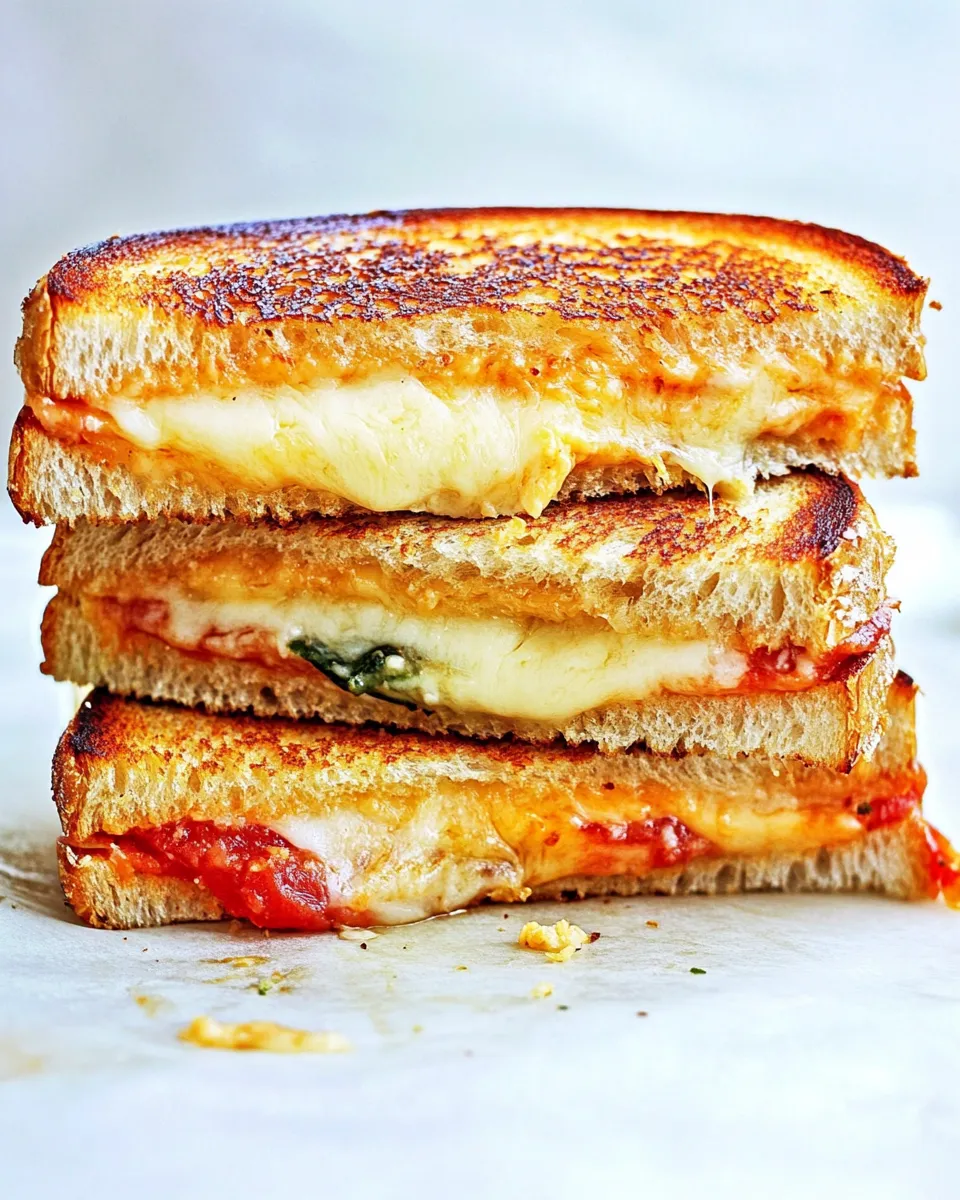
- 2 slices bread — your favorite sandwich bread is perfect; sturdier slices brown better and hold the cheese without getting soggy.
- 2 tablespoons butter — room temperature for easiest spreading; this browns the crust and adds flavor and crispness.
- 3 ounces of your favorite medium cheddar cheese — we love Tillamook medium cheddar; slice 1/8–1/4 inch thick so it melts evenly and covers the slice edge-to-edge.
Build Perfect Grilled Cheese Sandwich Step by Step
- Lay out the 2 slices of bread. Using all 2 tablespoons of room-temperature butter, spread a thin, even layer on one side of each slice so the buttered sides will be the outside of the sandwich.
- Turn both slices butter-side-down so the unbuttered sides are facing up.
- Take the full 3 ounces of cheddar and arrange it in a single, even layer on one unbuttered slice of bread. If needed, slice the cheese about 1/8–1/4 inch thick so it covers the bread edge to edge; overlap slices slightly to cover the whole piece.
- Place the second slice of bread on top, buttered side up, making a sandwich.
- Preheat a roomy sauté pan over medium-low heat or set an electric griddle to about 275°F. Let the cooking surface preheat for 1–2 minutes until hot but not smoking.
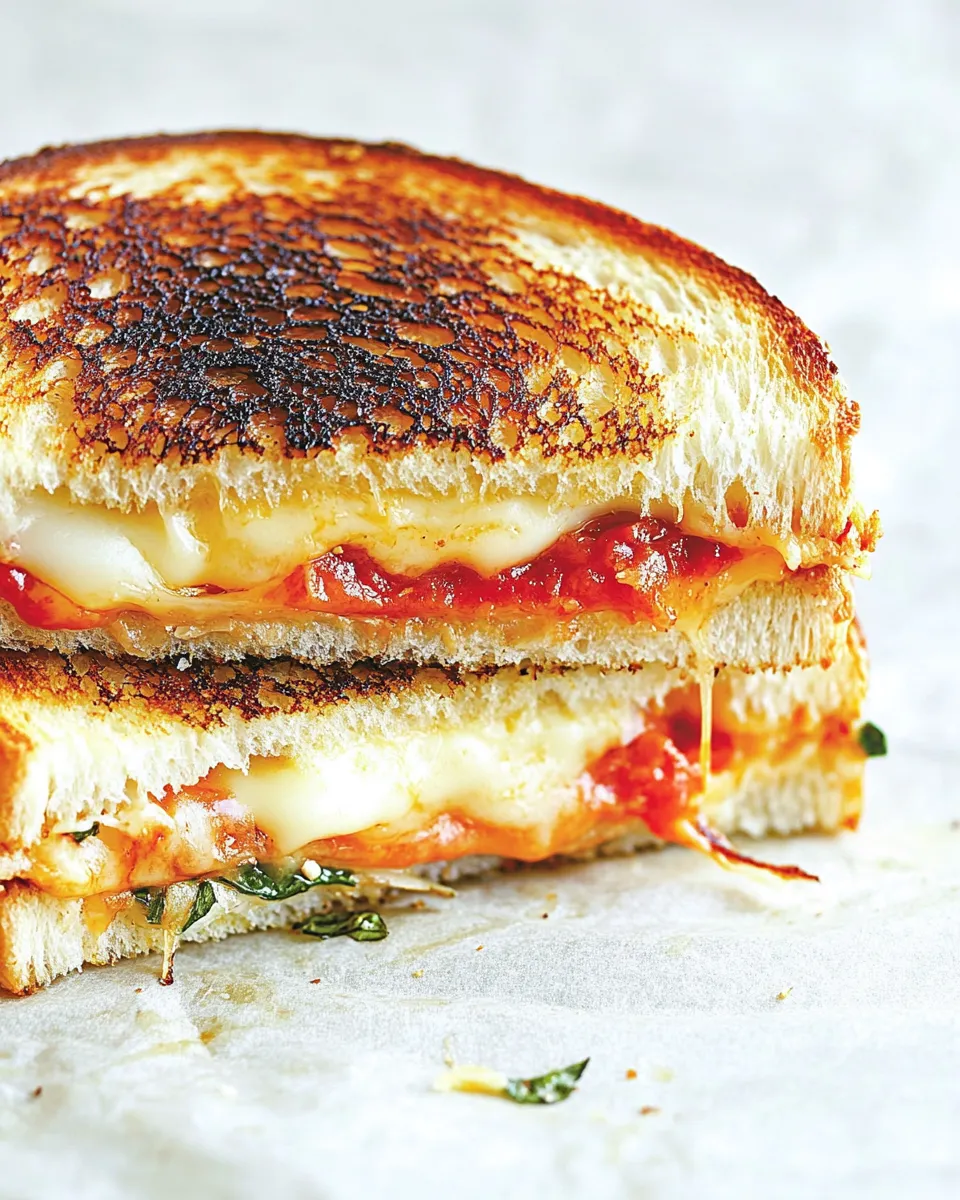
- Place the sandwich in the pan or on the griddle. Cook undisturbed for about 4–6 minutes, until the bottom is golden brown. Check occasionally to ensure it is browning and not burning.
- Carefully flip the sandwich with a spatula. Cook the second side for another 4–6 minutes, until it is also golden brown and the cheese is melted. Avoid pressing down on the sandwich unless you prefer a flatter, crisper result.
- If after flipping the cheese is not fully melted but the bread is browned, lower the heat to low and cook another 1–3 minutes per side as needed, or cover the pan briefly to help the cheese melt without burning the bread.
- Remove the sandwich from the heat. Let it rest about 30 seconds, then cut in half if you like and serve.
What Sets This Recipe Apart
This method focuses on temperature control and even butter distribution. Many recipes crank the heat to get a quick brown, which often leaves you with a toasted outside and unmelted cheese. By using medium-low heat and giving the pan a minute to preheat, the bread browns evenly while the cheddar has time to become silky without burning the crust.
Using room-temperature butter matters more than you’d think. Cold butter tears bread and doesn’t spread, so you end up unevenly coated and spotty browning. The specified 2 tablespoons ensures a thin, consistent coating on both slices for even color and flavor without greasiness.
The final resting period—brief as it is—lets the molten cheese settle so it doesn’t immediately run out when you cut the sandwich. A half-minute makes the sandwich easier to handle and gives you perfect slices.
Substitutions by Category
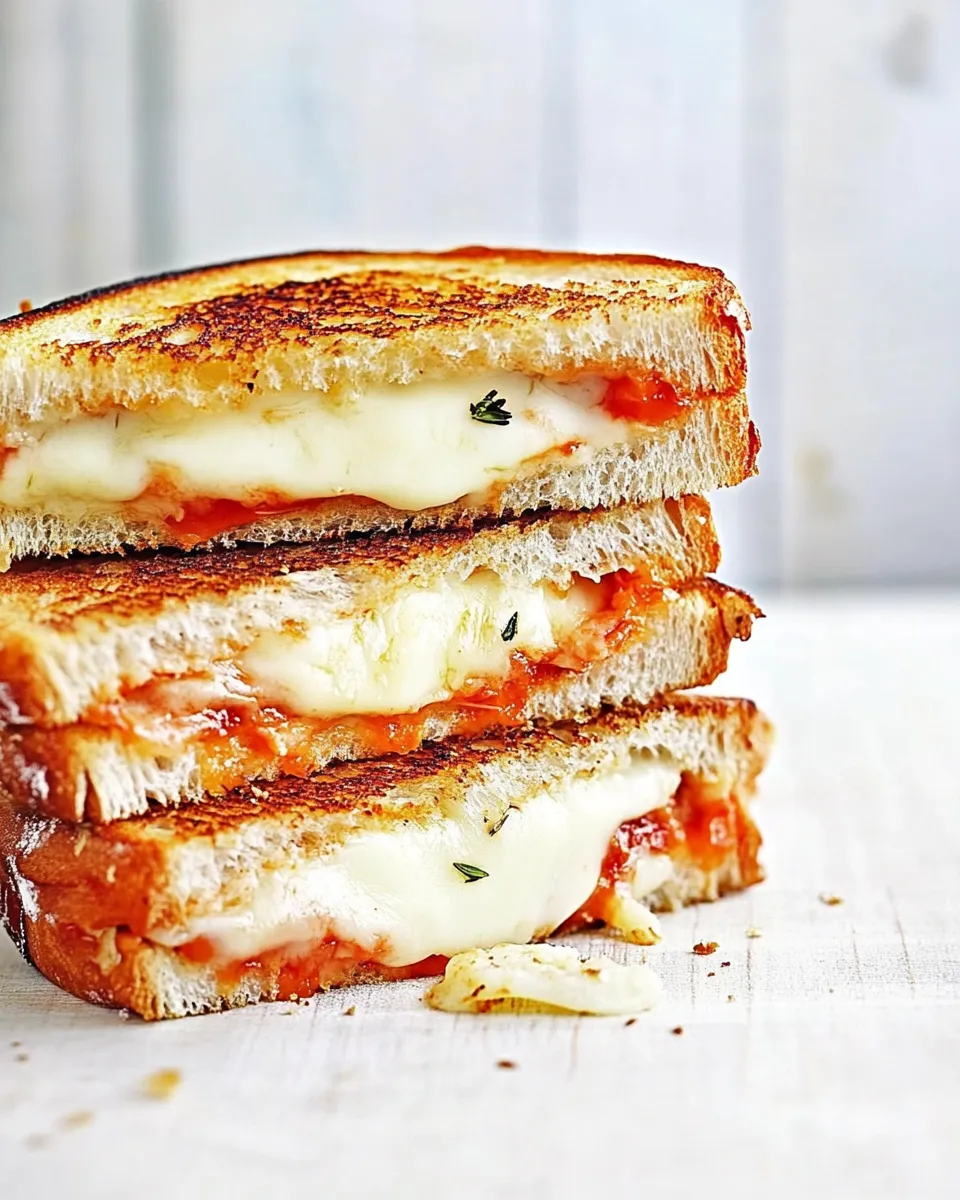
Bread
- Sourdough — tangy flavor and sturdy crumb; toasts beautifully and resists sogginess.
- White sandwich bread — classic choice; thinner slices work but watch the heat to avoid burning before the cheese melts.
- Whole grain or seeded — adds nuttiness; choose thicker slices for balance.
Butter and Fats
- Mayonnaise — spreads easily and creates an even, golden crust; use sparingly if you prefer its tang and texture.
- Olive oil or flavored butter — can be used for a different flavor profile; reduce amount slightly to avoid a greasy result.
Cheese
- Cheddar variations — sharp or mild will change flavor intensity; the melting behavior is similar for moderate-sharpness cheddars.
- Mixes — combining cheddar with a touch of fontina or gruyère improves melt and gives a silkier mouthfeel.
Recommended Tools
- Roomy sauté pan — a wide pan gives even contact and space to flip without crowding; cast iron or heavy-bottomed stainless both work well.
- Electric griddle — great for precise temperature control; set to roughly 275°F as listed in the recipe for steady results.
- Thin, wide spatula — essential for flipping cleanly and keeping the sandwich intact.
- Cheese slicer or sharp knife — for consistent 1/8–1/4 inch slices so the cheese melts uniformly.
- Lid or large stainless bowl — useful if you need to cover the pan briefly to coax the cheese into melting.
Common Errors (and Fixes)
- Bottom browns too fast while cheese is unmelted — heat is too high. Lower to medium-low or remove pan briefly; finish covered or on the lowest burner setting.
- Bread is soggy — too much butter or wet fillings. Use a thinner butter layer, or toast the bread lightly before assembling.
- Sandwich falls apart when flipping — cheese not layered evenly or spatula too small. Arrange cheese to the edges and use a wide spatula; flip confidently in one motion.
- Cheese seizes or becomes oily — cheese overheating at too-high temperatures. Melt gently at a lower heat or cover the pan briefly instead of raising the heat.
Dietary Swaps & Alternatives
Dairy-free / Vegan
- Plant-based butter — choose a spreadable variety at room temperature for even coating and browning.
- Vegan cheese — pick a melty brand formulated for grilling; some need a minute longer, so use the “lower heat and cover” trick if needed.
Gluten-free
- Gluten-free sandwich bread — pick a sturdy loaf and, if slices are thin, reduce heat slightly or pre-toast to prevent collapse.
Lactose-intolerant
- Lactose-free cheddar or aged cheddars (which are lower in lactose) — test meltability and adjust cook time as needed.
Pro Tips & Notes
- Pre-slice the cheese and let it sit at room temperature for a few minutes before building; slightly warmer cheese melts faster.
- Use the full 2 tablespoons of butter split between both slices—this ensures both crusts get evenly golden without excess pooling.
- Don’t press the sandwich while it cooks unless you like it flatter; pressing squeezes out oils and can speed browning at the expense of melting time.
- If you like a little steam to help the cheese along, cover the pan for 30–60 seconds after flipping. Remove the cover to let the crust re-crisp if needed.
- For clean, even slices, let the sandwich rest the specified 30 seconds. Use a sharp knife and a single clean cut rather than a sawing motion.
Save It for Later
Grilled cheese is best fresh, but you can store leftovers for a short period. Wrap cooled sandwiches tightly in foil or plastic wrap and refrigerate for up to 24 hours. Reheat in a skillet over low heat, covered briefly to warm the interior, then uncover to crisp the bread. An oven at 350°F for 8–12 minutes can also revive texture fairly well. Avoid microwaving unless you don’t mind a softer, less crisp crust.
Questions People Ask
- Can I use cold butter? — You can, but it’s harder to spread and may tear the bread. Room-temperature butter gives the most consistent result.
- What if my cheese doesn’t melt? — Lower the heat and cook a few minutes longer, or cover the pan briefly to trap heat. Thinner slices of cheese will also melt faster.
- Should I butter both slices? — Yes. Butter on both outer surfaces ensures even browning and a balanced crust.
- Is there a best cheese for melting? — Medium cheddar works reliably; blending with a higher-melt cheese (fontina, gruyère) yields a silkier interior.
- How do I get ultra-crispy bread? — Make sure the butter layer is even and cook on medium-low long enough to allow thorough browning without excessive heat.
Ready to Cook?
Gather those three ingredients, heat your pan, and follow the step-by-step build. You don’t need fancy equipment—attention to temperature, butter spread, and cheese thickness will take you from average to consistently excellent. Make one for yourself, and then make one for someone you want to make smile.
Enjoy your Perfect Grilled Cheese Sandwich. Come back and tell me what bread and cheese combo became your new favorite.
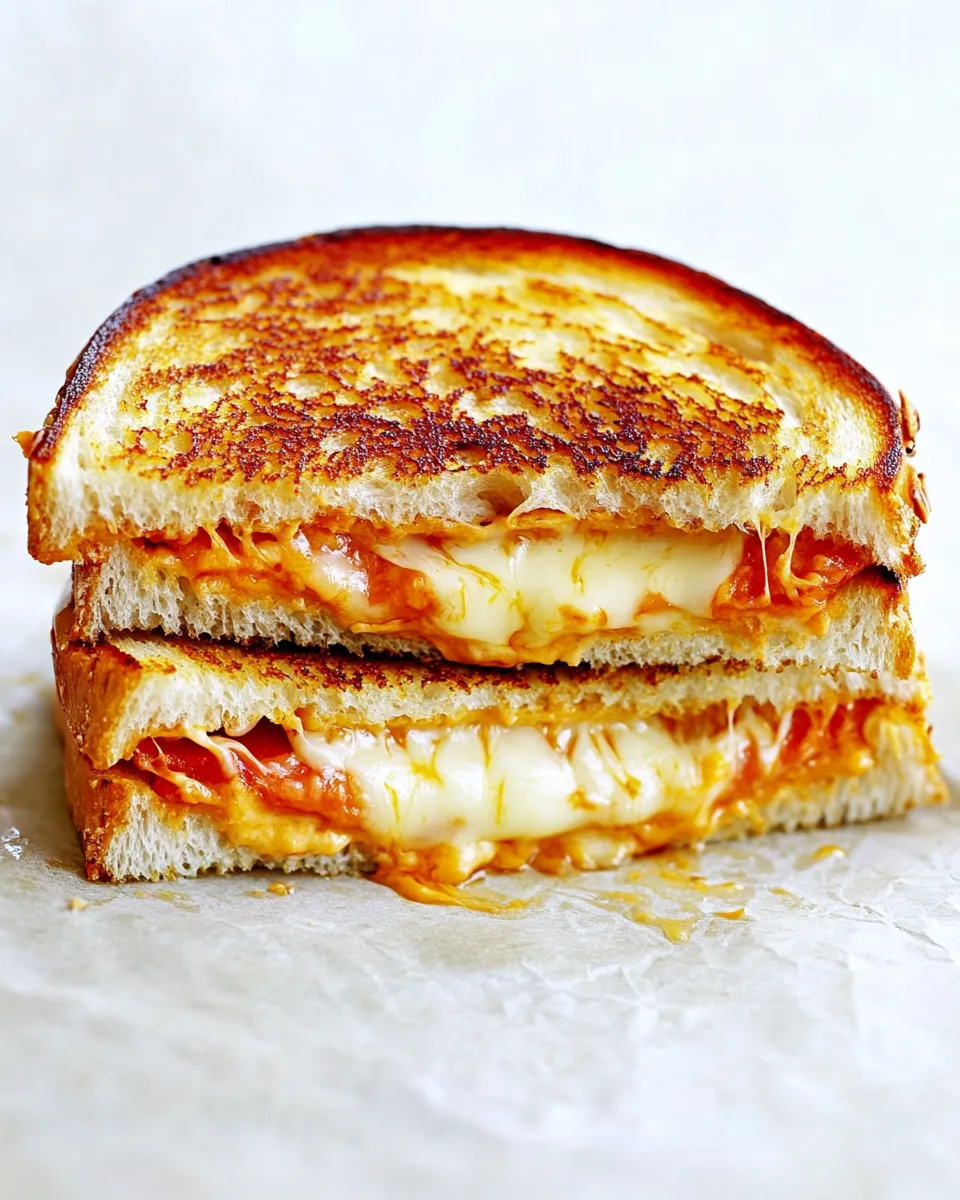
How to Make the Perfect Grilled Cheese Sandwich
Equipment
- Sauté pan
- electric griddle
- Spatula
Ingredients
Ingredients
- 2 slicesbread your favorite sandwich bread is perfect!
- 2 tablespoonsbutter room temperature for easiest spreading
- 3 ouncesof your favorite medium cheddar cheese we love Tillamook medium cheddar
Instructions
Instructions
- Lay out the 2 slices of bread. Using all 2 tablespoons of room-temperature butter, spread a thin, even layer on one side of each slice so the buttered sides will be the outside of the sandwich.
- Turn both slices butter-side-down so the unbuttered sides are facing up.
- Take the full 3 ounces of cheddar and arrange it in a single, even layer on one unbuttered slice of bread. If needed, slice the cheese about 1/8–1/4 inch thick so it covers the bread edge to edge; overlap slices slightly to cover the whole piece.
- Place the second slice of bread on top, buttered side up, making a sandwich.
- Preheat a roomy sauté pan over medium-low heat or set an electric griddle to about 275°F. Let the cooking surface preheat for 1–2 minutes until hot but not smoking.
- Place the sandwich in the pan or on the griddle. Cook undisturbed for about 4–6 minutes, until the bottom is golden brown. Check occasionally to ensure it is browning and not burning.
- Carefully flip the sandwich with a spatula. Cook the second side for another 4–6 minutes, until it is also golden brown and the cheese is melted. Avoid pressing down on the sandwich unless you prefer a flatter, crisper result.
- If after flipping the cheese is not fully melted but the bread is browned, lower the heat to low and cook another 1–3 minutes per side as needed, or cover the pan briefly to help the cheese melt without burning the bread.
- Remove the sandwich from the heat. Let it rest about 30 seconds, then cut in half if you like and serve.
Notes
A note for vegetarians: If you’re concerned about rennet in your cheese, Tillamook’s cheeses are made with a vegetable-based rennet.