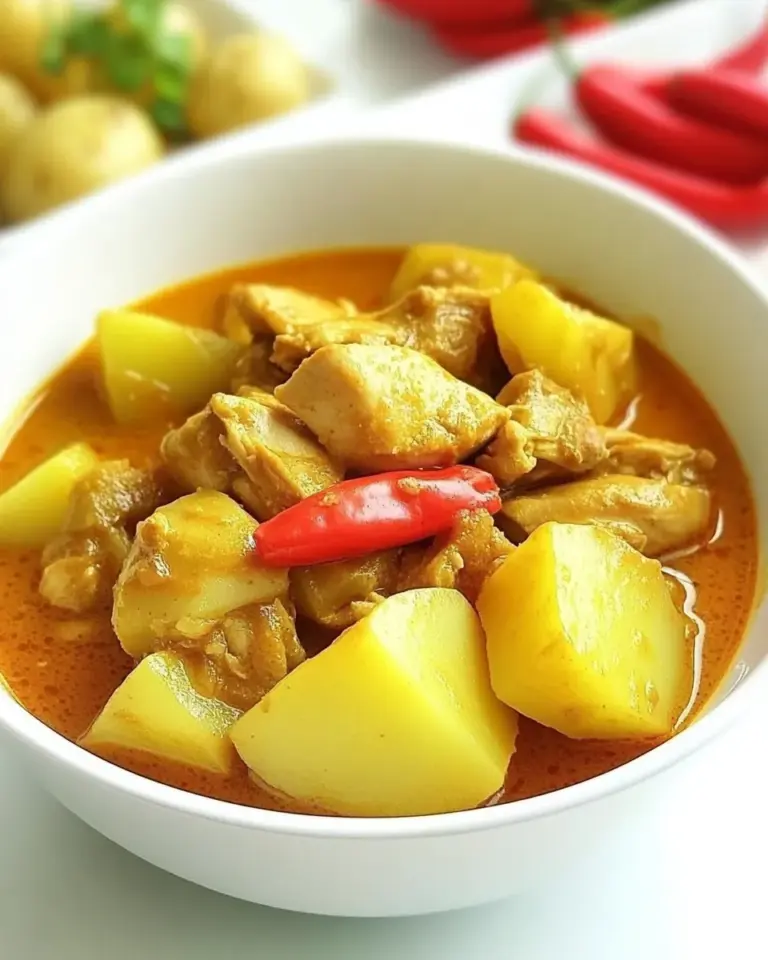
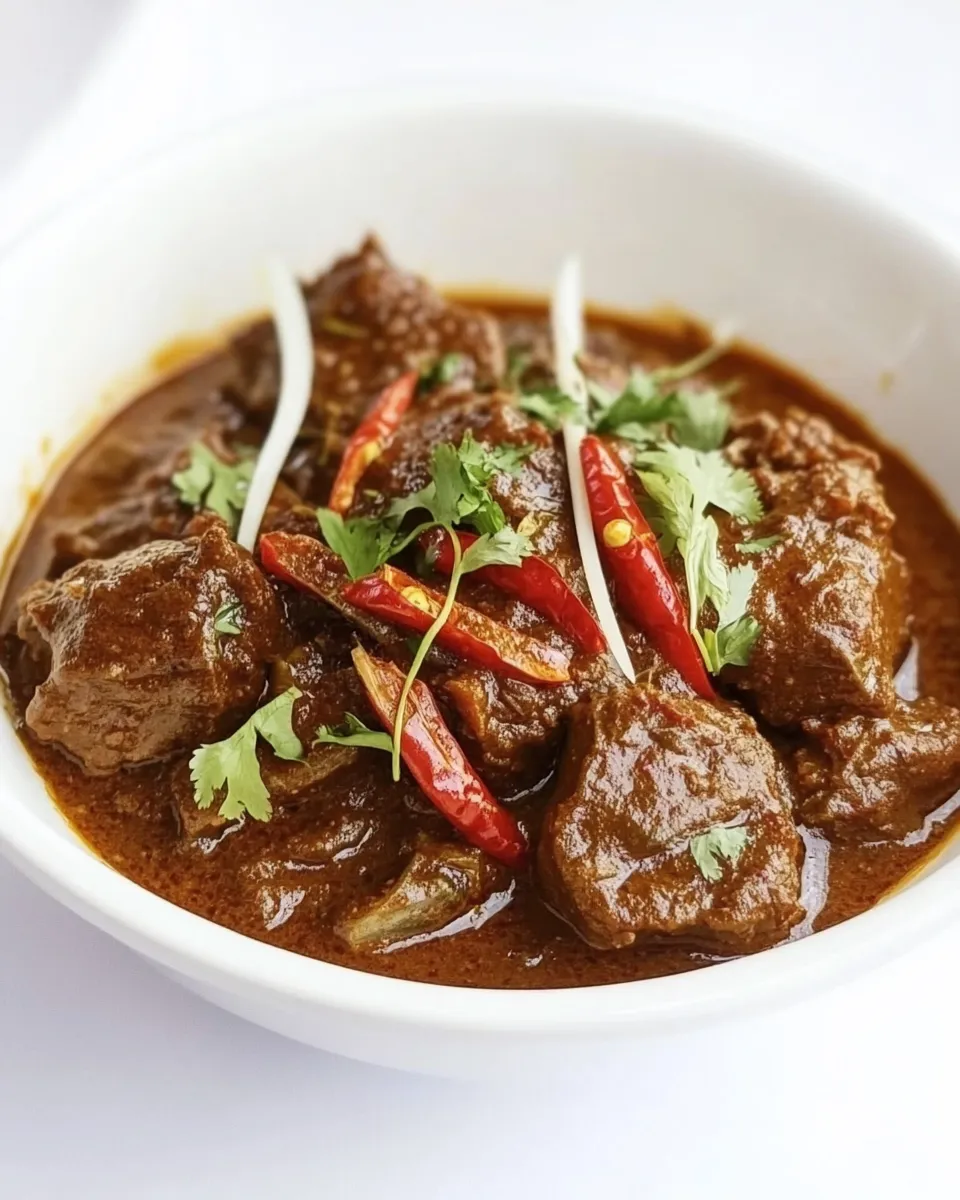
This curry is the kind of dish I make when I want something comforting, deeply flavored, and reliably tender. It takes time, but not constant attention — mostly a patient simmer and a few confident moves at the stove. The recipe leans on whole spices and a straightforward onion-tomato base, which builds a warm, layered gravy that clings to the meat.
Goat with bone gives the curry a meaty, gamey depth that responds beautifully to the cinnamon, cardamom, cloves and mace. Slow cooking is the secret: it softens connective tissue and concentrates flavor without requiring complicated steps. You’ll end up with a fragrant, homey curry that pairs well with rice, roti, or a simple salad.
I keep the technique practical and repeatable. Follow the steps, mind the heat, and you’ll have a dish that feels restaurant-worthy but is made at home. Below I list exactly what I use and how I cook it, plus tips for swaps, storage, and troubleshooting.
What You’ll Need
Ingredients
- 100mlsunflower oil — neutral oil for frying spices and onions.
- 1inchcinnamon — whole stick to add warm, woody notes.
- 3pods green cardamom — bruised slightly to release aroma.
- 3piecesbay leaves — add depth and background fragrance.
- 1teaspoonmace powder — reserved to finish the curry with floral warmth.
- 9cloves — potent spice; lends sweet-pungent character.
- 2piecesSpanish onion — peeled and thinly sliced for a sweet onion base.
- 1.5tablespoonsginger paste — bright, spicy foundation.
- 1/2tablespoongarlic paste — cooks quickly; adds savory depth.
- 3medium tomatoes — chopped; they break down into the gravy.
- 1/2teaspoonturmeric — color and mild earthiness.
- 1teaspoonchili powder — controls heat level; adjust to taste.
- 1teaspooncoriander — ground coriander brings citrusy, nutty notes.
- 1.5kggoat meat with bone — the main ingredient; bone adds richness.
- 5sprigs coriander leaves — chopped; added during cooking and as garnish.
Directions: Indian Goat Curry
- Prepare: peel and thinly slice the 2 Spanish onions and chop the 3 medium tomatoes. Measure out the whole spices (1 inch cinnamon, 3 pods green cardamom, 3 pieces bay leaves, 9 cloves) and set aside the 1 teaspoon mace powder for later.
- Heat 100 ml sunflower oil in a heavy casserole or deep pan over low–medium heat until warm but not smoking.
- Add the whole spices (cinnamon, green cardamom, bay leaves, cloves) to the hot oil. Fry, stirring occasionally, until the spices become fragrant (about 1–2 minutes). Do not add the mace yet.
- Add the sliced onions to the pan. Cook, stirring regularly, until the onions are golden brown (about 8–12 minutes). Adjust heat as needed to prevent burning.
- Add 1/2 tablespoon garlic paste and cook for 1 minute, stirring so it does not stick.
- Add 1.5 tablespoons ginger paste plus the powdered spices: 1/2 teaspoon turmeric, 1 teaspoon chili powder, and 1 teaspoon coriander powder. Cook and stir for about 2 minutes, sprinkling 1 tablespoon water once if the spices start to stick, to prevent burning.
- Add the chopped tomatoes. Cook, stirring occasionally, until the tomatoes break down and you see oil separating around the edges of the mixture (about 5–10 minutes).
- Add the 1.5 kg goat meat with bone to the pan. Stir well to coat the meat in the spice-onion-tomato mixture, and continue to stir for about 5 minutes until the meat begins to release its juices.
- Pour in 1 litre water, bring to a gentle simmer, reduce the heat to low–medium, cover partially, and cook for 1½ hours, or until the goat is tender. Stir occasionally.
- Check the sauce consistency; if it is too thin, simmer uncovered over low heat until it reaches the desired thickness.
- Stir in 4 sprigs of coriander leaves and the reserved 1 teaspoon mace powder, then remove the pan from the heat.
- Garnish with the remaining 1 sprig of coriander leaves before serving.
- Tip: Slow, gentle cooking will help ensure the meat becomes tender.
Why This Recipe Works
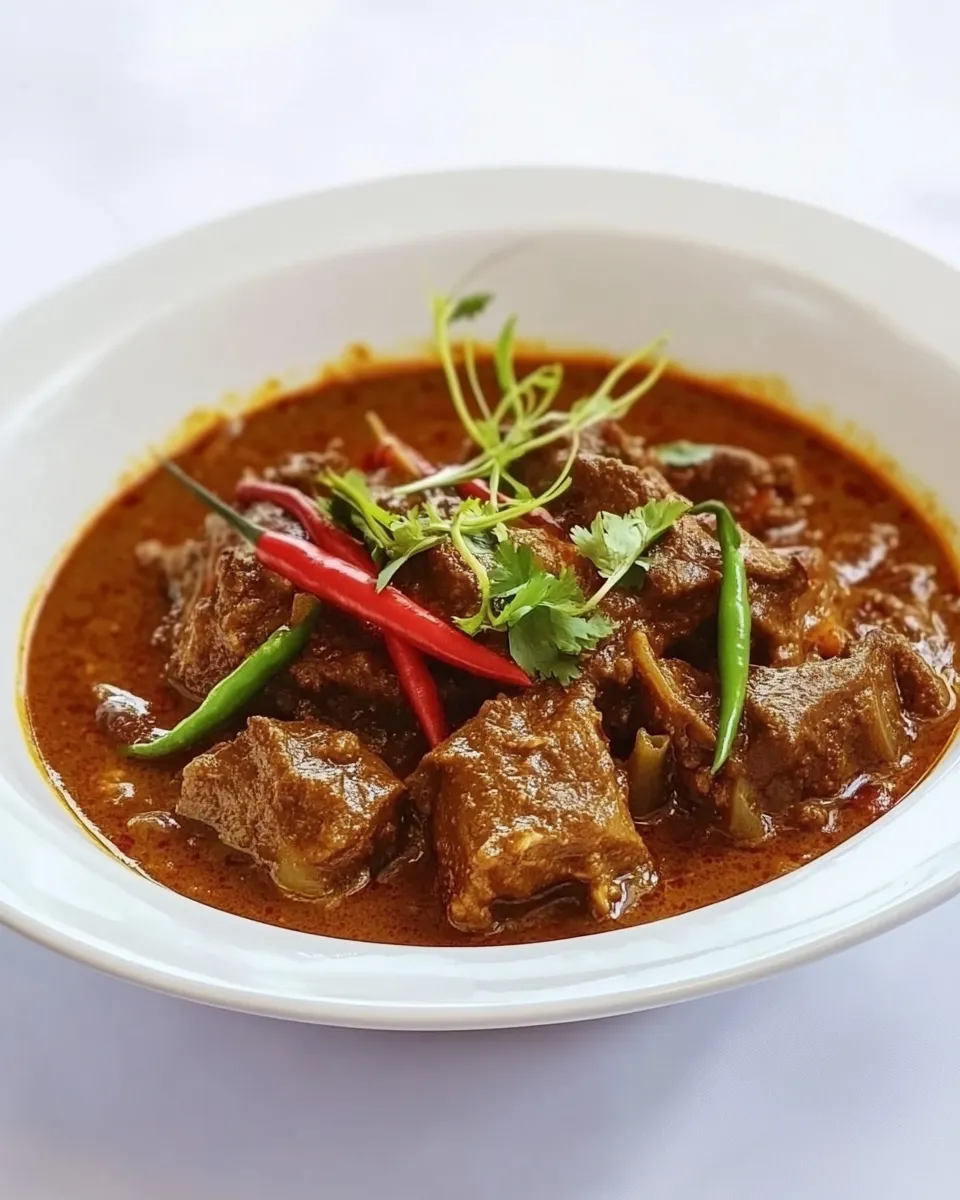
This curry relies on a few simple but effective principles. First, whole spices bloom in oil. That initial 1–2 minute fry extracts oils and lifts the aromatics so every bite has a base of warm spice. Second, the long cooking time turns collagen into gelatin and concentrates flavors. The meat, bones, and simmering water create a rich mouthfeel without additional thickeners.
Onions and tomatoes form a classic masala: slowly caramelized onions add sweetness, while tomatoes break down and release acidity that balances the dish. Adding mace at the end preserves its delicate floral character, giving the curry a final aromatic lift that you’d lose if cooked too long.
Low-Carb/Keto Alternatives
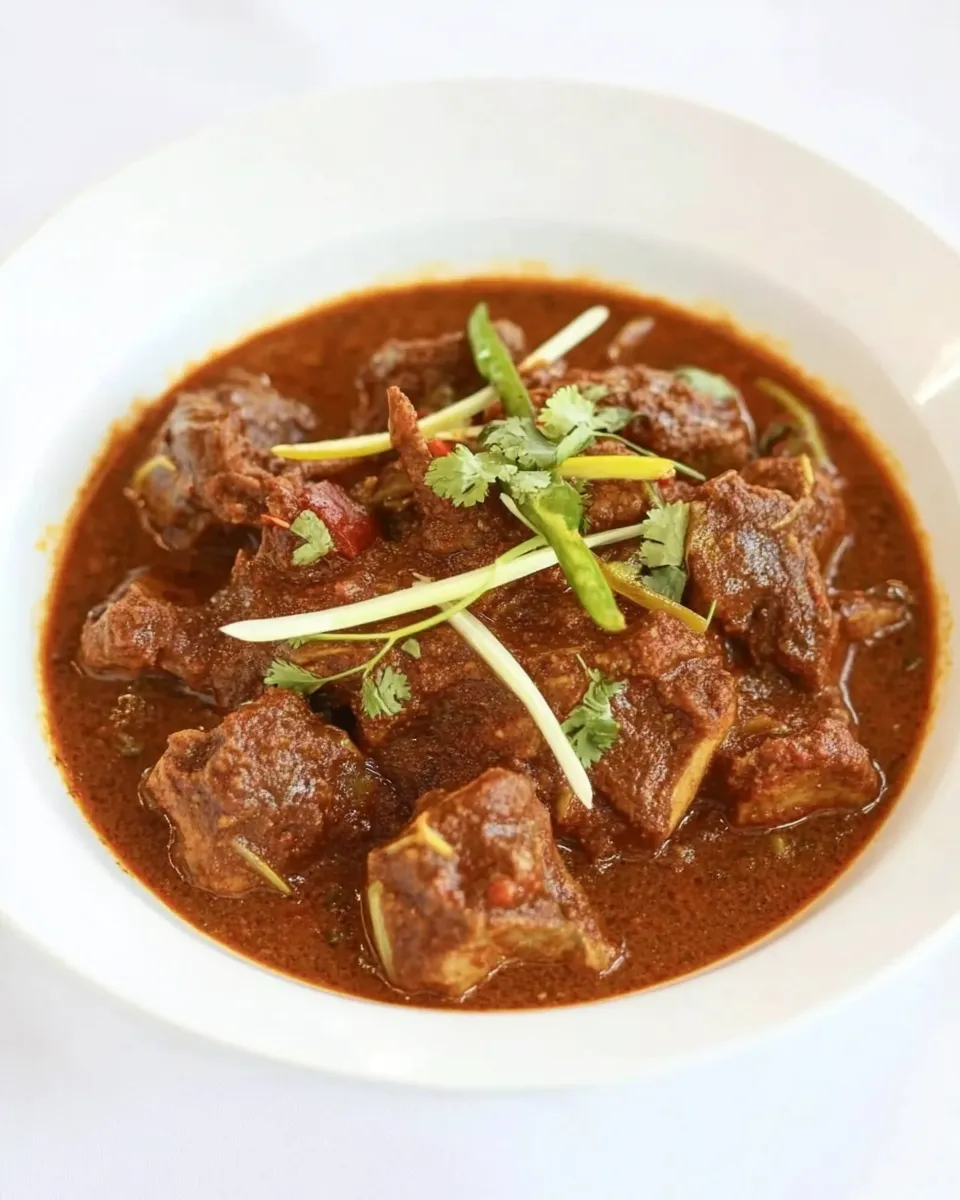
The recipe is already low in carbohydrates compared to many Indian dishes that include sugar or starchy sides. To keep it strictly keto-friendly, serve the curry with cauliflower rice or sautéed greens instead of traditional rice or bread. The gravy is naturally rich and pairs well with leafy sides that soak up the sauce.
Equipment & Tools
Use a heavy casserole, Dutch oven, or deep pan with a tight-fitting lid — anything that holds heat and allows a gentle, consistent simmer. A wooden spoon or heatproof spatula helps you scrape the bottom without damaging the pan. A sharp knife and a sturdy cutting board are essential for prepping onions and tomatoes. If you have a splatter screen, it keeps your stove clean during the initial simmering.
Avoid These Mistakes
Common errors tend to be about heat control and timing. If the oil is too hot when you add the whole spices, they will burn and turn bitter. Heat the oil until warm but not smoking, and fry the spices briefly until fragrant. Similarly, rushing the onions will leave you with a raw, bulbous flavor instead of a golden-sweet base; cook them slowly and stir often.
Don’t skip the partial lid during the long simmer. Completely sealing the pot can trap too much moisture and dilute the sauce, while leaving it fully uncovered prolongs cooking time. Partially covered creates circulation, keeps splatter down, and still allows some reduction. Finally, adding delicate finishes like mace or fresh coriander too early will mute their brightness — add them at the end.
Dietary Swaps & Alternatives
If you don’t eat goat, swap in lamb on the bone using the same weight and similar cooking time — check tenderness and adjust. For a milder version, reduce the chili powder to 1/2 teaspoon or omit it and finish with black pepper to taste. To make this dish vegetarian-style while maintaining depth, replace goat with thick-cut root vegetables and mushrooms, and add a tablespoon of soy sauce or miso for umami; increase simmer time only until vegetables are tender.
Pro Tips & Notes
Spice handling
Toast whole spices gently in oil and remove them only if you want a smoother texture; otherwise leave them in for bites of whole spice. Keep the mace powder reserved until the end to preserve its aroma. If your ground spices are older than a year, they’ll be less potent — fresh spices make a noticeable difference.
Cooking technique
Use a steady low–medium heat. Stirring the meat during the first five minutes after adding it helps coat each piece and encourages the release of juices that will enrich the sauce. During the 1½ hour simmer, stir occasionally and skim any excess foam if it appears. If the curry seems dry as the meat tenderizes, add small amounts of hot water rather than cold.
Finishing
After stirring in coriander and mace, let the curry rest off the heat for a few minutes to allow flavors to meld. Taste before serving and adjust salt or chili if needed. Garnish just before plating to keep the coriander vibrant.
Make-Ahead & Storage
This curry stores very well and often tastes better the next day as the flavors meld. Cool to room temperature, then refrigerate in an airtight container for up to 3 days. For longer storage, freeze in portions for up to 3 months — thaw overnight in the fridge before reheating gently on the stovetop.
When reheating, warm slowly over low heat and add a splash of water if the sauce has thickened too much. If you want to refresh the flavors, stir in a small handful of chopped fresh coriander and a squeeze of lemon juice just before serving.
Frequently Asked Questions
Q: How do I know the goat is done?
A: Tenderness is the test. The meat should give easily when prodded with a fork and pull away from the bone without resistance. If it’s still chewy, continue simmering and check every 15–20 minutes.
Q: Can I use boneless goat?
A: You can, but bone-in meat adds depth and richness to the gravy. If you use boneless, check for doneness earlier and expect a slightly less gelatinous mouthfeel.
Q: My sauce didn’t thicken — what now?
A: Simmer uncovered over low heat until reduced to your liking. Alternatively, remove a small cup of hot liquid, boil it to reduce and then stir it back in to concentrate flavor without overcooking the meat.
Q: Is there a vegetarian version of this recipe?
A: Yes. Use thick-cut root vegetables (potato, turnip), eggplant, and mushrooms. Increase the initial frying time for onions for extra depth and consider adding a tablespoon of tomato paste or umami-rich ingredient like miso for body.
Next Steps
Make this curry once, and you’ll have the technique down: bloom spices, caramelize onions, build with ginger-garlic and tomatoes, then slow-simmer. After that, experiment with chili levels, finishers, or serving options. Try it with plain basmati rice and pickled onions, or with warm rotis and a cooling cucumber raita. Save this recipe, and let it become a go-to for weekend dinners when you want a soulful, slow-cooked meal.
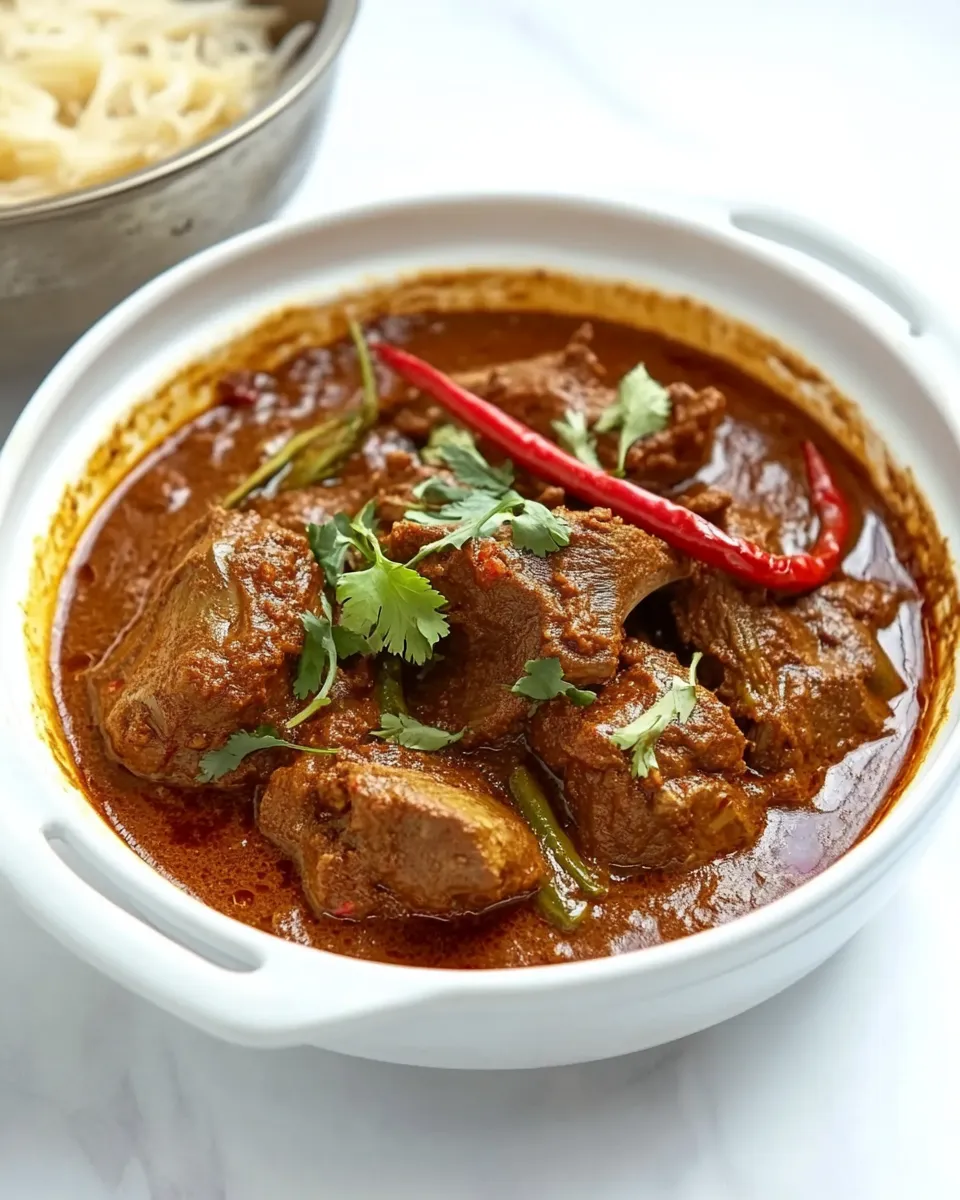
Indian Goat Curry
Equipment
- heavy casserole
- Deep pan
- Knife
Ingredients
Ingredients
- 100 mlsunflower oil
- 1 inchcinnamon
- 3 pods green cardamom
- 3 piecesbay leaves
- 1 teaspoonmace powder
- 9 cloves
- 2 piecesSpanish onion
- 1.5 tablespoonsginger paste
- 1/2 tablespoongarlic paste
- 3 medium tomatoes
- 1/2 teaspoonturmeric
- 1 teaspoonchili powder
- 1 teaspooncoriander
- 1.5 kggoat meat with bone
- 5 sprigs coriander leaves
Instructions
Instructions
- Prepare: peel and thinly slice the 2 Spanish onions and chop the 3 medium tomatoes. Measure out the whole spices (1 inch cinnamon, 3 pods green cardamom, 3 pieces bay leaves, 9 cloves) and set aside the 1 teaspoon mace powder for later.
- Heat 100 ml sunflower oil in a heavy casserole or deep pan over low–medium heat until warm but not smoking.
- Add the whole spices (cinnamon, green cardamom, bay leaves, cloves) to the hot oil. Fry, stirring occasionally, until the spices become fragrant (about 1–2 minutes). Do not add the mace yet.
- Add the sliced onions to the pan. Cook, stirring regularly, until the onions are golden brown (about 8–12 minutes). Adjust heat as needed to prevent burning.
- Add 1/2 tablespoon garlic paste and cook for 1 minute, stirring so it does not stick.
- Add 1.5 tablespoons ginger paste plus the powdered spices: 1/2 teaspoon turmeric, 1 teaspoon chili powder, and 1 teaspoon coriander powder. Cook and stir for about 2 minutes, sprinkling 1 tablespoon water once if the spices start to stick, to prevent burning.
- Add the chopped tomatoes. Cook, stirring occasionally, until the tomatoes break down and you see oil separating around the edges of the mixture (about 5–10 minutes).
- Add the 1.5 kg goat meat with bone to the pan. Stir well to coat the meat in the spice-onion-tomato mixture, and continue to stir for about 5 minutes until the meat begins to release its juices.
- Pour in 1 litre water, bring to a gentle simmer, reduce the heat to low–medium, cover partially, and cook for 1½ hours, or until the goat is tender. Stir occasionally.
- Check the sauce consistency; if it is too thin, simmer uncovered over low heat until it reaches the desired thickness.
- Stir in 4 sprigs of coriander leaves and the reserved 1 teaspoon mace powder, then remove the pan from the heat.
- Garnish with the remaining 1 sprig of coriander leaves before serving.
- Tip: Slow, gentle cooking will help ensure the meat becomes tender.