This Indian Shrimp Curry is the weeknight dinner I reach for when I want something quick, comforting, and bright. It takes pantry-friendly spices and a short list of fresh ingredients, and turns them into a saucy, aromatic meal in under 30 minutes. The shrimp cooks fast, the sauce develops a warm spice profile, and the coconut gives it a gentle silkiness without weighing it down.
I like this recipe because the technique is straightforward: sear the shrimp briefly, build the sauce in the same pan, then finish by returning the shrimp to the simmer. That keeps the shrimp tender and concentrates flavor. You don’t need a lot of equipment or complicated timing — just a good skillet and a confident hand with the spices.
Below you’ll find the ingredients with quick notes, the step-by-step method exactly as I use it, and practical tips to help you adapt the curry for dietary needs, leftovers, and different seasons. If you’re new to Indian spices, I’ll walk you through what each one does and how to avoid overcooking the shrimp.
What We’re Using
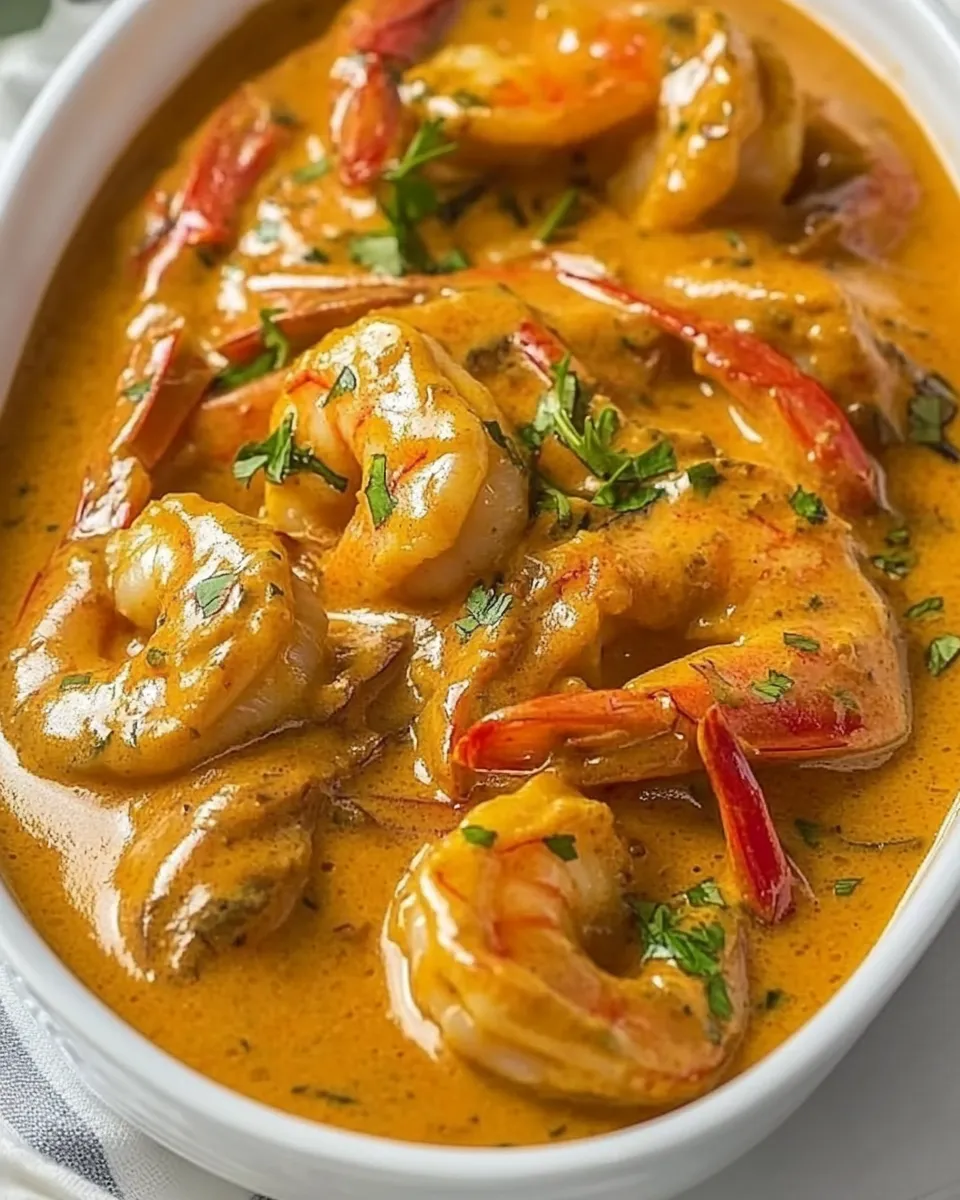
Short list, strong results: shrimp, aromatic onion and garlic, a layered spice mix, tomato sauce and lite coconut milk to make the sauce, and a few garnishes. The aim is a balance of warmth, acidity, and creaminess with shrimp staying tender.
Ingredients
- 1 tablespoon canola oil, divided — for searing the shrimp and sautéing the onions without smoking.
- 1 pound shrimp, peeled and deveined — the star protein; cooks very quickly.
- 1/2 yellow onion, finely chopped — builds sweetness and body in the sauce.
- 1 teaspoon ground ginger — adds a warm, slightly peppery note.
- 1 teaspoon ground cumin — earthy backbone to the spice mix.
- 1 teaspoon ground coriander — bright citrusy edge to balance the cumin.
- 1 1/2 teaspoons ground turmeric — color and gentle bitterness; don’t overuse elsewhere.
- 1 teaspoon curry powder — a blend that adds rounded curry flavor quickly.
- 1 teaspoon paprika — sweetness and color, choose smoked if you want depth.
- 1/2 teaspoon chili powder — for controlled heat; adjust to taste.
- 2 cloves garlic, minced — sharp and aromatic; add at the end of the spice toast.
- 1 15 ounce can tomato sauce — provides acidity and body for the curry base.
- 3/4 cup lite canned coconut milk — softens the spices and makes the sauce silky without too much richness.
- 1/2 teaspoon Kosher salt — a baseline seasoning; taste and adjust at the end.
- cilantro and chili peppers for garnish — fresh herbs and extra heat if you want a finishing lift.
Make Indian Shrimp Curry: A Simple Method
- Heat a large skillet over medium-high heat. Add 2 teaspoons of the canola oil and swirl to coat the pan.
- Add the shrimp in a single layer and cook about 1 minute per side, until pink and opaque. Transfer the shrimp to a plate and set aside.
- Add the remaining 1 teaspoon canola oil to the skillet.
- Add the finely chopped 1/2 yellow onion and cook over medium heat for about 5 minutes, stirring occasionally, until softened.
- Add the 1 teaspoon ground ginger, 1 teaspoon ground cumin, 1 teaspoon ground coriander, 1 1/2 teaspoons ground turmeric, 1 teaspoon curry powder, 1 teaspoon paprika, 1/2 teaspoon chili powder, 2 cloves minced garlic, and 1/2 teaspoon Kosher salt. Stir continuously and cook about 30 seconds, until the spices are fragrant.
- Pour in the 15-ounce can of tomato sauce and stir to combine. Bring the mixture to a gentle simmer.
- Stir in 3/4 cup lite canned coconut milk and return the sauce to a gentle simmer.
- Return the cooked shrimp to the skillet, stirring to coat them in the sauce, and cook just until the shrimp are heated through (about 1–2 minutes).
- Remove from heat and garnish with cilantro and chili peppers if desired. Serve.
Why This Recipe Works
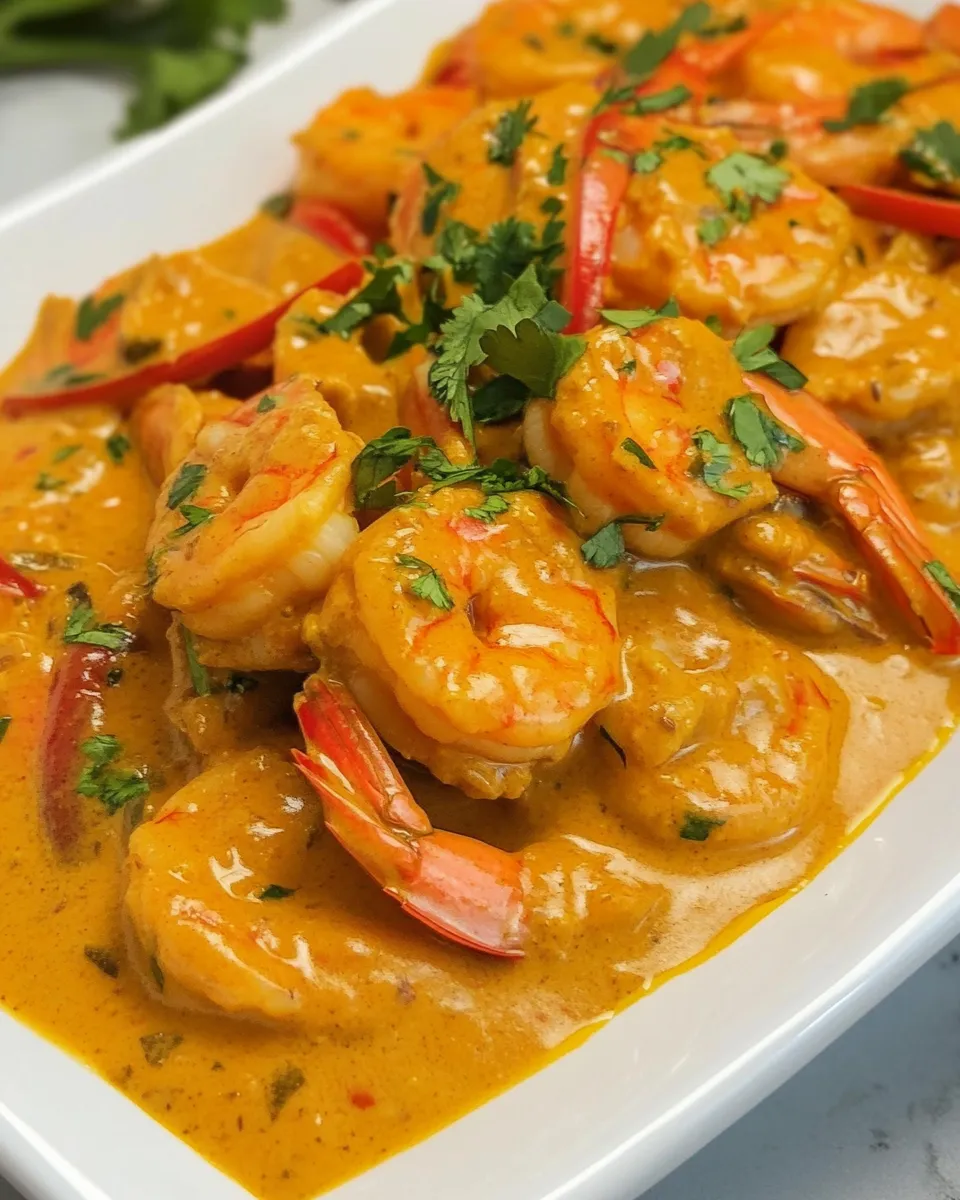
There are three simple reasons this curry reliably delivers: timing, spice layering, and efficient use of the skillet.
Timing: Shrimp cook almost instantly. Searing them first locks in texture and flavor, and finishing them in the sauce only warms them through so they stay tender rather than rubbery. The short cook also keeps the dish fast — you’ll have dinner on the table in under 30 minutes.
Spice layering: Toasting the ground spices briefly with the aromatics releases oils and deepens flavor. Using a mix of cumin, coriander, turmeric, and paprika gives you earthiness, brightness, color, and a gentle sweet-smokiness. Curry powder rounds out the profile so you don’t need complex blends.
Skillet economy: Building sauce in the same pan uses the browned bits and any fond from the shrimp to deepen the base. Tomato sauce adds acidity and body, while lite coconut milk smooths the flavors without making the dish heavy.
Vegan & Vegetarian Swaps
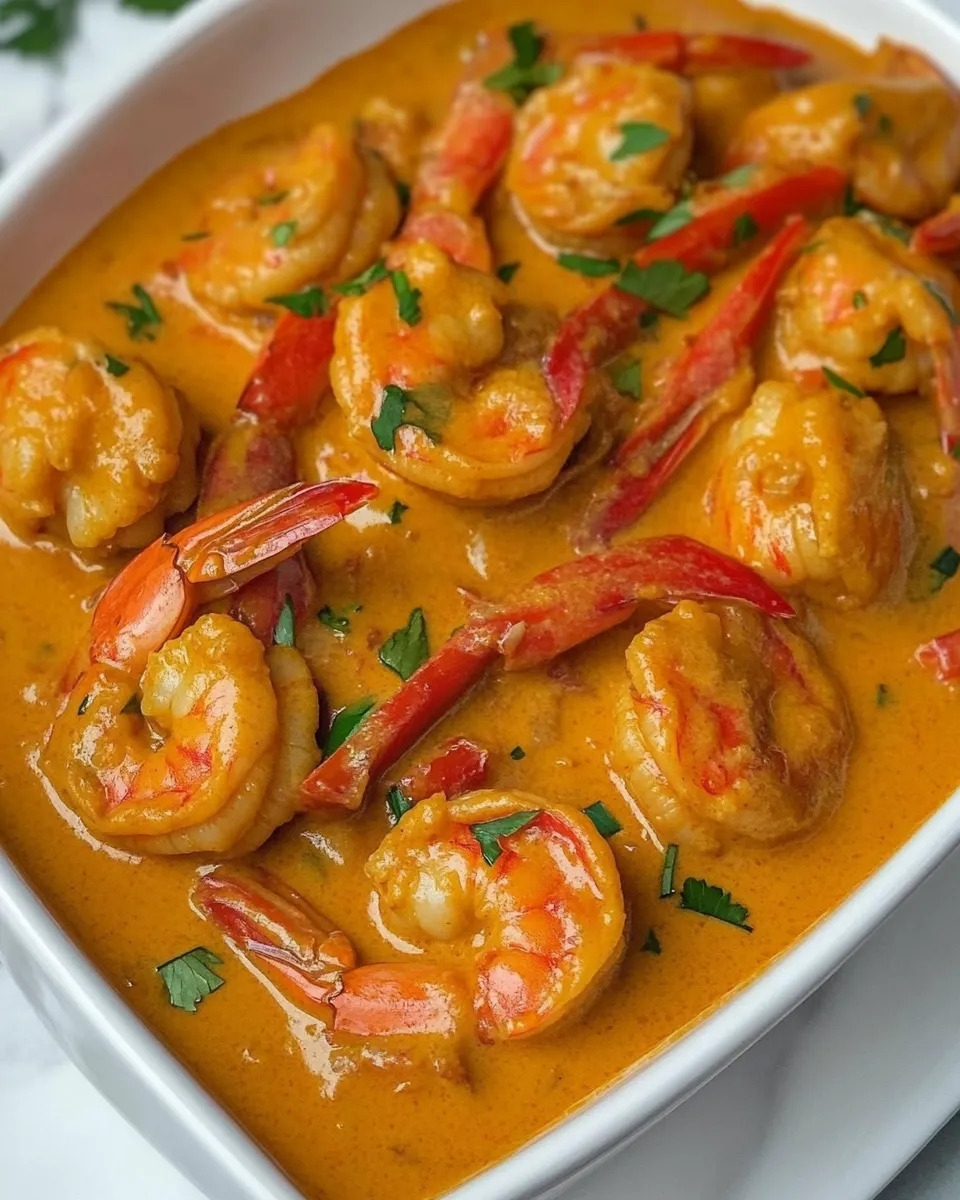
To make this dish plant-based while keeping the spirit of the curry, swap the shrimp for a hearty vegetable or protein that holds shape and soaks up sauce.
- Firm tofu: Press well, cut into cubes, pan-sear like the shrimp to create a crust, then proceed with the sauce. The tofu will absorb the curry flavors.
- Chickpeas: Use a can of drained chickpeas; after step 6, add them to the simmering sauce and cook 5–8 minutes so they absorb flavor.
- Cauliflower florets: Roast or sear until caramelized, then add to the sauce to finish cooking.
Note: If you use tofu or chickpeas, increase the simmer time slightly so flavors meld. Also consider adding the final salt to taste — canned chickpeas and tofu can need more seasoning.
Equipment Breakdown
You don’t need specialized gear for this curry. Here’s what I use and why it matters.
- Large skillet (nonstick or stainless, 10–12 inches): Gives enough surface area to sear shrimp in a single layer and build the sauce. A heavy-bottomed skillet helps prevent hot spots.
- Spoon or spatula: For stirring the spices and scraping up fond.
- Cutting board and sharp knife: For a quick chop of the onion, cilantro, and peppers.
- Measuring spoons/cups: Keep the spice ratio balanced, especially with turmeric and chili powder.
Mistakes Even Pros Make
Overcooking the shrimp
Shrimp are done once they’re opaque and pink. If you cook them too long they toughen quickly. Seared each side for about a minute and then add them back to the sauce to warm — don’t simmer them for long.
Toasting spices too long
Ground spices only need a quick stir with the aromatics to release fragrance. Toasting beyond 30–45 seconds can make them bitter. Keep the heat medium and stir continuously.
Skipping the sear
Searing the shrimp first adds caramelization that you’ll miss if you toss raw shrimp straight into the sauce. It’s a two-minute step that pays off.
Year-Round Variations
Adjust the garnishes and accompaniments by season to keep this curry feeling fresh throughout the year.
- Summer: Add diced tomatoes and a squeeze of lime; serve with a simple cucumber and yogurt salad to cool the heat.
- Autumn: Stir in roasted butternut squash cubes for sweetness and body; finish with toasted pumpkin seeds.
- Winter: Use canned tomatoes and serve over warm basmati with a side of roasted greens. Add a pinch more turmeric for color.
- Spring: Toss in peas or sliced asparagus at the very end for a bright pop of freshness.
Insider Tips
Salt at the right time
Add a small amount of salt with the spices as directed, then taste and adjust after the sauce and coconut milk come together. Tomato sauce acidity can change how salty the final dish tastes.
Control the heat
Start with the listed 1/2 teaspoon chili powder. If you like more heat, use sliced fresh chilies as a garnish or add 1/4 teaspoon extra chili powder during step 5. If you want smoky heat, a pinch of smoked paprika can replace regular paprika.
Make it bolder
If you prefer stronger curry flavor, add 1/2 teaspoon garam masala right at the end off-heat to preserve its aromatic top notes.
Leftovers & Meal Prep
Shrimp don’t always hold up as well as other proteins in leftovers, but this curry keeps reasonably well if handled right.
- Storage: Cool to room temperature within an hour, then refrigerate in an airtight container for up to 2 days.
- Reheating: Warm gently on the stove over low heat, adding a splash of water or coconut milk if the sauce has thickened. Avoid high heat that will overcook the shrimp.
- Meal prep option: Cook and store the sauce separately from freshly cooked shrimp. Reheat the sauce and add just-cooked shrimp to keep texture optimal.
Frequently Asked Questions
Can I use frozen shrimp?
Yes. Thaw in the refrigerator or under cold running water, then pat dry before searing. Removing excess moisture helps achieve a quick sear.
Can I make this spicy for guests?
Absolutely. Increase the chili powder, add finely chopped fresh chilies during the garnish, or finish with a drizzle of chili oil. Taste as you go to avoid overshooting the heat.
What should I serve this with?
Basmati rice is classic. Naan or a simple flatbread also works well to soak up the sauce. For a lighter meal, serve alongside a crisp salad or steamed greens.
Is lite coconut milk okay or should I use full fat?
Lite coconut milk keeps the curry lighter while still giving silkiness. Full-fat will be richer and more luxurious — choose based on preference.
How do I make the sauce thicker?
Simmer longer on low to reduce and concentrate it. Alternatively, add a small slurry of cornstarch and water (1 teaspoon cornstarch mixed with 1–2 teaspoons water) and cook for a minute to thicken.
See You at the Table
This Indian Shrimp Curry is exactly the kind of recipe I love to keep in regular rotation: fast, flavorful, and adaptable. The technique is simple but the result tastes like you spent more time on it than you did. Whether you follow the recipe as written or swap in tofu or chickpeas, you’ll end up with a comforting bowl of curry that’s easy to love.
If you make it, garnish with cilantro and a fresh slice of chili, plate it with fluffy rice, and take a moment to enjoy how a small set of pantry spices can transform a weeknight. I’d love to hear how you customize it — leave a note or a photo if you try a swap or seasonal variation.
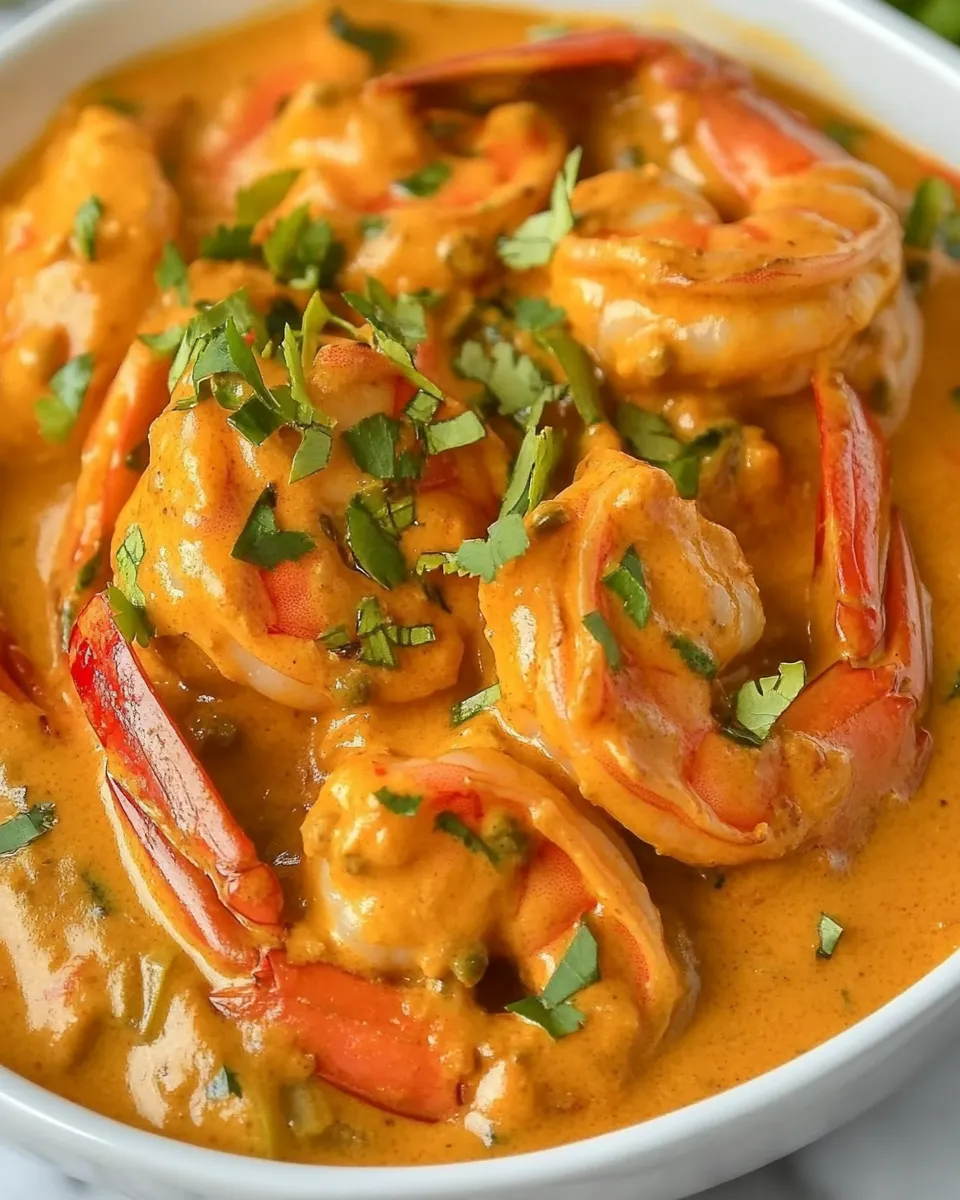
Indian Shrimp Curry
Equipment
- Large Skillet
Ingredients
Ingredients
- 1 tablespooncanola oil divided
- 1 poundshrimp peeled and deveined
- 1/2 yellow onion finely chopped
- 1 teaspoonground ginger
- 1 teaspoonground cumin
- 1 teaspoonground coriander
- 1 1/2 teaspoonsground turmeric
- 1 teaspooncurry powder
- 1 teaspoonpaprika
- 1/2 teaspoonchili powder
- 2 clovesgarlic minced
- 115 ounce can tomato sauce
- 3/4 cuplite canned coconut milk
- 1/2 teaspoonKosher salt
- cilantro and chili peppers for garnish
Instructions
Instructions
- Heat a large skillet over medium-high heat. Add 2 teaspoons of the canola oil and swirl to coat the pan.
- Add the shrimp in a single layer and cook about 1 minute per side, until pink and opaque. Transfer the shrimp to a plate and set aside.
- Add the remaining 1 teaspoon canola oil to the skillet.
- Add the finely chopped 1/2 yellow onion and cook over medium heat for about 5 minutes, stirring occasionally, until softened.
- Add the 1 teaspoon ground ginger, 1 teaspoon ground cumin, 1 teaspoon ground coriander, 1 1/2 teaspoons ground turmeric, 1 teaspoon curry powder, 1 teaspoon paprika, 1/2 teaspoon chili powder, 2 cloves minced garlic, and 1/2 teaspoon Kosher salt. Stir continuously and cook about 30 seconds, until the spices are fragrant.
- Pour in the 15-ounce can of tomato sauce and stir to combine. Bring the mixture to a gentle simmer.
- Stir in 3/4 cup lite canned coconut milk and return the sauce to a gentle simmer.
- Return the cooked shrimp to the skillet, stirring to coat them in the sauce, and cook just until the shrimp are heated through (about 1–2 minutes).
- Remove from heat and garnish with cilantro and chili peppers if desired. Serve.