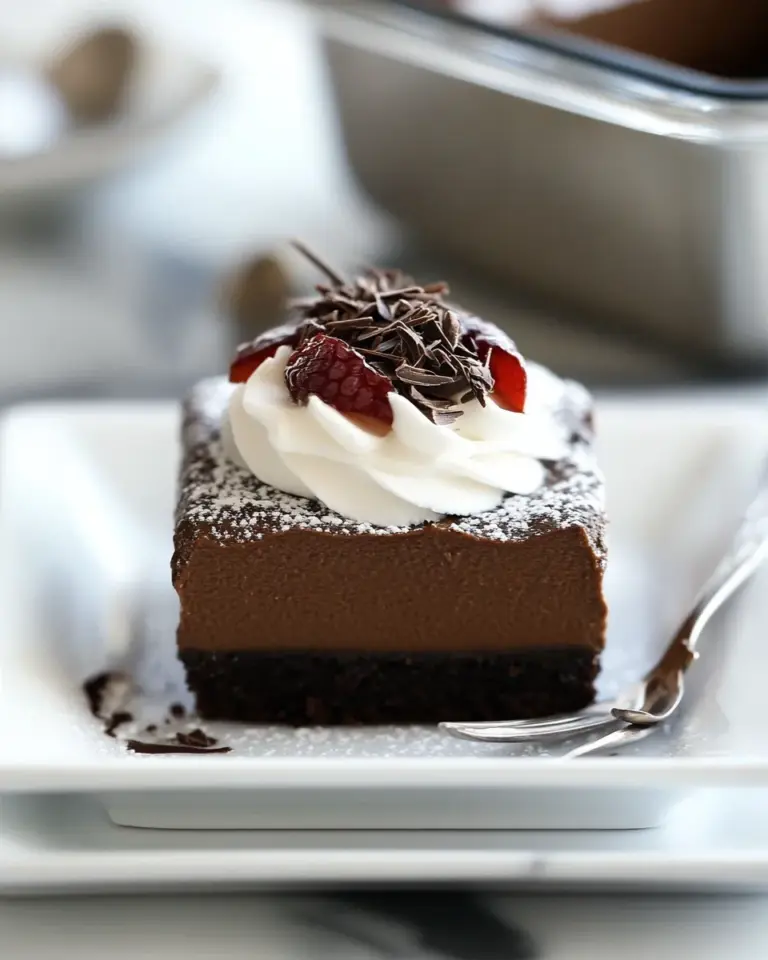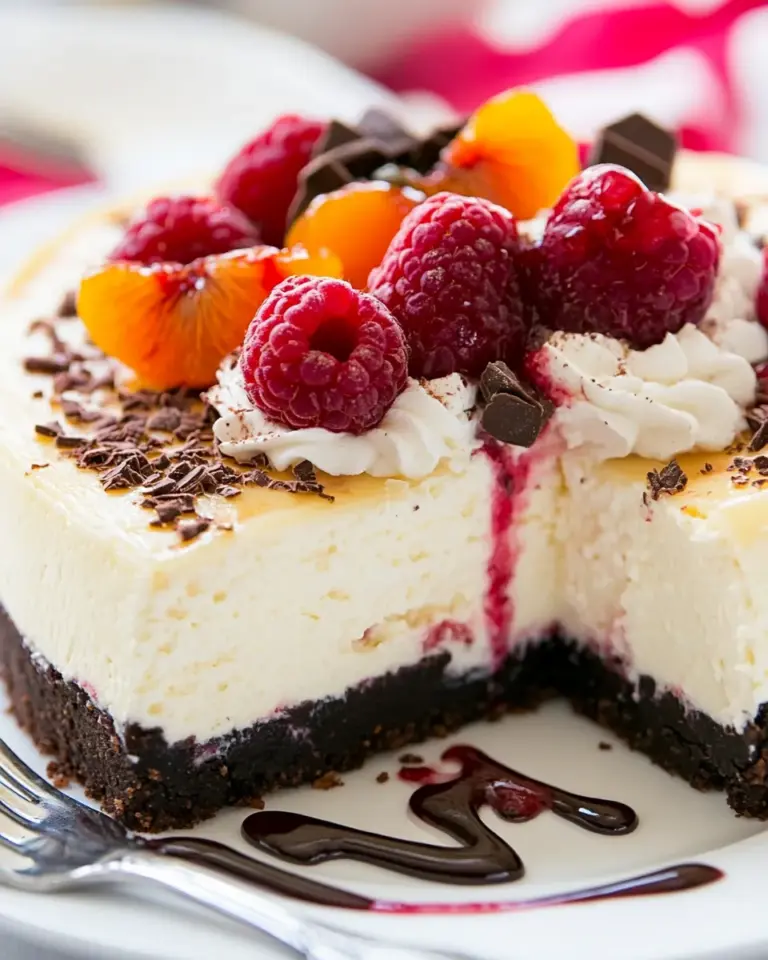
This is the kind of dessert I turn to when I want something that feels luxurious without a lot of ceremony. It’s built on a classic custard technique—rich egg yolks, a mix of milk and cream, real chopped chocolate—so the finish is glossy, silky, and deeply chocolatey. It’s comforting warmed straight from the pan and equally satisfying chilled.
I make it when I want an approachable dessert that still tastes like an occasion. There’s nothing complicated in the list of ingredients, but there is technique: tempering the yolks and coaxing the custard to thicken without boiling. Get those steps right and you’ll have a pudding that’s smooth, not grainy, and perfectly set.
Below you’ll find a clear breakdown of ingredients and their roles, the exact method I use every time, troubleshooting notes, and small tips that make the whole process faster in a busy weeknight kitchen. No fluff—just practical guidance so you can make this tonight and feel proud of the result.
Ingredient Breakdown
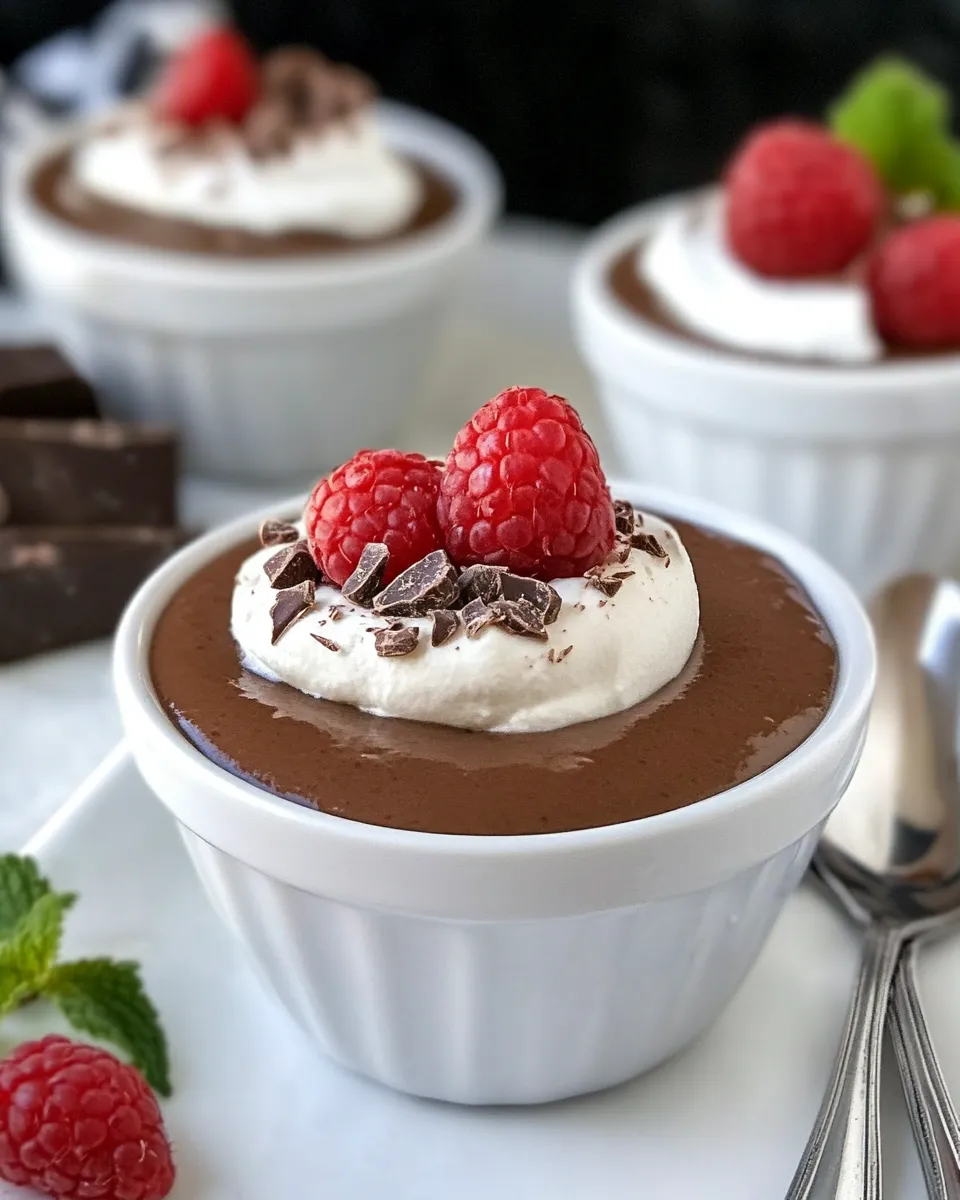
Before we get into the steps, a short note on why each component matters. This recipe uses a small, focused set of ingredients. Each one plays a specific role in texture, flavor, or stability. Understanding that makes it easier to adapt or troubleshoot.
Ingredients
- 1 cup heavy cream — adds richness and silkiness; helps create a creamy mouthfeel and supports a glossy finish.
- 1 cup whole milk — stretches the cream for balance and lightens the texture so the pudding isn’t too dense.
- 6 egg yolks — the primary thickening agent; yolks give custard its smooth, luscious body.
- ⅓ cup sugar — sweetens and slightly stabilizes the custard while melting into the yolks for a smooth texture.
- 5 ounces semisweet chocolate, coarsely chopped — the flavor base; coarsely chopping helps it melt quickly and evenly when hot custard is poured over it.
- 1 tablespoon butter — enriches the pudding and gives a shiny, velvety finish.
- ½ teaspoon salt — lifts and balances the chocolate flavor; essential even in sweet puddings.
- 1 teaspoon vanilla extract — rounds out and deepens the chocolate notes without adding extra sweetness.
The Method for Italian Chocolate Pudding
- Combine 1 cup heavy cream and 1 cup whole milk in a large saucepan and heat over medium until it just reaches a simmer (small bubbles around the edges). Remove from heat and set aside.
- In a medium bowl, whisk 6 egg yolks with 1/3 cup sugar until the sugar is dissolved and the mixture is pale.
- Temper the yolks: measure out about 1/3 cup of the warm milk-and-cream mixture and whisk it into the yolks vigorously. Then, continuing to whisk, slowly pour the remaining warm milk-and-cream into the yolk mixture in a thin, steady stream until fully combined.
- Return the combined mixture to the saucepan and place over medium heat. Stir constantly with a wooden spoon or heatproof spatula until the custard thickens enough to coat the back of a spoon, about 5 minutes. Do not let it boil.
- Place 5 ounces coarsely chopped semisweet chocolate in a large mixing bowl. Pour the hot custard over the chocolate and let sit for 5 minutes to allow the chocolate to melt.
- Whisk the chocolate and custard together until smooth. Add 1 tablespoon butter, 1/2 teaspoon salt, and 1 teaspoon vanilla extract, and whisk until fully combined and glossy.
- Pour the pudding into serving dishes. Serve warm, or cover and chill in the refrigerator for at least 1 hour to serve cold. The pudding will keep in the refrigerator for up to 3 days.
Why This Recipe Works
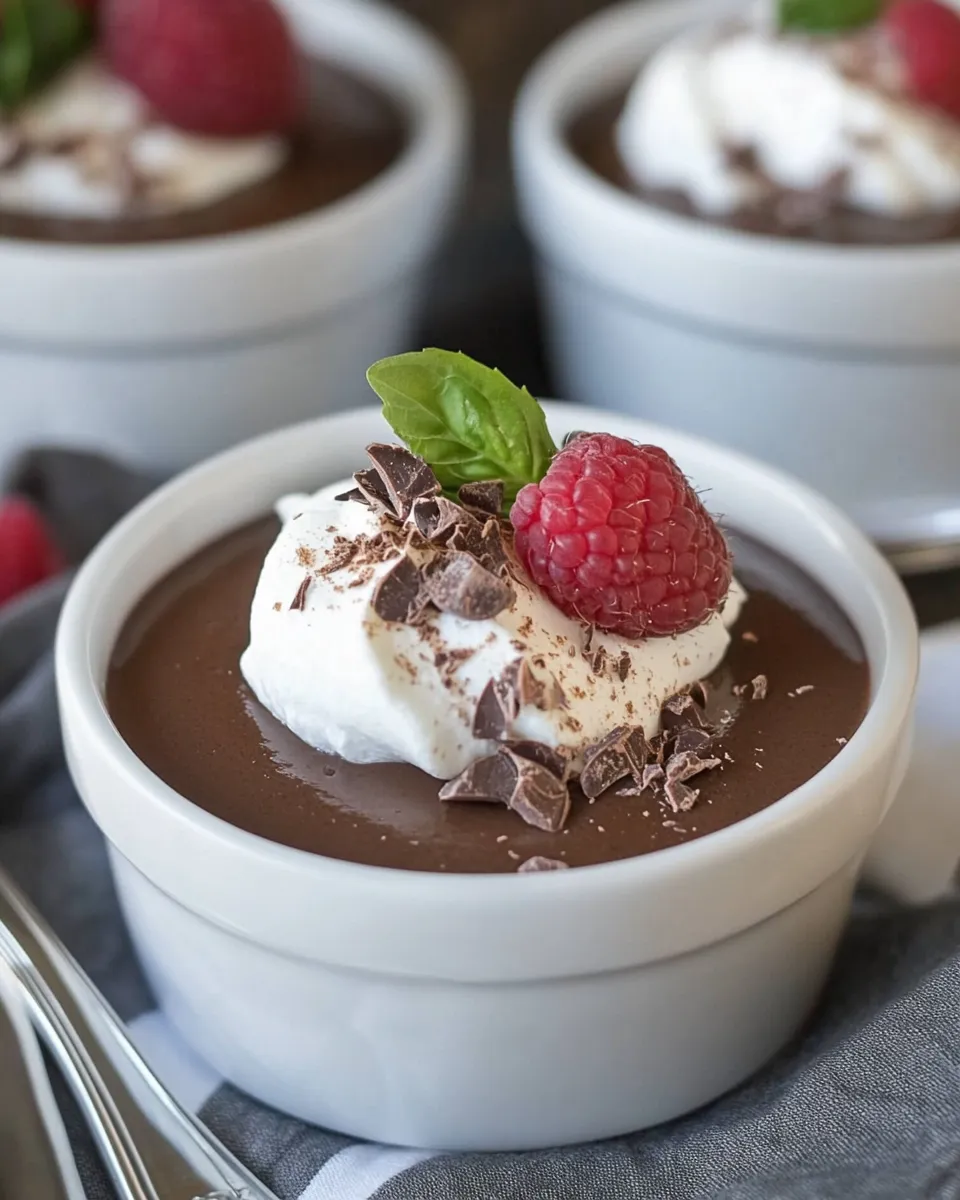
This pudding is a straightforward application of classic custard chemistry. Egg yolks contain proteins that, when heated gently, coagulate and thicken the liquid into a smooth custard. The key is controlled heat: cook too fast or let it boil and the proteins seize, giving you curdled or grainy texture. Stirring constantly and watching for the moment the mixture coats the back of a spoon are simple ways to prevent that.
The milk-and-cream ratio gives a balance of richness and pourability. Heavy cream contributes fat for mouthfeel and sheen; whole milk keeps the pudding from feeling overly heavy. The semisweet chocolate brings concentrated cocoa flavor and structure when melted into the hot custard. The finishing butter is a small addition but critical for that glossy, pastry-shop shine and a softer mouthfeel on the finish.
No-Store Runs Needed
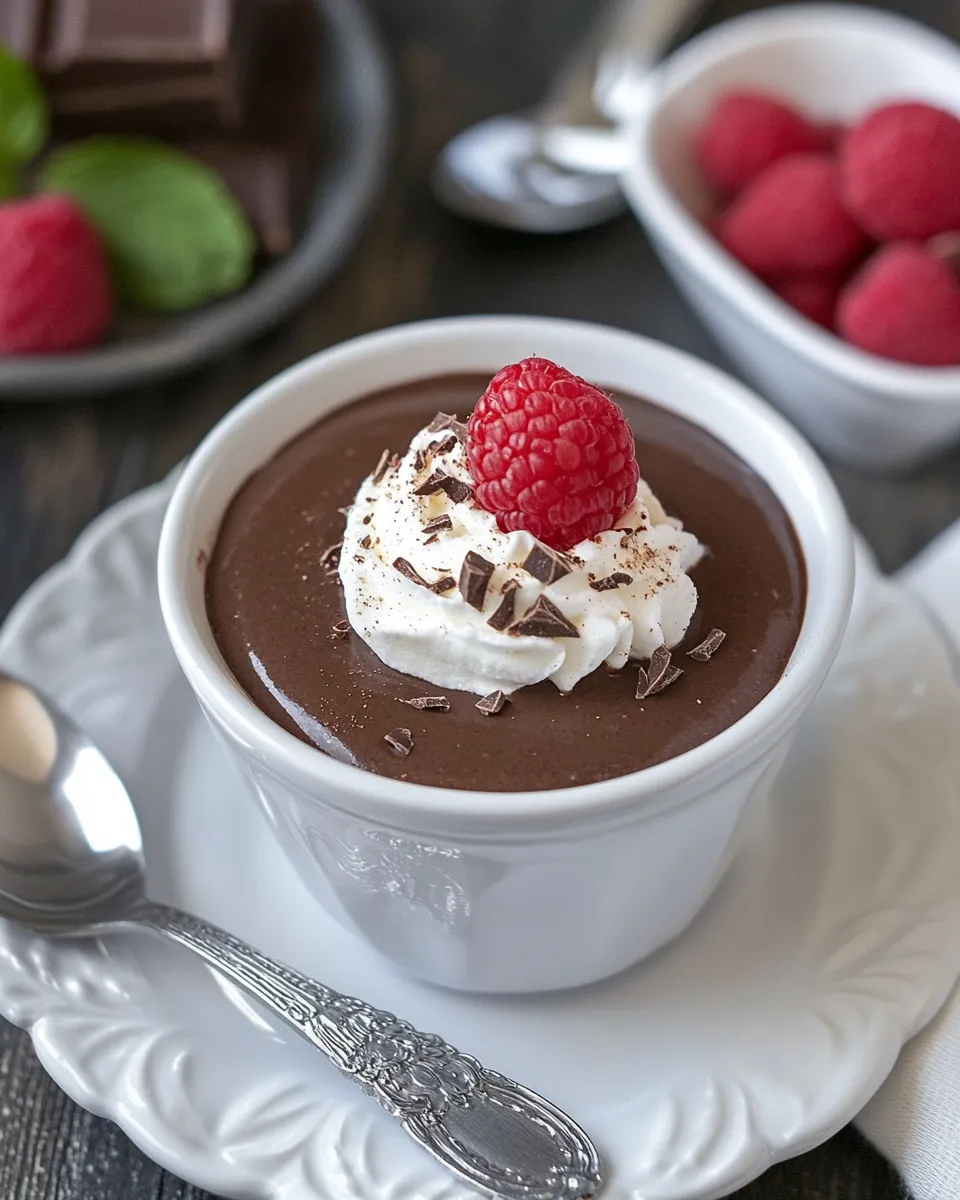
This recipe is deliberately practical: the ingredient list is short and composed of pantry and refrigerator staples for many home cooks—milk, cream, egg yolks, sugar, chocolate, butter, salt, and vanilla. If you already keep basic baking supplies on hand, you likely won’t need a late-night run.
If you discover you’re missing something minor, the technique still holds value—understanding tempering and gentle cooking will help with any custard-based dessert you might make later.
Tools & Equipment Needed
- Large saucepan — for heating the milk-and-cream mixture and finishing the custard.
- Medium bowl — to whisk the yolks and sugar.
- Whisk — for dissolving sugar into yolks and for tempering.
- Wooden spoon or heatproof spatula — to stir the custard while it thickens.
- Large mixing bowl — to melt the chocolate under the hot custard.
- Measuring cups and spoons — for accurate quantities.
- Serving dishes or ramekins — for portioning the pudding.
Common Errors (and Fixes)
Custard Curdles or Becomes Grainy
Reason: The pan was too hot or the mixture boiled, causing the egg proteins to overcook.
Fix: Quickly remove from heat at the first sign of thickening and immediately whisk vigorously off the heat. For severe curdling, strain the mixture through a fine-mesh sieve into the chocolate to remove any coagulated bits—this can rescue texture in many cases. For next time, reduce heat and stir continuously until it just coats the spoon.
Chocolate Seizes or Is Lumpy
Reason: Adding chocolate to liquid that is either too cool (chocolate won’t melt evenly) or chocolate was not chopped uniformly.
Fix: Pour hot custard over coarsely chopped chocolate and allow a 5-minute rest (as in the method). If lumps remain, gently warm the bowl over a low water bath while stirring until smooth; avoid direct high heat.
Pudding Is Too Thin
Reason: Not enough thickening time; the custard didn’t reach the “coat the back of a spoon” stage.
Fix: Return the saucepan to medium-low heat, stirring constantly until it thickens slightly—do this carefully to avoid overheating. If it still won’t set, it may need a longer chill in the refrigerator; sometimes chilling firms it up further as it cools.
Adaptations for Special Diets
This exact recipe relies on dairy and egg yolks as structural and flavor elements. If you need to adapt for dietary restrictions, the changes required are structural: replace both the dairy components and the yolks with suitable alternatives and adjust thickening methods. Because those swaps affect texture and set, treat substitutions as experiments and expect to tweak ratios and thickening agents.
If you’re avoiding eggs or dairy, plan for extra testing: plant-based milks vary wildly in fat and behavior, and egg-free thickeners will behave differently. The tempering technique and gentle heating steps still apply—those are universal for achieving smoothness and preventing separation.
Behind-the-Scenes Notes
I tested this pudding several times to nail a rhythm: heat the dairy slowly, whisk the yolks until pale, and don’t rush the tempering. Measuring out the small amount of warm milk for the initial tempering step makes a big difference—whisk it in vigorously to bring the yolks up in temperature without scrambling them.
Choosing a good semisweet chocolate matters. I aim for a balance: not too bitter, not too sweet. Coarsely chopping the chocolate ensures it melts evenly under the custard’s residual heat and helps avoid warm spots that can overcook the eggs.
Meal Prep & Storage Notes
This pudding stores well. Once cooled and covered, it will keep in the refrigerator for up to 3 days. If you plan to serve chilled, give it at least 1 hour in the fridge, though a few hours will improve texture and flavor meld. For warm servings, reheat gently over low heat, stirring constantly until warmed through—avoid boiling.
Portioning into individual ramekins before chilling saves time when hosting. If you’re stacking ramekins in the fridge, cover each one to prevent skin forming on the surface. A thin plastic wrap directly on the surface minimizes skin; otherwise, a light film will develop but can be smoothed out with a quick whisk before serving.
Handy Q&A
Q: Can I make this ahead? A: Yes—make it earlier in the day and chill. It keeps for up to 3 days in the fridge.
Q: Why temper the yolks? A: Tempering brings the yolks up to temperature slowly so they don’t scramble when the hot dairy is added; it preserves a smooth custard texture.
Q: Can I use dark chocolate instead of semisweet? A: You can, but flavor and sweetness will change. Darker chocolate will yield a more intense, less sweet pudding—taste and adjust expectations accordingly.
Q: Is there any benefit to straining the custard before adding it to the chocolate? A: Straining can remove any small coagulated bits and produce the silkiest finish. It’s not strictly necessary if you’ve been careful with heat, but it’s a nice extra step for absolute smoothness.
Make It Tonight
If you want this on the table tonight, here’s a simple plan: start with the dairy heating while you separate the eggs and chop the chocolate. Temper the yolks, finish the custard in about five focused minutes, and let the chocolate melt. From start to warm serving, the active work is short—chopping, whisking, heating—then you either serve warm or chill for an hour to serve cold. Little prep, big payoff.
Set a timer, keep a whisk in hand, and trust the process: gentle heat, steady stirring, and a five-minute rest for the chocolate will get you to a glossy, silky Italian Chocolate Pudding that feels like something you’d expect from a special-occasion kitchen but is simple enough for a weekday treat.
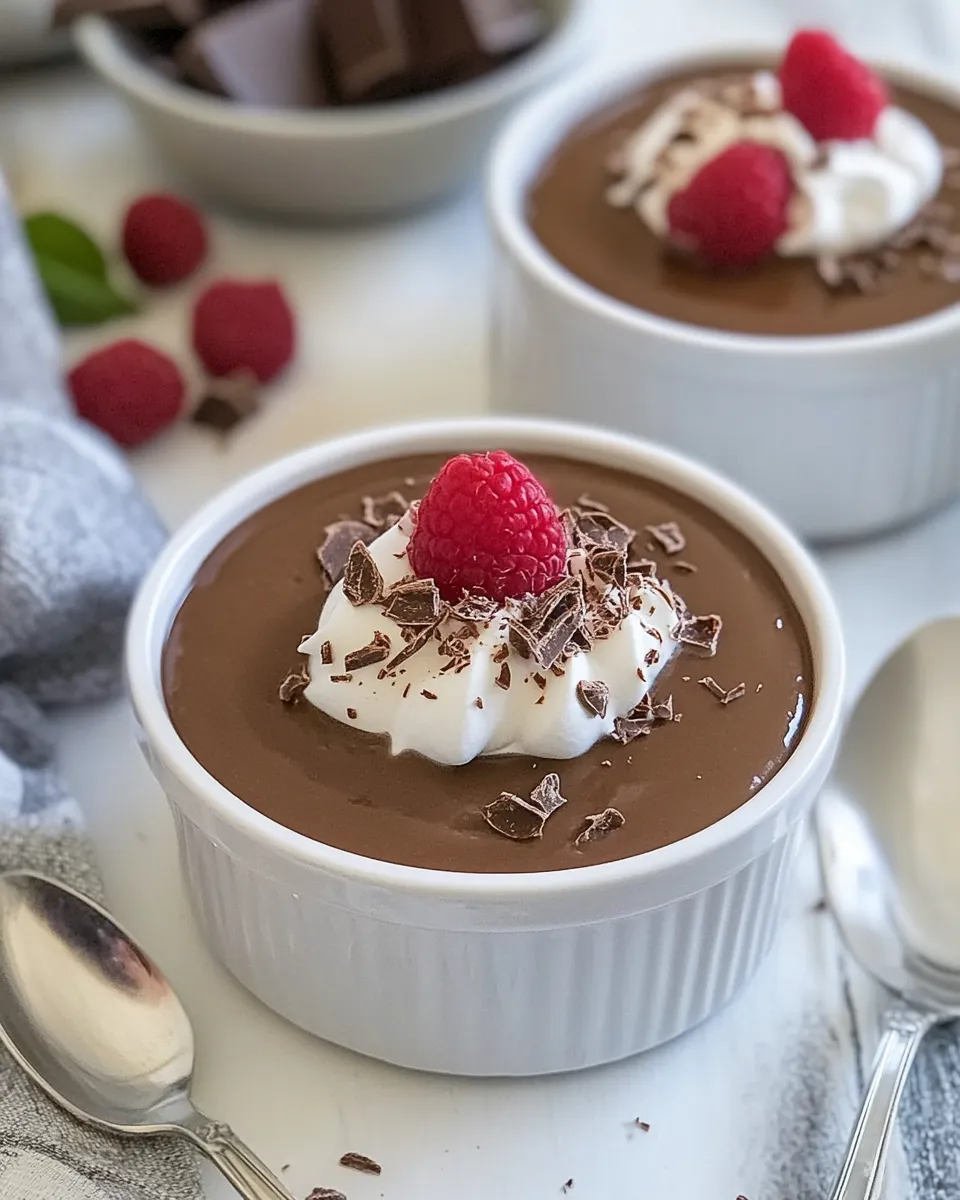
Italian Chocolate Pudding
Equipment
- Saucepan
- Mixing Bowl
- Whisk
- Wooden spoon or heatproof spatula
- Measuring Cups
- Measuring Spoons
- Serving dishes
Ingredients
Ingredients
- 1 cup heavy cream
- 1 cup whole milk
- 6 egg yolks
- 1/3 cup sugar
- 5 ounces semisweet chocolate coarsely chopped
- 1 tablespoon butter
- 1/2 teaspoon salt
- 1 teaspoon vanilla extract
Instructions
Instructions
- Combine 1 cup heavy cream and 1 cup whole milk in a large saucepan and heat over medium until it just reaches a simmer (small bubbles around the edges). Remove from heat and set aside.
- In a medium bowl, whisk 6 egg yolks with 1/3 cup sugar until the sugar is dissolved and the mixture is pale.
- Temper the yolks: measure out about 1/3 cup of the warm milk-and-cream mixture and whisk it into the yolks vigorously. Then, continuing to whisk, slowly pour the remaining warm milk-and-cream into the yolk mixture in a thin, steady stream until fully combined.
- Return the combined mixture to the saucepan and place over medium heat. Stir constantly with a wooden spoon or heatproof spatula until the custard thickens enough to coat the back of a spoon, about 5 minutes. Do not let it boil.
- Place 5 ounces coarsely chopped semisweet chocolate in a large mixing bowl. Pour the hot custard over the chocolate and let sit for 5 minutes to allow the chocolate to melt.
- Whisk the chocolate and custard together until smooth. Add 1 tablespoon butter, 1/2 teaspoon salt, and 1 teaspoon vanilla extract, and whisk until fully combined and glossy.
- Pour the pudding into serving dishes. Serve warm, or cover and chill in the refrigerator for at least 1 hour to serve cold. The pudding will keep in the refrigerator for up to 3 days.