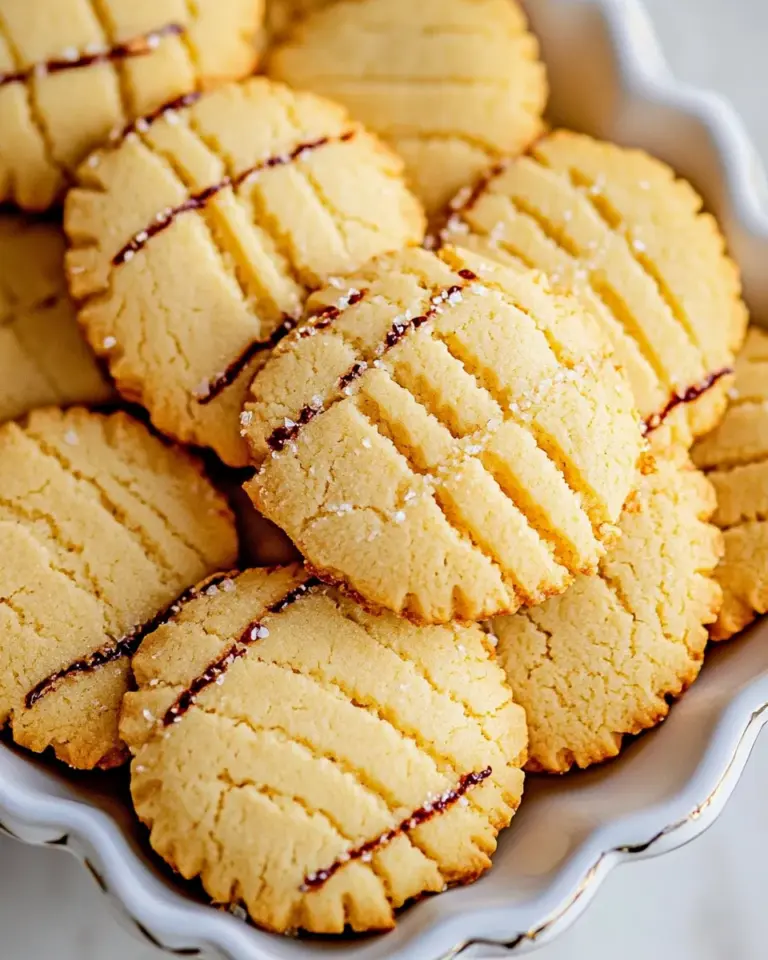
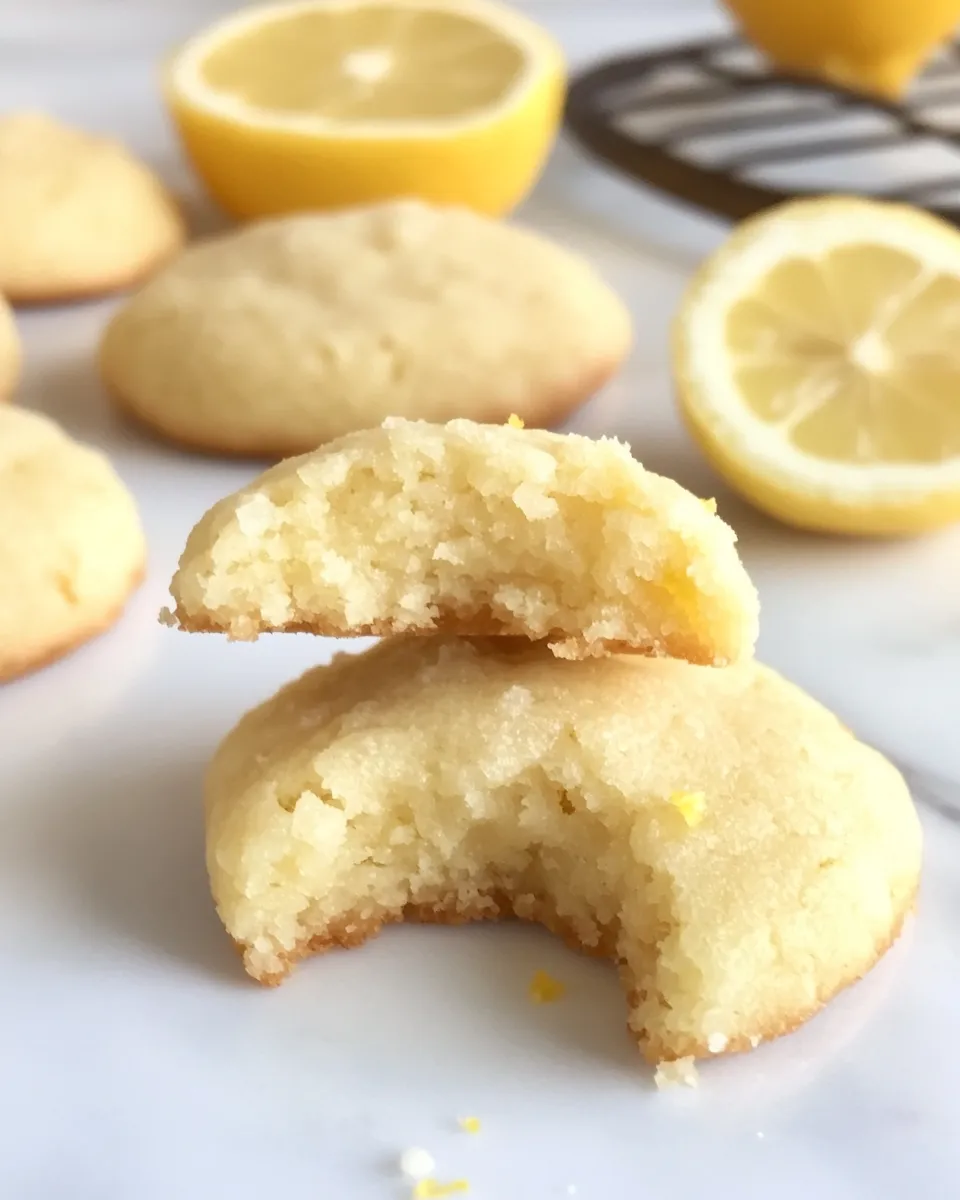
Bright, buttery, and low-carb — these Keto Lemon Cookies are one of those small triumphs you can whip up when citrus season hits or when you need a sugar-free treat that actually tastes like something. They’re soft, slightly tangy, and topped with a lemon glaze that sets like a thin, shiny coat. No flours from wheat, no granulated sugar — just almond flour, erythritol, and a couple of rich ingredients that keep the texture tender.
I test these cookies for texture and balance so you don’t have to. The dough is forgiving: it chills briefly, bakes into a delicate cookie, and the glaze brings everything together. The method is straightforward and the timing is reasonable — about 15 minutes in the oven plus short prep steps.
This recipe is practical for weekday baking or for when you want a small batch. The cookies keep well and travel easily, and the glaze can be adjusted if you like more or less tartness. Follow the steps closely and you’ll get consistent results even on your first try.
Gather These Ingredients
Ingredients
- ¼ cup (55 g) full‑fat cream cheese — adds richness and moisture; use softened for easy blending.
- ¼ cup (55 g) unsalted softened butter — contributes butteriness and helps the cookies hold shape.
- 5 tablespoons powdered erythritol — the primary sweetener in the dough; use 6 tablespoons if you prefer a sweeter cookie.
- 1 medium egg — binds the dough and gives structure.
- 2 cups (200 g) almond flour — the main dry base; use 2 tablespoons less if using super‑fine almond flour.
- 4 tablespoons lemon juice (1 large lemon) — provides acidity and lemon flavor inside the dough.
- Zest of 1 lemon — concentrated lemon oil for bright flavor throughout the cookie.
- ¼ cup (30 g) powdered erythritol — for the glaze; powdered ensures a smooth finish.
- 1.5 tablespoons lemon juice — to thin and flavor the glaze.
- Lemon zest, to taste — optional in the glaze for extra brightness.
Keto Lemon Cookies in Steps
- In a food processor or with an electric mixer, beat 1/4 cup (55 g) full‑fat cream cheese, 1/4 cup (55 g) unsalted softened butter, 5 tablespoons powdered erythritol (use 6 tablespoons if you prefer a sweeter cookie), 4 tablespoons lemon juice, and the zest of 1 lemon until smooth and well combined.
- Add 1 medium egg and mix until fully incorporated.
- Add 2 cups (200 g) almond flour (use 2 tablespoons less if using super‑fine almond flour) and mix until a soft dough forms. The dough will be fairly soft.
- Shape the dough into a rough ball, wrap tightly in cling film (plastic wrap), and chill: refrigerate 20–30 minutes or freeze about 10 minutes to firm it up.
- While the dough chills (or during the last few minutes of chilling), preheat the oven to 180°C / 356°F and line a baking tray with parchment paper.
- Remove the dough from the fridge/freezer. Divide it into 12 equal portions, roll each into a ball, and place them on the prepared tray. Gently flatten each ball slightly with your hand.
- Bake in the preheated oven for about 15 minutes, or until the bottoms are lightly browned and the tops are very slightly browned.
- Remove the cookies from the oven and transfer to a wire rack. Let the cookies cool completely before glazing.
- For the glaze, stir together 1/4 cup (30 g) powdered erythritol, 1.5 tablespoons lemon juice, and lemon zest to taste until smooth.
- Spread the glaze over the cooled cookies. Allow the glaze to set before serving.
Reasons to Love Keto Lemon Cookies
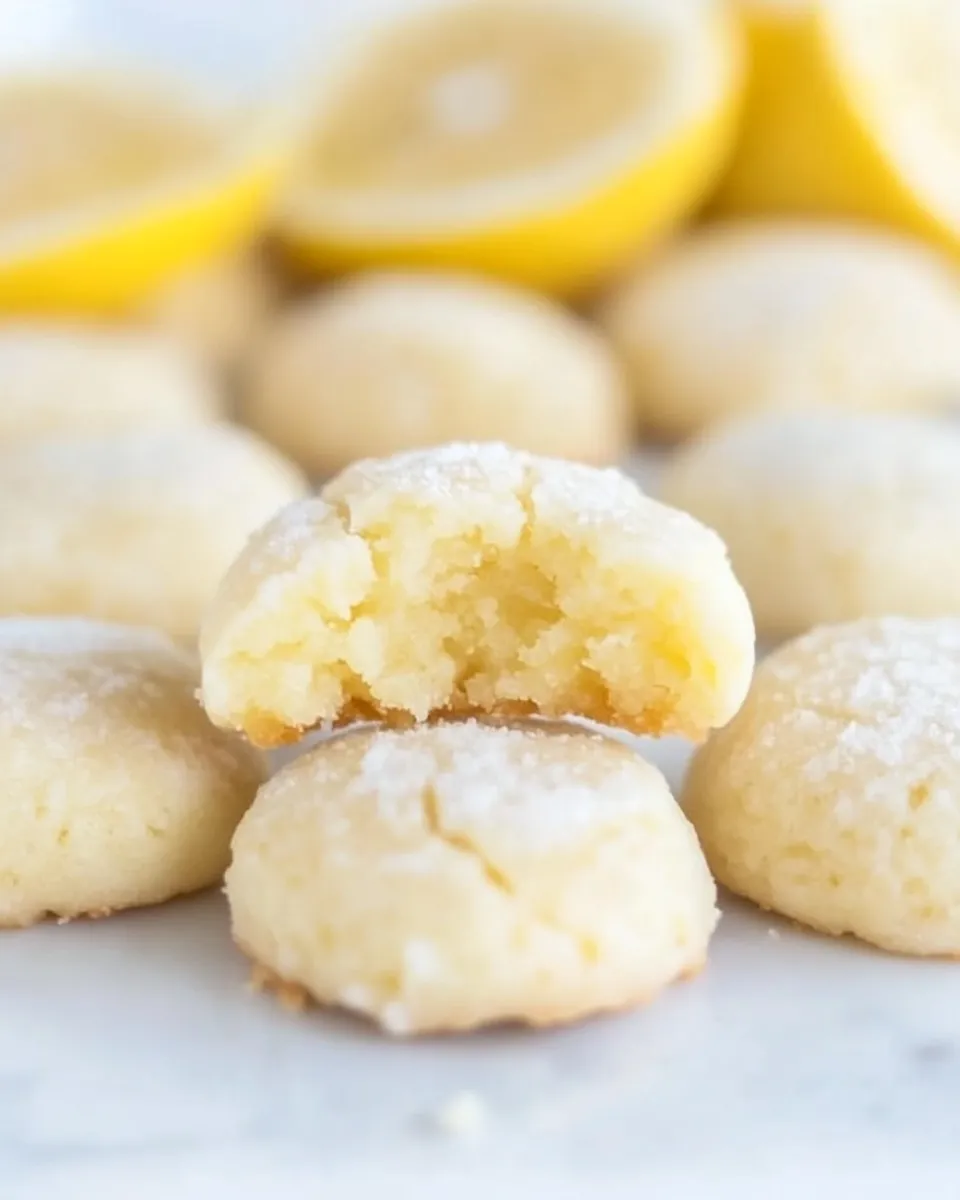
- Bright, real lemon flavor without refined sugar — the zest and juice shine through.
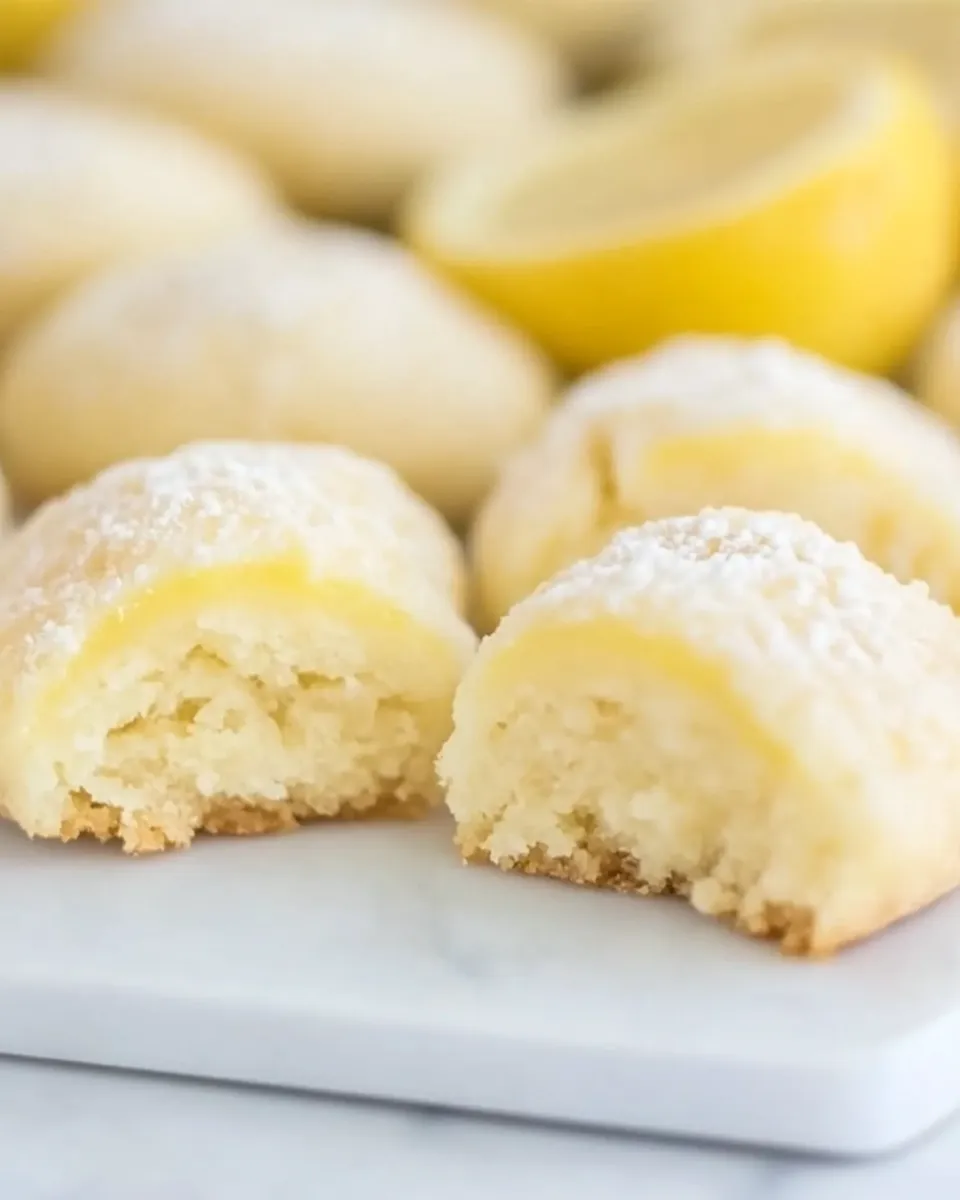
- Soft, tender crumb from the cream cheese and butter — they don’t dry out like some low‑carb cookies.
- Minimal, pantry-friendly ingredients — almond flour and erythritol are the heavy hitters.
- Small batch and quick to make — dough chills briefly and bakes in about 15 minutes.
- Glaze adds a glossy finish and a pop of acidity for balance.
Ingredient Flex Options
- Almond flour: stick with finely ground for a smoother texture. If yours is coarse, reduce the amount by 2 tablespoons as noted.
- Sweetener: powdered erythritol keeps the glaze smooth. If substituting a different powdered sweetener, check conversion for sweetness and texture.
- Butter: unsalted is specified so you can control salt. If using salted butter, omit added salt elsewhere and taste the dough.
- Flavors: add a pinch of vanilla extract if you want a rounded background note, but it’s optional — the lemon is the star.
- Glaze thickness: adjust lemon juice amount in the glaze to get a spreadable but settable consistency.
Equipment Breakdown
- Food processor or electric mixer — either works; a processor combines everything very smoothly, while a mixer is fine if the cream cheese and butter are soft.
- Measuring spoons and scales — accurate measuring matters with almond flour and powdered sweetener.
- Cling film (plastic wrap) — for chilling the dough so it firms up enough to portion cleanly.
- Baking tray and parchment paper — prevents sticking and promotes even bottoms.
- Wire rack — necessary to cool cookies completely before glazing so the glaze sets properly.
Watch Outs & How to Fix
Common problems and quick fixes
- Dough too soft to shape: Chill longer. If refrigerated, give an extra 10–15 minutes. If freezing, add a couple more minutes. The dough firms quickly.
- Cookies spread too much: The recipe makes a fairly soft dough, but over-softening butter or warm dough can cause excess spread. Chill the dough and make sure the oven is fully preheated.
- Cookies crumbly after baking: This can happen if almond flour is too dry or overbaked. Reduce baking time slightly and ensure the dough had enough fat from cream cheese and butter.
- Glaze too runny: Add a touch more powdered erythritol (in small increments) or chill the glaze briefly so it thickens before spreading.
- Glaze won’t set: Use powdered erythritol; granulated will leave grit and not set well. Allow the cookies to rest at room temperature or chill to help the glaze firm.
Dietary Customizations
- Vegan: This recipe uses egg, cream cheese, and butter, so it’s not a straight swap. You could experiment with vegan cream cheese and a flax egg, but I haven’t tested that here.
- Nut-free: The recipe depends on almond flour. For nut-free, try a tested seed-based flour blend (sunflower seed flour behaves differently and may need adjusted quantities).
- Lower-carb sweeteners: Erythritol is used here. If you prefer monk fruit blends, ensure they are powdered for the glaze and account for differences in sweetness.
- Dairy-free: Replacing butter and cream cheese with dairy-free alternatives changes texture. Use firm, well-tested substitutions designed for baking.
Chef’s Rationale
I use cream cheese and butter together because the cream cheese adds moisture and keeps the cookies tender without needing wheat flour. Almond flour provides structure and a pleasant crumb, but it can be dry if used alone. The egg binds and gives the dough resilience during baking. Lemon juice and zest are both included because the zest carries aromatic oils for a direct lemon hit, while the juice gives tang and acidity that brightens the overall flavor.
The glaze is intentionally simple: powdered erythritol and lemon juice. Powdered sweetener dissolves smooth, giving a glossy finish that sets. I suggest cooling the cookies completely before glazing so the topping doesn’t melt into the cookie and you retain that pretty, slightly firm glaze.
Store, Freeze & Reheat
- Room temperature: Store in an airtight container for up to 3 days. Keep cookies single-layer or separated with parchment to protect the glaze.
- Refrigerator: Keep in an airtight container for up to 7 days. If you prefer softer cookies, bring them to room temperature before serving.
- Freezing: Freeze unglazed cookies in a single layer on a tray until firm, then transfer to a freezer bag or container for up to 2 months. Thaw in the fridge or at room temperature, then glaze once fully thawed.
- Reheating: If you want them warm, heat a single cookie in a 150°C / 300°F oven for a few minutes. Avoid microwaving glazed cookies — the glaze can soften and become sticky.
Questions People Ask
- Can I make these sugar-free? Yes. This recipe uses erythritol as the sweetener to keep them low-carb and sugar-free.
- Will they taste like regular lemon cookies? They’re lemon-forward and buttery, but the texture is different from wheat-based cookies — softer and denser, as almond flour behaves differently.
- Can I double the recipe? Yes. Double the ingredients and bake on multiple trays, rotating as needed. Keep cookie spacing consistent.
- Do I need to powder the erythritol for the dough? Powdered erythritol is suggested for the glaze. For the dough the recipe lists powdered erythritol; using powdered helps with even sweetness and texture.
Time to Try It
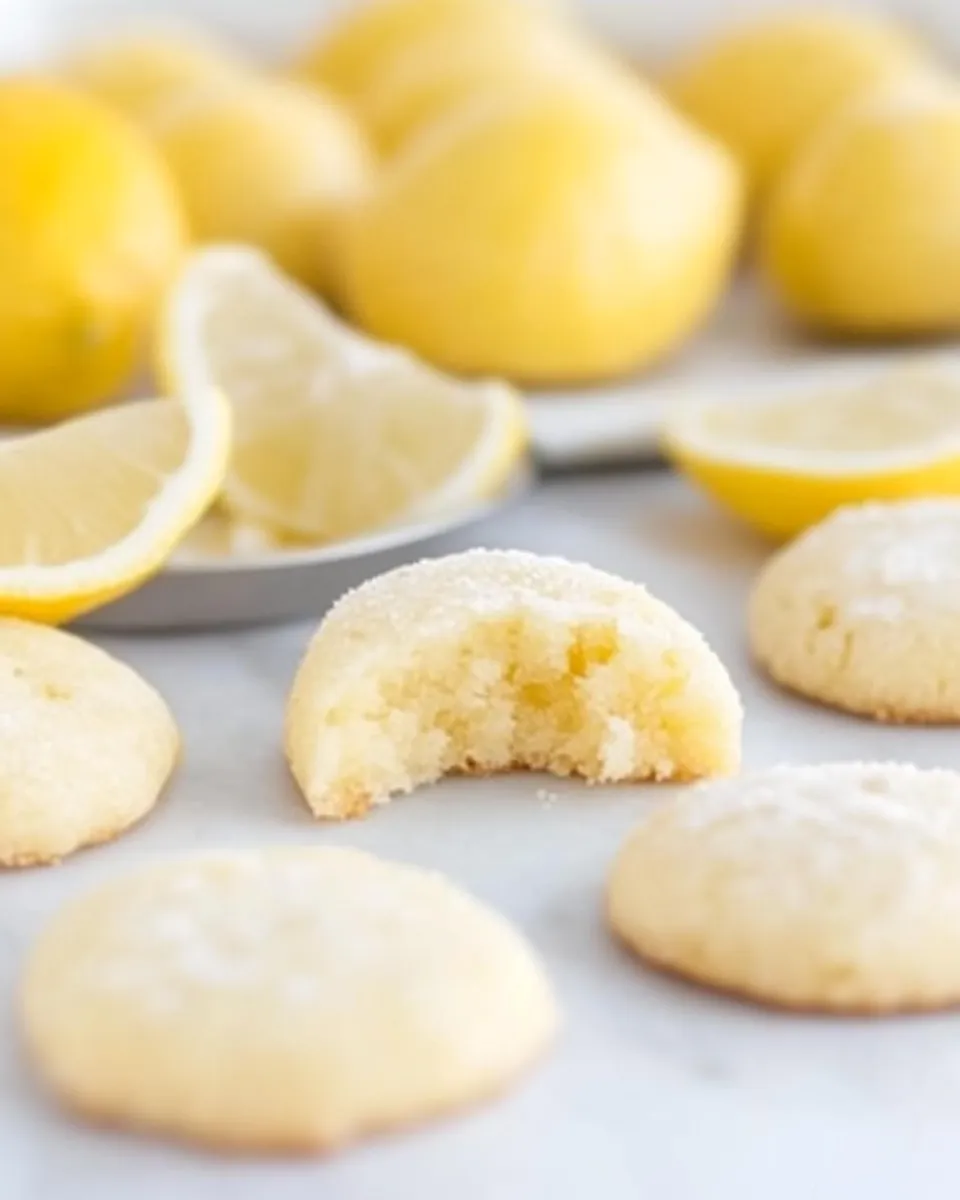
Ready to bake? Gather the ingredients, chill the dough for the short window, and watch these cookies blossom into soft, lemony bites. Follow the steps closely: measure, mix, chill, and bake. Then glaze and let them set. You’ll have a neat batch of 12 delightful Keto Lemon Cookies that travel well and satisfy a citrus craving without the sugar spike. Let me know how they turn out — especially if you tweak the sweetness or try a different powdered sweetener.
Keto Lemon Cookies
Equipment
- Food Processor
- Electric Mixer
- plastic wrap (cling film)
- Baking tray
- Parchment Paper
- Wire Rack
Ingredients
Ingredients
- 1/4 cup/ 55 g / 2 ozcream cheesefull fat
- 1/4 cup/ 55 g / 2 ozbutterunsalted softened
- 5 tablespoonpowdered erythritol 6 tablespoon if you like a sweet cookie
- 1 eggmedium
- 2 cup /200 galmond flouruse2 tablespoons less for super-fine almond flour
- 4 tbsplemon juice 1 large lemon
- zestof 1 lemon
- 1/4 cup / 30 gpowdered erythritol
- 1.5 tablespoonlemon juice
- lemon zest to taste
Instructions
Instructions
- In a food processor or with an electric mixer, beat 1/4 cup (55 g) full‑fat cream cheese, 1/4 cup (55 g) unsalted softened butter, 5 tablespoons powdered erythritol (use 6 tablespoons if you prefer a sweeter cookie), 4 tablespoons lemon juice, and the zest of 1 lemon until smooth and well combined.
- Add 1 medium egg and mix until fully incorporated.
- Add 2 cups (200 g) almond flour (use 2 tablespoons less if using super‑fine almond flour) and mix until a soft dough forms. The dough will be fairly soft.
- Shape the dough into a rough ball, wrap tightly in cling film (plastic wrap), and chill: refrigerate 20–30 minutes or freeze about 10 minutes to firm it up.
- While the dough chills (or during the last few minutes of chilling), preheat the oven to 180°C / 356°F and line a baking tray with parchment paper.
- Remove the dough from the fridge/freezer. Divide it into 12 equal portions, roll each into a ball, and place them on the prepared tray. Gently flatten each ball slightly with your hand.
- Bake in the preheated oven for about 15 minutes, or until the bottoms are lightly browned and the tops are very slightly browned.
- Remove the cookies from the oven and transfer to a wire rack. Let the cookies cool completely before glazing.
- For the glaze, stir together 1/4 cup (30 g) powdered erythritol, 1.5 tablespoons lemon juice, and lemon zest to taste until smooth.
- Spread the glaze over the cooled cookies. Allow the glaze to set before serving.
Notes
One cookie weighed on average 30 grams and has 2 g net carbs. The cookies are generous in size and I think one cookie makes a good portion.
The cookies are very fragile when hot. They firm up once they cool down. Avoid handling them while they are still warm.