Pizza night doesn’t need to wreck a low-carb plan. This recipe gives you the crunch, the cheese pull, and that satisfying slice feeling—all without the heavy wheat crust. It’s straightforward, fast, and forgiving. I test recipes that I actually cook on a weeknight, and this one has been a repeat in my kitchen for its balance of speed and texture.
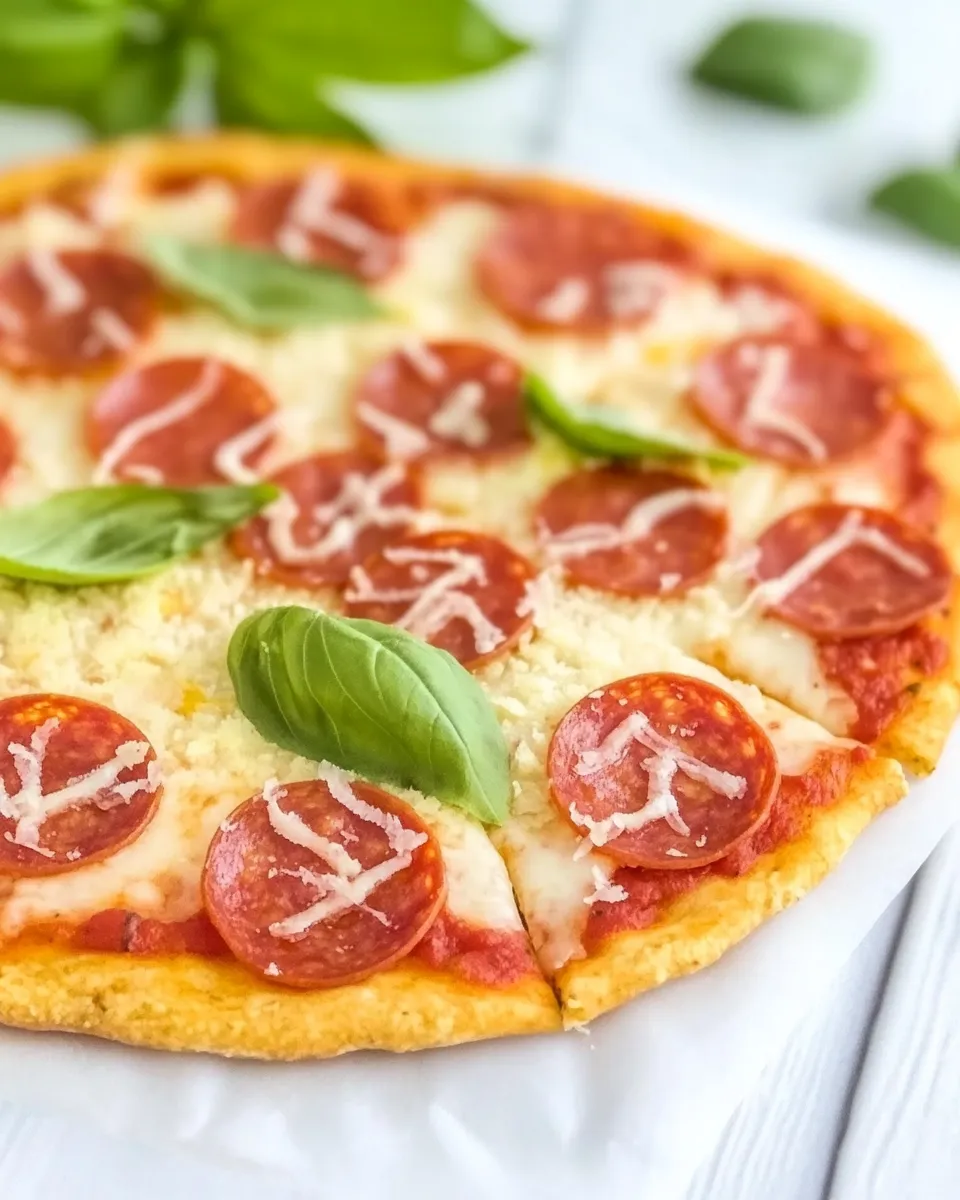
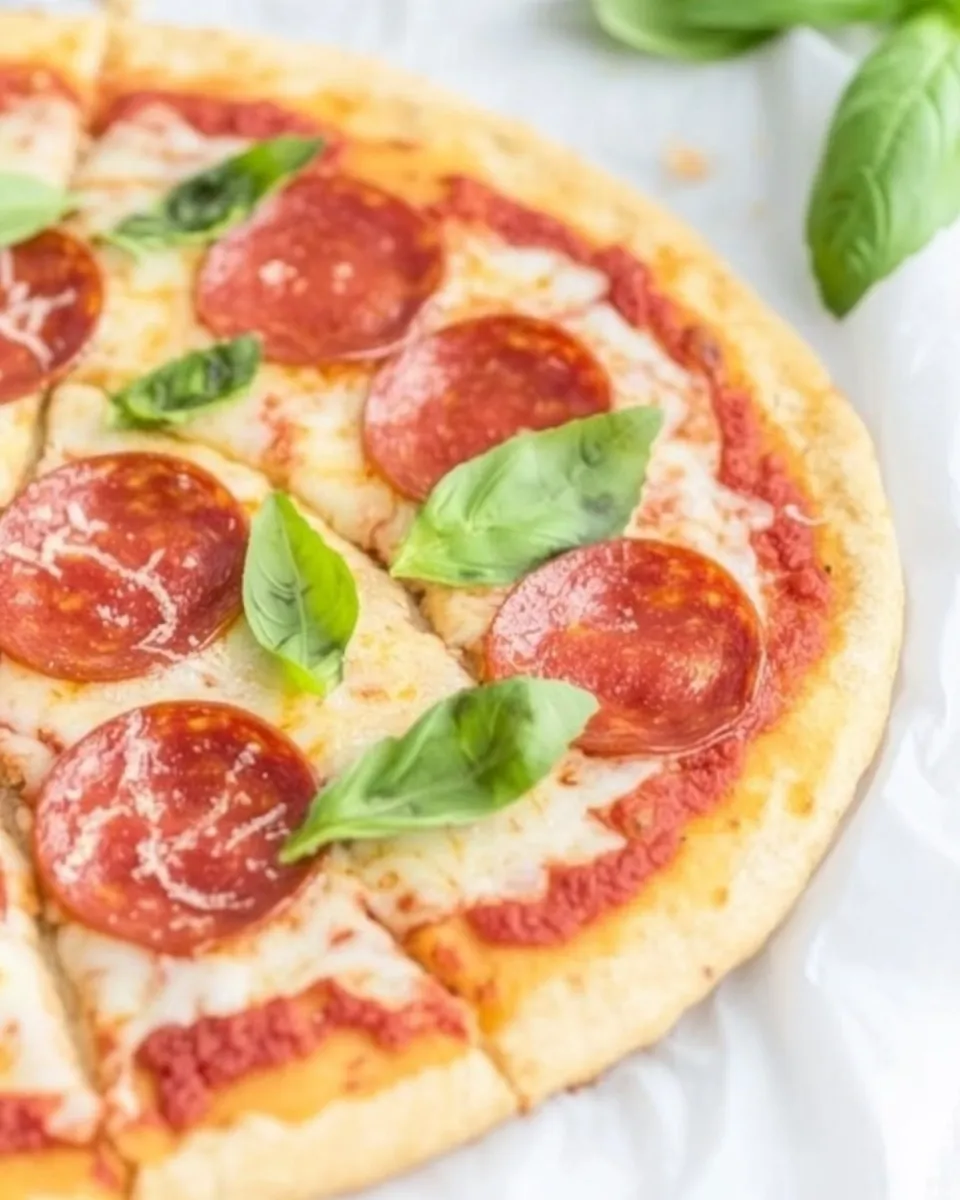
The base uses mostly mozzarella and a small amount of coconut flour and psyllium husk to bind and give structure. The result is a thin, crisp-ish crust that tolerates toppings well. I keep the topping list simple here—marinara, pepperoni, and a little extra cheese—but I’ll give swaps and seasonal ideas below, so you can dress yours however you like.
If you’re new to low-carb baking, a few small technique points make a big difference: warm cheese melts more uniformly, lightly wetting your hands keeps the dough from sticking, and a quick bake before topping prevents a soggy base. Read the method through once, then get to it—you’ll have these on the table in under 30 minutes.
Ingredient Checklist
Ingredients
- 2 cups pre-shredded mozzarella (220 g) — Main structural ingredient: melts and binds the crust when processed.
- 2 tablespoons coconut flour (16 g) — Adds absorbency and structure without gluten.
- ½ tablespoon psyllium husk or ½ teaspoon psyllium husk powder — Helps with elasticity and prevents crumbling; use the powder if you want a finer texture.
- 1 egg — Binds the dough and adds richness.
- pinch of salt — Enhances overall flavor; adjust to taste.
- ⅓ cup Marinara Sauce (80 ml) — Use a low-sugar version for the lowest carbs; spreads easily across the small crusts.
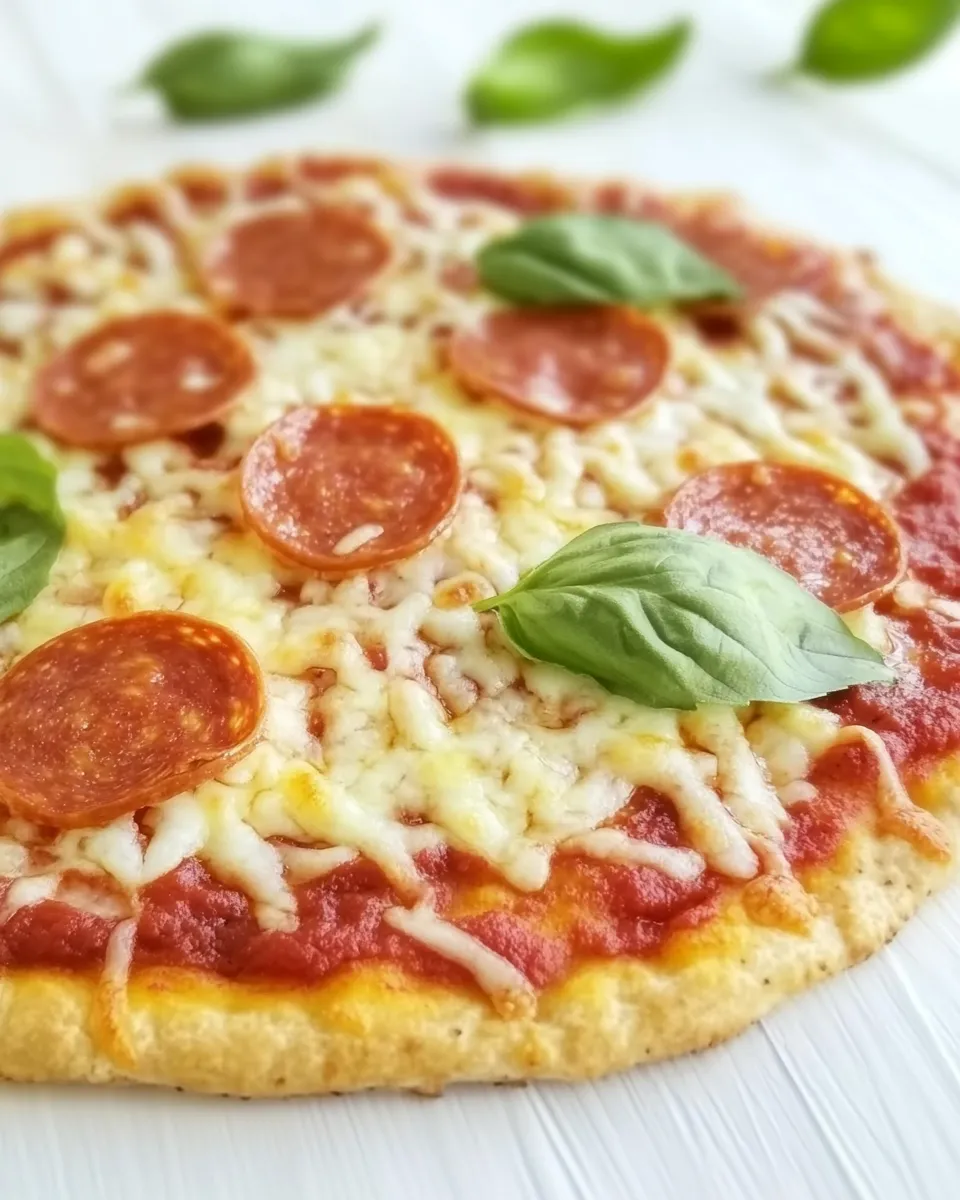
- 10 slices pepperoni (30 g) — Provides savory flavor and a bit of fat to keep the pizza satisfying.
- ¼ cup shredded mozzarella (28 g) — Extra cheese for topping; melts into a crisp, bubbly finish.
- handful of basil leaves — Fresh finish: brightens the rich cheeses and pepperoni.
Method: Low Carb Pizza
- Preheat the oven to 200°C / 400°F (electric). Line a baking sheet with parchment paper or have one ready.
- Place 2 cups pre-shredded mozzarella (220 g), 2 tablespoons coconut flour (16 g), ½ tablespoon psyllium husk or ½ teaspoon psyllium husk powder, 1 egg, and a pinch of salt into a blender or food processor. Blend until a smooth, cohesive dough forms, about 2 minutes, scraping down the sides once or twice as needed.
- Lightly wet your hands. Divide the dough into 2 equal portions. Place each portion between two sheets of baking paper and roll each to a round about 20 cm (8 inches) in diameter. Remove the top sheet of parchment.
- Transfer the crusts (on their bottom parchment) to the prepared baking sheet(s), spacing them so they fit without touching. Bake for 7 minutes, or until the crusts are lightly golden.
- Remove the crusts from the oven. Divide and spread the toppings as follows: evenly spread the 1/3 cup marinara sauce (80 ml) between the two crusts, arrange the 10 slices pepperoni (30 g) over the sauce (about 5 slices per crust), and sprinkle the 1/4 cup shredded mozzarella (28 g) evenly over both pizzas.
- Return the pizzas to the oven and bake for about 6 minutes, or until the cheese has melted and the toppings are crisped to your liking.
- Remove the pizzas from the oven, scatter the handful of basil leaves across both pizzas (divide evenly), let cool for 1–2 minutes, slice, and serve.
Why This Low Carb Pizza Stands Out
This rendition keeps things deliberately simple so the technique shines. The dough relies heavily on mozzarella for structure, which means you get a familiar, cheesy mouthfeel rather than an almond-meal or cauliflower texture. Psyllium husk adds chew without gluten, and the small amount of coconut flour soaks up moisture and prevents a gummy center.
It’s also fast. From fridge to table in roughly 25–30 minutes, depending on your prep speed. The pre-bake step is essential; it gives the crust a chance to set and crisp so your toppings don’t turn it into a soggy paddle. And because the recipe yields two individual pizzas, portion control becomes easy—serve one for a light dinner or both for sharing.
Budget & Availability Swaps
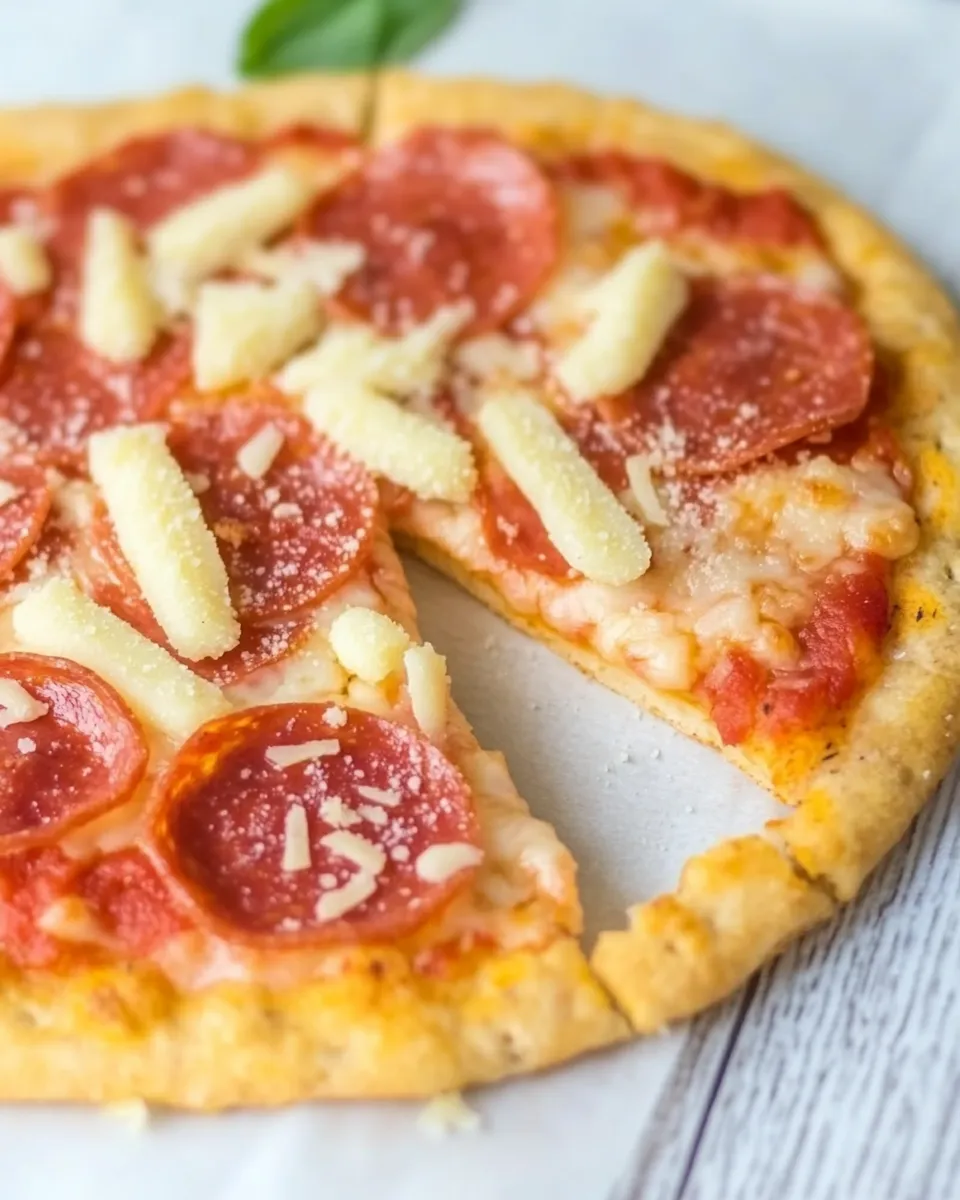
- Pre-shredded mozzarella — If pre-shredded is expensive where you are, buy a block and shred it yourself. Freshly shredded cheese melts more smoothly and often tastes fresher.
- Coconut flour — If coconut flour is tough to find, use extra psyllium husk cautiously (start with 1 teaspoon more) but note texture changes; alternatives like almond flour will make a different dough and are not a direct swap in this exact method.
- Psyllium husk vs powder — Either works; powder blends more evenly. If you only have whole husk, pulse it first to reduce grittiness.
- Marinara sauce — Use a simple canned tomato sauce if needed, but check sugar content. Season with garlic or oregano if the sauce is plain.
- Pepperoni — Swap for thinly sliced salami, cooked sausage crumbles, or roasted vegetables for a vegetarian twist.
Gear Checklist
- Baking sheet(s) — You can fit both crusts on one if your oven and pan are large enough.
- Parchment paper — Crucial for transferring and preventing sticking.
- Blender or food processor — Needed to create the cohesive mozzarella-based dough.
- Rolling pin or jar — For pressing the dough between parchment sheets into rounds.
- Oven thermometer (optional)
Watch Outs & How to Fix
Common issues and quick fixes
- Crust is too soft or gummy: Bake it a minute or two longer in the first bake to drive off excess moisture. Make sure cheese was fully blended into a cohesive dough.
- Dough sticks to parchment: Lightly wet your hands (as directed) before handling, and make sure you remove only the top sheet of parchment before transferring.
- Edges burn before center cooks: Your oven might have hot spots. Rotate the pan halfway through the pre-bake and check your oven temperature with a thermometer.
- Crust cracks when sliced: Let the pizzas rest 1–2 minutes after baking so the cheese sets slightly. Slicing too hot can cause cracking as the crust is still very flexible.
- Cheese separates or looks oily: Use whole-milk mozzarella rather than a super-low-fat option; low-fat cheeses can weep more when baked.
Spring to Winter: Ideas
Seasonal toppings make this base feel fresh every season. In spring, scatter quick-poached asparagus tips, lemon zest, and ricotta dollops with a light drizzle of olive oil. Summer calls for blistered cherry tomatoes, torn basil, and a few slices of burrata once out of the oven. In autumn, swap in caramelized onions, mushrooms, and a sprinkle of thyme. For winter, try roasted butternut squash, sage, and a little crumbled goat cheese for a cozy, savory slice.
Keep the toppings relatively light for best results. This crust handles a modest amount of moisture and weight well; overloaded pizzas risk a soggy middle or longer bake times than the method intends.
Recipe Notes & Chef’s Commentary
I like this method because it leans on ingredients that many low-carb cooks already have: cheese, egg, and psyllium. The blender/processor step is non-negotiable here—proper blending warms and melts the cheese just enough to form a pliable dough. If you skip it, you’ll have uneven texture and more trouble shaping the crusts.
Texture expectations: this isn’t a Neapolitan or thick pan pizza. Think thin, slightly chewy, and cheesy with a crisp edge when baked properly. It’s perfect for someone who wants a true “slice” experience without the carb load.
Scaling: the recipe quantities are fixed for two 20 cm (8-inch) crusts. If you want a single large pizza, combine the dough and shape into one larger round, but expect longer bake times and slightly different texture at the center.
Meal Prep & Storage Notes
Make-ahead: you can prepare the dough and keep it wrapped in the fridge for up to 24 hours. Rewarm briefly in the microwave (10–15 seconds) if it hardens before rolling, then proceed with shaping on parchment.
Leftovers: store leftover slices in an airtight container in the fridge for up to 3 days. Reheat in a dry skillet over medium heat or under the broiler for a minute to revive crispiness. Avoid the microwave if possible—it tends to make the crust chewier.
Freezing: fully baked pizzas can be wrapped tightly and frozen for up to 1 month. Thaw in the fridge overnight, then re-crisp in a hot oven or skillet.
Low Carb Pizza FAQs
Q: Can I make the dough without psyllium husk?
A: Psyllium helps mimic gluten’s binding. Without it, the dough will be more fragile and crumbly. You can try a very small amount of xanthan gum as an alternative (not part of the original ingredient list), but results will differ.
Q: Will the crust be crunchy like a traditional pizza?
A: It develops a light crisp, especially at the edges, but won’t have the same wheat-based crunch. A hot oven and brief finish under the broiler for 30–60 seconds can intensify browning—watch closely to avoid burning.
Q: Can I double the recipe?
A: Yes. Double everything and shape onto two baking sheets or bake in batches. Keep the same baking time for individual 20 cm (8-inch) crusts.
Q: Is coconut flour detectable in flavor?
A: In this small amount, coconut flour contributes texture more than flavor. The cheese, sauce, and toppings dominate the taste.
Save & Share
If you try this Low Carb Pizza, save the recipe for your weekly rotation. Take a photo, tag it with your favorite swap, and share it with friends who are trying to cut carbs without losing pizza night. Small, simple tweaks make this recipe work for busy weeknights and casual entertaining alike.
Low Carb Pizza
Equipment
- Oven
- Blender or Food Processor
- Baking Sheet
- Parchment Paper
Ingredients
Ingredients
- 2 cupspre-shredded mozzarella220 g
- 2 tablespooncoconut flour16 g
- 1/2 tablespoonpsyllium huskor 1/2 teaspoon psyllium husk powder
- 1 egg
- pinchofsalt
- 1/3 cupMarinara Sauce80 ml
- 10 slicespepperoni30 g
- 1/4 cupshredded mozzarella28 g
- handfulofbasil leaves
Instructions
Instructions
- Preheat the oven to 200°C / 400°F (electric). Line a baking sheet with parchment paper or have one ready.
- Place 2 cups pre-shredded mozzarella (220 g), 2 tablespoons coconut flour (16 g), ½ tablespoon psyllium husk or ½ teaspoon psyllium husk powder, 1 egg, and a pinch of salt into a blender or food processor. Blend until a smooth, cohesive dough forms, about 2 minutes, scraping down the sides once or twice as needed.
- Lightly wet your hands. Divide the dough into 2 equal portions. Place each portion between two sheets of baking paper and roll each to a round about 20 cm (8 inches) in diameter. Remove the top sheet of parchment.
- Transfer the crusts (on their bottom parchment) to the prepared baking sheet(s), spacing them so they fit without touching. Bake for 7 minutes, or until the crusts are lightly golden.
- Remove the crusts from the oven. Divide and spread the toppings as follows: evenly spread the 1/3 cup marinara sauce (80 ml) between the two crusts, arrange the 10 slices pepperoni (30 g) over the sauce (about 5 slices per crust), and sprinkle the 1/4 cup shredded mozzarella (28 g) evenly over both pizzas.
- Return the pizzas to the oven and bake for about 6 minutes, or until the cheese has melted and the toppings are crisped to your liking.
- Remove the pizzas from the oven, scatter the handful of basil leaves across both pizzas (divide evenly), let cool for 1–2 minutes, slice, and serve.
Notes
8.8g net carbs per pizza crust without toppings. Makes 2 pizza crusts.
11.1g net carbs per pizza (539 calories) with toppings.
1 entire pizza is a very filling meal. ½ pizza (4.4g net carbs) with a side salad is a satisfying lunch.
Store leftovers in the fridge for up to 4 days. You can freeze the unbaked pizza dough, the pre-baked pizza crust or the entire pizza with toppings for up to 3 months.