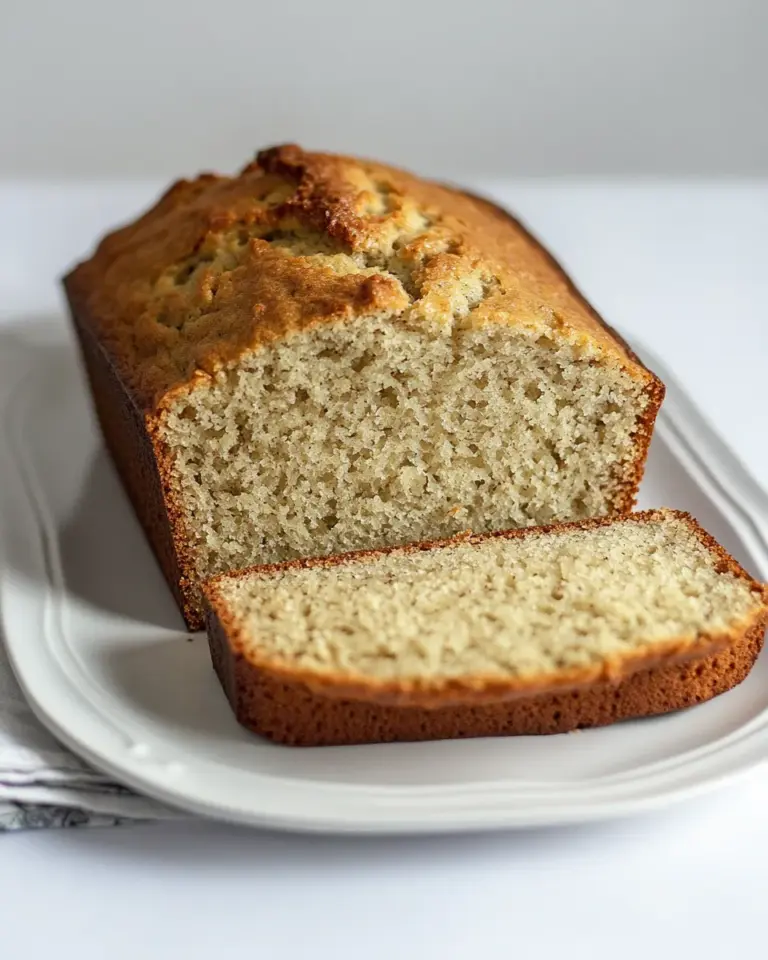
I make this mug bread when mornings are rushed, when the carb cravings hit but I want to stay on track, or when I need a single slice of sandwich bread without committing to a whole loaf. It’s quick, forgiving, and genuinely tastes like real bread—dense and tender in a way that works for toast, sandwiches, or a buttery snack straight from the mug.
This recipe is perfect when you want something low-carb and grain-free without a long ingredient list or special equipment. It uses almond flour for structure and eggs for lift and moisture, so you get a compact crumb that toasts nicely and holds up to toppings. I love that it cooks in three minutes in the microwave—no oven, no pan, no mess.
Below you’ll find exact ingredient notes, the step-by-step microwave method I use, and sensible swaps and storage tips I’ve collected from testing variations. Read through the “If You’re Out Of…” and “Smart Substitutions” sections before you start if you plan to adapt it—some swaps work better than others.
Ingredient Notes
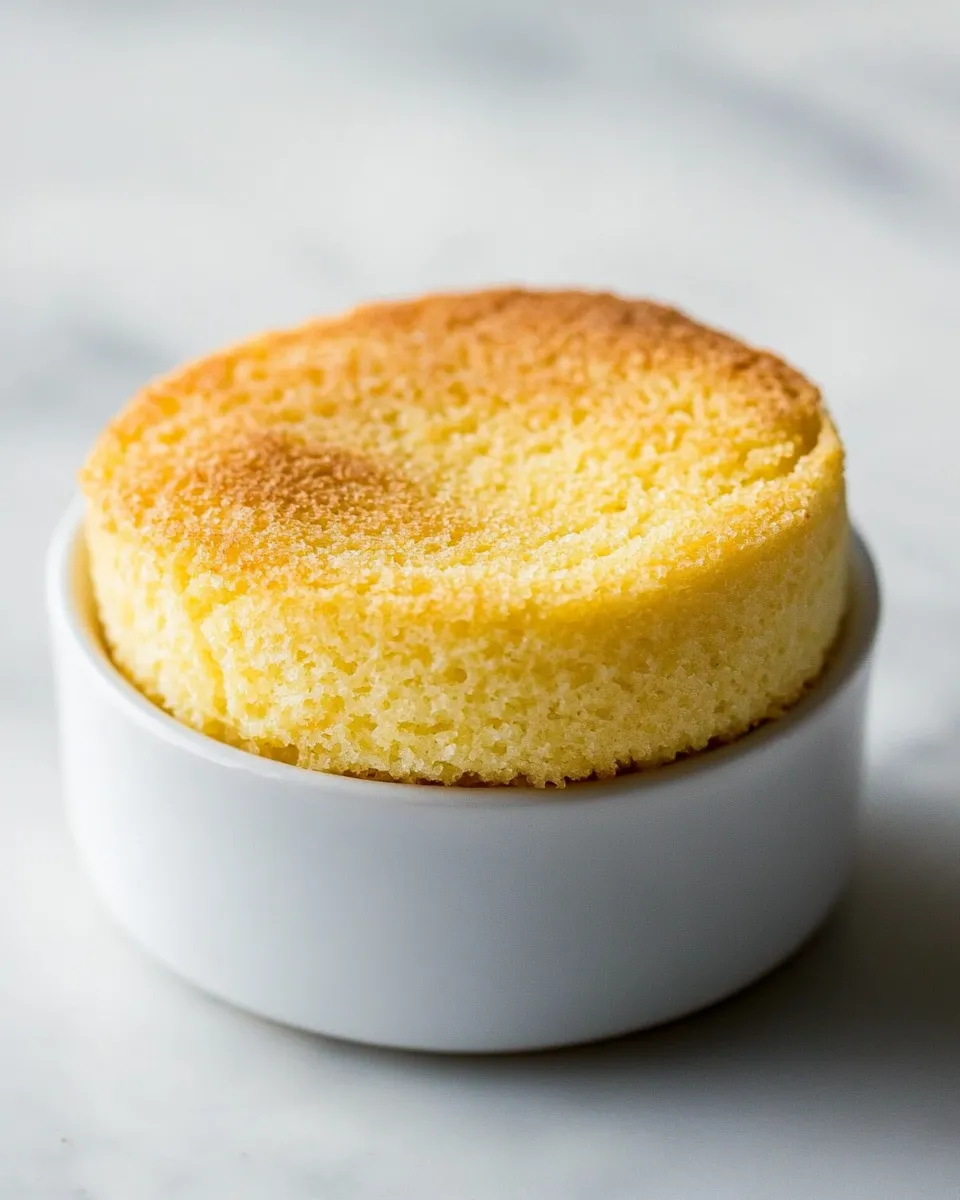
These ingredients are the backbone of the loaf: a little oil to prevent sticking, eggs for structure, fine almond flour as the low-carb base, a grain-free baking powder for lift, and sea salt for balance. Small details—like the texture of the almond flour or the oil you choose—change the final crumb more than you might expect.
Ingredients
- 1/2 teaspoon oil any variety — Use this to grease the mug fully; it prevents sticking and gives a slight crust to the exterior.
- 2 large eggs or liquid vegan egg substitute — Eggs provide structure and moisture; a commercial liquid vegan egg substitute can work if it’s intended to replace two eggs.
- 1/2 cup fine ground almond flour (I used Bob’s Red Mill) — The bulk of the loaf. Finely ground almond flour yields a smoother crumb and more reliable texture.
- 1/2 teaspoon grain-free baking powder — Small amount of leavener to add lightness; a grain-free variety avoids wheat-based ingredients.
- 1/4 teaspoon sea salt — Essential for flavor contrast—don’t skip it, even for savory uses.
Magic Mug Low Carb Bread Recipe Cooking Guide
Step-by-step
- Measure 1/2 teaspoon oil into a tall, straight microwave-safe mug (about 3.5 inches wide and 5 inches tall). Tilt the mug and use a small pastry brush or a folded paper towel to spread the oil around the entire interior to grease it.
- Add 2 large eggs (or liquid vegan egg substitute) to the greased mug.
- Add 1/2 cup finely ground almond flour, 1/2 teaspoon grain-free baking powder, and 1/4 teaspoon sea salt to the mug.
- Whisk the mixture with a fork until the batter is very smooth and no dry flour remains. Tap the mug once or twice on the counter to release any large air pockets.
- Microwave the mug on high for 3 minutes.
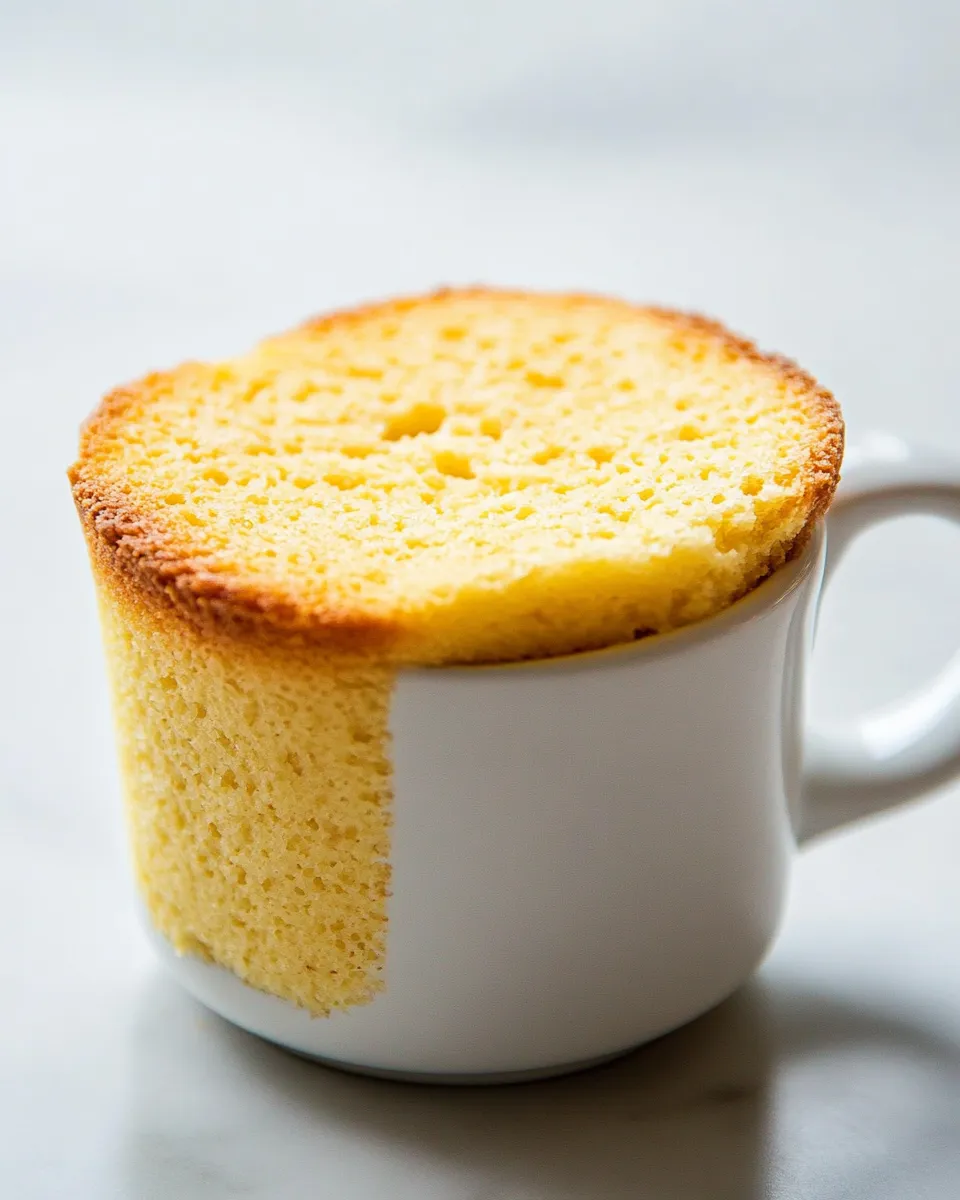
- Let the cooked bread sit in the mug for about 1 minute to firm up slightly. Run a thin knife around the inside edge if needed, then invert or gently shake the mug to release the loaf onto a plate.
- Slice with a serrated knife and serve. Wrap any leftovers well and store in the refrigerator.
Why This Recipe Belongs in Your Rotation
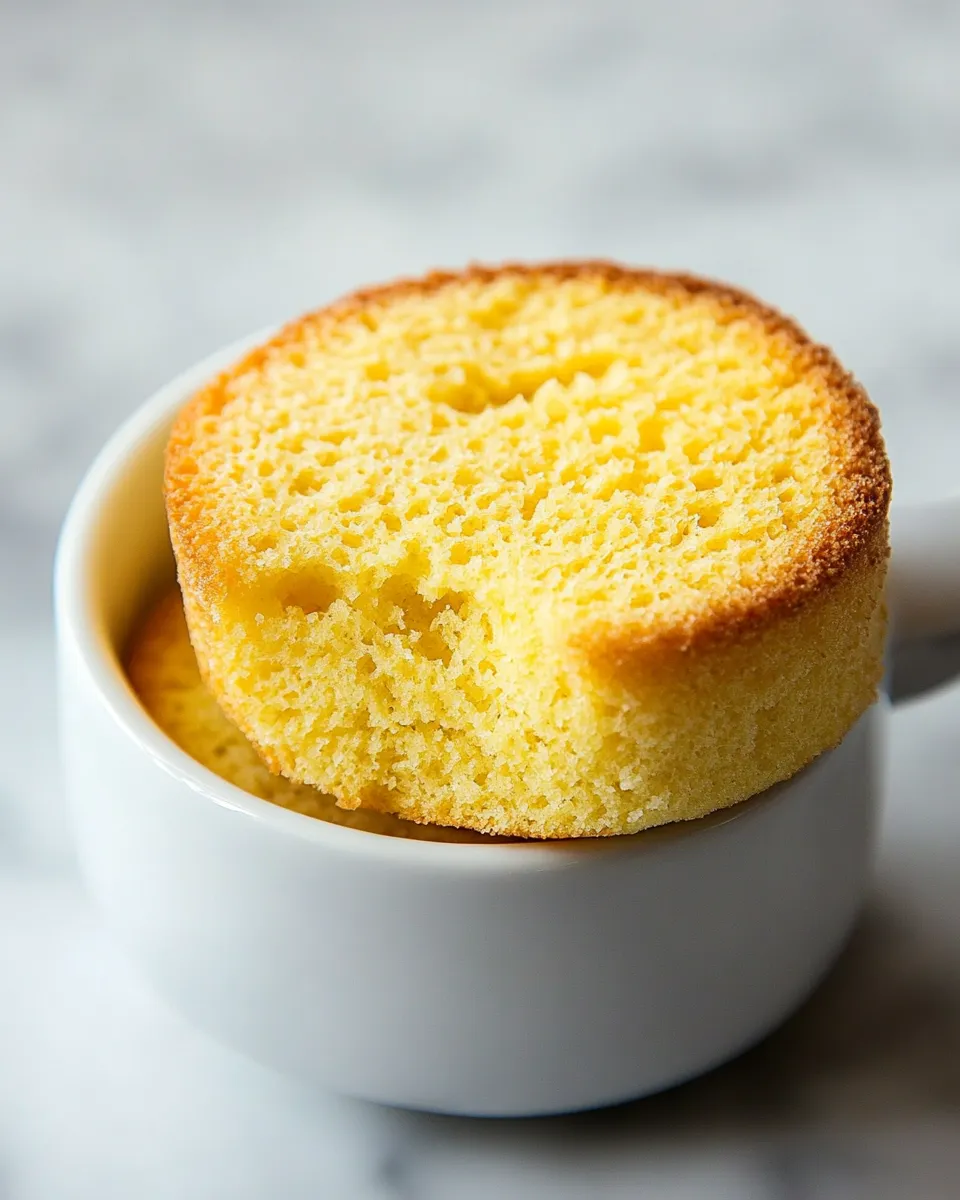
This mug loaf is all about efficiency without sacrificing quality. If you want something low-carb and ready in minutes, it beats buying specialty bread or making a whole loaf that you might not finish. It’s single-serving by design—great for one-person households, meal prep with portion control, or testing small tweaks to flavor and texture.
It’s also incredibly versatile. Toast a slice for a savory breakfast with avocado and smoked salmon, or turn it into a mini grilled cheese. The structure is sturdy enough to support toppings but soft enough to eat plain. For people who follow a grain-free or ketogenic approach, it’s a reliable standby that doesn’t require dozens of ingredients or fancy techniques.
If You’re Out Of…
- Oil: A quick swipe of butter or a nonstick spray will work in a pinch. If you have neither, you can try greasing with a paper towel dipped in a small amount of any neutral oil.
- Eggs: You can use a commercial liquid vegan egg substitute (as noted) if you keep it on hand. Ground flax mixed with water (flax egg) can work experimentally, but results vary—texture may be denser and a little more fragile.
- Fine almond flour: If you only have coarser almond meal, pulse it briefly in a food processor to reduce big bits. Coarse meal will give a grainier crumb; expect a different texture but still edible.
- Grain-free baking powder: You can omit it if you don’t have any; the loaf will be denser and flatter but still cooked through and usable for many applications.
- Sea salt: Any fine salt is fine—just adjust to taste. If you only have coarse salt, dissolve a pinch in a drop of water and add it in to avoid uneven salting.
Equipment & Tools
- Tall, straight microwave-safe mug (about 3.5 inches wide and 5 inches tall)
- Small pastry brush or folded paper towel (for greasing)
- Fork (for whisking)
- Measuring spoons and a 1/2-cup measure
- Thin knife to loosen edges and a serrated knife for slicing
- Microwave
- Plate for releasing the loaf
Steer Clear of These
- Overfilling the mug. The batter might rise slightly; use a tall, straight mug to avoid spillage in the microwave.
- Using coarse almond flour without adjusting expectations. Big almond particles change texture and may leave dry pockets.
- Skipping the grease. A dry mug will make it hard to release the loaf and the bottom will stick and tear.
- Microwaving longer than instructed. Extra time will dry the loaf out; if your microwave runs hot, try 2 minutes 45 seconds and check.
Smart Substitutions
Thoughtful swaps can keep this recipe flexible, but make one change at a time so you know what affects texture and flavor.
- Oil: Melted butter adds flavor and a slightly richer crust. Neutral oils (avocado, light olive oil, or sunflower) keep the flavor neutral for savory or sweet toppings.
- Eggs: The recipe already lists liquid vegan egg substitute as an option. If you experiment with flax or chia eggs, expect a chewier, denser result and possibly a different color.
- Almond flour: Blanched, finely ground almond flour is best. If you try other nut flours (hazelnut, cashew), flavor will change and moisture balance may be slightly different.
- Baking powder: A small amount of baking soda paired with an acid (like a few drops of lemon juice) can produce lift, but I recommend sticking with a grain-free baking powder for the most predictable outcome.
Notes on Ingredients
Almond flour: I recommend finely ground blanched almond flour (the recipe notes Bob’s Red Mill as what I used). The finer the grind, the smoother the crumb and the fewer dry pockets you’ll find.
Eggs and vegan substitutes: Eggs are the main binder and leavener here. Commercial liquid egg substitutes are formulated to mimic eggs’ structure; when swapping, verify the substitute’s package recommendation for replacing two large eggs.
Baking powder: A grain-free baking powder avoids wheat-based starches. It doesn’t need to be a lot—1/2 teaspoon is enough to give a subtle lift without creating big air holes.
Salt: Even in low-carb baking, salt improves depth and balances the flavor—especially important if you plan to use the bread for savory toppings.
Refrigerate, Freeze, Reheat
Wrap any leftovers well and store in the refrigerator (as the original instructions advise). Chilled, slices hold together for 3–4 days. For longer storage, slice the loaf and freeze slices flat in a single layer, then transfer to a sealed bag—they’ll keep for up to 3 months.
To reheat: toast slices for the best texture, or microwave briefly (10–15 seconds) if you need it fast—watch carefully to avoid drying. Thawed slices from the freezer re-toast best; they regain a crisp edge and soft interior when toasted.
Questions People Ask
Will this work in the oven? You can adapt the batter to bake in a small ramekin at 325–350°F, but I haven’t standardized oven time for this exact batter. If you try it, check at 12–15 minutes and adjust for your oven—remember a microwave cooks extremely quickly because it heats the liquid inside.
Can I double the recipe in one mug? This recipe is designed for a single serving and a specific mug size. Doubling the batter in a larger microwave-safe container may require extra cook time and a different vessel to avoid uneven cooking. For two servings, make two separate mugs.
Is the texture like regular wheat bread? Expect a denser, more compact crumb. It toasts well and is satisfyingly bread-like for low-carb needs, but it won’t be airy like a yeast loaf.
Can I add flavors or mix-ins? Yes—think garlic powder, herbs, or a sprinkle of cheese on top before microwaving. If you add wet mix-ins, reduce other liquids slightly; for dry add-ins like seeds or shredded cheese, keep portions modest to avoid weigh-down.
Ready to Cook?
Gather your small mug, a fork, measuring tools, and the five simple ingredients. Grease the mug well, whisk until smooth, microwave for three minutes, and you’ll have a compact, low-carb loaf ready to slice and top. It’s a practical solution for busy mornings, quick lunches, or a reliable single-serve loaf when you don’t want to bake a whole pan of bread.
Try it plain, toasted, or dressed up with your favorite savory toppings. If you experiment with a tweak that works particularly well—like a spice blend you love—save it as a variation. This recipe is a kitchen shortcut I keep coming back to for its speed, simplicity, and solid results.
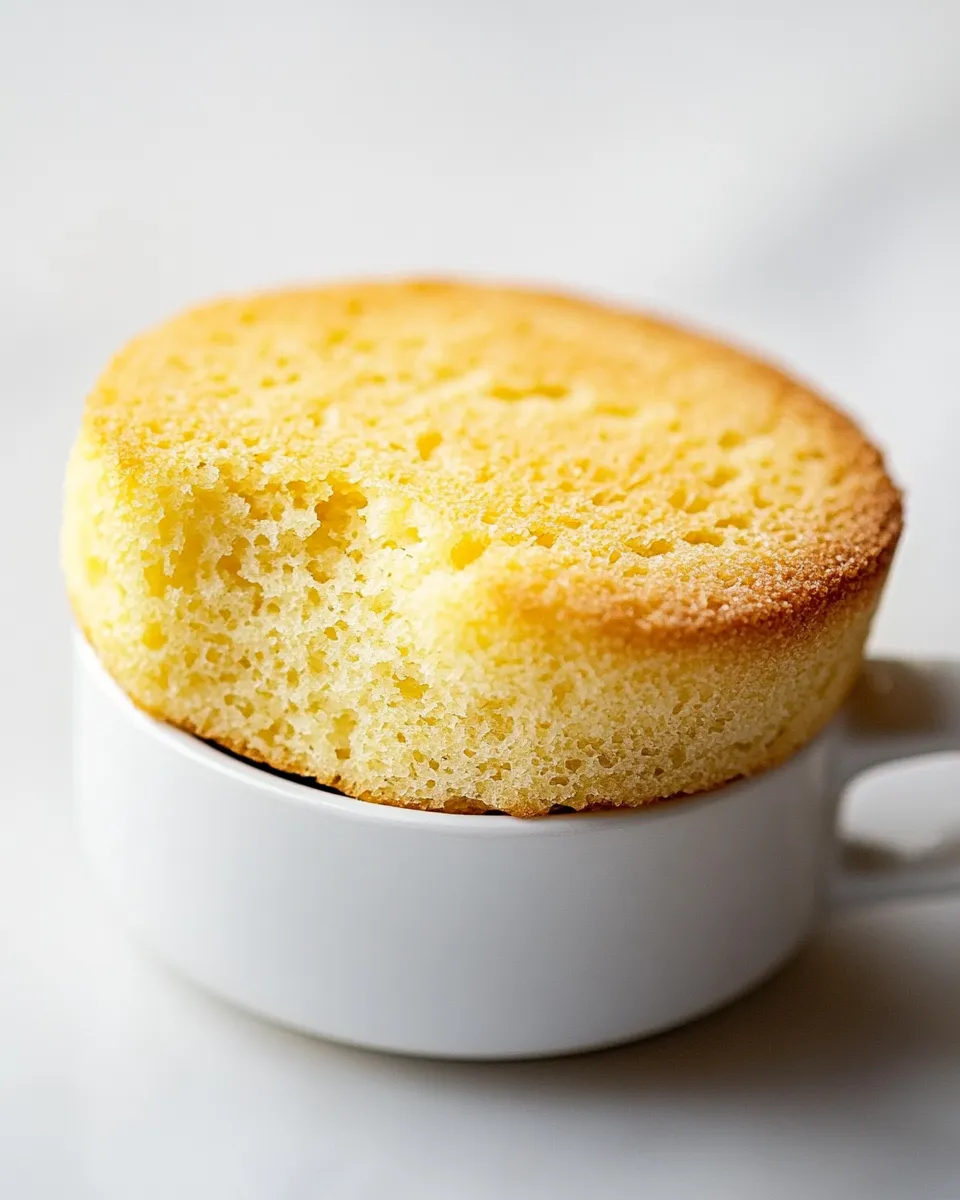
Magic Mug Low Carb Bread Recipe
Equipment
- Microwave
- Microwave-safe mug
- Pastry Brush
- Paper Towel
- Fork
- serrated knife
- Plate
Ingredients
Ingredients
- 1/2 teaspoonoilany variety
- 2 large eggsor liquid vegan egg substitute
- 1/2 cupfine ground almond flour I used Bob’s Red Mill
- 1/2 teaspoongrain-free baking powder
- 1/4 teaspoonsea salt
Instructions
Instructions
- Measure 1/2 teaspoon oil into a tall, straight microwave-safe mug (about 3.5 inches wide and 5 inches tall). Tilt the mug and use a small pastry brush or a folded paper towel to spread the oil around the entire interior to grease it.
- Add 2 large eggs (or liquid vegan egg substitute) to the greased mug.
- Add 1/2 cup finely ground almond flour, 1/2 teaspoon grain-free baking powder, and 1/4 teaspoon sea salt to the mug.
- Whisk the mixture with a fork until the batter is very smooth and no dry flour remains. Tap the mug once or twice on the counter to release any large air pockets.
- Microwave the mug on high for 3 minutes.
- Let the cooked bread sit in the mug for about 1 minute to firm up slightly. Run a thin knife around the inside edge if needed, then invert or gently shake the mug to release the loaf onto a plate.
- Slice with a serrated knife and serve. Wrap any leftovers well and store in the refrigerator.
Notes
Make multiple batches by tripling or quadrupling the recipe and whisking the batter in a large bowl. Then pour the batter into various oiled mugs and microwave. Add 1 minute cook time for each additional mug.
Wrap leftover bread tightly in plastic wrap and store on the counter for
a day or so.