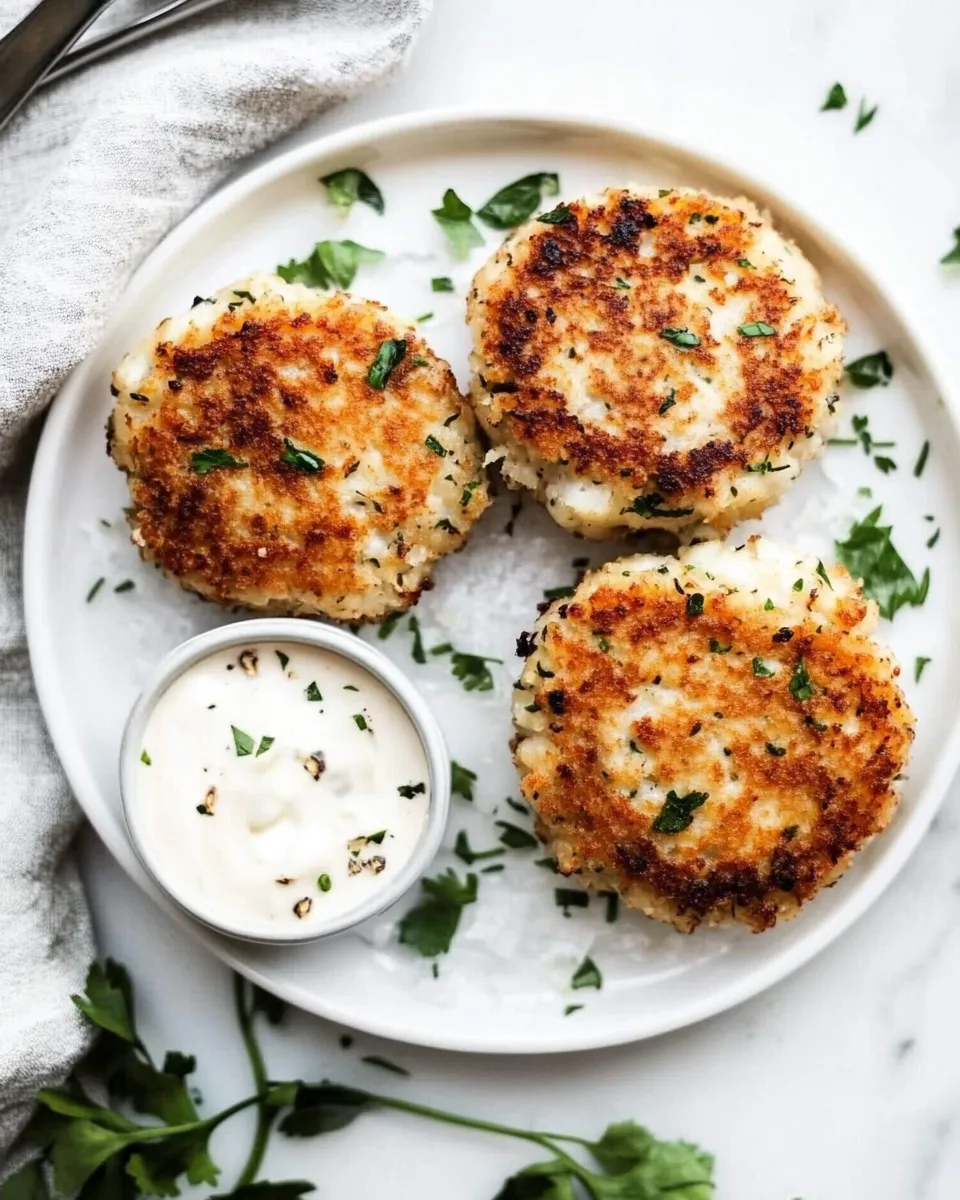
These crab cakes are the kind of thing I make when I want seafood that tastes like summer, even if it’s midwinter. They rely on big lumps of crab, a light binder, and a crisp, buttery crust. The mustard béchamel that comes alongside lifts every bite, adding a silky tang that sings against the sweet crab.
I keep the method simple and repeatable. The crab hardly gets touched; the directions ask you to fold rather than mash. That little discipline—holding back on stirring—keeps the texture pristine and the flavor unmistakably crab-forward.
If you follow the steps and the timing below, you’ll end up with golden, restaurant-style Maryland Crab Cakes at home. No tricks. Just straightforward technique and attention to heat, texture, and timing.
Ingredients at a Glance
- 1 pound jumbo lump crab — the star; keep large pieces intact for big, sweet bites.
- 1 large egg — provides just enough binding without overwhelming the crab.
- 1 ½ teaspoons Old Bay seasoning — classic Maryland seasoning; adds that familiar savory-spice profile.
- 1 ½ teaspoons Worcestershire sauce — adds depth and a touch of umami to balance sweetness.
- 1/3 cup mayonnaise — moistens and gently binds while keeping the cakes tender.
- 2 teaspoons Dijon mustard — a bit of sharpness inside the cakes to contrast the crab.
- 1 tablespoon finely minced parsley — fresh herbal lift and a clean color contrast.
- 1 cup buttered cracker breadcrumbs — divided; buttery crumbs add crunch and flavor to the exterior.
- ¼ cup oil — for shallow frying; heats quickly and promotes even browning.
- 1 cup bechamel sauce — warmed and finished into a mustard béchamel for serving.
- 2 teaspoons yellow mustard — whisked into the béchamel for smooth tang.
- 2 teaspoons whole grain mustard — texture and pop in the sauce; pairs beautifully with crab.
Directions: Maryland Crab Cakes
- In a large bowl, gently combine 1 pound jumbo lump crab, 1 large egg, 1 ½ teaspoons Old Bay seasoning, 1 ½ teaspoons Worcestershire sauce, 1/3 cup mayonnaise, 2 teaspoons Dijon mustard, 1 tablespoon finely minced parsley, and 2/3 cup of the buttered cracker breadcrumbs. Mix just until combined, taking care to keep some crab lumps intact.
- Divide the mixture into 6 equal portions. Roll each portion into a tight ball and gently press each ball to form a patty about ¾ inch thick.
- Put the remaining 1/3 cup buttered cracker breadcrumbs in a shallow dish. Lightly coat each patty in the crumbs, pressing gently so the crumbs adhere. Place the coated crab cakes on a plate or a parchment-lined tray.
- Pour 1/4 cup oil into a large frying pan and heat over medium until the oil is hot and shimmering but not smoking.
- Add the crab cakes to the pan without overcrowding. Cook 3–4 minutes per side, turning carefully, until each side is golden brown and the cakes are cooked through.
- Transfer the cooked crab cakes to a rack or paper towels to drain excess oil.
- Meanwhile, heat 1 cup bechamel sauce in a sauté pan over medium heat until hot (do not boil). Whisk in 2 teaspoons yellow mustard and 2 teaspoons whole grain mustard until smooth and fully combined. Keep warm.
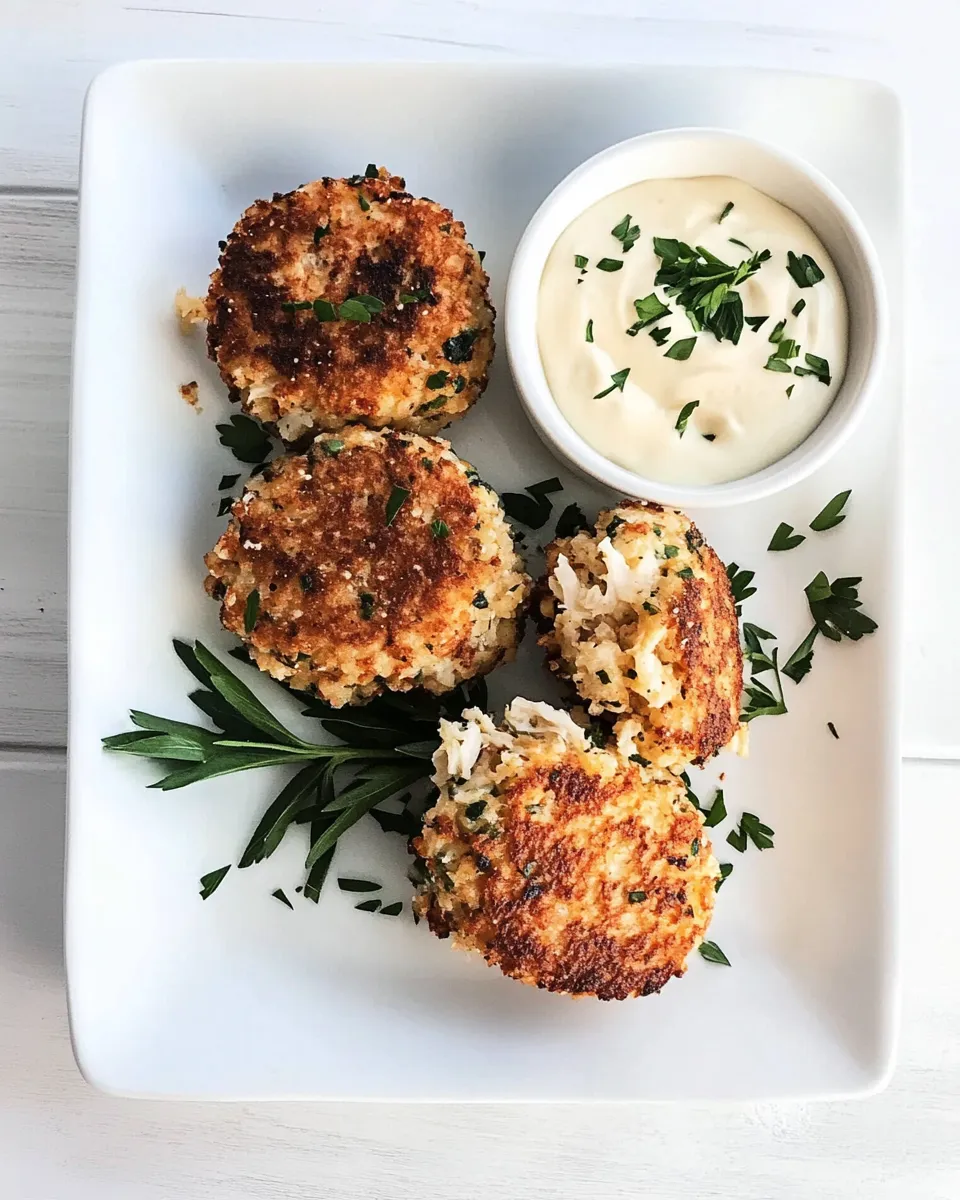
- Serve the crab cakes with the mustard béchamel sauce alongside.
Why It Works Every Time
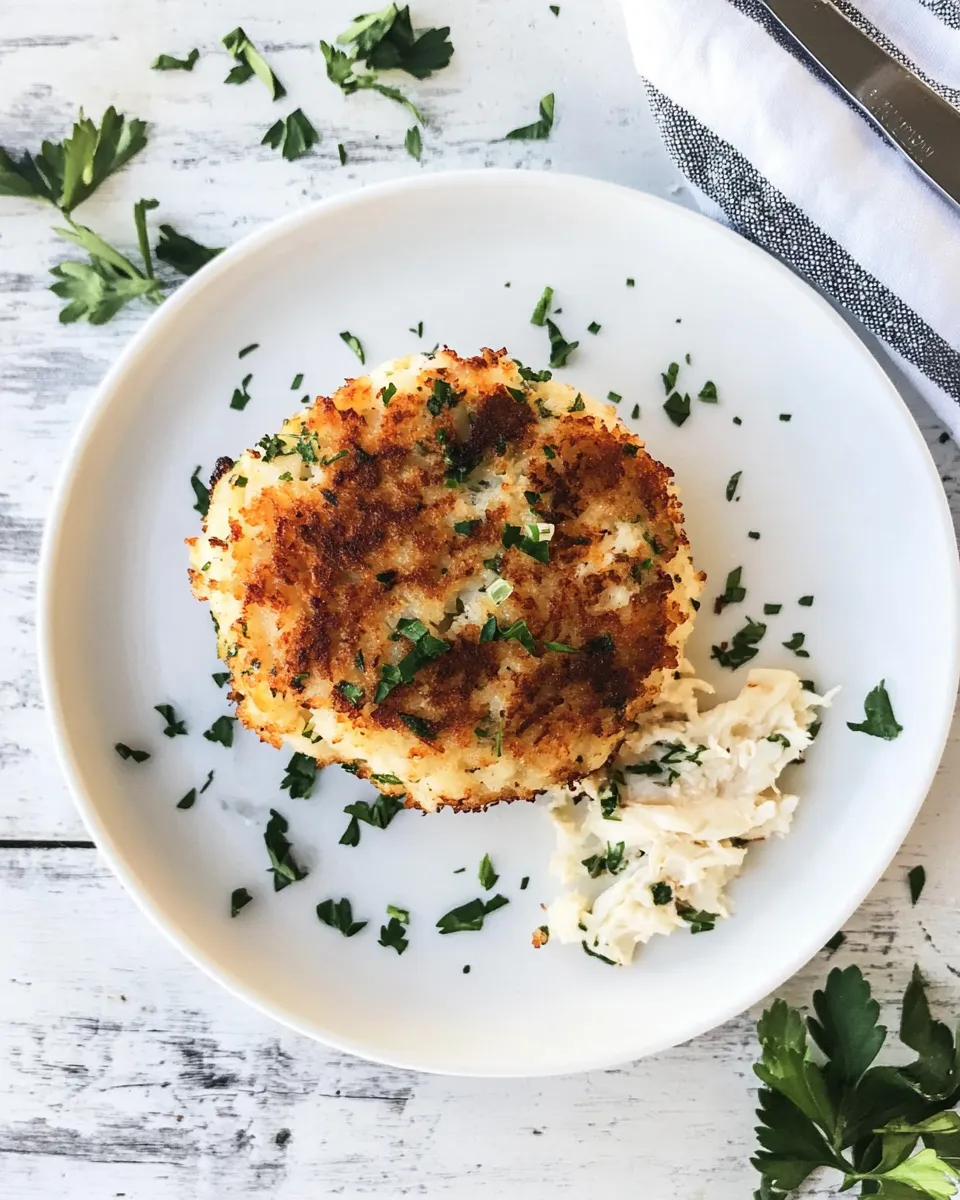
This recipe is deliberately restrained in binders and fillers so the crab remains the focus. Using jumbo lump crab means you get visible, satisfying pieces of shellfish in every bite. The single egg, a modest amount of mayonnaise, and minimal breadcrumbs provide structure without turning the cakes into patties of filler.
Butter in the cracker crumbs gives the exterior a rich, golden crust that contrasts the delicate interior. Browning in a shallow pool of oil creates a quick seal that keeps the cakes intact during the flip and prevents them from absorbing too much fat. Cook at medium heat for a reliable golden color without burning the crumbs.
The mustard béchamel is not an afterthought. Bechamel adds a creamy base and the two mustards layer in acidity and texture. Warmed and whisked together, they echo the Dijon inside the cakes while adding a silky finish that brightens each mouthful.
No-Store Runs Needed
Before you start, check the refrigerator for the key items: crab, mayo, mustard, an egg, and Worcestershire. Many kitchens keep these staples on hand. If you have buttered cracker crumbs already made, you’re halfway there—one cup gets split between the mix and the coating.
If you don’t have bechamel ready, a thin white sauce or even a simple warmed cream with a spoonful of mustard can stand in short-term. The method still holds: warm the sauce gently and whisk in both mustards. The goal is a warm, slightly thickened sauce that complements the cakes, not to introduce a heavy new flavor.
Equipment Breakdown
- Large mixing bowl — to combine crab and binders gently without overworking.
- Shallow dish — for the remaining breadcrumbs so you can coat the patties easily.
- Large frying pan — wide enough to cook multiple cakes without overcrowding.
- Kitchen spatula or fish turner — for careful flipping to keep cakes intact.
- Wire rack or paper towels — to drain excess oil and keep crust crisp.
- Measuring spoons and cups — accurate amounts are key for balance.
Slip-Ups to Skip
Don’t overmix
Overworking the crab mixture turns lumps into paste. Mix only until the ingredients come together and you still see crab pieces. If you overmix, the texture becomes uniform and the cakes lose their character.
Avoid overcrowding the pan
Give each cake space. Overcrowding drops the pan temperature and results in greasy, soggy crusts. Cook in batches if necessary and keep finished cakes on a rack so they stay crisp.
Watch the heat
If the oil smokes, the crumbs will burn before the interior warms through. Medium heat creates a golden crust and a properly cooked center. If the crust browns too fast, lower the heat slightly and finish gently.
Rescue for soggy cakes
If a cake feels too soft after frying, place it on a baking sheet and finish in a preheated 350°F oven for 5–7 minutes to firm up without over-browning.
Seasonal Adaptations
Spring and summer call for bright, lighter accompaniments: a crisp fennel and citrus salad, or a simple tomato and cucumber salad dressed with lemon. The acidity and crunch complement the rich cakes.
In cooler months, serve with roasted vegetables, warm potato salad, or a simple braised green like kale or Swiss chard. The béchamel already brings a comforting element, so pair with sides that offer texture and color contrast rather than competing richness.
For a casual gathering, set up a small platter with lemon wedges, chopped parsley, and the mustard béchamel so guests can finish each cake to taste. The presentation is seasonal and practical.
Pro Perspective
Texture is everything
Keep the crab pieces large enough to notice. Resist the urge to “stretch” the mixture with too many crumbs. If you need more binding for shaping, chill the formed patties for 20–30 minutes; cold cakes hold together better when going into the hot oil.
Finish confidently
If you want an extra-crisp edge, add a pat of butter to the pan near the end of cooking for flavor boost, but watch closely—milk solids brown quickly. Alternatively, a gentle finish in a hot oven preserves the crust while ensuring the center warms through.
Storing, Freezing & Reheating
Refrigerate cooked crab cakes for up to 3 days in an airtight container. To reheat, place them on a wire rack set over a baking sheet in a 350°F oven until warmed through—about 8–10 minutes—so the exterior stays crisp.
To freeze uncooked cakes, shape them, coat in breadcrumbs, then freeze on a tray until solid. Transfer to a freezer bag and keep up to 2 months. Cook from frozen, adding a couple of minutes to each side and lowering the heat slightly so they warm through without burning the exterior.
Frozen cooked cakes can be reheated from frozen in a 350°F oven, 10–15 minutes, until hot. Avoid microwaving if you want to preserve texture; it makes the crust soggy.
Quick Q&A
Q: Can I use lump crab instead of jumbo lump? A: Yes. Jumbo lump gives the biggest chunks and a more dramatic texture, but lump crab will still produce tasty cakes. Keep an eye on moisture; smaller flakes may need gentler handling.
Q: What if my mixture is too wet? A: Add a tablespoon more of breadcrumbs, but do so sparingly. You want to preserve the crab-forward texture. Alternatively, chill the mixture to firm it up before forming.
Q: Do I have to use both mustards in the béchamel? A: The two mustards serve different roles—yellow mustard gives direct tang, whole grain adds texture and flavor bursts. Use them both if you can; omit one only if necessary.
Ready to Cook?
When you’re ready, assemble the ingredients on the counter, measure the breadcrumbs into their two portions, and heat the oil just before you’re ready to fry. Follow the steps, keep an eye on the heat, and don’t rush the forming. Let the crab speak for itself.
Maryland Crab Cakes reward attention to texture and timing. Make them once exactly as written. You’ll see why I keep this version in rotation: it’s reliable, flavorful, and true to Maryland tradition.
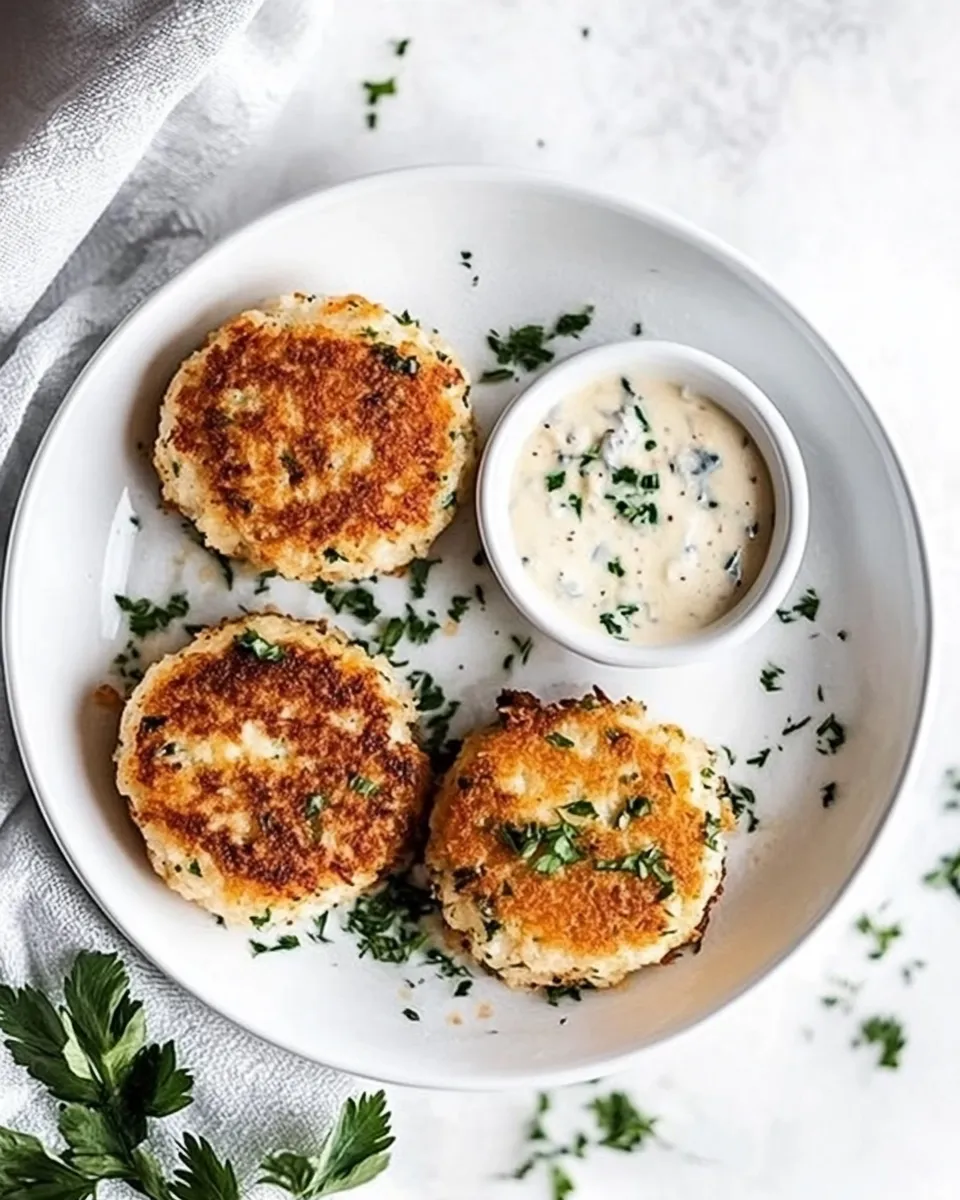
Maryland Crab Cakes
Equipment
- Large Bowl
- Shallow Dish
- Large frying pan
- Sauté pan
- plate or parchment-lined tray
- rack or paper towels
Ingredients
Ingredients
- 1 poundjumbo lump crab
- 1 large egg
- 1 1/2 teaspoonsold bay seasoning
- 1 1/2 teaspoonsWorcestershire sauce
- 1/3 cupmayonnaise
- 2 teaspoonsDijon mustard
- 1 tablespoonfinely minced parsley
- 1 cupbuttered cracker breadcrumbs
- 1/4 cupoil
- 1 cupbechamel sauce
- 2 teaspoonsyellow mustard
- 2 teaspoonswhole grain mustard
Instructions
Instructions
- In a large bowl, gently combine 1 pound jumbo lump crab, 1 large egg, 1 ½ teaspoons Old Bay seasoning, 1 ½ teaspoons Worcestershire sauce, 1/3 cup mayonnaise, 2 teaspoons Dijon mustard, 1 tablespoon finely minced parsley, and 2/3 cup of the buttered cracker breadcrumbs. Mix just until combined, taking care to keep some crab lumps intact.
- Divide the mixture into 6 equal portions. Roll each portion into a tight ball and gently press each ball to form a patty about ¾ inch thick.
- Put the remaining 1/3 cup buttered cracker breadcrumbs in a shallow dish. Lightly coat each patty in the crumbs, pressing gently so the crumbs adhere. Place the coated crab cakes on a plate or a parchment-lined tray.
- Pour 1/4 cup oil into a large frying pan and heat over medium until the oil is hot and shimmering but not smoking.
- Add the crab cakes to the pan without overcrowding. Cook 3–4 minutes per side, turning carefully, until each side is golden brown and the cakes are cooked through.
- Transfer the cooked crab cakes to a rack or paper towels to drain excess oil.
- Meanwhile, heat 1 cup bechamel sauce in a sauté pan over medium heat until hot (do not boil). Whisk in 2 teaspoons yellow mustard and 2 teaspoons whole grain mustard until smooth and fully combined. Keep warm.
- Serve the crab cakes with the mustard béchamel sauce alongside.
Notes
When making these flavorful Maryland crab cakes, I always handle the mixture gently and firmly compact the cakes with my hands when forming them. This helps keep them from falling apart while cooking and ensures they hold their shape.
Mix properly:
I always make sure there’s enough mayonnaise and egg mixed in well. This helps the crab cakes hold together when cooking.
Fry or bake:
I prefer frying the crab cakes for the best flavor. If I bake them, I use a parchment-lined tray at 375 degrees for about 13 to 18 minutes.
Cook carefully:
I add the crab cakes to the pan one at a time, making sure they are not touching. This gives them space to cook evenly and crisp up.
Drain well:
Once they’re cooked, I let the crab cakes rest on a rack with a tray underneath or on paper towels. This helps drain any extra oil before serving.
Make-Ahead:
Crab cakes are meant to be eaten as soon as they are cooked. If you have to you can make them up to 1 hour ahead of time and keep them warm in the oven on a sheet tray with a rack at 225°.
How to Reheat:
Place the crab cake in a pan and place them in the oven at 350° for 3-4 minutes or until hot. You can also heat in the microwave until hot.
How to Store:
Cover and keep in the refrigerator for up to 3 days. Cover and freeze for up to 2 months. Thaw in the refrigerator for 1 day before reheating.