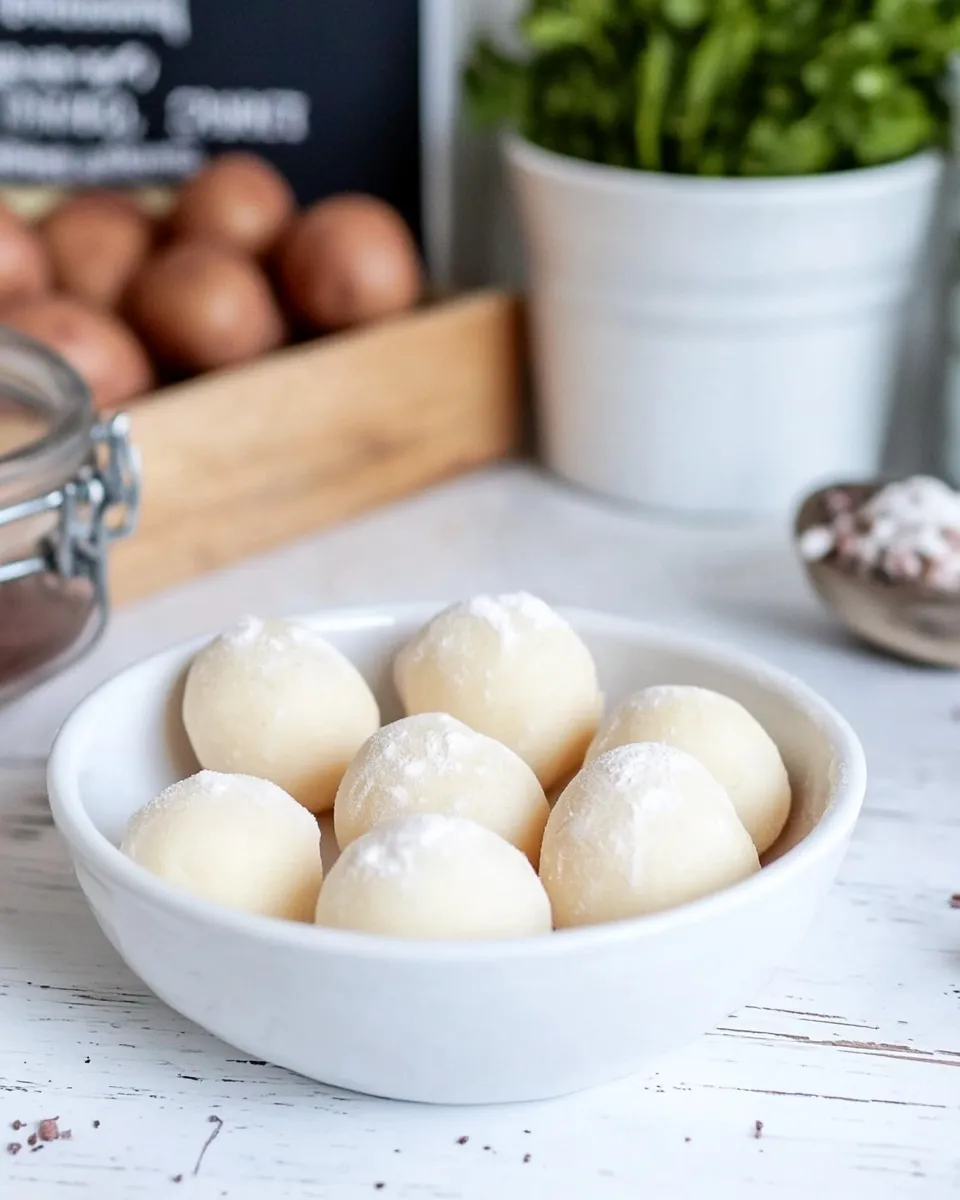
These little confections are a holiday mainstay in many German-speaking households and for good reason: they look charming, taste of pure almond, and travel well. They’re simple to make at home with just a few ingredients and a bit of handwork. Expect a forgiving process — kneading, rolling, dusting — that yields an elegant result without fancy equipment.
I make a batch when I want something bite-sized to nibble with coffee or to tuck into gift boxes. They’re small enough to serve after a heavy meal and attractive enough to set on a dessert tray. The texture is soft and dense, the exterior dusted in cocoa to mimic little potatoes, which always gets a chuckle from guests.
Below you’ll find a precise ingredient list, the exact step-by-step method, and practical notes that save time and reduce waste. Keep your hands clean, prep a tray, and you’ll be rolling these in no time.
Ingredients

- 7ouncesmarzipan (see quick and easy homemade marzipan recipe) — the base and flavor: almond paste provides structure and sweetness.
- 3/4cupsifted powdered sugar — stabilizes the marzipan and dries the surface so the balls hold their shape.
- 1/2teaspoonwater, plus more if necessary — use sparingly to bring the mixture together if it feels crumbly.
- 3tablespoonsDutch process cocoa powder — for the “potato” coating; Dutch process gives a deep, even color and less acidity.
What’s in the Bowl
Everything here is about balance. The marzipan brings fat and almond oil; powdered sugar dries and sweetens; a touch of water helps with cohesion; cocoa creates that dusty, rustic finish. No leaveners, no eggs, no butter. The whole recipe relies on tactile cues: how the dough feels in your hands, whether it rolls cleanly, and how the cocoa clings to the surface.
Because the ingredients are minimal, quality matters. A good marzipan — or a homemade version made with blanched almonds and fine sugar — makes a noticeable difference. The powdered sugar should be sifted to avoid lumps. Use a neutral, unsweetened Dutch-process cocoa for color rather than flavor dominance.
Cook Marzipankartoffeln (Marzipan Potatoes) Like This
- Sift 3/4 cup powdered sugar into a large mixing bowl. Add 7 ounces marzipan and knead with clean hands until the powdered sugar is fully incorporated and the mixture is smooth and malleable. If the mixture is too dry to roll, add up to 1/2 teaspoon water a few drops at a time (and, if needed, a few more drops) until it holds together without crumbling.
- Pinch off pieces and roll them between your palms into 3/4‑inch balls. Place the rolled balls on a parchment-lined tray or plate.
- Put 3 tablespoons Dutch‑process cocoa powder in a small bowl. Working in small batches, add a few marzipan balls to the cocoa and toss or roll them in the cocoa until evenly coated.
- Place a fine-mesh sieve over the cocoa bowl and put the coated balls into the sieve. Gently shake or tap the sieve to release excess cocoa back into the bowl.
- Transfer the finished marzipan potatoes to an airtight container and store in a cool, dry place.
Why It’s Crowd-Pleasing

People love these for three reasons: size, flavor, and presentation. They’re bite-sized, so no one feels committed to a whole slice of dessert. The almond-forward taste is familiar and comforting, not challenging. And they look whimsical — little cocoa-dusted “potatoes” that suggest care and craft.
They also hit common crowd-pleaser points: portability and shelf stability. You can set them out at a party, fill a cookie tin for a neighbor, or include them in a festive gift box. They pair well with coffee, strong tea, or a sweet dessert wine, making them flexible for many social situations.
Ingredient Flex Options
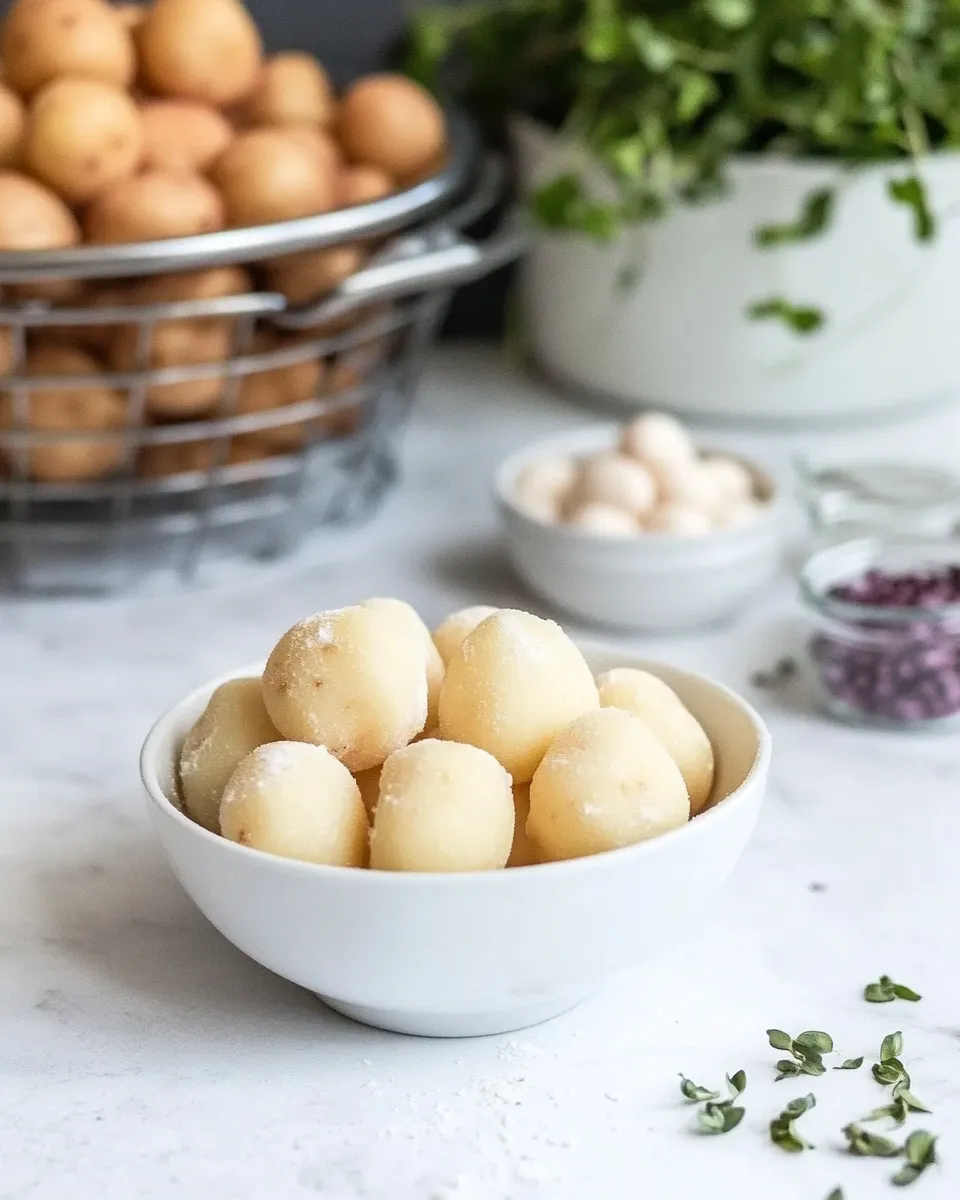
Keep in mind the original recipe is intentionally minimal. If you need to adapt, do so without masking the marzipan’s almond character.
- Marzipan: If you can’t find ready-made marzipan, a quick homemade marzipan (ground blanched almonds + powdered sugar + a drop of rose water or almond extract) will work — but maintain the same weight to keep texture consistent.
- Powdered sugar: Sifting matters. If clumped, pulse in a food processor then sift. Using superfine sugar will make a gritty result; stick with sifted powdered sugar as written.
- Water: Add only as a binder. Too much water makes the balls sticky; too little and they’ll crack. Add drops at a time until the mass is malleable.
- Cocoa: Dutch-process cocoa gives the best color. If unavailable, natural cocoa will work but expect a slightly lighter, more acidic finish.
Toolbox for This Recipe
You don’t need much. Gather these items before you start to keep the process smooth.
- Large mixing bowl — for kneading and mixing the powdered sugar into the marzipan.
- Parchment paper-lined tray or plate — keeps the rolled balls from sticking and makes cleanup trivial.
- Small bowl and fine-mesh sieve — the bowl holds the cocoa; the sieve removes excess for an even finish.
- Kitchen scale or measuring cups — the recipe uses specific amounts; a scale gives better consistency.
- Clean hands — really, your hands are the primary tool for shaping and finishing.
Problems & Prevention
Too Sticky or Too Dry
If the marzipan feels sticky, it likely has too much moisture. Rescue it by dusting a bit more powdered sugar and kneading until it loses tackiness. If it’s dry and crumbling, add water very slowly — a few drops at a time — and knead until it holds together.
Cocoa Won’t Stick Evenly
If the cocoa slides off, the surface may be too dry or too smooth. A quick light roll with slightly dampened fingers can help the cocoa adhere. Alternatively, toss the balls gently in the cocoa bowl rather than trying to coat them on a tray; work in small batches for even coverage.
Color Too Dark or Patchy
Patchiness usually comes from uneven rolling or too much excess cocoa left when shaking. Use the fine-mesh sieve to remove extra powder and rotate the balls while sieving to even out the coating. If the cocoa is too dark for your preference, mix a small amount of powdered sugar into the cocoa to lighten the appearance.
Variations by Season
Marzipankartoffeln are inherently seasonal in winter because of gift-giving and baking traditions, but you can make small tweaks to suit the calendar.
- Winter: Add a pinch of cinnamon or a drop of rum extract to the marzipan before rolling for a warm holiday note.
- Spring: Roll a few in toasted, finely chopped pistachio instead of cocoa for a green, nutty variation (note: this changes the “potato” look but offers contrast).
- Summer: Keep them simple and dust with a very light sprinkle of lemon sugar to add freshness if serving with berries.
- Autumn: Mix a touch of ground roasted hazelnut into the powdered sugar for a richer, earthy flavor profile.
Chef’s Notes
Work with small batches. Marzipan firms up as it sits, so rolling immediately after kneading yields the most consistent balls. If you’re making a large quantity, break the process into two or three cycles: knead, roll, coat. Clean hands between batches help avoid transferring excess sugar or oil and keep the surface finish neat.
When measuring, use the stated 7 ounces of marzipan for predictable results. Many store packs differ by weight; adjust to the recipe amount rather than a number of marzipan pieces. If you prefer a slightly sweeter bite, do not increase powdered sugar drastically; the texture will change and may become too dry.
Best Ways to Store
Store these in an airtight container in a cool, dry place. Avoid refrigeration; humidity in the fridge can soften them and cause the cocoa to bloom. Properly stored, they keep well for about two weeks. For longer storage, freeze in a single layer on a tray, then transfer to a freezer-safe container; thaw at room temperature before serving to avoid condensation on the surface.
Popular Questions
Can I make these ahead? Yes. They keep well at room temperature for up to two weeks if stored airtight and away from heat or sunlight. For gifting, make them a few days ahead so the flavors settle.
Can I use marzipan paste from jars? You can, but pay attention to the weight. The texture of different marzipan products varies — some contain more sugar, some more oil. If the mixture is too soft, add a touch more sifted powdered sugar to compensate.
Do I need to sift the powdered sugar? Yes. Sifting removes lumps and ensures a smooth knead into the marzipan. Unsifted powdered sugar can give a gritty texture.
What’s Dutch-process cocoa and why use it? Dutch-process cocoa is alkalized to reduce acidity and develop a darker color and smoother mouthfeel. It gives the marzipan potatoes the classic look without adding sharp cocoa bitterness.
Save & Share
These are perfect for gifting in small boxes or wrapping a half-dozen in parchment for a thoughtful hostess present. They travel well and look artisanal with minimal effort. If you loved how easy these were, save the recipe, and share a photo — homemade marzipankartoffeln make a great social media post because they’re instantly recognizable and charming.
If you’re packing a batch for someone, layer parchment between rows in the container to prevent rubbing. And if you try a variation, note it on a gift tag so the recipient knows what to expect. Little gestures like that make a simple treat feel deliberate and special.
Marzipankartoffeln (Marzipan Potatoes)
Equipment
- Large Mixing Bowl
- parchment-lined tray or plate
- Small Bowl
- Fine mesh sieve
- Airtight container
Ingredients
Ingredients
- 7 ouncesmarzipan see quick and easy homemade marzipan recipe
- 3/4 cupsifted powdered sugar
- 1/2 teaspoonwater plus more if necessary
- 3 tablespoonsDutch process cocoa powder
Instructions
Instructions
- Sift 3/4 cup powdered sugar into a large mixing bowl. Add 7 ounces marzipan and knead with clean hands until the powdered sugar is fully incorporated and the mixture is smooth and malleable. If the mixture is too dry to roll, add up to 1/2 teaspoon water a few drops at a time (and, if needed, a few more drops) until it holds together without crumbling.
- Pinch off pieces and roll them between your palms into 3/4‑inch balls. Place the rolled balls on a parchment-lined tray or plate.
- Put 3 tablespoons Dutch‑process cocoa powder in a small bowl. Working in small batches, add a few marzipan balls to the cocoa and toss or roll them in the cocoa until evenly coated.
- Place a fine-mesh sieve over the cocoa bowl and put the coated balls into the sieve. Gently shake or tap the sieve to release excess cocoa back into the bowl.
- Transfer the finished marzipan potatoes to an airtight container and store in a cool, dry place.