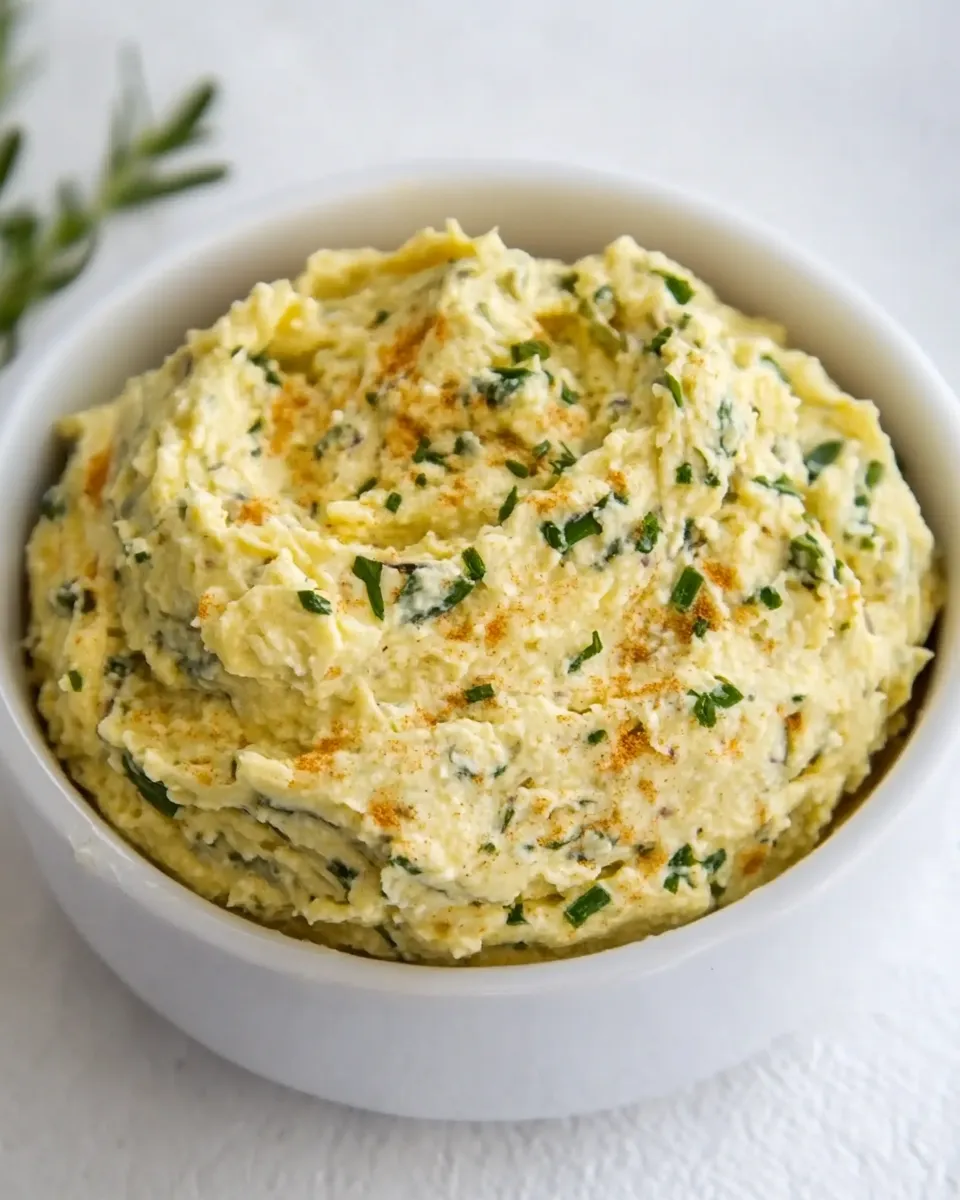
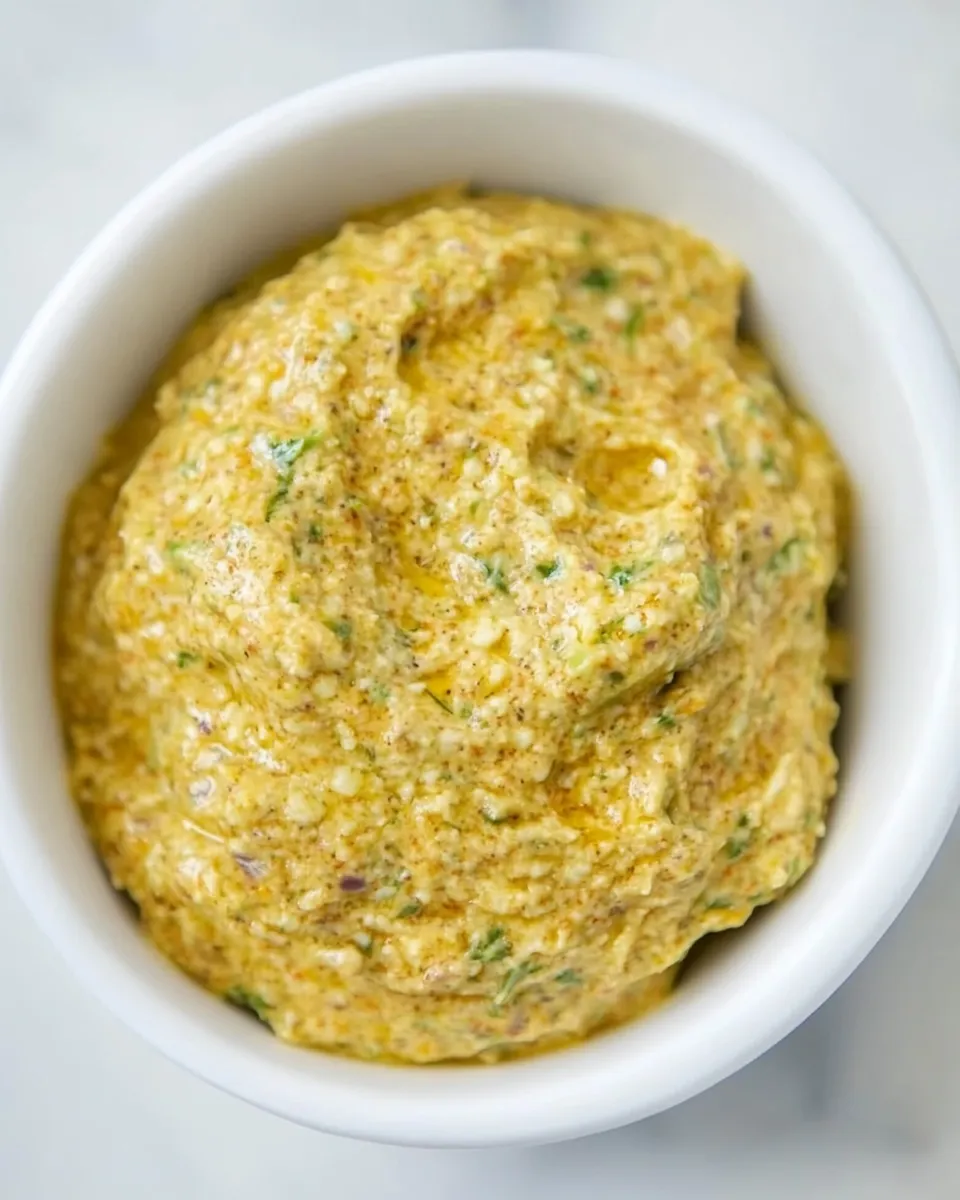
This compound butter brightens everything it touches: toast, grilled fish, roasted vegetables, or a steaming pile of couscous. It’s built on a straightforward idea — aromatics and warm spices folded into butter — but executed with care so every element shines. No heavy sauces, no long hands-on time. Just a few ingredients, a food processor, and chill time.
I like to make a log of this butter and keep it in the fridge for quick finishing moves during the week. It looks impressive on a plate and pulls a meal together in seconds. The spices lend a smoky, slightly floral edge while cilantro adds a fresh lift.
Below you’ll find the exact ingredient list and step-by-step directions I use, plus troubleshooting, swaps, and storage notes so your butter comes out consistently. Read through once, then follow the short process — it’s reliable.
What’s in the Bowl
Ingredients
- 1 clove garlic — provides aromatic heat; mince finely so it blends smoothly into the butter and doesn’t leave large pieces.
- 1 teaspoon ground smoked paprika — adds smoky color and mild sweetness; balances the butter’s richness.
- 1 teaspoon ground cumin — brings warm, earthy notes that are essential to Moroccan-inspired seasoning.
- 1 teaspoon ground coriander — gives citrusy, floral undertones to lift the spice mix.
- ½ teaspoon ground fennel — offers a subtle anise-like sweetness that brightens the overall profile.
- 2 tablespoons fresh cilantro, finely chopped — the fresh herb note that cuts through the fat; chop finely for even distribution.
- ½ cup butter, salted — the base that carries all flavors; salted butter speeds seasoning but taste and adjust if needed.
From Start to Finish: Moroccan Spice Butter
- Put 1 clove garlic, 1 teaspoon ground smoked paprika, 1 teaspoon ground cumin, 1 teaspoon ground coriander, ½ teaspoon ground fennel and 2 tablespoons finely chopped fresh cilantro into a food processor.
- Pulse in short bursts until the garlic and cilantro are finely minced and the spices are evenly distributed, stopping once or twice to scrape down the sides with a spatula.
- Cut ½ cup salted butter into chunks and add them to the food processor.
- Pulse in short bursts, scraping down the sides as needed, until the butter and spice mixture are well combined and smooth.
- Lay a large sheet of cling film on the work surface. Spoon the butter mixture onto the long edge of the cling film in a rough log occupying the center third of the film.
- Roll the cling film tightly around the butter to form a compact log, twist or tie the ends to seal, and refrigerate the wrapped log until firm.
Why It Works Every Time
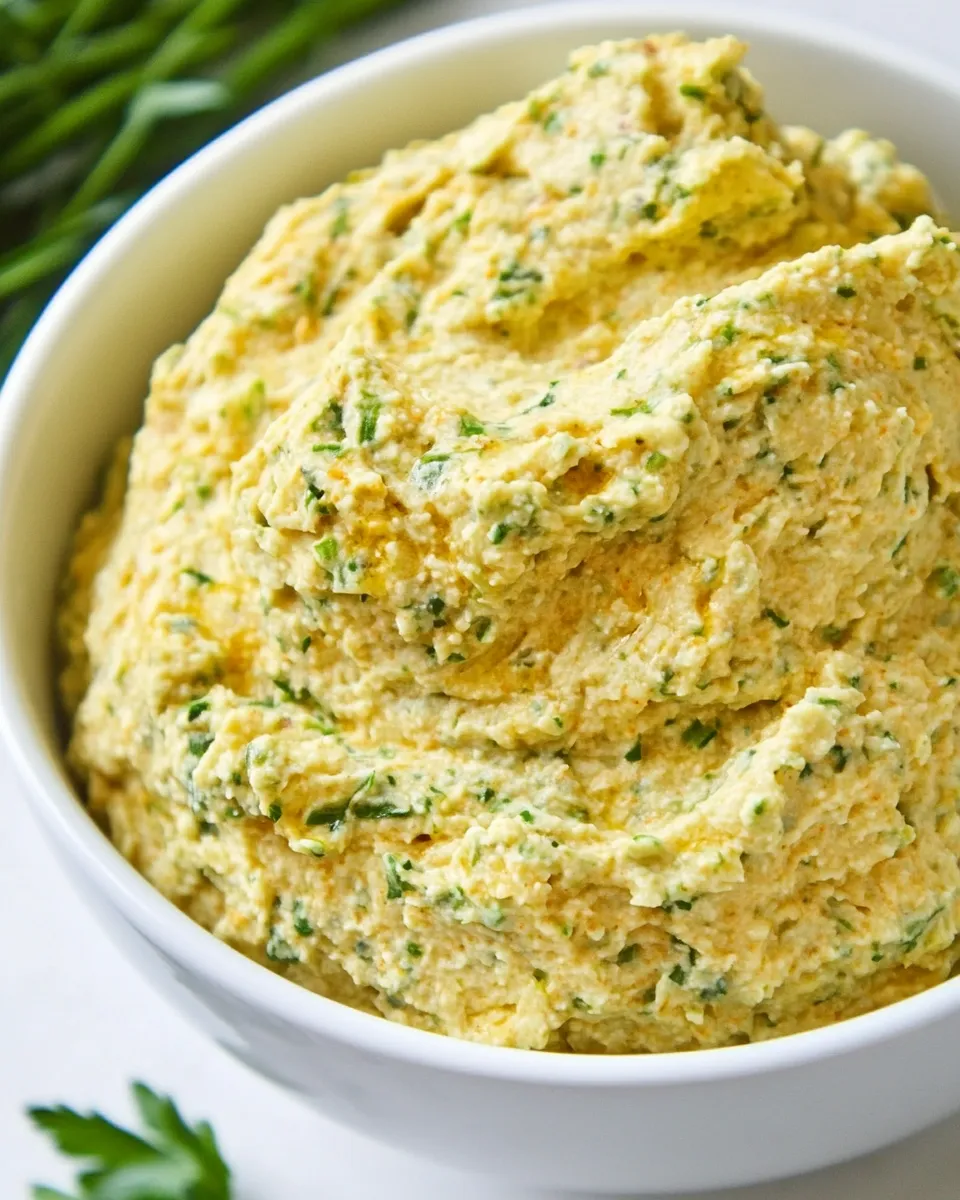
Compound butter is a lesson in balance. The butter provides a uniformly soft, fatty medium that carries aromatics and spices. Finely mincing the garlic and cilantro, and pulsing the spices first, prevents any single element from dominating. Smoked paprika and cumin give depth and a roasted note, while coriander and fennel introduce bright, slightly floral contrasts. Salted butter simplifies seasoning and makes the final product ready to use right off the fridge.
Using a food processor matters for texture. It creates a smooth emulsion quickly without overheating the butter. Short pulses protect the structure of the butter so it stays spreadable and forms a clean log when wrapped. Chilling the finished roll solidifies the butter for neat slicing and controlled melting later.
Budget & Availability Swaps
If one spice is missing, you can still make a great butter by leaning into the flavors you have. Smoked paprika and cumin are the heavy hitters; if you only have one, use it and increase the fresh herb slightly. Ground coriander and fennel are subtle, so omitting them won’t break the butter — just expect a slightly different flavor profile.
Fresh cilantro is important for that bright, herbaceous note. If cilantro is unavailable, parsley will keep a fresh green edge but shift the profile away from Moroccan toward more general Mediterranean flavors. For the butter itself: salted butter is used here for convenience. If you only have unsalted, add a pinch of fine salt (start with 1/8 teaspoon) after tasting.
Toolbox for This Recipe
Keep this minimal. You need tools that get you consistent texture and neat presentation.
- Food processor — best for chopping and emulsifying quickly.
- Spatula — for scraping the sides and moving the mixture cleanly onto the cling film.
- Cling film (plastic wrap) — to form a tight butter log for storage and slicing.
- Measuring spoons and cup — measure spices and butter accurately to maintain balance.
- Knife or bench scraper — to portion the chilled log into discs for serving.
Common Errors (and Fixes)
Here are mistakes I see often and how to avoid them.
- Over-processing the butter — If you run the processor continuously, the butter can get too soft or even start to melt. Fix: use short pulses and chill the bowl briefly if needed.
- Large bits of garlic or cilantro — These create uneven texture and strong bursts of flavor. Fix: pulse until very finely minced and scrape down the sides to ensure even distribution.
- Too soft to slice — Happens if the butter hasn’t chilled enough. Fix: wrap tightly and refrigerate for at least 1 hour (longer for firmer slices), or pop in the freezer for 10–15 minutes.
- Underseasoned final product — Using unsalted butter without adjusting salt leads to bland butter. Fix: taste a small amount after mixing and add a pinch of salt if needed, then reblend briefly.
Dietary Swaps & Alternatives
This recipe centers on dairy butter. If you need non-dairy options, use a firm plant-based spread that behaves similarly when chilled; choose one with a neutral or slightly rich flavor. Note that plant-based spreads vary in salt and water content, so texture and melting behavior may differ.
For reduced-sodium needs, start with unsalted butter and add a controlled, small amount of salt, tasting as you go. If cilantro is a problem (some people dislike its flavor), sub in flat-leaf parsley for a herbaceous note without changing the overall technique.
Behind the Recipe
Compound butters are an old kitchen trick — a seasoned, fatty medium that finishes dishes with speed and polish. This particular take borrows from North African spice profiles: smoked paprika for warmth and color, cumin for earthiness, coriander for citrusy lift, and fennel for a whisper of sweet anisic floral. Cilantro ties it to Moroccan and Maghrebi flavors without overpowering.
I first started making this when I wanted a quick, fragrant topping for roasted carrots and pan-seared fish. The first batch was nearly gone by dinner: a sticky smear on bread, a melting coin on hot vegetables. It’s one of those small homemade touches that makes a weeknight meal feel deliberate.
How to Store & Reheat
Store the wrapped butter log in the refrigerator for up to 2 weeks; for longer storage, freeze it for up to 3 months. If freezing, double-wrap the log (first in cling film, then in foil or a freezer bag) to prevent freezer odors.
To use from the fridge, slice into 1/4-inch rounds and add directly to hot foods: a steak, warm grains, steamed vegetables, or a bowl of soup. For frozen logs, transfer to the refrigerator to thaw overnight, or slice frozen and let the rounds sit at room temperature for a few minutes before melting on hot food.
Handy Q&A
Q: Can I make this without a food processor?
A: Yes, but it will take more effort. Finely mince the garlic and cilantro by hand, mix the spices thoroughly, then use a fork to work softened butter and the seasoning together until uniform. The texture will be less smooth but still delicious.
Q: Is smoked paprika necessary?
A: It’s a key contributor to the butter’s smoky-sweet character. If you don’t have smoked paprika, a regular sweet paprika or a touch of mild chili powder will work, but the finished flavor will be less smoky.
Q: How do I adjust heat level?
A: This recipe is not spicy hot; it leans toward warmth and smoke. If you want heat, add a pinch of cayenne or a small amount of chili flake to taste during the initial spice pulse.
Q: Will the garlic be raw and sharp?
A: Raw garlic is present but finely minced and dispersed in the butter, which tames its sharpness. If you prefer a softer garlic flavor, quickly blanch the clove in boiling water for 10–15 seconds, then cool and use as directed.
Final Bite
Moroccan Spice Butter is a small, easy upgrade that delivers big flavor. It comes together in minutes, stores well, and performs like a finishing chef in your fridge. Use it to elevate weeknight dinners, to gild a simple bowl of vegetables, or to make crusty bread feel celebratory. Make a log, slice it cold, let it melt on hot food, and enjoy the lift it gives to everyday meals.
Keep a jar or two on hand. You’ll find countless places to use it, and you’ll be surprised how often a simple pat of compound butter turns a good meal into a memorable one.
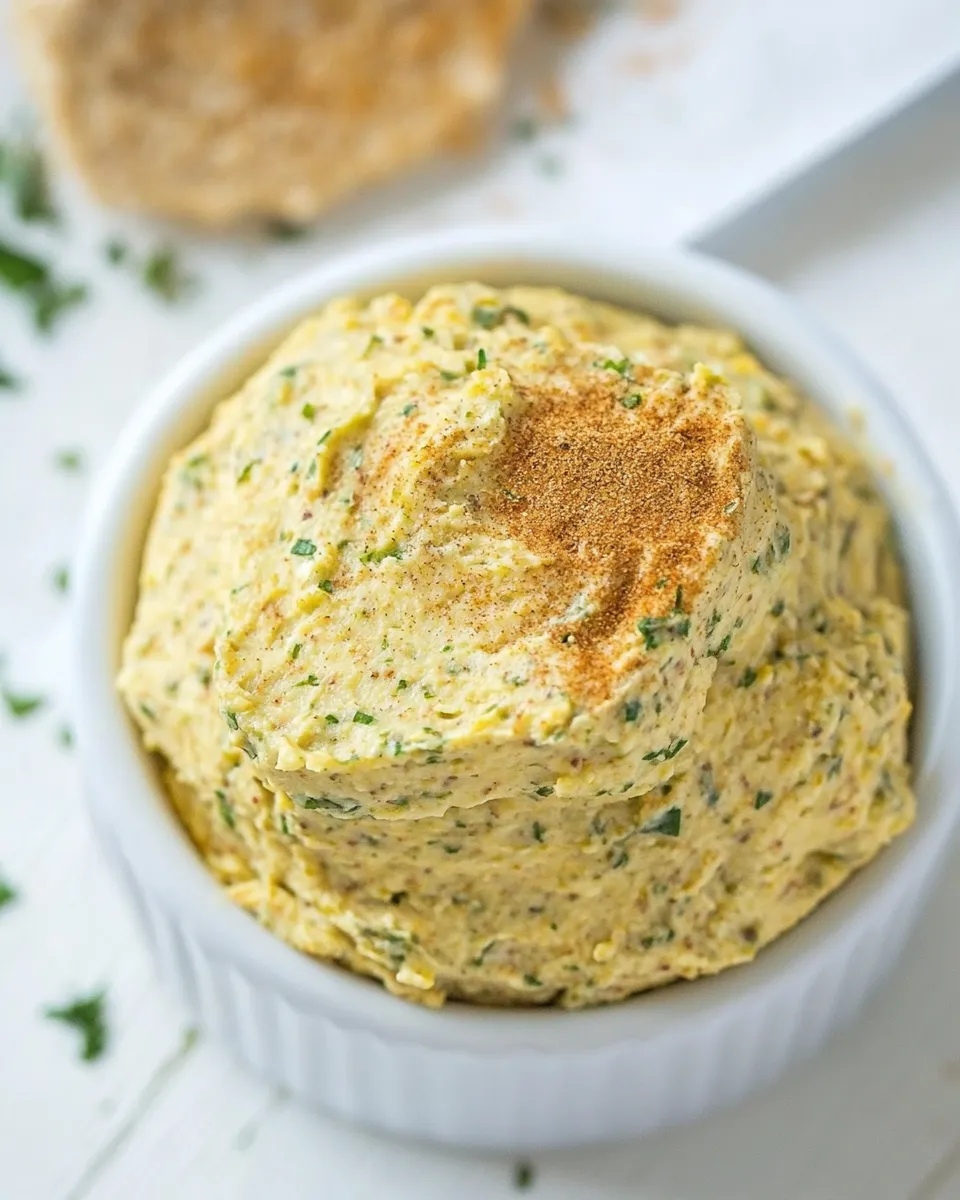
Moroccan Spice Butter
Equipment
- Food Processor
- Spatula
- cling film
Ingredients
Ingredients
- 1 clovegarlic
- 1 teaspoonground smoked paprika
- 1 teaspoonground cumin
- 1 teaspoonground coriander
- 1/2 teaspoonground fennel
- 2 tablespoonfresh cilantrofinely chopped
- 1/2 cupbuttersalted
Instructions
Instructions
- Put 1 clove garlic, 1 teaspoon ground smoked paprika, 1 teaspoon ground cumin, 1 teaspoon ground coriander, ½ teaspoon ground fennel and 2 tablespoons finely chopped fresh cilantro into a food processor.
- Pulse in short bursts until the garlic and cilantro are finely minced and the spices are evenly distributed, stopping once or twice to scrape down the sides with a spatula.
- Cut ½ cup salted butter into chunks and add them to the food processor.
- Pulse in short bursts, scraping down the sides as needed, until the butter and spice mixture are well combined and smooth.
- Lay a large sheet of cling film on the work surface. Spoon the butter mixture onto the long edge of the cling film in a rough log occupying the center third of the film.
- Roll the cling film tightly around the butter to form a compact log, twist or tie the ends to seal, and refrigerate the wrapped log until firm.