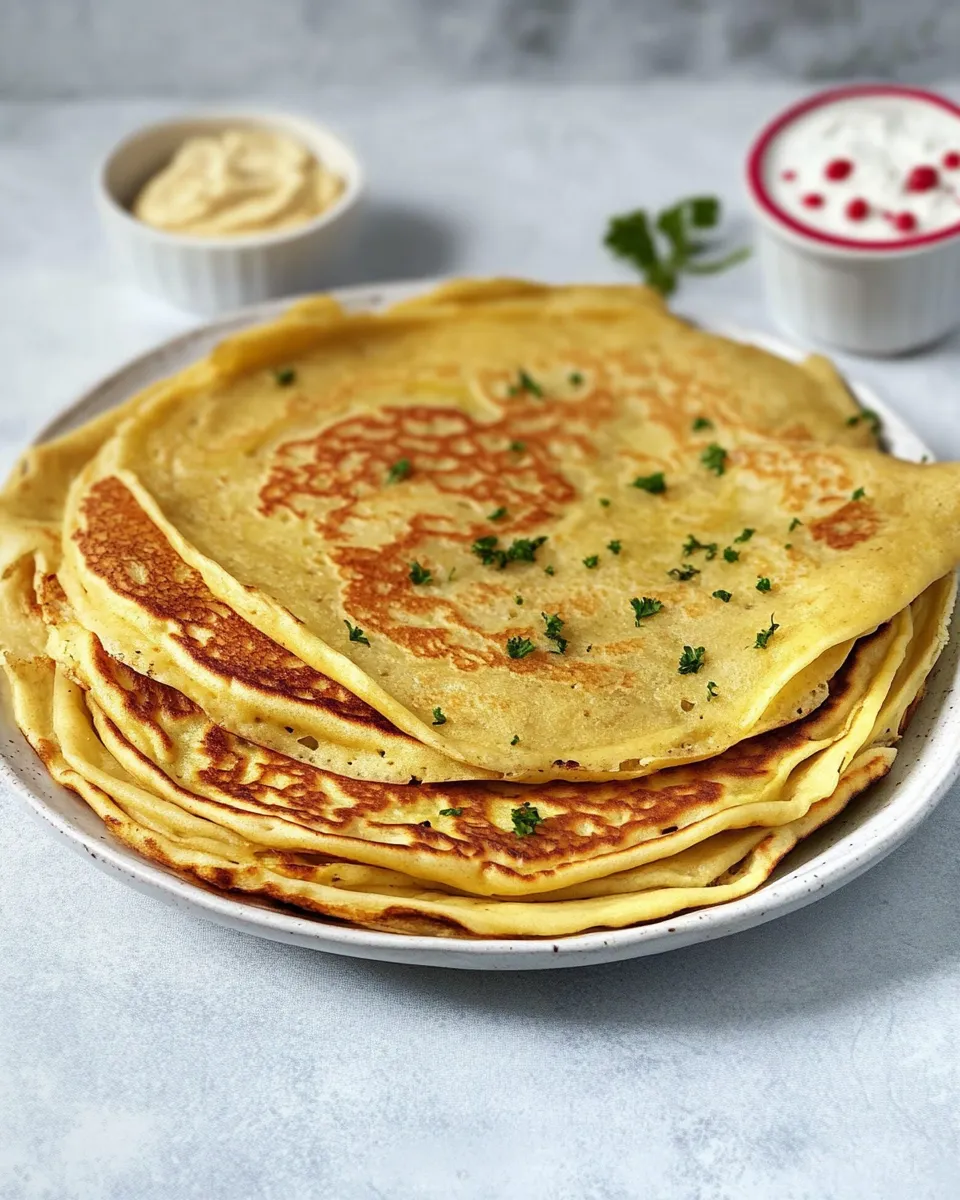
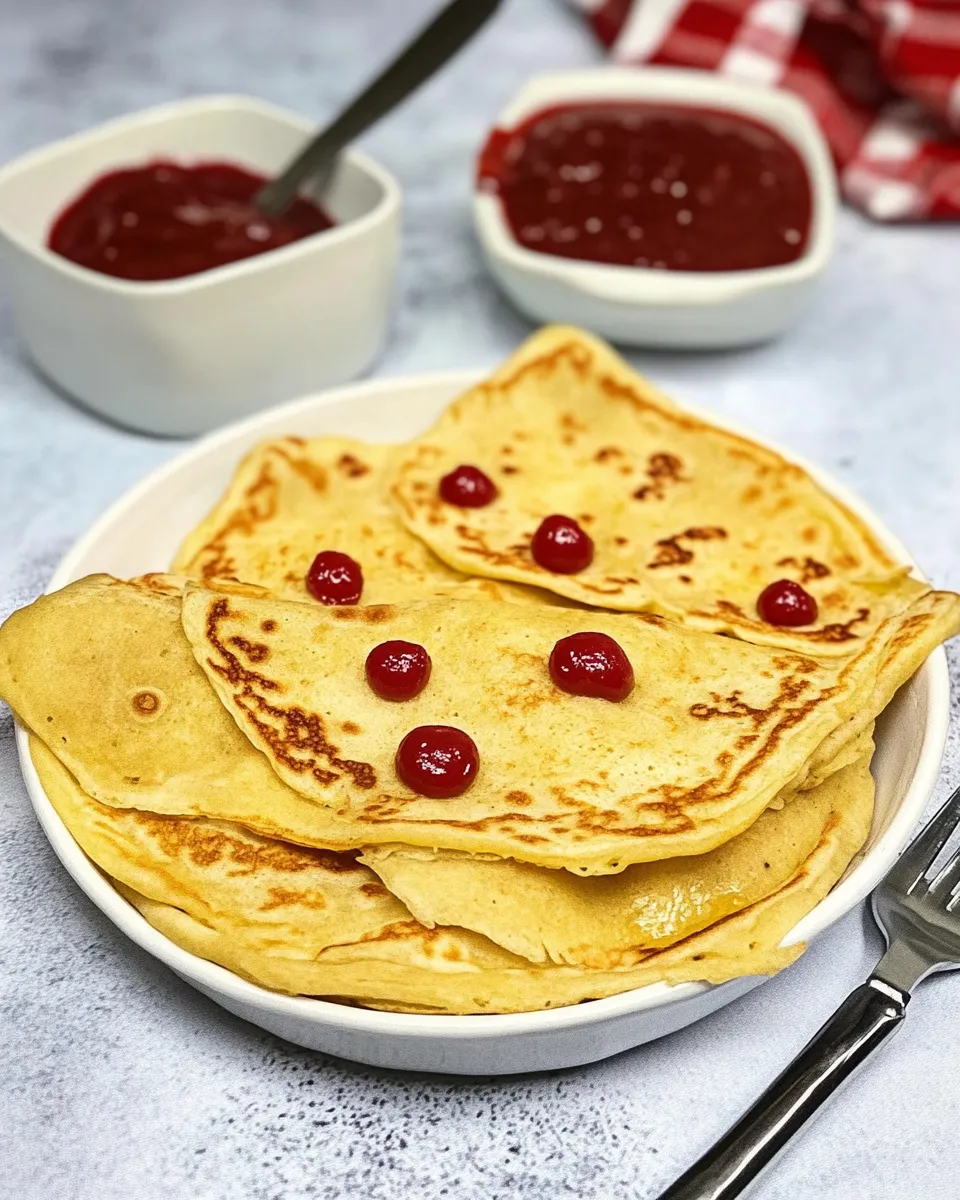
Msemen are layered, pan-fried pancakes from Morocco. They come out with a crisp exterior and tender, slightly chewy layers inside. You can serve them plain, with a smear of butter and jam, or use them to scoop up savory stews; they adapt easily to sweet or savory meals.
This recipe follows a straightforward dough-and-rest method. The process uses semolina and all-purpose flour for structure, sunflower oil for working the dough, and a light pan-fry to develop golden, spotted surfaces. The technique is simple but precise: dividing, resting, stretching, folding, and cooking in short bursts.
I’ll walk you through the exact steps, the essential gear, what to watch for, and sensible swaps so you can get reliable results on your first try. No fluff—just clear, practical instructions and tips from the test kitchen.
What’s in the Bowl
Ingredients
- 400 g fine semolina — gives the pancakes a slightly grainy texture and structure; use fine semolina for a tender crumb.
- 380 g all-purpose flour — balances the semolina and forms the gluten network for elasticity.
- 380 ml water — hydrates the flours; add exactly as written and adjust by feel only if dough seems unusually dry or wet.
- 115 g melted butter — adds richness and flavor; it also helps the layers brown during cooking.
- 100 ml sunflower oil + extra for greasing — used in the dough and for working the surface to prevent sticking; keep extra on hand for the pan.
- a pinch of salt — enhances flavor; don’t skip it even if you plan to serve with sweet jam.
- butter — for serving if you like a richer finish; optional but traditional.
- jam of your choice — a sweet counterpoint when serving; pick a jam with clean fruit flavor.
Make Msemen: A Simple Method
- In a stand mixer fitted with the dough hook, combine 400 g fine semolina, 380 g all-purpose flour, a pinch of salt, 115 g melted butter, 100 ml sunflower oil, and 380 ml water. Mix on medium speed until a smooth, elastic dough forms.
- Cover the bowl with plastic wrap and let the dough rest for 15 minutes.
- Lightly grease a work surface with sunflower oil (reserve extra sunflower oil for greasing as needed). Turn the dough out onto the greased surface.
- Divide the dough into 8 equal portions. Grease your hands with sunflower oil to prevent sticking.
- Working with one portion at a time, flatten the dough into a thin circle about 20 cm (8 inches) in diameter.
- Fold each circle like an envelope (bring the edges toward the center to form a square). Place each folded square on a baking tray lined with parchment paper.
- Cover the tray with plastic wrap and let the squares rest for another 15 minutes.
- Lightly grease the work surface and your hands again. Take one square and gently stretch it into a thin rectangle about 20 × 15 cm (8 × 6 inches). Repeat just before cooking each piece.
- Heat a nonstick pan over medium heat and lightly grease it with sunflower oil if needed. Cook each stretched pancake 1–2 minutes per side, or until golden brown with darker spots. Add a little sunflower oil between batches if the pan becomes dry.
- Serve the cooked Moroccan pancakes warm with butter and jam of your choice.
Why You’ll Love This Recipe
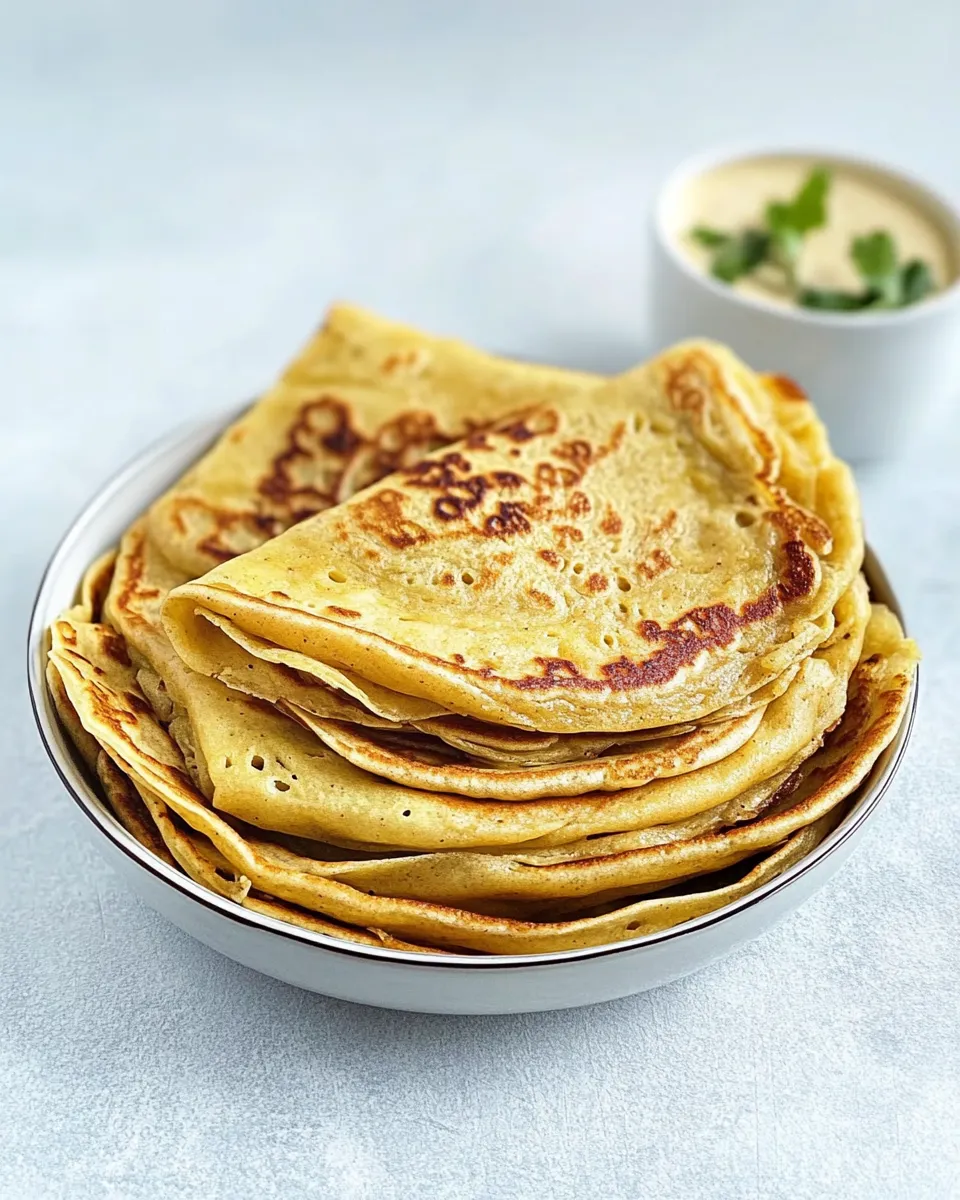
Msemen rewards a little effort with big flavor. The combination of semolina and all-purpose flour produces that classic layered interior—soft but with tooth—and the pan-fry creates an irresistible golden, slightly crisp exterior. Each pancake is thin enough to fold or roll, but sturdy enough to hold a spread or a bite of savory topping.
It’s versatile. Serve msemen at breakfast with butter and jam, alongside mint tea for an authentic touch, or use them as a bread substitute with tagines and stews. The dough is forgiving: short rests and light handling keep the process quick, and the results scale well when you need to make a batch for a crowd.
Vegan & Vegetarian Swaps
Vegetarian: this recipe already fits a vegetarian diet—no changes needed if you keep the butter for serving.
Vegan: replace the 115 g melted butter in the dough and the serving butter by using more sunflower oil. In practice, substitute the 115 g melted butter with an equivalent amount of sunflower oil (you already have 100 ml called for, so add extra as needed) and omit the serving butter. Serve with jam or a drizzle of olive oil if you want a savory finish. These changes keep the texture close to the original because sunflower oil is already part of the dough formula.
Gear Up: What to Grab
- Stand mixer with dough hook — speeds up mixing and gives consistent elasticity, though you can mix by hand if needed.
- Plastic wrap — for covering dough during rests to prevent drying.
- Nonstick frying pan or heavy skillet — a 20–25 cm (8–10 in) pan works well for even browning.
- Baking tray and parchment paper — keeps folded squares organized and stops sticking during the second rest.
- Small bowl with sunflower oil for greasing — makes handling easier and prevents tearing when stretching the dough.
Avoid These Traps
Don’t skip the rests. The two 15-minute rests relax the gluten and make the dough stretchy and easy to thin out. If you rush, the dough will snap back and tear while stretching. Resting is short but essential.
Don’t overflour the work surface. Use sunflower oil to grease the surface instead of dusting with flour. Semolina in the dough already provides structure; adding flour while rolling changes the dough ratio and can make the pancake dry.
Watch the pan heat. Too hot and the outside chars before the inside cooks; too cool and the pancake won’t blister or get those characteristic brown spots. Medium heat gives the best balance—target a steady, moderate sizzle.
Resist flipping too often. One flip per side is enough. Constant flipping prevents even browning and can deflate the layers.
Seasonal Ingredient Swaps
Keep the base ingredients the same—semolina and flour are the foundation. For serving, change the jam according to season: late-summer stone-fruit jams (peach, apricot) feel bright and fresh; late-fall and winter jams like fig or citrus marmalade add deeper, homey notes. If you want a savory serving, choose a robust stew or a spiced olive oil dip—either pairs well with msemen’s texture.
Notes from the Test Kitchen
Texture checks
When mixed properly, the dough should be smooth and elastic, not sticky. If it clings excessively to the bowl, add a few drops of oil to your hands and rub the surface instead of adding flour. If the dough is crumbly, you likely need a touch more water—add by teaspoon until it comes together.
Stretching technique
Stretching is gentle work. After folding the circle into an envelope, let it rest so the layers set. When you stretch, work from the center outward with light pressure and small pulls. If a hole appears, tuck the edge under and continue; a tiny hole won’t ruin the final pancake once cooked.
Cooking rhythm
Cook one or two pancakes at a time so the pan stays at an even temperature. Between batches, wipe the pan if residue builds up and add a splash of sunflower oil to revive the surface. The browned spots are where flavor develops—aim for golden with darker patches, not uniform brown.
Make Ahead Like a Pro
Make the dough up to the point where you’ve folded the circles into squares and placed them on the parchment-lined tray. Cover and refrigerate for up to 24 hours. Bring the chilled squares back to room temperature for 30–45 minutes before stretching and cooking. This short warm-up makes stretching easy again.
Fully cooked msemen keep well in the refrigerator for 2–3 days. Reheat in a dry skillet over low-medium heat for 30–60 seconds per side to restore crispness. Avoid microwaving if you want to preserve texture; it makes them gummy.
FAQ
- Can I make the dough by hand? — Yes. Knead until smooth and elastic; it will take longer than a mixer but works fine.
- Can I freeze uncooked squares? — You can freeze them on a tray, then transfer to a bag. Thaw in the refrigerator overnight and let come to room temperature before stretching and cooking.
- Why did my msemen tear when stretching? — Likely the dough wasn’t rested enough or it was too dry. Give it another 10–15 minutes and grease the surface liberally with oil while working.
- How do I get the perfect brown spots? — Use medium heat and a well-seasoned or nonstick pan. A steady sizzle and minimal flipping produce the best spots.
- Can I make these gluten-free? — This recipe relies on gluten for elasticity, so a simple swap won’t yield the same layers. You’d need a specially developed gluten-free formula.
Time to Try It
Follow the steps, respect the rests, and don’t rush the stretching—those small pauses are the difference between a dense flatbread and a layered, golden msemen. Start with the full recipe as written so you learn how the dough behaves, then experiment with serving options once you’ve mastered the technique. Make a batch, pour a pot of mint tea, and enjoy the reward: warm, flaky pancakes that taste like a tiny trip to Morocco.
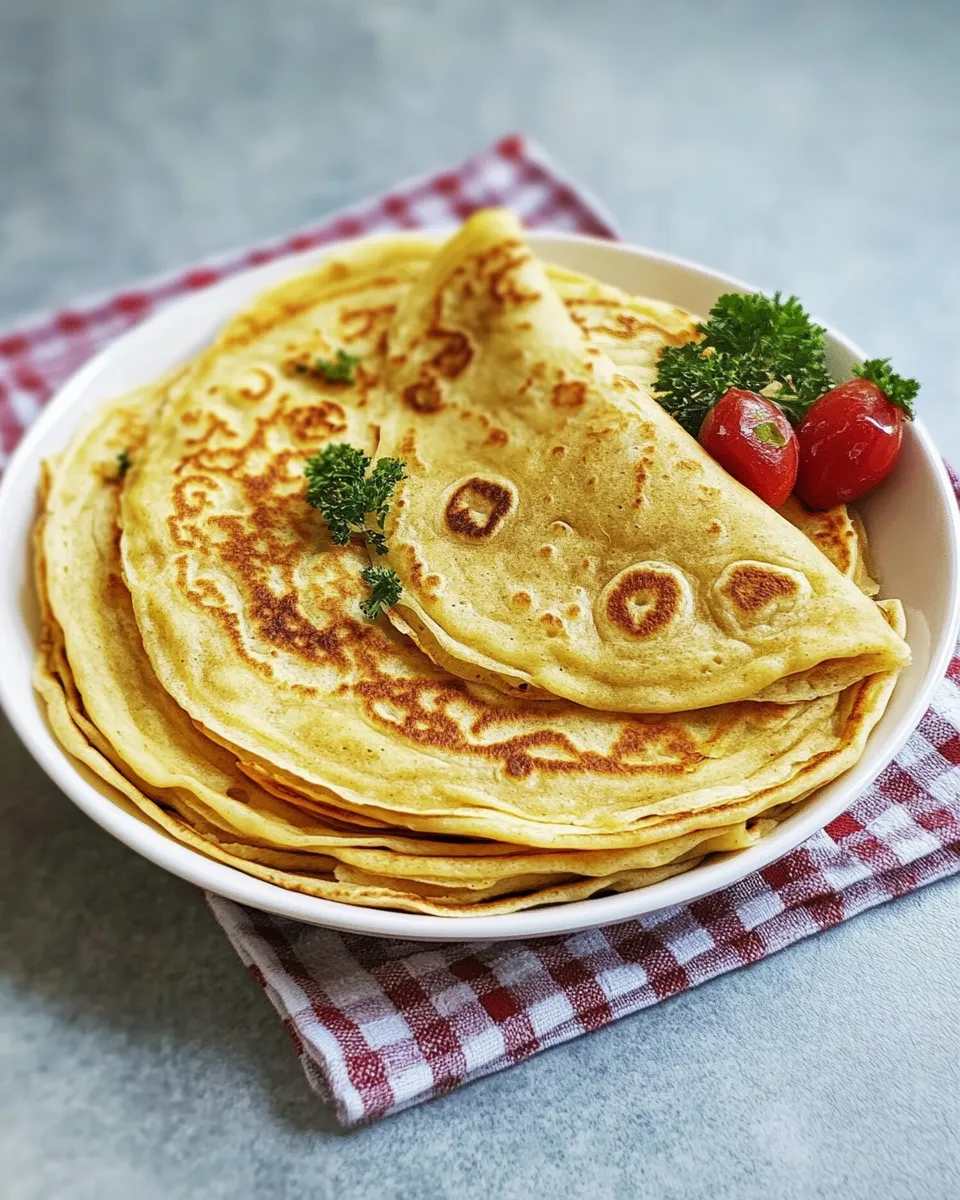
Msemen: Moroccan Pancakes
Equipment
- Stand mixer
- dough hook
- Plastic Wrap
- work surface
- nonstick pan
- Baking tray
- Parchment Paper
Ingredients
Ingredients
- 400 gfine semolina
- 380 gall-purpose flour
- 380 mlwater
- 115 gmelted butter
- 100 mlsunflower oil+ extra for greasing
- a pinch ofsalt
- butter
- jam of your choice
Instructions
Instructions
- In a stand mixer fitted with the dough hook, combine 400 g fine semolina, 380 g all-purpose flour, a pinch of salt, 115 g melted butter, 100 ml sunflower oil, and 380 ml water. Mix on medium speed until a smooth, elastic dough forms.
- Cover the bowl with plastic wrap and let the dough rest for 15 minutes.
- Lightly grease a work surface with sunflower oil (reserve extra sunflower oil for greasing as needed). Turn the dough out onto the greased surface.
- Divide the dough into 8 equal portions. Grease your hands with sunflower oil to prevent sticking.
- Working with one portion at a time, flatten the dough into a thin circle about 20 cm (8 inches) in diameter.
- Fold each circle like an envelope (bring the edges toward the center to form a square). Place each folded square on a baking tray lined with parchment paper.
- Cover the tray with plastic wrap and let the squares rest for another 15 minutes.
- Lightly grease the work surface and your hands again. Take one square and gently stretch it into a thin rectangle about 20 × 15 cm (8 × 6 inches). Repeat just before cooking each piece.
- Heat a nonstick pan over medium heat and lightly grease it with sunflower oil if needed. Cook each stretched pancake 1–2 minutes per side, or until golden brown with darker spots. Add a little sunflower oil between batches if the pan becomes dry.
- Serve the cooked Moroccan pancakes warm with butter and jam of your choice.
Notes
Chef’s tip:
These versatile pancakes, also known as
Msemen
, can be filled with cheese for a savory version or enjoyed sweet with honey or jam. Make extra—they reheat beautifully!