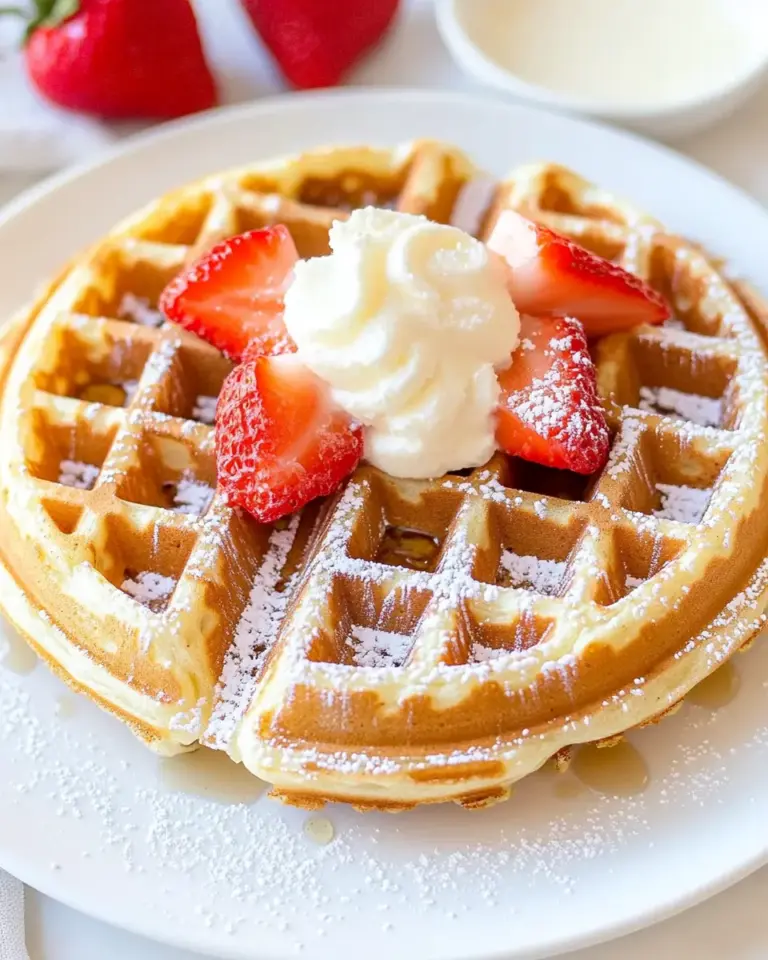
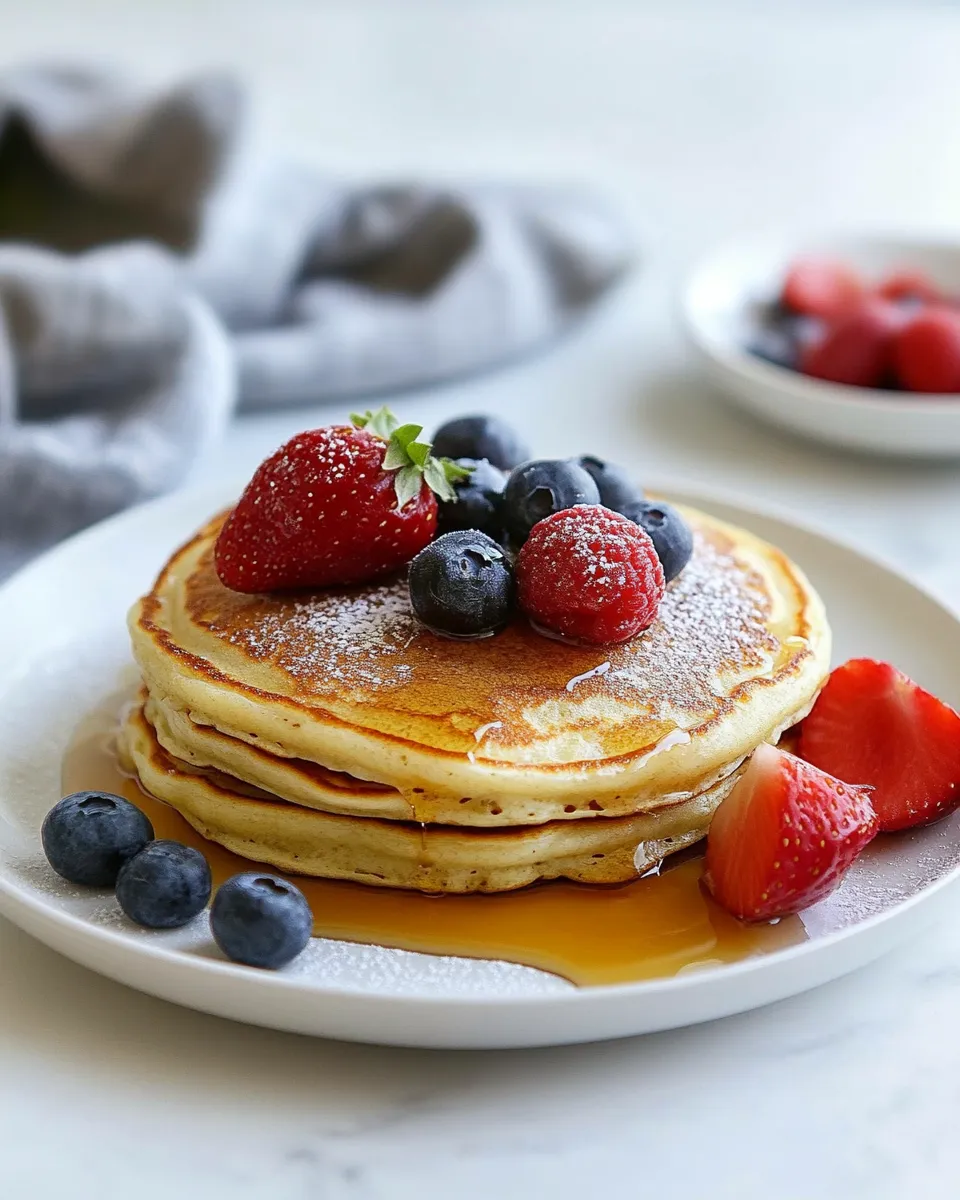
These Olive Oil Pancakes are the kind of breakfast that feels elevated without fuss. They’re tender, lightly lemony, and use extra virgin olive oil instead of butter for a cleaner, fruitier background flavor. The crumb stays soft, and the olive oil keeps the pancakes moist from the first bite to the last.
I love this recipe for weekday mornings and slow weekend brunches alike. The batter comes together quickly, and the technique is forgiving: a little lump here and there is fine, and the cooking window is broad enough to avoid panic. If you like pancakes with subtle complexity—bright lemon, a hint of vanilla, and olive oil instead of neutral fat—this one will be easy to make regularly.
Below I’ll walk you through what to buy, the exact method, helpful gear, common pitfalls and how to avoid them, storage tips, and a few variations for warm and cool weather. Practical, actionable guidance—no fluff—so you can get good pancakes on the plate with confidence.
What to Buy
Focus on a few quality basics. You don’t need a long ingredient list, but the ingredients you do choose make a noticeable difference. For olive oil pancakes, prioritize a fruity extra virgin olive oil you enjoy straight up—its aroma comes through. Use fresh baking powder and baking soda for reliable lift, and a good-quality buttermilk or a well-made substitute for tang and tenderness.
If you don’t bake often, buy a small container of buttermilk or make a quick buttermilk by adding a tablespoon of lemon juice or vinegar to milk and letting it sit for 10 minutes. Fresh lemons for zest are worth it; the oils in the zest are what brighten the batter.
Ingredients
- 1 ¼cup/156gall-purpose flour,sifted — the structural base; sifting removes lumps and aerates the flour for lighter pancakes.
- 2tablespoons/24gsugar — a touch of sweetness that balances the lemon and enhances browning.
- 1 ½teaspoonsbaking powder — primary leavening for lift and tenderness.
- ½teaspoonbaking soda — reacts with the buttermilk for extra rise and a tender crumb.
- ½teaspoonfine sea salt — sharpens flavor and balances sweetness.
- 1large egg — binds and provides structure; also helps with browning and richness.
- 1cup/250gbuttermilk — acidity for lift, plus moisture and tang; key to soft texture.
- 3tablespoons/42gextra virgin olive oil — fat for tenderness and flavor; choose a fruity, balanced EVOO.
- 1teaspoonfinely grated lemon zest — brightens the batter; zest, not juice, for aromatic lift.
- ½teaspoonvanilla extract — rounds the flavor and complements the lemon and olive oil.
The Method for Olive Oil Pancakes
- In a mixing bowl whisk together 1 1/4 cup (156 g) sifted all-purpose flour, 2 tablespoons (24 g) sugar, 1 1/2 teaspoons baking powder, 1/2 teaspoon baking soda, and 1/2 teaspoon fine sea salt until evenly combined.
- In a separate small bowl or 2-cup measuring cup whisk 1 cup (250 g) buttermilk, 1 large egg, 3 tablespoons (42 g) extra virgin olive oil, 1 teaspoon finely grated lemon zest, and 1/2 teaspoon vanilla extract until smooth.
- Pour the wet mixture into the dry ingredients and whisk gently just until the batter is combined. It should be a little lumpy but without large dry pockets of flour—do not overmix.
- Heat a nonstick skillet or griddle over medium heat until fully hot (about 3–5 minutes). If you prefer, test by sprinkling a few drops of water— they should sizzle.
- If the pan needs it, lightly rub a small amount of extra virgin olive oil on the surface with a paper towel to prevent sticking.
- Using about 3 tablespoons of batter per pancake (or a large cookie scoop), drop batter onto the hot skillet, leaving space between each pancake so they don’t touch. If needed, use the back of the scoop to gently shape each into roughly 4-inch rounds.
- Cook the pancakes 2 to 3 minutes on the first side, until the bottoms are deep golden brown, bubbles appear on the surface, and the edges begin to set.
- Flip each pancake and cook another 1 to 2 minutes, until the second side is golden and the centers are cooked through. Reduce the heat if the pancakes are browning too quickly.
- Transfer cooked pancakes to serving plates or place them on a baking sheet in a 200°F oven to keep warm while you finish the rest.
- Serve the pancakes warm.
Why It’s My Go-To
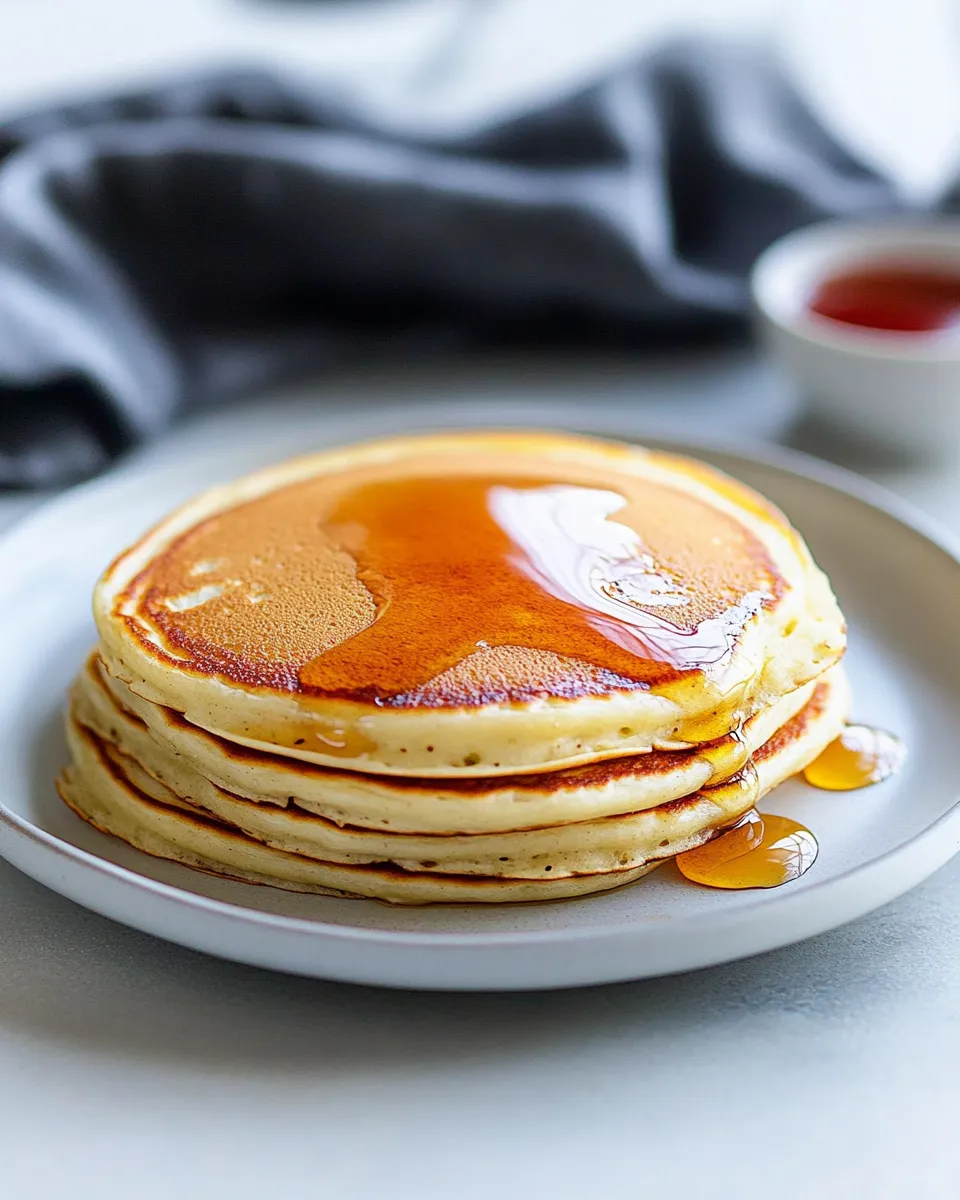
This recipe is reliable and flexible. The combination of buttermilk and baking soda gives a nice lift without an overly cakey texture. Swapping butter for olive oil keeps the pancakes moist and adds a subtle fruity backbone that pairs beautifully with both sweet and savory toppings.
It’s also forgiving. The batter tolerates a gentle hand—overmixing will toughen most pancakes, but this recipe’s proportions make minor mixing errors less catastrophic. You can scale it up for guests or keep it compact for solo breakfasts. Finally, the lemon zest and vanilla contribute bright, layered flavor without complicating the process.
Vegan & Vegetarian Swaps
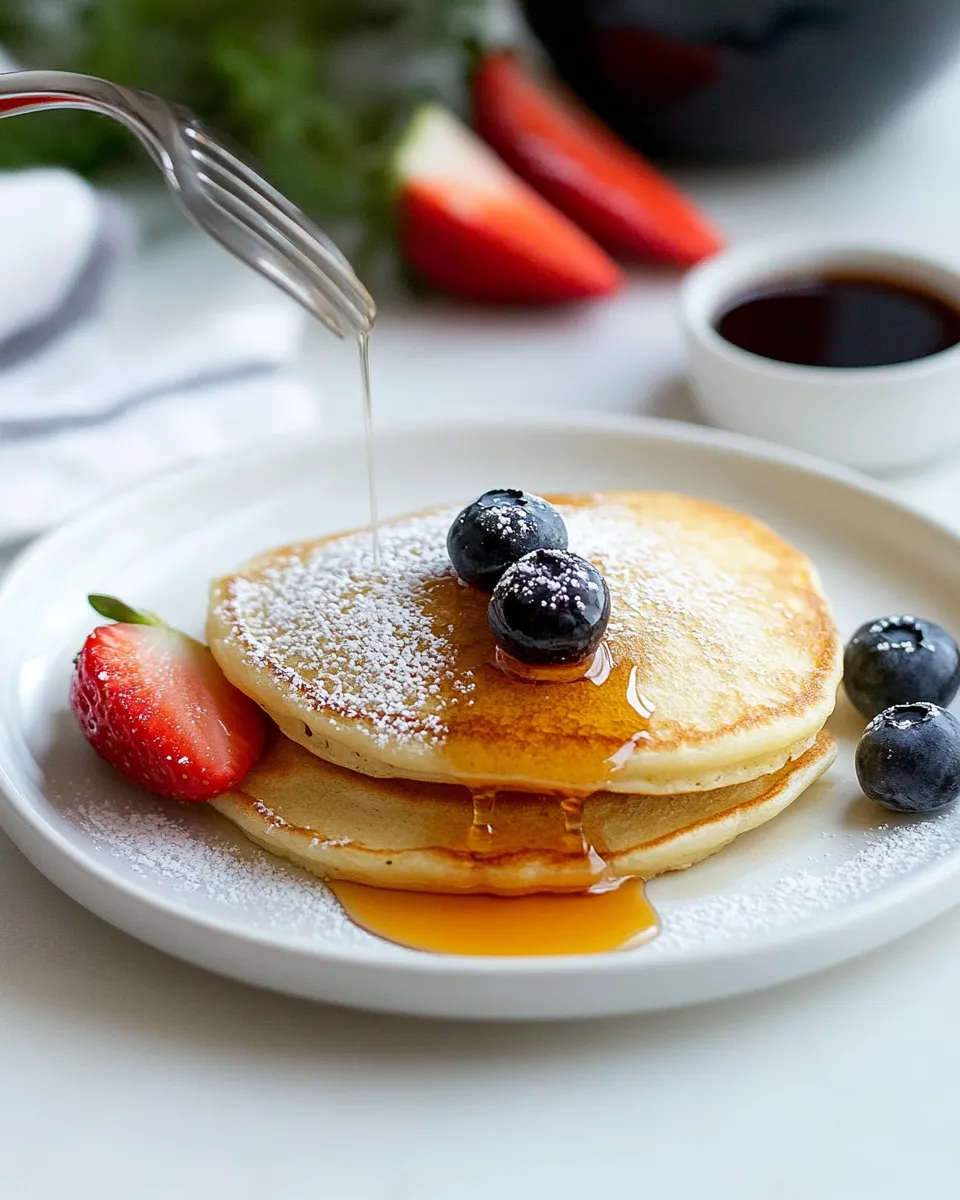
For vegetarians this recipe is already suitable—egg and dairy are in place for texture, so no swaps are necessary unless you want to change flavor. For vegans, some straightforward swaps will get you very close:
- Replace the buttermilk with a plant-based milk (oat, soy, or almond) soured with 1 tablespoon lemon juice or vinegar per cup—let sit 5–10 minutes to curdle.
- Swap the large egg with a flax or chia “egg” (1 tablespoon ground flaxseed or chia seeds + 3 tablespoons water, mixed and rested) or use a commercial egg replacer suited for baking.
- Keep the olive oil and lemon zest—the olive oil is already plant-based and gives the same tender crumb.
Note that leavening interplay can change slightly with vegan swaps; if the batter seems dense, give it a short rest to let any acids do their work before cooking.
Gear Up: What to Grab
You don’t need fancy tools, but a few things make life easier and results more consistent.
Essentials
- Nonstick skillet or griddle — a smooth, even-heating surface prevents sticking and encourages uniform browning.
- Mixing bowls — one for dry, one for wet to keep things tidy.
- Measuring cups and spoons — accurate flour measurement matters for texture.
- Spatula — a thin, flexible turner helps flip pancakes cleanly.
Nice to Have
- Large cookie scoop — quick and consistent pancake sizing.
- Zester — for finely grating lemon zest without the bitter pith.
- Instant-read thermometer — useful if you want to check griddle temperature precisely (about 350–375°F surface temp for medium heat).
Pitfalls & How to Prevent Them
Few things derail pancakes more quickly than temperature and overmixing. If the pan is too hot the pancakes will brown on the outside before cooking through; if it’s too cool they’ll spread and stay pale. Aim for steady medium heat and test early.
Overmixing is another common trap. Stir until the batter is just combined—small lumps are normal. Overworked batter yields tight, chewy pancakes. If the batter thickens too much while you cook, loosen it with a tablespoon or two of buttermilk.
Too much oil on the pan can also cause uneven browning or splatter. Wiping a thin sheen with a paper towel is better than pouring oil for each pancake. Finally, keep pancakes warm on a low oven (200°F) if you’re making multiple batches so the first ones don’t get cold and soggy.
Warm & Cool Weather Spins
Temperature affects what you’ll want on top. In warm months, bright, fresh toppings work beautifully: sliced stone fruit, a drizzle of honey, and a few torn mint leaves. The olive oil and lemon zest pair well with ripe peaches or berries.
In cooler weather, think comforting and fragrant. Warm spiced compote, browned butter (or more olive oil), walnuts, or maple syrup feel cozy and pair well with the pancakes’ citrus notes. You can also fold folded-in additions like grated apple or a few finely chopped toasted nuts into the batter for texture—add lightly so you don’t weigh the batter down.
Cook’s Commentary
I often find home cooks expect pancakes to be either fluffy clouds or thin crepes. These Olive Oil Pancakes sit in the pleasant middle: tender and slightly cake-like but still delicate. The extra virgin olive oil is the star—choose one with a balanced, fruity profile. If your oil is peppery or grassy, it will show up; this can be great if that’s what you enjoy, but for a neutral fruity presence pick a milder EVOO.
Timing is forgiving: watch for bubbles and setting edges before flipping. A confident flip at the right moment yields uniform golden disks. If you’re serving a group, stagger batched cooking and keep pancakes in a low oven, then finish with a hot pan crisp on both sides for a minute if needed before serving.
Storing, Freezing & Reheating
Store cooled pancakes in an airtight container in the refrigerator for up to 3 days. To freeze, separate layers with parchment or wax paper and place in a zip-top bag or airtight container for up to 2 months.
Reheat directly from frozen in a 350°F oven on a baking sheet for 8–12 minutes, flipping once, until heated through. For refrigerated pancakes, reheat in a skillet over low-medium heat with a tiny amount of olive oil to refresh the exterior, or microwave covered for 20–30 seconds per pancake if you’re in a hurry (texture will be softer).
Quick Q&A
- Can I use regular olive oil instead of extra virgin? — Regular olive oil will work, but extra virgin provides the best flavor. If your EVOO is very assertive, consider a milder bottle.
- Why both baking powder and baking soda? — Baking powder gives general lift; baking soda reacts with the acidity of the buttermilk to add extra lift and a tender crumb.
- Can I make the batter ahead? — You can mix the dry and wet separately and combine 10–15 minutes before cooking. Fully mixed batter can rest briefly, but long storage may reduce rise; if you must refrigerate, bring to room temperature before cooking and give a gentle stir.
- How thick should the batter be? — Spoonable but not runny—about right to hold a 4-inch round. If it’s too thick, loosen with a splash of buttermilk; if too thin, add a tablespoon or two of flour.
Final Thoughts
Olive Oil Pancakes are a simple upgrade on a breakfast classic: easy to execute, forgiving in technique, and full of flavor. They’re a great way to get comfortable using olive oil in sweet preparations and a lovely canvas for seasonal toppings. Start with good ingredients, keep your heat steady, and don’t overmix the batter—those three things will get you consistent, delicious results.
Make a small batch for a quiet morning or double it for brunch company. Either way, you’ll get warm pancakes with a subtle olive oil note, bright lemon, and enough depth to stand up to both butter and jam or savory toppings if that’s where your mood goes. Enjoy.
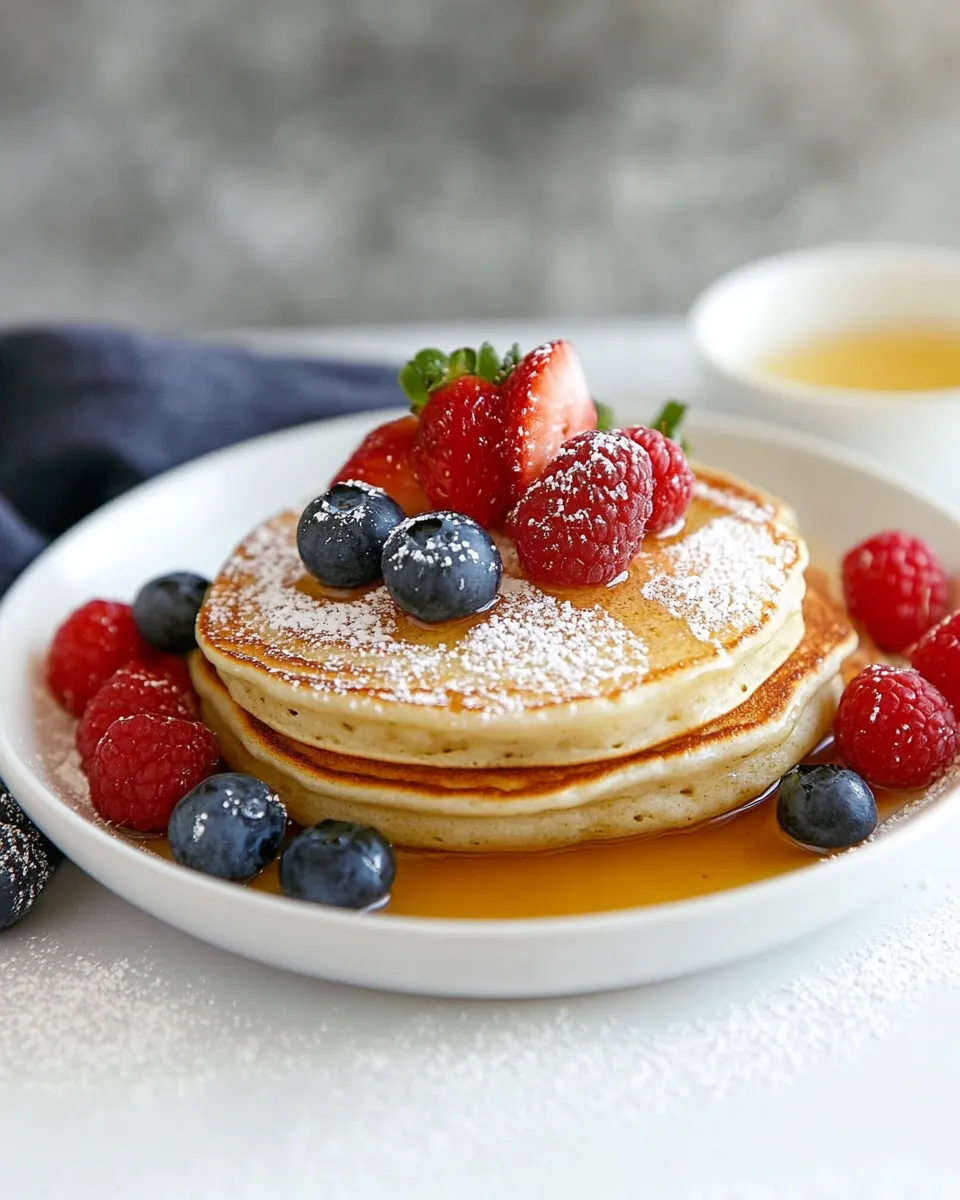
Olive Oil Pancakes
Equipment
- Mixing Bowl
- Whisk
- Skillet or griddle
- Measuring cups and spoons
- Spatula
- Paper Towel
Ingredients
Ingredients
- 1 1/4 cup/156 gall-purpose flour sifted
- 2 tablespoons/24 gsugar
- 1 1/2 teaspoonsbaking powder
- 1/2 teaspoonbaking soda
- 1/2 teaspoonfine sea salt
- 1 large egg
- 1 cup/250 gbuttermilk
- 3 tablespoons/42 gextra virgin olive oil
- 1 teaspoonfinely grated lemon zest
- 1/2 teaspoonvanilla extract
Instructions
Instructions
- In a mixing bowl whisk together 1 1/4 cup (156 g) sifted all-purpose flour, 2 tablespoons (24 g) sugar, 1 1/2 teaspoons baking powder, 1/2 teaspoon baking soda, and 1/2 teaspoon fine sea salt until evenly combined.
- In a separate small bowl or 2-cup measuring cup whisk 1 cup (250 g) buttermilk, 1 large egg, 3 tablespoons (42 g) extra virgin olive oil, 1 teaspoon finely grated lemon zest, and 1/2 teaspoon vanilla extract until smooth.
- Pour the wet mixture into the dry ingredients and whisk gently just until the batter is combined. It should be a little lumpy but without large dry pockets of flour—do not overmix.
- Heat a nonstick skillet or griddle over medium heat until fully hot (about 3–5 minutes). If you prefer, test by sprinkling a few drops of water— they should sizzle.
- If the pan needs it, lightly rub a small amount of extra virgin olive oil on the surface with a paper towel to prevent sticking.
- Using about 3 tablespoons of batter per pancake (or a large cookie scoop), drop batter onto the hot skillet, leaving space between each pancake so they don’t touch. If needed, use the back of the scoop to gently shape each into roughly 4-inch rounds.
- Cook the pancakes 2 to 3 minutes on the first side, until the bottoms are deep golden brown, bubbles appear on the surface, and the edges begin to set.
- Flip each pancake and cook another 1 to 2 minutes, until the second side is golden and the centers are cooked through. Reduce the heat if the pancakes are browning too quickly.
- Transfer cooked pancakes to serving plates or place them on a baking sheet in a 200°F oven to keep warm while you finish the rest.
- Serve the pancakes warm.