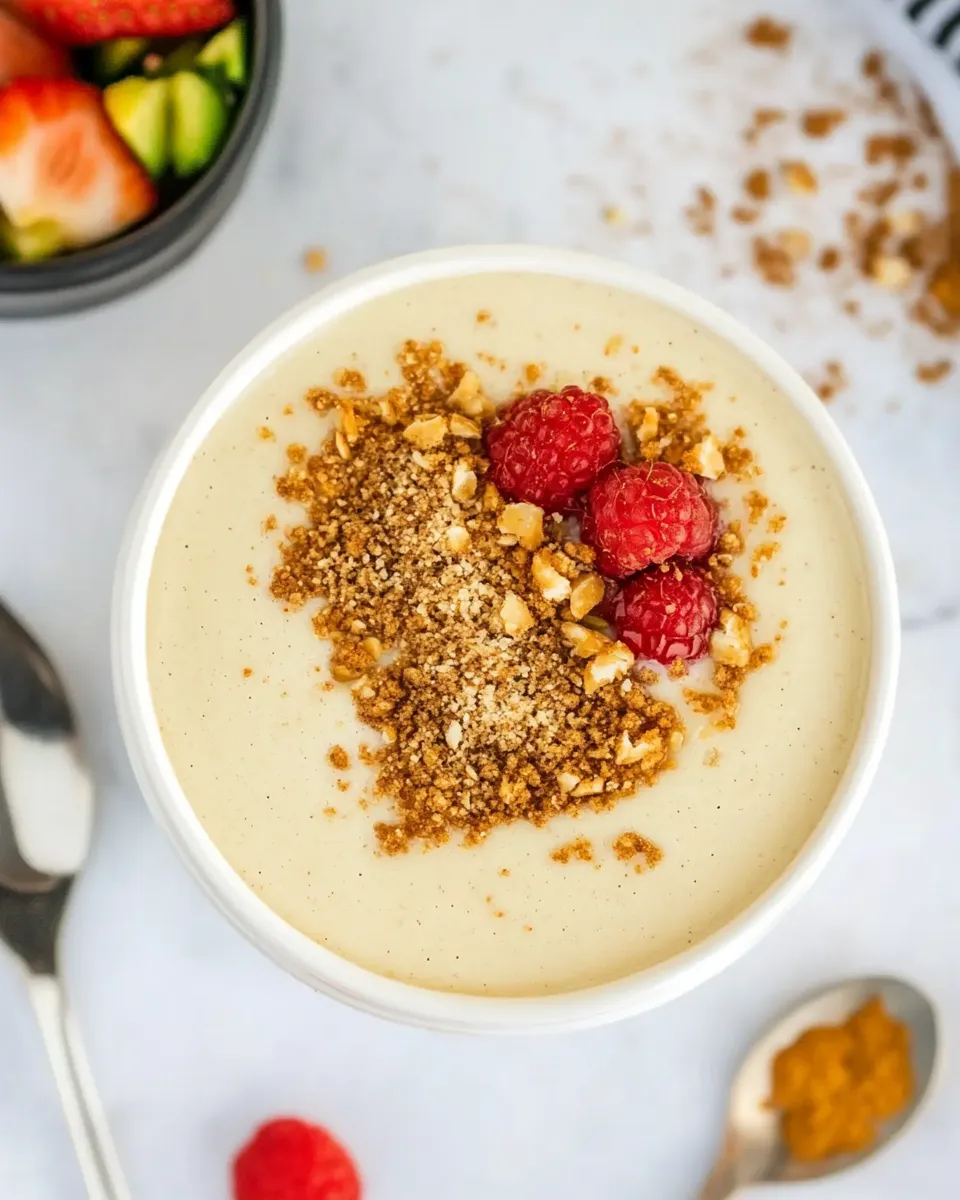
I make this pudding when I want something comforting, simple, and reliably delicious. It’s one of those recipes that feels fussy but is actually straightforward: whole canned coconut milk, an egg yolk for silkiness, tapioca for body, maple for sweetness, and vanilla to finish. The result is a creamy, custard-like pudding that’s naturally dairy-free and gentle on the palate.
There’s no complicated tempering ritual beyond a little patient whisking, and the ingredients are pantry-friendly. I love how this pudding sets up firm enough to spoon but still soft and spoon-coating—perfect for topping with fruit or a sprinkle of cinnamon. You don’t need a pastry chef’s skill to pull it off, just attention at the stove and a cool rest in the fridge.
Below I walk you through exactly what goes in, the step-by-step build, and practical tips I use every time to avoid lumps or a broken custard. If you want variations, swaps, storage guidance, or answers to the questions I get asked most often, it’s all here.
What Goes In
Ingredients
- 1(15-ounce) canfull-fat canned coconut milk — the rich base; full-fat gives a creamy texture and flavor.
- 1egg yolk — provides silkiness and helps the pudding set without gelatin.
- 2Tbsppure maple syrupsee note* — sweetens and adds depth; adjust to taste but keep it modest for balance.
- 1Tbsptapioca flour — the thickener; use tapioca for that glossy, slightly bouncy finish.
- 1tsppure vanilla extract — flavor anchor; adds warmth and rounds the sweetness.
Build Paleo Vanilla Pudding Step by Step
- Shake the can of coconut milk, then pour all (15 ounces) into a small saucepan. Heat over low heat, stirring occasionally, until any clumps dissolve and the milk is just warm (do not boil).
- In a small bowl, beat the egg yolk with a fork until smooth and slightly creamy.
- Remove about 1/4 cup of the warm coconut milk from the saucepan into a separate small bowl. Slowly whisk roughly half of this reserved milk into the egg yolk—start with a few drops and then a thin stream—to temper the yolk. Set the remaining portion of the reserved milk aside.
- Pour the tempered yolk back into the saucepan with the remaining coconut milk. Add the 2 tablespoons pure maple syrup and stir to combine.
- In the small bowl holding the remainder of the reserved milk, whisk the 1 tablespoon tapioca flour into that milk until a smooth, lump-free slurry forms.
- Place the saucepan over medium-low heat and, stirring constantly, bring the mixture to a gentle simmer. When it begins to thicken and bubble gently (about 3–5 minutes), slowly whisk in the tapioca slurry. Continue stirring and simmering for another 1–2 minutes, until the pudding reaches a thick, spoon-coating consistency.
- Remove the saucepan from the heat and stir in the 1 teaspoon pure vanilla extract.
- Immediately pour the pudding into a serving bowl or individual dishes. Press plastic wrap directly onto the surface to prevent a skin from forming, or cover tightly.
- Chill in the refrigerator at least 2 hours before serving.
Why Cooks Rave About It
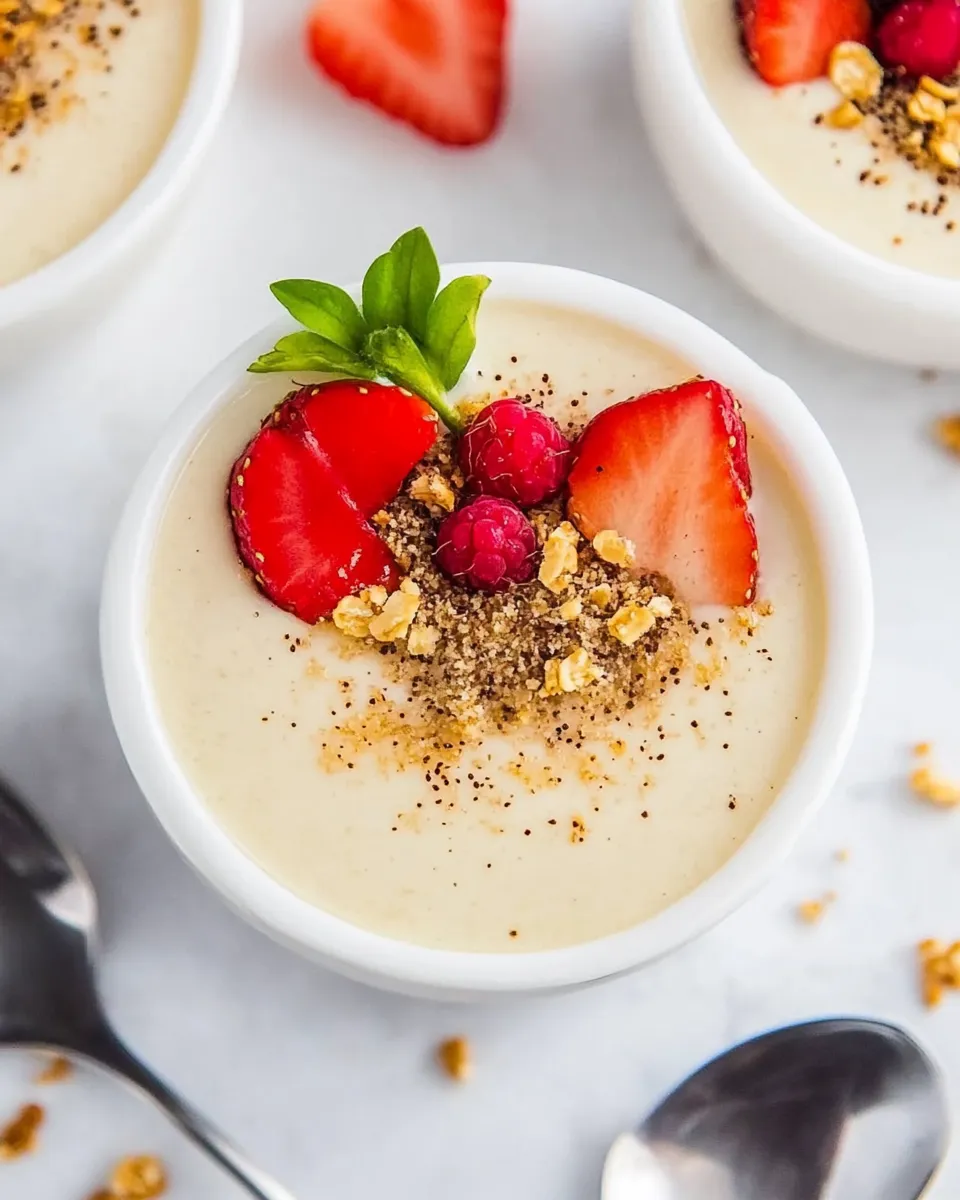
This pudding hits a few practical sweet spots. First, it uses pantry staples found in most kitchens—and the technique scales reliably. Second, the texture is smooth and velvety without dairy, which surprises people who expect coconut-based desserts to taste gritty or overly coconut-forward. The egg yolk brings a custard-like mouthfeel that reads as indulgent but is actually light and clean.
It’s also forgiving. The tempering step protects the yolk from scrambling, and the tapioca gives a gentle, glossy set that tolerates slight temperature or timing variations better than cornstarch. In short: it’s easy to get right, easy to love, and versatile enough for weekday treats or small dinner-party desserts.
Vegan & Vegetarian Swaps
Since this recipe uses an egg yolk, it’s naturally vegetarian but not vegan. If you need a vegan version, you can replace the yolk with a plant-based thickening approach, but proceed with care—tapioca alone won’t mimic the yolk’s richness. Common plant-based options include blended silken tofu or a cashew cream (pureed, strained), used in place of the yolk and portion of coconut milk. Another route is to use a small amount of arrowroot or extra tapioca combined with coconut cream, tempered slowly to avoid a gluey texture.
If you want a lighter texture but still paleo-friendly, try using light coconut milk combined with a tablespoon of collagen if you follow an ancestral protocol—this changes the mouthfeel but can give a more pudding-like set. For strictly vegan readers, I recommend testing small batches when swapping thickeners so you can dial in consistency and flavor without wasting ingredients.
What You’ll Need (Gear)
- Small saucepan — choose one with a heavy bottom for even heat and to prevent scorching.
- Small mixing bowls — two, so you can hold the tempered yolk and make the tapioca slurry separately.
- Whisk and fork — a whisk for the stovetop work; a fork to beat the yolk smooth.
- Measuring spoons and a measuring cup — accuracy matters for the texture.
- Spatula and serving bowls or ramekins — silicone spatulas help scrape every last bit without scratching.
- Plastic wrap or airtight lids — press directly onto the surface to prevent a skin.
Avoid These Mistakes
Top pitfalls and how to fix them
- Boiling the coconut milk: heat gently. Boiling can separate fats and make the texture greasy. Aim for just-warm to gentle simmer.
- Scrambling the yolk: temper carefully. Add reserved warm milk gradually into the yolk, whisking continuously, then return it to the pan.
- Adding the tapioca too early or in clumps: always make a smooth slurry in reserved liquid and add it slowly once the base is simmering.
- Over-thickening: once you hit a spoon-coating consistency, remove from heat. Tapioca continues to gel slightly as it cools.
- Letting a skin form: press plastic wrap directly onto the surface while it cools to prevent an off-putting film.
Year-Round Variations
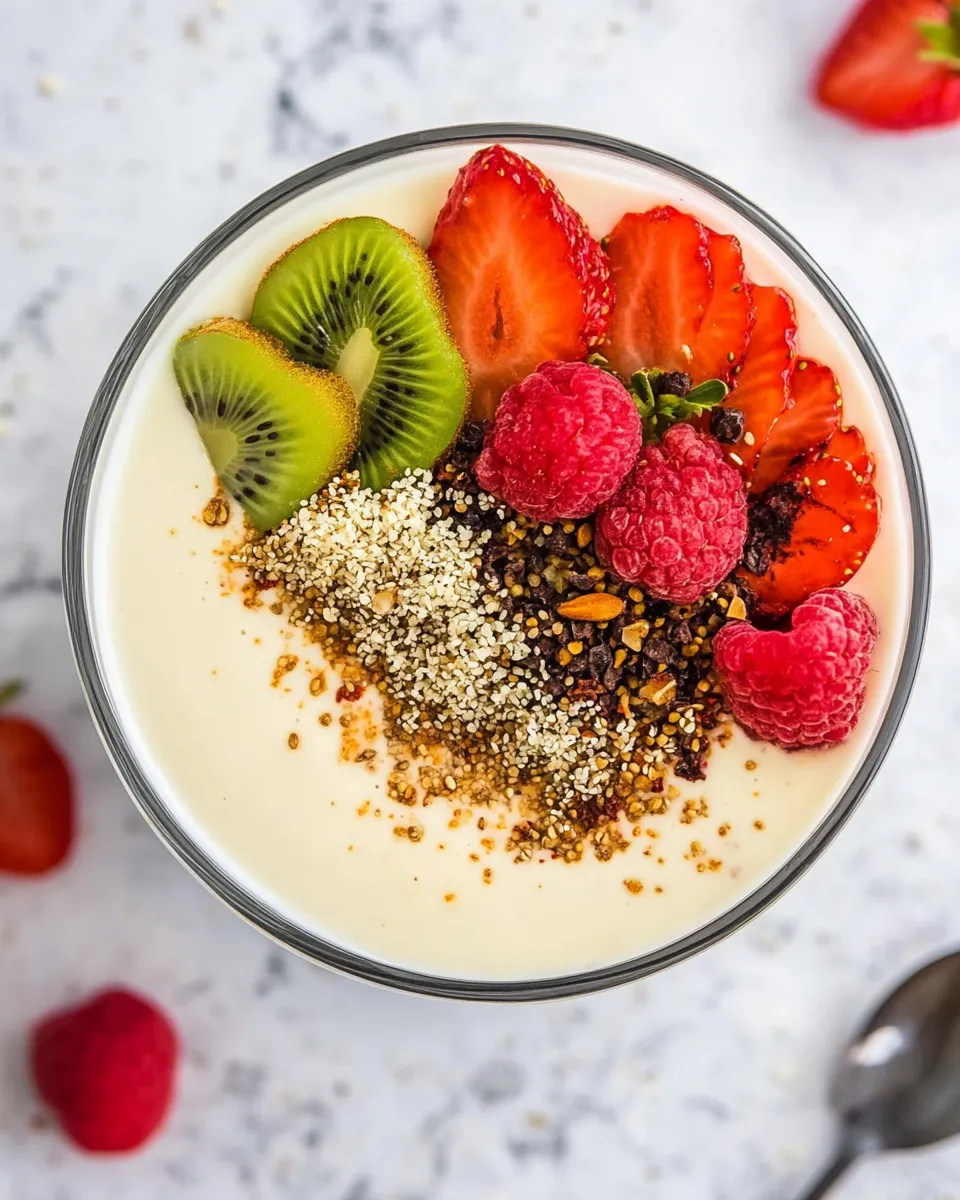
Swap toppings and accompaniments to match the season. In spring and summer, spoon the pudding over macerated berries or serve with a citrus compote for brightness. In autumn, fold in a pinch of ground cinnamon and top with toasted pecans or chopped dates for warming flavors. In winter, try a teaspoon of espresso dissolved into the warm pudding for a mocha twist, or top with roasted pears.
For a layered dessert, alternate pudding with crushed grain-free cookies or toasted coconut in a glass. The pudding’s neutrality makes it a perfect canvas for bold flavors, so don’t be afraid to experiment with extracts (almond) or infused spices (cardamom) in small amounts.
Cook’s Notes
Timing and texture
The pudding should thicken while simmering; expect that final texture to be slightly looser than the finished chilled result. Tapioca firms up as it cools. If your first batch is too soft after chilling, you can reheat gently, whisk in a tiny bit more tapioca slurry, simmer for a couple minutes, then cool again—though it’s best to measure and temper carefully the first time.
Sweetness and vanilla
Maple syrup gives depth and balances coconut. Taste before chilling—if you prefer it sweeter, add a splash more maple while the pudding is warm. Use a pure vanilla extract for the cleanest flavor; a lower-quality vanilla can taste flat.
Keep It Fresh: Storage Guide
Store covered in the refrigerator for up to 4 days. Keep plastic wrap pressed to the surface or use airtight lids to prevent fridge odors from seeping in. If you need longer storage, this pudding freezes, but the texture may change slightly—freeze in individual portions and thaw overnight in the fridge before serving. Rewhisk gently if the texture separates a bit after thawing.
Leftovers make excellent additions to smoothies or oatmeal; a small spoonful stirred into warm cereal brings creaminess and flavor without extra sugar.
Paleo Vanilla Pudding FAQs
Will the pudding taste strongly of coconut?
It will have a coconut note, but when you use full-fat coconut milk paired with vanilla and maple, the flavors harmonize into a creamy, rounded profile rather than an overtly coconut-forward dessert.
Can I make this without eggs?
Yes, but the texture will differ. The yolk contributes silk and richness. Plant-based swaps can work (silken tofu, cashew cream, or adjusted starch), but expect to experiment with ratios to match the mouthfeel.
Why did my pudding get grainy?
Graininess usually comes from overheating or not fully dissolving the tapioca. Keep the heat moderate, whisk continuously, and ensure your slurry is lump-free before adding. If clumps form, strain the pudding through a fine sieve while hot.
Can I double the recipe?
Yes. Use a larger saucepan and temper the yolk the same way. Keep the same proportions and watch the thickening process carefully—larger volumes may take a bit longer to come to a simmer.
The Last Word
This Paleo Vanilla Pudding is one of those small, reliable recipes I return to when I want a quick, gluten-free, dairy-free dessert that feels special. It’s simple, forgiving, and versatile. With a little patience at the stove and careful tempering of the yolk, you’ll have a silky pudding that holds up to toppings and keeps well in the fridge. Make it for a weeknight treat or scale up for a dinner party—I promise it will disappear fast.
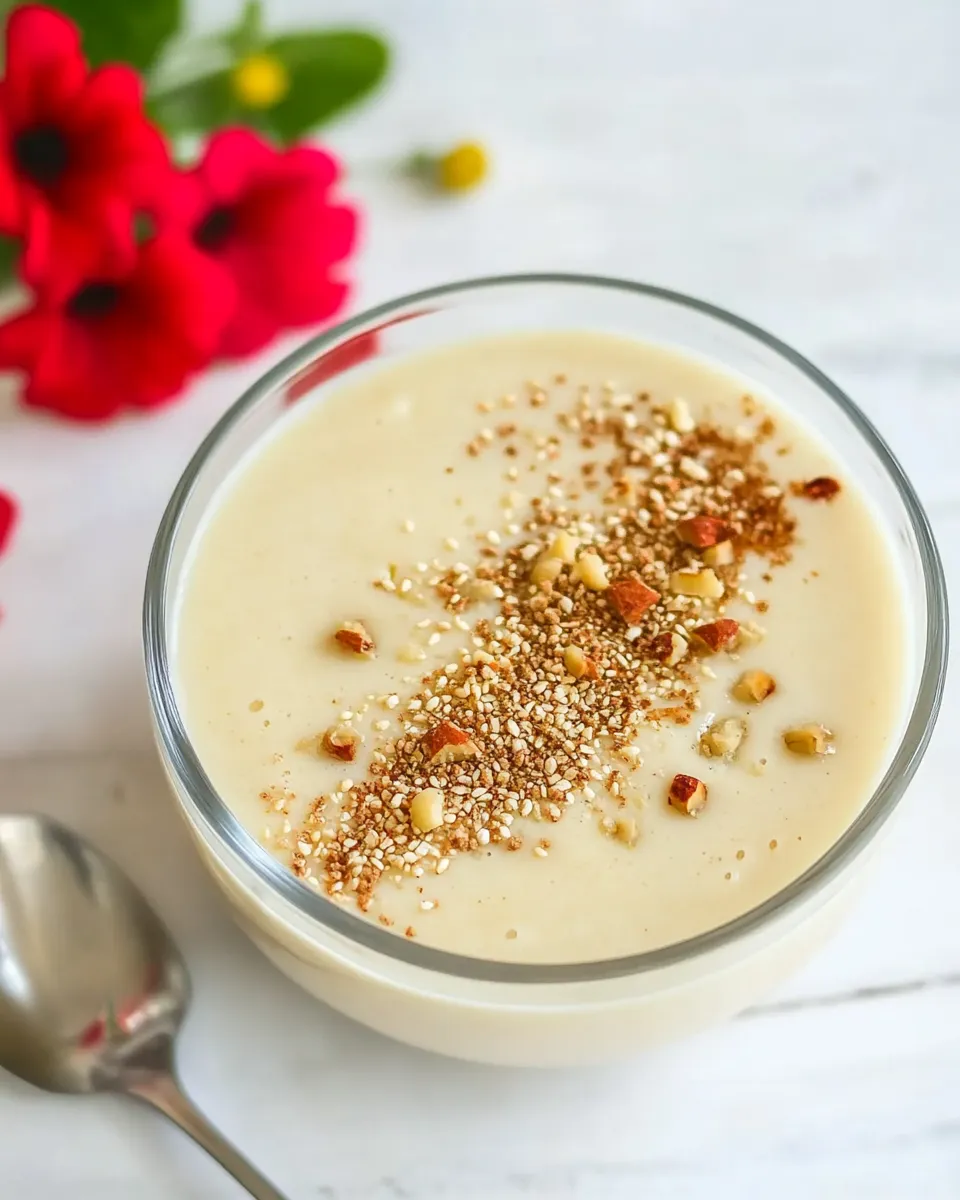
Paleo Vanilla Pudding
Equipment
- Saucepan
- Small Bowl
- Whisk
- Fork
- Measuring Cups
- Measuring Spoons
- Plastic Wrap
- Refrigerator
Ingredients
Ingredients
- 1 15-ounce canfull-fat canned coconut milk
- 1 egg yolk
- 2 Tbsppure maple syrupsee note*
- 1 Tbsptapioca flour
- 1 tsppure vanilla extract
Instructions
Instructions
- Shake the can of coconut milk, then pour all (15 ounces) into a small saucepan. Heat over low heat, stirring occasionally, until any clumps dissolve and the milk is just warm (do not boil).
- In a small bowl, beat the egg yolk with a fork until smooth and slightly creamy.
- Remove about 1/4 cup of the warm coconut milk from the saucepan into a separate small bowl. Slowly whisk roughly half of this reserved milk into the egg yolk—start with a few drops and then a thin stream—to temper the yolk. Set the remaining portion of the reserved milk aside.
- Pour the tempered yolk back into the saucepan with the remaining coconut milk. Add the 2 tablespoons pure maple syrup and stir to combine.
- In the small bowl holding the remainder of the reserved milk, whisk the 1 tablespoon tapioca flour into that milk until a smooth, lump-free slurry forms.
- Place the saucepan over medium-low heat and, stirring constantly, bring the mixture to a gentle simmer. When it begins to thicken and bubble gently (about 3–5 minutes), slowly whisk in the tapioca slurry. Continue stirring and simmering for another 1–2 minutes, until the pudding reaches a thick, spoon-coating consistency.
- Remove the saucepan from the heat and stir in the 1 teaspoon pure vanilla extract.
- Immediately pour the pudding into a serving bowl or individual dishes. Press plastic wrap directly onto the surface to prevent a skin from forming, or cover tightly.
- Chill in the refrigerator at least 2 hours before serving.
Notes
*You can also use honey, coconut nectar, or a zero-sugar sweetener such as monk fruit sweetener, xylitol or erythritol.