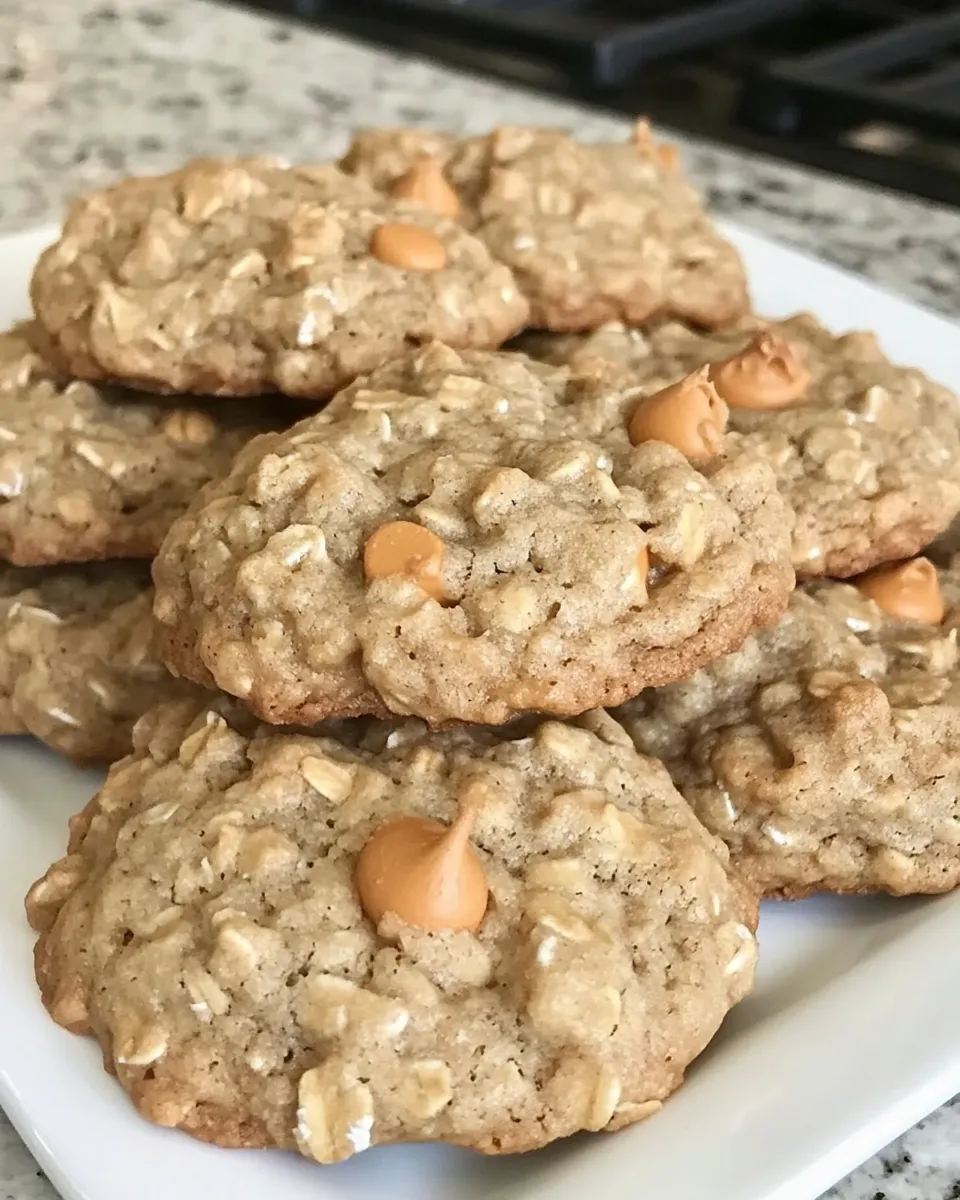
These butterscotch oatmeal cookies are the kind of batch I keep coming back to when I want something small, sweet, and reliably comforting. They bake up chewy at the center with gently crisp edges and a warm cinnamon note threaded through the oats. Butterscotch chips add that brown-sugar-toffee flavor that feels like a cozy kitchen hug.
I like this recipe because it’s straightforward and forgiving. The dough comes together quickly, and the cookies behave predictably in the oven—little spread, consistent texture. You don’t need special equipment or a long ingredient list, just attention to a couple of simple details (softened butter, don’t overmix the dough).
Make a double batch if you want to stash some away, or halve it for a small tray. Either way, these cookies are excellent warm from the oven and just as good cooled, which makes them perfect for school lunches, an afternoon coffee break, or an easy bake for friends.
Ingredient Rundown
Ingredients
- 3/4 cup (1-1/2 sticks) butter, softened — the primary fat; soft but not melted gives the right texture and spread.
- 3/4 cup granulated sugar — adds sweetness and helps cookies lighten and brown.
- 3/4 cup packed light brown sugar — brings moisture, chew, and that caramel note with the butterscotch.
- 2 eggs — bind the dough and add structure; room temperature eggs incorporate more evenly.
- 1 1/2 teaspoon vanilla extract — lifts the flavors and rounds out the sweetness.
- 1-1/4 cups all-purpose flour — the base; provides body so cookies hold their shape.
- 1 teaspoon baking soda — the leavener that gives lightness without too much rise.
- 1 teaspoon ground cinnamon — a warm accent that complements butterscotch and oats.
- 1/2 teaspoon salt — balances sweetness and enhances flavor.
- 3 cups quick-cooking oats — the chew and texture; quick oats keep the crumb tender and distribute evenly.
- 2 cups butterscotch chips — the star mix-in; use good-quality chips for the best flavor.
Mastering Butterscotch Oatmeal Cookies: How-To
- Preheat oven to 375°F. Position a rack in the center. Use ungreased cookie sheets or line them with parchment paper if you prefer.
- In a large bowl, beat 3/4 cup (1-1/2 sticks) softened butter, 3/4 cup granulated sugar, and 3/4 cup packed light brown sugar until well blended and creamy.
- Add 2 eggs and 1 1/2 teaspoons vanilla extract; beat until fully incorporated.
- In a separate bowl, whisk together 1-1/4 cups all-purpose flour, 1 teaspoon baking soda, 1 teaspoon ground cinnamon, and 1/2 teaspoon salt.
- Gradually add the dry mixture to the butter mixture, mixing until just combined and no dry streaks remain. Do not overmix.
- Stir in 3 cups quick-cooking oats and 2 cups butterscotch chips until evenly distributed.
- Drop dough by heaping teaspoons onto the ungreased cookie sheet, spacing cookies about 2 inches apart to allow for spreading.
- Bake 8 to 10 minutes, or until the edges are set and cookies are golden brown.
- Remove from oven and let cookies cool on the cookie sheet for about 2 minutes, then transfer to a wire rack to cool completely.
- Makes about 4 dozen cookies.
Why This Recipe Belongs in Your Rotation
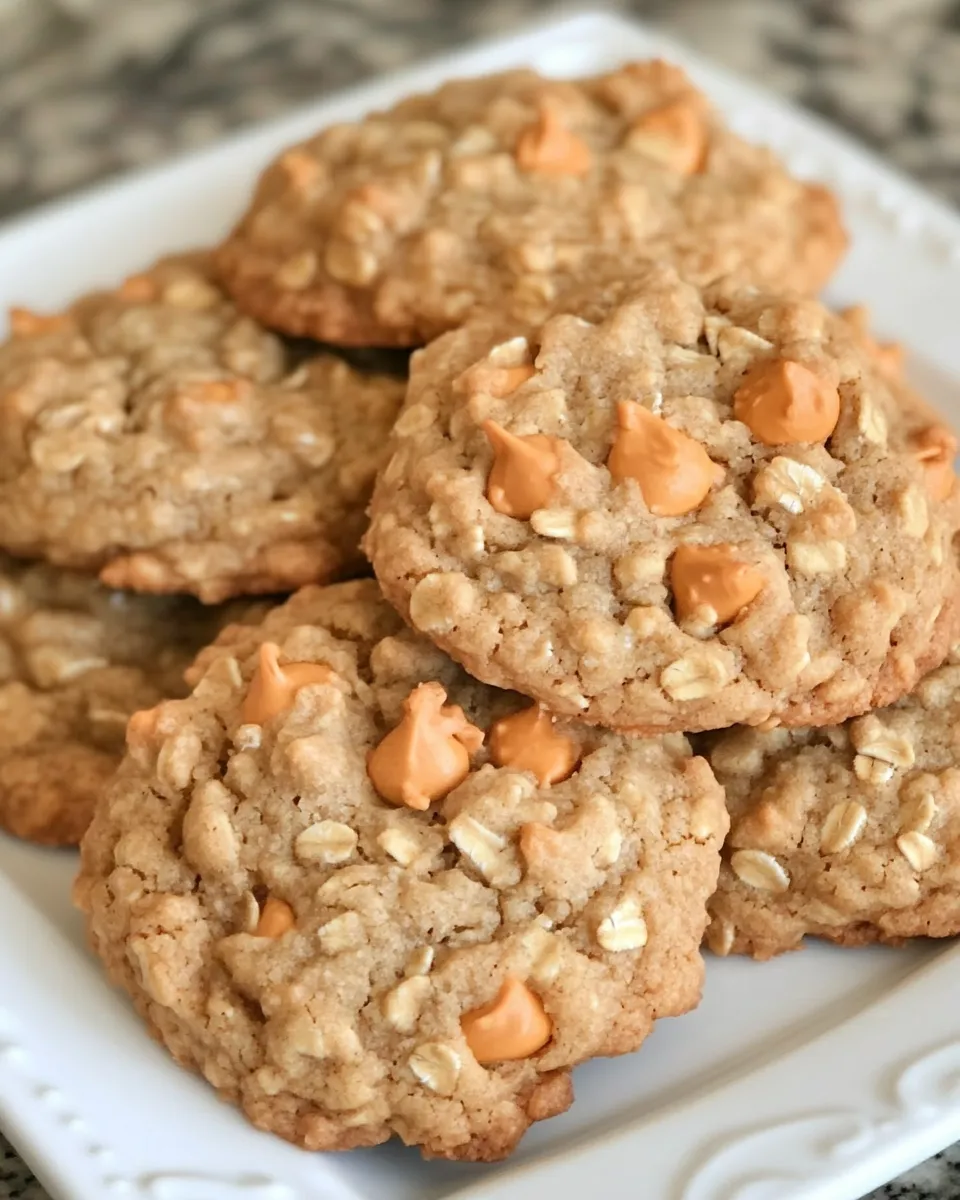
This recipe hits a few practical sweet-spot criteria: it uses pantry-staple ingredients, bakes quickly, and produces consistently good cookies. The balance of granulated and brown sugar keeps the texture tender but not cakey, and the quick oats create chew without being dense. Butterscotch chips give you a flavor that’s similar to brown sugar and toffee but with its own sweet, buttery personality—different enough from chocolate chips to keep things interesting.
It’s also a forgiving recipe for busy cooks. The dough is sturdy, so it tolerates a little variation in scoop size and oven hot spots. If you want a built-in crowd-pleaser for gatherings, this one is a reliable pick.
No-Store Runs Needed
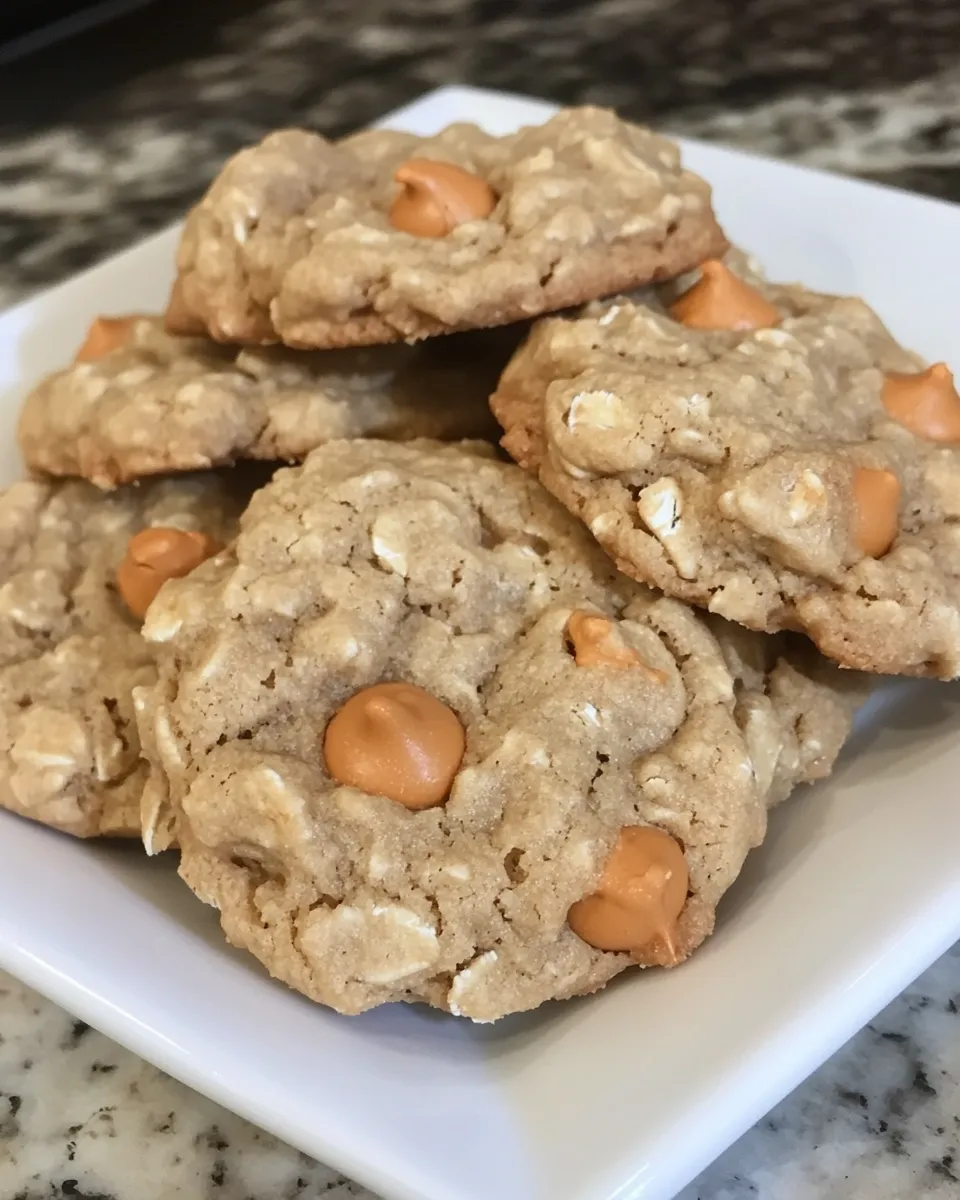
One of the nicest things about this recipe is that most of the ingredients are likely in a well-stocked pantry. Butter, sugar, flour, oats, eggs, baking soda, salt, and vanilla are common staples. If you keep baking chips on hand, butterscotch chips are the only item that might require a quick run. In a pinch, you can skip the chips and stir in an extra 1/2 cup of oats or toasted nuts (if you have them) to avoid a trip to the store.
If your pantry is short on one item, substitute with what you already have before calling for a store run: use melted and slightly cooled butter if your butter isn’t soft (but expect slight texture changes), or swap light brown sugar for dark brown sugar if that’s what you have. The basic structure won’t fail easily.
Prep & Cook Tools
- Mixing bowls — at least one large and one medium for dry ingredients.
- Hand mixer or stand mixer — speeds up creaming but a sturdy wooden spoon works too.
- Measuring cups and teaspoons — precise measuring keeps cookies consistent.
- Whisk — for combining the dry ingredients evenly.
- Spoon or cookie scoop — for portioning uniform cookies; a heaping teaspoon is called for in the directions.
- Cookie sheets — ungreased or lined with parchment paper.
- Wire cooling rack — helps cookies cool evenly and keep crisp edges.
Pitfalls & How to Prevent Them
Common issue: Flat or overly spread cookies
Cause: butter too soft or dough too warm. Prevention: Use butter that is softened but still slightly cool to the touch. If your kitchen is very warm, chill the dough for 10–15 minutes before baking to reduce excess spread.
Common issue: Tough, dense cookies
Cause: overmixing after adding the flour or using too much flour. Prevention: Gradually add the dry mix and stir just until no dry streaks remain. Stop when the dough comes together; a few flour specks are okay.
Common issue: Uneven baking or underdone centers
Cause: overcrowded cookie sheets or inconsistent oven heat. Prevention: Space cookies about 2 inches apart and use the center rack. Rotate pans halfway through if your oven heats unevenly. Trust the visual cue—edges set and golden is your doneness sign.
Tailor It to Your Diet
If you need to adjust the recipe for dietary preferences, there are straightforward ways to adapt it. For a dairy-free version, replace the butter with a plant-based buttery spread measured cup-for-cup and confirm it’s appropriate for baking (some spreads contain more water). Use dairy-free butterscotch chips or swap in raisins for a naturally sweet alternative.
For a lower-sugar option, reduce the granulated sugar by 1/4 cup and increase the brown sugar by 1/4 cup to keep chewiness, or use a granulated sugar substitute formulated for baking, but note texture differences. For gluten-free baking, use a 1:1 gluten-free flour blend and certified gluten-free quick oats.
Keep in mind that changing the fat type, sweetener, or flour will alter texture and spread. When making substitutions, try a half-batch first so you can evaluate results before committing to a full batch.
Method to the Madness
There’s a straightforward method behind these cookies that’s worth understanding. Creaming the butter and both sugars traps air and gives the cookies lift. Adding the eggs and vanilla next incorporates liquid that binds the dough. Whisking the dry ingredients separately ensures the baking soda, salt, and cinnamon are evenly distributed—this avoids pockets of leavener that can distort texture.
When you add the dry mix to the wet, the instruction is deliberately cautious: mix until just combined. Overworking gluten in the flour makes cookies tough. The oats and butterscotch chips are the final, tolerant add-ins—stir them in gently so they disperse evenly without beating the dough.
Baking at 375°F is on the higher side for drop cookies, which helps set the edges quickly while keeping centers soft. Removing the cookies to a rack after a couple of minutes of resting on the sheet lets them finish setting without continuing to brown on the hot pan.
Meal Prep & Storage Notes
These cookies hold up well for several days at room temperature. Store in an airtight container at room temperature for up to 4 days. To keep edges slightly crisp and centers chewy, layer the cookies with parchment paper and don’t pack them too tightly.
For longer storage, freeze baked cookies on a tray until firm, then transfer to a freezer-safe bag or container. They keep well for up to 3 months. Thaw at room temperature or warm briefly in a low oven (300°F for 5–7 minutes) to revive that fresh-baked quality.
If you want to freeze dough, portion the dough into heaping teaspoons on a tray, freeze until solid, then store the frozen dough balls in a bag. You can bake from frozen—add a minute or two to the bake time.
Ask the Chef
Q: Can I use old-fashioned oats instead of quick-cooking oats?
A: Yes, you can. Old-fashioned oats will give a chewier, heartier texture and may change the batter slightly. Stir them in just the same, but expect a more pronounced oat chew.
Q: My cookies brown too quickly on the bottom. What should I do?
A: Try baking on a middle rack with heavier-duty cookie sheets or double up the sheet (place one sheet on top of another) to insulate the bottoms. Parchment paper helps, too.
Q: How do I get perfectly even-sized cookies?
A: Use a small cookie scoop or measure heaping teaspoons consistently. Chilling the dough briefly makes portioning neater and reduces spread.
Q: Can I add nuts or other mix-ins?
A: Absolutely. Chopped pecans or walnuts pair nicely with the butterscotch. Add about 1/2 to 1 cup of chopped nuts if you like, folding them in with the chips.
Final Bite
These Butterscotch Oatmeal Cookies are simple, dependable, and full of warm, homey flavor. With a little attention to butter temperature and mixing, you’ll have batches that come out the way you like them every time. Bake a tray, share them, and keep a few in the freezer for when you need a quick, comforting treat.
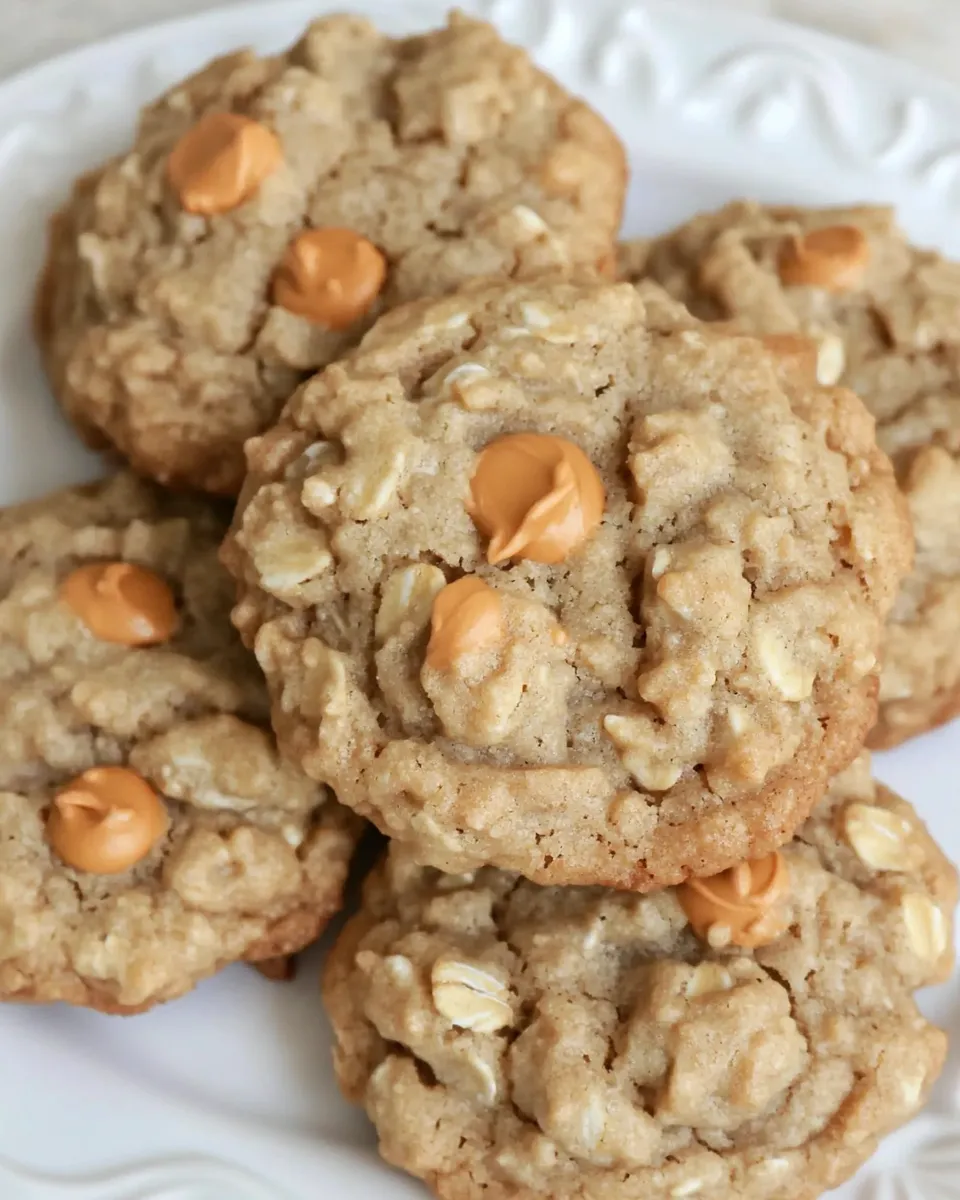
Recipe for Butterscotch Oatmeal Cookies
Equipment
- Large Bowl
- mixing spoon or mixer
- Cookie sheet
- Parchment Paper
- Wire Rack
Ingredients
Ingredients
- 3/4 cup1-1/2 sticks butter softened
- 3/4 cupgranulated sugar
- 3/4 cuppacked light brown sugar
- 2 eggs
- 1 1/2 teaspoonvanilla extract
- 1-1/4 cupsall-purpose flour
- 1 teaspoonbaking soda
- 1 teaspoonground cinnamon
- 1/2 teaspoonsalt
- 3 cupsquick-cooking oats
- 2 cupsbutterscotch chips
Instructions
Instructions
- Preheat oven to 375°F. Position a rack in the center. Use ungreased cookie sheets or line them with parchment paper if you prefer.
- In a large bowl, beat 3/4 cup (1-1/2 sticks) softened butter, 3/4 cup granulated sugar, and 3/4 cup packed light brown sugar until well blended and creamy.
- Add 2 eggs and 1 1/2 teaspoons vanilla extract; beat until fully incorporated.
- In a separate bowl, whisk together 1-1/4 cups all-purpose flour, 1 teaspoon baking soda, 1 teaspoon ground cinnamon, and 1/2 teaspoon salt.
- Gradually add the dry mixture to the butter mixture, mixing until just combined and no dry streaks remain. Do not overmix.
- Stir in 3 cups quick-cooking oats and 2 cups butterscotch chips until evenly distributed.
- Drop dough by heaping teaspoons onto the ungreased cookie sheet, spacing cookies about 2 inches apart to allow for spreading.
- Bake 8 to 10 minutes, or until the edges are set and cookies are golden brown.
- Remove from oven and let cookies cool on the cookie sheet for about 2 minutes, then transfer to a wire rack to cool completely.
- Makes about 4 dozen cookies.