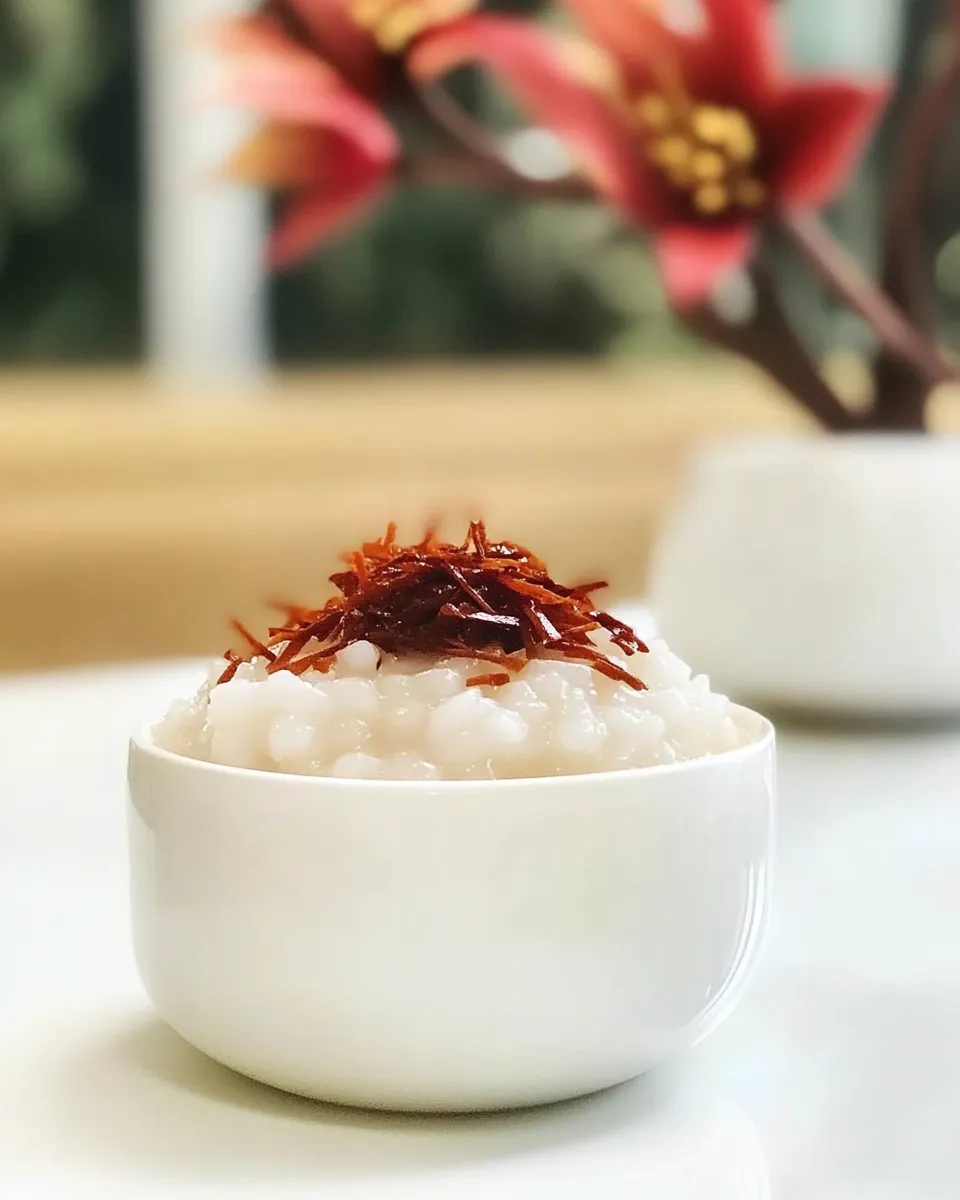
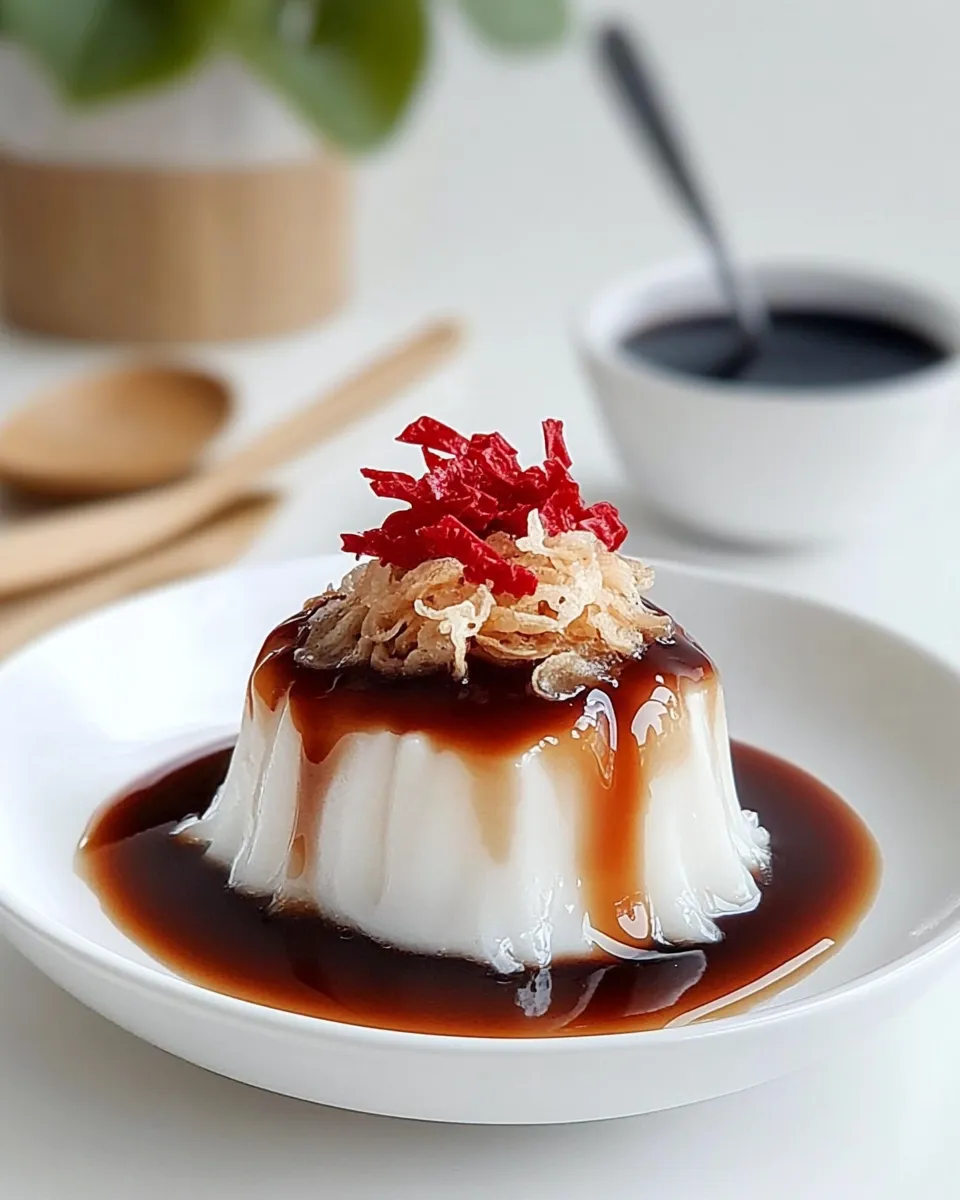
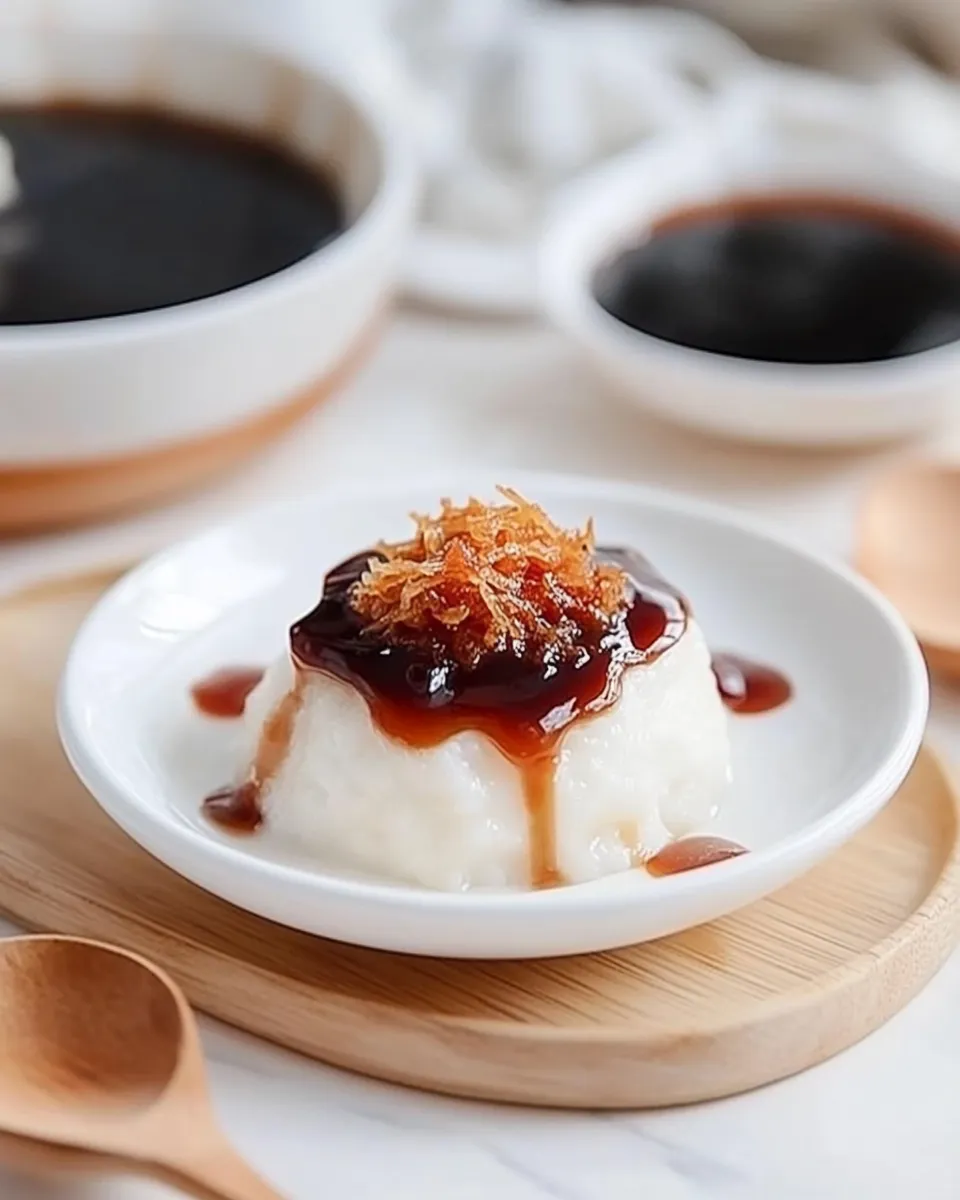
This is one of those desserts I make when I want something soothing, simple, and very honest. Sago pudding with gula melaka is a Southeast Asian classic: small translucent pearls set in coconut-scented milk and brightened by the smoky sweetness of palm sugar. It feels comforting and a little indulgent without being heavy.
I like that it asks for patience more than skill. A careful rinse, a gentle simmer, and a little chilling are all it needs. The textures are what sell it — the tiny chew of the sago, the silken warmth of the coconut milk, and the glossy, aromatic syrup that ties everything together.
Below I walk you through the ingredients, the exact steps, equipment tips, troubleshooting, seasonal serving ideas, and ways to adapt this dessert for different diets. If you follow the order and the small details, you’ll get a consistent, glossy sago every time.
Ingredient Breakdown
- 200 g pearl sago — the main body of the dessert; rinse to remove surface starch so pearls cook clear and don’t clump.
- 1 ½ L water — cooking liquid for the sago; bring to a rolling boil so the pearls can cook evenly.
- 250 ml coconut milk — gives the pudding its creamy, rich base and balances the palm sugar’s sweetness.
- 3 pandan leaves, bruised and knotted — infuses a subtle, grassy aroma into the coconut milk; bruising releases more fragrance.
- 1/4 tsp salt — a small amount to enhance the coconut’s flavor and round the sweetness.
- 200 g palm sugar (gula melaka, chopped) — provides the deep, caramel-like syrup; chop so it melts evenly into the syrup.
- 125 ml water — combined with the palm sugar to make the syrup; use low heat so it dissolves into a smooth syrup.
Sago Pudding With Gula Melaka, Made Easy
- Place 200 g pearl sago in a fine-mesh sieve and rinse thoroughly under cold running water until the rinse water runs clear; drain well.
- Bring 1½ L water to a rolling boil in a large pot.
- Gradually add the drained sago to the boiling water, stirring continuously to prevent clumping.
- Reduce heat to medium-low and cook the sago, stirring often with a whisk or spatula, until the pearls turn translucent—about 15 minutes. Adjust time as needed until no white center remains.
- Pour the cooked sago into a strainer and rinse under cold running water to remove excess starch and stop the cooking. Drain well.
- Divide the rinsed sago into individual dessert bowls or molds and refrigerate overnight to set.
- While the sago chills, make the flavored coconut milk: in a small saucepan combine 250 ml coconut milk, 3 bruised and knotted pandan leaves, and 1/4 tsp salt. Gently heat over low, stirring, until it just begins to bubble around the edges (do not boil vigorously). Remove from heat and set aside to cool to room temperature.
- Make the gula melaka syrup: in another small saucepan combine 200 g chopped palm sugar and 125 ml water. Heat over low, stirring, until the sugar dissolves and the mixture becomes a smooth syrup, about 5 minutes. Remove from heat and let cool slightly.
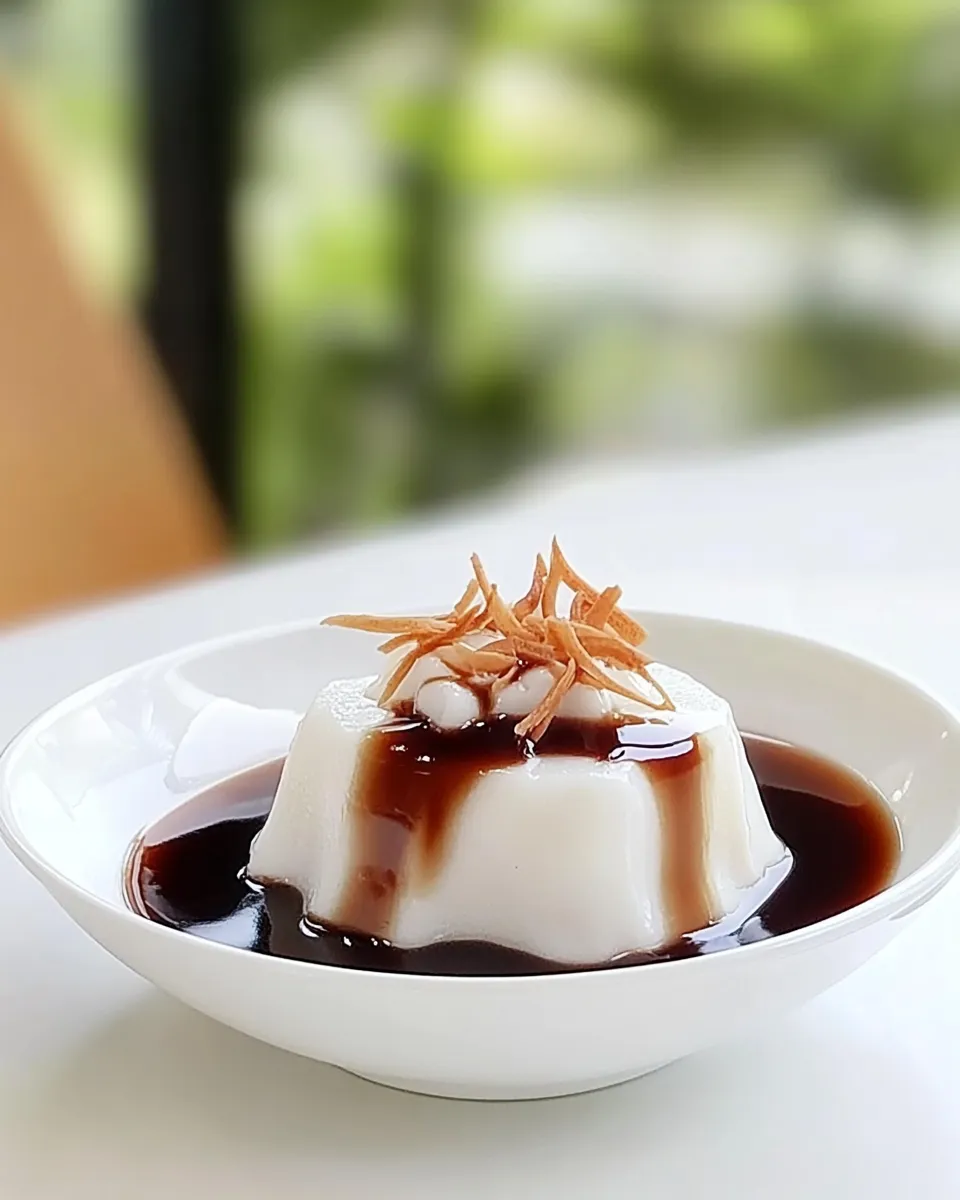
- To serve, spoon the chilled sago pudding into serving bowls (if not already in bowls), pour the cooled pandan-flavored coconut milk over the sago, and drizzle with the palm sugar syrup. Serve immediately.
What Makes This Recipe Special
This dessert is about harmony: texture, aroma, and contrast. The sago pearls are neutral on their own, but when cooked and cooled correctly they become little bursts of chewy silk. The coconut milk carries the richness and the pandan leaves lend a fragrant, almost floral leafiness that sits lightly under the surface. Gula melaka is the finishing flourish — it’s not just sweet. It’s smoky, caramel-y, and slightly molasses-like, which gives each spoonful depth.
It’s also forgiving in its simplicity. There are no fancy techniques, no tempering, and no delicate emulsions. Yet the small gestures — thorough rinsing, gentle heating of the coconut milk, and a patient simmer of the pearls — make a real difference. This balance between ease and attention is what I love about it.
Low-Carb/Keto Alternatives
Sago pudding is inherently starch-based, so a strict low-carb or keto swap changes the dish’s character. If you want something with similar sensory cues (creamy, sweet, small bites) while cutting carbs, consider these alternatives:
- Chia seed pudding with coconut and gula melaka-style syrup — chia seeds gel when soaked in liquid and provide a spoonable texture. Use the same coconut milk and make a reduced amount of palm sugar syrup for the topping. Chia has a different mouthfeel but still feels decadent.
- Konjac pearls (shirataki-style pearls) — available in some Asian markets; they’re very low-carb and can mimic pearls’ shape. Rinse well and chill in sweetened coconut milk to absorb flavor.
- Textural adjustments — use a sugar alternative that caramelizes or blends well for the syrup, such as a erythritol brown sugar blend, but expect differences in flavor complexity compared to gula melaka.
None of these will be identical to sago, but they preserve the creamy coconut base and allow you to approximate the dessert’s structure on a low-carb plan.
What You’ll Need (Gear)
- Large pot — for boiling 1½ L water and cooking the sago evenly.
- Fine-mesh sieve/strainer — crucial for rinsing the raw pearls and for draining the cooked sago to remove excess starch.
- Small saucepans (2) — one for heating the coconut milk with pandan, another for making the gula melaka syrup.
- Whisk or spatula — useful for stirring sago while it cooks so pearls don’t clump.
- Bowls or molds — for setting the pudding overnight; individual bowls make serving immediate.
- Measuring spoons/cups — to measure volumes like 250 ml coconut milk and 125 ml water accurately.
Mistakes That Ruin Sago Pudding With Gula Melaka
There are a few simple mistakes that will turn this promising dessert into a claggy or bland one. I’ve listed the most common so you can avoid them.
- Not rinsing the raw sago well — if you skip this, surface starch will cause the pearls to clump and the cooking water to go cloudy; the pearls may stick together and cook unevenly.
- Adding sago to water that’s not at a rolling boil — this can make cooking uneven; the outside may soften while the centers stay white and chalky. A strong boil helps the pearls cook through evenly when you add them.
- Overcooking at high heat — boiling too vigorously or for too long breaks down the pearls and turns them mushy. Keep the simmer gentle after adding the sago and stir often.
- Not checking for the white center — pearls need to be translucent all the way through. If you don’t test a few, you risk serving undercooked sago with a chalky bite.
- Skipping the cold rinse after cooking — this step stops cooking and removes surface starch; if you skip it, the sago will continue to cook in its residual heat and get sticky.
- Boiling coconut milk — a vigorous boil will separate the coconut milk and make it grainy. Heat gently until just starting to bubble at the edges.
- Using very coarse palm sugar chunks — large chunks take longer to melt and can result in gritty syrup; chopping the gula melaka helps it dissolve evenly into a smooth syrup.
Spring to Winter: Ideas
This dessert works year-round, but small seasonal tweaks make it feel right for the moment.
- Spring — serve slightly chilled with a few slices of fresh mango or a handful of diced rambutan for a bright, fruity contrast.
- Summer — add a splash of cold water and crushed ice for a cooler, almost drinkable version; garnish with thin mint leaves for lift.
- Autumn — fold a small spoonful of lightly macerated figs into the syrup, or add a sprinkle of toasted sesame for nuttiness.
- Winter — serve the sago slightly warmer (room temperature rather than chilled) and drizzle a hot gula melaka syrup over it to create a comforting contrast.
Chef’s Rationale
I keep this recipe focused on texture control and aromatic balance. Sago pearls are simple starches — their job is texture. The coconut milk contributes fat and roundness. Pandan lifts the coconut without competing. Gula melaka finishes the dish with flavor complexity: it’s not simply sweetness, it’s smoky and caramel-forward. Each element has a clear role; none should overwhelm the others.
Technique-wise, the key is temperature control and timing. The rinse before cooking removes dust and surface starch. A vigorous initial boil then a gentler simmer encourages even cooking. The cold rinse afterward stops the gelatinization process so you don’t end up with gluey pearls. Finally, chilling overnight helps the pudding set uniformly and lets flavors marry. I prefer to prepare it a day ahead for best texture and convenience.
Freezer-Friendly Notes
Sago pudding does not freeze well as a whole because the texture of the pearls and the emulsified coconut milk changes on thawing. Freezing tends to separate the coconut fat and make the pearls mealy. That said, you can freeze the gula melaka syrup separately in an airtight container for up to 3 months; thaw it in the refrigerator and bring to room temperature before using.
If you must prepare components ahead and need long storage, keep the cooked and rinsed sago refrigerated for up to 48 hours and store the coconut milk mixture separately (also refrigerated) for 24–48 hours. Assemble just before serving for the best texture.
Reader Q&A
- Q: Can I use tapioca pearls instead of pearl sago?
A: Pearl tapioca and pearl sago are similar in many markets, but check package instructions — different brands vary in cooking time and size. Use the same rinsing and the same approach: a rolling boil, gentle simmer, and rinse after cooking.
- Q: My sago turned cloudy and sticky after cooking. What went wrong?
A: That usually means excess surface starch was left on the pearls, or they were overcooked at too-high heat. Rinse raw pearls until the water runs clear and keep the simmer gentle while stirring often.
- Q: Can I skip pandan leaves?
A: You can, but pandan adds a characteristic aroma that pairs beautifully with coconut. If you don’t have pandan, a small strip of lemon zest can add a different bright note, but it won’t replicate pandan’s unique profile.
- Q: How sweet should the syrup be?
A: Gula melaka varies in intensity. Taste as you make the syrup; you can dilute slightly with water if it’s too strong. The syrup should be pleasantly sweet with a pronounced caramel note — not cloying.
That’s a Wrap
Sago pudding with gula melaka is an elegant, unfussy dessert that rewards attention to small details: thorough rinsing, gentle heat, and patient chilling. It’s perfect for a relaxed family dinner or for serving a crowd because you can prepare most of it ahead of time. Keep the syrup and coconut separate until serving if you want a sharper contrast between the warm, glossy gula melaka and the cool, fragrant coconut sago.
Make it once, and you’ll see why it’s a beloved comfort sweet across homes and hawker stalls alike. If you try it, tell me how you served it — with mango, with crushed ice, or straight up traditional. I love hearing variations and troubleshooting wins.
Sago Pudding With Gula Melaka
Equipment
- Fine mesh sieve
- Large Pot
- Whisk
- Spatula
- Strainer
- Small saucepan
- serving bowls or molds
Ingredients
Ingredients
- 200 gpearl sago
- 1 1/2 lwater
- 250 mlcoconut milk
- 3 pandan leavesbruised and knotted
- 1/4 tspsaltto taste
- 200 grpalm sugar gula melaka, chopped
- 125 mlwater
Instructions
Instructions
- Place 200 g pearl sago in a fine-mesh sieve and rinse thoroughly under cold running water until the rinse water runs clear; drain well.
- Bring 1½ L water to a rolling boil in a large pot.
- Gradually add the drained sago to the boiling water, stirring continuously to prevent clumping.
- Reduce heat to medium-low and cook the sago, stirring often with a whisk or spatula, until the pearls turn translucent—about 15 minutes. Adjust time as needed until no white center remains.
- Pour the cooked sago into a strainer and rinse under cold running water to remove excess starch and stop the cooking. Drain well.
- Divide the rinsed sago into individual dessert bowls or molds and refrigerate overnight to set.
- While the sago chills, make the flavored coconut milk: in a small saucepan combine 250 ml coconut milk, 3 bruised and knotted pandan leaves, and 1/4 tsp salt. Gently heat over low, stirring, until it just begins to bubble around the edges (do not boil vigorously). Remove from heat and set aside to cool to room temperature.
- Make the gula melaka syrup: in another small saucepan combine 200 g chopped palm sugar and 125 ml water. Heat over low, stirring, until the sugar dissolves and the mixture becomes a smooth syrup, about 5 minutes. Remove from heat and let cool slightly.
- To serve, spoon the chilled sago pudding into serving bowls (if not already in bowls), pour the cooled pandan-flavored coconut milk over the sago, and drizzle with the palm sugar syrup. Serve immediately.