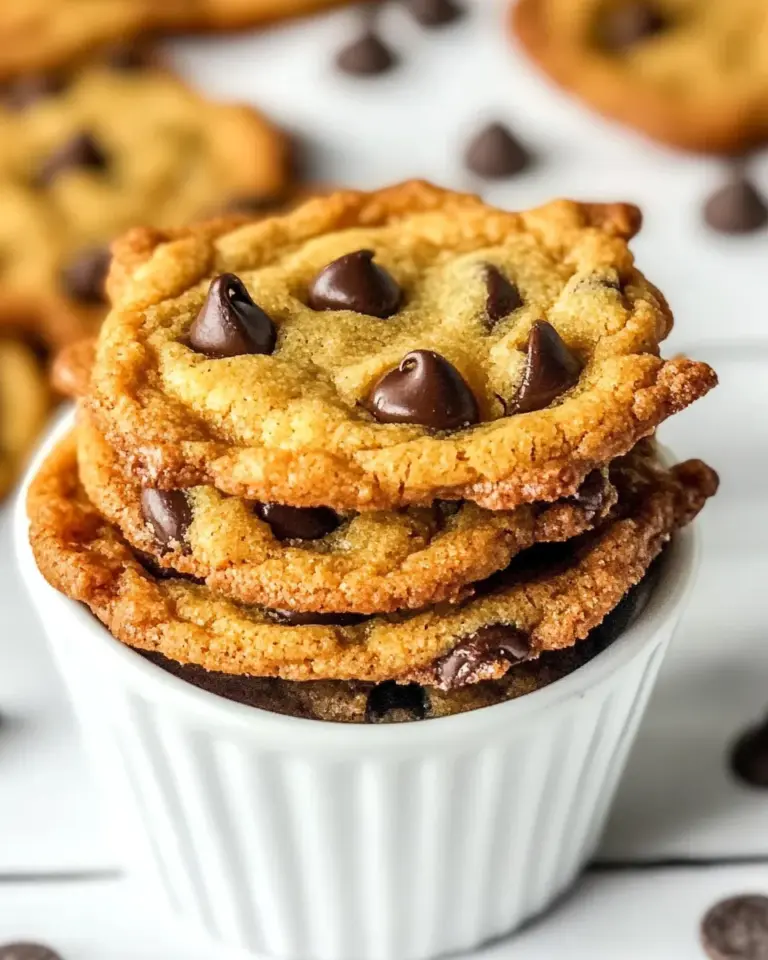
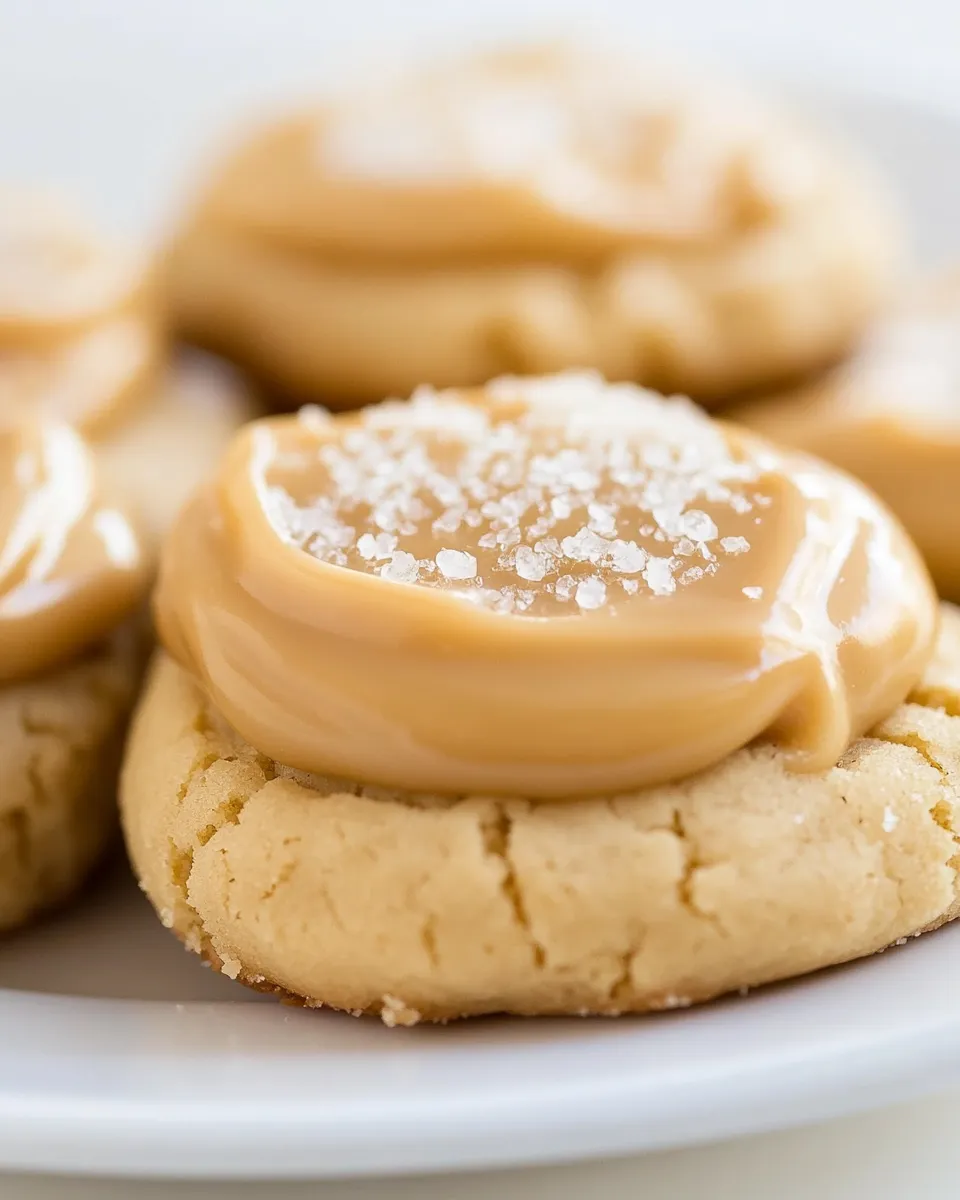
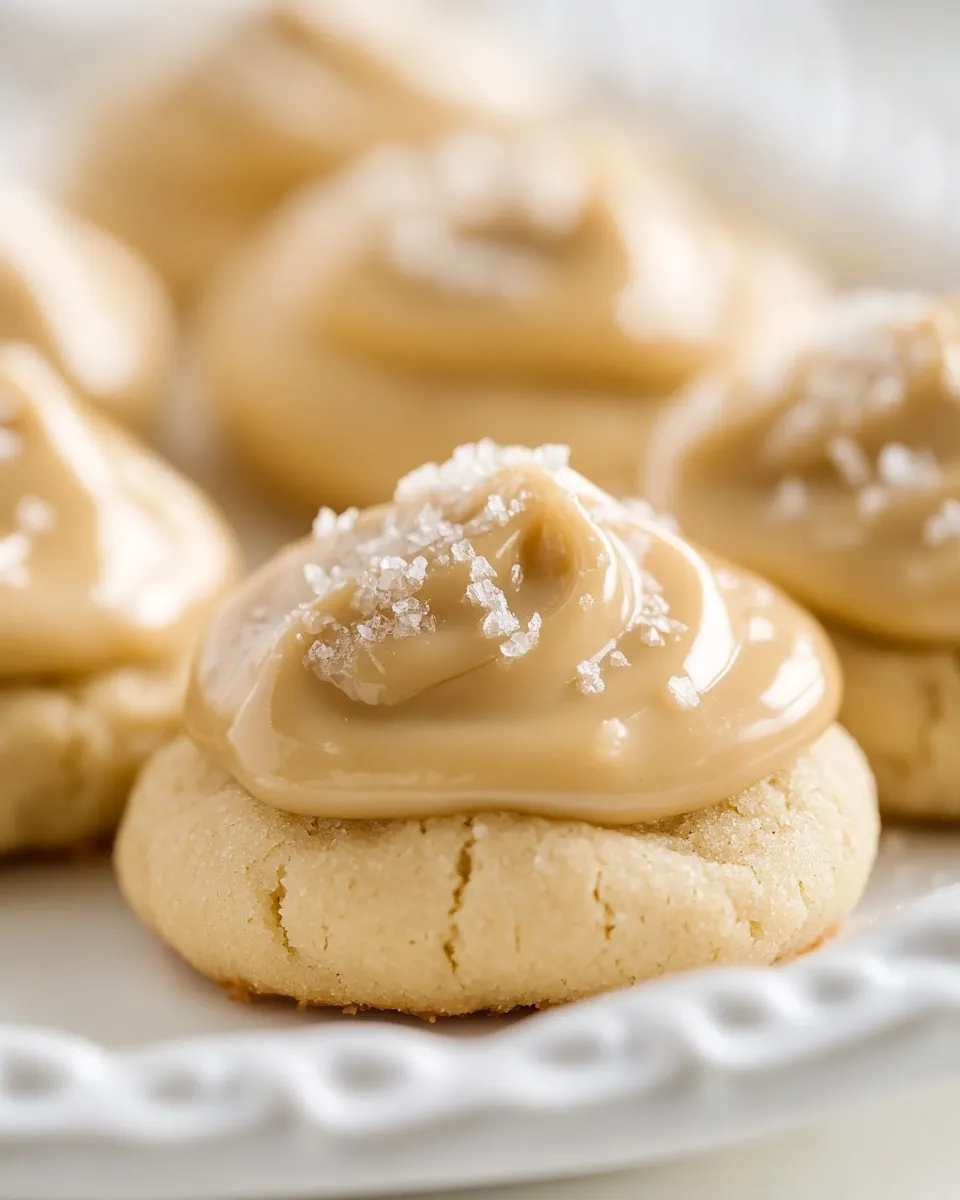
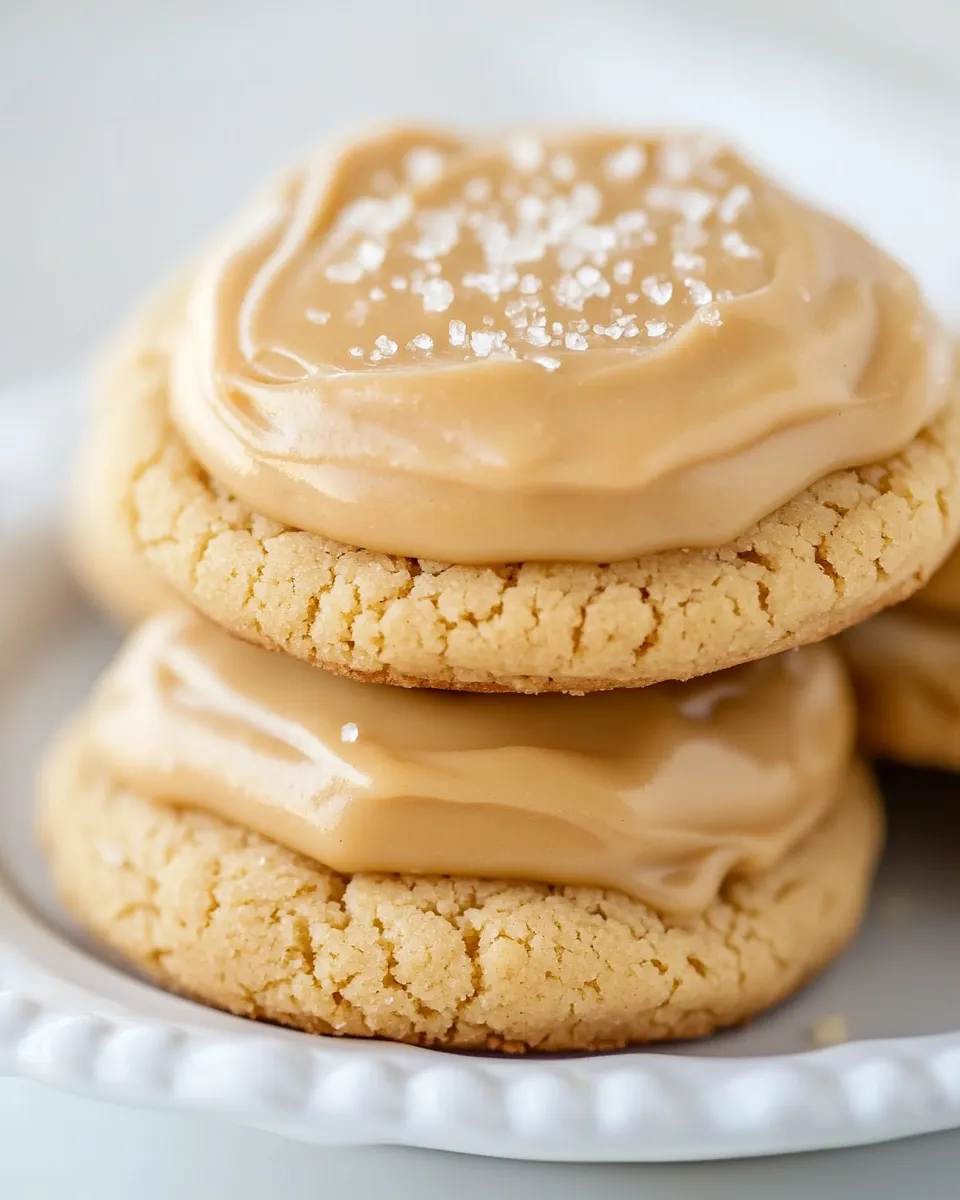
These cookies are one of my go-to when I want a little something that feels elevated but is still straightforward to make. The browned butter gives a toasty, nutty backbone while the crinkles keep the texture tender and slightly cakey. Topping them with salted caramel frosting is the finishing touch that turns a good cookie into a memorable one.
I like to keep the process tidy: brown the butter first, let it cool, then build the dough. The frosting comes together quickly, so you can bake, cool, and finish in a single afternoon. No complicated techniques — just a little patience during browning and cooling.
If you want predictable results, read the steps through once before starting and have your ingredients measured. There are a few small timing cues in the directions that make a big difference, and I’ll point those out below.
Ingredient Breakdown
Ingredients
- 1cupsalted butter, diced into cubes — Browning gives depth and nutty flavor; cubing the butter helps it melt evenly.
- 2 1/4cupsall-purpose flour — The cookie’s structure; spoon and level for accuracy or weigh if you prefer.
- 2tspcornstarch — Keeps the crumb tender and gives a slight lift to the crinkle top.
- 1tspbaking powder — Provides the rise needed for those signature cracks.
- 1/4tspbaking soda — Helps with browning and slight spread.
- 1/4tspsalt — Balances sweetness (the dough uses salted butter, so this is a light seasoning).
- 1/2cupgranulated sugar — Adds structure and a bit of crisp edge to the exterior.
- 1/2cuppacked light-brown sugar — Brings moisture and a subtle molasses note that complements the browned butter.
- 1large egg — Binds the dough and supports structure.
- 1large egg yolk — Adds richness and chew.
- 2tspvanilla extract — Flavor enhancer; use pure vanilla for best results.
- 1/4cupgranulated sugar, for rolling cookies — Creates a slightly crisp, sugary exterior and accentuates the crinkle pattern.
- 1/4cup+ 2 Tbsp caramel sauce or caramel ice cream topping(I used Hershey’s) — The base of the salted caramel frosting; choose a sauce you like to eat straight from the jar.
- 1/4cupbutter, softened — For the frosting; should be soft enough to beat but not greasy-melted.
- 1/2tspvanilla extract — Adds depth to the frosting.
- 2cupspowdered sugar — Sweetens and thickens the frosting to a spreadable consistency.
- 3/4tspcoarse sea salt, divided — Brings contrast to the caramel; part goes into the frosting and the remainder is sprinkled on top.
Step-by-Step: Browned Butter Crinkle Cookies with Salted Caramel Frosting
- Place 1cupsalted butter, diced into cubes, in a medium saucepan and heat over medium. Swirl occasionally and cook until the butter is browned (it will melt, splatter, foam, then golden bubbles and brown specks will appear). Remove from heat and immediately pour the browned butter into a heatproof bowl, scraping the pan with a rubber spatula to transfer the browned bits. Let the butter cool until just warm to the touch, about 20–25 minutes.
- While the butter cools, preheat the oven to 350°F (175°C). Line baking sheets with a Silpat or parchment paper, or lightly grease them.
- In a medium bowl, whisk together 2 1/4cupsall-purpose flour, 2tspcornstarch, 1tspbaking powder, 1/4tspbaking soda, and 1/4tspsalt. Set the dry mixture aside.
- In the bowl of an electric stand mixer fitted with the paddle attachment (or using a large bowl and a hand mixer), add the cooled browned butter, 1/2cupgranulated sugar, and 1/2cuppacked light-brown sugar. Mix on medium speed until well blended.
- Add 1large egg, 1large egg yolk, and 2tspvanilla extract to the butter-sugar mixture and mix until combined.
- With the mixer on low speed, slowly add the dry ingredients to the wet ingredients and mix just until combined. Do not overmix.
- Scoop dough in 1 1/2 Tbsp portions, roll each portion into a ball, and place them on a prepared baking sheet, spacing about 2 inches apart. Pour 1/4cupgranulated sugar (for rolling cookies) into a small bowl and roll each dough ball in the sugar to evenly coat. After coating, place each ball back on the baking sheet and gently flatten each to about 1/2 inch thick using the bottom of a flat measuring cup or drinking glass.
- Bake the cookies in the preheated oven for 9–11 minutes, until the edges are set and the tops show slight cracks. Remove from the oven and let the cookies cool on the baking sheet for several minutes.
- Transfer the cookies to a wire rack and let them cool completely before frosting.
- To make the Salted Caramel Frosting: in a large mixing bowl, use an electric hand mixer on low speed to beat 1/4cup+ 2 Tbsp caramel sauce, 1/4cupbutter (softened), 1/2tspvanilla extract, and 1/2tsp of the 3/4tspscoarse sea salt (reserve the remaining 1/4 tsp) until pale and smooth, about 1 minute. Add 2cupspowdered sugar and mix on low speed until well blended and smooth. If needed, scrape down the bowl and mix briefly again.
- Spread or pipe the frosting onto the completely cooled cookies. Immediately sprinkle the frosted cookies with the remaining 1/4 tsp coarse sea salt so the salt adheres before the frosting sets. Store the finished cookies in a single layer in an airtight container.
Why It Deserves a Spot
These cookies earn a place on any cookie tray because they’re deceptively complex in flavor but simple to execute. Browned butter brings deep, toffee-like notes that pair beautifully with the sweet, sticky caramel. The coarse sea salt creates small bright moments that cut through sweetness and make every bite interesting.
Texturally, the cookies balance a tender, slightly cakey interior with a crackled top and a thin sugary edge from the rolling sugar. Topped with a silky caramel frosting, they read as both homey and a little decadent — perfect for holiday baking, gifting, or a weekend afternoon treat.
They’re also versatile. The baked cookie is reliable and forgiving, and the frosting can be adjusted to suit how sweet or salty you like things. That combination of reliability and punchy flavor is why I’ll make these again and again.
Smart Substitutions
If you don’t have one item on hand or prefer a small change, there are sensible swaps that keep the spirit of the cookie.
- Salted butter: If using unsalted butter, reduce or omit the 1/4 tsp salt in the dough and taste the frosting before adding the full amount of sea salt.
- Caramel sauce: Any thick caramel topping works — homemade or store-bought. The flavor of the jarred sauce will come through, so pick one you enjoy eating by the spoonful.
- Flour options: For a gluten-free version, use a one-to-one gluten-free blend with xanthan gum included; expect a slightly different crumb and test a small batch first.
- Sugar swaps: Replacing the granulated sugar in the dough will change texture. If you must reduce sugar for health reasons, do so gradually and know the cookies will spread and brown differently.
Tools of the Trade
Use these tools to make the process straightforward and to get consistent results.
- Medium saucepan — for browning butter; heavy-bottomed is ideal to prevent scorching.
- Heatproof bowl — to transfer browned butter immediately and stop cooking.
- Stand mixer with paddle attachment or hand mixer — for creaming the browned butter with sugars and for frosting.
- Measuring cups and spoons (or a kitchen scale) — accurate measuring keeps texture consistent.
- Baking sheets lined with parchment or Silpat — prevent sticking and promote even baking.
- Cookie scoop (1 1/2 Tbsp) and a flat-bottomed cup or glass — for uniform size and consistent flattening.
- Wire rack — for cooling before frosting.
Mistakes Even Pros Make
These are common missteps that can knock the cookies off their best form. Watch for them.
- Overbrowning the butter: Burned butter will taste bitter. Pull the pan off the heat as soon as you see browned bits and a nutty aroma, then transfer to a cool bowl.
- Using hot butter: If the browned butter is too hot when mixed with sugars, it can melt the sugars and affect texture. Let it cool until just warm to the touch as directed.
- Overmixing the dough: Once you add flour, mix only until combined. Overmixing develops gluten and makes the cookies tougher.
- Frosting warm cookies: The frosting will melt and slide off. Make sure cookies are completely cool before you spread or pipe.
- Skipping the roll in sugar: That extra step gives a subtle crunch and helps form the crackled top.
Health-Conscious Tweaks
If you want to lighten things up a bit without losing the character of the cookie, here are pragmatic tweaks and what they’ll change.
- Reduce frosting: Skip full coverage and do a drizzle of caramel instead. Less frosting reduces total sugar per cookie without altering the baked cookie itself.
- Use a lower-sugar caramel: Seek out a reduced-sugar caramel sauce or make your own with less sweetener; flavor will be slightly less intense.
- Portion control: Make smaller cookies with a 1 Tbsp scoop; they bake faster and satisfy cravings with less sugar per serving.
- Egg alternatives: Replacing eggs will change texture; for a slightly denser, chewier result, try binding alternatives with caution and expect different structure.
Pro Tips & Notes
Little details lift this cookie from good to great. I keep these notes handy when I bake.
- Brown the butter evenly: Stir and swirl the pan so the milk solids collect and brown uniformly. When it smells toasty and you see amber color, move it to a cool bowl immediately.
- Measure flour correctly: Spoon into the cup and level off, or use a scale. Too much flour makes dry, dense cookies.
- Chill timing: The recipe doesn’t require chilling, but if your kitchen is very warm, chill dough 15–20 minutes so the cookies don’t spread too much.
- Flattening the dough: Use the bottom of a cup for even thickness; 1/2 inch gives the right rise and crackle.
- Frosting consistency: If frosting seems too thick after adding powdered sugar, beat in a tiny splash of milk or cream a teaspoon at a time until spreadable. If too thin, add a bit more powdered sugar.
Store, Freeze & Reheat
Store the finished cookies in a single layer in an airtight container at room temperature for up to 3 days. Refrigeration will firm the frosting but can change the mouthfeel; if you refrigerate, bring cookies to room temperature before serving for the best texture.
For longer storage, freeze unfrosted baked cookies in a single layer until solid, then stack with parchment between layers in a freezer-safe container for up to 3 months. Thaw at room temperature and frost just before serving. You can also freeze unbaked dough balls (rolled in sugar), then bake from frozen — add a minute or two to the bake time.
To freshen slightly stale cookies, warm them in a 300°F (150°C) oven for 3–5 minutes. If frosted, warm briefly in the microwave in short bursts just to take the chill off, but watch closely so the frosting doesn’t run.
Reader Q&A
Q: Can I skip browning the butter? A: Yes, but you’ll miss the nutty, caramelized notes that define the cookie. Regular melted butter will still yield a tasty cookie but with a flatter flavor profile.
Q: My cookies didn’t crack — what happened? A: Check oven temperature and dough consistency. Overly wet or warm dough can prevent cracks. Also, rolling in sugar and flattening to 1/2 inch helps form the signature fissures.
Q: Can I make the frosting less sweet? A: Use a slightly less sweet caramel and taste as you mix. Reducing powdered sugar will affect texture; balance sweetness carefully and consider using the reserved sea salt to heighten perceived flavor.
Q: Will the cookies keep their texture if made ahead? A: Bake the cookies ahead and freeze unfrosted. Frost after thawing for best texture and appearance.
Final Bite
These Browned Butter Crinkle Cookies with Salted Caramel Frosting live up to their name: rich browned butter, tender crinkle cookie, and a salty-sweet finishing glaze. They’re approachable to make but deliver a layered, grown-up flavor that gets noticed. Follow the small technical cues — brown carefully, cool thoroughly, and frost only when cool — and you’ll have a batch that looks and tastes like you spent way more time on them than you did.
Make a test batch first if you’re planning to gift them or bring them to a party. Small adjustments to oven timing or frosting thickness are expected between kitchens. Once dialed in, these are the kind of cookie people ask you to make again.
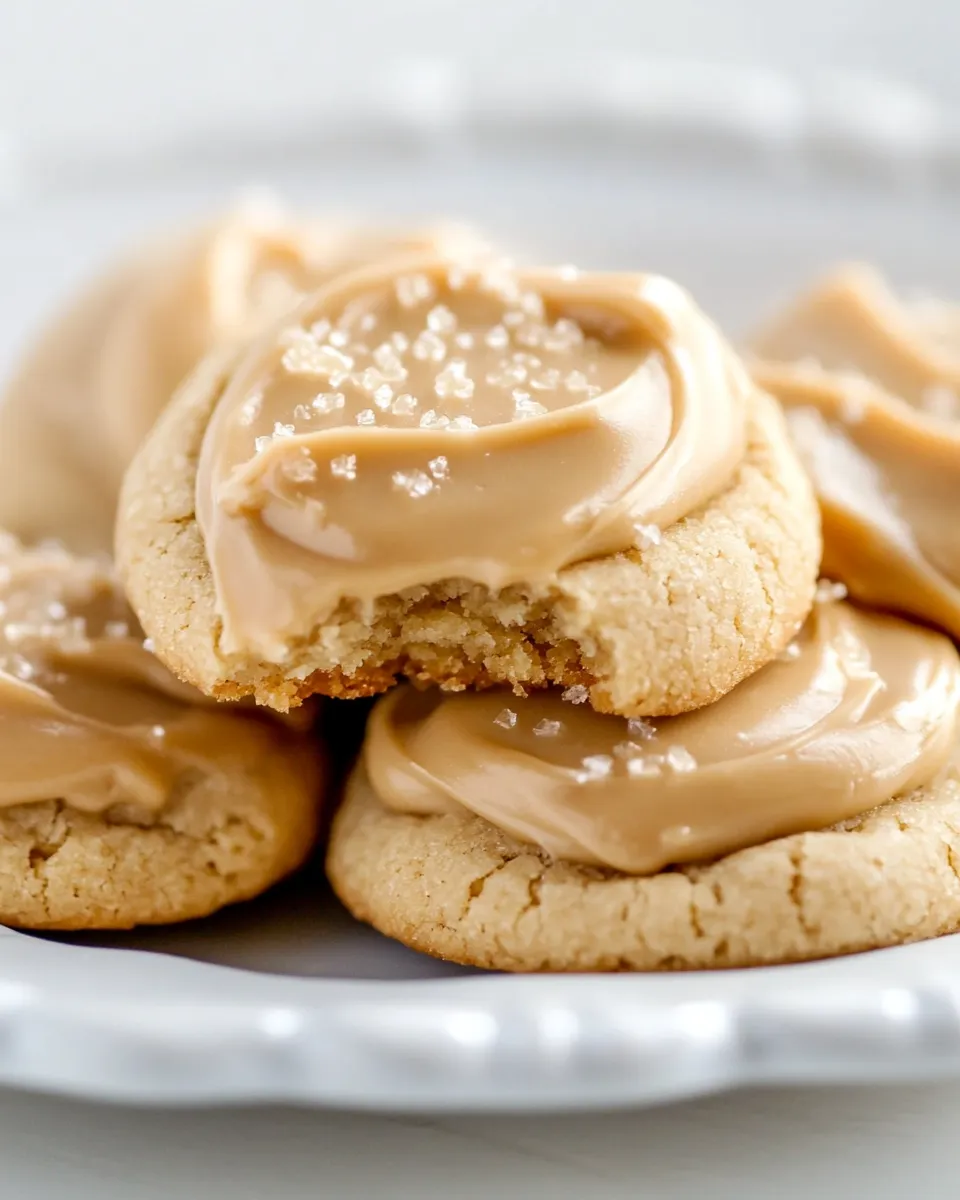
Browned Butter Crinkle Cookies with Salted Caramel Frosting
Equipment
- Medium Saucepan
- Heatproof bowl
- silpat or parchment paper
- Baking Sheets
- Medium Bowl
- Stand Mixer or Hand Mixer
- paddle attachment (optional)
- Small Bowl
- measuring cup or drinking glass
- Wire Rack
- Large Mixing Bowl
- electric hand mixer
Ingredients
Ingredients
- 1 cupsalted butter diced into cubes
- 2 1/4 cupsall-purpose flour
- 2 tspcornstarch
- 1 tspbaking powder
- 1/4 tspbaking soda
- 1/4 tspsalt
- 1/2 cupgranulated sugar
- 1/2 cuppacked light-brown sugar
- 1 large egg
- 1 large egg yolk
- 2 tspvanilla extract
- 1/4 cupgranulated sugar for rolling cookies
- 1/4 cup+ 2 Tbsp caramel sauce or caramel ice cream topping I used Hershey's
- 1/4 cupbutter softened
- 1/2 tspvanilla extract
- 2 cupspowdered sugar
- 3/4 tspcoarse sea salt divided
Instructions
Instructions
- Place 1cupsalted butter, diced into cubes, in a medium saucepan and heat over medium. Swirl occasionally and cook until the butter is browned (it will melt, splatter, foam, then golden bubbles and brown specks will appear). Remove from heat and immediately pour the browned butter into a heatproof bowl, scraping the pan with a rubber spatula to transfer the browned bits. Let the butter cool until just warm to the touch, about 20–25 minutes.
- While the butter cools, preheat the oven to 350°F (175°C). Line baking sheets with a Silpat or parchment paper, or lightly grease them.
- In a medium bowl, whisk together 2 1/4cupsall-purpose flour, 2tspcornstarch, 1tspbaking powder, 1/4tspbaking soda, and 1/4tspsalt. Set the dry mixture aside.
- In the bowl of an electric stand mixer fitted with the paddle attachment (or using a large bowl and a hand mixer), add the cooled browned butter, 1/2cupgranulated sugar, and 1/2cuppacked light-brown sugar. Mix on medium speed until well blended.
- Add 1large egg, 1large egg yolk, and 2tspvanilla extract to the butter-sugar mixture and mix until combined.
- With the mixer on low speed, slowly add the dry ingredients to the wet ingredients and mix just until combined. Do not overmix.
- Scoop dough in 1 1/2 Tbsp portions, roll each portion into a ball, and place them on a prepared baking sheet, spacing about 2 inches apart. Pour 1/4cupgranulated sugar (for rolling cookies) into a small bowl and roll each dough ball in the sugar to evenly coat. After coating, place each ball back on the baking sheet and gently flatten each to about 1/2 inch thick using the bottom of a flat measuring cup or drinking glass.
- Bake the cookies in the preheated oven for 9–11 minutes, until the edges are set and the tops show slight cracks. Remove from the oven and let the cookies cool on the baking sheet for several minutes.
- Transfer the cookies to a wire rack and let them cool completely before frosting.
- To make the Salted Caramel Frosting: in a large mixing bowl, use an electric hand mixer on low speed to beat 1/4cup+ 2 Tbsp caramel sauce, 1/4cupbutter (softened), 1/2tspvanilla extract, and 1/2tsp of the 3/4tspscoarse sea salt (reserve the remaining 1/4 tsp) until pale and smooth, about 1 minute. Add 2cupspowdered sugar and mix on low speed until well blended and smooth. If needed, scrape down the bowl and mix briefly again.
- Spread or pipe the frosting onto the completely cooled cookies. Immediately sprinkle the frosted cookies with the remaining 1/4 tsp coarse sea salt so the salt adheres before the frosting sets. Store the finished cookies in a single layer in an airtight container.