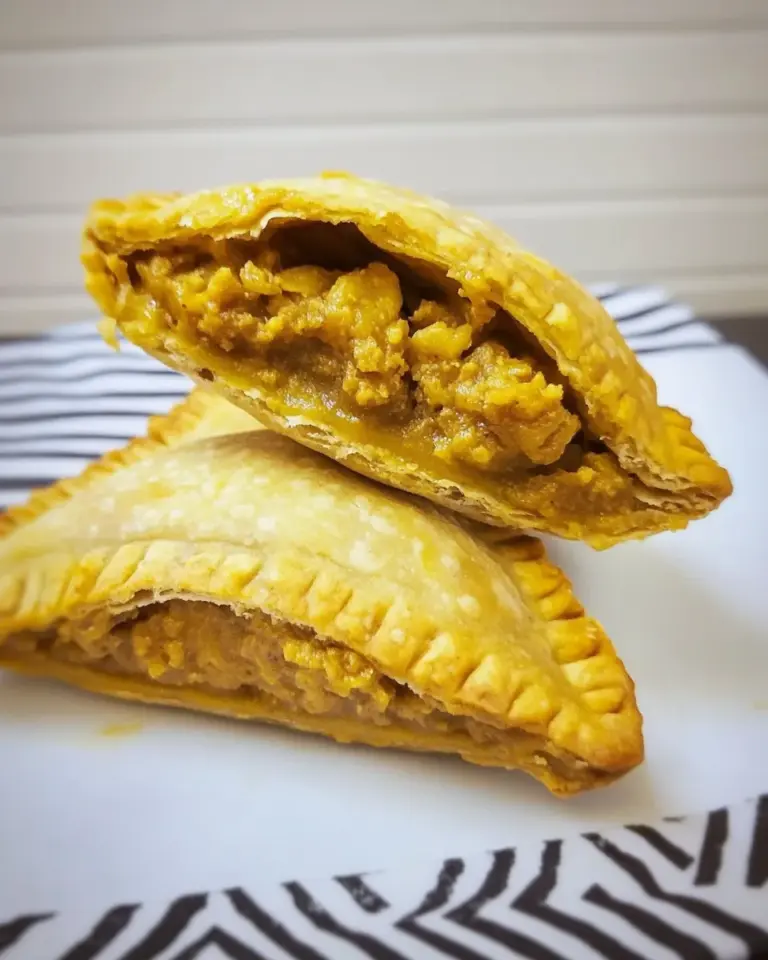
There’s a reason potstickers are everyone’s favorite: crispy, golden bottoms, tender pleated tops, and a filling that’s bright, savory, and satisfying. These Red Cabbage Tofu Potstickers riff on the classic, using firm tofu and vibrant red cabbage for texture, color, and a slightly sweet crunch. They’re easy to make, pack well for lunches, and are a delightful vegetarian-forward appetizer or main when served with a dipping sauce.
Before we dive in: this recipe relies on just a handful of simple, accessible ingredients—2 cups shredded red cabbage, 1 medium carrot (grated), 3 garlic cloves (minced), 2 teaspoons minced ginger, 4 ounces firm tofu (pressed for about 30 minutes), 1 tablespoon soy sauce, 18–22 potsticker wrappers, and 2–3 tablespoons neutral oil. The proportions are designed to yield around 18 to 22 dumplings depending on how much filling you use per wrapper.
Why these Red Cabbage Tofu Potstickers work
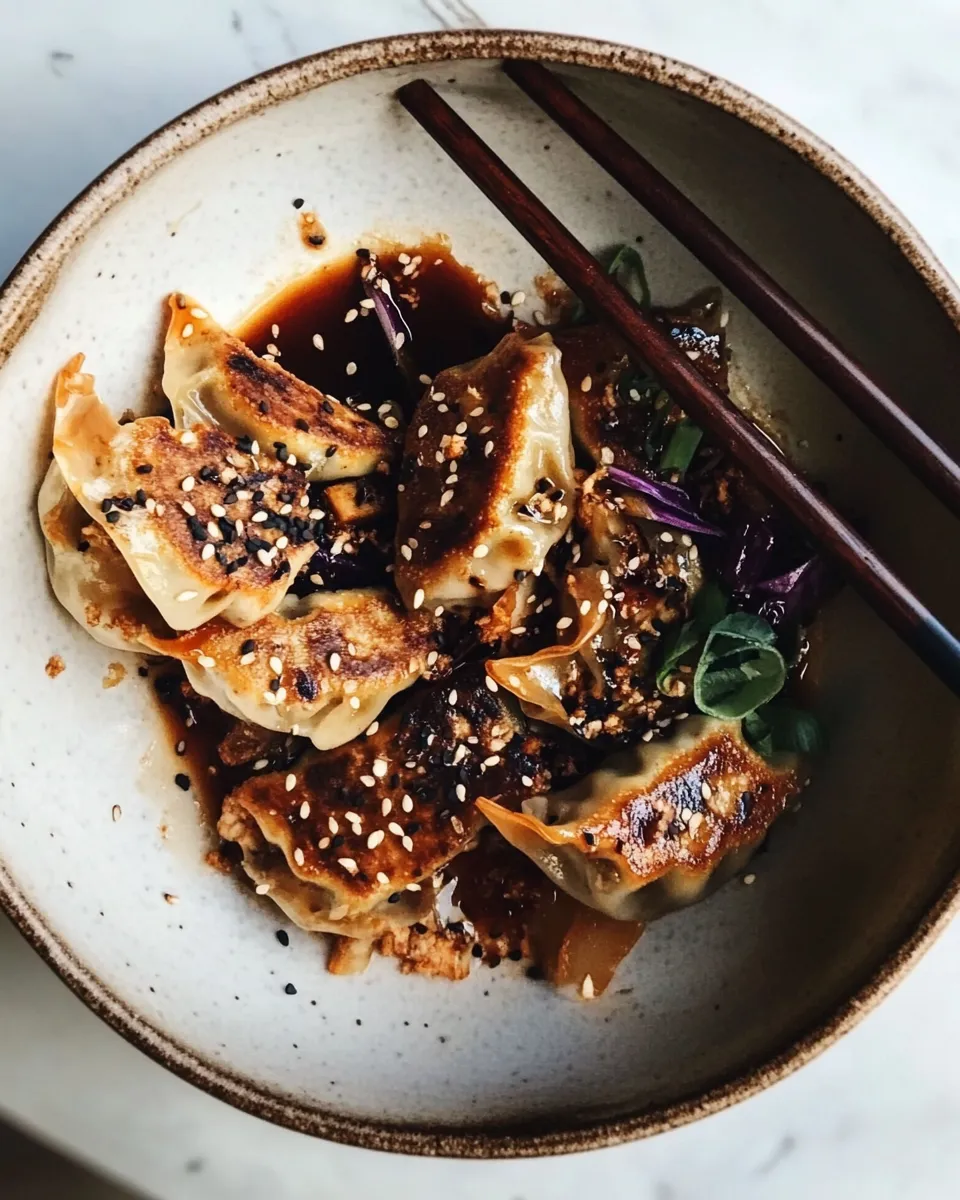
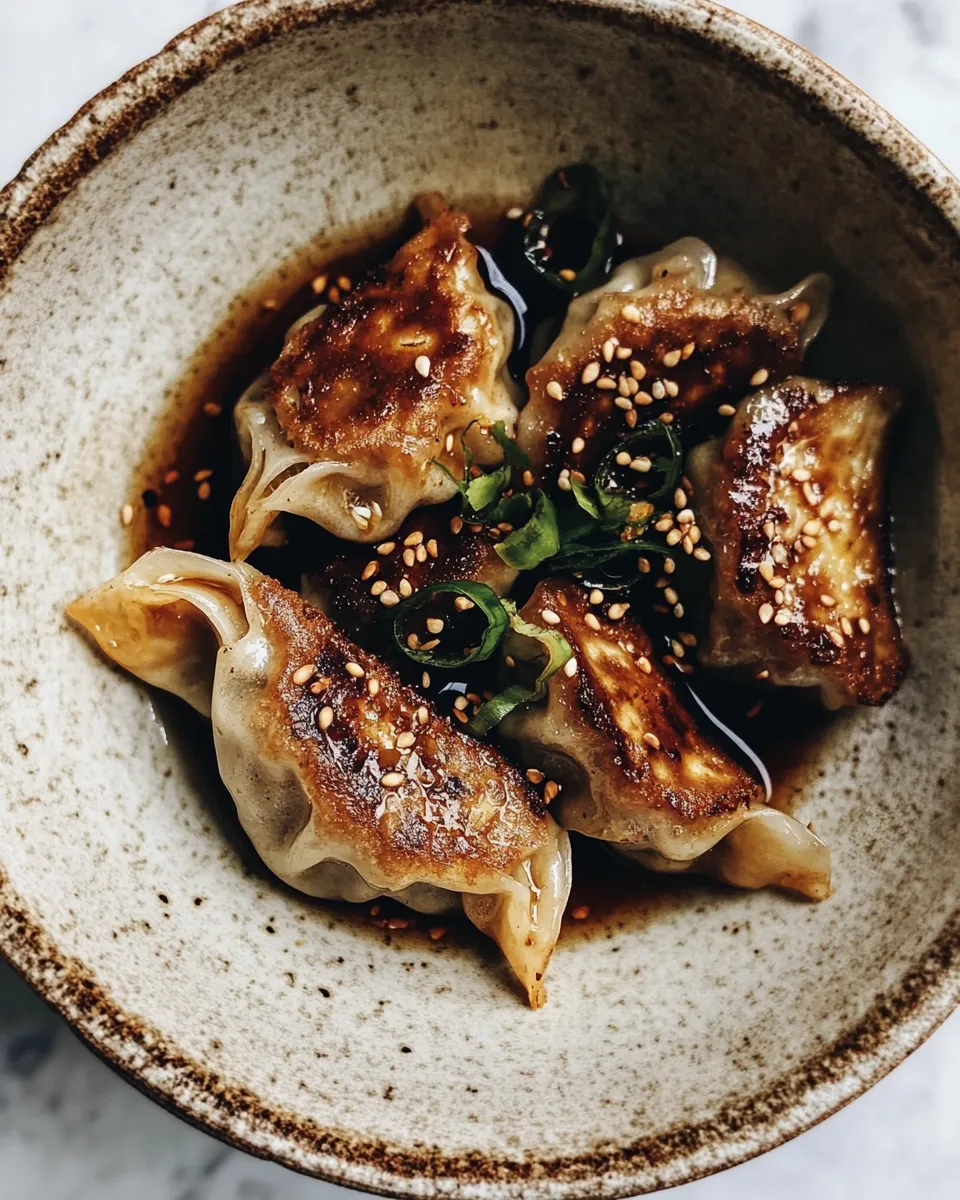
Red cabbage adds crunch and color without overpowering the filling, while carrot brings a touch of natural sweetness and moisture. Firm tofu gives body and a silky contrast to the crisped bottoms after pan-frying. Garlic and ginger add the aromatic backbone we want in every dumpling, and a splash of soy sauce ties it all together with umami. Pan-searing with a little neutral oil produces the classic potsticker texture—crispy beneath, tender above—while the pleats hold in the flavorful filling.
What you’ll need
- 2 cups shredded red cabbage
- 1 medium carrot (grated)
- 3 garlic cloves (minced)
- 2 teaspoons minced ginger
- 4 ounces firm tofu (pressed for about 30 minutes)
- 1 tablespoon soy sauce
- 18–22 potsticker wrappers (see note)
- 2–3 tablespoons neutral oil (for frying)
Short note on wrappers
Potsticker wrappers come in various sizes and textures; buy round wrappers labeled for potstickers or gyoza. If you purchase square dumpling wrappers, they work too—just use a slightly larger piece of filling or fold to form a neat pleat. The count of 18–22 depends on wrapper size and how generously you fill each one.
Before you start
Press the tofu for about 30 minutes to remove excess water. If you have a tofu press, use it; otherwise, wrap the block in a clean kitchen towel, place it on a plate, and weigh it down with something flat and heavy—a cast-iron pan or a few cans will do. While the tofu presses, shred the cabbage and grate the carrot so they’re ready to combine. Mince the garlic and ginger for bright flavor.
Step-by-step: Filling and assembly
These directions follow a clear sequence so you can move smoothly from prep to pan to plate. I’ve rewritten the steps for clarity while keeping the ingredient amounts intact.
-
Prepare the tofu and vegetables.
- After pressing the 4 ounces firm tofu for about 30 minutes, crumble it into small pieces with your hands or a fork so it resembles coarse crumbs.
- Measure out 2 cups shredded red cabbage and gently squeeze any excess moisture with your hands or a clean towel—cabbage can hold a lot of water and we want a filling that binds well without becoming soggy.
- Grate 1 medium carrot and set it aside with the cabbage.
- Mince 3 garlic cloves and 2 teaspoons minced ginger so they’re ready to mix into the filling.
-
Make the filling.
- In a medium mixing bowl, combine the crumbled pressed tofu, 2 cups shredded red cabbage, grated carrot, minced garlic, and minced ginger.
- Add 1 tablespoon soy sauce to the mixture. Toss everything together with a spoon until the soy sauce is evenly distributed and the vegetables and tofu are well combined.
- Check seasoning and texture. The filling should be moist enough to hold together but not wet. If the cabbage still seems very damp, squeeze it again in a towel—this prevents soggy potstickers and helps the wrappers adhere properly.
-
Fill the wrappers.
- Lay a potsticker wrapper flat in the palm of your hand or on a clean work surface. Keep the remaining wrappers covered with a damp towel so they don’t dry out.
- Place a heaping teaspoon or a small tablespoon of the filling in the center of each wrapper. Don’t overfill—crowding makes sealing difficult and can cause breakage during cooking.
- Moisten the edge of the wrapper with a little water using your fingertip or a small pastry brush. Fold the wrapper in half over the filling and seal the edges by pressing gently. For a classic pleated finish, make 3–4 small pleats on one side while pressing firmly to seal; alternatively, simply pinch to seal if you prefer a simpler look.
- Place assembled potstickers on a tray lined with parchment or a lightly floured surface so they don’t stick together.
-
Cook the potstickers.
- Heat a large nonstick or cast-iron skillet over medium-high heat. Add 2–3 tablespoons neutral oil to the pan and swirl to coat the surface.
- Place the potstickers in the skillet in a single layer, flat side down, leaving small gaps so they don’t touch. Work in batches if needed; crowding the pan prevents proper browning.
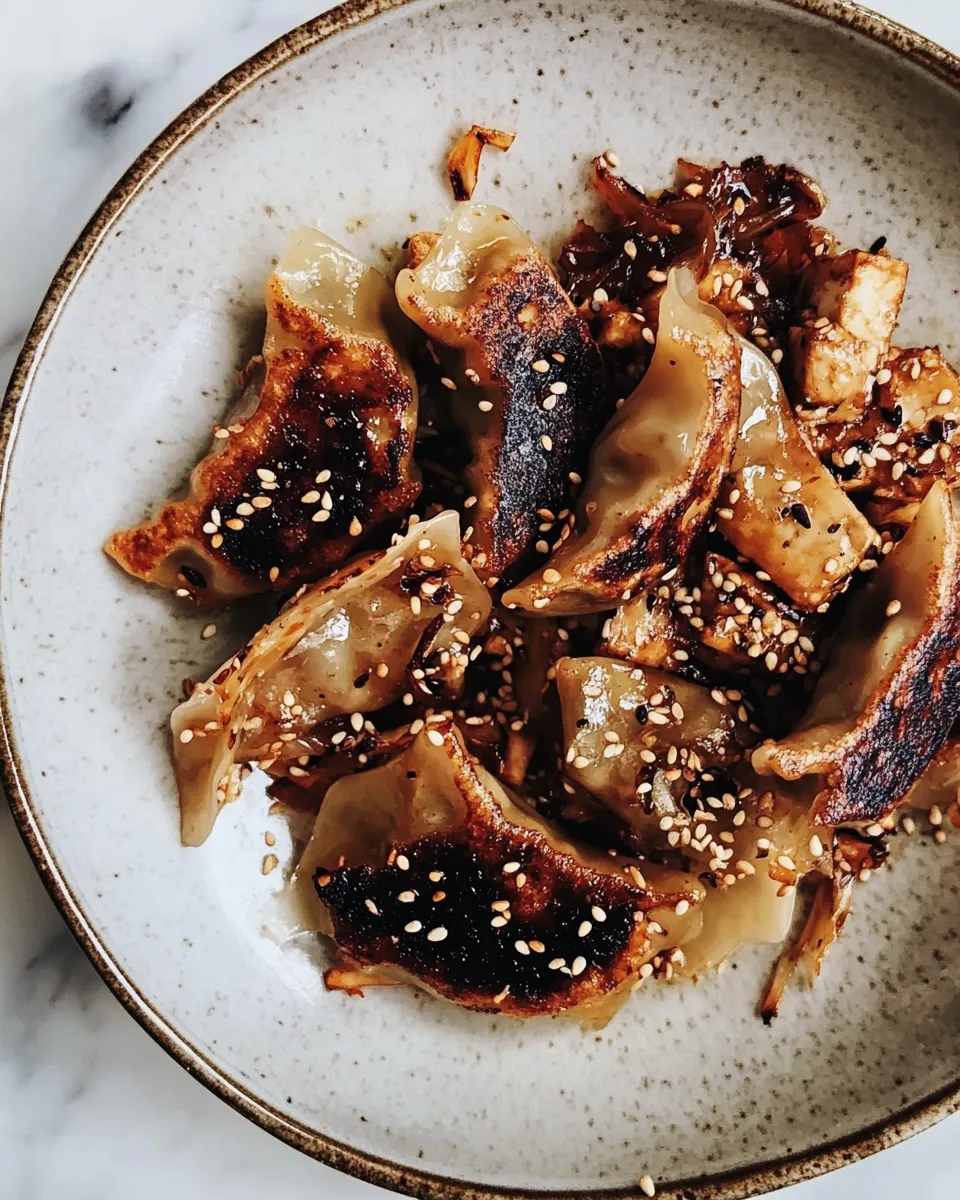
- Cook undisturbed until the bottoms are golden brown and crisp, about 2–3 minutes. Keep an eye on heat so they brown without burning.
- Once the bottoms are nicely browned, add a small splash of water to the pan—about 2–4 tablespoons—to create steam. Immediately cover the skillet with a lid to trap the steam and cook through. Let them steam for 3–5 minutes, or until the wrapper tops look translucent and the filling is heated through.
- Remove the lid and cook for another minute uncovered to re-crisp the bottoms if needed. Transfer the potstickers to a serving plate and repeat with remaining dumplings.
-
Serve.
- Arrange the potstickers on a serving platter. They’re delicious straight from the pan, and look especially pretty with cripsy golden bottoms facing up.
- Pair with a dipping sauce such as soy sauce with a squeeze of lime, a splash of rice vinegar, toasted sesame oil, or a chili paste for heat. A simple mix of soy sauce and rice vinegar with a pinch of sugar and a few drops of sesame oil is my go-to.
Tips for perfect potstickers
- Don’t skip pressing the tofu. Removing excess water concentrates the tofu’s texture so it binds better with the vegetables.
- Squeeze the cabbage well. Excess moisture is the number-one culprit for soggy potstickers.
- Work with a damp towel over unused wrappers to keep them pliable and prevent tearing while you fold.
- Use a heavy pan that retains heat so you get an even, golden sear on the bottoms.
- Adjust the water and covered steaming time slightly based on your pan and stove—if the wrappers still feel doughy, steam a bit longer in short increments.
Make-ahead and storage
You can assemble the potstickers and store them on a tray covered with plastic wrap in the refrigerator for up to 24 hours before cooking. For longer storage, freeze the assembled potstickers on a parchment-lined tray until firm, then transfer them to a freezer bag for up to 2 months. Cook from frozen: add an extra minute or two to the steaming time after searing so the filling heats through.
Serving ideas
These Red Cabbage Tofu Potstickers make a great starter or main. Serve them with a simple dipping sauce, a side of steamed rice, or a crisp cucumber salad. For a full meal, place them beside a bowl of miso soup and quick-pickled vegetables.
Why I love this version
Red Cabbage Tofu Potstickers are colorful, easy to personalize, and a fun way to get vegetables into a handheld format that everybody loves. The cabbage gives a satisfying snap, tofu adds a gentle creaminess, and the aromatics of garlic and ginger make each bite feel intentional. They’re approachable for cooks of all levels and translate well to meal prep or entertaining.
Final notes
If you want to boost flavor, you can stir in a teaspoon of sesame oil or a splash more soy sauce to the filling—but only if the mixture still feels firm enough to hold. Play with dipping sauces to find what you love best. These potstickers are meant to be crisp where they should be, tender where they should be, and full of happy, balanced flavor.
Ready to make a batch? Gather your ingredients, press the tofu, and let the potsticker party begin. Whether you’re a beginner dumpling folder or an experienced pleater, these Red Cabbage Tofu Potstickers are reliably delicious and always a crowd-pleaser.
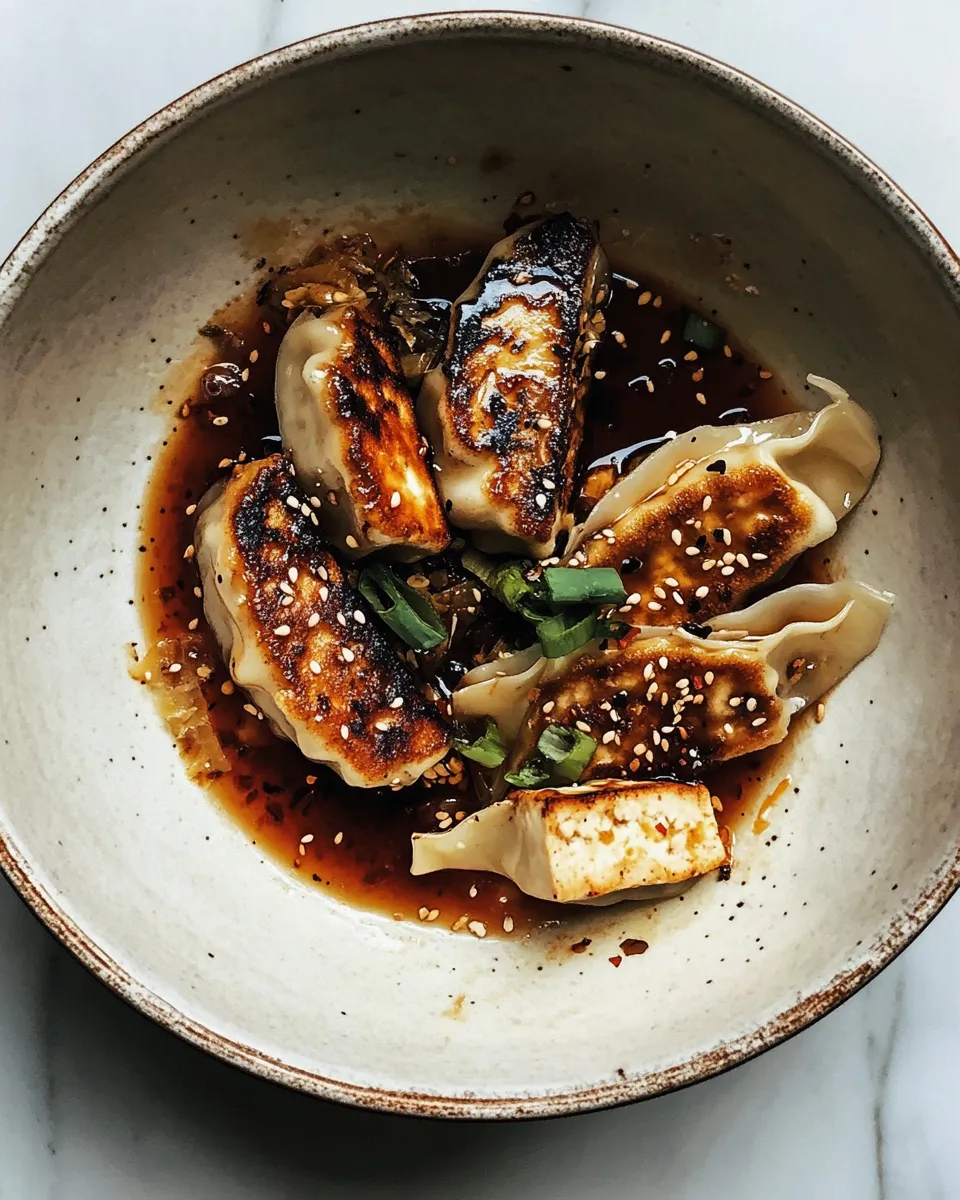
Red Cabbage Tofu Potstickers
Equipment
- Food Processor
- Skillet
- Spatula
- Small Bowl
- Measuring Spoons
- kitchen towel or paper towels
Ingredients
- 2 cups shredded red cabbage
- 1 medium carrot grated
- 3 cloves garlic minced
- 2 teaspoons ginger minced
- 4 ounces firm tofu pressed for about 30 minutes and crumbled
- 1 tablespoon soy sauce
- 18-22 potsticker wrappers see note
- 2-3 tablespoons neutral oil for frying
Instructions
- Pulse cabbage, grated carrot, minced garlic, and minced ginger in a food processor until the cabbage is finely chopped and the mixture starts to come together.
- Add crumbled pressed tofu and soy sauce to the processor and pulse a few more times until the filling is cohesive with no large cabbage pieces.
- Set up an assembly station with a small bowl of water, filling, and wrappers; working with one wrapper at a time, place about 1 tablespoon of filling in the center.
- Dip a fingertip in water and run it around the wrapper edge. Fold the wrapper: bring the ends or corners together, pinch lightly, then pleat one side and press to seal firmly.
- Heat a skillet over medium-high and add enough neutral oil to coat the bottom. Arrange potstickers flat-side down without touching; cook in batches if needed until bottoms are golden brown.
- Carefully add 1/3 cup water to the pan and immediately cover. Reduce heat to medium-low and steam for about 6 minutes.
- Uncover. If excess water remains and potstickers are sticking, raise the heat to evaporate remaining water and crisp the bottoms as needed. Remove cooked potstickers and repeat with remaining batches.
- Serve warm with soy sauce, chili crisp, or your preferred dipping sauce.
Notes
- Press tofu for about 30 minutes to remove excess water.
- Use about 1 tablespoon filling per wrapper for an even seal.
- Work in batches to avoid overcrowding the pan.
- Add water and cover immediately to steam and finish cooking.
- If using stainless steel, increase heat at the end to evaporate water and re-crisp bottoms.