This lemon pound cake is a quiet showstopper: simple to assemble, sturdy enough to travel, and bright enough to cut through a sweet afternoon. I’ve made it for brunches, potlucks, and a few last-minute gifts, and it reliably delivers that tender crumb and a fresh lemon finish everyone wants to ask about.
You don’t need fancy techniques here — just attention to temperature, timing, and a little patience while the cake cools. The recipe yields a substantial Bundt cake that slices cleanly and keeps well, which makes it practical for feeding a crowd or enjoying over several days.
I’ll walk you through the ingredients as written, step-by-step directions exactly as provided, and the equipment and tips that make this easy to execute at home. If you want to streamline or accommodate dietary needs, I’ll offer gentle guidance without changing the original recipe’s amounts.
What Goes Into Ritz Carlton Lemon Pound Cake
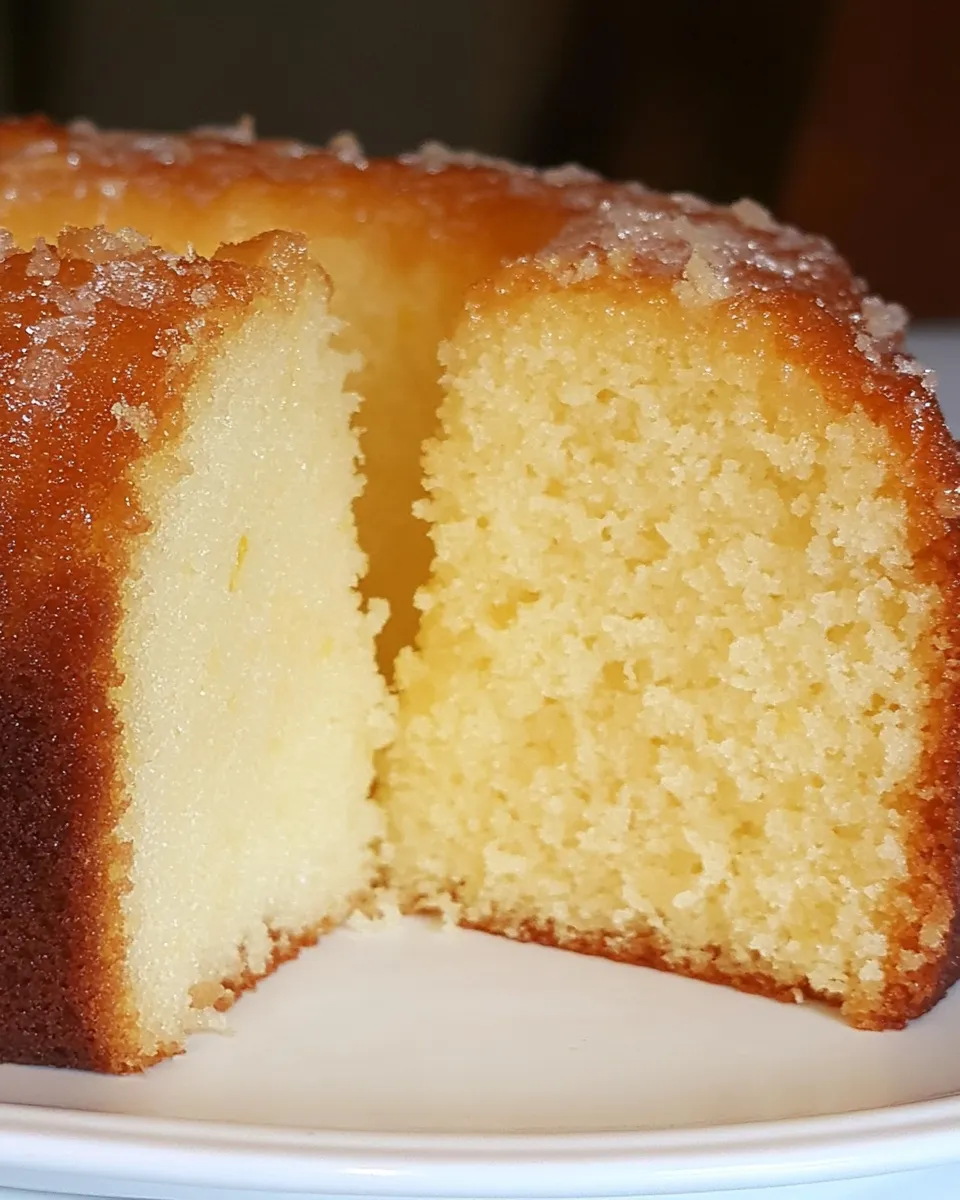
This cake depends on classic pantry staples: flour, sugar, butter, shortening, eggs, milk, baking powder, a pinch of salt, and lemon for brightness. Each ingredient plays a clear role — structure, lift, richness, moisture, and flavor. The combination of butter and Crisco shortening gives tenderness and a clean slice while keeping the crumb moist.
Ingredients
- 3 cups all-purpose flour — forms the cake’s structure; sift to remove lumps and aerate.
- 1 Tbsp baking powder — the leavening agent; measure precisely for reliable rise.
- ¾ tsp salt — balances sweetness and enhances flavor.
- 3 cups sugar — provides sweetness and helps tenderize the crumb.
- 1 cup unsalted butter, room temperature — adds flavor and richness; room temp means soft but not melted.
- ½ cup Crisco shortening — contributes to a tender, moist crumb and keeps slices neat.
- 5 large eggs — add structure and emulsify the batter; add them one at a time.
- 1 cup whole milk — hydrates dry ingredients and adds richness.
- 6 Tbsp lemon juice — brightens the cake; adds balance and a gentle tang.
- 1 lemon, zested — concentrated lemon oil in the zest delivers aromatic citrus notes.
Make Ritz Carlton Lemon Pound Cake: A Simple Method
- Preheat oven to 350°F. Grease a 15-cup Bundt pan by spraying or rubbing with butter, then lightly flour the pan and tap out excess flour.
- In a medium bowl sift together 3 cups all-purpose flour, 1 tablespoon baking powder, and 3/4 teaspoon salt. Set aside.
- In a large bowl using an electric mixer, cream 1 cup unsalted butter (room temperature), 1/2 cup Crisco shortening, and 3 cups sugar until light and fluffy. Scrape down the bowl as needed.
- Add 5 large eggs one at a time, beating until each egg is fully incorporated before adding the next. Scrape the bowl once or twice while adding the eggs.
- Add the dry ingredient mixture to the butter mixture in three additions, alternating with the milk: add one-third of the sifted flour mixture, then half of the 1 cup whole milk; add the second third of the flour mixture, then the remaining milk; finally add the last third of the flour mixture. Beat at low speed and mix only until each addition is just blended. Scrape the bowl between additions.
- Stir in 6 tablespoons lemon juice and the zest of 1 lemon until evenly combined.
- Pour the batter into the prepared Bundt pan and smooth the top with a spatula.
- Bake at 350°F until a tester inserted into the center comes out clean, about 55 minutes (begin checking around 50 minutes).
- Cool the cake in the pan on a wire rack for 15 minutes. Then invert the pan to release the cake onto the rack and cool completely before slicing.
The Upside of Ritz Carlton Lemon Pound Cake

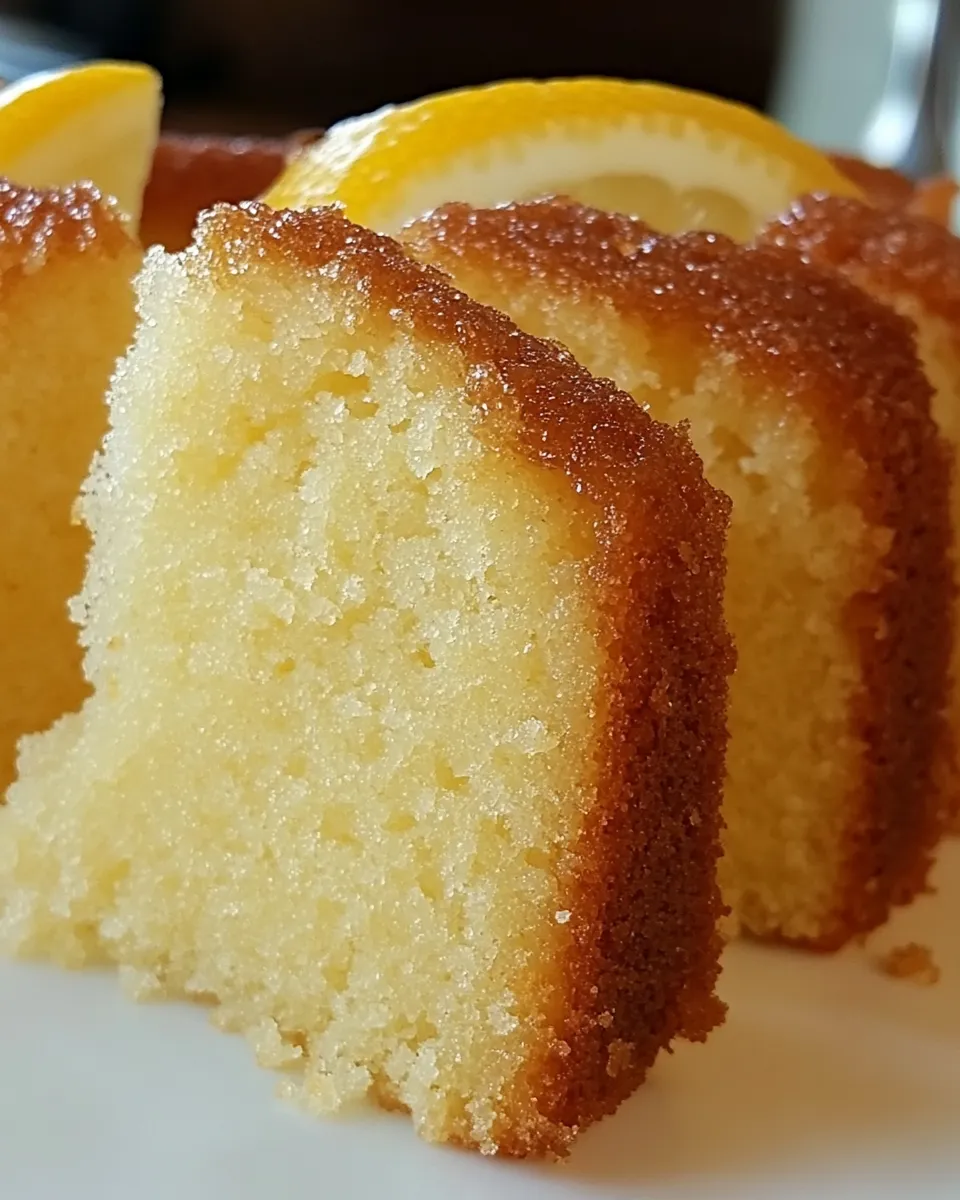
This cake balances reliability and flavor. It uses common pantry items, so you rarely need a special trip to the store. The yield is generous — a 15-cup Bundt pan produces slices that hold up well for serving without crumbling. Texture-wise, the butter and shortening combination gives a tight, tender crumb that resists drying out, and the lemon juice and zest cut through the sweetness for a clean finish.
It’s also versatile. Serve it plain, dusted with powdered sugar, or alongside whipped cream and berries for a lighter presentation. Because it keeps its shape, it’s ideal for transporting to gatherings or for prepping a day ahead.
Low-Carb/Keto Alternatives
If you’re seeking a lower-carb or keto approach, this recipe in its original form uses wheat flour and sugar, so any adaptation requires substitutions. Common strategies include using a low-carb flour blend in place of the all-purpose flour and a sugar substitute for the granulated sugar. Keep in mind these swaps will change texture and how the cake bakes; almond- or coconut-based flours typically need different ratios and binding agents, and sugar substitutes behave differently during creaming.
Proceed cautiously: start with small test batches and expect to adjust baking time and mixing technique. Because the provided recipe’s amounts are precise for the ingredients listed, cooking times and results will vary after substitution. If you want help converting this recipe for a specific low-carb approach, tell me which substitute you plan to use and I’ll guide the adjustments conceptually.
Setup & Equipment
Good organization removes guesswork. Have everything measured and ready before you start.
- 15-cup Bundt pan — the recipe is written for this size; greasing and flouring is critical for release.
- Electric mixer — needed to cream butter, shortening, and sugar properly and to incorporate eggs without overworking the batter.
- Sifter or fine mesh sieve — for the flour, baking powder, and salt to avoid lumps and to aerate.
- Measuring cups and spoons — precise measuring helps the chemistry of the cake.
- Spatula and wire cooling rack — for smoothing batter and cooling the cake properly after baking.
- Toothpick or cake tester — to check doneness.
Practical setup tips
Bring the butter and eggs to room temperature before you start — the butter should be soft but not greasy, and room-temperature eggs emulsify better. Preheat the oven fully; an oven thermometer is helpful if your oven runs hot or cool. Grease and flour the Bundt pan immediately before filling to prevent batter from sticking.
What Not to Do
There are a few simple pitfalls to avoid:
- Don’t skip sifting the dry ingredients. It evens out the baking powder and helps a consistent rise.
- Don’t add the eggs all at once. Adding them one at a time keeps the batter from breaking and ensures even incorporation.
- Don’t overmix after adding the flour. Mix only until just blended; overworking develops gluten and makes the cake tough.
- Don’t rush the cooling phase. Inverting too soon can cause the cake to crack or stick.
- Avoid opening the oven repeatedly during the first 40–45 minutes; frequent temperature shifts can affect rise and texture.
Tailor It to Your Diet
If you need to adapt this cake for dietary preferences without changing the ingredient amounts provided, focus on serving and portion choices. Offer smaller slices, pair with fresh fruit instead of whipped cream, or serve with a tart compote to reduce perceived sweetness per bite.
For ingredient swaps (like dairy-free, egg-free, or gluten-free), keep in mind those changes will require rebalancing amounts and possibly baking time. If you’d like a tested conversion for a specific restriction, tell me the restriction and I’ll walk you through a cautious conversion plan rather than attempting to retrofit the original amounts blindly.
Chef’s Rationale
Every choice in this recipe is deliberate. The 3 cups of sugar balance the richness from the butter and shortening and help keep the crumb tender. The shortening contributes to a smooth, compact texture that slices cleanly — something guests appreciate at events. Adding milk in stages with the flour prevents the batter from curdling and ensures an even texture. The lemon juice and zest are concentrated so a small amount gives a noticeable lift without making the crumb wet or delicate.
The instructions call for beating at low speed when combining flour and milk to minimize gluten development. This is why timing and sequence matter: it’s not just ingredients, but how they meet each other.
Keep It Fresh: Storage Guide
Store the cooled cake wrapped well in plastic wrap or in an airtight container at room temperature for up to 3 days. For longer storage, refrigerate for up to 7 days; let the cake come to room temperature before serving to regain tenderness. You can freeze slices or the whole cake, well-wrapped, for up to 3 months. Thaw in the refrigerator overnight and bring to room temperature before serving.
If you plan to frost or glaze the cake, wait until it’s completely cool. Adding a glaze while the cake is warm will cause the glaze to sink in unevenly.
Frequently Asked Questions
- Can I use a different pan? — The recipe is written for a 15-cup Bundt pan. Using a smaller or shallower pan will change baking time and may overflow. A careful conversion is needed if you swap pans.
- How do I know when it’s done? — A clean tester inserted into the center is the best indicator. Start checking at about 50 minutes as the recipe suggests; a tester should come out clean or with a few moist crumbs, not wet batter.
- Why both butter and shortening? — Butter gives flavor; shortening keeps the crumb tender and helps produce neat slices. Together they give a rounded texture and structure.
- Can I add a glaze? — Yes. A simple powdered sugar and lemon juice glaze complements this cake, but apply it only after the cake is completely cool. Glazing will change sweetness and mouthfeel.
- Can I halve this recipe? — Technically yes, but the baking vessel and time will need adjustment. Halving is best if you have a smaller Bundt or loaf pan and are prepared to monitor doneness closely.
Save & Share
If this recipe becomes a staple, save the page and note any small changes you make so you can reproduce your version exactly. Share slices with neighbors or friends; this cake is forgiving and travels well. If you try a variation or need help converting measurements for size or dietary needs, drop a note — I love hearing how these classics evolve in your kitchens.
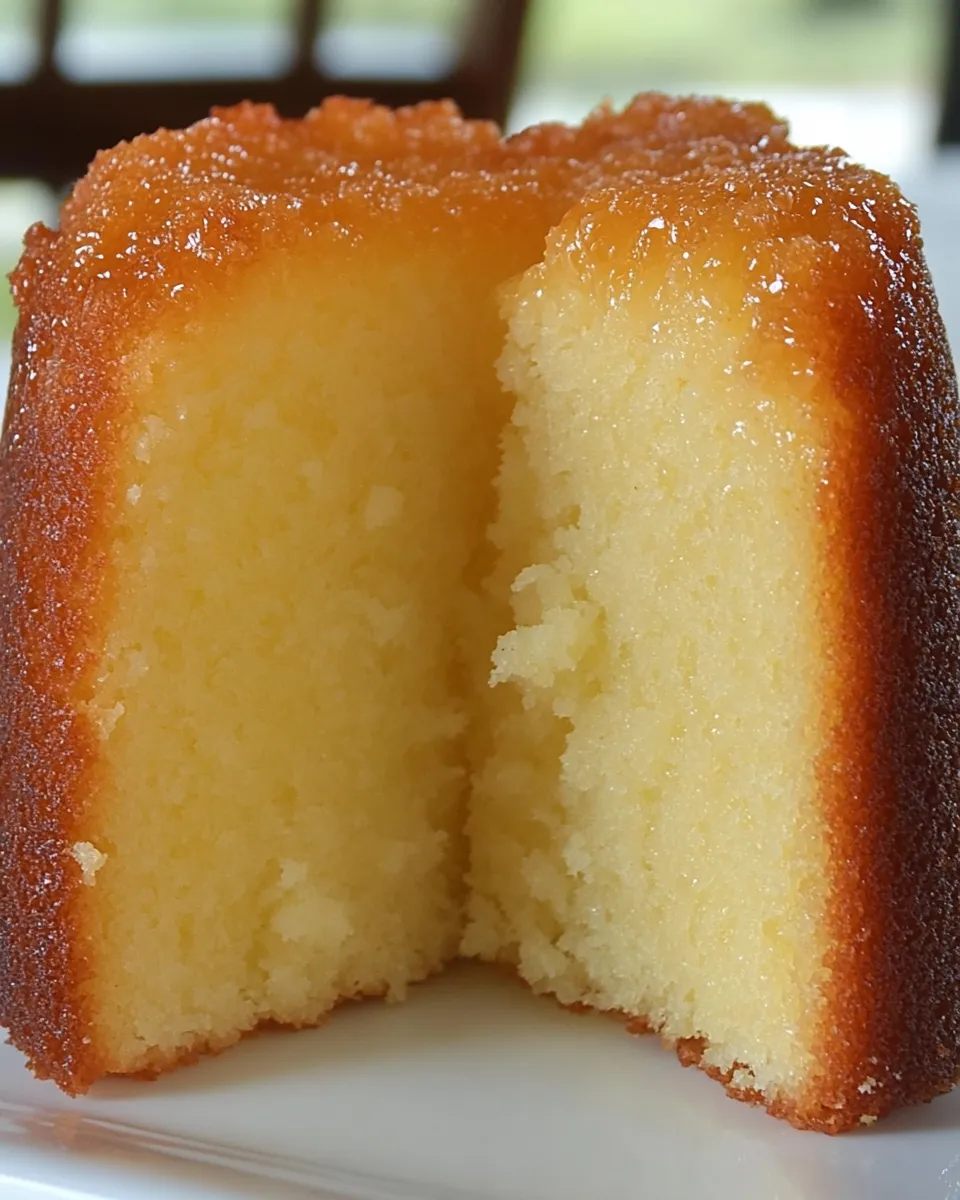
Ritz Carlton Lemon Pound Cake
Equipment
- Kitchen-Aid Mixer
- Tube Cake Pan
- 15-cup Bundt Cake Pan
Ingredients
Ingredients
- 3 cupsall-purpose flour
- 1 Tbspbaking powder
- 3/4 tspsalt
- 3 cupssugar
- 1 cupunsalted butter ,room temperature
- 1/2 cupCrisco shortening
- 5 large eggs
- 1 cupwhole milk
- 6 Tbsplemon juice
- 1 lemon ,zested
Instructions
Instructions
- Preheat oven to 350°F. Grease a 15-cup Bundt pan by spraying or rubbing with butter, then lightly flour the pan and tap out excess flour.
- In a medium bowl sift together 3 cups all-purpose flour, 1 tablespoon baking powder, and 3/4 teaspoon salt. Set aside.
- In a large bowl using an electric mixer, cream 1 cup unsalted butter (room temperature), 1/2 cup Crisco shortening, and 3 cups sugar until light and fluffy. Scrape down the bowl as needed.
- Add 5 large eggs one at a time, beating until each egg is fully incorporated before adding the next. Scrape the bowl once or twice while adding the eggs.
- Add the dry ingredient mixture to the butter mixture in three additions, alternating with the milk: add one-third of the sifted flour mixture, then half of the 1 cup whole milk; add the second third of the flour mixture, then the remaining milk; finally add the last third of the flour mixture. Beat at low speed and mix only until each addition is just blended. Scrape the bowl between additions.
- Stir in 6 tablespoons lemon juice and the zest of 1 lemon until evenly combined.
- Pour the batter into the prepared Bundt pan and smooth the top with a spatula.
- Bake at 350°F until a tester inserted into the center comes out clean, about 55 minutes (begin checking around 50 minutes).
- Cool the cake in the pan on a wire rack for 15 minutes. Then invert the pan to release the cake onto the rack and cool completely before slicing.
Notes
I use a 15-cup Bundt pan. It also works in a Tube Pan.
If you are using a 12-cup or 10-cup Bundt pan, make sure to leave at least 1-inch to 1½ inches unfilled. You may have leftover batter.
One cup of flour weighs 4.25 ounces. To properly measure flour, give the flour a stir to loosen it up in the container. Use a spoon and lightly spoon the flour into your measuring cup. Use a flat straight edge (like the straight back of a knife) to level off the top of the flour in the measuring cup. Do NOT compact the flour in the measuring cup.