Shakshuka is one of those weeknight victories I keep returning to: minimal fuss, maximum flavor, and satisfying on so many levels. A skillet full of slowly simmered tomatoes, onions and peppers becomes a cozy, spiced cradle for eggs that gently poach right in the sauce. It’s rustic, bright, and forgiving—perfect for breakfast, lunch, or a simple dinner for two.
What I love most is how quickly it comes together and how easy it is to adjust. With a few pantry staples and a single heavy skillet, you can create a meal that feels special without a long ingredient list. Below I walk you through everything—ingredients, exact steps, equipment, substitutions and the little techniques that keep the eggs tender and the sauce deeply flavored.
Read through the notes and tips before you start, then follow the step-by-step list for a dependable result. Shakshuka rewards modest attention: stir, taste, make a well and crack eggs, then let the stove do the rest. Let’s get cooking.
The Essentials
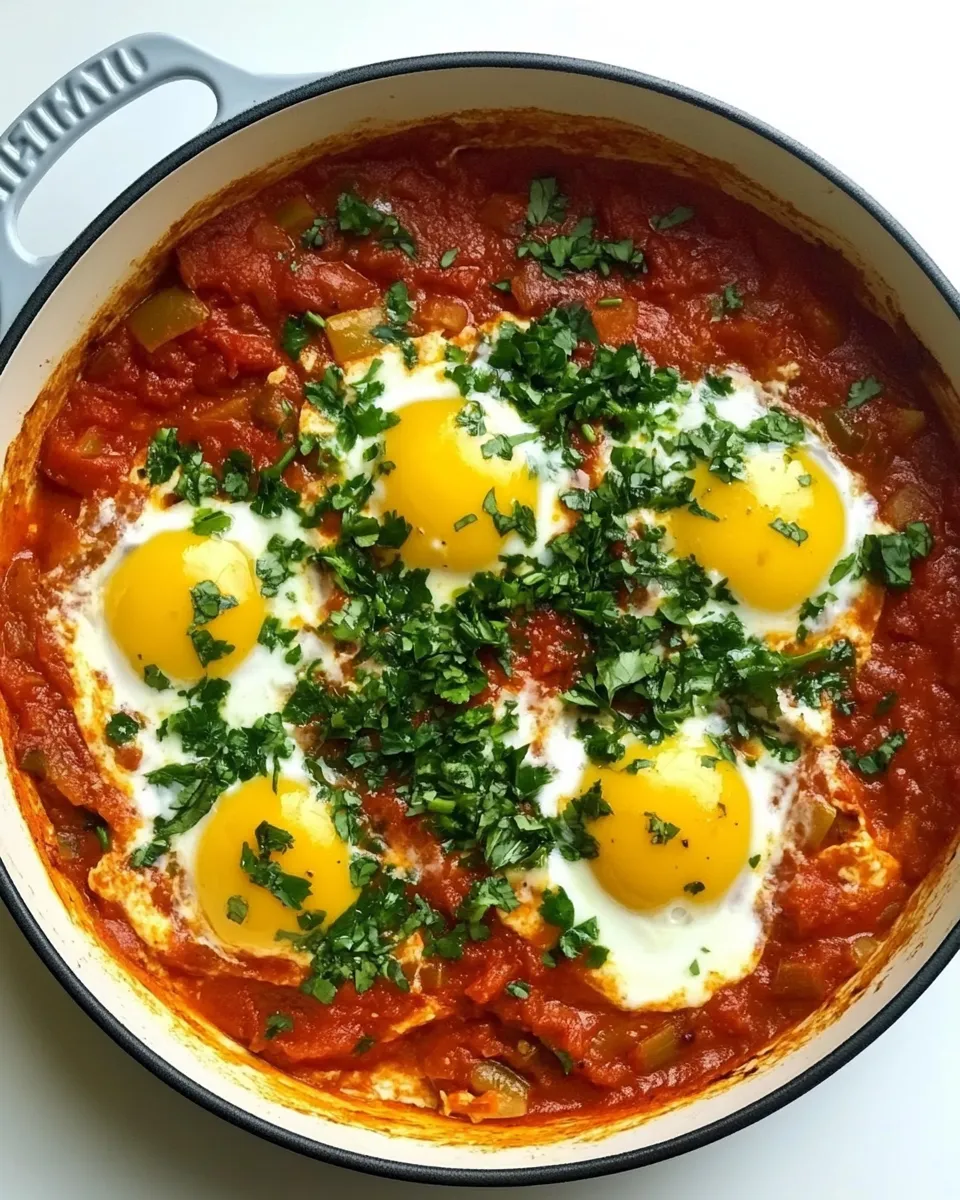
Quick overview so you know what you need before you begin: this shakshuka uses two 28-ounce cans of whole peeled tomatoes as the base, a single onion and pepper for structure and sweetness, a modest spice profile (cumin and paprika), and 6–8 eggs depending on how many people you’re feeding. The technique is straightforward: sauté aromatics, add tomatoes and spices, simmer, make wells, crack eggs, cover and cook until done.
Timing: plan for about 30–40 minutes from start to table. Hands-on time is mostly in the first 10–15 minutes—sautéing and stirring—then a short simmer and the quiet cook of the eggs under a lid. Serve with crusty bread or pita for dipping.
Ingredients
- 2 tablespoons olive oil — for sautéing the aromatics and creating a silky base.
- 1 peeled and small diced yellow onion — adds sweetness and body to the sauce.
- 1 seeded and small diced red bell pepper — contributes color, sweetness, and texture.
- 4 finely minced cloves garlic — builds savory depth; add toward the end of sautéing to avoid burning.
- 2 28-ounce cans of whole peeled tomatoes, crushed with hands — the concentrated tomato foundation; crushing by hand keeps texture rustic.
- 2 teaspoons ground cumin — warm, earthy spice that defines the flavor profile.
- 1 teaspoon paprika — adds smokiness or sweetness depending on the paprika you use; balances the cumin.
- ½ teaspoon sugar — trims acidity and brightens the tomatoes.
- 6 to 8 large eggs — the star protein; choose fewer for firmer eggs, more for additional servings.
- sea salt and fresh cracked pepper to taste — essential for seasoning at multiple stages: during simmer and before serving.
Shakshuka in Steps
- Heat 2 tablespoons olive oil in a large 10–12″ skillet over medium heat.
- Add the peeled, small-diced yellow onion, the seeded small-diced red bell pepper, and the 4 finely minced garlic cloves. Sauté, stirring frequently, until the vegetables are softened and lightly browned, about 5–7 minutes.
- Add the two 28-ounce cans of whole peeled tomatoes, crushing the tomatoes by hand as you add them. Stir in 2 teaspoons ground cumin, 1 teaspoon paprika, ½ teaspoon sugar, and sea salt and fresh cracked pepper to taste.
- Reduce heat to low and simmer the sauce, uncovered, for 10 minutes, stirring occasionally to thicken and blend the flavors.
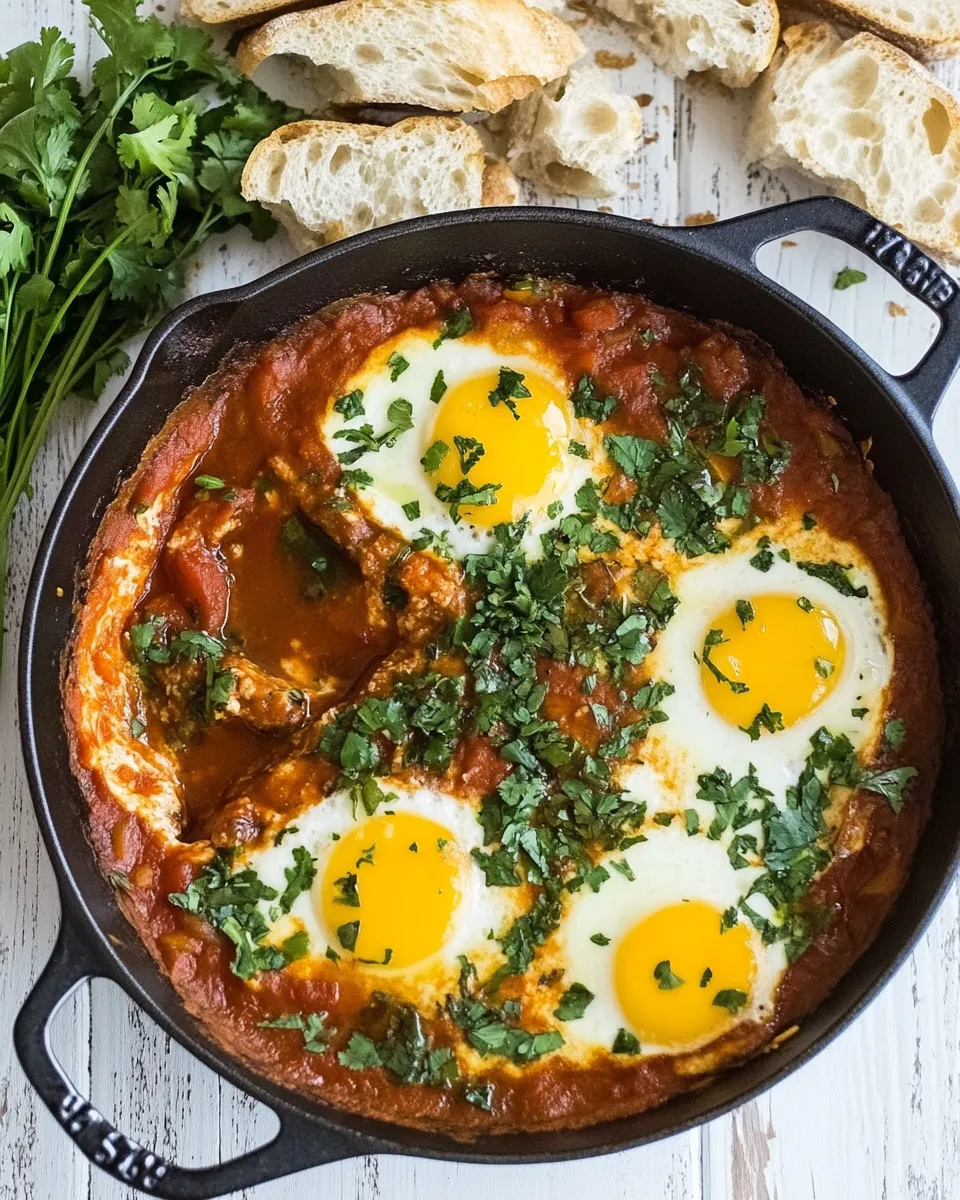
- Make 6 to 8 shallow wells in the sauce, spaced evenly. Crack one large egg into each well (use 6 eggs for fewer, firmer eggs or 8 eggs for more servings).
- Cover the skillet and cook over low heat until the egg whites are set and the yolks reach your desired doneness, about 8–12 minutes.
- Remove from heat, taste and adjust sea salt and fresh cracked pepper if needed, and serve immediately.
Top Reasons to Make Shakshuka

- Speed: Most of the work happens in the first 15 minutes; the rest is hands-off.
- Flavor depth from pantry staples: canned tomatoes plus cumin and paprika transform simple ingredients into something bold.
- Flexibility: It’s equally good for breakfast, a casual lunch, or dinner—and plate presentation is effortless.
- One-pan meal: Minimal cleanup and easy to scale up or down depending on guests.
- Comfort food that’s light but satisfying: eggs provide protein while the tomato sauce keeps it fresh and bright.
Ingredient Swaps & Substitutions
- Tomatoes: If you prefer texture, use crushed tomatoes instead of crushing whole peeled; if you have plum or Roma canned tomatoes, they work fine too.
- Peppers: Swap the red bell pepper for orange or yellow bell pepper, or use a deseeded poblano for a smokier edge.
- Spice adjustments: Add a pinch of chili flakes or a ½ teaspoon of cayenne if you want heat. Smoked paprika is a straightforward swap for regular paprika for deeper flavor.
- Sweetness: If your canned tomatoes are very acidic, the ½ teaspoon sugar can be increased slightly, or a grated carrot can add natural sweetness without changing flavor much.
- Eggs: Use the number of eggs that suits your serving size; 6 yields firmer whites and more sauce per person, 8 stretches the meal for more eaters.
Hardware & Gadgets
- Large 10–12″ skillet (preferably oven-safe) — the recipe is written for a skillet that comfortably holds the sauce and 6–8 eggs.
- Wooden spoon or heatproof spatula — for stirring and creating wells.
- Sharp knife and cutting board — for neat, even dicing of onion and pepper.
- Lid for your skillet — essential for cooking the eggs gently and evenly.
- Optional: a splatter screen if you’re cooking at a higher temperature or want to minimize cleanup.
Pitfalls & How to Prevent Them
- Rubbery egg whites: Avoid high heat when cooking the eggs. The recipe calls for low heat and a lid—this gentle steam cooks whites through without toughening them.
- Soggy vegetables or no browning: Don’t overcrowd the pan during the sauté. Give the onion and pepper a chance to soften and brown slightly for more flavor (5–7 minutes as directed).
- Too-thin sauce: Simmer uncovered for the full 10 minutes and stir occasionally. If your canned tomatoes are very watery, extend simmer time a few minutes until the sauce thickens to your liking.
- Bland flavor: Season in stages—taste after adding the spices and simmering, then adjust salt and pepper before serving.
Dietary Customizations
- Vegetarian: This recipe is vegetarian as written. Add a handful of spinach or crumbled feta at the end if you want more greens or tang.
- Vegan option: Replace the eggs with firm cubes of tofu or simmer in chickpeas for added protein. Note: cooking times will change—gentle simmering until heated through is usually sufficient.
- Lower sodium: Use no-salt-added canned tomatoes and reduce added sea salt during cooking; finish with salt to taste at the table.
- Gluten-free: Naturally gluten-free—just serve with gluten-free bread or rice instead of pita.
Pro Tips & Notes
Timing for perfect eggs
For yolks that are runny but whites set, aim for about 8–9 minutes under the lid on low heat. For soft-set yolks, 10–12 minutes gives a creamier texture. If you prefer to be precise, remove one egg at 8 minutes and test.
Layering flavor
Brown the onion and pepper until lightly caramelized—that brief browning step adds a sweet, savory backbone to the sauce. Crushing the canned tomatoes by hand keeps small chunks for texture; if you prefer a smoother sauce, pulse the tomatoes in a food processor first.
Finish with a drizzle of good olive oil or a squeeze of lemon if you want an extra bright note. Fresh herbs like parsley or cilantro are lovely if you have them on hand, but not necessary for a great result.
Meal Prep & Storage Notes
- Make-ahead: The tomato sauce can be prepared up to 3 days ahead and refrigerated. Reheat gently, then make wells and add the eggs to finish.
- Freezing: The sauce freezes well for up to 3 months. Thaw in the fridge overnight before reheating and adding eggs.
- Leftovers with eggs: Fully cooked eggs change texture when reheated. If you plan to meal prep, store sauce and cookable eggs separately; assemble and cook eggs fresh when reheating.
- Reheating: Gently rewarm the sauce on low heat on the stovetop. If the sauce seems thickened, add a splash of water to loosen it before cracking in eggs.
Reader Q&A
Q: Can I use fresh tomatoes instead of canned?
A: You can, but you’ll need about 2–2½ pounds of ripe tomatoes, peeled and chopped. Fresh tomatoes will take longer to break down; simmer until they reach a saucy consistency.
Q: How do I know when the eggs are done?
A: The whites should be opaque and set; the yolks will darken slightly. Gently jiggle the skillet or lift the lid—if the whites no longer look shiny and runny, they’re done. Use the 8–12 minute guideline to match your preferred yolk doneness.
Q: My sauce is too acidic—what can I do?
A: The recipe includes ½ teaspoon sugar to balance acidity. If it’s still sharp, add a pinch more sugar or a small knob of butter stirred in at the end to round the flavors.
Final Bite
Shakshuka is one of those recipes that builds confidence as you make it more: the technique is simple, and the payoff—eggs enveloped in a deeply flavored tomato bath—is irresistible. Follow the steps, respect low heat for the eggs, and don’t be shy about seasoning to taste at the end. Serve it with warm bread for dipping, a scattering of herbs if you like, and a cup of coffee or a crisp green salad on the side. It’s honest, quick, and full of heart—exactly the kind of meal I return to again and again.
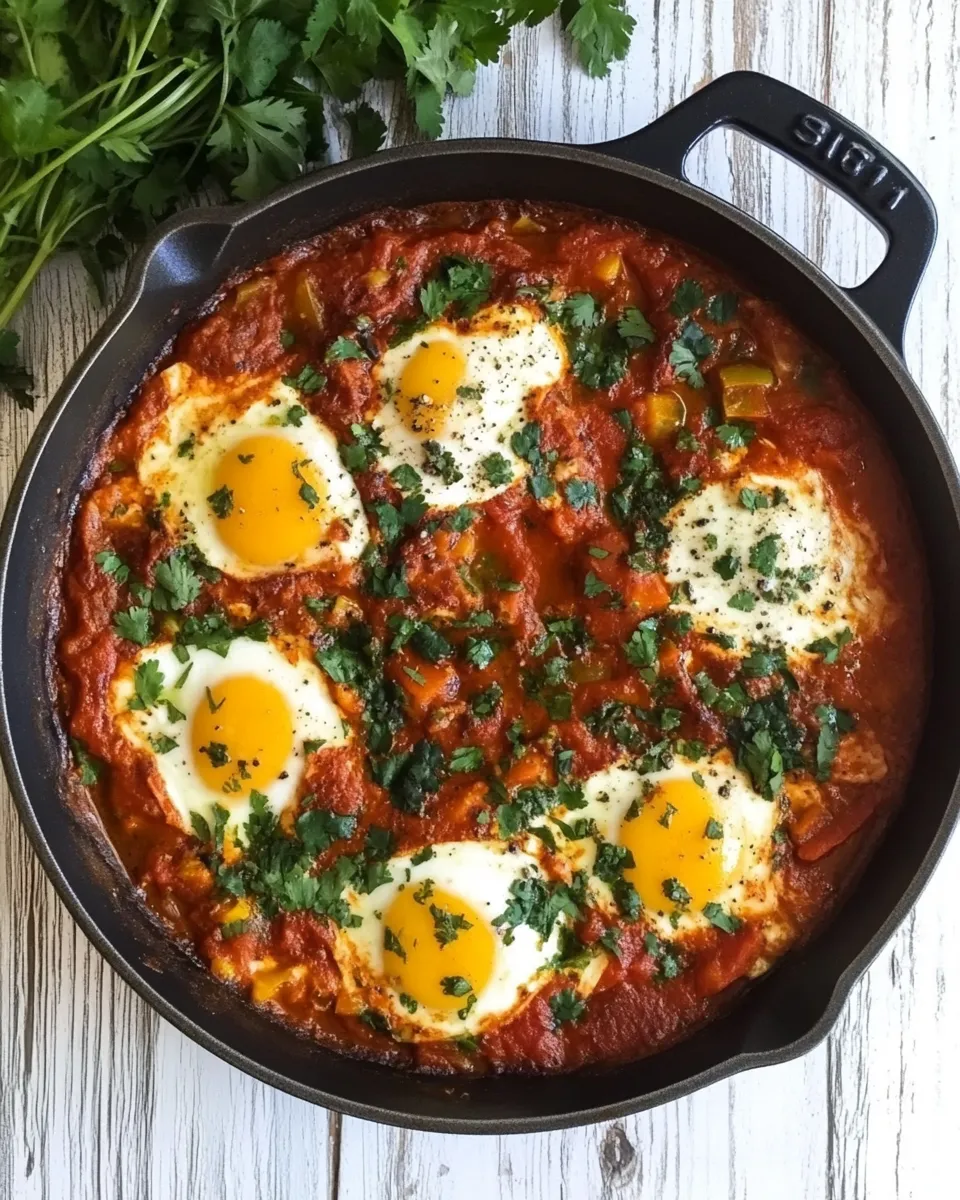
Shakshuka Recipe
Equipment
- 10-12 inch skillet
Ingredients
Ingredients
- 2 tablespoonsolive oil
- 1 peeled and small diced yellow onion
- 1 seeded and small diced red bell pepper
- 4 finely minced cloves garlic
- 2 28- ouncecans of whole peeled tomatoes crushed with hands
- 2 teaspoonsground cumin
- 1 teaspoonpaprika
- 1/2 teaspoonsugar
- 6 to 8 large eggs
- sea salt and fresh cracked pepper to taste
Instructions
Instructions
- Heat 2 tablespoons olive oil in a large 10–12" skillet over medium heat.
- Add the peeled, small-diced yellow onion, the seeded small-diced red bell pepper, and the 4 finely minced garlic cloves. Sauté, stirring frequently, until the vegetables are softened and lightly browned, about 5–7 minutes.
- Add the two 28-ounce cans of whole peeled tomatoes, crushing the tomatoes by hand as you add them. Stir in 2 teaspoons ground cumin, 1 teaspoon paprika, ½ teaspoon sugar, and sea salt and fresh cracked pepper to taste.
- Reduce heat to low and simmer the sauce, uncovered, for 10 minutes, stirring occasionally to thicken and blend the flavors.
- Make 6 to 8 shallow wells in the sauce, spaced evenly. Crack one large egg into each well (use 6 eggs for fewer, firmer eggs or 8 eggs for more servings).
- Cover the skillet and cook over low heat until the egg whites are set and the yolks reach your desired doneness, about 8–12 minutes.
- Remove from heat, taste and adjust sea salt and fresh cracked pepper if needed, and serve immediately.
Notes
Make-Ahead:
This is meant to be eaten as soon as it is done, or else the eggs will continue to cook. However, you can make the zesty red sauce without poaching the eggs in it one day ahead of time.
How to Store:
Cover and keep it in the refrigerator for up to 3 days with the eggs poached in the sauce. Cover without the eggs and keep it in the refrigerator for 5 to 7 days. You can freeze the sauce without having poached any eggs in it for up to 6 months. Thaw it in the refrigerator for 1 day or until thawed.
How to Reheat:
Add the desired amount of shakshuka to a small pan, cover it, and heat over low heat until hot. It is better to reheat it as a sauce without having poached the eggs.
You can
make little indents in the sauce of where you want to put the eggs while poaching them.
Feel free
to add 1 small seeded and small diced jalapeño or serrano pepper while sauteing the vegetables to add a little spice to the sauce.
If you
don’t have a lid for your cast iron skillet, like I don’t, I use a ½ sheet tray.