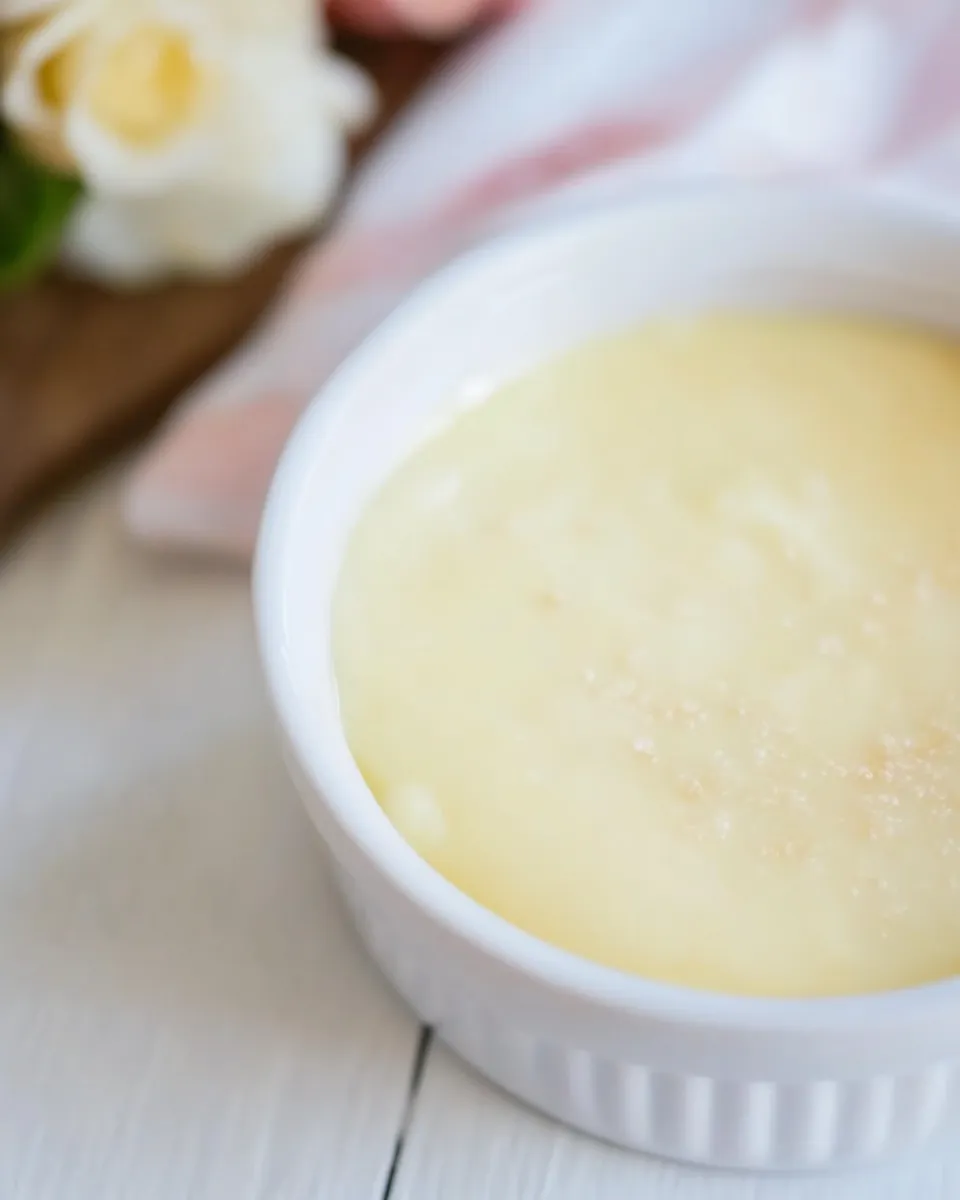
This is a classic, silky vanilla crème anglaise — the kind of custard that lifts a simple dessert into something quietly luxurious. It’s not thick like pastry cream, and it’s not as rich as ice cream. It’s a pourable, elegant sauce that plays well with fruit, cakes, puddings and a humble bowl of fresh berries.
I’ve made this version dozens of times. It’s built around a short list of ingredients and a straightforward technique: heat, temper, cook gently, strain, chill. The payoff is a smooth, fragrant custard with a clean vanilla finish. You’ll learn the little moves that keep it from curdling and the simple checks that tell you it’s done.
Read through the steps, gather your gear, and trust the process. This post includes practical tips for troubleshooting, lighter swaps, serving ideas for warm and cool weather, and storage guidance so you can make crème anglaise again and again with confidence.
Ingredients at a Glance
- 3/4 cup half and half — the base liquid; provides creaminess without being too heavy.
- 2 tsp vanilla extract — adds pure vanilla flavor; stir in at the end to preserve aroma.
- 2 egg yolks — the thickening agent; whisk until slightly thickened before tempering.
- 1/4 cup sugar — sweetens and helps stabilize the custard; dissolve it into the yolks.
Cooking (Vanilla Crème Anglaise): The Process
- Pour 3/4 cup half and half into a small saucepan and heat over medium until hot and steaming with small bubbles at the edges (do not boil). Remove from heat.
- In a heatproof bowl, whisk together 2 egg yolks and 1/4 cup sugar until the mixture is pale and slightly thickened.
- Temper the yolks: very slowly pour about 1/4 cup of the hot half and half into the yolk mixture while whisking constantly to combine.
- Continue to add the remaining half and half in a slow, steady stream while whisking until fully combined.
- Return the mixture to the saucepan and cook over low to medium-low heat, stirring constantly and scraping the bottom, until it thickens enough to coat the back of a spoon and registers about 170–175°F (77–80°C). Do not boil.
- Immediately pour the custard through a fine-mesh strainer into a clean bowl to remove any cooked bits.
- Stir in 2 teaspoons vanilla extract until evenly combined.
- Cover the surface of the custard (or cover the bowl) and refrigerate until chilled before serving.
What You’ll Love About This Recipe
- Speed. From start to refrigeration the active work is under 15 minutes. It’s a quick way to add a homemade touch to many desserts.
- Versatility. Use it warm as a sauce for baked fruit, spoon it over pound cake, or chill it to accompany chocolate torte.
- Texture. Properly made, it’s silky and coat-y without being too thick; it should flow slowly off a spoon.
- Flavor clarity. With minimal ingredients, the vanilla really shines. It won’t compete with strong flavors but will complement them.
- Control. Because you cook it gently and strain it, you avoid lumps and get a reliably smooth result.
Healthier Substitutions
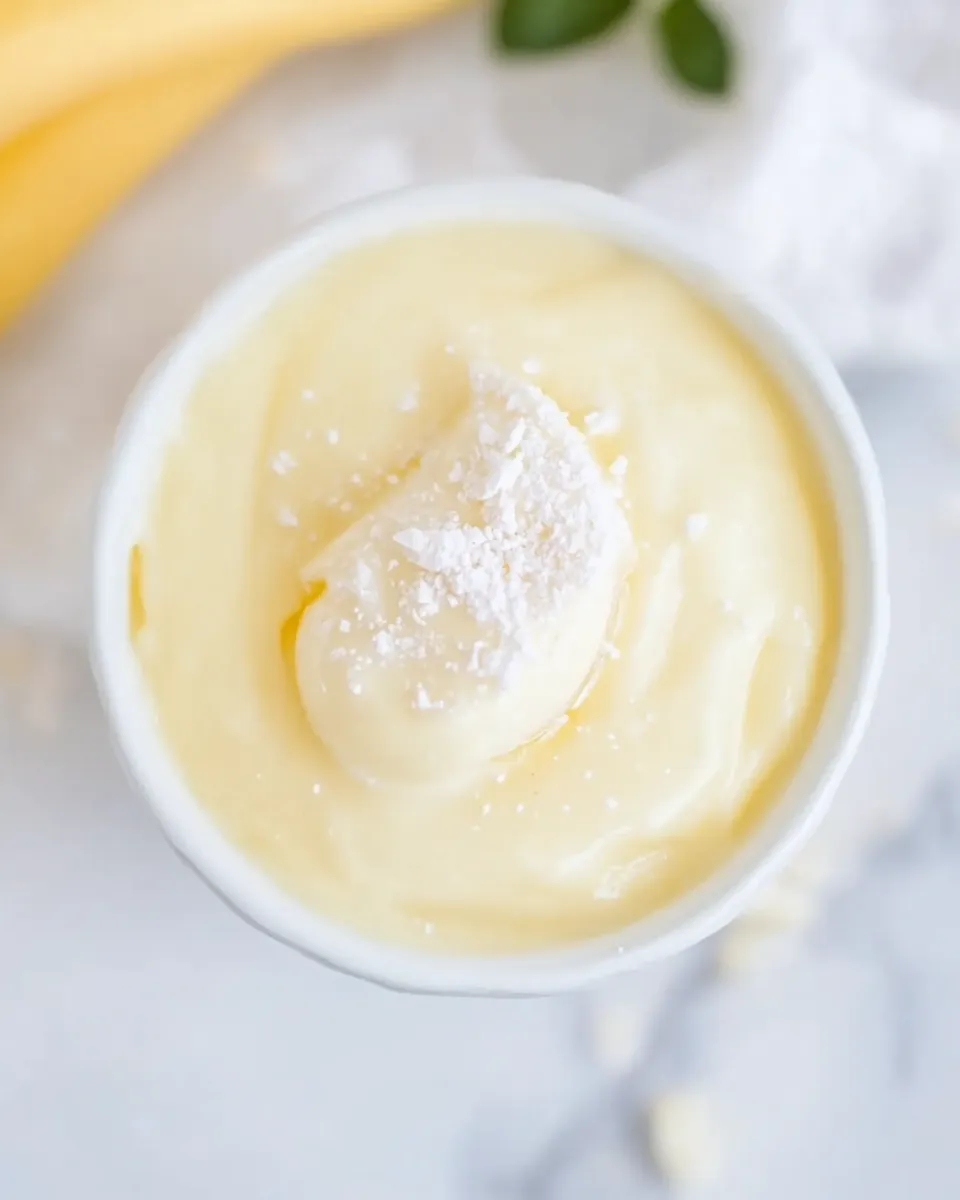
If you want to trim calories or fat without losing the essence of crème anglaise, small swaps can help. Note that any change can affect texture and flavor, so read the suggestions and choose what fits your needs.
- Lower-fat dairy: Use skim milk blended with a tablespoon of cream instead of half and half for a lighter sauce. The texture will be thinner; cook gently and watch the doneness carefully.
- Sweetener swaps: Replace the granulated sugar with the same amount of granulated erythritol or a monk-fruit blend measured 1:1 only if the package specifies it replaces sugar directly. Some non-sugar sweeteners react differently when heated, so expect minor changes in taste and mouthfeel.
- Egg alternatives: There’s no direct, simple swap to match egg yolks’ thickening power and flavor in a custard. For a lower-cholesterol option, reduce to one yolk and add 2–3 tablespoons of cornstarch, whisked into a small amount of cold milk before heating — but this moves the sauce away from classic crème anglaise.
Gear Up: What to Grab
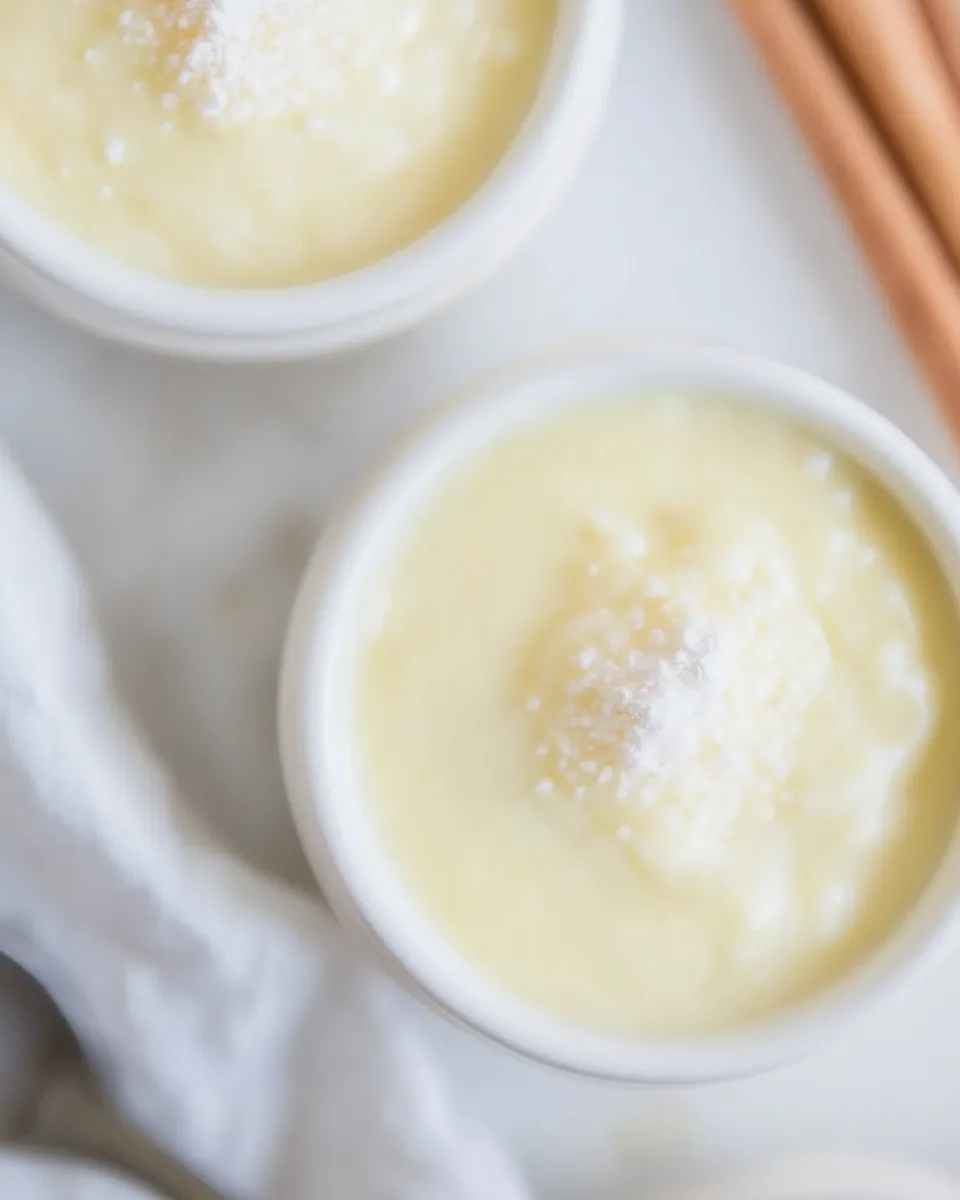
- Small saucepan — choose one with a thick bottom to distribute heat evenly and reduce hotspots.
- Heatproof mixing bowl — for whisking and tempering the yolks safely.
- Whisk — a small balloon whisk works best to fully incorporate the yolks and sugar.
- Fine-mesh strainer — essential to catch any bits of cooked egg and give a satin finish.
- Instant-read thermometer — optional but very helpful to hit the 170–175°F (77–80°C) window without guessing.
- Plastic wrap or a lid — to cover the custard surface during chilling and prevent a skin from forming.
Common Errors (and Fixes)
- Curdled or scrambled custard — Cause: temperature too high or rapid return to the pan. Fix: Remove from heat immediately. Strain the sauce through a fine-mesh sieve; if it’s slightly grainy, blend quickly with an immersion blender and then strain again. Next time, keep the heat low and whisk constantly.
- Too thin — Cause: undercooked; you didn’t reach the necessary temperature. Fix: Return the custard to low heat and stir constantly until it thickens to coat the back of a spoon or reaches 170–175°F (77–80°C). Do not boil.
- Grainy texture — Cause: sugar not fully dissolved or curdled bits. Fix: Strain through a fine-mesh sieve to remove granules and cooked bits. For future batches, whisk sugar and yolks longer to dissolve before adding hot liquid.
- Skin on top — Cause: uncovered chilling. Fix: Press plastic wrap directly on the surface to prevent a skin from forming; if it formed, remove the skin and strain the sauce before serving.
- Weak vanilla flavor — Cause: adding vanilla too early or using low-quality extract. Fix: Stir in vanilla at the end off the heat as directed. For a boost, use a half split vanilla bean steeped in the cream at the first heating step, then scrape seeds into the finished sauce (note: this is an optional change to technique).
Warm & Cool Weather Spins
Crème anglaise is adaptable to the season. In cool weather, serve it warm to add comfort and contrast; in summer, serve it chilled to refresh. Here are a few simple pairings and serving modes that suit different temperatures.
- Warm pairing: Drizzle warm crème anglaise over baked apples or bread pudding. The heat keeps the sauce fluid and comforting.
- Cool pairing: Spoon chilled sauce over fresh stone fruit or berries. The cool custard brightens the fruit and makes a light dessert.
- Frozen elements: Use chilled crème anglaise as a contrast alongside a scoop of sharp lemon or raspberry sorbet for an elegant palate play.
- Plated dessert: For a composed plate, lay a small pool of chilled custard, place a slice of tart or cake on top, then finish with a scattering of toasted nuts or a few herbs for color.
Testing Timeline
Here’s a practical timeline you can follow when making this recipe for guests or meal prep. The active steps are quick, but chilling matters for texture and serving temperature.
- 0–5 minutes: Gather ingredients and equipment. Separate egg yolks and measure sugar and half and half.
- 5–12 minutes: Heat the half and half and whisk the yolks and sugar. Temper the yolks and return to the pan to cook to 170–175°F (77–80°C).
- 12–15 minutes: Strain, stir in vanilla, and cover the surface with plastic wrap.
- Chill: At least 2 hours in the refrigerator for a fully chilled sauce. You can serve slightly warm if preferred, but chilling brings the texture together.
- Make-ahead window: Refrigerated, it keeps well for 2–3 days. Stir before using; if it thickens more, gently whisk to loosen.
Save It for Later
Crème anglaise stores well in the fridge when covered properly. Press plastic wrap directly onto the surface to prevent a skin and keep odors out. Reheat gently over a double boiler or in short bursts in the microwave, stirring often — avoid bringing it to a boil.
Freezing isn’t ideal because the texture will change as ice crystals form; the custard can separate when thawed. If you must freeze, pour into an airtight container and use within a month; thaw slowly in the refrigerator and re-emulsify by blending and straining before serving.
(Vanilla Crème Anglaise) Q&A
- Q: Can I use whole milk instead of half and half? — A: Yes. The sauce will be slightly less rich and thinner, but it still works. Watch the temperature closely since a leaner milk heats faster and can curdle if mishandled.
- Q: How can I tell when it’s done without a thermometer? — A: Look for the custard to coat the back of a spoon and leave a clear line when you run your finger through it. It should be noticeably thicker than when you started but still pourable.
- Q: My custard has small cooked bits; is it ruined? — A: Not at all. Strain it through a fine-mesh sieve to remove the bits. If it’s slightly grainy, blend briefly with an immersion blender and then strain again.
- Q: Can I infuse flavors other than vanilla? — A: Yes. Steep citrus zest, coffee, or spices in the half and half as it heats, then strain before tempering. Reduce the vanilla extract or omit it depending on the flavor profile.
- Q: Why add vanilla at the end? — A: Adding extract after straining preserves its volatile aromatics. Heat can dull the delicate vanilla notes.
Save & Share
If this crème anglaise becomes your go-to, save the recipe where you keep favorites and share it with friends who love simple, elegant desserts. It’s a small technique that opens up a lot of dessert possibilities. Bookmark it, make it for a weeknight pudding, or bring it to your next dinner party — it performs every time.
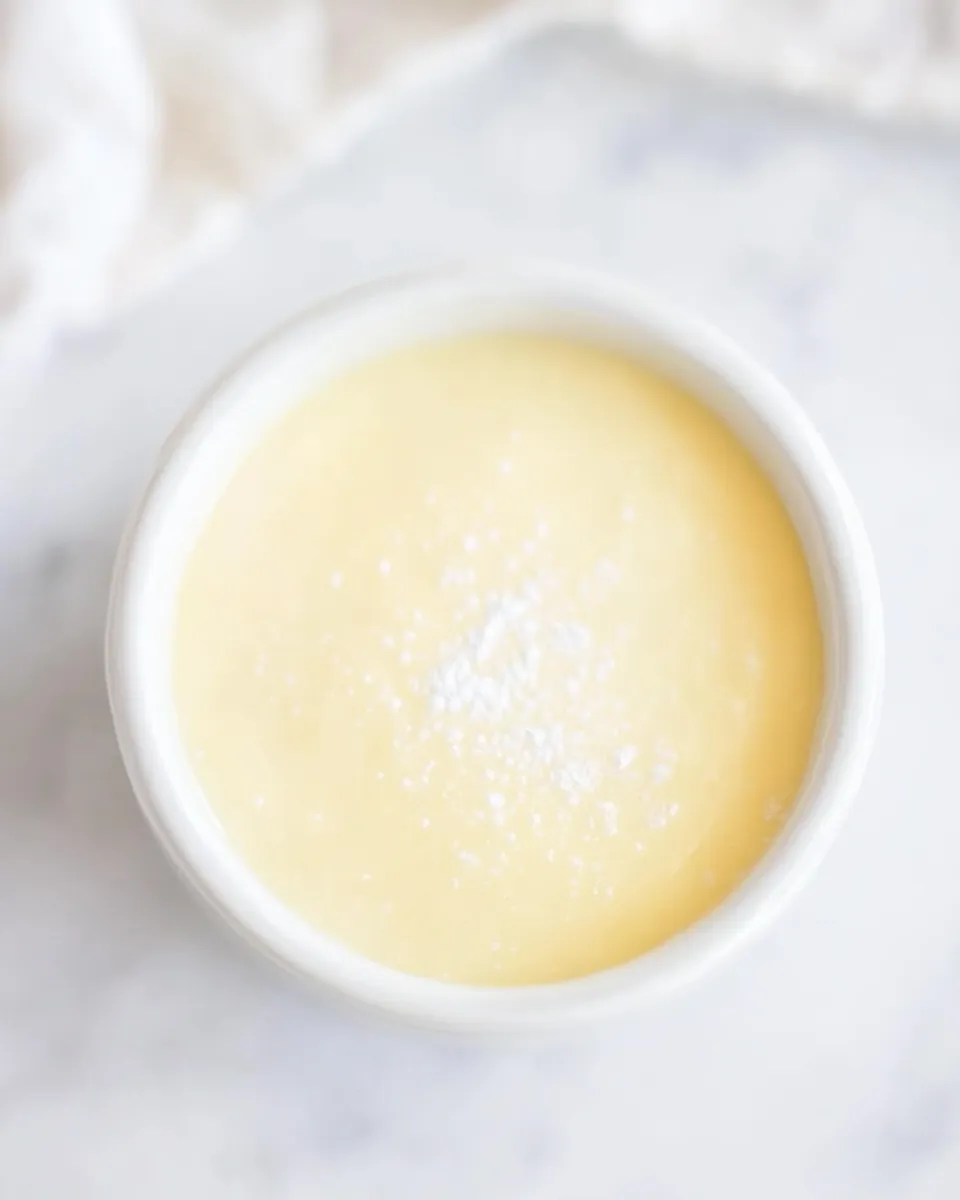
Vanilla Crème Anglaise
Equipment
- Saucepan
- Heatproof bowl
- Whisk
- Fine mesh strainer
- Spoon
Ingredients
Ingredients
- 3/4 cuphalf and half
- 2 tspvanilla extract
- 2 egg yolks
- 1/4 cupsugar
Instructions
Instructions
- Pour 3/4 cup half and half into a small saucepan and heat over medium until hot and steaming with small bubbles at the edges (do not boil). Remove from heat.
- In a heatproof bowl, whisk together 2 egg yolks and 1/4 cup sugar until the mixture is pale and slightly thickened.
- Temper the yolks: very slowly pour about 1/4 cup of the hot half and half into the yolk mixture while whisking constantly to combine.
- Continue to add the remaining half and half in a slow, steady stream while whisking until fully combined.
- Return the mixture to the saucepan and cook over low to medium-low heat, stirring constantly and scraping the bottom, until it thickens enough to coat the back of a spoon and registers about 170–175°F (77–80°C). Do not boil.
- Immediately pour the custard through a fine-mesh strainer into a clean bowl to remove any cooked bits.
- Stir in 2 teaspoons vanilla extract until evenly combined.
- Cover the surface of the custard (or cover the bowl) and refrigerate until chilled before serving.