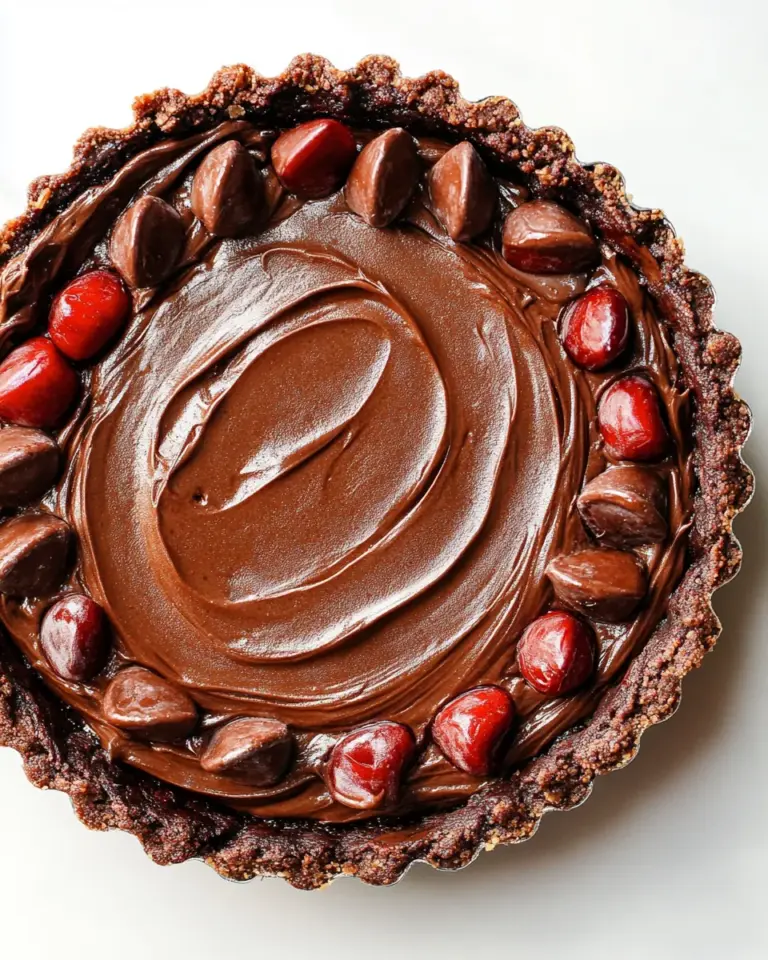
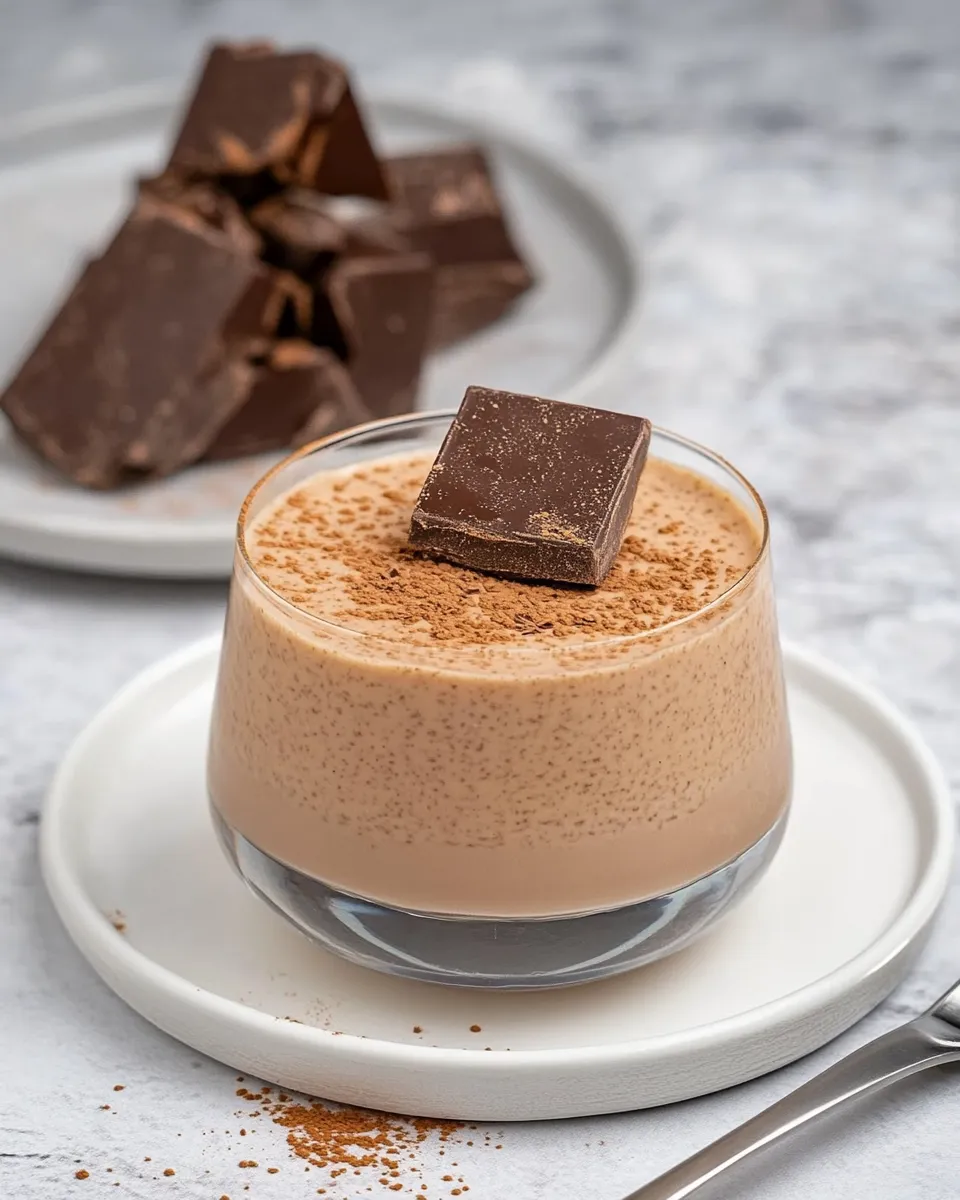
This is the kind of dessert I reach for when I want something impressive that doesn’t demand hours at the stove. Silky, gently set, and intensely chocolatey, Chocolate Panna Cotta feels like a small luxury served straight from the fridge. It’s quiet in the best way — no baking, no fussy timing — just a few careful steps and a very satisfying result.
I love using gelatin sheets in this version because they give a clean, tender wobble with no graininess. The cream and milk ratio keeps the texture rich without being cloying, and the cocoa adds a deep chocolate note that pairs perfectly with a shower of grated chocolate on top. You’ll appreciate how predictable the method is once you try it.
The recipe is practical. I’ll walk you through the exact steps, explain why the balance works, suggest sensible swaps, and flag the common mistakes I learned the hard way while testing. Read through once, gather your ingredients, and let’s get comfortable making panna cotta that wows without the fuss.
Gather These Ingredients
Ingredients
- 7 g gelatin sheets — hydrates and sets the panna cotta; sheets give a smooth, clear set compared with powder.
- 60 ml whole milk — lightens the texture slightly and helps the mixture set evenly.
- 480 ml heavy cream — the backbone of the panna cotta; gives richness and a silky mouthfeel.
- 1 tsp vanilla extract — lifts the chocolate and rounds the flavor; add quality vanilla for best results.
- 50 g granulated sugar — sweetens the cream without overpowering the chocolate; dissolve fully for a smooth finish.
- 10 g cocoa powder — provides concentrated chocolate flavor; sift if it’s lumpy before whisking in.
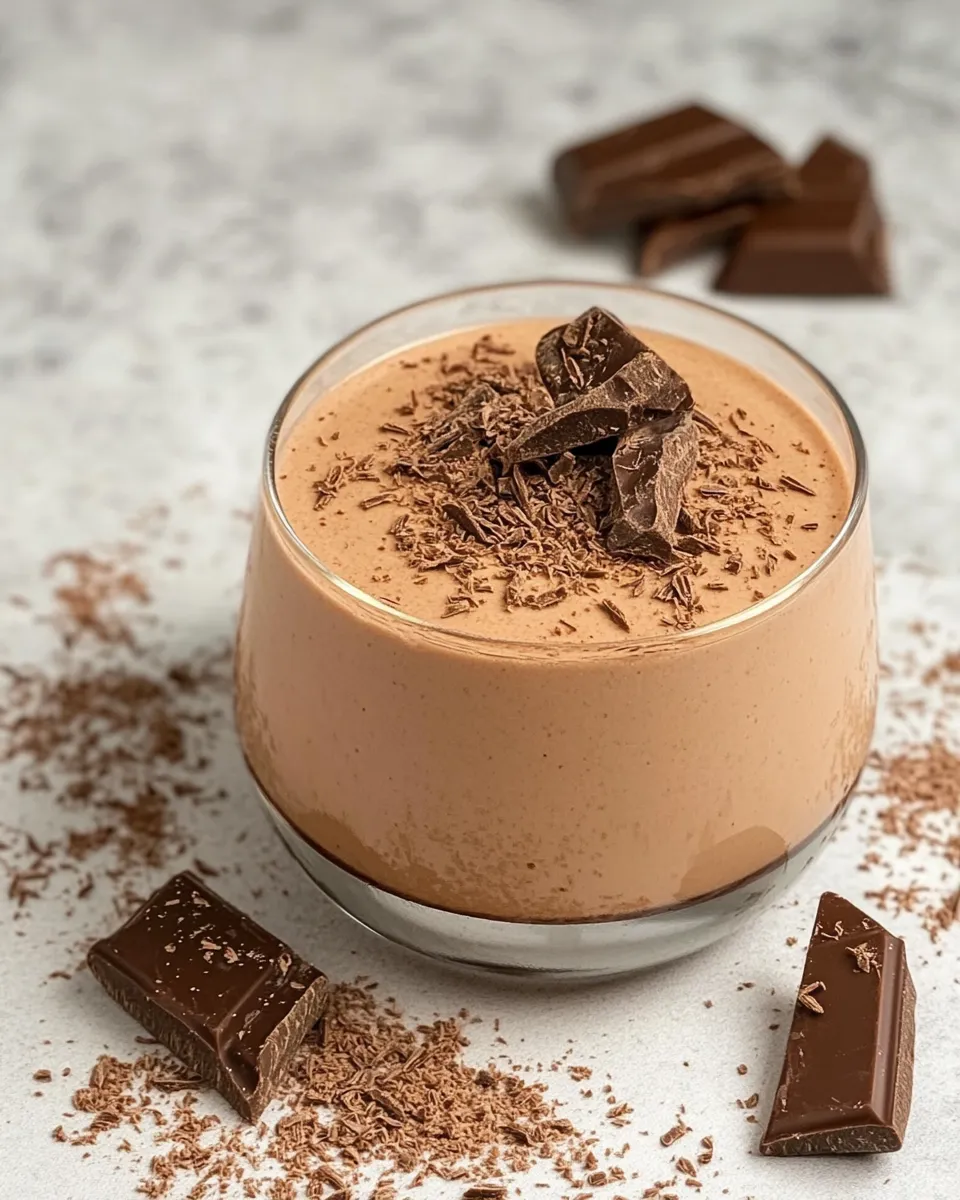
- grated chocolate — for finishing; adds texture and a little bite on top at serving.
Chocolate Panna Cotta in Steps
- Put the 7g gelatin sheets in a bowl of cold water and let them soften until pliable, about 3–5 minutes.
- While the gelatin soaks, combine 60ml whole milk, 480ml heavy cream, 50g granulated sugar, and 10g cocoa powder in a medium saucepan. Add 1 tsp vanilla extract. Whisk to blend the dry ingredients into the liquids.
- Heat the mixture over medium heat, stirring frequently, until the sugar and cocoa are fully dissolved and the mixture is hot and steaming. Do not let it boil or simmer—no bubbling. Remove the pan from the heat.
- Drain the softened gelatin sheets and gently squeeze out excess water. Add the drained gelatin to the warm cream mixture and whisk until the gelatin is completely dissolved and the mixture is smooth.
- Pour the mixture into serving glasses or molds. Allow to cool slightly at room temperature, then cover and refrigerate for at least 4 hours, or until fully set.
- Just before serving, top each panna cotta with grated chocolate.
Why This Recipe Works
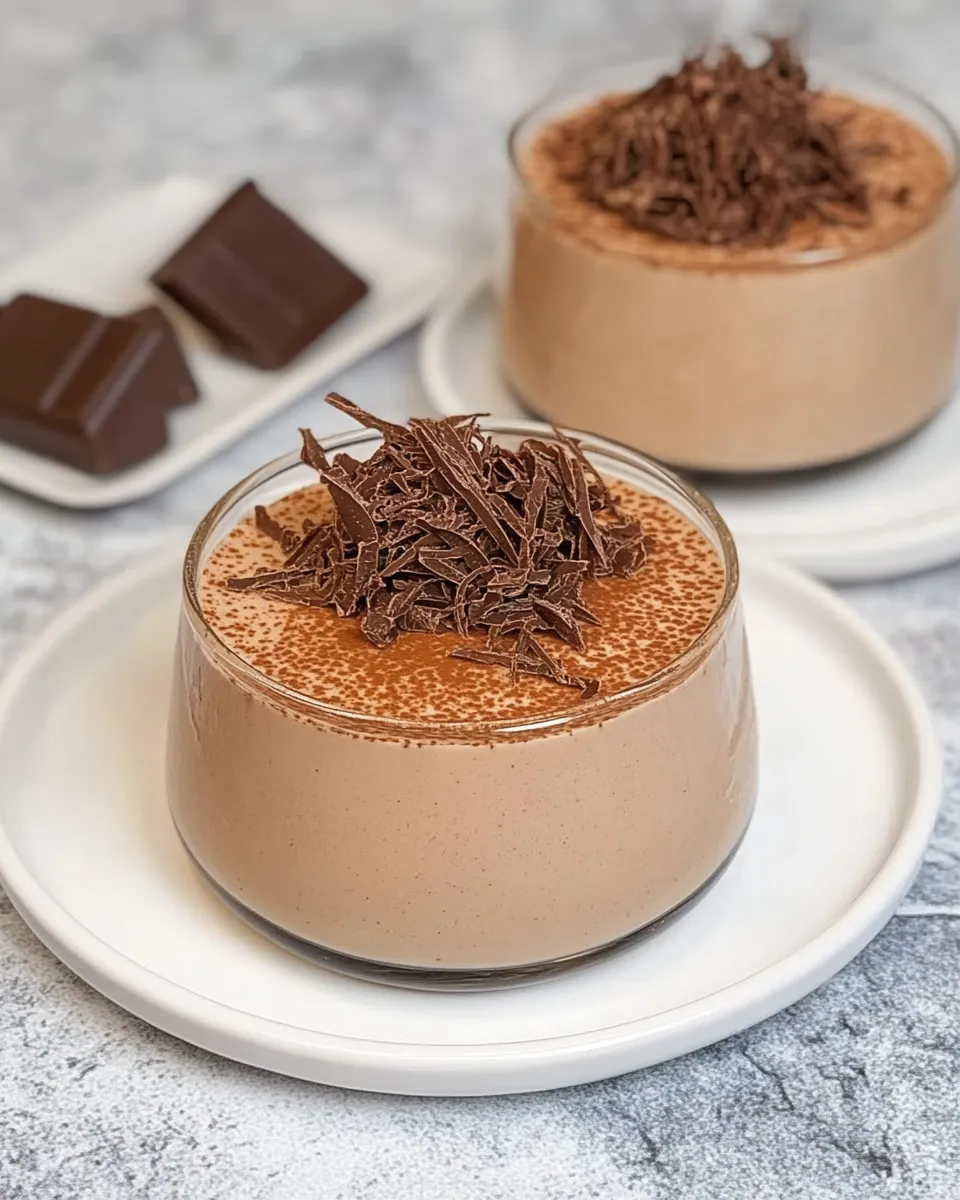
The structure of panna cotta depends on the balance between liquid (milk and cream) and the gelling agent (gelatin). Using 7 g of gelatin with the specified dairy volume produces a firm but tender set — not rubbery, not floppy. The ratio of heavy cream to milk (480 ml to 60 ml) delivers a luxurious mouthfeel while keeping the final texture silky rather than cloying.
Cocoa powder dissolves into the warm cream, distributing chocolate flavor without adding extra fat or changing the set. The sugar amount sweetens enough to balance cocoa’s natural bitterness but doesn’t mask the dairy richness. Heating until hot and steaming is key: it ensures sugar and cocoa are fully incorporated and the gelatin dissolves quickly when added, but stopping short of a simmer protects delicate flavors and prevents the cream from breaking or developing a skin.
Finally, finishing with grated chocolate adds contrast — a little texture and a burst of fresh chocolate aroma at the moment you eat it. It’s a simple flourish that makes the dessert feel finished.
Ingredient Swaps & Substitutions
- Gelatin sheets: If you only have powdered gelatin, follow the packet instructions for substitution (blooming in cold water then dissolving in warm liquid). Keep in mind textures differ slightly between sheets and powder.
- Dairy: You can experiment with lighter cream or higher milk ratios, but the texture will be softer. For a richer result, use all heavy cream in place of milk; for a lighter version, increase milk and reduce cream.
- Sweetener: Granulated sugar can be swapped for caster sugar or fine sugar for quicker dissolution. If you prefer liquid sweeteners, adjust to taste and ensure they’re fully incorporated while heating.
- Chocolate: Cocoa powder gives an even chocolate flavor. If you want an intense, glossy top, shave or grate a firm chocolate bar over the set panna cotta just before serving.
Tools & Equipment Needed
- Medium saucepan — to gently heat the cream and dissolve ingredients.
- Whisk — for blending cocoa and sugar into the liquids and for dissolving the gelatin thoroughly.
- Mixing bowl — to soften the gelatin sheets in cold water.
- Serving glasses or molds — any small glasses, ramekins, or silicone molds will work; pick what you like to serve in.
- Fine grater or microplane — for finishing with grated chocolate.
- Measuring spoons and cups or a kitchen scale — for accuracy, especially with the gelatin and cocoa.
Don’t Do This
- Don’t boil the cream mixture. Boiling can change the texture and reduce the delicate cream flavor. Heat until hot and steaming only.
- Don’t add gelatin to cold liquid. It won’t dissolve properly and can leave lumps. Always bloom sheets in cold water then add to warm, not boiling, liquid.
- Don’t rush the chill time. Panna cotta needs at least 4 hours to set fully; undermined chilling yields a loose, disappointing texture.
- Don’t skip squeezing the gelatin sheets. Excess water from the soaking bowl will dilute the mixture and can affect setting.
- Don’t leave a skin on the surface while cooling. Covering the panna cotta before refrigerating prevents a film from forming.
Nutrition-Minded Tweaks
If you’re looking to reduce calories or saturated fat, the simplest approach is to swap part of the heavy cream for milk or a lower-fat cream. Doing so will soften the set, so consider a small increase in the gelling agent if you need the exact same firmness. Reducing sugar will make the chocolate more pronounced; taste the warm mixture and adjust sparingly before chilling.
For lactose concerns, use a lactose-free cream and milk alternative paired with a tested plant-based gelling agent (agar-agar behaves differently and requires boiling and precise measurement). Any substitution for fat or sugar changes the mouthfeel, so expect a slightly different panna cotta but still a pleasant dessert.
What I Learned Testing
I tested this recipe multiple times and learned that small technique details make a noticeable difference. The gelatin sheets must be pliable before they go into the warm cream; if they’re even slightly stiff, the dissolve takes longer and pockets of gelatin can form. I also found that whisking the cocoa into the cold dairy before heating helps prevent lumps and ensures an even chocolate color.
Another lesson: temperature control. Pulling the pan off heat at the right moment — when steam rises but before any simmering — prevents overconcentration of flavors and keeps the cream stable. I also discovered that chilling in individual glasses avoids problems with unmolding and makes portion control effortless. Finally, always grate the chocolate just before serving; it loses aroma and melts into the top if grated too early.
Save It for Later
Panna cotta stores well. Keep covered in the refrigerator for up to 3 days. If you’ve set panna cotta in glasses, keep them covered with plastic wrap or lids to prevent absorbing fridge odors. If you used molds and plan to unmold, do it shortly before serving for best texture and appearance; unmolded panna cotta can be fragile after a couple days and is easiest to handle when slightly chilled but not rock-hard.
For make-ahead entertaining, prepare the panna cotta up to 24 hours in advance and save grating the chocolate until just before serving. If you need to travel with them, keep them chilled in a cooler and add toppings at the last moment.
Popular Questions
Can I use powdered gelatin instead of gelatin sheets?
Yes. Powdered gelatin can be used; follow the packet’s substitution instructions for the equivalent bloom weight. Bloom in cold water, then dissolve in the warm cream. Textures differ slightly between sheets and powder, but the result will still be smooth and pleasant.
Why did my panna cotta not set?
Common causes are not enough gelatin, over-diluting the gelatin by leaving excess soaking water, or adding gelatin to a very cold mixture so it doesn’t dissolve. Also, if the cream mixture was boiling and then cooled too fast, it can affect the set. Check each step carefully: bloom gelatin, squeeze out water, dissolve in warm (not boiling) liquid, and chill for at least 4 hours.
Can I unmold panna cotta?
Yes. If you set it in molds, dip the bottom briefly in warm water to loosen and invert onto a plate. Don’t soak; the water should only touch the outside briefly. For guaranteed success, use silicone molds or lightly oil rigid molds before pouring.
How long will it keep?
Properly covered, panna cotta keeps in the refrigerator for up to 3 days. The quality is best within the first 48 hours.
Next Steps
Once you’re comfortable with this Chocolate Panna Cotta, try varying the toppings: fresh berries for brightness, a spoonful of salted caramel for contrast, or a scattering of toasted nuts for crunch. If you want a more intense chocolate profile, serve with a small shard of dark chocolate or a concentrated chocolate sauce on the side. Keep experimenting within the method — the technique is forgiving and the rewards are consistently elegant.
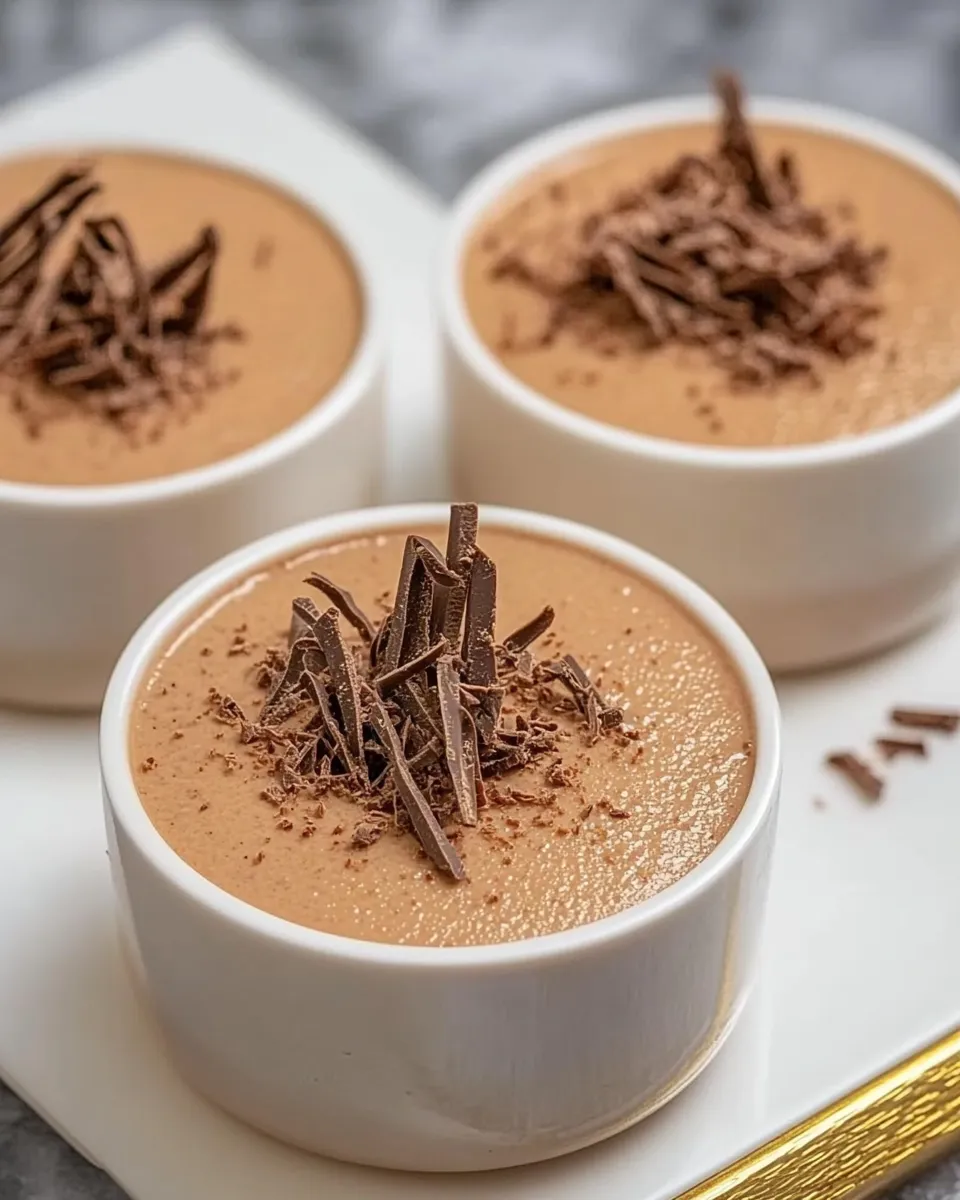
Chocolate Panna Cotta
Equipment
- Saucepan
- Bowl
- Whisk
- Measuring Cups
- Measuring Spoons
- molds or serving glasses
- Refrigerator
Ingredients
Ingredients
- 7 ggelatin sheets
- 60 mlwhole milk
- 480 mlheavy cream
- 1 tspvanilla extract
- 50 ggranulated sugar
- 10 gcocoa powder
- grated chocolate
Instructions
Instructions
- Put the 7g gelatin sheets in a bowl of cold water and let them soften until pliable, about 3–5 minutes.
- While the gelatin soaks, combine 60ml whole milk, 480ml heavy cream, 50g granulated sugar, and 10g cocoa powder in a medium saucepan. Add 1 tsp vanilla extract. Whisk to blend the dry ingredients into the liquids.
- Heat the mixture over medium heat, stirring frequently, until the sugar and cocoa are fully dissolved and the mixture is hot and steaming. Do not let it boil or simmer—no bubbling. Remove the pan from the heat.
- Drain the softened gelatin sheets and gently squeeze out excess water. Add the drained gelatin to the warm cream mixture and whisk until the gelatin is completely dissolved and the mixture is smooth.
- Pour the mixture into serving glasses or molds. Allow to cool slightly at room temperature, then cover and refrigerate for at least 4 hours, or until fully set.
- Just before serving, top each panna cotta with grated chocolate.
Notes
Chef’s tip:
Be careful not to heat the milk too much, as it could damage the gelatin.