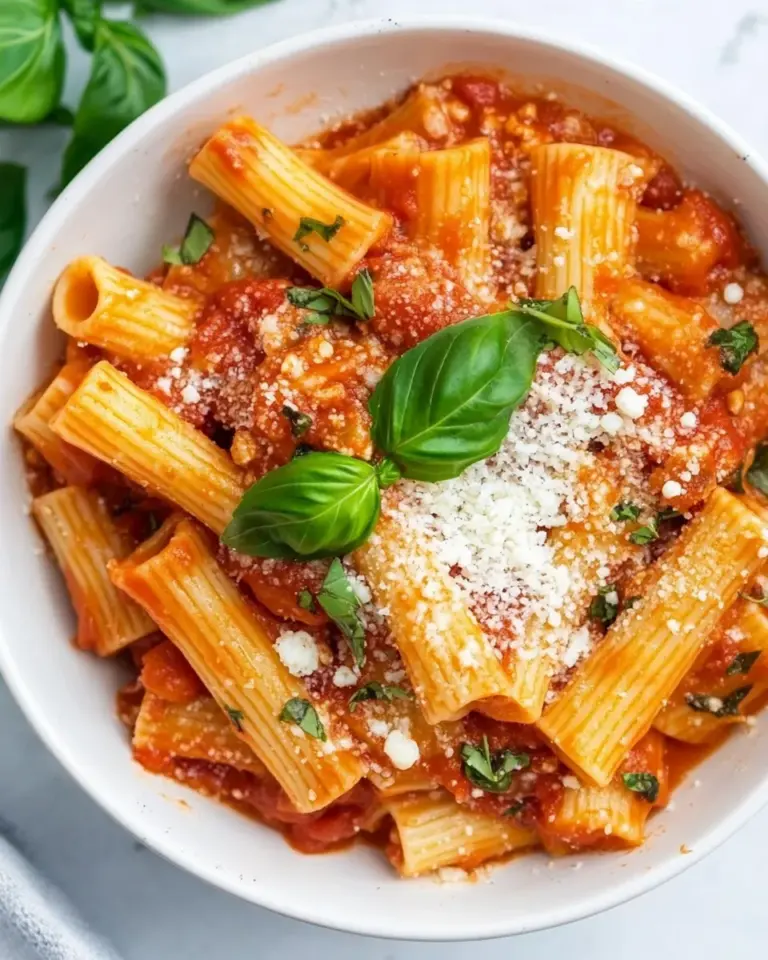
There’s a special kind of comfort that comes from a pot of simmering sauce filling the kitchen with warm, herb-scented steam. This Vegetarian Spaghetti Sauce is simple, satisfying, and layered with vegetables that add natural sweetness and texture. It’s the kind of recipe you can make on a cozy weeknight and feel proud about—colorful, hearty, and perfect over pasta, polenta, or even roasted vegetables.
Why you’ll love this sauce
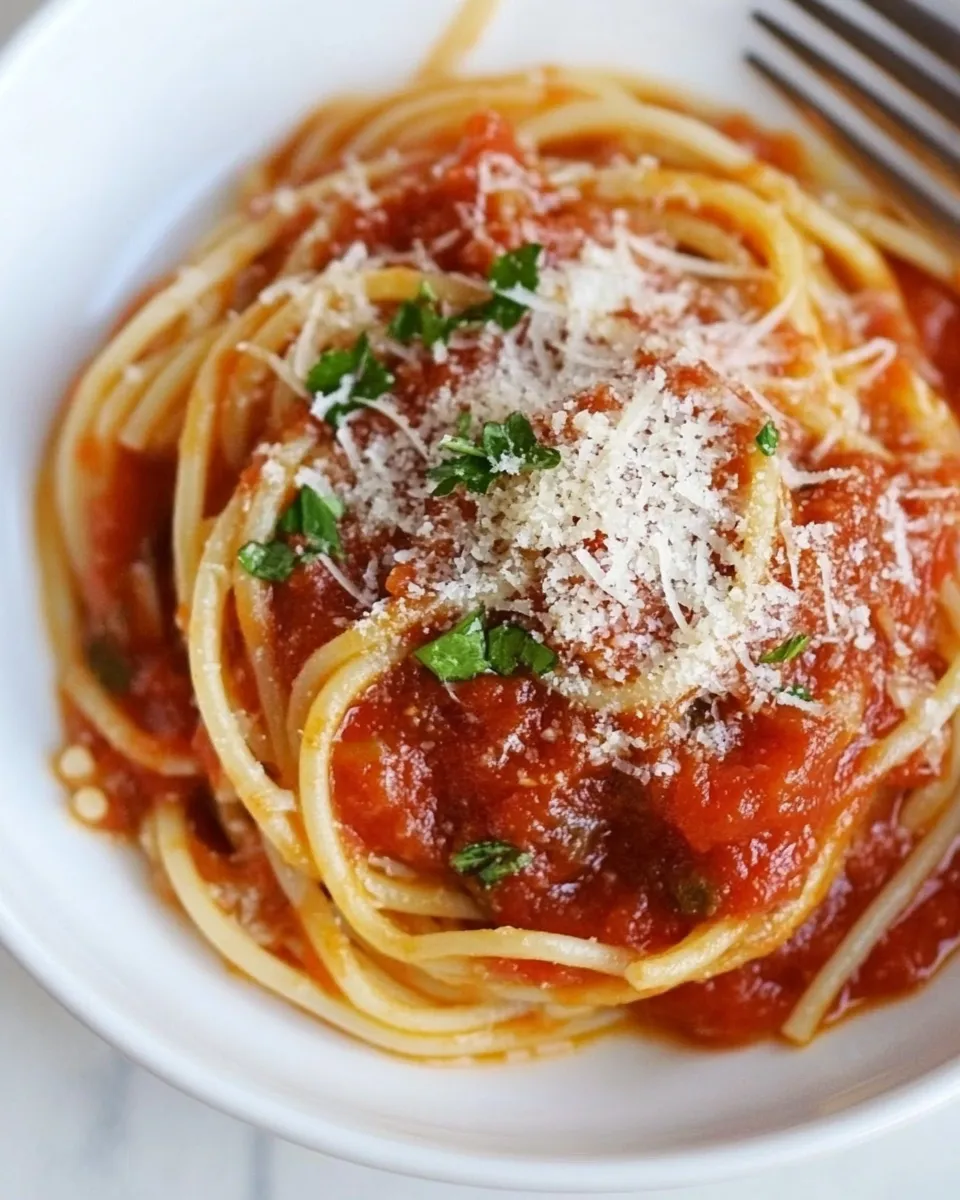
This Vegetarian Spaghetti Sauce is an every-night staple. It’s built on a straightforward sauté of aromatics and vegetables, then enriched with canned tomatoes, tomato paste, and vegetable-forward liquids. A bay leaf and a modest amount of dried herbs keep the profile classic and familiar, while grated carrot and diced zucchini add body and a touch of sweetness without any extra sugar. The result is a sauce that’s both family-friendly and adaptable—use it as a base for lasagna, a spoonable topping for grain bowls, or a cozy bed for pan-seared mushrooms.
Ingredients
- 2 tablespoons olive oil
- 1 small onion, diced
- 2 cloves garlic, minced
- 1/2 cup carrot, grated
- 1 small zucchini, diced
- 1/4 green pepper, diced
- 14.5 oz. diced tomatoes, 1 can
- 1 can tomato paste
- 2 cups V8 juice (I used low sodium)
- 1 tablespoon dried basil
- 1 teaspoon dried oregano
- 1 large bay leaf
- 1 1/2 tablespoons sugar
- Salt & pepper to taste
Equipment
- Large, heavy-bottomed saucepan or Dutch oven
- Wooden spoon or heatproof spatula
- Box grater for the carrot (or a food processor)
- Can opener
- Measuring spoons and cups
Notes on ingredients
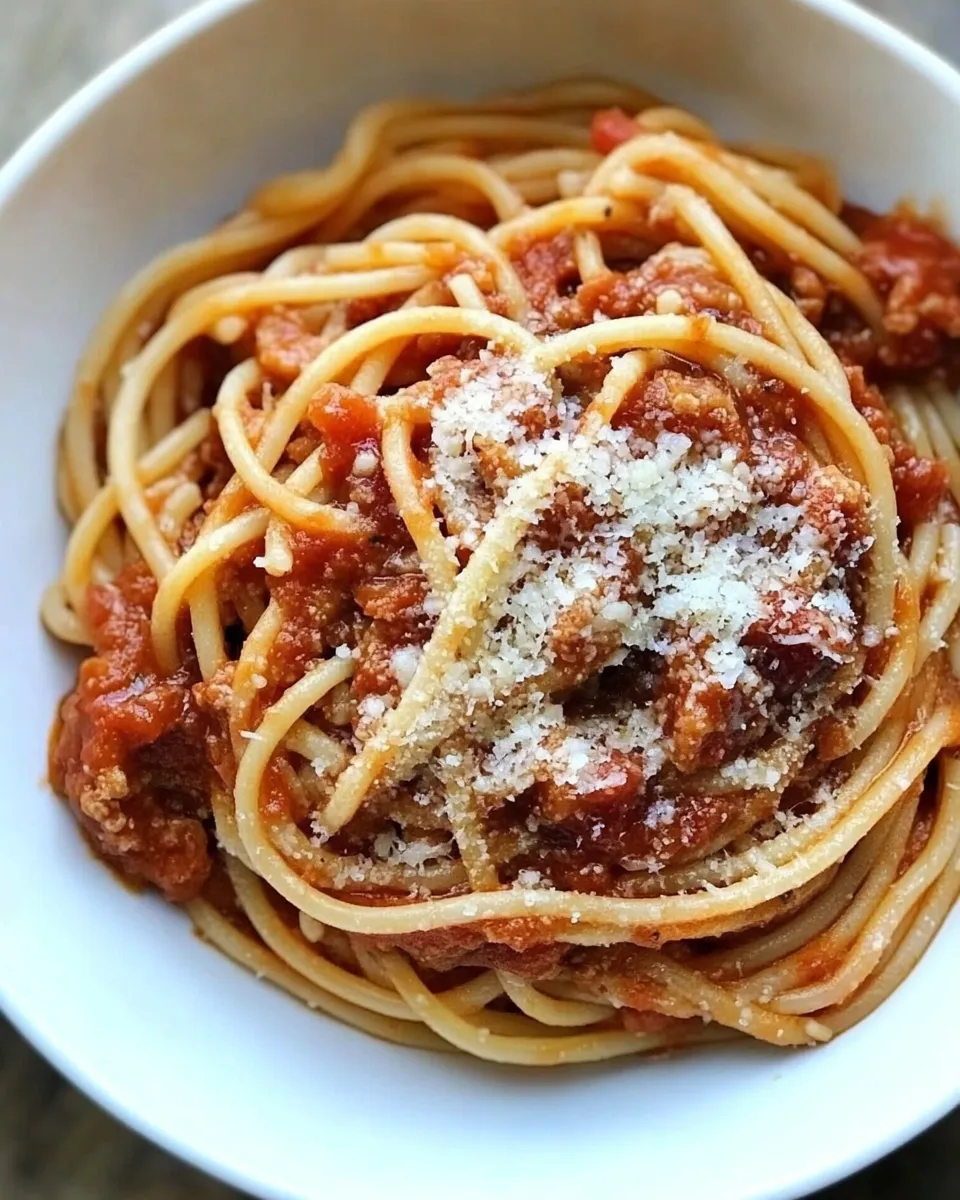
All ingredients are pantry-friendly and easy to source. Choose ripe, firm vegetables for the best texture; a gentle sauté brings out the onion and pepper’s sweetness while letting the zucchini retain a pleasant bite. If you prefer a thicker sauce, reduce the V8 slightly or simmer longer. For a brighter tomato flavor, look for high-quality diced tomatoes—fire-roasted varieties can add a smoky note.
Step-by-step instructions
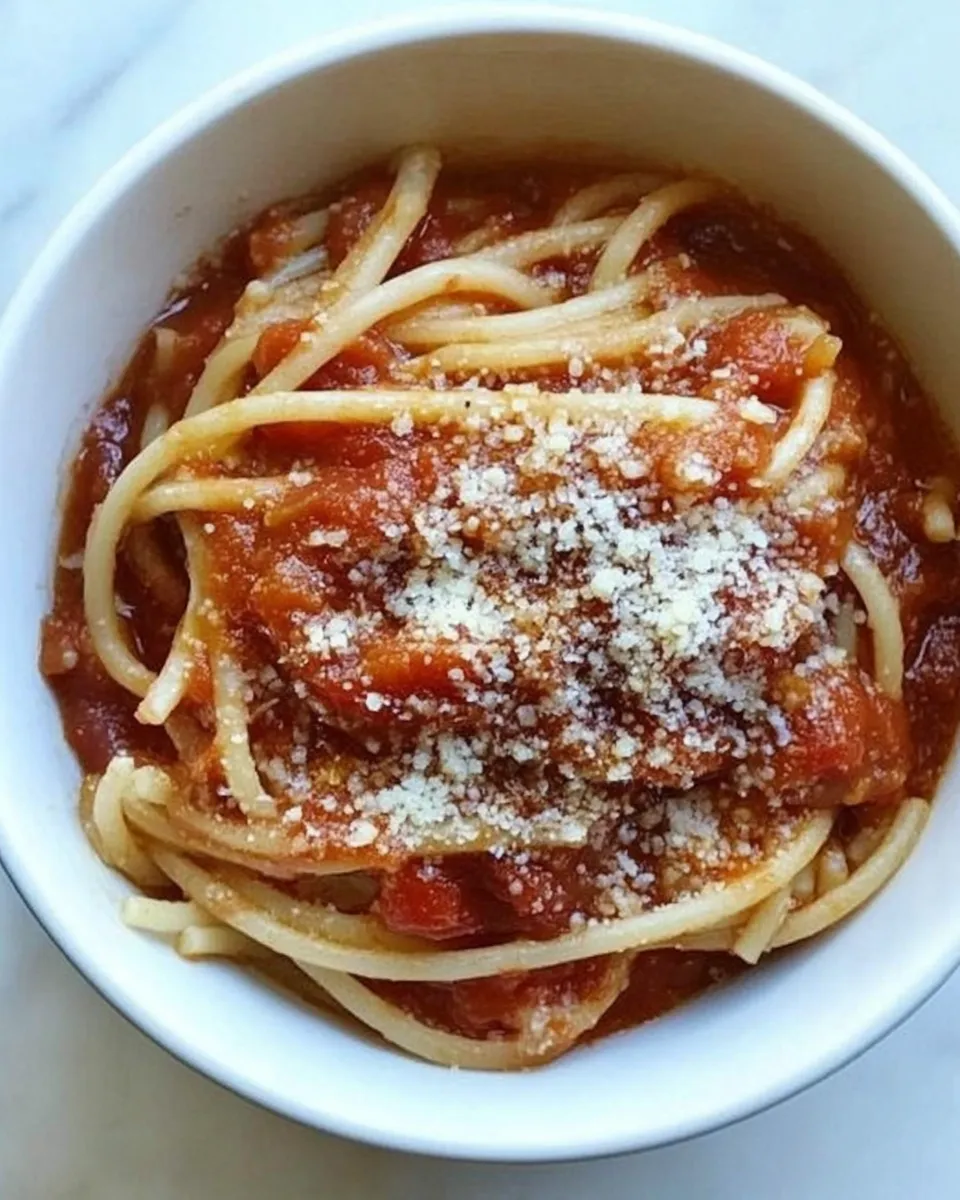
Follow these clear steps to make the Vegetarian Spaghetti Sauce. The sequence remains faithful to the original formula, but the directions are rewritten to be precise, easy to follow, and efficient.
- Heat the oil: Place a large saucepan or Dutch oven over medium heat and add 2 tablespoons olive oil. Allow the oil to warm until it shimmers but does not smoke.
- Sauté the onion and garlic: Add 1 small diced onion to the hot oil and cook, stirring occasionally, until the onion becomes translucent, about 4–5 minutes. Add 2 cloves minced garlic and cook for another 30–60 seconds, stirring constantly so the garlic softens without browning.
- Add the grated carrot and diced vegetables: Stir in 1/2 cup grated carrot, 1 small zucchini diced, and 1/4 green pepper diced. Cook the mixture, stirring occasionally, until the vegetables begin to soften, about 4–6 minutes. This step builds bulk and natural sweetness for the sauce.
- Combine the tomatoes and paste: Pour in 14.5 oz. diced tomatoes (one can) along with 1 can tomato paste. Stir thoroughly so the paste is well incorporated with the vegetables and tomatoes. Break up any large tomato pieces with the back of your spoon if you prefer a smoother texture.
- Add the V8 and seasonings: Pour in 2 cups V8 juice (low sodium if available) and stir to combine. Add 1 tablespoon dried basil, 1 teaspoon dried oregano, and 1 large bay leaf. Stir again so the herbs distribute evenly through the sauce.
- Sweeten and simmer: Add 1 1/2 tablespoons sugar to balance acidity, then bring the sauce to a gentle simmer over medium heat. Once simmering, reduce the heat to low so the sauce barely bubbles. Partially cover the pot and let the sauce simmer for 20–30 minutes, stirring occasionally to prevent sticking. This allows flavors to meld and the sauce to thicken.
- Taste and finish: Remove the bay leaf and taste the sauce. Season with salt and pepper to taste, keeping in mind that the V8 juice may already contain some salt. If the sauce tastes too acidic, a little extra sugar (no more than 1/2 teaspoon at a time) can balance it.
- Serve: Spoon the hot sauce over cooked spaghetti, toss with freshly cooked pasta, or use it as a base for other vegetarian dishes. Garnish with chopped fresh basil or a sprinkle of grated cheese if desired.
Serving suggestions
This Vegetarian Spaghetti Sauce works beautifully in many ways. Toss it with al dente spaghetti and a drizzle of extra virgin olive oil for a classic plate. Spoon it over polenta or roasted eggplant for a hearty, vegetable-forward dinner. It also makes a great filling for stuffed peppers or as the saucy backbone of a baked pasta casserole. Leftovers thicken and often deepen in flavor after a day, making this sauce ideal for meal prep.
Make-ahead & storage
- Refrigerator: Store cooled sauce in an airtight container for up to 5 days.
- Freezer: Freeze in portions for up to 3 months. Thaw overnight in the refrigerator before reheating.
- Reheating: Warm gently on the stovetop over low heat, stirring often. If the sauce seems thick after refrigeration, add a splash of water or vegetable broth to loosen it.
Tips for perfect results
- Sweat the aromatics: Softening the onion and garlic until translucent builds a sweeter, more rounded base for the sauce.
- Keep the heat low during the final simmer: A low, slow simmer concentrates flavors without scorching the bottom of the pan.
- Grate the carrot finely: Finely grated carrot melts into the sauce and provides sweetness and body without noticeable texture.
- Adjust the herbs to taste: If you love basil, increase it slightly; if you prefer a more Mediterranean flavor, add a pinch of thyme or rosemary (sparingly).
- For a smoother sauce: Use an immersion blender briefly to blend part of the sauce, or puree half the sauce in a blender and return it to the pot.
Common variations
The base formula is forgiving and adapts to what’s in your pantry. Add a can of rinsed beans for extra protein, fold in sautéed mushrooms for earthiness, or stir in some chopped olives for a briny kick. For a smoky variation, replace a portion of the V8 with vegetable broth and add a dash of smoked paprika. If you like heat, a pinch of red pepper flakes added with the dried herbs livens things up.
Why the ingredients matter
Each element in this Vegetarian Spaghetti Sauce plays a role: the onion and garlic provide aromatic depth, the grated carrot brings sweetness and body, and the zucchini and green pepper contribute texture and freshness. Canned diced tomatoes and tomato paste offer tomato intensity and thickness, while the V8 juice enhances the vegetable complexity and helps with a smoother mouthfeel. Dried basil, oregano, and a bay leaf create a familiar Italian-inspired backbone, and the modest sugar cut through acidity for a balanced finish.
Nutrition snapshot
This sauce is vegetable-forward, so it’s naturally lower in saturated fat and high in fiber compared with many cream-based or meat-heavy sauces. Using low-sodium V8 helps control the sodium level; adjust added salt after tasting. The sauce is versatile enough to fit into many eating styles and pairs with whole-grain or legume-based pastas for a nutrient-dense meal.
Final thoughts
There’s something comforting about a well-made tomato sauce, and this Vegetarian Spaghetti Sauce delivers that comfort without fuss. It’s an excellent weeknight staple that rewards a little patience at the stove and plays nicely with whatever you have on hand. Whether you’re spooning it over warm spaghetti, layering it into lasagna, or using it as a hearty dip for garlic bread, this sauce is reliable, delicious, and ready to become a kitchen favorite.
Happy cooking—may your kitchen smell like cozy evenings and simmering tomatoes.
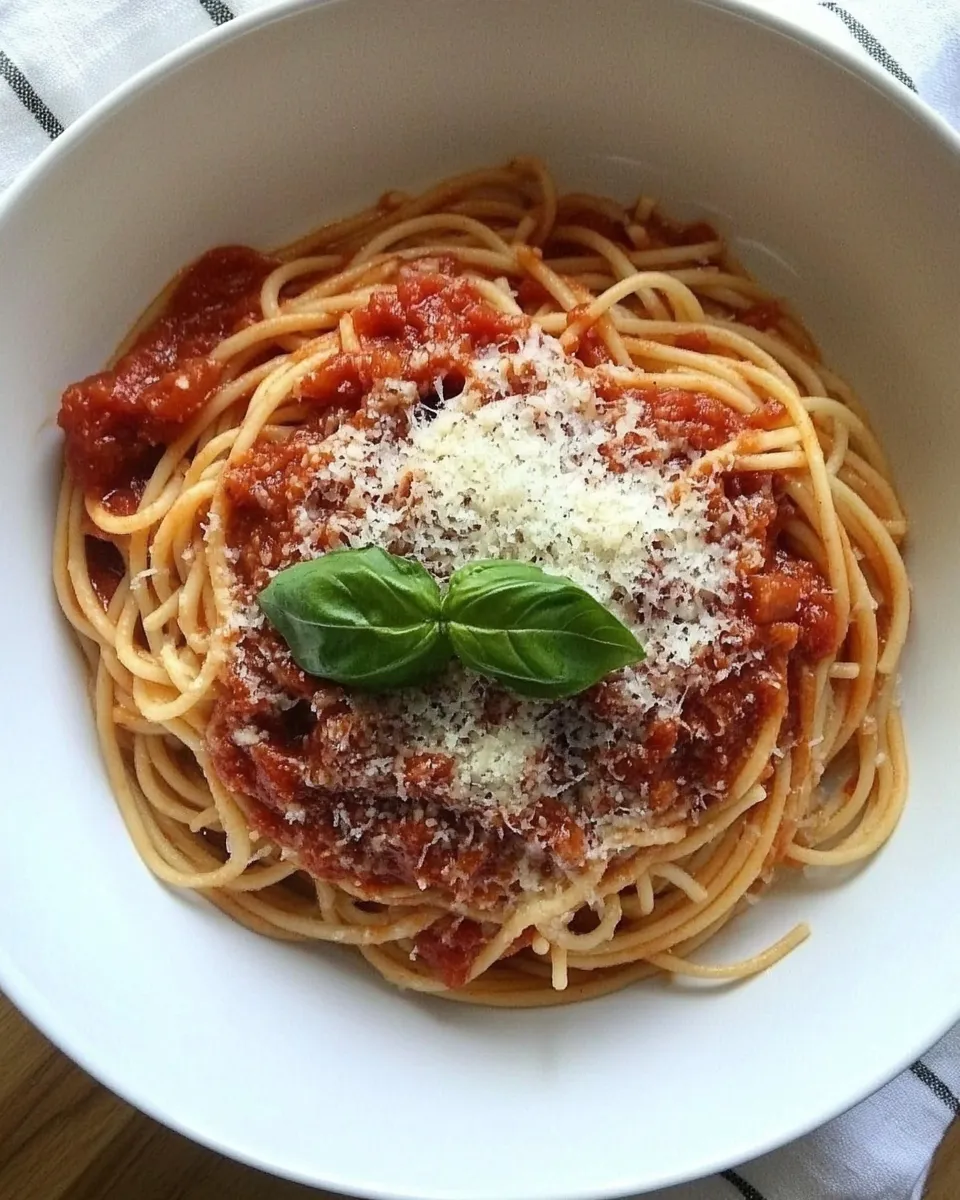
Vegetarian Spaghetti Sauce
Equipment
- large nonstick skillet
- Wooden Spoon or Spatula
- Grater
- Knife and cutting board
- Measuring spoons and cups
- Can opener
Ingredients
- 2 tablespoons olive oil
- 1 small onion diced
- 2 cloves garlic minced
- 1/2 cup carrot grated
- 1 small zucchini diced
- 1/4 green pepper diced
- 14.5 oz diced tomatoes 1 can
- 1 can tomato paste
- 2 cups V8 juice low sodium (used)
- 1 tablespoon dried basil
- 1 teaspoon dried oregano
- 1 large bay leaf
- 1 1/2 tablespoons sugar
- salt to taste
- black pepper to taste
Instructions
- Heat 2 tablespoons olive oil in a large nonstick skillet over medium heat.
- Add the diced onion and sauté for about 2 minutes until it begins to soften.
- Stir in the diced zucchini, grated carrot, and diced green pepper and sauté another 5–7 minutes until vegetables are tender.
- Add the minced garlic and cook about 1 minute until fragrant, stirring constantly.
- Mix the tomato paste into the vegetables until well combined.
- Pour in the diced tomatoes (14.5 oz can) and 2 cups V8 juice, then stir in dried basil, dried oregano, bay leaf, and sugar.
- Bring the sauce to a boil, then reduce heat to a simmer. Cover and simmer at low heat for 30 minutes, stirring occasionally. Add a little water if you prefer a thinner sauce.
- Remove the bay leaf, season with salt and pepper to taste, and serve with hot spaghetti and Parmesan if desired.
Notes
- This sauce thickens as it simmers.
- Use low-sodium V8 if you prefer less salt.
- Adjust sugar to balance acidity if needed.