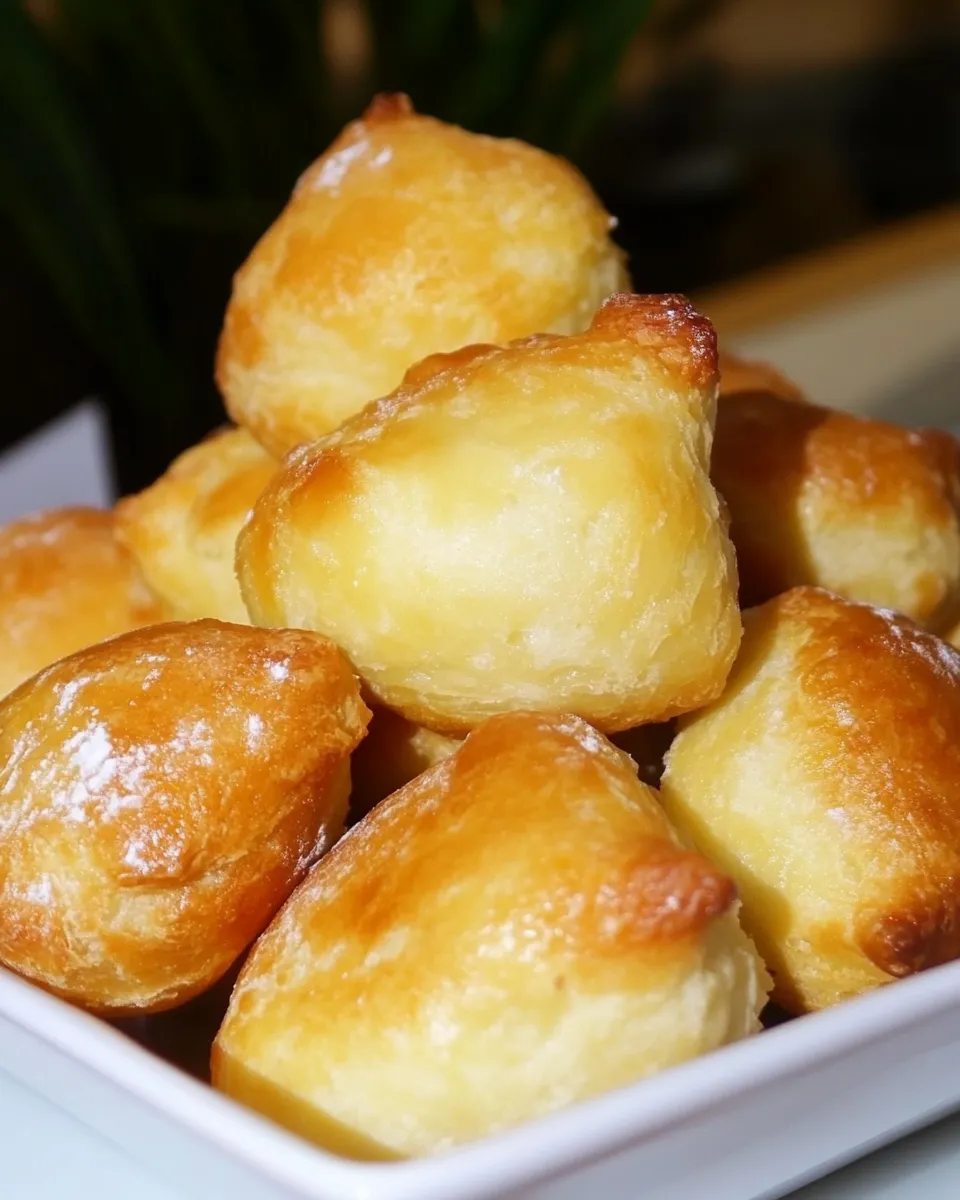
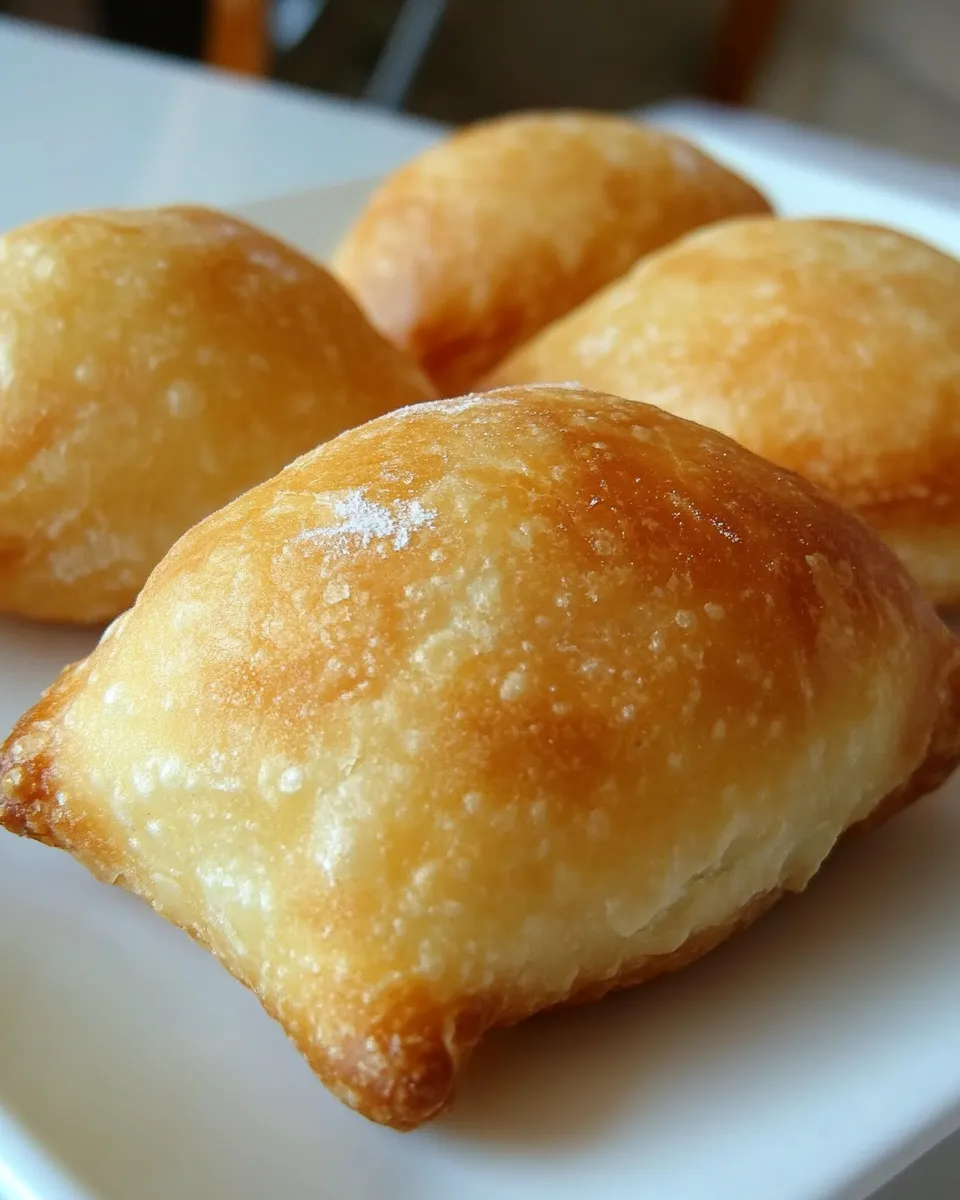
These Pigu are a small, honest pastry: a thin, tender dough wrapped around a sharp Romano cheese filling, baked until just golden. They’re simple to make and great for a snack, an antipasto plate, or when you need something cheesy with a little structure—crisp edges, soft interior.
I test recipes for the blog so you don’t have to guess how they behave in a real kitchen. This one is forgiving: the dough is straightforward to bring together by hand, the filling is just eggs and Romano, and the assembly is mostly about sealing and spacing. You’ll get a reliable result if you follow a few small habits (light flouring, careful sealing, and a quick egg wash).
I’ll walk you through exactly what’s in the bowl, how to make these step by step using the source recipe, what tools I like, and a handful of troubleshooting tips I learned during testing. No fluff—practical notes you can use the first time you make them.
What’s in the Bowl
Ingredients
- 2 eggs — for the dough; break into the well when starting the pastry.
- 2 tablespoons cold water — hydrates the dough; keeps it tender.
- 1 teaspoon vegetable oil — helps with dough pliability and richness.
- 1 cup (125 g) flour, plus more if needed (dough should be soft and elastic) — the base; add a dusting if the dough feels sticky while kneading.
- 2 eggs, beaten — for the filling; combines with the cheese to bind and moisten.
- 12 ounces (340.2 g) grated Romano, (¾ pound ) — the star of the filling; sharp, salty, and flavorful.
- Freshly ground black pepper, to taste — seasons the filling; freshly ground gives the best aromatic lift.
- 1 egg plus 1 tablespoon water for egg wash — brushed on top for color and shine.
From Start to Finish: Pigu (Italian Gougeres)
- Preheat oven to 350°F (175°C). Line a baking sheet with parchment paper or a silicone mat, or spray it with nonstick baking spray.
- Make the dough: on a clean work surface mound the 1 cup (125 g) flour and make a well in the center. Break the 2 eggs (for the dough) into the well, add the 2 tablespoons cold water and the 1 teaspoon vegetable oil. Use a fork to mix the wet ingredients, then gradually incorporate the flour until a shaggy mass forms.
- Knead the dough by hand until it becomes soft, smooth, and elastic. If the dough is too sticky, add a little more flour; if it is too dry, add a small bit of water. Cover the dough and set it aside.
- Make the filling: in a medium bowl combine the 2 eggs (beaten), the 12 ounces (340.2 g) grated Romano cheese, and freshly ground black pepper to taste. Stir until thoroughly combined.
- Lightly flour your work surface and roll the dough to about 1/8–1/4 inch thickness. Lay the rolled dough flat and place 1 tablespoon portions of the filling about 2 inches apart across one half of the dough.
- Fold the unused half of the dough over the filling. Press around each mound to release any trapped air and to seal. Cut into squares with a knife or pasta roller. If you cut with a knife, press the edges with a fork to help seal each piece.
- Transfer the sealed pigu to the prepared baking sheet, spacing them so they are not touching.
- Make the egg wash by beating together 1 egg and 1 tablespoon water; brush the tops of the pigu with the egg wash. Bake for 10–15 minutes, or until the tops are lightly browned.
Short assembly checklist
- Preheat and prepare baking surface.
- Make and rest dough while preparing filling.
- Roll, fill, fold, seal, and cut.
- Egg wash and bake until lightly browned.
Top Reasons to Make Pigu (Italian Gougeres)
1) They’re fast to assemble once the dough is made. The dough is a brief mix-and-knead; the filling is a simple whip of eggs and cheese. Come together in under an hour including baking.
2) They’re intensely savory and portable. Romano brings a bold, salty flavor that stands up on its own—perfect for a snack, picnic, or as part of an antipasto spread.
3) They teach good pastry basics. Rolling, sealing, and an egg wash are classic techniques; this recipe is a small package that reinforces those skills without being fussy.
4) They are versatile in service. Think hors d’oeuvre, soup accompaniment, or a grab-and-go snack. Their size and sturdiness make them useful across courses.
International Equivalents
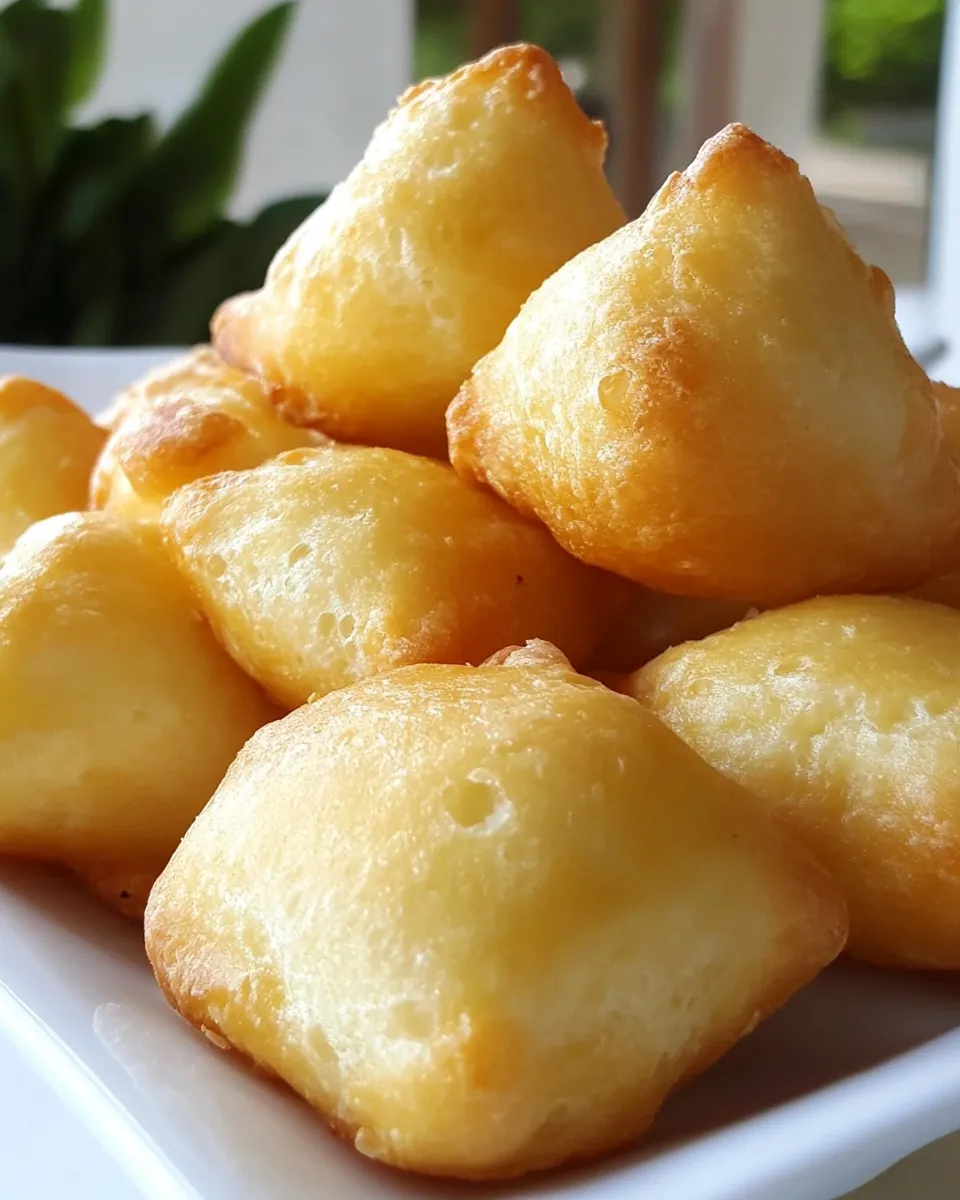
Pigu sit in the family of small filled pastries. They’re similar in spirit to French gougères, which use choux and cheese—different dough but the same idea of a cheesy, portable bite. In Italy, filled pastries and pasty bites appear across regions: think small savory ravioli turned into baked snacks rather than boiled pasta. In other cuisines, these play the role of scones, savory turnovers, or stuffed biscuits—different constructions, similar cheesy comfort.
Gear Up: What to Grab
- Mixing bowl — for the filling.
- Clean work surface or pastry board — for mixing and rolling dough.
- Rolling pin — to roll the dough to 1/8–1/4 inch thickness.
- Bench scraper or knife (or pasta roller) — to cut the sealed dough into squares.
- Fork — for sealing edges if you cut with a knife.
- Baking sheet lined with parchment or a silicone mat — for even baking and easy cleanup.
- Pastry brush — to apply the egg wash.
Troubleshooting Tips
Dough too sticky: add flour, a tablespoon at a time, while kneading. The recipe calls for extra flour if needed—use it until the dough is soft and elastic but not clingy.
Dough too dry: add water slowly, a teaspoon at a time. The dough should come together into a smooth ball; small adjustments prevent over-hydration.
Filling leaks during baking: make sure to press around each mound to release trapped air before sealing, and press edges firmly. If you cut with a knife, press edges with a fork as instructed to improve the seal.
Pigu browning too quickly: oven temperatures vary. If the tops brown before the interior feels set, tent loosely with foil for the remainder of the baking time.
Flat or dense final texture: check dough thickness. Rolling to 1/8–1/4 inch gives a light shell with enough structure. Overworking the dough can tighten gluten—knead until smooth but stop as soon as it’s elastic and soft.
Seasonal Serving Ideas
Spring: Serve warm with a small salad of peppery arugula and lemon vinaigrette to cut the cheese’s richness. Add fresh herbs on the side—something bright like chopped chives or parsley pairs well.
Summer: Bring them to a picnic with marinated olives, thinly sliced prosciutto, and fresh tomatoes. Pigu hold up well at room temperature for a few hours.
Autumn: Plate with roasted squash cubes, a drizzle of sage brown butter, and a few toasted walnuts. The sweet and nutty elements complement the salty Romano.
Winter: Pair with a bowl of warm tomato soup or a roasted vegetable velouté. The cheese and crisp pastry make them great dunkers.
What I Learned Testing
Work on one small batch at a time. I found that rolling a single portion of dough to the correct thickness and filling it immediately leads to the most consistent seals. If you roll all the dough at once and leave it sitting, it can dry out at the edges and be harder to seal.
Grate the Romano freshly if possible. Pre-grated cheese can be fine, but freshly grated Romano blends into the eggs more smoothly and gives a livelier flavor. Because the filling is just cheese and eggs, the quality of the cheese really shows.
Space matters on the baking sheet. Give each piece room to brown and breathe. They don’t need a lot of rise, but crowding leads to uneven browning and sometimes blocks airflow so they don’t get that gentle crisp.
Meal Prep & Storage Notes
Make-ahead: You can assemble the pigu and keep them on a baking sheet covered with plastic wrap in the refrigerator for up to 24 hours before baking. This is handy for parties—bake just before serving for best texture.
Leftovers: Store cooled pigu in an airtight container in the refrigerator for up to 3 days. Reheat in a 325°F oven for 5–8 minutes to refresh the exterior crisp; a microwave will warm them but soften the crust.
Freezing: Freeze fully cooled pigu on a tray until solid, then transfer to a freezer bag for up to 1 month. Reheat from frozen at 350°F for 10–12 minutes, or until warmed through and edges are crisped.
Quick Questions
Can I use a different cheese? This recipe calls for Romano. You can experiment, but note Romano is sharper and saltier than many cheeses; swap with caution and taste the filling before assembling.
Can I make them larger or smaller? Yes. Size affects baking time—smaller pieces may be done closer to 10 minutes; larger pieces may need a few extra minutes. Watch for light browning on top.
Do I need to rest the dough? The recipe says to cover and set the dough aside after kneading. A short rest lets the gluten relax, making rolling easier. It doesn’t need long refrigeration unless you want to prep ahead.
Next Steps
If you’re ready to make them now, set your oven to 350°F and gather your ingredients from the Ingredients list above. Follow the step-by-step directions in order: make the dough, make the filling, roll, fill, seal, egg-wash, and bake. Take notes about timing and oven behavior for your kitchen—temperature and sheet position will slightly change baking time.
When you’ve made a batch, tell me how they turned out: did the filling stay put? Was browning even? I’ll help adjust technique for your oven or preferences. These little Italian gougeres are a great kitchen confidence-builders, and once you have the technique down they’ll become a frequent guest at your table.
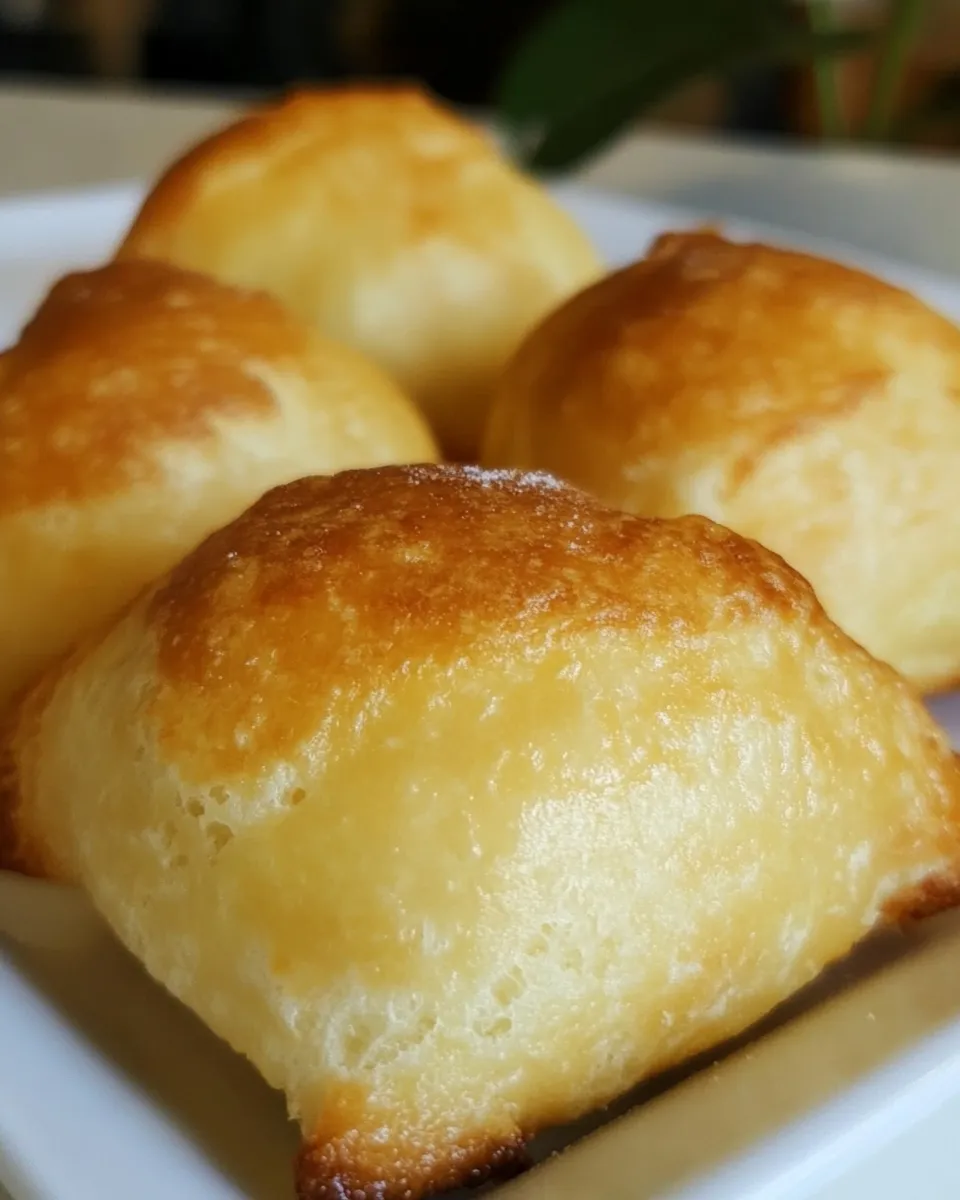
Pigu (Italian Gougeres)
Equipment
- Baking Sheet
- Parchment paper or silicone baking mat
- nonstick baking spray
- Mixing Bowl
- Fork
- Rolling Pin
- knife or pasta roller
- Pastry Brush
Ingredients
Ingredients
- 2 eggs
- 2 tablespoonscold water
- 1 teaspoonvegetable oil
- 1 cup 125 gflour, plus more if needed (dough should be soft and elastic)
- 2 eggs beaten
- 12 ounces 340.2 ggrated Romano, (3/4 pound )
- Freshly ground black pepper to taste
- 1 egg plus 1 tablespoon water for egg wash
Instructions
Instructions
- Preheat oven to 350°F (175°C). Line a baking sheet with parchment paper or a silicone mat, or spray it with nonstick baking spray.
- Make the dough: on a clean work surface mound the 1 cup (125 g) flour and make a well in the center. Break the 2 eggs (for the dough) into the well, add the 2 tablespoons cold water and the 1 teaspoon vegetable oil. Use a fork to mix the wet ingredients, then gradually incorporate the flour until a shaggy mass forms.
- Knead the dough by hand until it becomes soft, smooth, and elastic. If the dough is too sticky, add a little more flour; if it is too dry, add a small bit of water. Cover the dough and set it aside.
- Make the filling: in a medium bowl combine the 2 eggs (beaten), the 12 ounces (340.2 g) grated Romano cheese, and freshly ground black pepper to taste. Stir until thoroughly combined.
- Lightly flour your work surface and roll the dough to about 1/8–1/4 inch thickness. Lay the rolled dough flat and place 1 tablespoon portions of the filling about 2 inches apart across one half of the dough.
- Fold the unused half of the dough over the filling. Press around each mound to release any trapped air and to seal. Cut into squares with a knife or pasta roller. If you cut with a knife, press the edges with a fork to help seal each piece.
- Transfer the sealed pigu to the prepared baking sheet, spacing them so they are not touching.
- Make the egg wash by beating together 1 egg and 1 tablespoon water; brush the tops of the pigu with the egg wash. Bake for 10–15 minutes, or until the tops are lightly browned.